Places to Visit in Bhuj
Top attractions and must-see spots in Bhuj
Landmarks
12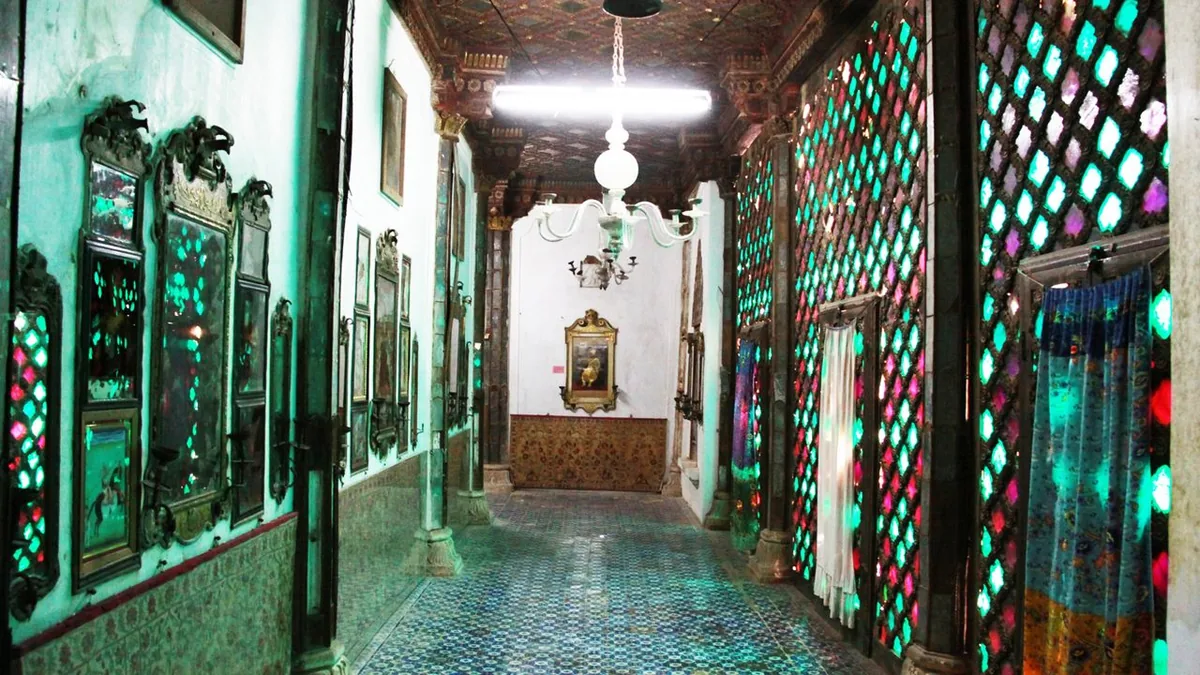
Aina Mahal
An 18th-century Palace of Mirrors built by Rao Lakhpatji, showcasing Indo-European craftsmanship and Kutchi royal opulence.
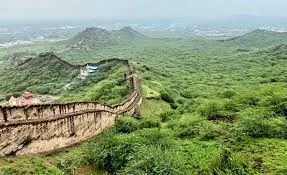
Bhujia Fort
A hilltop fort on Bhujia Hill with panoramic city views, site of major battles between Kutch rulers and Mughal forces.
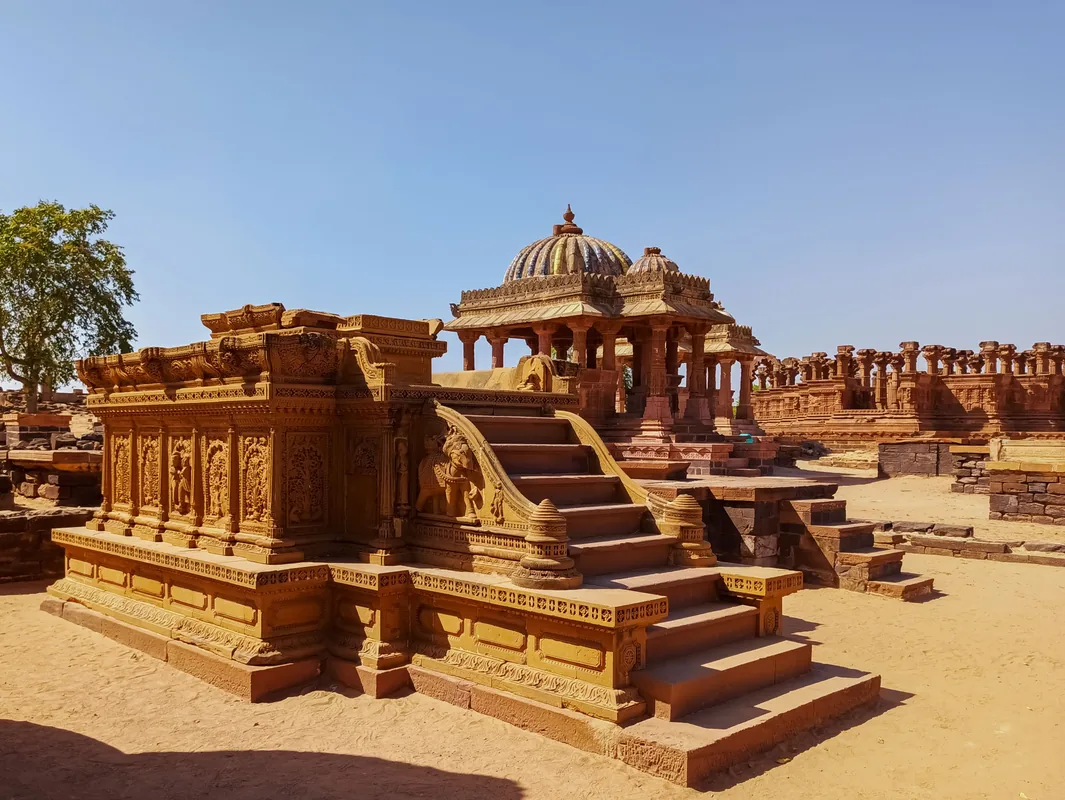
Chhatardis
A cluster of ornate royal cenotaphs in Bhuj commemorating the Maharaos of Kutch.
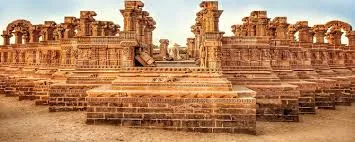
Chhatedi
18th-century royal cenotaphs of the Jadeja rulers, blending Islamic and Rajput architecture with intricate stone carvings.
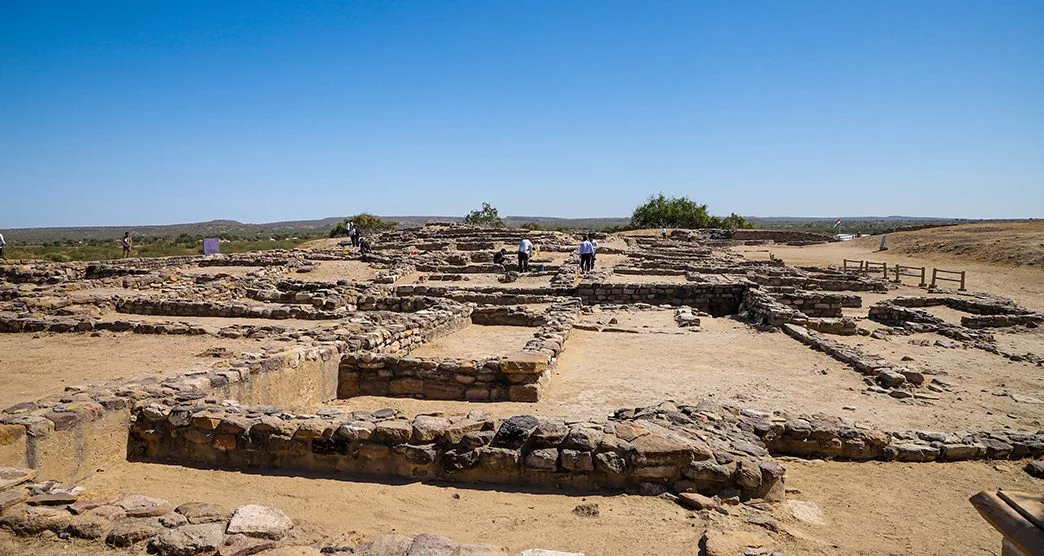
Dholavira Archaeological Site
A UNESCO listed Harappan city on Khadir Bet with advanced water systems dating back nearly 5000 years.
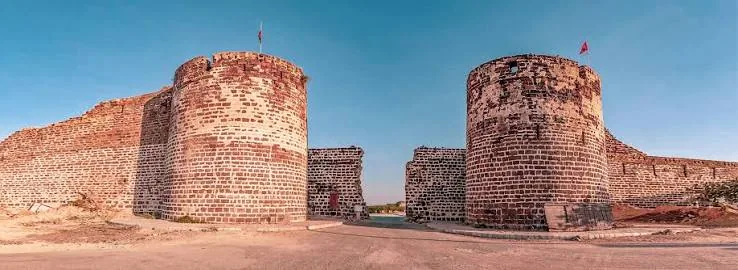
Lakhpat Fort
A largely deserted walled fort town in Lakhpat, once a flourishing trade settlement on the coast.
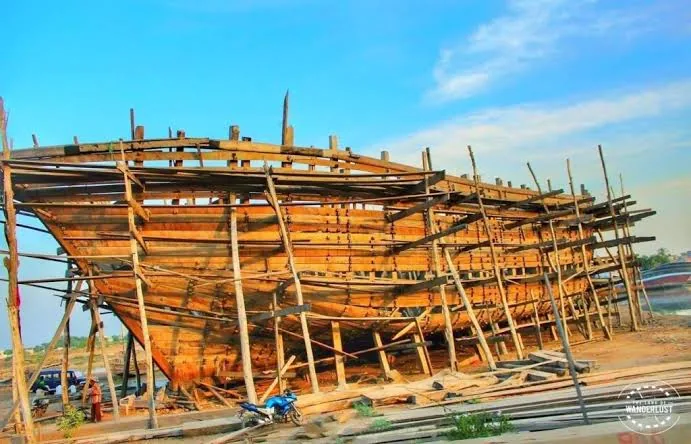
Mandvi Shipbuilding Yard
A working traditional shipyard in Mandvi where wooden dhows are still built entirely by hand.
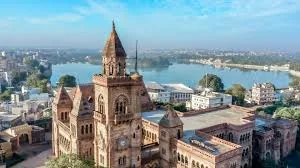
Prag Mahal
A soaring 19th-century Italian Gothic palace adjacent to Aina Mahal, with a grand Darbar Hall and bell tower.
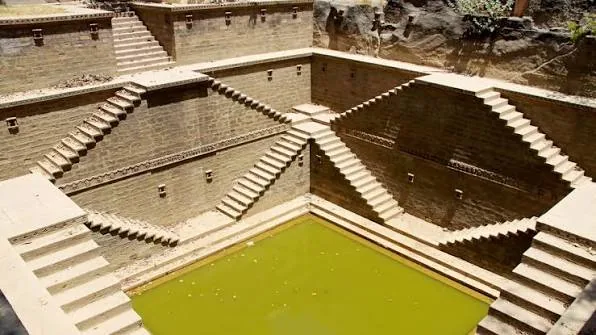
Ramkund Stepwell
An ancient carved stepwell in Bhuj featuring sculpted figures from the Ramayana.
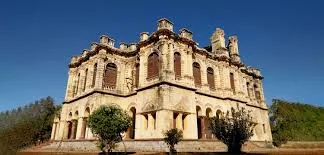
Sharad Baug Palace
The last royal residence of Kutch's Maharao, now a museum with personal artefacts, set in a tranquil garden nursery.
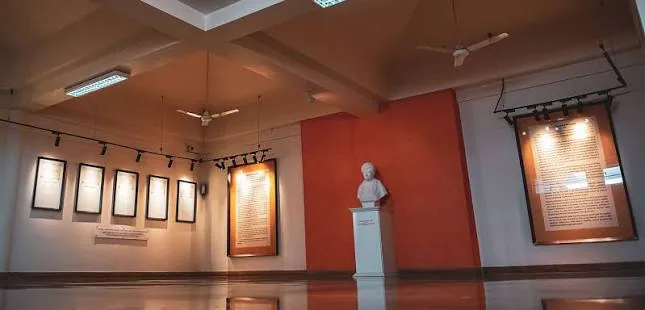
Shyamji Krishna Verma Memorial
A memorial in Mandvi honouring freedom fighter Shyamji Krishna Verma's life and contribution to independence.
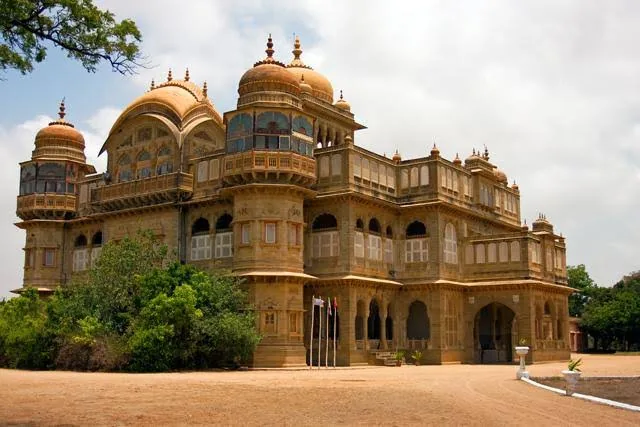
Vijay Vilas Palace
A 1929 royal summer palace in Mandvi blending Indo European architecture with private beach access.
Museum
4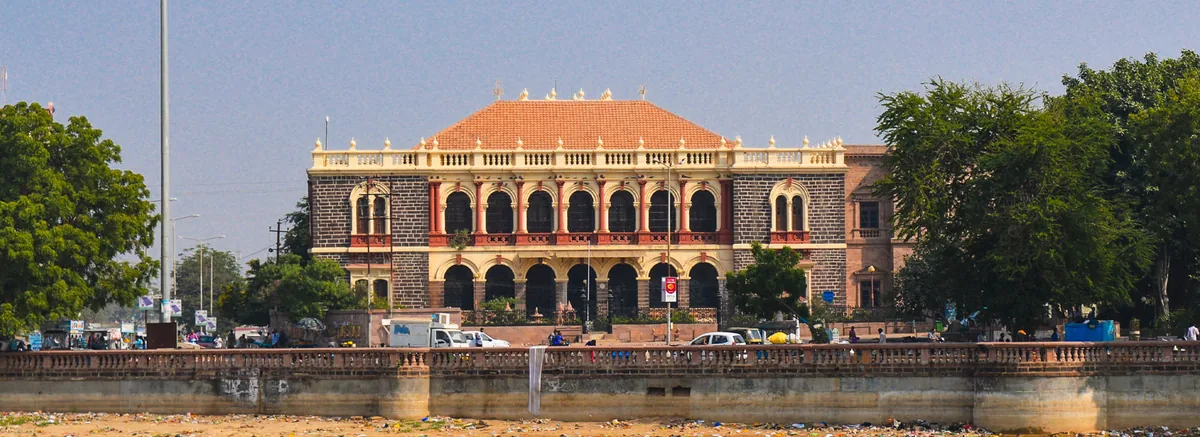
Kutch Museum
Gujarat's oldest museum, founded in 1877, with the world's largest Kshatrapa inscription collection and Kutchi tribal artefacts.
LLDC Crafts Museum
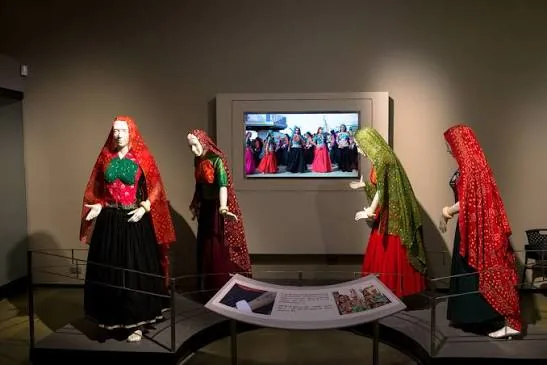
An NGO run crafts museum near Bhuj documenting the techniques and history of Kachchh artisans.
Smritivan Earthquake Memorial
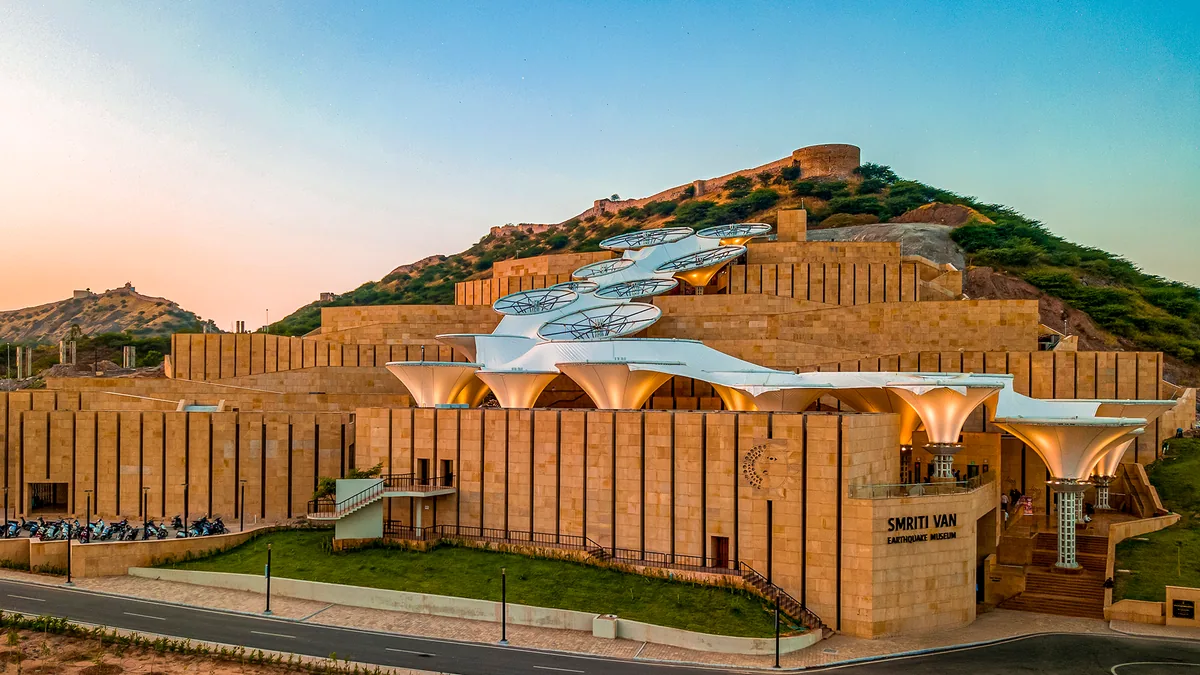
A world-class museum and memorial on Bhujio Hill commemorating the 2001 Gujarat earthquake that killed 20,000 people.
Smritivan Memorial Museum
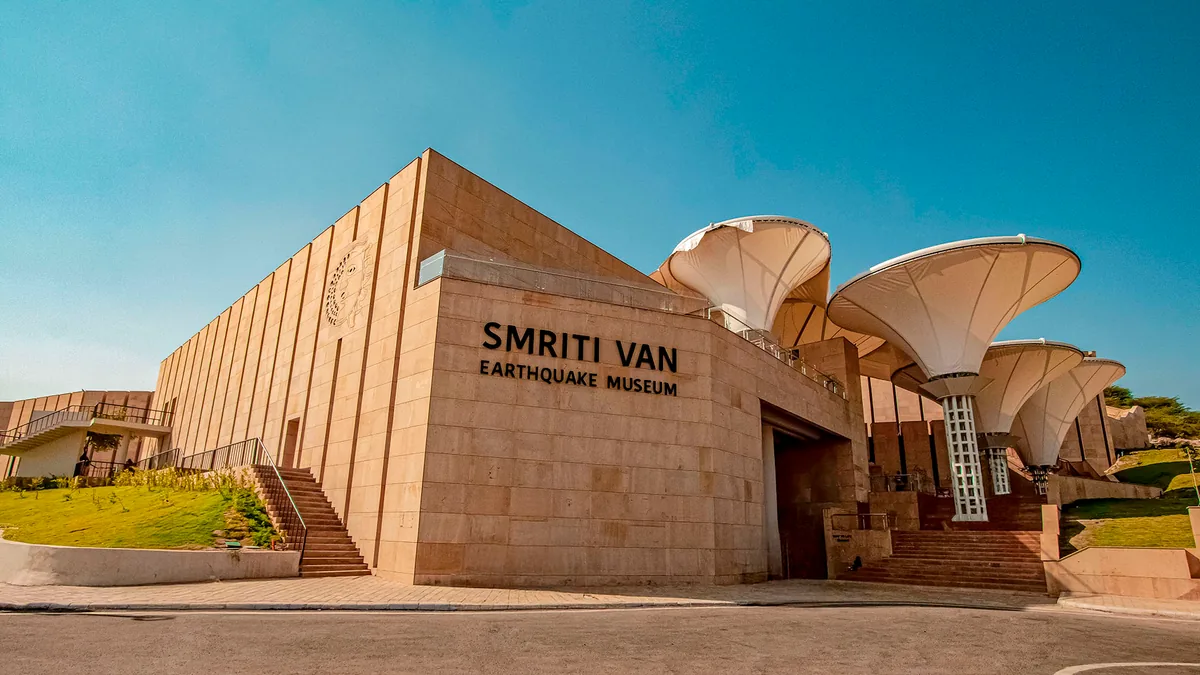
An earthquake memorial and interactive museum atop Bhujiyo Dungar, honouring 2001 earthquake victims.
Scenic Spots
8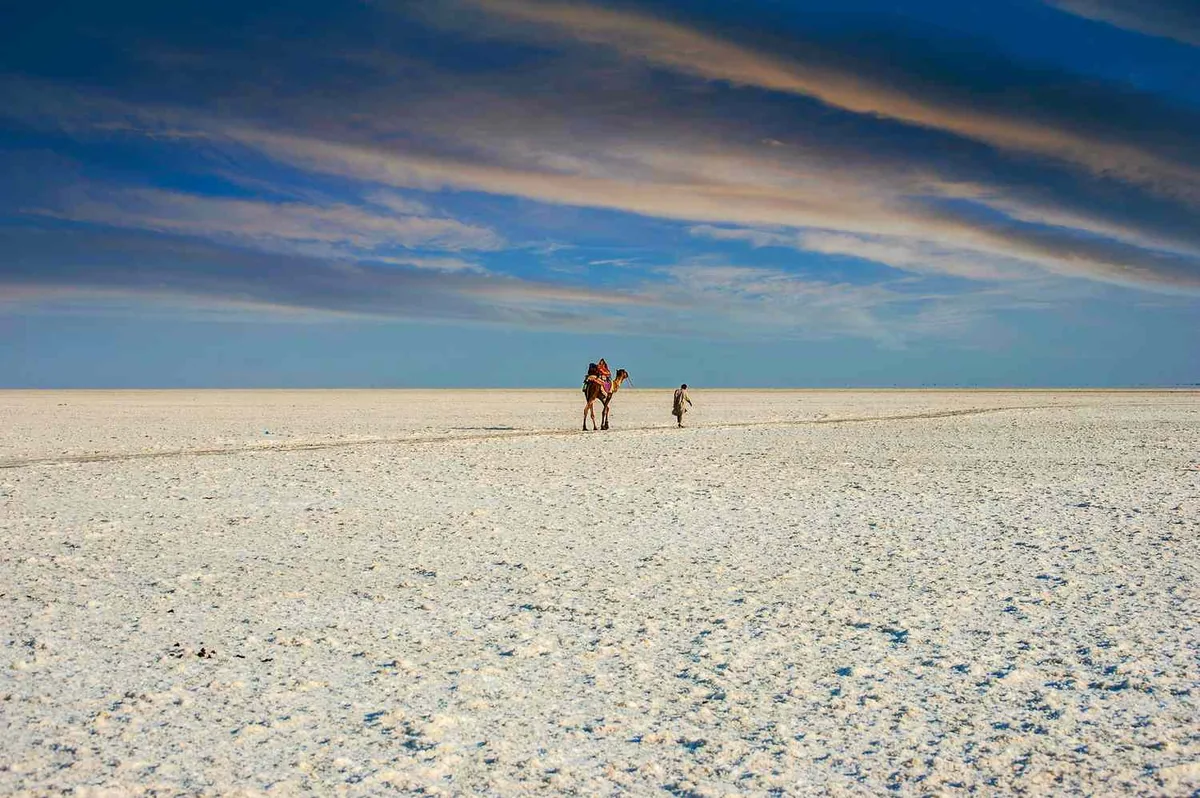
Great Rann of Kutch
The world's largest salt desert, 80 km from Bhuj, transforming into a glowing white expanse in winter and host to the Rann Utsav festival.
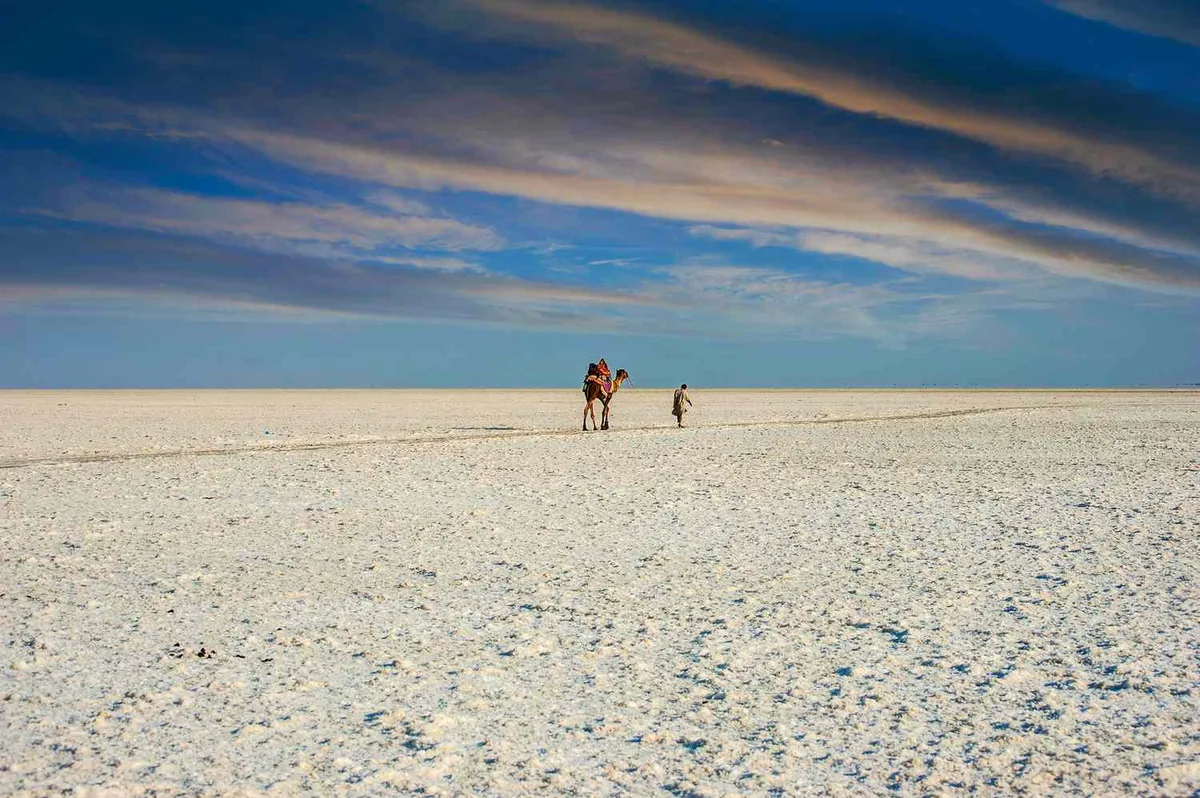
Great Rann of Kutch (White Rann)
A vast seasonal salt desert near Dhordo that turns into a glowing white expanse each winter.
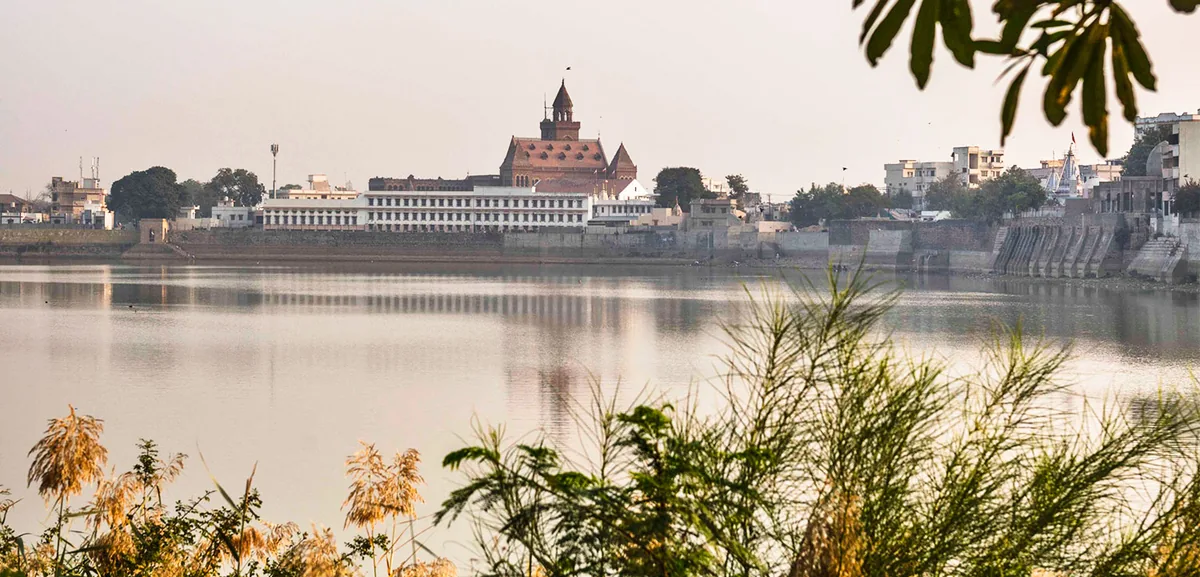
Hamirsar Lake
The central lake of Bhuj, built by its founders for water conservation, a peaceful promenade and birdwatching spot.
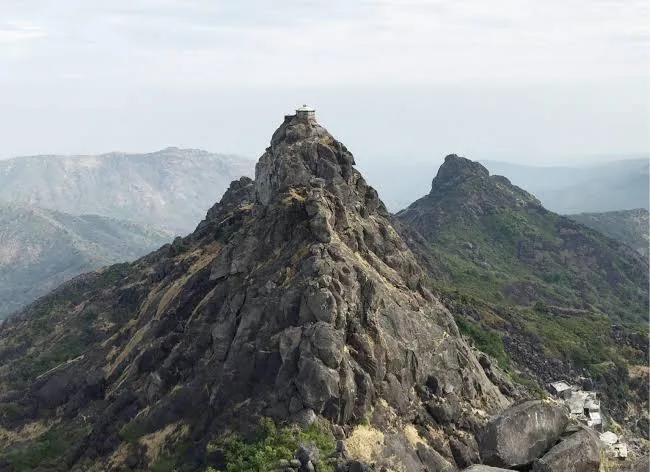
Kalo Dungar (Black Hill)
The highest point in Kutch, offering panoramic Rann views alongside a 400 year old Dattatreya temple.
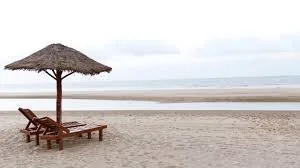
Mandvi Beach
A picturesque beach and heritage port town 60 km from Bhuj, known for wooden dhow shipbuilding and wind turbines.
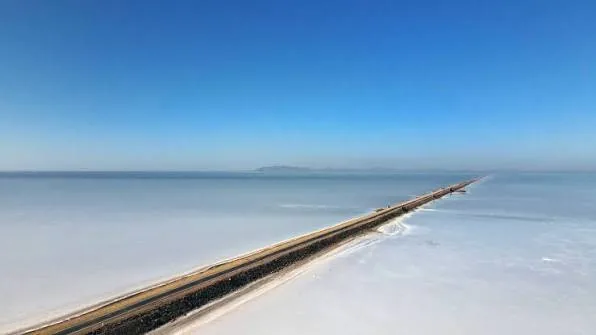
Road to Heaven
A scenic 30 kilometre stretch between Khavda and Dholavira flanked by the White Rann on both sides.
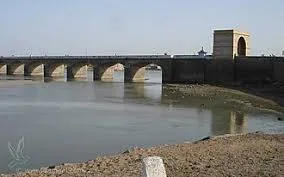
Rukmavati Bridge
A river bridge in Mandvi offering views of the shipbuilding yards and evening birdwatching.
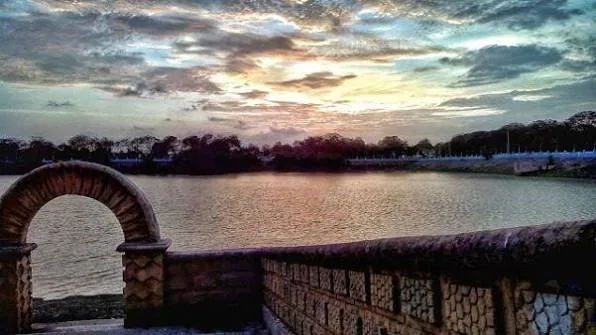
Topansar Lake
A central lake in Mandvi popular for morning walks, birdwatching and quiet family time.
Shopping
8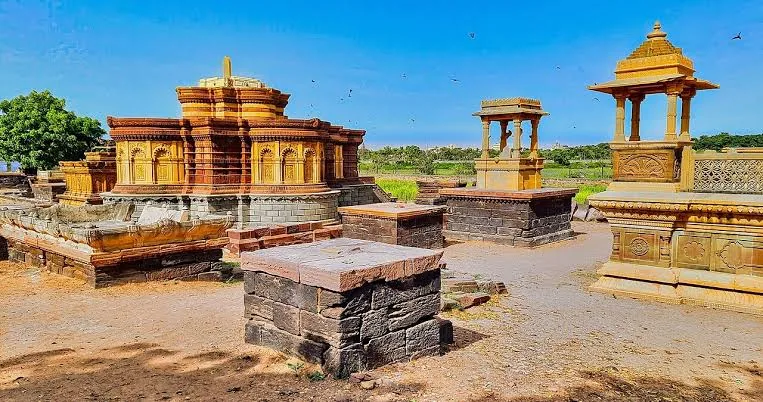
Ajrakhpur
A village near Bhuj globally recognised for Ajrakh block printing dating back to the Indus Valley era.
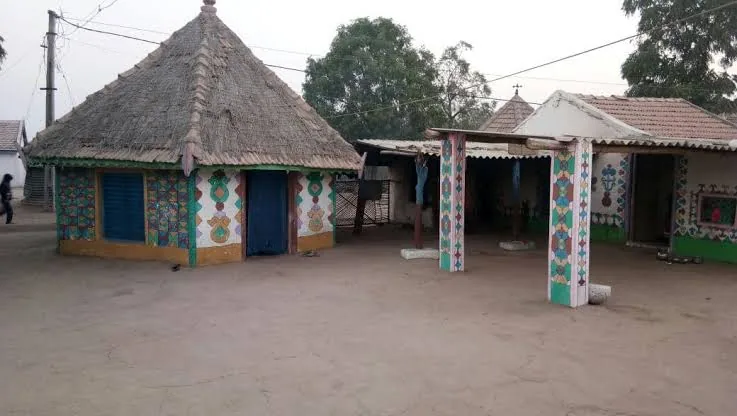
Bhirandiyara Village
A Banni village near Dhordo known for Bhunga huts and a distinctive concentrated milk sweet called mava.
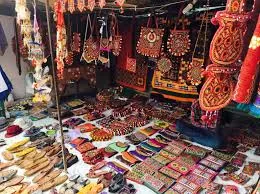
Bhujodi Village
A weavers' village 8 km from Bhuj where master craftspeople produce Kutchi textiles including Dhebaria Rabari embroidery and Shrujan work.
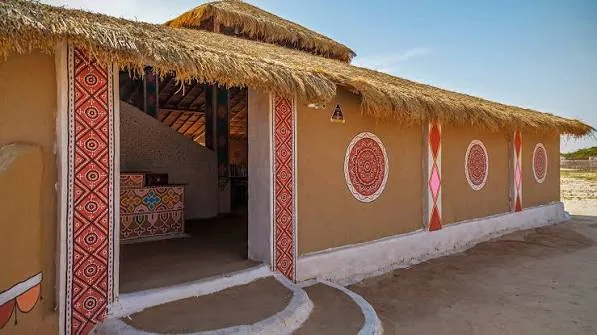
Hodka Village
A Banni village known for traditional Bhunga huts, mirror work embroidery and Rann Utsav homestays.
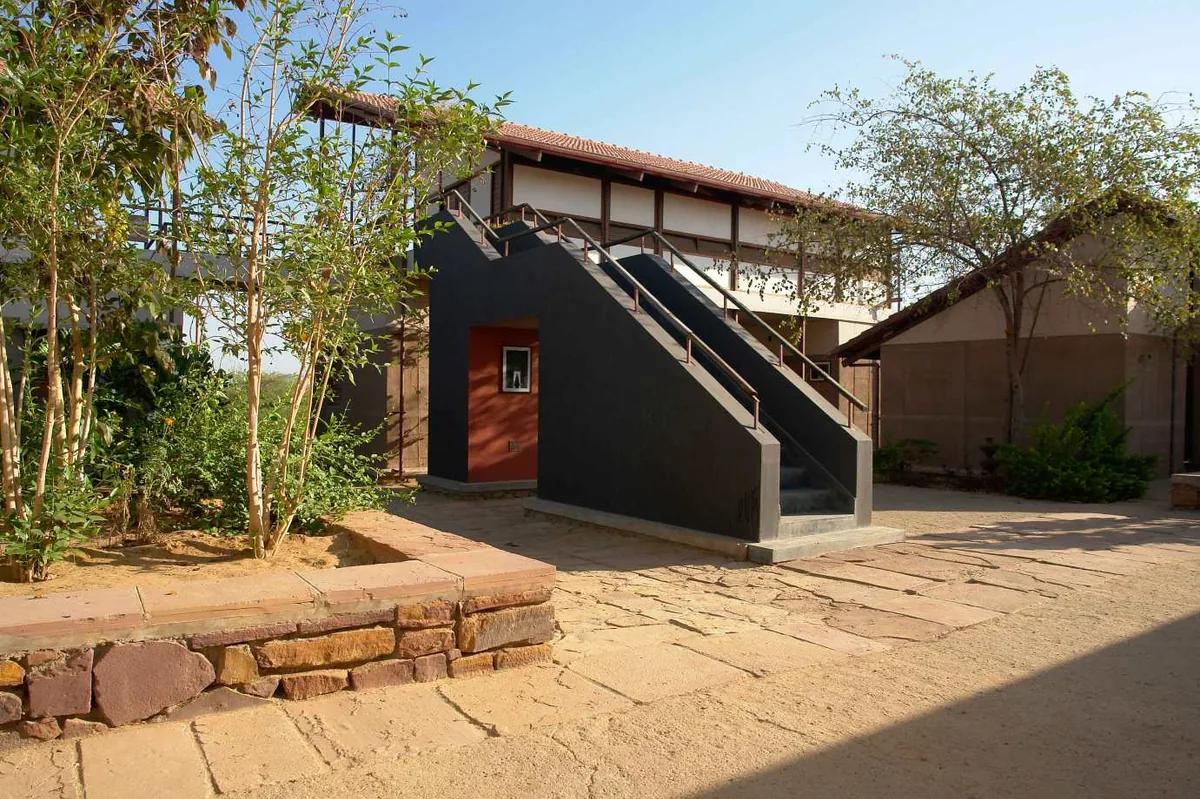
Khamir Craft Resource Centre
A post-earthquake craft revival organisation in Kukma village supporting Kutch artisans in ajrakh, rogan, leather and other crafts.
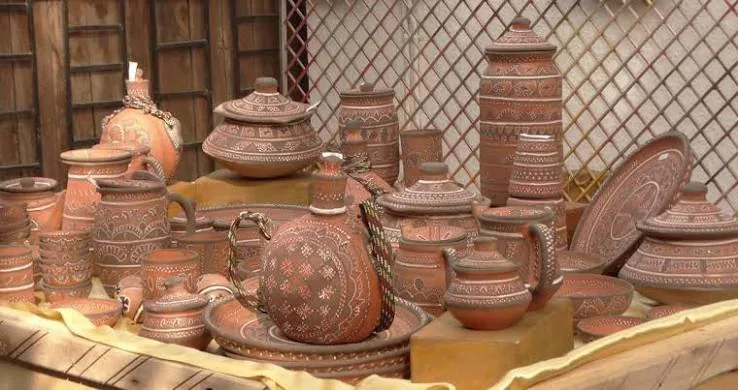
Khavda Craft Belt
A craft cluster near Dhordo known for Rogan art and pottery lanes beyond the desert circuit.
Living and Learning Design Centre
Shrujan Trust's craft museum and school in Ajrakhpur village, 15 km from Bhuj, dedicated to Kutch women's embroidery traditions.
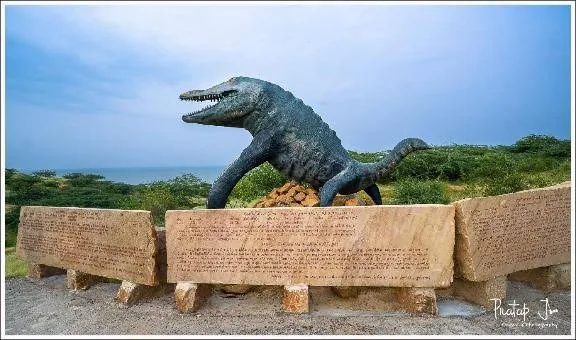
Nirona Village
A craft village near Bhuj famous for rare Rogan art, copper bell making and lacquerwork.
Temple
4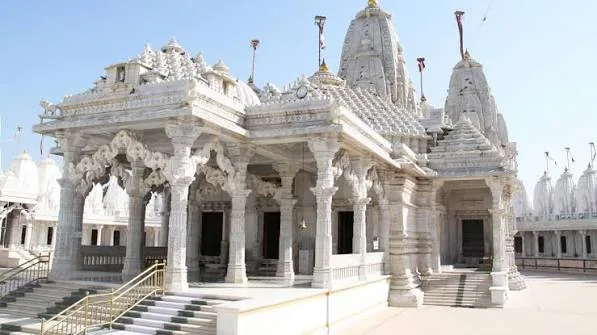
72 Jinalaya Jain Temple
A marble Jain temple complex near Mandvi housing 72 shrines dedicated to the Tirthankaras.
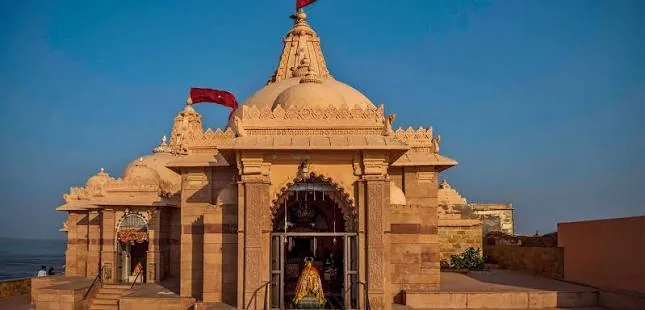
Koteshwar Temple
A coastal Shiva temple near Narayan Sarovar marking one of the last points before the Arabian Sea.
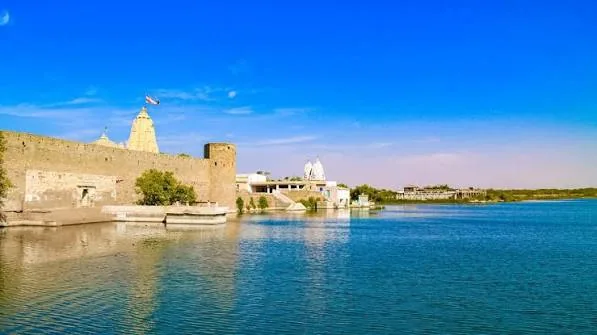
Narayan Sarovar
One of Hinduism's five sacred lakes in Lakhpat, surrounded by temples and a desert wildlife sanctuary.
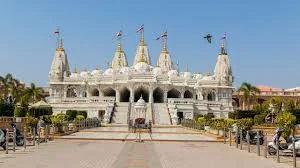
Swaminarayan Temple Bhuj
A marble-and-gold Swaminarayan temple rebuilt after the 2001 earthquake, originally established by Bhagwan Swaminarayan himself in 1823.
No places found for ""
Try a different search term or switch to All.
No places match your current filter
Try a different search term or switch to All.