India's Historic Port Towns That Connected the World
Seven old Indian ports, from Lothal and Muziris to Kozhikode, Surat and Machilipatnam, and what you can still see of the trade that once linked them to Arabia, Rome and Southeast Asia.
Long before modern cargo ships crossed the oceans, merchants sailed towards India’s shores in search of spices, textiles, precious stones and other valuable goods. They arrived from Arabia, East Africa, the Mediterranean, China and Southeast Asia, following seasonal winds that connected distant lands.
These trading relationships helped shape India’s coastal towns. Along with goods came new communities, religious traditions, architectural influences and cultural exchanges. Some ports grew into prosperous cities, while others gradually disappeared as rivers changed course, harbours filled with silt and trade routes shifted.
Today, their histories survive in unexpected places: ancient ruins, centuries-old mosques, merchant cemeteries and workshops where traditional crafts continue. These seven destinations offer a glimpse into India’s long relationship with the wider world.
Lothal, Gujarat: Where India’s Maritime Story Began
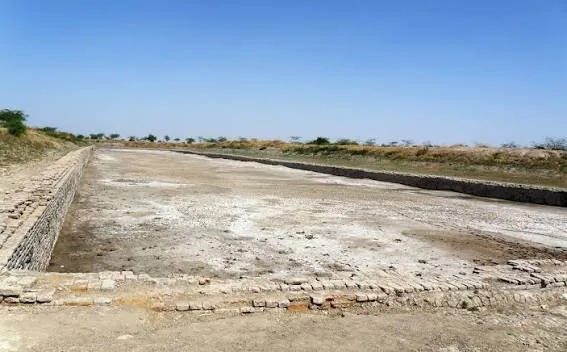
At Lothal, the sea is nowhere in sight. Yet around 4,000 years ago, this Harappan settlement was part of a sophisticated network of trade and manufacturing.
Excavations have uncovered bead-making workshops, warehouses, seals and a large brick-lined basin believed by some archaeologists to have served as a dockyard. Although that interpretation remains debated, evidence suggests that Lothal participated in trading networks extending towards the Persian Gulf.
Today, visitors can explore the foundations of ancient streets, workshops and storage areas. Lothal is approximately 85 kilometres from Ahmedabad and makes an interesting half-day excursion for travellers interested in archaeology and early civilisations.

Muziris, Kerala: The Lost Port of the Spice Trade
Somewhere along Kerala’s Malabar Coast stood Muziris, an important trading centre where merchants from the Mediterranean and West Asia came seeking pepper and other valuable commodities.
Its precise location remains uncertain, although excavations at Pattanam, near North Paravur, have revealed Roman amphora fragments, West Asian pottery and evidence of maritime activity.
The wider Muziris heritage region around Kodungallur and North Paravur offers several places worth exploring. The Cheraman Juma Mosque, the Paravur Synagogue and the Paliam heritage sites reflect centuries of religious and cultural exchange, although these surviving landmarks belong to later periods than the ancient port.
Travellers can explore the region from Kochi, allowing one or two days to visit its historic settlements and waterways.

Arikamedu, Puducherry: A Trading Link to the Roman World
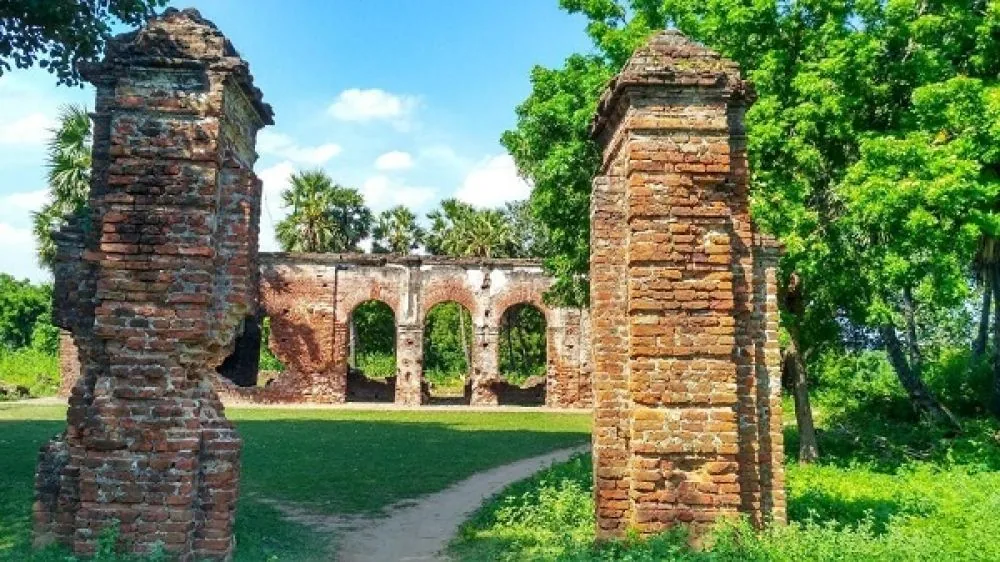
A few kilometres south of Puducherry, beside the Ariyankuppam River, lie the remains of Arikamedu.
Excavations have revealed Roman-era pottery, amphora fragments, beads and evidence of local manufacturing, suggesting that the settlement participated in commercial networks connecting India with the Mediterranean and other regions.
Unlike famous archaeological destinations, Arikamedu has relatively few visible remains and limited visitor facilities. Its appeal lies in imagining the trading activity that once took place along this quiet riverbank.
Travellers can combine a visit, subject to site access, with Puducherry’s historic neighbourhoods and seafront.
Tamralipta, West Bengal: The Port That the River Buried
Present-day Tamluk was once associated with Tamralipta, an important port connecting eastern India with Sri Lanka and Southeast Asia.
The Chinese Buddhist traveller Faxian stayed here in the early fifth century before sailing to Sri Lanka. The port played a role in both maritime commerce and the movement of Buddhist travellers and ideas.
Over time, shifting waterways and sedimentation contributed to its decline as a harbour.
Today, visitors can explore the Bargabhima Temple and the Tamralipta Archaeological Museum, subject to opening arrangements. Around 85 kilometres from Kolkata, Tamluk offers an unusual heritage excursion into a largely overlooked chapter of India’s maritime history.

Kozhikode, Kerala: Where Pepper Made a City
By the medieval period, Kozhikode, historically known as Calicut, had become one of the great trading centres of the Indian Ocean.
Arab merchants maintained commercial relationships here, while Chinese fleets and other overseas traders visited its harbour. Under the Zamorins, the city prospered through the spice trade, particularly pepper.
When Vasco da Gama arrived near Kozhikode in 1498, he entered an already established trading world rather than discovering a new one.
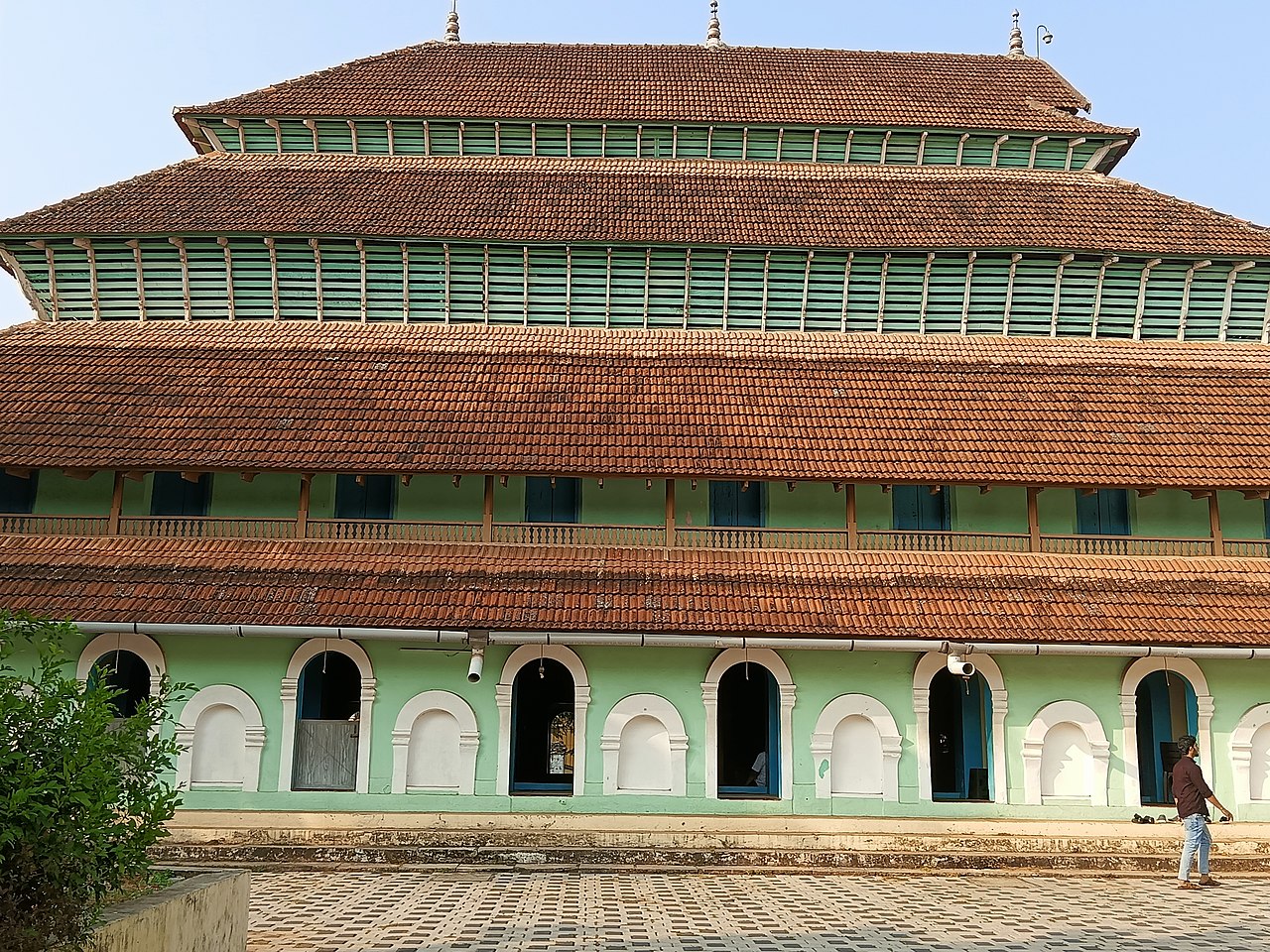
Much of this history remains visible in Kuttichira, the old Muslim merchant neighbourhood. The historic Mishkal Mosque, associated with a wealthy merchant and ship-owner, is particularly notable for its traditional timber architecture.
Travellers can explore Kuttichira, visit the old markets around Mithai Theruvu, sample Kozhikode halwa and spend an evening at Kozhikode Beach. Kappad Beach, north of the city, is associated with Vasco da Gama’s arrival.

Surat, Gujarat: The Mughal Empire’s Gateway to the Sea
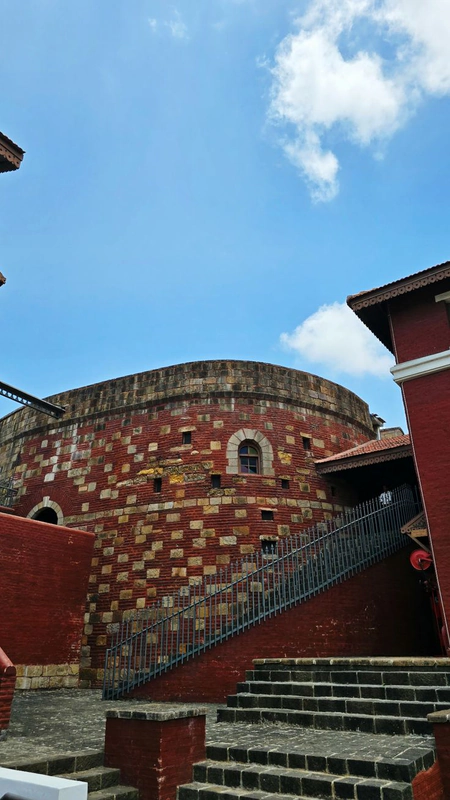
During the 16th and 17th centuries, Surat was one of the Mughal Empire’s most important ports, connecting India with the Persian Gulf, the Red Sea and European markets.
It was also known as a gateway for pilgrims travelling towards Mecca and Medina. Indian merchants and financiers played central roles in its prosperity, alongside English, Dutch and other European trading companies.
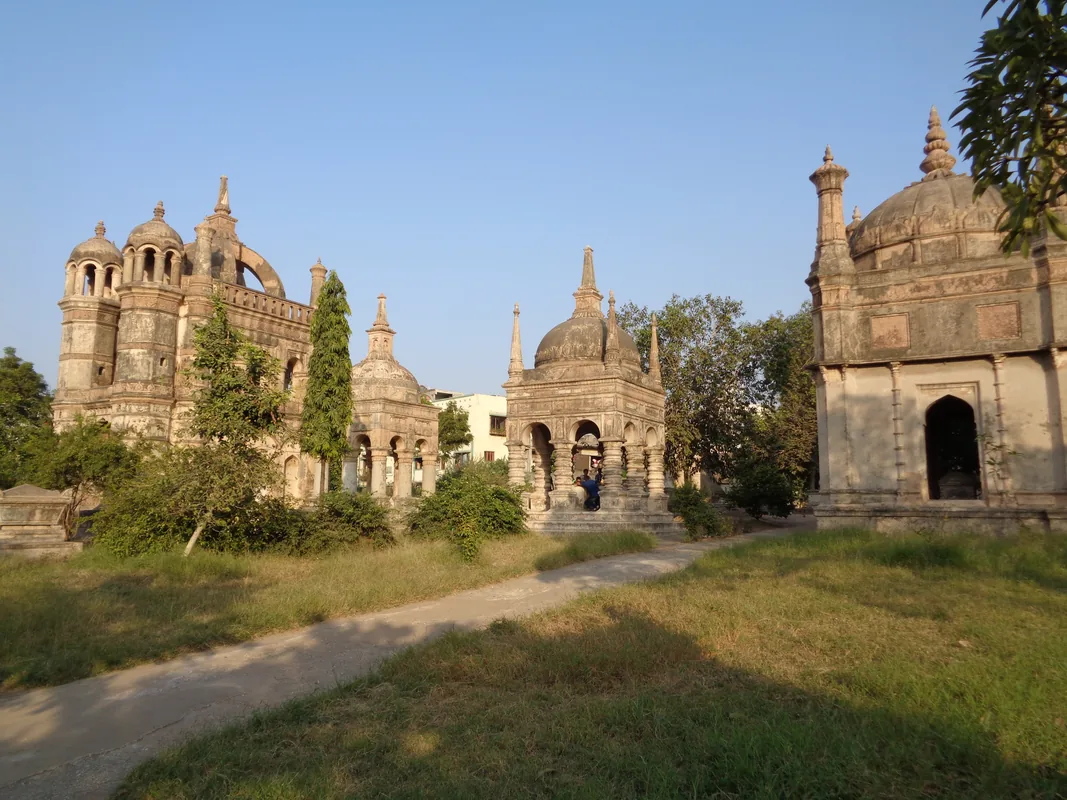
Surat’s historic castle and European cemeteries offer glimpses of this commercial past. The monumental tombs in the English and Dutch cemeteries are especially interesting for their blend of architectural influences.
Today, Surat is better known for diamonds and textiles, but its older neighbourhoods still offer opportunities to explore the city’s trading history.

Machilipatnam, Andhra Pradesh: The Port That Sent Indian Textiles Across Asia
On the Coromandel Coast, Machilipatnam, historically called Masulipatnam, became an important trading centre during the 16th and 17th centuries.
Merchants exported cotton textiles to markets across Asia and beyond. European trading companies established commercial operations here, joining older networks of Indian and Asian merchants.
One of the strongest surviving connections to this history is Machilipatnam-style Kalamkari. In nearby Pedana, artisans continue the tradition of printing intricate patterns onto fabric using carved wooden blocks.
Visitors can explore local workshops, try the town’s famous Bandar Laddu and visit Manginapudi Beach. Machilipatnam is approximately 70 kilometres from Vijayawada.

What Remains of India’s Trading Past?
The fortunes of these ports changed as rivers shifted, political powers rose and fell, and commercial routes moved elsewhere. Some settlements disappeared from prominence, while others adapted and developed new identities.
Yet their influence remains visible. At Lothal, it survives in archaeological remains. In Kozhikode, it can be found in historic neighbourhoods and religious architecture. Around Machilipatnam, it continues through textile traditions passed down across generations.
These places remind us that India’s connections with the wider world did not begin with European colonial expansion. For thousands of years, merchants, travellers and communities crossed the oceans, exchanging not only goods but also ideas, beliefs and traditions.
For travellers willing to look beyond familiar monuments, India’s old trading ports offer a fascinating way to discover how deeply the country’s history is connected to the rest of the world.
Have a travel story to share? Write for us