Places to Visit in Manali
Top attractions and must-see spots in Manali
Landmarks
3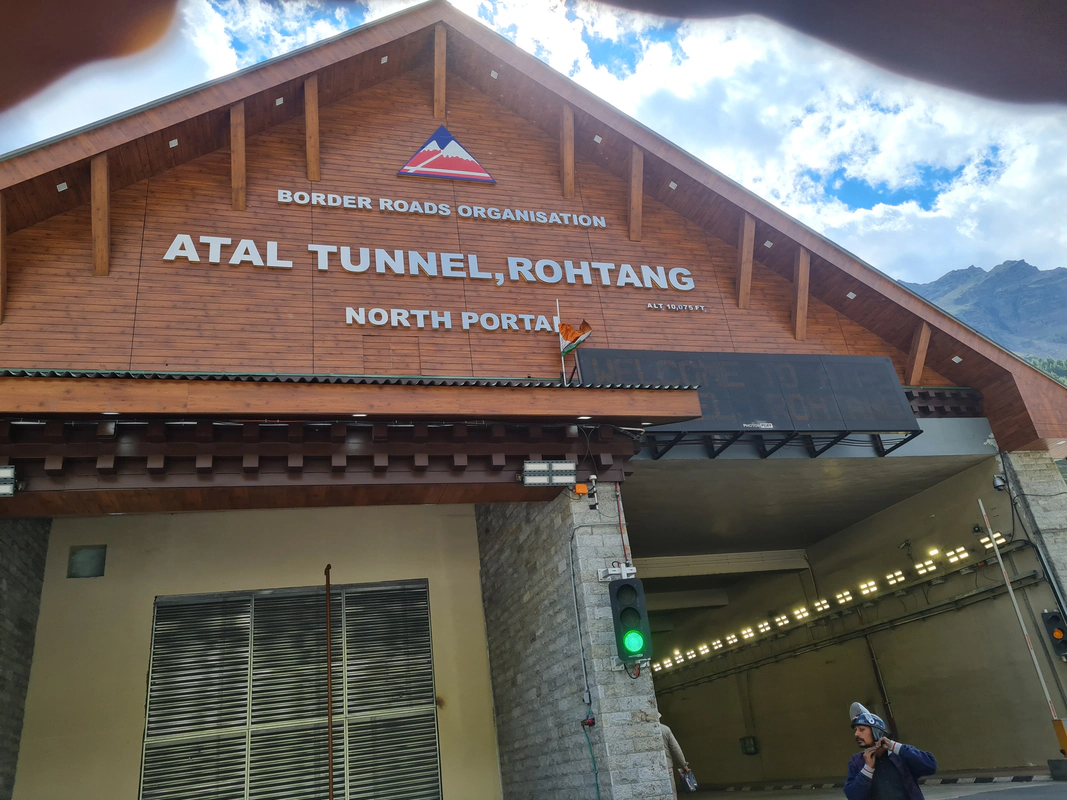
Atal Tunnel
The world's longest highway tunnel above 10,000 feet, connecting Manali to the Lahaul-Spiti Valley year-round.
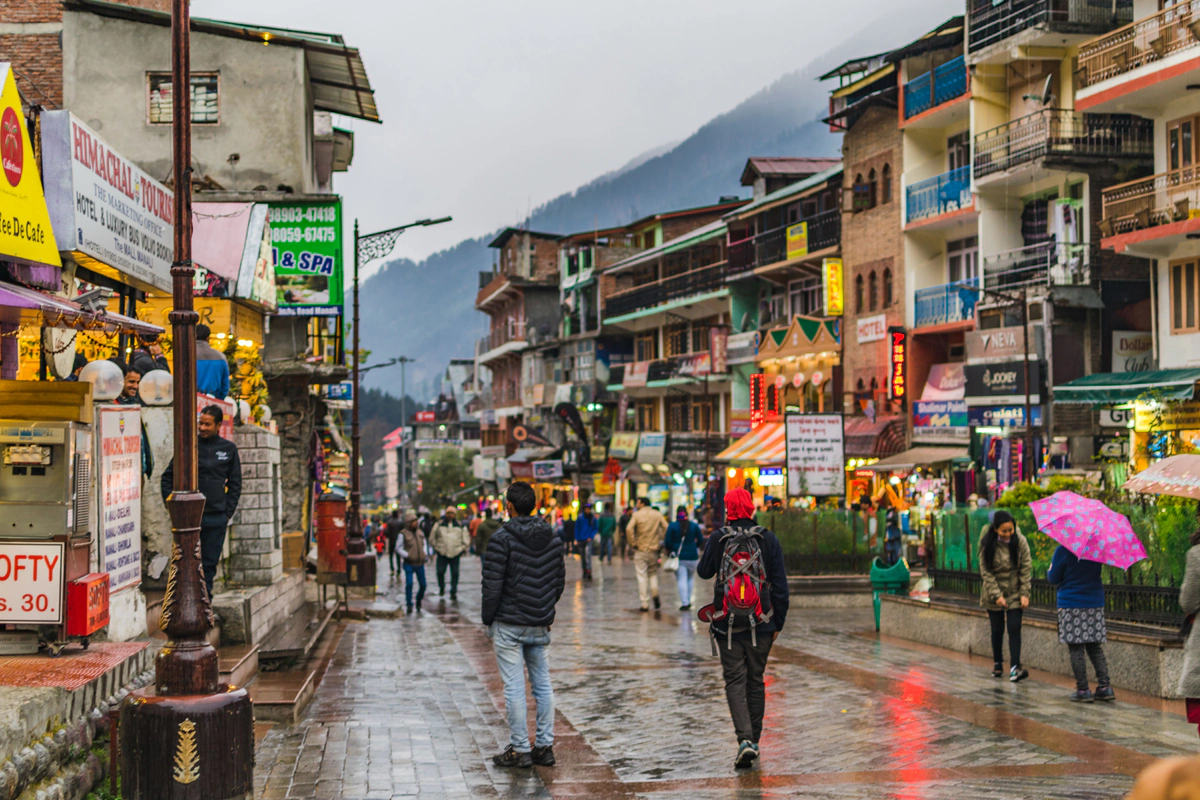
Mall Road
The main commercial street in Manali lined with shops, cafes, and hotels, making it the bustling heart of the town's tourism scene.
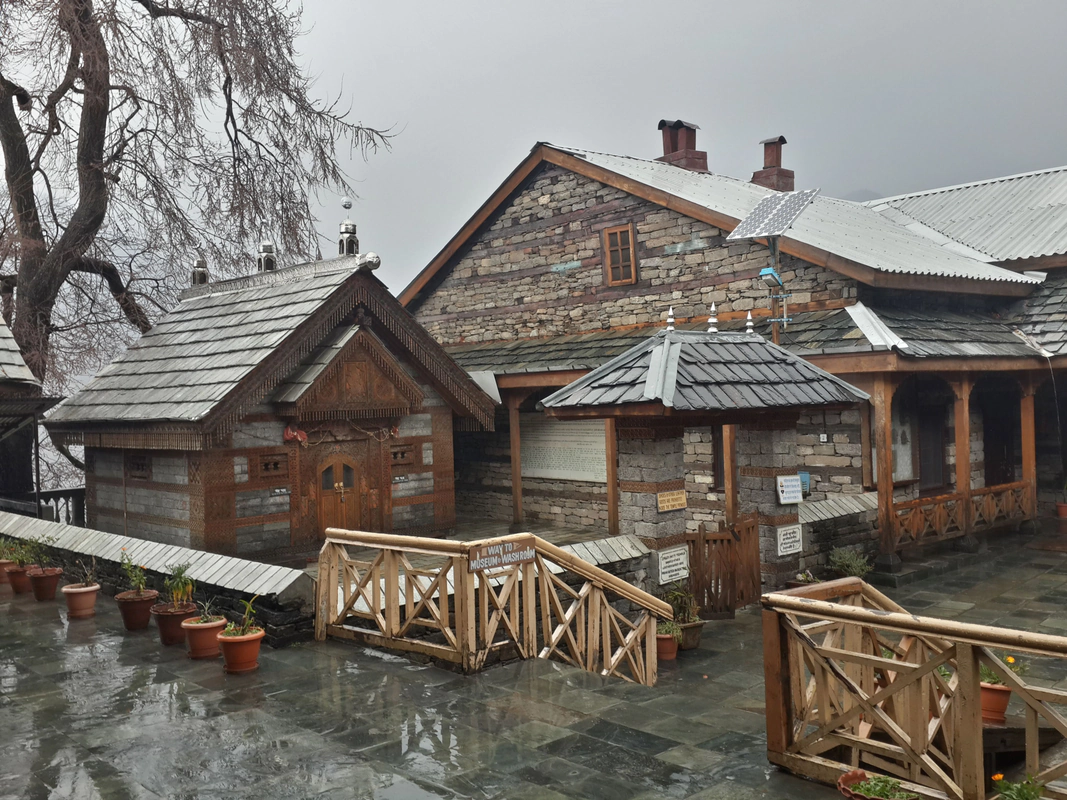
Naggar Castle
A centuries-old stone castle in the Kullu Valley near Manali, converted into a heritage hotel and housing an art gallery and museum.
National Parks
1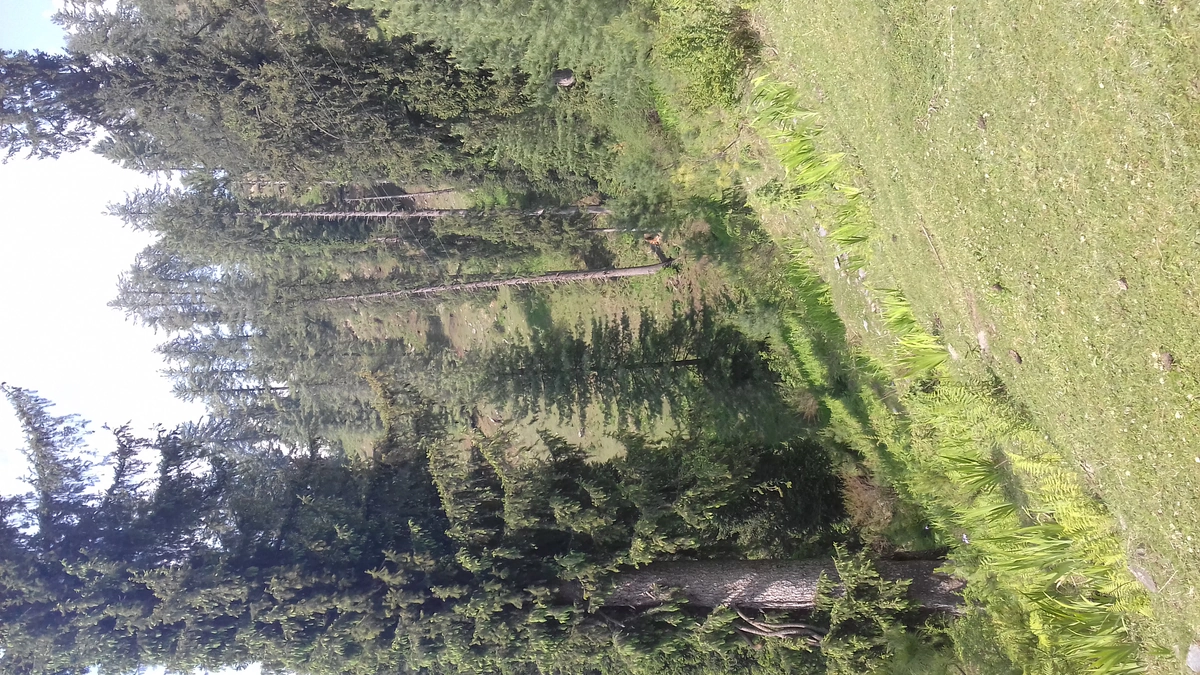
Great Himalayan National Park
A UNESCO World Heritage Site near Manali sheltering diverse Himalayan wildlife across alpine meadows, glaciers, and dense forests.
Scenic Spots
11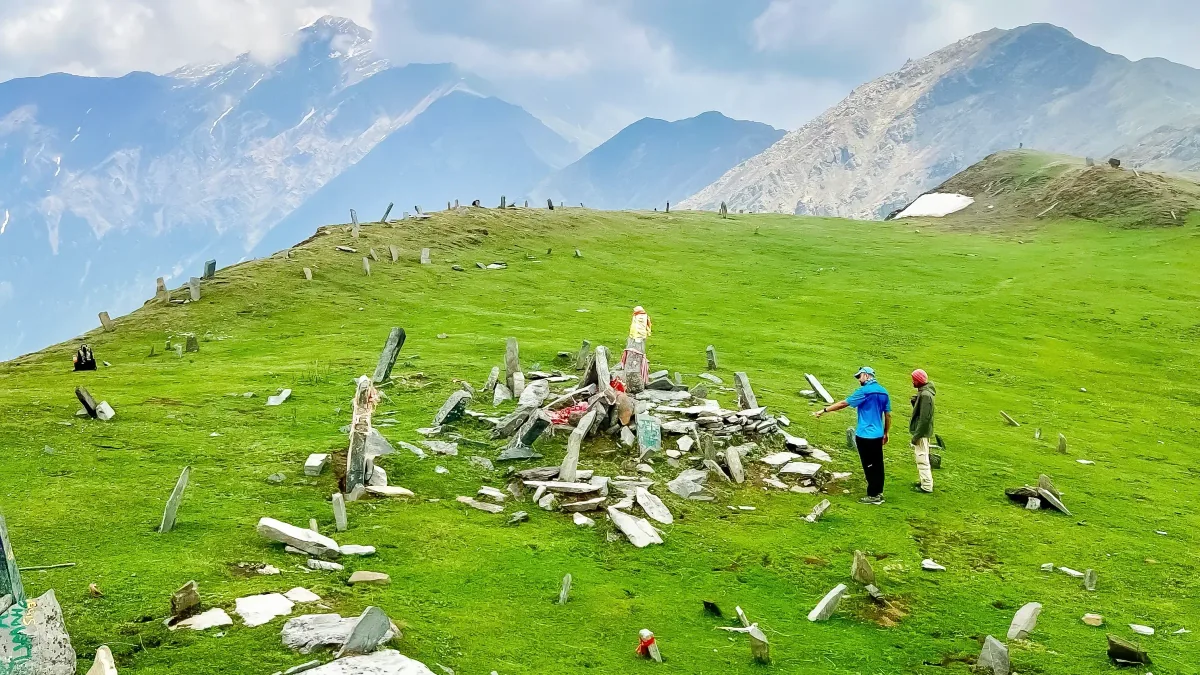
Chandrakhani Pass Viewpoint
A panoramic mountain pass at 3,660 metres in the Kullu Valley, offering sweeping 360-degree views of Deo Tibba, the Pir Panjal, and the Parvati range. According to local legend, the presiding deity Jamlu opened a basket here and winds scattered the gods of Kullu across the valley, giving it its name Valley of Gods. The viewpoint is accessed via a scenic trek beginning at Naggar, about 21 km from Manali.
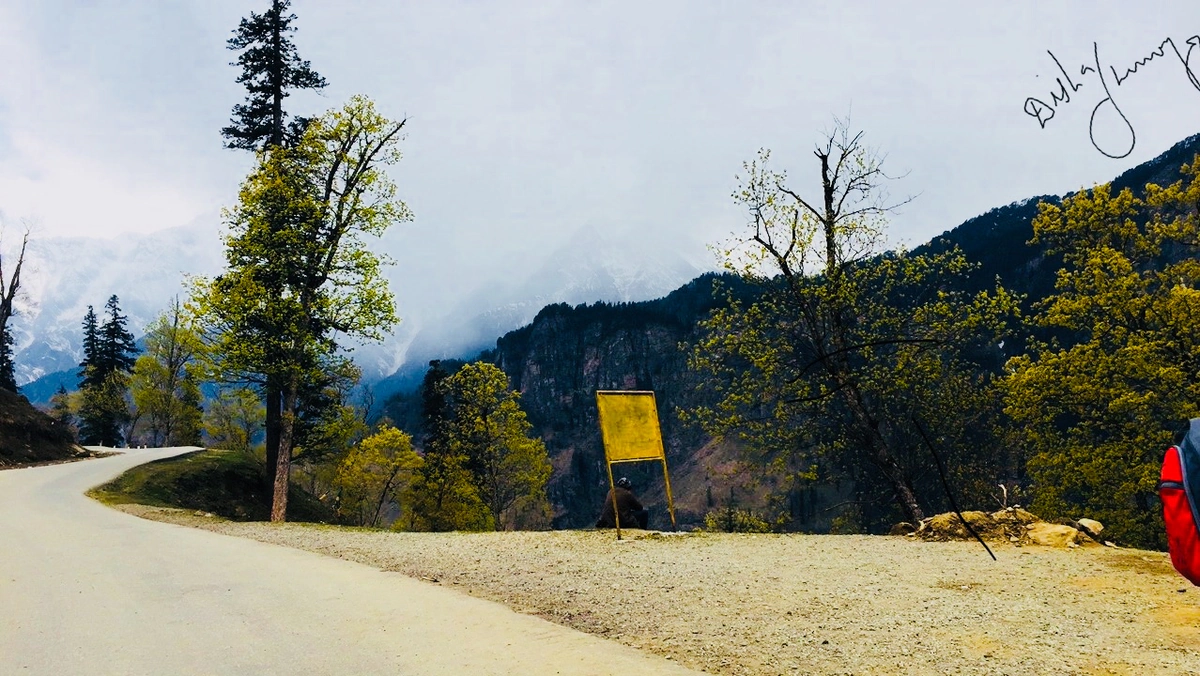
Gulaba
A scenic village near Manali on the Rohtang route, known for its snow-covered landscapes and stunning Himalayan mountain views.
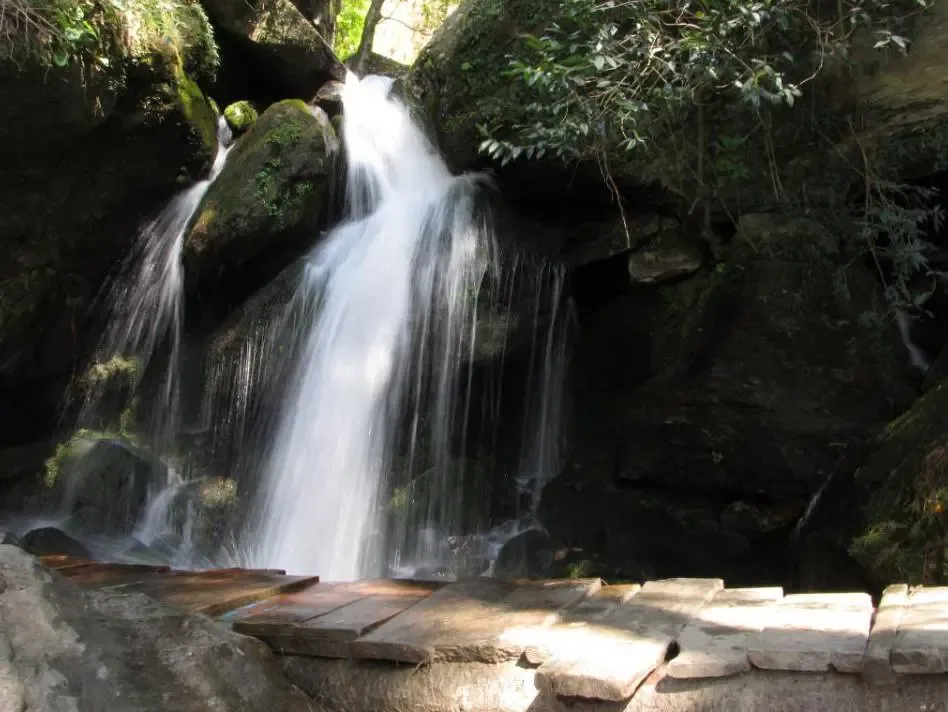
Jana Waterfall and Shiva Temple
A 30-foot waterfall tucked inside the quiet village of Jana, about 32-35 km from Manali near Naggar, accessible via a short 15-25 minute walk through deodar and pine forest past apple orchards and traditional Himachali homes. A wooden bridge and a small plunge pool add to the charm. The nearby Bijli Mahadev-linked Shiva temple, where the lingam is believed to be periodically struck by lightning, adds a layer of mythological intrigue. An ideal offbeat half-day excursion from Manali or Naggar.
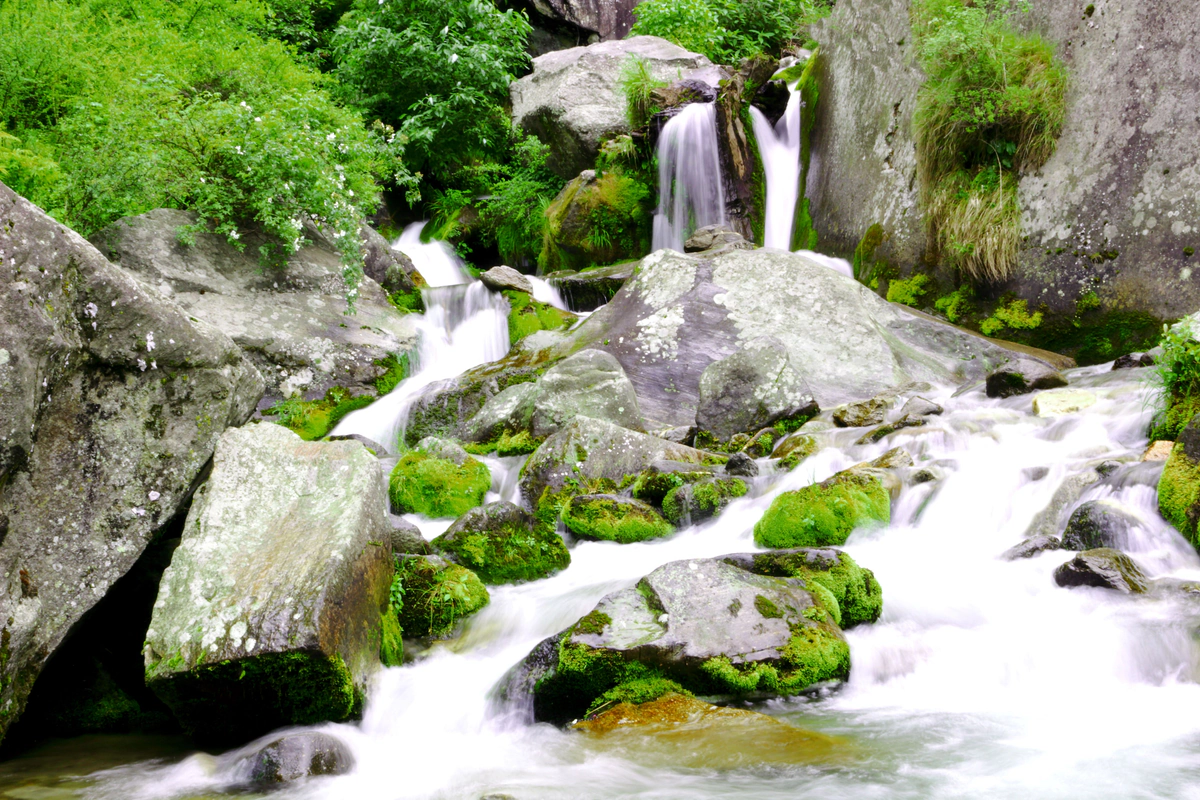
Jogini Waterfall
A stunning multi-tiered waterfall near Manali accessible via a scenic trek through pine forests and rocky mountain terrain.
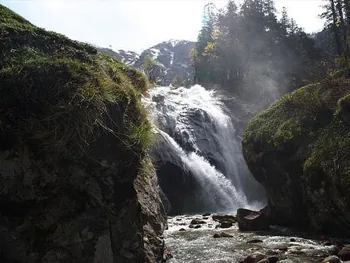
Kothi Village
A quiet hamlet at 2,500 metres, about 12-15 km from Manali at the foothills of Rohtang Pass, known for its jaw-dropping gorge where the Beas river carves through a deep and narrow canyon. Snow-capped peaks and glaciers form a dramatic backdrop, and the village has long served as a resting point for traders and trekkers on the Lahaul-Spiti route. Home to the local temple of Goddess Shuwang Chandika, Kothi is a favourite with photographers, artists, and nature seekers.
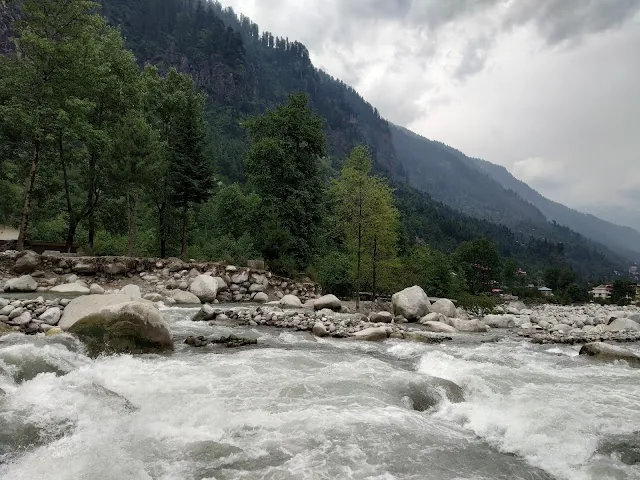
Nehru Kund
A natural spring situated 5-6 km from Manali on the Leh-Manali highway, named after India's first Prime Minister Jawaharlal Nehru, who is said to have regularly drunk from its crystal-clear waters during his stays in Manali. Fed by the meltwater of Bhrigu Lake high above, the spring bubbles cold and pure year-round. Framed by valley views and snow-capped peaks, it makes a memorable roadside stop on the Rohtang or Lahaul day drive.
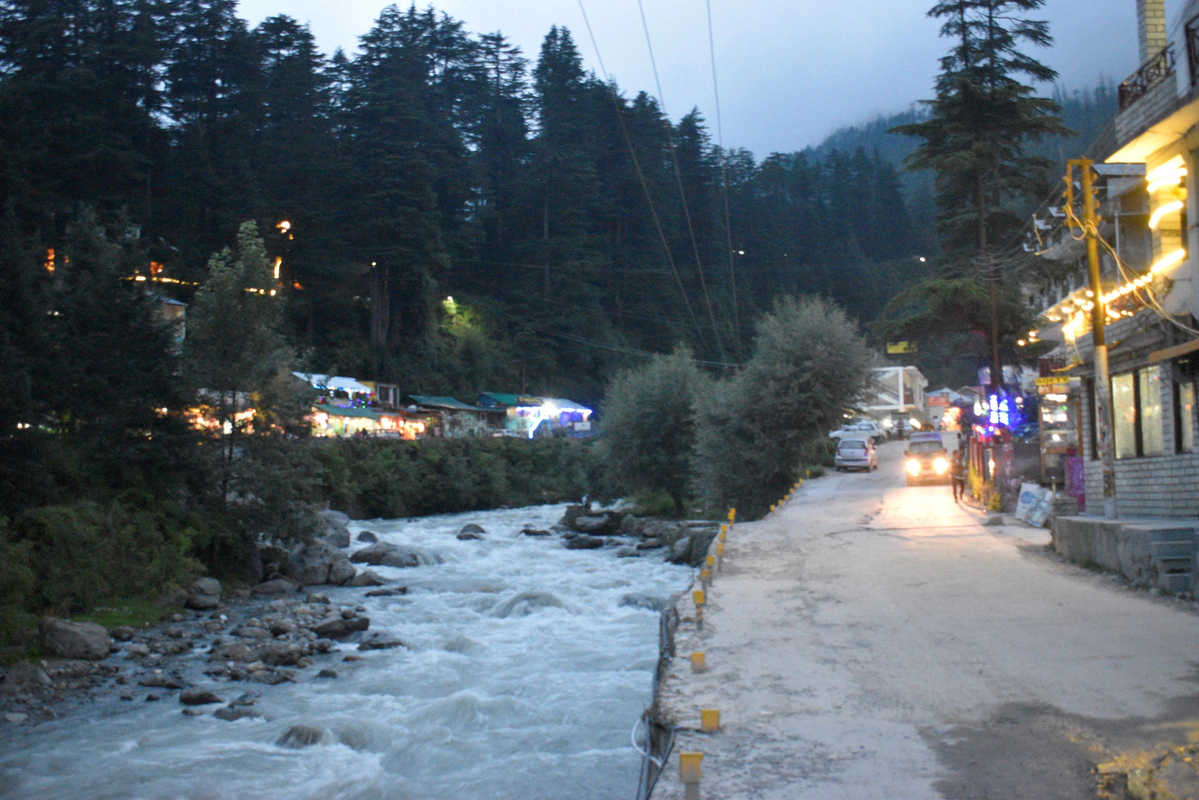
Old Manali
The charming original village of Manali, known for its apple orchards, ancient Manu temple, hippie cafes, and laid-back atmosphere.
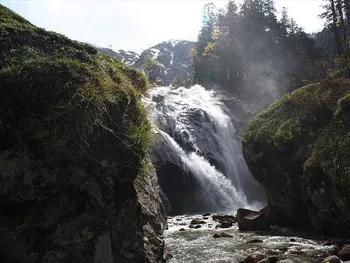
Rahala Waterfalls
A glacier-fed cascade situated at 2,500 metres on the Leh-Manali Highway, about 16 km from Manali on the route to Rohtang Pass. The falls pour down steep rocks through a dense forest of silver birch and deodar, creating a misty, dramatic scene. The surrounding landscape frames clear views of Himalayan peaks on fair days. A popular and easily accessible stop for travellers headed to Rohtang, it also serves as a base for short treks up toward Gulaba.
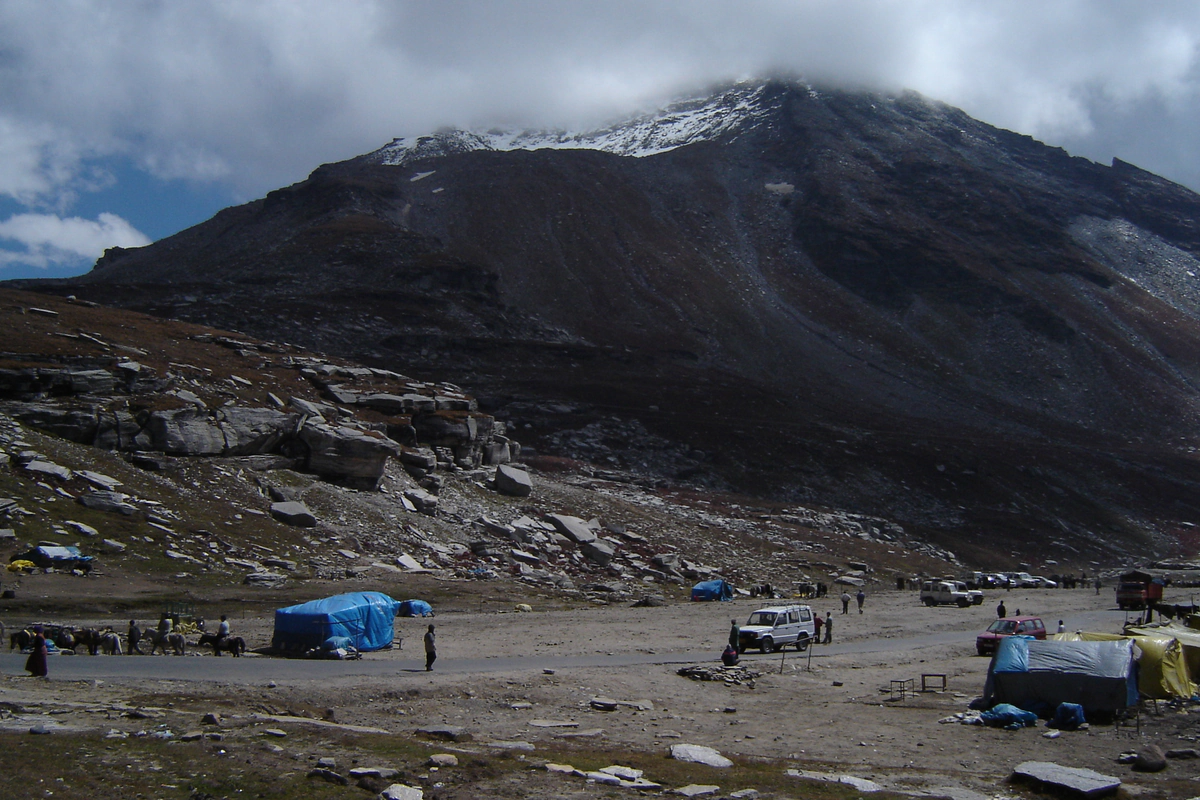
Rohtang Pass
A high-altitude mountain pass near Manali at 3,978 metres, offering dramatic snow-capped landscapes and access to the Lahaul Valley.
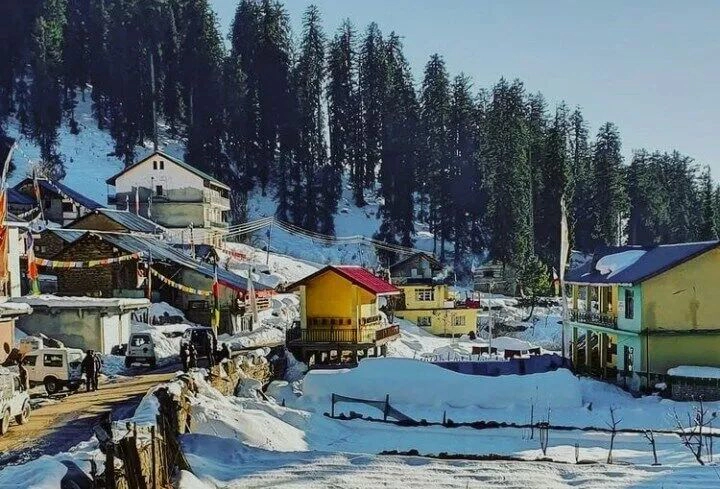
Sethan Village
A remote and scenic village near Manali offering stunning snow views, peaceful trails, and an authentic Himalayan rural experience.
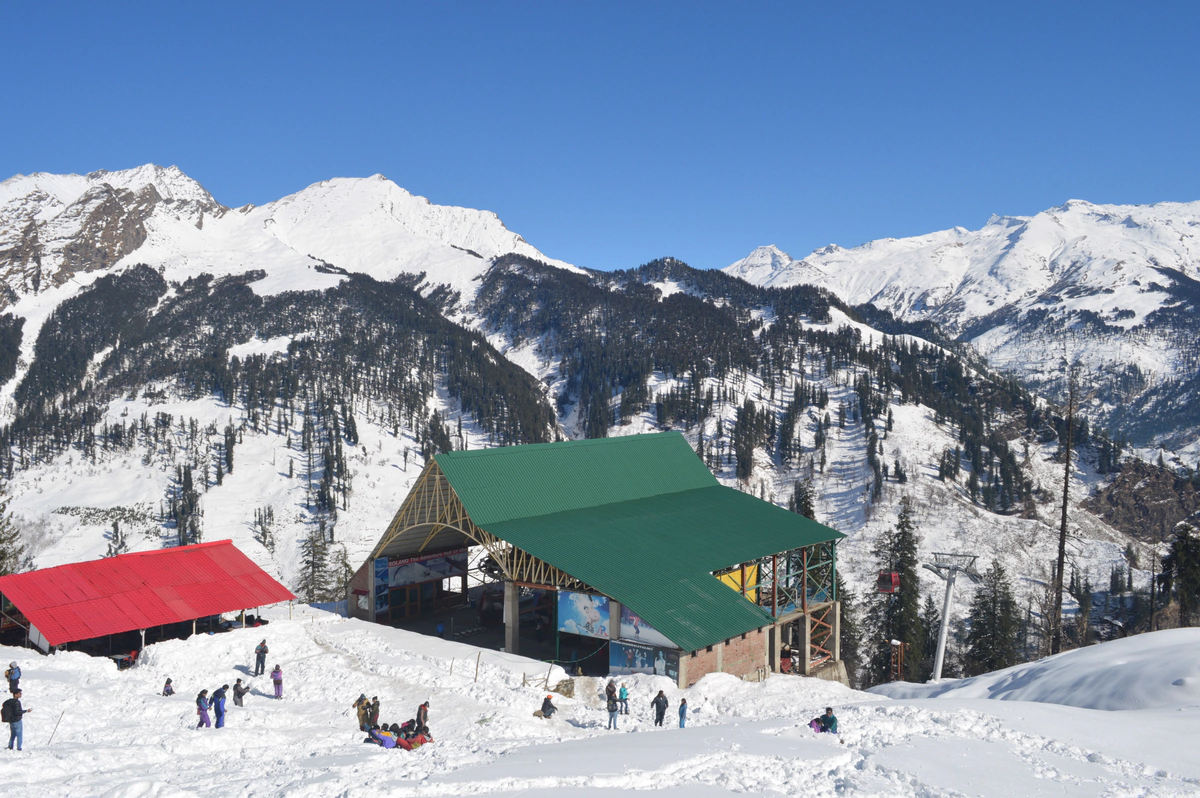
Solang Valley
A spectacular snow-covered valley near Manali popular for skiing, zorbing, paragliding, and breathtaking views of surrounding Himalayan peaks.
Shopping
3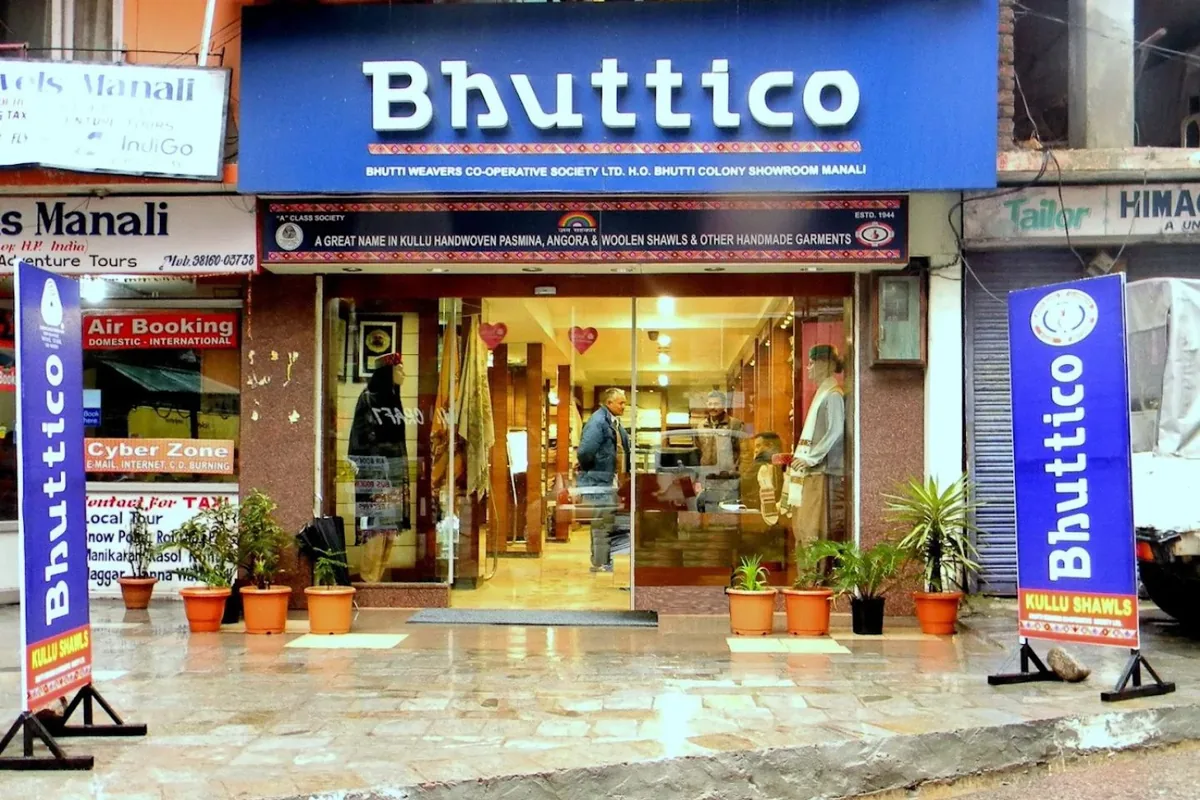
Bhuttico / Himachal Emporium
Trusted outlet cluster for authentic Kullu shawls, caps, and Himachali woolens.
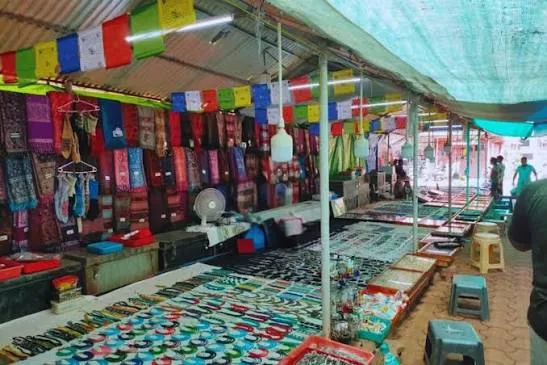
Tibetan Market Manali
Compact craft market for woolens, jewellery, prayer flags, and Himalayan souvenirs.
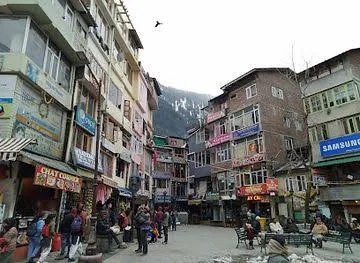
Vashisht Village Shops
Small shop lane near the hot springs for woolens, souvenirs, and local snacks.
Temple
5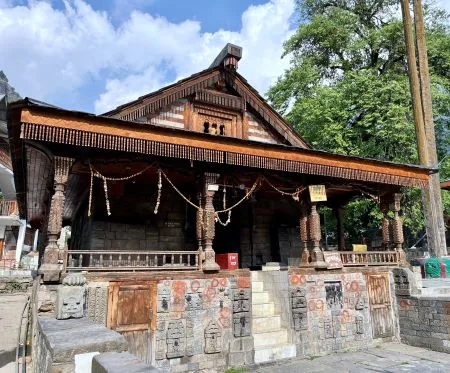
Gayatri Temple, Jagatsukh
A Shikhara-style temple dedicated to Goddess Gayatri, the Mother of the Vedas, located in Jagatsukh village about 6 km south of Manali. Built in 1962 by Shri Chidambara Dixit, the temple is celebrated for its intricate hand-carved woodwork and serene atmosphere. A companion Shiva-Parvati shrine sits just behind it. The temple complex has grown over decades with idols of Ganesha, Hanuman, Vishnu, and Navagraha added over time. An easily missed spiritual gem in the heart of the former Kullu capital.
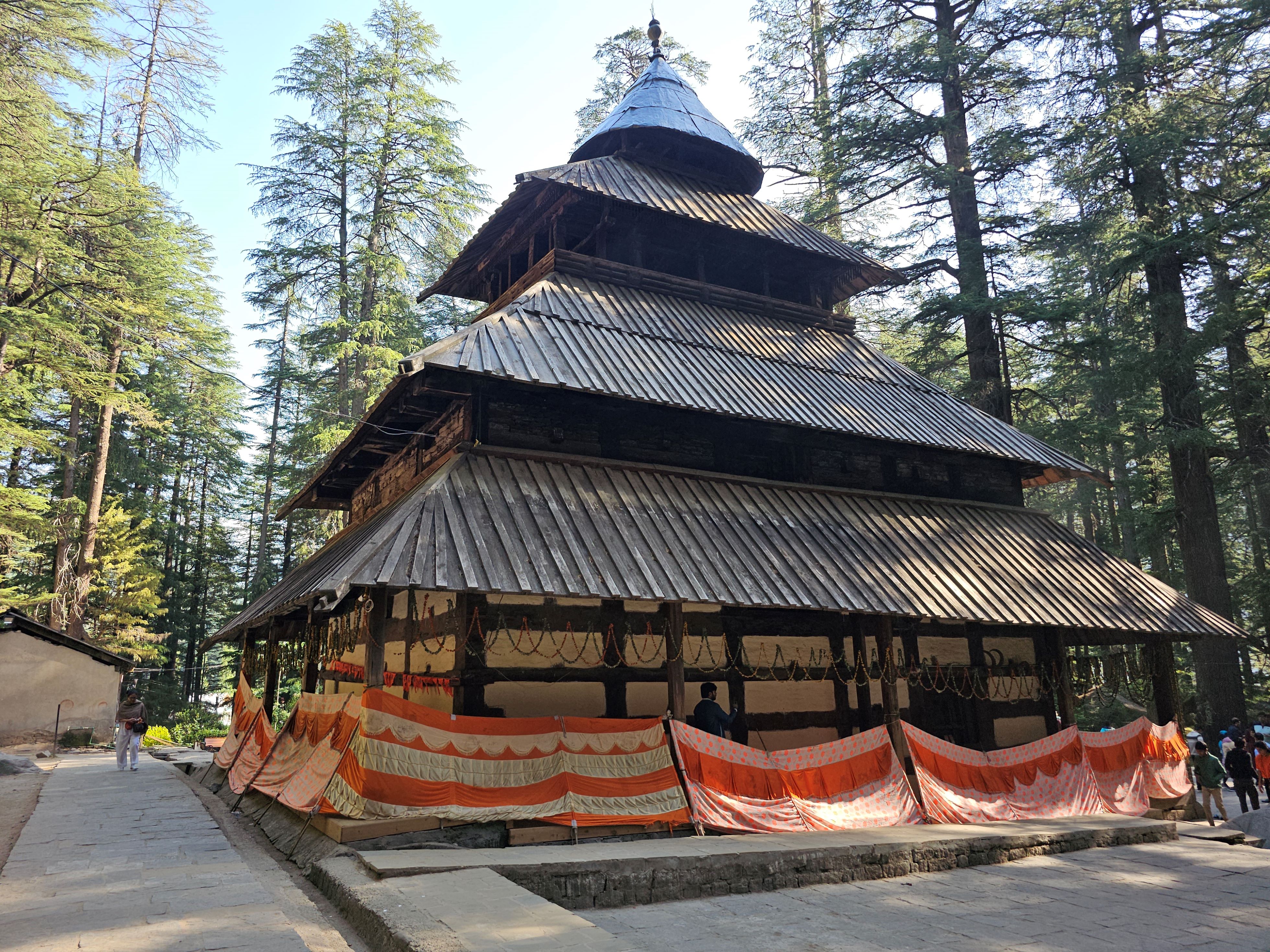
Hadimba Temple
A unique wooden temple dedicated to Hadimba Devi, wife of Bhima from the Mahabharata.
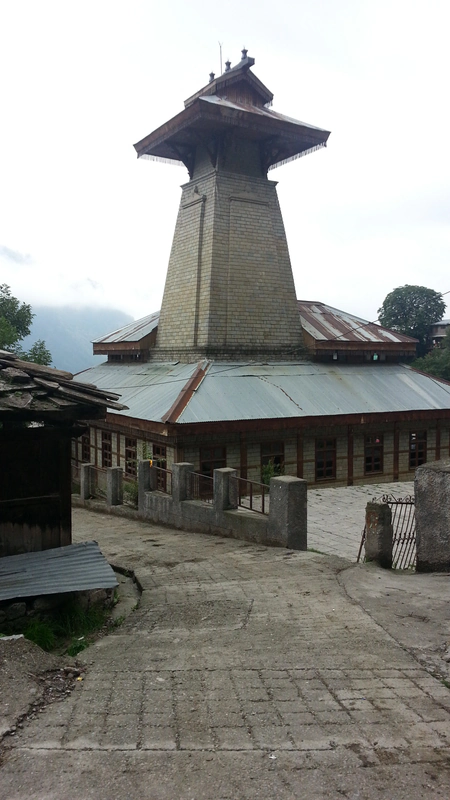
Manu Temple
An ancient pagoda-style temple in Old Manali dedicated to Maharishi Manu, the legendary progenitor of mankind, perched on a hilltop with views of the Beas Valley.
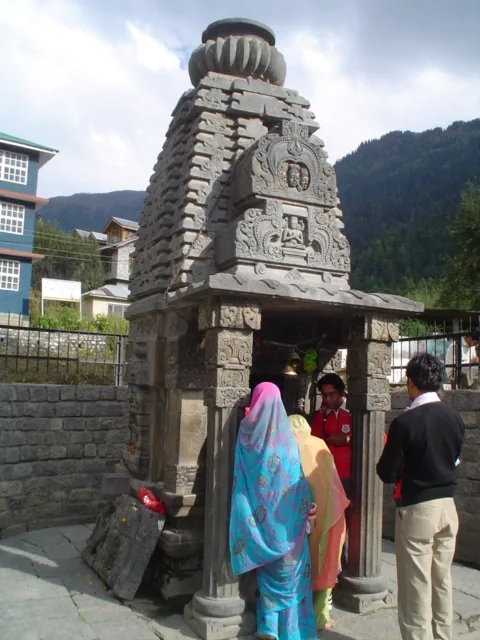
Shiva Temple, Jagatsukh
An 8th-century stone temple dedicated to Lord Shiva and Goddess Parvati, built in the Nagara Shikhara style in Jagatsukh, the former capital of the Kullu kingdom, 6-7 km from Manali. The tri-ratha sanctum houses a Shivalinga with niches featuring idols of Surya, Vishnu, and Brahma. Believed to have been the royal temple of the Kullu kings, it is one of the most significant examples of early Pahari temple architecture in the Kullu Valley and a must-visit for history and heritage travellers.
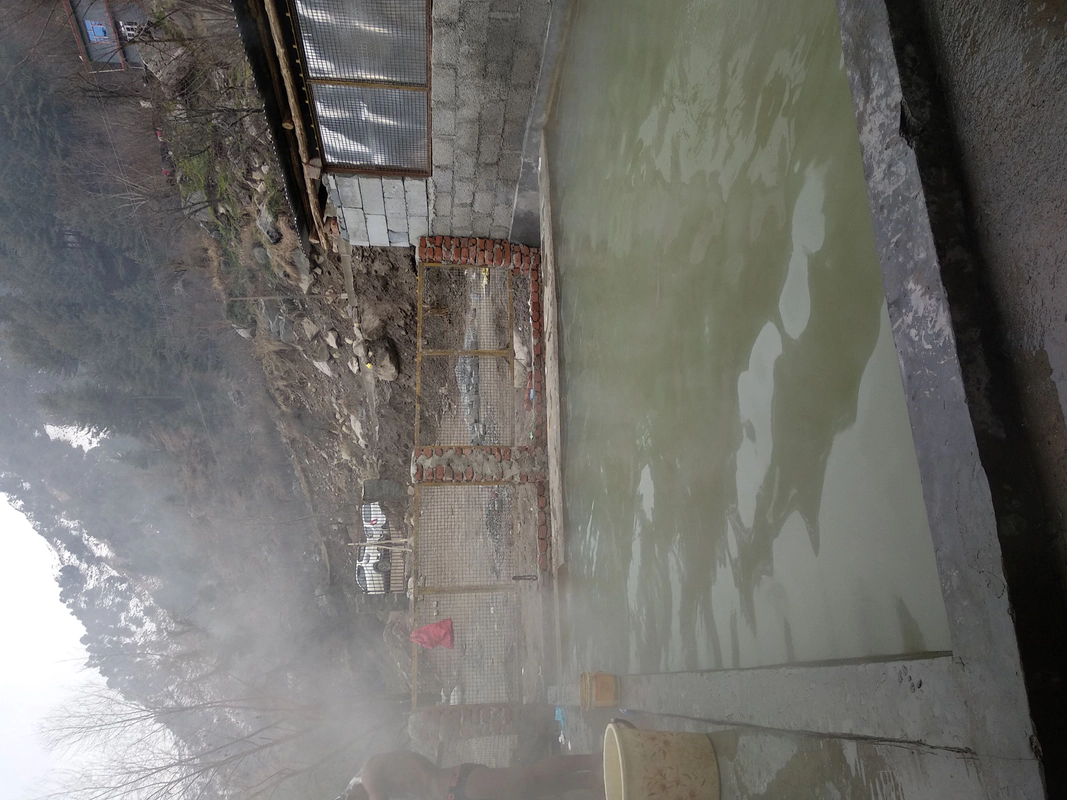
Vashisht Hot Water Springs & Temple
A village 3 km from Manali with natural sulphur hot springs and ancient temples dedicated to Sage Vashisht, Lord Rama, and Lord Shiva, with traditional Himachali wood-carved architecture.
Trekking
8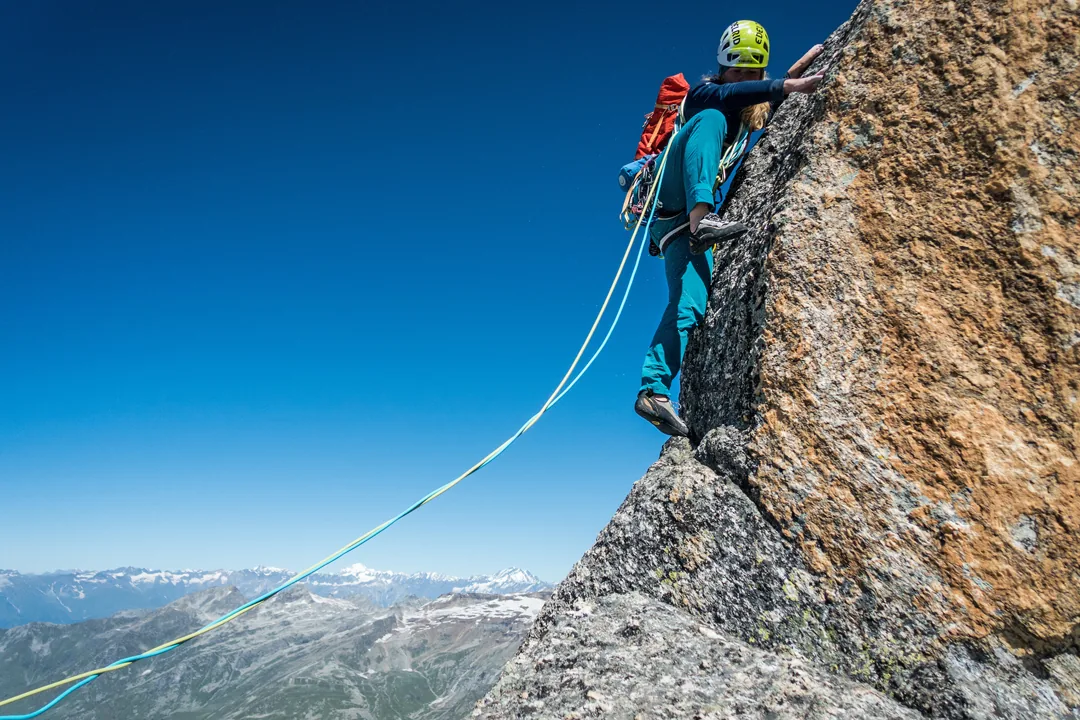
Ali Ratni Tibba Trek
An advanced mountaineering route to the summit of Ali Ratni Tibba at 5,483-5,490 metres, located at the head of the Malana Nala southeast of Manali. The approach passes through the Malana Valley and involves glacier travel, crevasse navigation, and technical climbing on the upper sections via the west or southwest ridge. A serious undertaking best suited to experienced climbers with prior high-altitude expedition experience. Rewarded by sweeping views over the Kullu Himalaya, the Parvati Valley, and peaks of the Pir Panjal range.
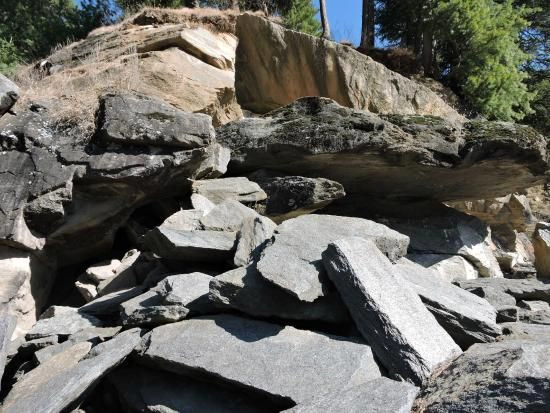
Arjun gufa
An ancient cave near Manali believed to be the meditation spot of Pandava prince Arjuna from the Mahabharata.
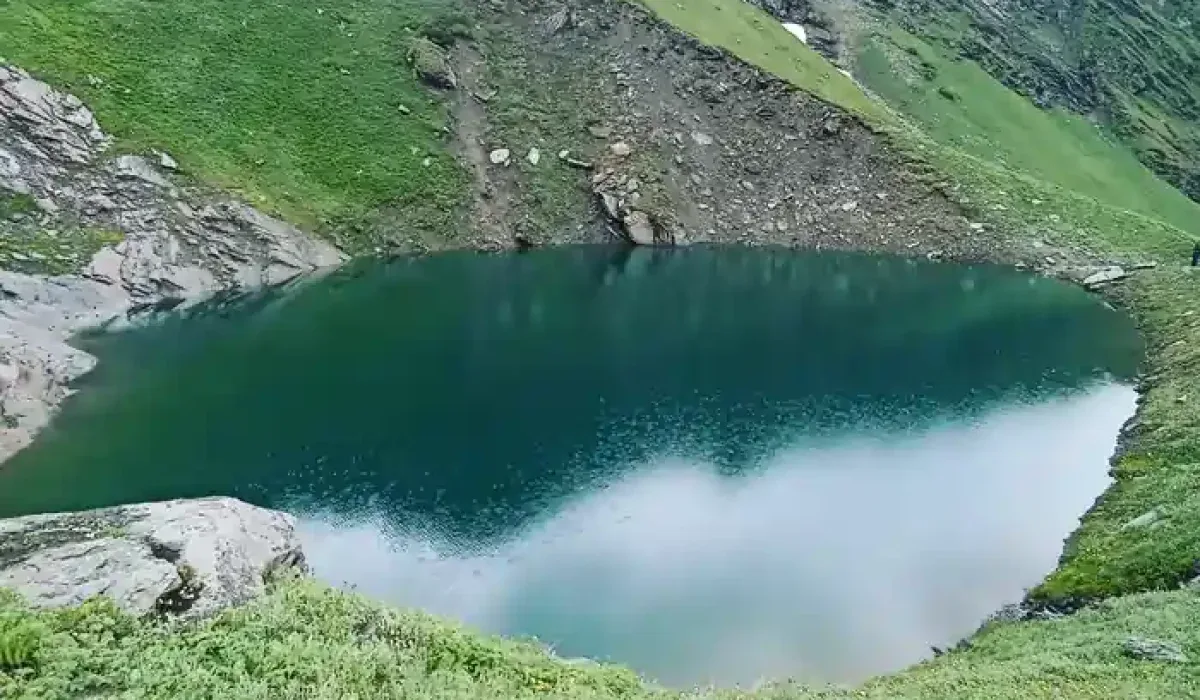
Beas Kund
A high-altitude glacial lake at 3,700 metres in the Pir Panjal range, revered as the sacred origin of the Beas river. Sage Vyas is believed to have meditated and bathed here while composing the Mahabharata. The trek from Dhundi passes through alpine meadows and deodar forests, with commanding views of Friendship Peak, Hanuman Tibba, Shitidhar, and Ladakhi. A popular beginner-to-moderate summer trek and a must-visit near Manali.
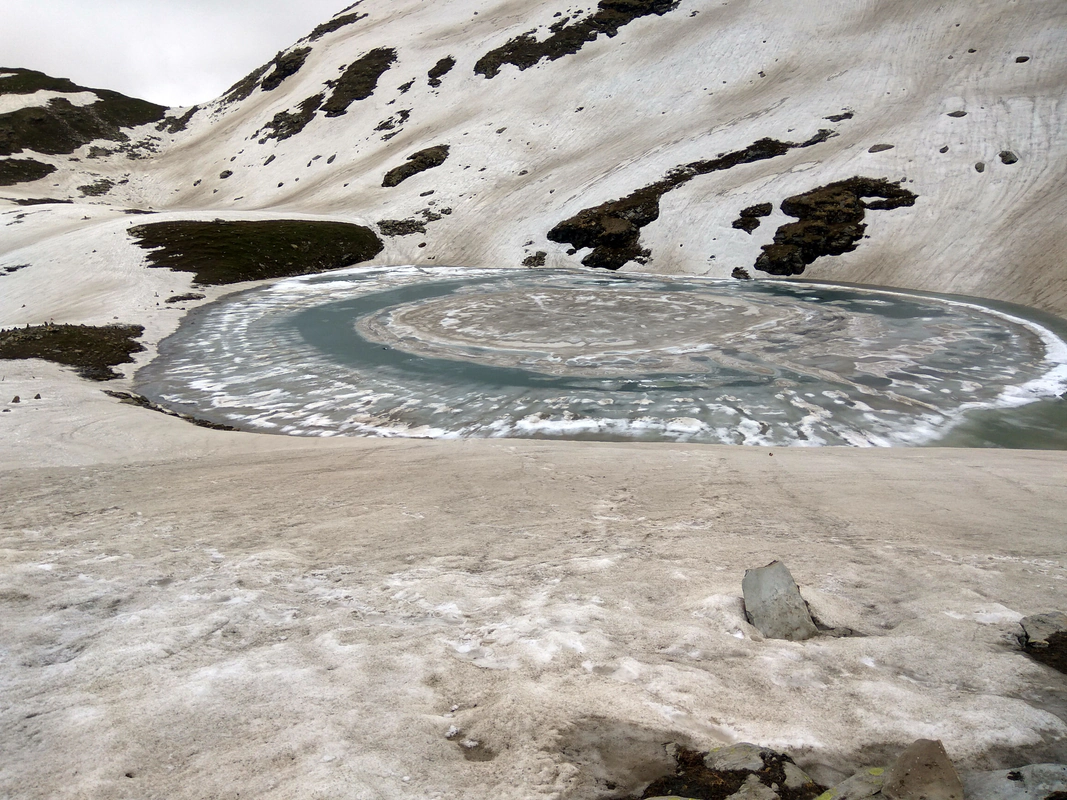
Bhrigu Lake Trek
A scenic high-altitude trek from Manali, leading to a serene alpine lake surrounded by snow-capped peaks.
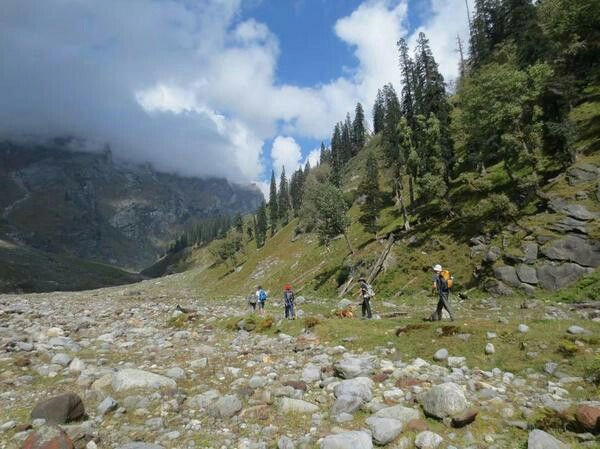
Deo Tibba Base Camp Trek
A tranquil trek that brings trekkers close to the base of the majestic Deo Tibba Peak, amidst alpine meadows and glaciers.
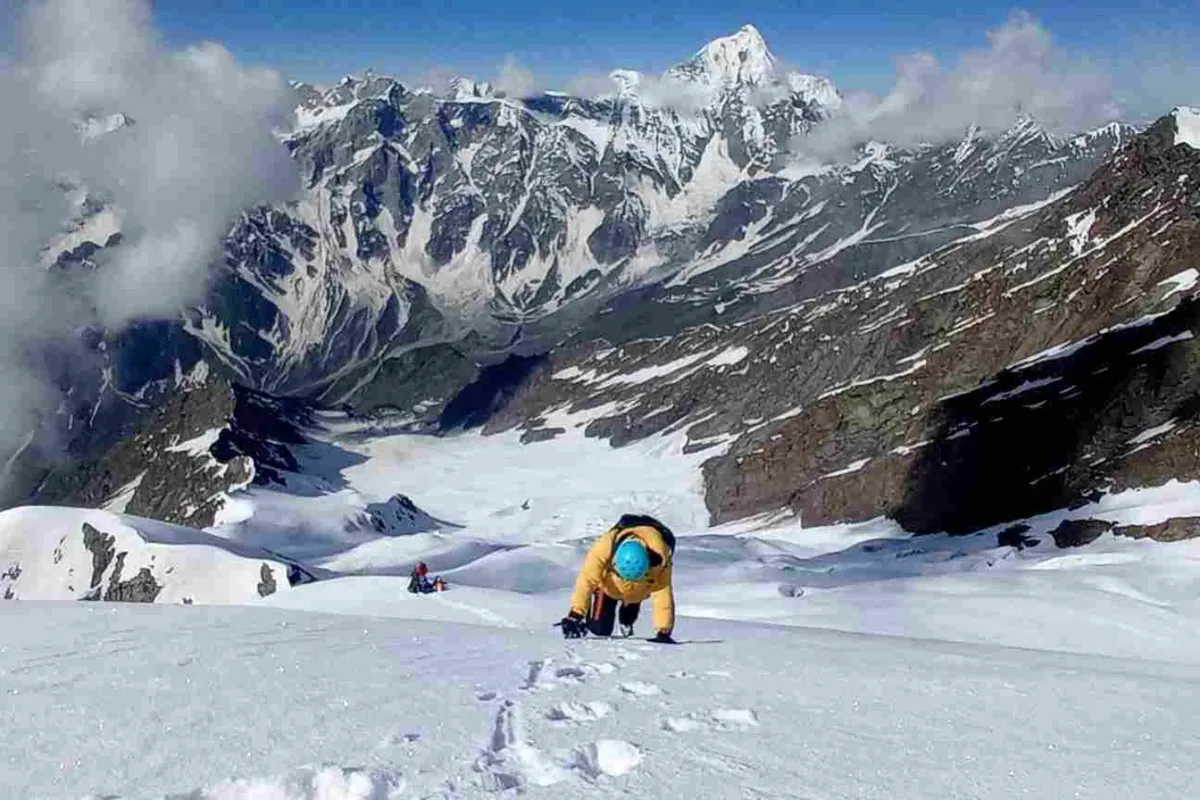
Friendship Peak Base Camp Trek
A high-altitude expedition trek that transitions from trekking into introductory mountaineering, with the summit of Friendship Peak standing at 5,289 metres in the Pir Panjal range above Solang Valley. The route from Manali through Dhundi, Bakarthach, and Lady Leg involves glacier travel, steep snow slopes, and the use of crampons and ice axes on summit day. With sweeping views of Hanuman Tibba, Deo Tibba, and Indrasan, it is considered the ideal first peak for experienced trekkers stepping into Himalayan mountaineering.
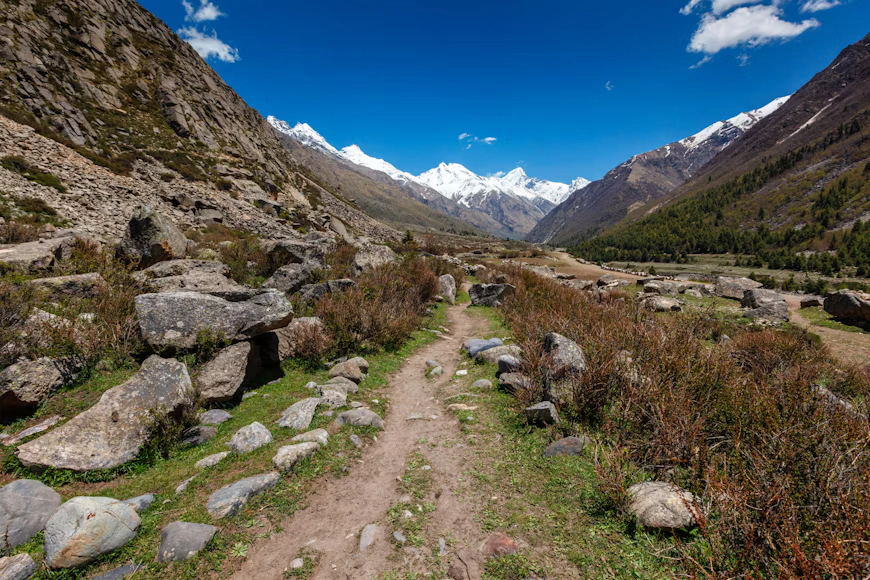
Hampta Pass Trek
A dramatic crossover trek from Manali's green Kullu Valley to the stark, desert landscapes of Spiti.
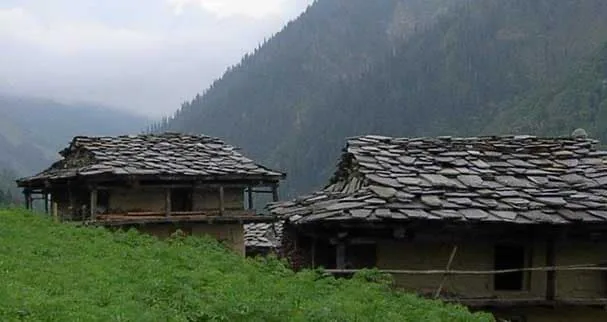
Malana Village Trek
A trek to one of Himachal Pradesh's most fascinating and enigmatic villages, perched at 2,652 metres in a secluded side valley between the Chandrakhani and Deo Tibba ranges. Malana is widely regarded as one of the oldest surviving democracies in the world, governed by its own ancient parliament under the presiding deity Jamlu Devta. The 4 km trail from the road-head passes through pine forest with views of the surrounding peaks. Visitors must respect strict customs including the no-touch rule.
No places found for ""
Try a different search term or switch to All.
No places match your current filter
Try a different search term or switch to All.