Konkani Kerala: A Journey Through Food, Temples and Places

A Konkani writer from Thalassery on how Konkani and Kerala food, temples and places sit side by side: from dalitoy and godshe to puttu, sadya and fish curry, from Guruvayur to the old streets of Kochi and Mattancherry.
Kerala is a place where a journey can begin with food and end with a story.
When people think about Kerala, they usually think about green hills, beaches, backwaters, temples and traditional food. But Kerala has another special feature. Many different communities and languages have lived here for generations. Konkani is one of those languages and Konkani people are also part of the social and cultural life of Kerala.
For me, the story of Konkani Kerala is closely connected with food.
Konkani Food and Memories of Home
Konkani food has many dishes which are familiar to Konkani families. Patravada, dalitoy, modak, valval, gheshi and godshe are some of the traditional preparations that bring back memories of old homes and family gatherings.
Dalitoy is a simple dish, but its taste is very special to many Konkani families. Modak is associated with festivals and traditional occasions. Valval is a vegetable preparation which shows the importance of vegetables and coconut in Konkani cooking. Godshe is a traditional sweet which many people remember from their childhood.
The Tastes of Kerala
But Kerala food is equally interesting.
A visitor coming to Kerala should try puttu and kadala curry. Puttu is simple, but it is one of the foods that immediately reminds us of Kerala. Dosa and idli are also common breakfast foods. They can be found in small hotels as well as in homes.
Then comes appam and stew, idiyappam, parotta and vegetable or meat curries. Kerala parotta has become famous far beyond Kerala. It is often eaten with chicken curry, beef curry or vegetable curry.
And then there is the traditional Kerala sadya.
A sadya served on a banana leaf is itself a small journey through Kerala food. Rice, sambar, avial, thoran, olan, kalan, pachadi, pickles, papadam and different payasams are served in a traditional sadya. The way the food is served and eaten is also part of Kerala culture.
For many visitors, however, one of the strongest memories of Kerala food is fish curry and rice.
Kerala has a long coastline and fish has an important place in the food habits of many people. Different regions have their own ways of preparing fish. Coconut, tamarind and spices give Kerala fish curry its characteristic taste. Eating a simple meal of rice and fish curry in a local restaurant can sometimes be more memorable than eating an expensive meal in a big hotel.
Where Two Food Traditions Meet
This mixture of Konkani food and Kerala food shows something important about life here.
People may have different languages and traditions, but food has always brought people together.
A Konkani family living in Kerala may prepare dalitoy or another traditional Konkani dish at home and enjoy puttu, dosa, idli, appam, parotta or fish curry on another day. Over generations, different food habits have naturally become part of everyday life.
Famous Temples and Community Temples
The same can be seen in the temples.
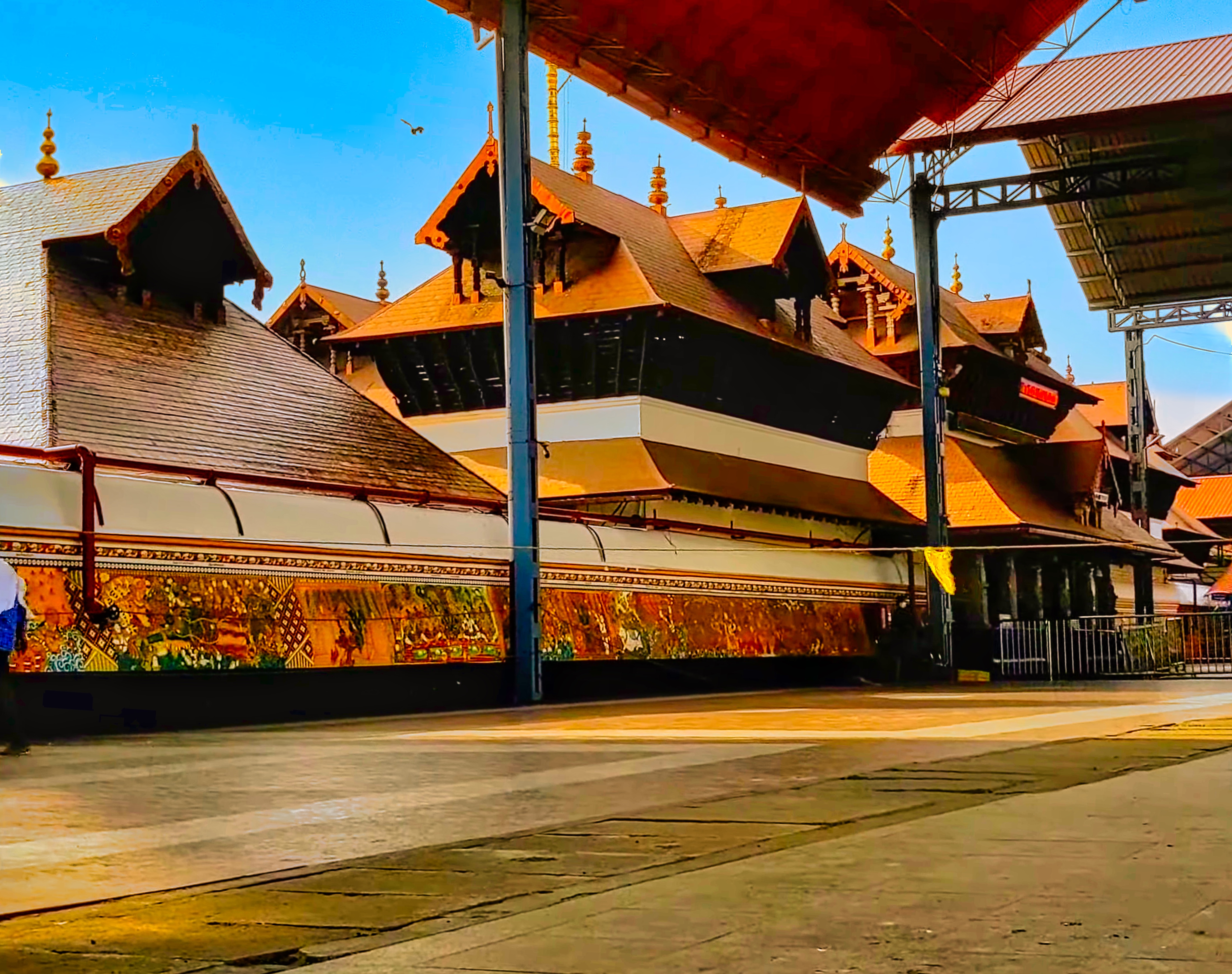
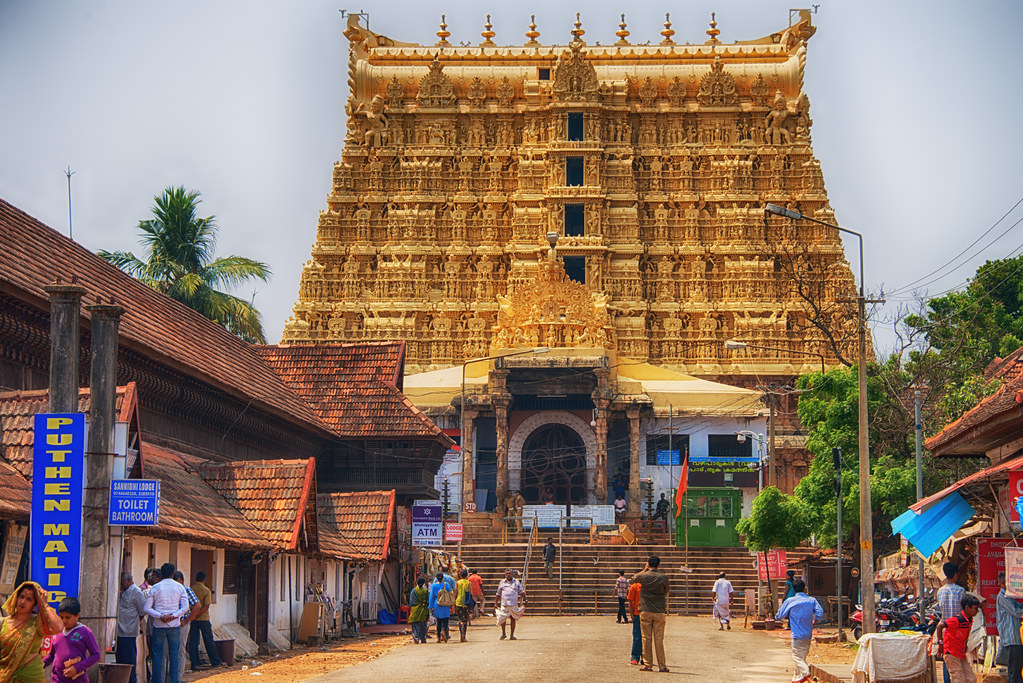
Kerala has many famous temples. Guruvayur Sree Krishna Temple is visited by people from different parts of India. The Sree Padmanabhaswamy Temple in Thiruvananthapuram is another important part of Kerala's religious and architectural heritage.
Along with these famous temples, there are many smaller temples connected with different communities. Some Konkani families have their own traditional temples and religious customs. These places may not always be known to tourists, but they are important to the people who have maintained them for generations.
A traveller who wants to understand Kerala should therefore not look only at the famous tourist attractions.
Hills, Backwaters and Beaches
Kerala has many different kinds of destinations.
Munnar is known for its hills, tea plantations and cool climate. The green landscape is very different from the coastal areas.
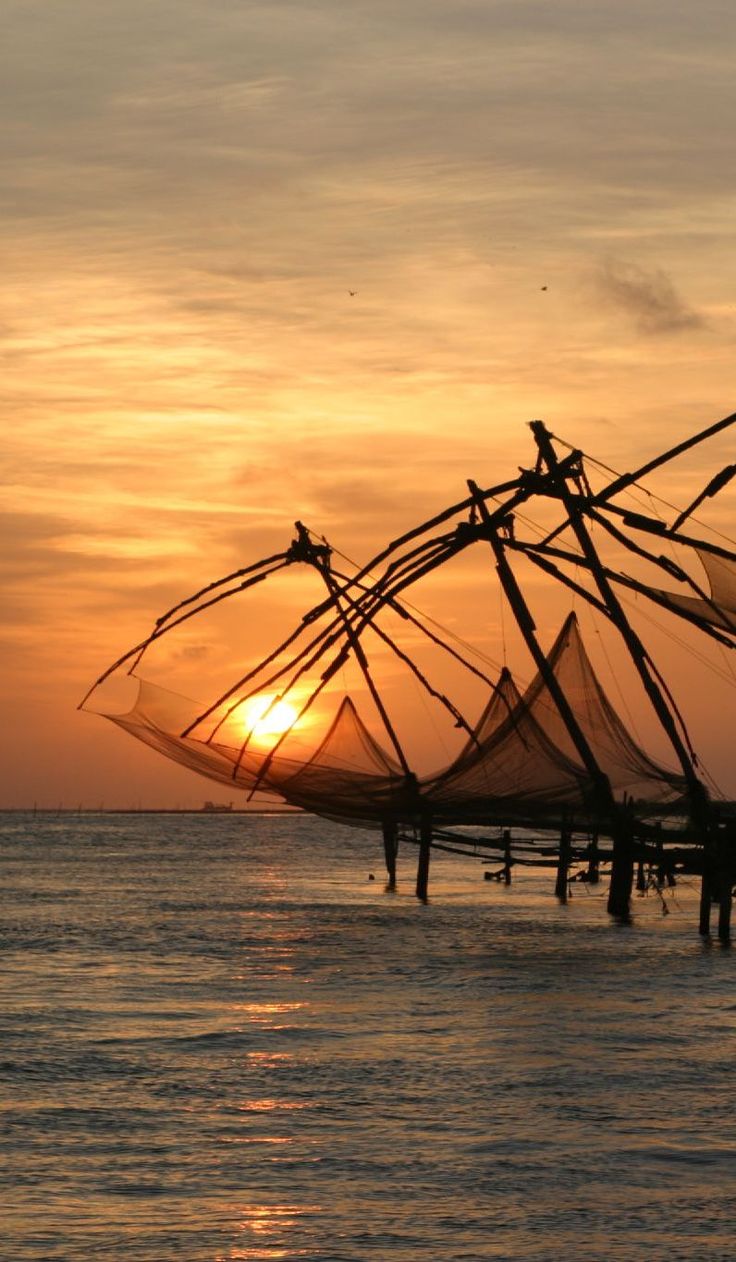
Alappuzha is famous for its backwaters and houseboats. Travelling through the backwaters gives visitors an opportunity to see another side of Kerala, including villages, small houses, coconut trees and everyday life along the water.
Kumarakom is another beautiful backwater destination. It is a place where people can spend time quietly and enjoy the natural surroundings.
Wayanad offers forests, hills, waterfalls and a different climate. It also has a strong connection with the tribal and rural traditions of Kerala.
Thekkady is known for its forests and wildlife. A visit there gives a traveller a different experience from the beaches and cities.
Then there are the beaches.
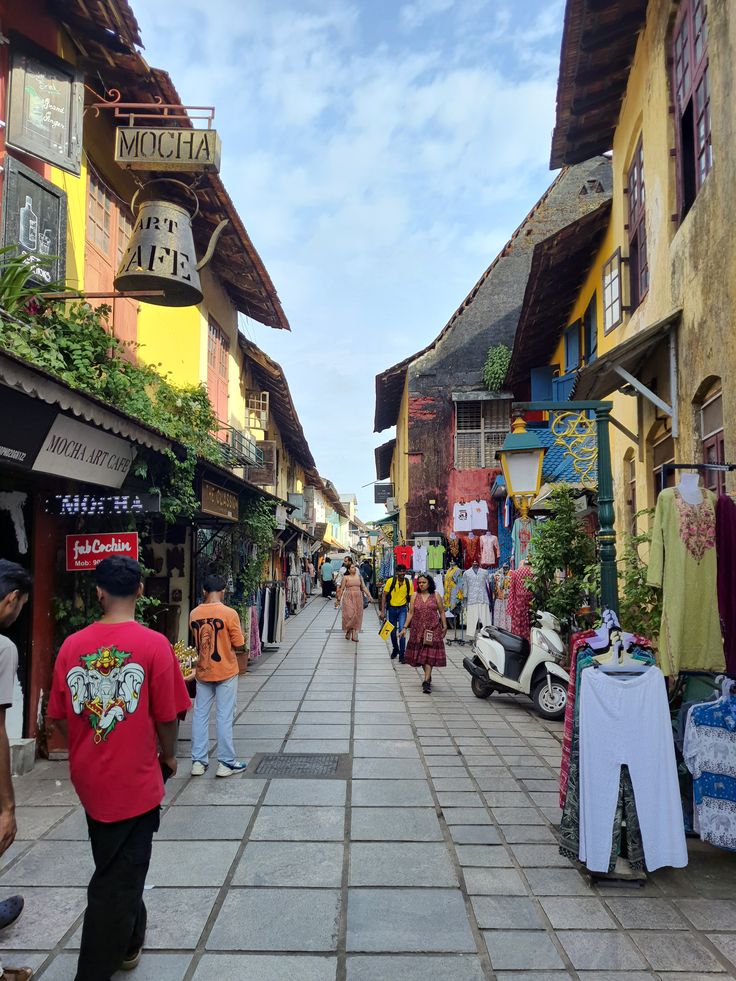
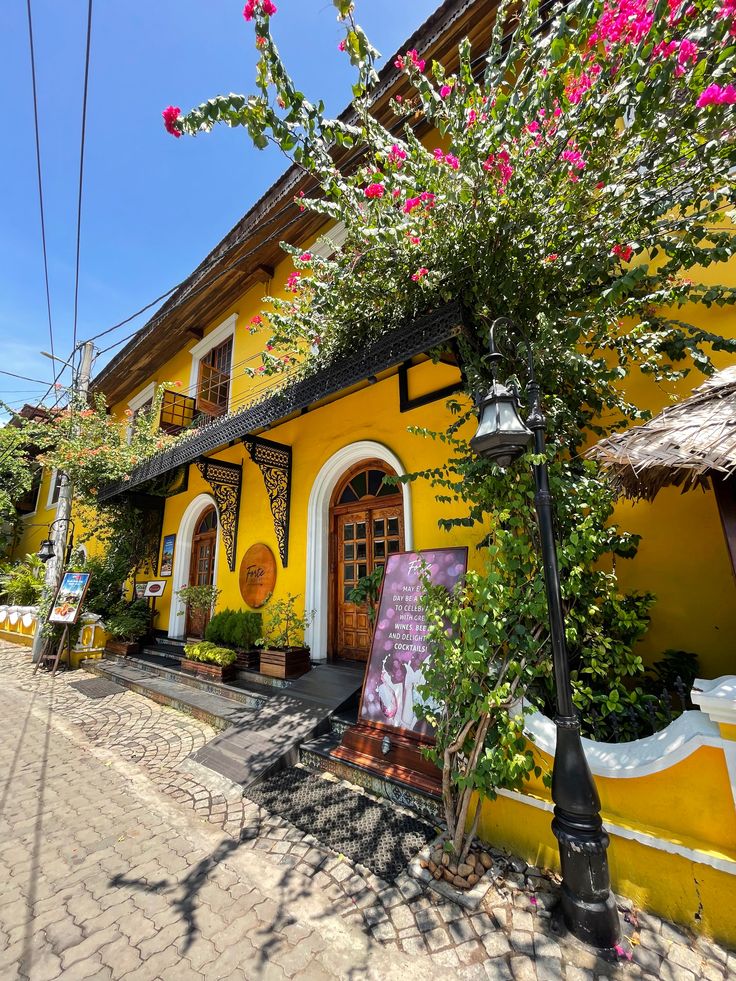
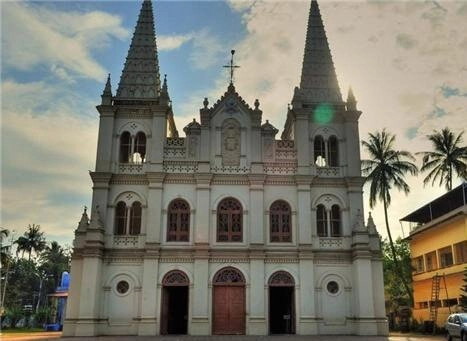
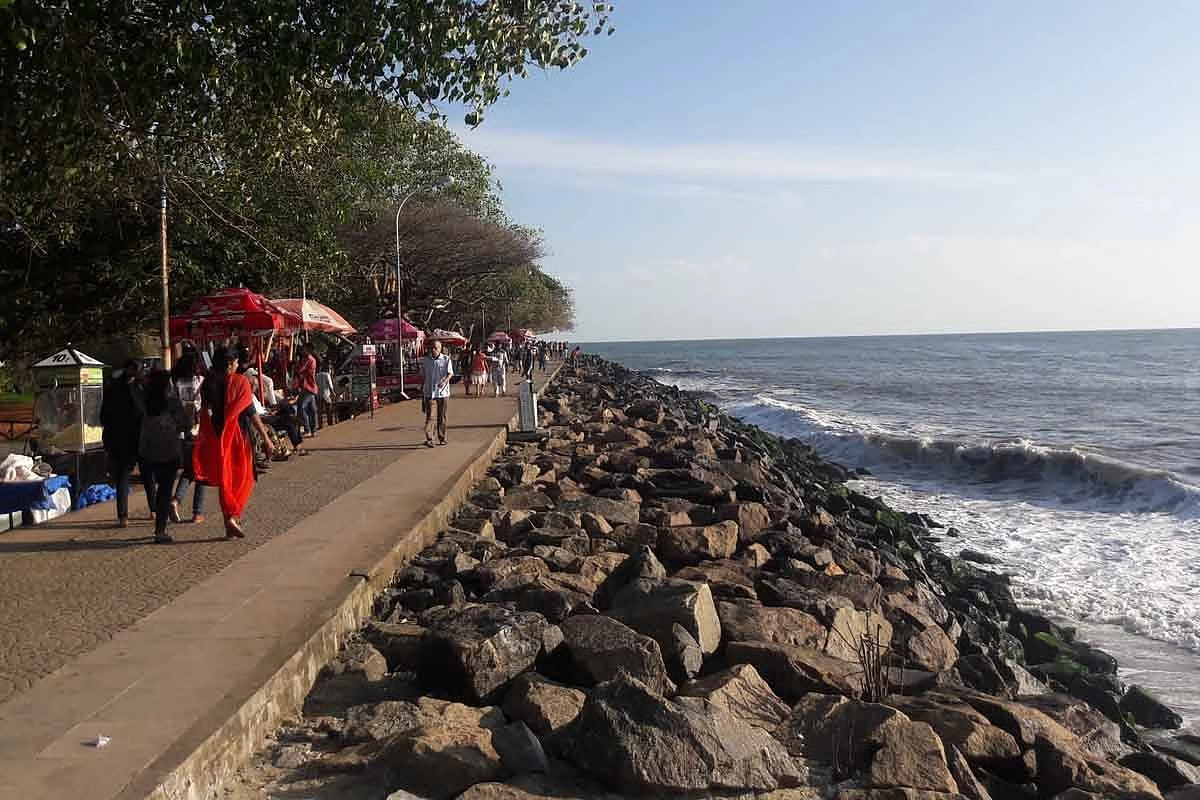
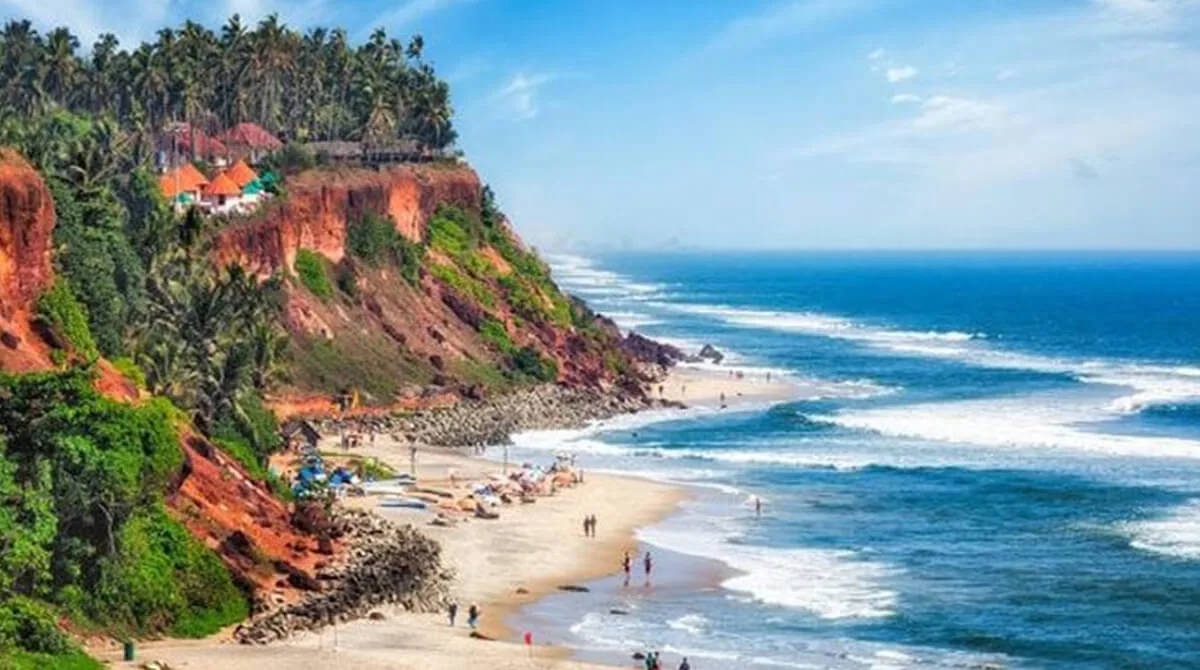
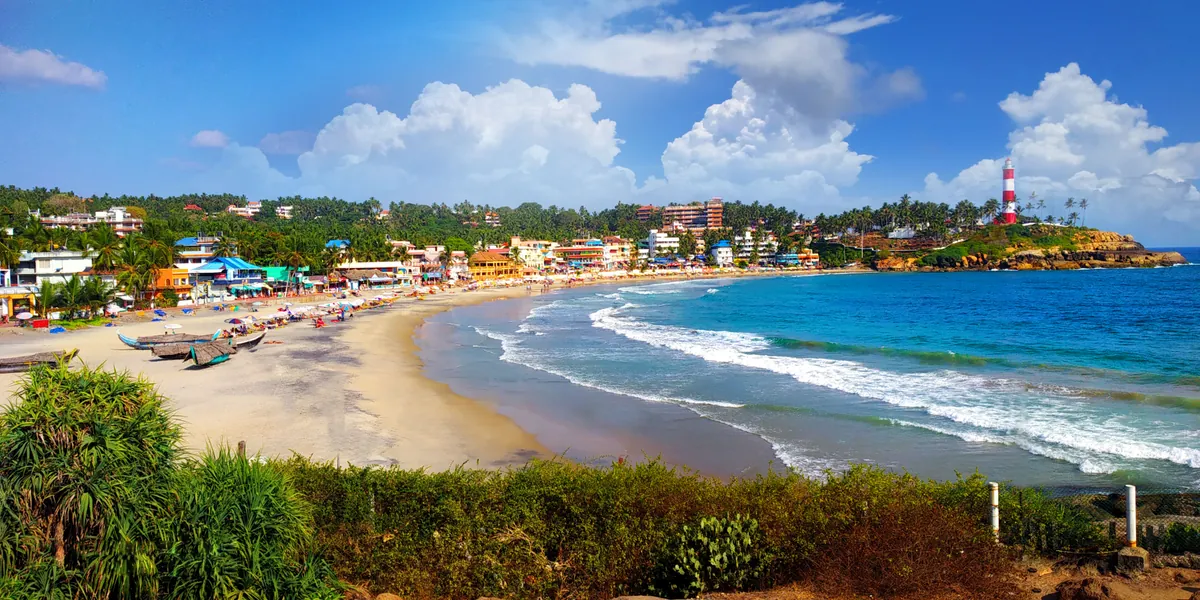
Varkala is known for its cliff and beach. Kovalam is one of the most famous beach destinations in Kerala. Fort Kochi is different again. Its old streets, buildings, churches, markets and connection with different communities make it an interesting place to walk around.
Kochi and the Konkani Story
Kochi is particularly important when talking about the Konkani presence in Kerala.
For generations, people from different parts of India have lived and worked in Kochi. Konkani-speaking families also became part of this history. The old areas of Kochi and Mattancherry remind us that Kerala has never been a place belonging to only one language or one community.
This is also why travelling through Kerala can be a learning experience.
A visitor can see a temple in the morning, eat a traditional Kerala breakfast, travel through the backwaters in the afternoon and have a Konkani meal with a family in the evening. All these experiences can happen within the same state.
The Kerala You Find by Talking to People
There is another Kerala which can be discovered by simply talking to people.
An elderly person may tell us about an old temple. A shopkeeper may suggest a good local restaurant. Someone in a small hotel may explain how a particular fish curry is prepared. A Konkani family may talk about their language and traditions.
These small conversations are also part of travel.
Konkani Culture as Part of Kerala
The history of the Konkani language in Kerala is connected with the movement and settlement of people along the western coast. Over generations, Konkani-speaking families have maintained their language, religious traditions, food and cultural practices while also becoming part of Kerala society.
This is what makes the story interesting.
Konkani culture in Kerala is not separate from Kerala. It has grown alongside Malayalam culture and the traditions of other communities.
Food shows this connection very clearly.
A person may start the day with puttu and kadala curry, have rice and fish curry for lunch, eat a Kerala parotta in the evening and enjoy a traditional Konkani dish at a family gathering. There is no contradiction in this. This is simply how cultures live together.
A Journey Through People and Traditions
Kerala's tourism story should also include such everyday experiences.
Tourism is not only about luxury resorts, expensive hotels or famous photographs. Sometimes a small tea shop, a local bus journey, a temple festival, a traditional meal or a conversation with an old person can become the best memory of a trip.
For someone interested in culture, Kerala offers many such experiences.
From the hills of Munnar and Wayanad to the backwaters of Alappuzha and Kumarakom, from the beaches of Varkala and Kovalam to the old streets of Fort Kochi, there is a lot to see.
From Guruvayur to the Padmanabhaswamy Temple, Kerala's temples add another dimension to the journey.
And from patravada, dalitoy, modak, valval, gheshi and godshe to puttu, dosa, idli, appam, idiyappam, parotta, Kerala sadya and fish curry, the food itself can become a reason to travel.
For me, this is the real beauty of Kerala.
It is not only a place to visit. It is a place to experience.
And somewhere between a traditional Konkani meal, a Kerala sadya, a temple visit, a journey through the backwaters and a walk along an old Kochi street, we can understand that Kerala's greatest strength is its diversity.
A journey through Kerala is therefore not just a journey through places.
It is a journey through people, food, languages, temples, memories and traditions.
That is the Kerala I would like a traveller to discover.
About the Author
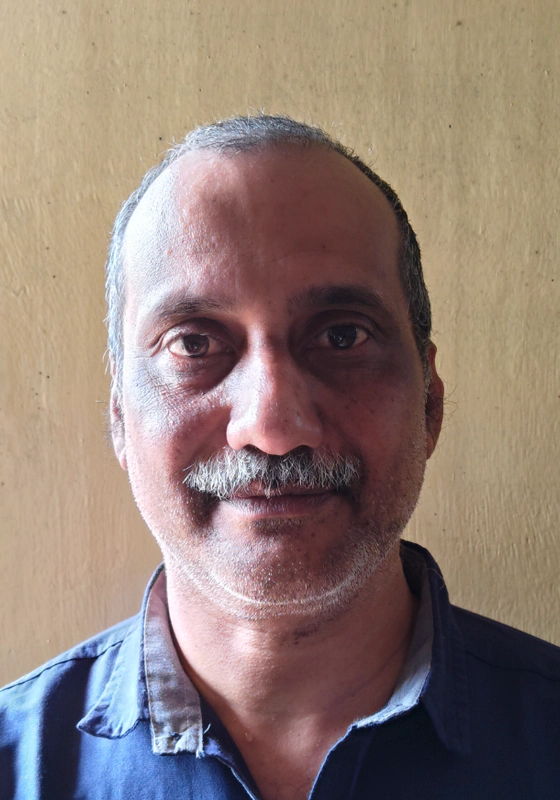
V Rajesh Mohan Rao is a higher secondary school teacher, writer, social worker and member of the Kerala Konkani Working Committee. He lives in Dharmadam, Thalassery.
Have a travel story to share? Write for us