Navaratri Across Goa, Karnataka and Kerala: A Journey Through Temples, Memories and Tradition


A teacher from Thalassery follows Navaratri through Goa, coastal Karnataka and Kerala: temple visits at Mangeshi and Sringeri, Vidyarambham in Kerala, and the Konkani food that holds family memories together.
For me, Navaratri is not simply a festival that comes once a year. It is a season of memories, temple visits, family gatherings, music, food and travel. Having travelled through Kerala, Karnataka and Goa, I have experienced how the same festival can take different forms in different places while keeping the same basic feeling of devotion and togetherness.
My connection with this tradition is also closely linked with the Goud Saraswat Brahmin (GSB) community. The temples associated with the community in Goa, Karnataka and Kerala have given me many memorable experiences. During Navaratri, these places become especially meaningful because religion, family life, local culture and travel come together.
Goa: where temple memories begin
Goa has always had a special place in my memories. My mother's ancestral place is Mangeshi, and therefore visiting Goa is not just another journey for me. There is a personal connection behind it.
The temples of Goa have their own atmosphere during festival seasons. The Shri Mangueshi Temple, Mahalasa Narayani Temple, Ramnathi Temple and other traditional temples are important parts of Goa's religious and cultural landscape. For a traveller, these are not merely monuments to be photographed. They are living places where rituals, music, architecture, food and family traditions continue together.
During Navaratri, the atmosphere around the temples becomes particularly special. The sound of bells, lamps, flowers, traditional dress and the movement of devotees create an experience that is difficult to understand fully from photographs or travel descriptions.
What I like most about visiting such places is that there is no hurry. Sitting for some time near a temple, watching people arrive with their families and observing the simple traditions often tells us more about a place than visiting a long list of tourist attractions.
Karnataka: temples along the coastal journey
Travelling from Goa towards coastal Karnataka gives another dimension to the Navaratri experience. Places such as Mangaluru, Udupi and surrounding areas have a strong temple culture, and the coastal landscape itself makes the journey memorable.
The GSB community has a long cultural presence in this region. Temples such as the Venkataramana Temple in Mangaluru are important centres of religious and community life. The traditions of worship, music, festivals and community gatherings continue to connect generations.
One of the things I enjoy about travelling through coastal Karnataka is the combination of temple and food traditions. A temple visit is often followed by a simple traditional meal or by conversations with relatives and friends. Food becomes part of the travel memory. Dishes familiar in Konkani households have different local variations, but the feeling of eating together remains the same.
For those interested in the spiritual side of Navaratri, Sringeri is another important destination in Karnataka. The Sri Sharadamba Temple is dedicated to Sharadamba, a form of Saraswati associated with learning and wisdom. Yatrigo itself describes Navaratri as a major period for devotees at Sringeri.
For me, this connection between learning and worship has special meaning because I am a teacher. Navaratri reminds me that education is not only about examinations and careers. It is also about respecting knowledge.
Kerala: a different expression of the same festival
When I return to Kerala, Navaratri takes on another character. Kerala's famous tradition of Pooja Vayppu and Vidyarambham makes the final days of Navaratri especially significant.
Books, musical instruments and working tools are placed before Saraswati, and children begin their educational journey through Vidyarambham. For a teacher, this is a deeply touching tradition.
Kerala also has several temples connected with the GSB community. The Tirumala Devaswom tradition of Mattancherry in Kochi and temples such as the Venkataramana Temple at Thayyil in Kannur and Lakshmi Narasimha temples associated with GSB settlements in northern Kerala are reminders of the historical journeys of communities that settled along the western coast.
These temples are important to me not only because of their religious significance but also because they remind me of how communities carried their language, food, customs and memories while moving from one region to another.
Navaratri is also a journey through food and family
One of my strongest memories of these journeys is food.
In different Konkani homes, dishes such as dalitoy, gheshi, valval, ambat, bibbya upkari, godshe and surnoli may appear in different forms. During festivals, food is not simply something we eat. It becomes part of family memory.
I have often felt that a community's history can be understood through its kitchen as much as through its temples.
A journey through Goa, coastal Karnataka and Kerala therefore becomes more than a pilgrimage. It becomes a journey through tastes, languages, family relationships and memories.
What Navaratri means to me
After travelling through these regions, I feel that Navaratri has many faces.
In Goa, I remember the temples and my family's connection with the land. In Karnataka, I remember the coastal temples, community traditions and long journeys. In Kerala, I see the importance given to knowledge, books and learning.
The customs are not identical. The food is not identical. The languages and local practices are different. Yet there is a common thread running through all of them: family, faith, respect for tradition and the desire to pass something meaningful to the next generation.
That is why I do not see Navaratri merely as a festival to be observed. I see it as a journey.
Sometimes that journey takes me to a temple in Goa. Sometimes to a coastal town in Karnataka. Sometimes to a familiar temple in Kerala. And sometimes it takes me back to my own childhood and family memories.
For a traveller, Navaratri offers an opportunity to see India beyond famous monuments. It allows us to enter living communities, listen to local stories, taste traditional food and understand why temples continue to be important parts of everyday life.
For me, that is the real beauty of travelling during Navaratri.
About the Author
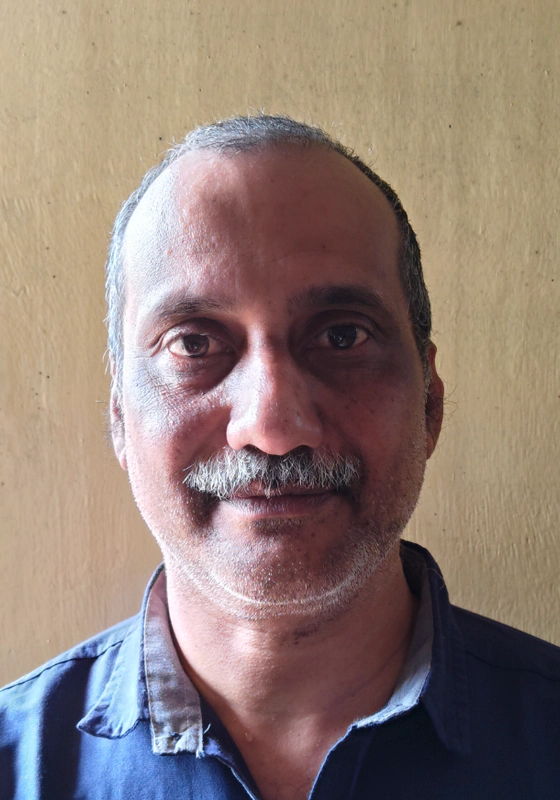
V Rajesh Mohan Rao
Dharmadam, Thalassery
The author is a higher secondary school teacher and president of Dharmadam Chandrakala Mohan Rao Cultural Forum.
Read more from V Rajesh Mohan Rao: Konkani Kerala: A Journey Through Food, Temples and Places.
Have a travel story to share? Write for us