My Travel Memories: From Goa and Mumbai to Delhi and Uttar Pradesh
Journeys through Goa, Mumbai, Delhi and Uttar Pradesh: family roots at Mangeshi, GSB Ganeshotsav at Wadala, Kashi Math, the Taj Mahal, Mathura and Vrindavan.
Travelling has always been an enjoyable way for me to learn about different places, people, languages, food and traditions. I have travelled to several parts of India, and every journey has given me something to remember. My interest in history, culture and Konkani traditions makes these journeys particularly meaningful to me.
Goa has a special connection with my family, Mumbai reminds me of the religious and cultural life of the Goud Saraswat Brahmin community, and Uttar Pradesh offers a wonderful combination of historical monuments and sacred places. Together, these journeys have helped me appreciate the many dimensions of India.
Goa: My Connection with My Ancestral Roots
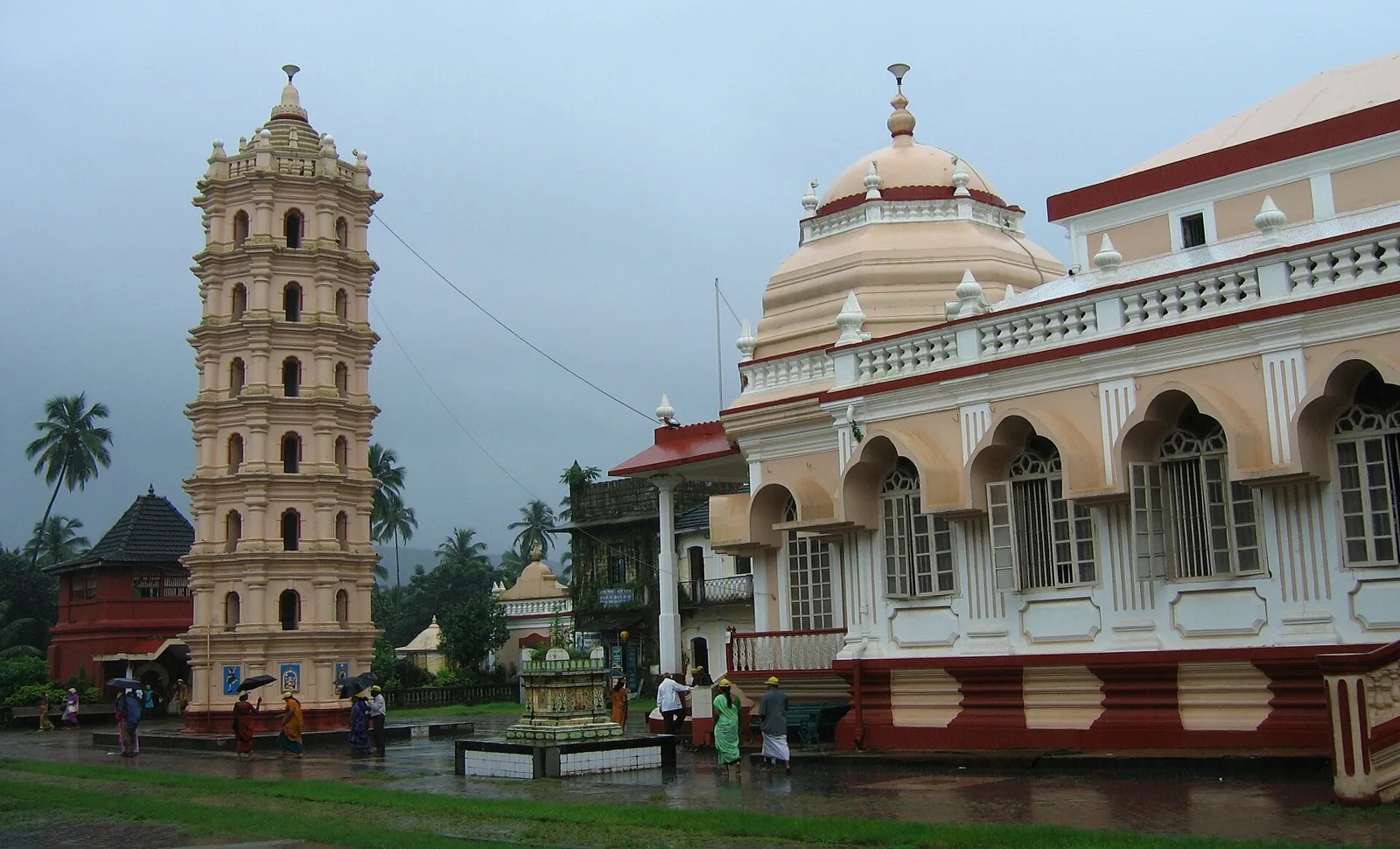
Goa has a special place in my heart because my mother's ancestral home is associated with Mangeshi. I visited Goa when I was about four or five years old. As I grew older, I became more interested in my family's history and the traditions of the Konkani-speaking community.
I have preserved and digitised old photographs from my mother's ancestral home. These photographs are valuable reminders of our family connections and the importance of preserving memories for future generations.
Goa is famous for its beaches, but its temples, Konkani language, traditional food and festivals are equally important. The Mangeshi Temple and other traditional temples reflect the region's religious and cultural heritage. For me, Goa is not just a tourist destination; it is a place connected with my family, language and cultural identity.
Mumbai: Kashi Math, GSB Temples and Ganeshotsav
Mumbai has a special place in my interest in the traditions of the Goud Saraswat Brahmin community. The city is known for its busy lifestyle, but it also has important religious and cultural centres that preserve community traditions.
The Kashi Math tradition is particularly meaningful to me because of my interest in Konkani history and the religious institutions associated with the Goud Saraswat Brahmins. The Kashi Math Samsthan has a historical connection with Varanasi, while the community has established and maintained temples in different parts of Mumbai.
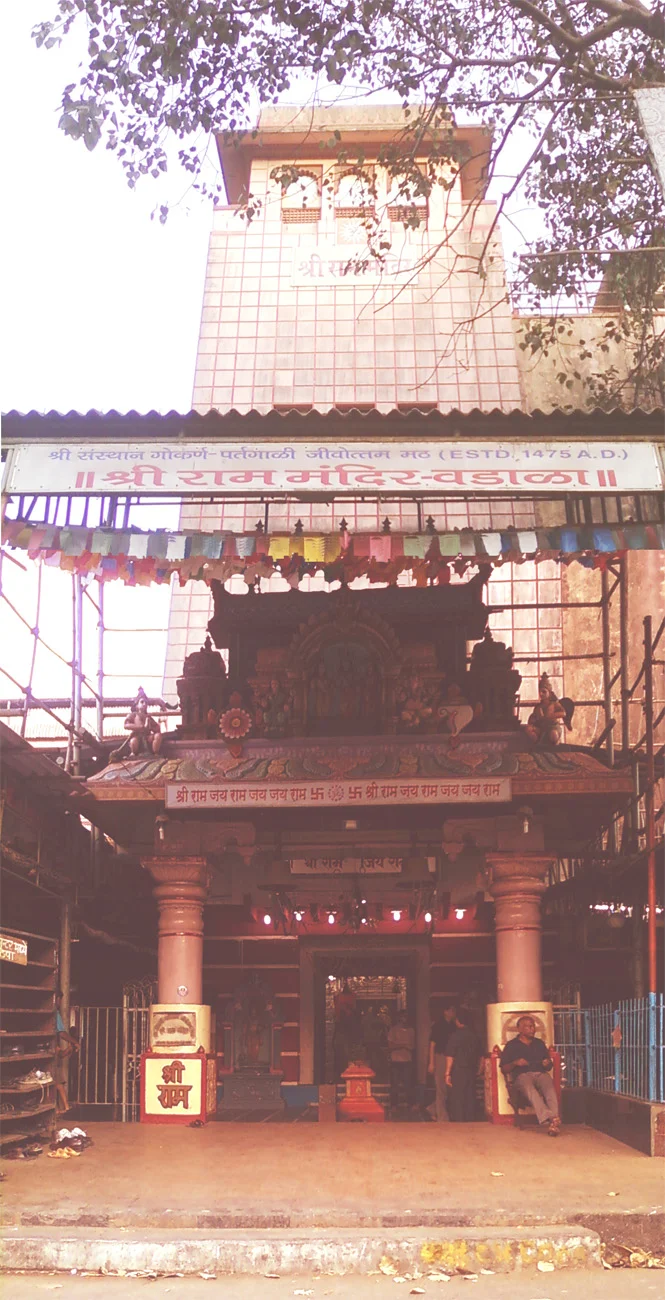
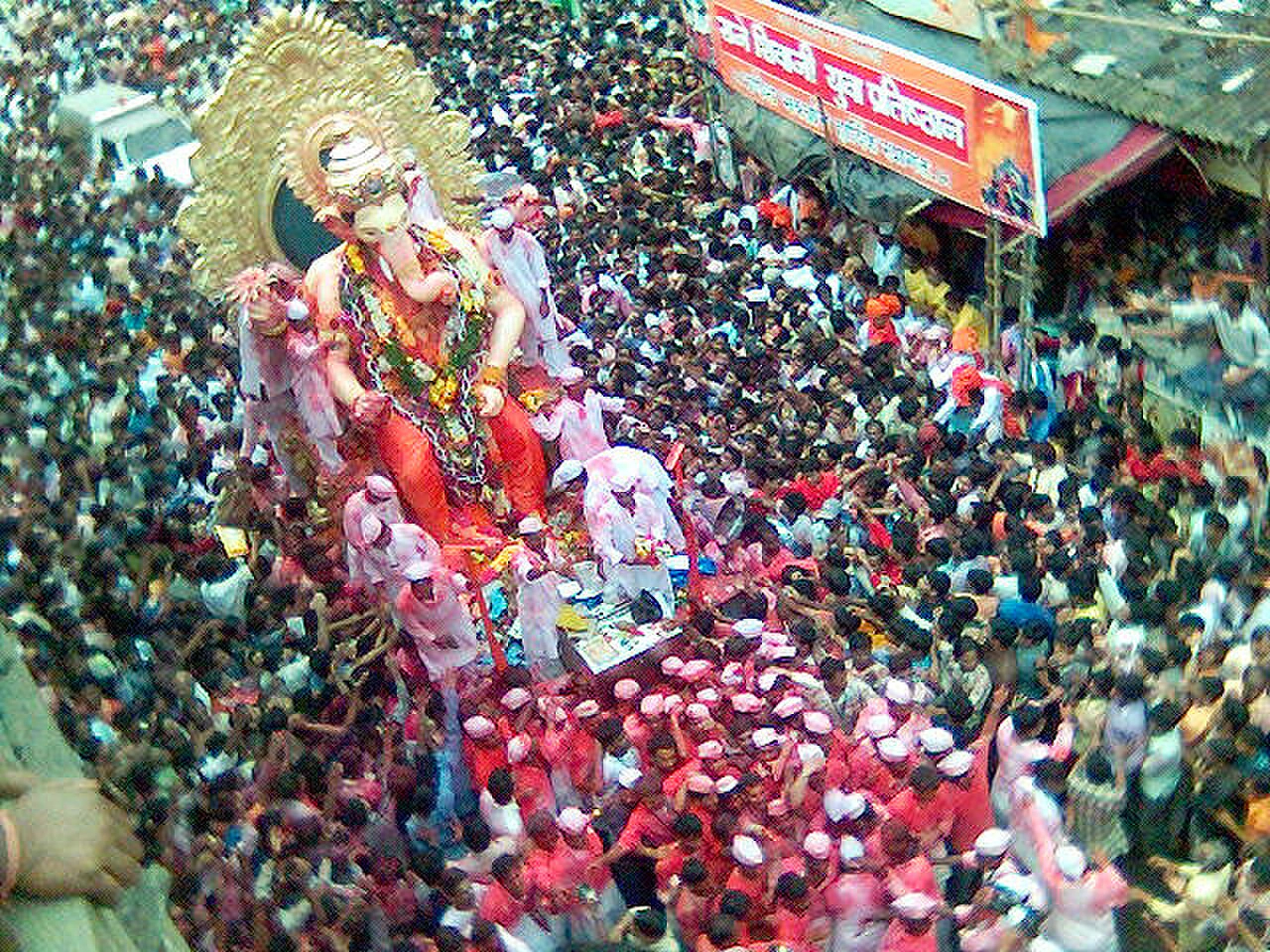
Wadala is especially important in this context. The GSB Sarvajanik Ganeshotsava Samiti at Wadala celebrates Ganeshotsav at Dwarakanath Bhavan, in the Shree Ram Mandir complex. The festival has been celebrated there since 1955 and brings devotees together for worship and other religious activities.
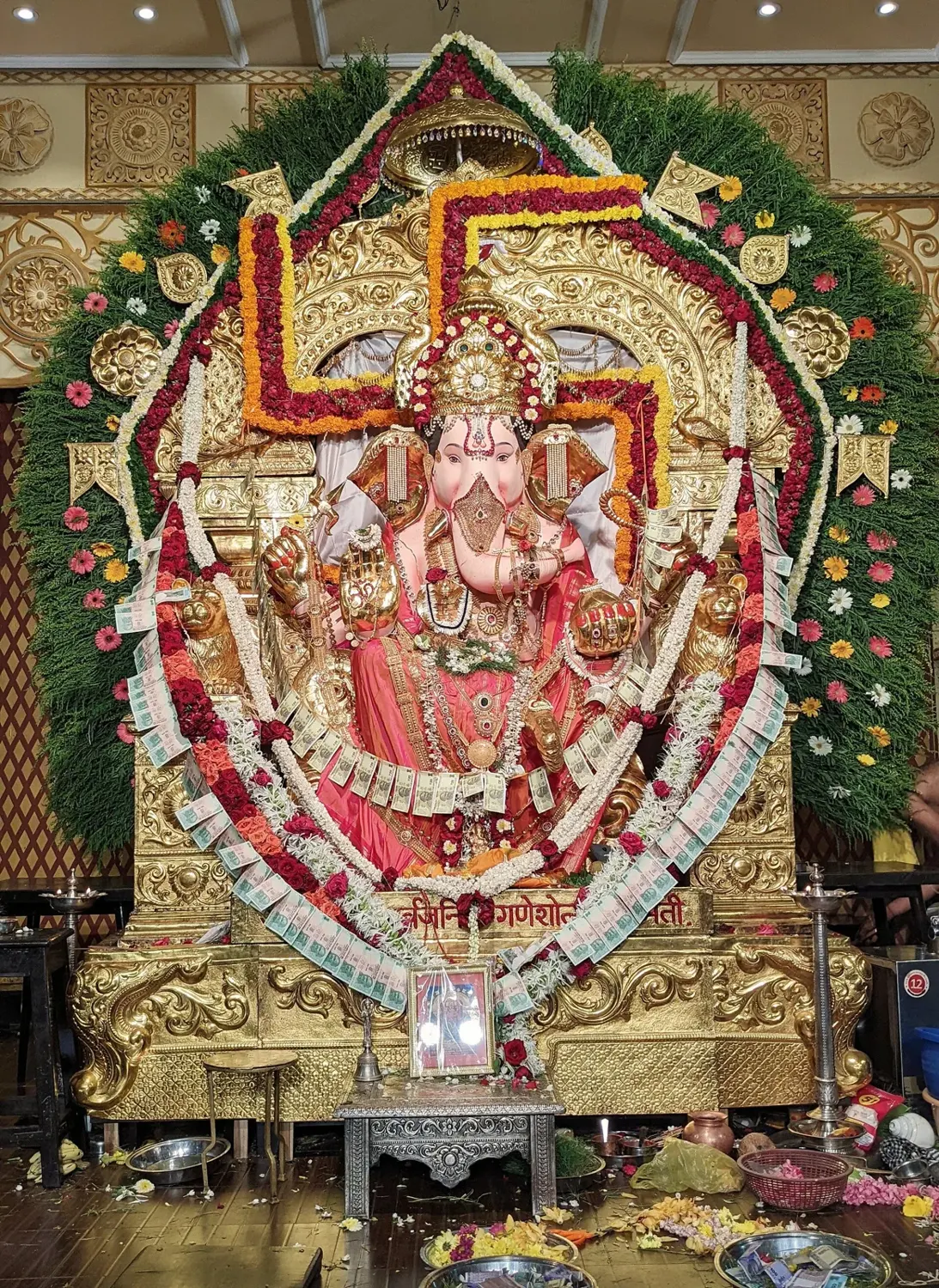
Ganeshotsav in Mumbai is much more than a religious festival. It brings together families, friends and members of different communities. The decorations, devotional atmosphere, prayers and participation of devotees make the festival an important part of Mumbai's cultural life.
The GSB Ganeshotsav celebrations at Wadala and the GSB Seva Mandal celebrations at King's Circle, Matunga, reflect the community's continuing devotion and organisational efforts. Mumbai also has several important GSB temples, including the Shree Shitaladevi and Shree Shantadurga temple complex at Mahim, along with other traditional temples maintained by the community.
These religious institutions help preserve customs and traditions while bringing people together. For someone interested in Konkani language and heritage, such places offer an opportunity to understand how cultural identity continues to be maintained even in a large and changing metropolitan city.
Delhi: History and the Diversity of India
Delhi offers a different experience. It is a city where historical monuments and modern urban life exist side by side. Its markets, public spaces and diverse population reflect the many changes that have shaped India.
I find India's linguistic diversity particularly interesting. Knowing English, Hindi, Malayalam and Konkani helps me appreciate the different ways people communicate and express their cultural identities.
Delhi also demonstrates how people from different states can live and work together while maintaining their own languages, food habits and traditions. Such diversity is one of the great strengths of our country.
Uttar Pradesh: The Taj Mahal, Kashi Math and Krishna's Sacred Land
Uttar Pradesh holds a special place in India's historical and religious landscape. My travel memories associated with this region include the Taj Mahal, Varanasi, Vrindavan and Mathura.
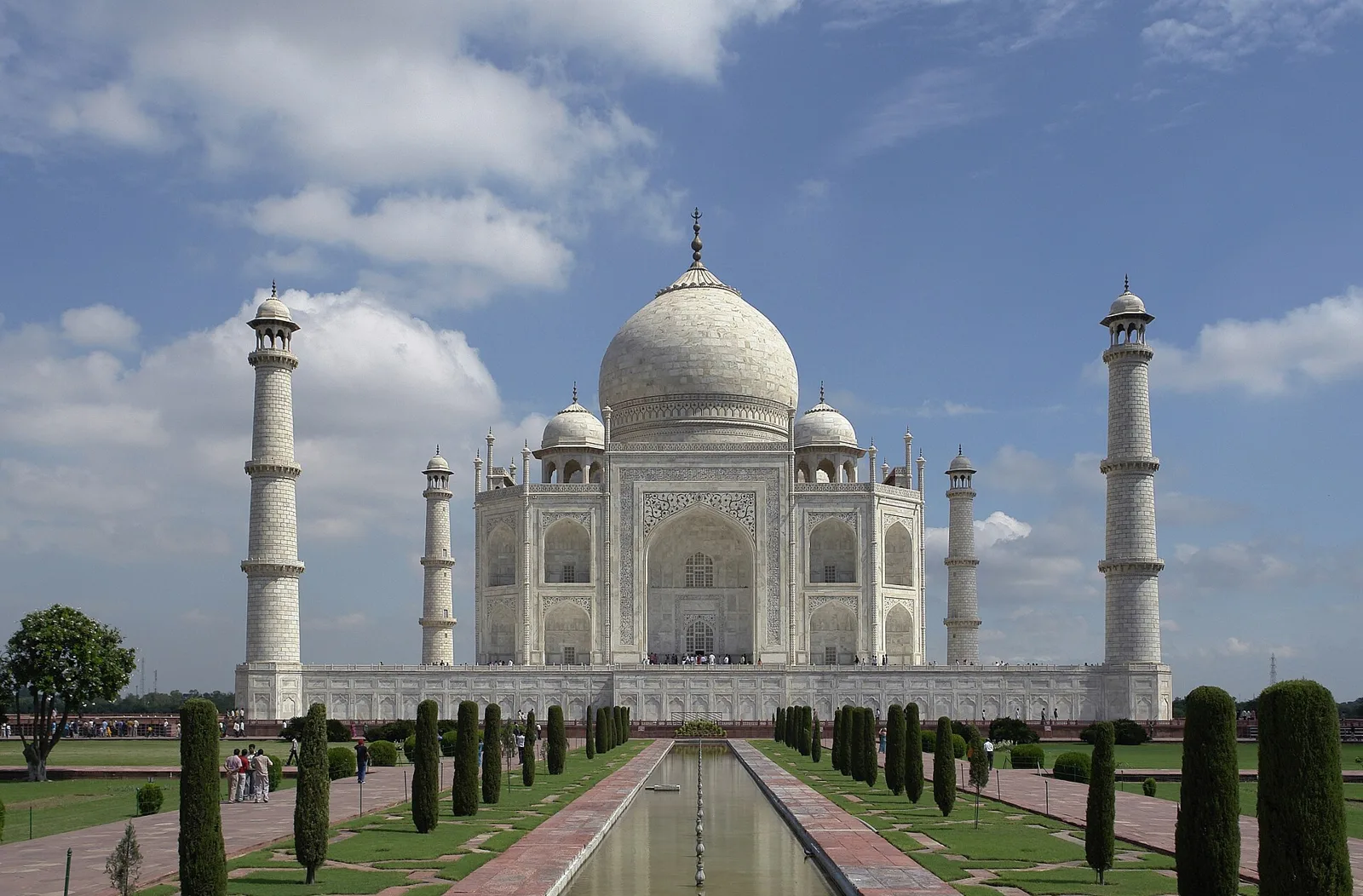
The Taj Mahal at Agra is one of the finest examples of Mughal architecture. Its white marble, symmetrical design and delicate decorative work make it a remarkable monument. Built by Emperor Shah Jahan in memory of Mumtaz Mahal, it is admired by visitors from India and across the world. Standing before such a monument encourages us to appreciate the architectural skill and craftsmanship of earlier generations.
Varanasi is important for its religious traditions and its connection with the River Ganga. For me, the city also has a particular cultural significance because of my interest in the Konkani-speaking Goud Saraswat Brahmin community and the Kashi Math tradition.
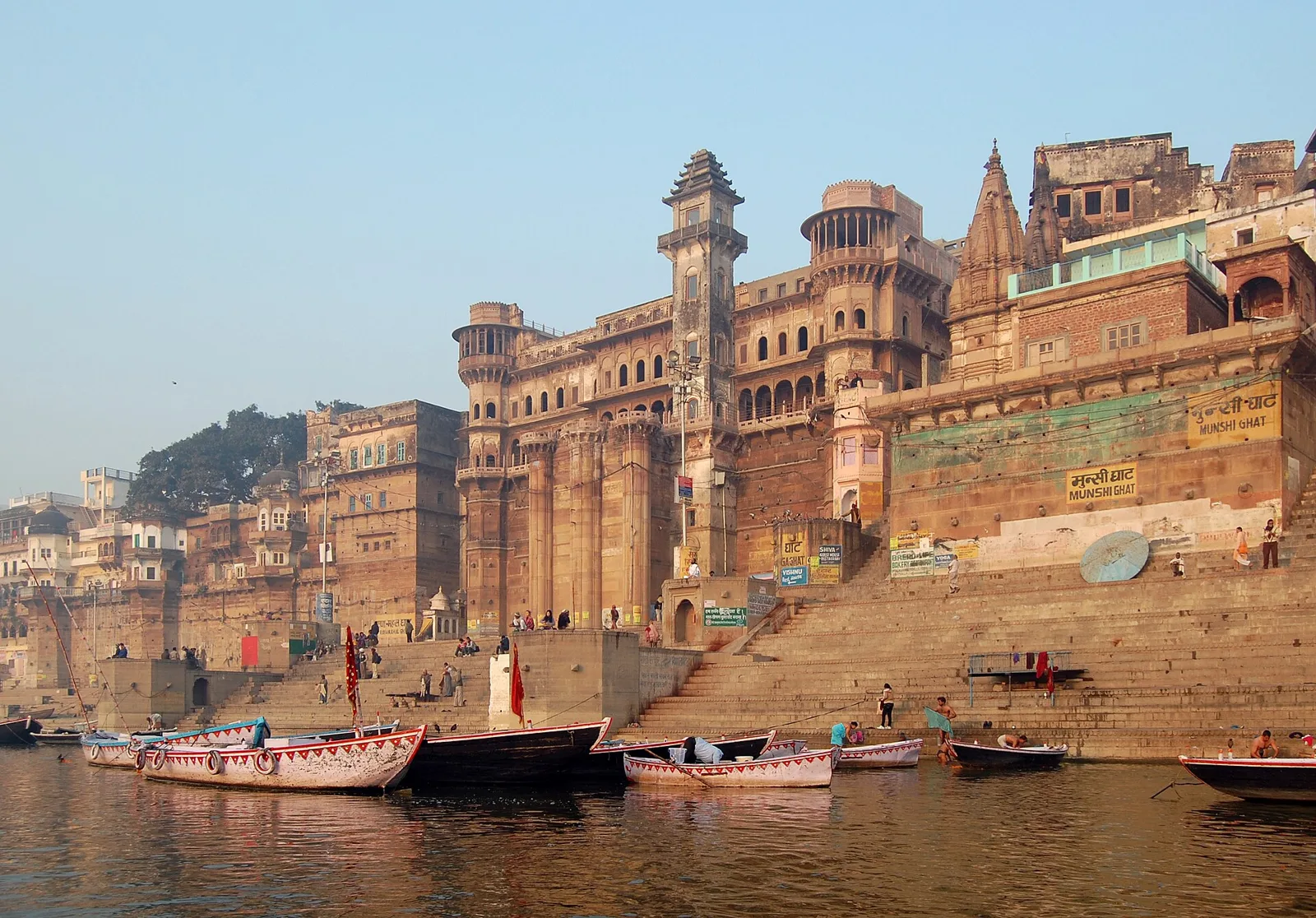
The Kashi Math Samsthan is associated with the religious and cultural history of the community. Learning about this connection helps me understand how religious institutions have contributed to preserving traditions across generations and geographical boundaries. The connection between the community, its spiritual institutions and its cultural heritage is an important part of the history that interests me.
Vrindavan offers a different atmosphere. Known for its association with Lord Krishna, the town has many temples and devotional traditions. Its religious life, temple architecture and spiritual character make it an important destination for pilgrims and other visitors.
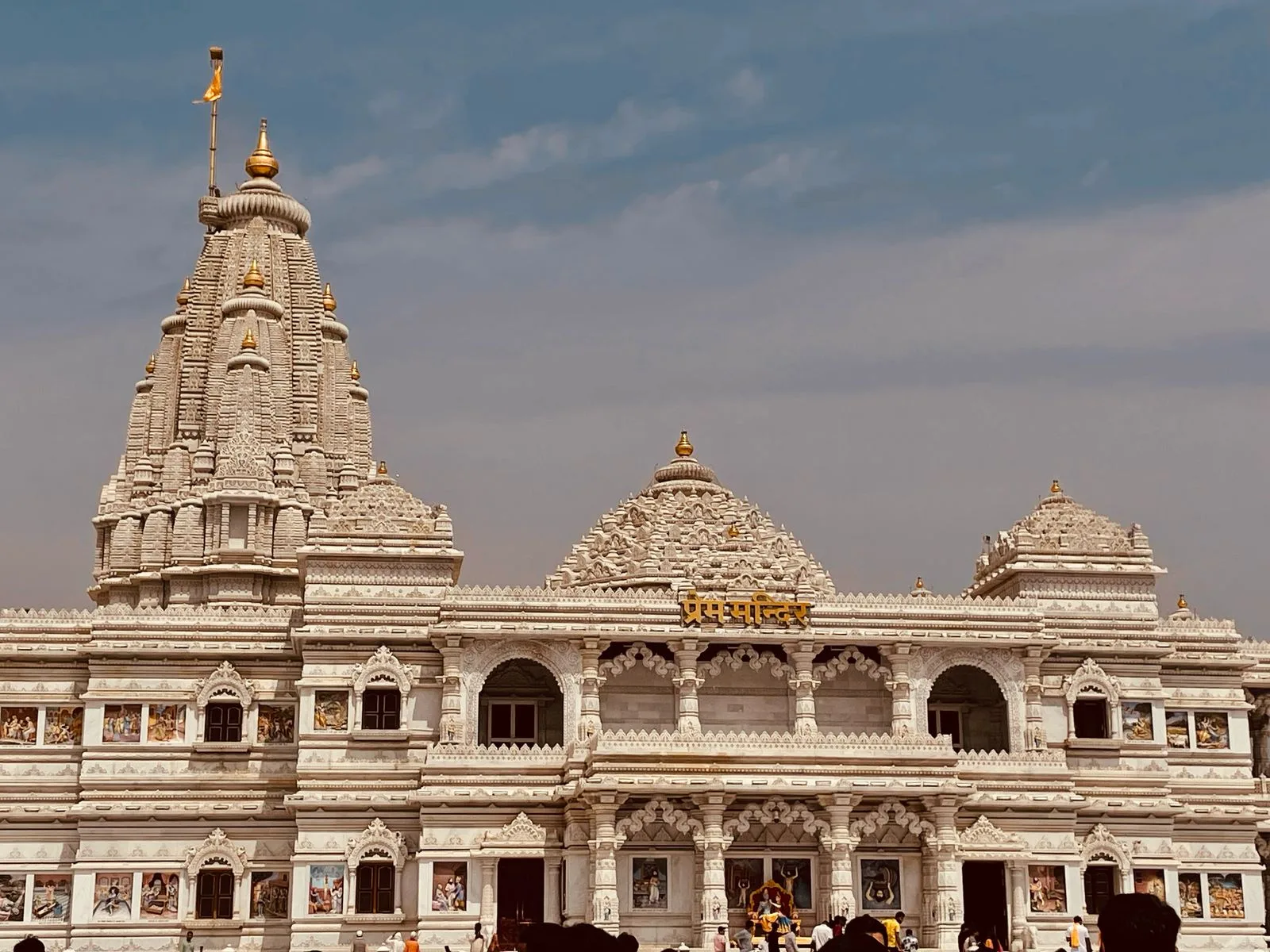
Mathura is traditionally revered as the birthplace of Lord Krishna. Shri Krishna Janmabhoomi, also known as Krishna Janmasthan, is one of the city's important religious sites. Visiting or learning about these places helps us appreciate the continuing influence of India's spiritual traditions on everyday life.
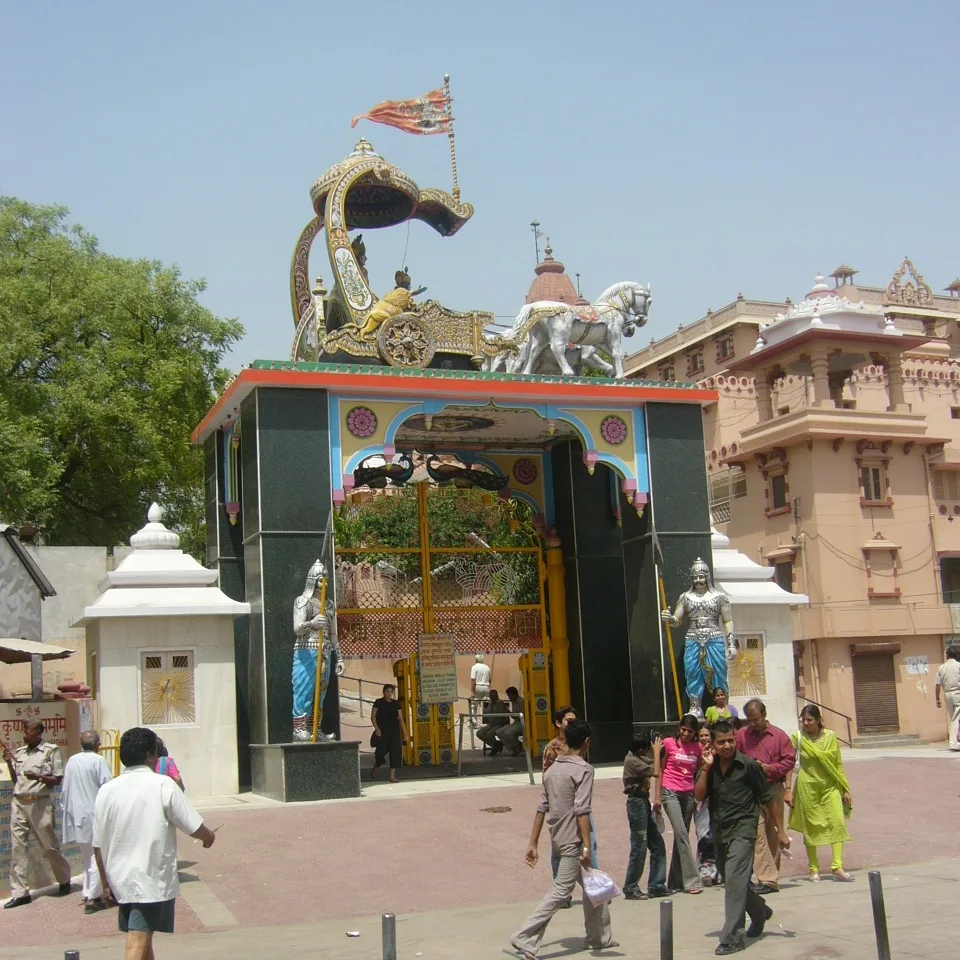
The relationship between Mathura and Vrindavan is especially interesting. Mathura is associated with Krishna's birth, while Vrindavan is closely connected with the stories of his childhood and youthful activities. Together, these places form an important part of the Braj cultural and religious landscape.
For me, the value of such destinations lies not only in their religious significance but also in the history, architecture, customs and community traditions that have developed around them.
Food, Languages and Comfortable Travel
Food is an important part of my interest in travel. Every region has its own flavours and cooking traditions. Goa has its distinctive cuisine, Mumbai offers food from many communities, Delhi has a diverse culinary culture, and Uttar Pradesh is known for its regional dishes and traditional sweets.
As someone interested in Konkani culture, I also appreciate the traditional dishes associated with the community. Food connects people with their homes and memories, and it often helps us understand a region better.
During my travels, I stayed in five-star hotels, which provided comfortable accommodation. However, I believe the most important part of a journey is the experience of discovering places, learning about their history and meeting people from different backgrounds.
Knowing English, Hindi, Malayalam and Konkani has also helped me appreciate India's diversity. Every language has its own character, and each one offers a different way of understanding people and their traditions.
What These Journeys Mean to Me
My journeys through Goa, Mumbai, Delhi and Uttar Pradesh have strengthened my appreciation of India's cultural richness. Goa connects me with my family roots and Konkani heritage. Mumbai brings to mind the religious institutions, temples and Ganeshotsav celebrations of the Goud Saraswat Brahmin community. Delhi represents the meeting of history and modern life, while Agra, Varanasi, Mathura and Vrindavan reflect different aspects of India's historical and spiritual heritage.
Travel has taught me that every region has something valuable to share. A temple, a historical monument, a traditional meal or a conversation with a local person can make a journey meaningful.
I enjoy travelling because it allows me to learn beyond books and discover the many ways in which people preserve their traditions while adapting to changing times. India's diversity is not simply something to observe; it is something to appreciate and respect.
These journeys remain important to me because they connect places, memories, family history and cultural understanding. I hope to continue exploring India and learning more about its people, languages and traditions.
Cover photo: Taj Mahal, Agra. Photo: Yann, edited by King of Hearts, CC BY-SA 4.0, via Wikimedia Commons
More from the Author
- Travelling Through Kerala, Goa and Karnataka: Temples, Food and Living Traditions
- Navaratri Across Goa, Karnataka and Kerala: A Journey Through Temples, Memories and Tradition
- Konkani Kerala: A Journey Through Food, Temples and Places
About the Author
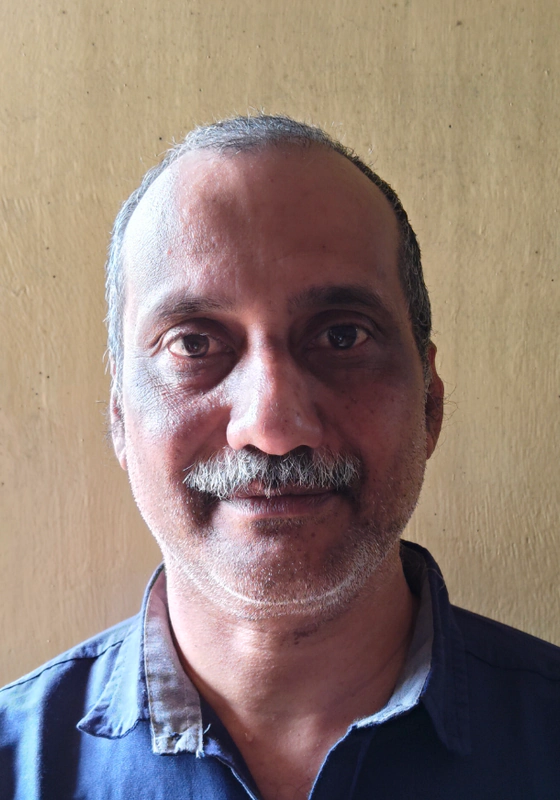
V Rajesh Mohan Rao lives in Dharmadam, Thalassery, Kerala. He is a higher secondary school teacher teaching commerce subjects, a writer and social worker, a member of the Konkani language working committee of Kerala state and President of the Dharmadam Chandrakala Mohan Rao Cultural Forum, which serves the community. He is interested in history, culture, Konkani and Goud Saraswat Brahmin traditions and the Kashi Math tradition, and has preserved and digitised old family photographs from his mother's ancestral home, which is linked with Mangeshi in Goa. He speaks English, Hindi, Malayalam and Konkani.
Have a travel story to share? Write for us