Travelling Through Kerala, Goa and Karnataka: Temples, Food and Living Traditions

See how Kerala, Goa and Karnataka connect through temples like Kollur Mookambika and Mangeshi, coastal food, busy local markets and the Konkani heritage that travels between them.
Travel is not only about visiting famous places. It is also about understanding the people, food, traditions and memories that make each destination special. In southern India, Kerala, Karnataka and Goa offer different landscapes and cultural experiences, yet they are connected through centuries of trade, migration, religious traditions and social relationships. Travelling through these regions helps us discover both their differences and their shared heritage.
Kerala is a land of green landscapes, rivers, backwaters, beaches and historic towns. Places such as Thalassery and Kannur offer opportunities to explore local history, traditional markets and the region's distinctive food culture. Kerala's temples, churches and mosques reflect the diversity of its communities. A visitor can experience the state's cultural life through temple festivals, traditional art forms, local markets and the everyday hospitality of its people.
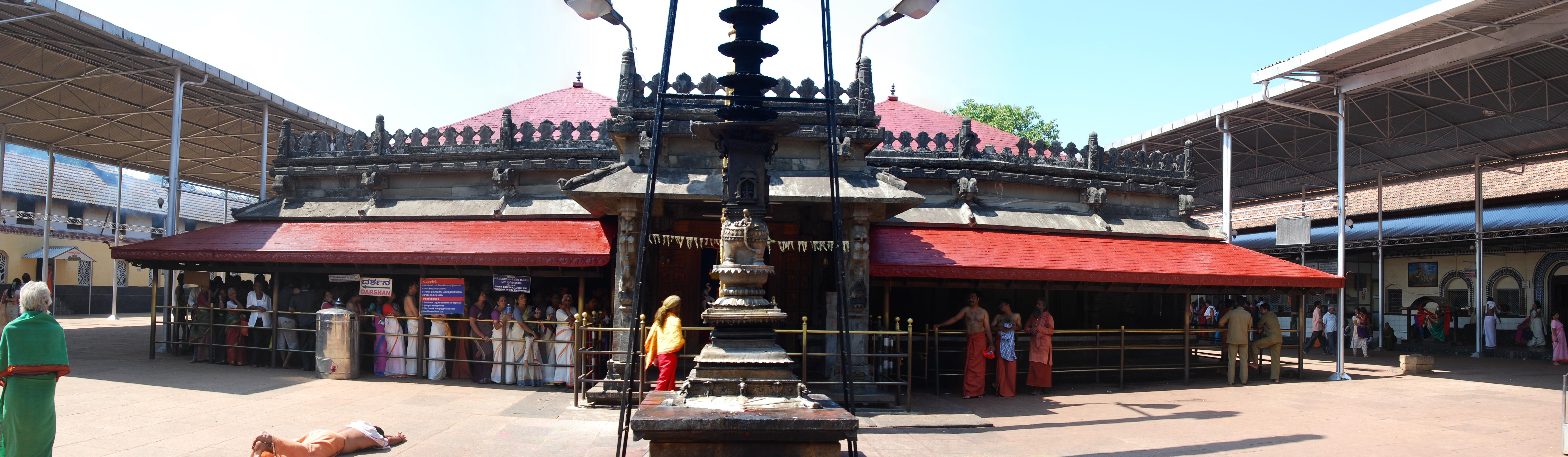
For travellers interested in religious and cultural tourism, Kerala has several important destinations. The Sree Mookambika Temple at Kollur, in Karnataka, is a popular pilgrimage centre for devotees from Kerala. Many families visit the temple as part of a journey that combines prayer, family traditions and sightseeing. Temple visits often become lasting memories because they bring together spiritual feelings, the experience of travelling and time spent with family.

Goa offers a different atmosphere, with its beaches, historic churches, temples, markets and Portuguese-influenced architecture. Beyond its popular tourist attractions, Goa has a rich cultural history that can be explored through its villages, traditional settlements and religious centres. Places such as the Mangeshi Temple and other historic temples reveal the importance of religious traditions in Goan life. Local markets also provide glimpses of everyday commerce, regional products and the relationship between tourism and traditional livelihoods.

Karnataka adds another dimension to this journey. Its historic temples, coastal towns, cities and varied landscapes attract pilgrims, families and cultural travellers. Coastal Karnataka has long-standing connections with Kerala and Goa through trade, migration and shared traditions. Travelling between these regions makes it easier to understand how languages, customs, food habits and religious practices can cross geographical boundaries while retaining their local character.
Food is one of the most enjoyable ways to understand a destination. Kerala is known for its rice-based meals, coconut-rich curries, appam, puttu, fish preparations and a variety of vegetarian dishes. Goa has its own distinctive cuisine, shaped by local ingredients and a long history of cultural interaction. Coastal Karnataka offers another range of regional specialities. Konkani-speaking families, including communities living in Kerala, preserve food traditions such as dalitoy, ghashi, bibbya upkari and seasonal preparations. These dishes are not merely items on a menu; they carry family memories and cultural knowledge from one generation to another.

Markets are equally interesting for travellers. Traditional markets and small shops reveal the commercial life of a place in ways that large tourist attractions cannot always do. During festivals, streets may become lively with vendors selling flowers, decorations, clothing, bangles, necklaces, cosmetics, toys and household articles. Such businesses contribute to the local economy and create opportunities for small traders. Observing these markets helps travellers appreciate the people whose work supports the cultural and economic life of a destination.
Language is another important part of the travel experience. Malayalam is the principal language of everyday life in Kerala, Kannada is widely spoken in Karnataka, and Konkani has a significant place in the cultural history of Goa and several communities elsewhere. In Kerala, Konkani-speaking families have maintained their language alongside Malayalam, often preserving songs, religious practices, recipes and family customs. Their experiences show how migration can create cultural connections between regions without necessarily erasing local identities.
The most meaningful journeys are often those that allow us to slow down and observe. A visit to a temple, a walk through an old market, a conversation with local residents or a meal prepared in a traditional style can reveal more than a hurried visit to several attractions. Travellers can learn about local life by respecting customs, supporting local businesses and taking an interest in the history of the places they visit.
Kerala, Goa and Karnataka are therefore more than destinations on a map. They form a connected cultural landscape in which nature, faith, food, language and everyday life enrich the travel experience. Whether the journey is undertaken for pilgrimage, family holidays, heritage exploration or simple curiosity, these regions offer opportunities to discover new places while understanding the traditions that continue to shape them. For me, travel becomes more meaningful when the memories of places remain connected to the people and cultures encountered along the way.
More from V Rajesh Mohan Rao: Navaratri Across Goa, Karnataka and Kerala and Konkani Kerala: A Journey Through Food, Temples and Places.
V Rajesh Mohan Rao, Dharmadam, Thalassery, Kerala
The author is a higher secondary school teacher teaching commerce subjects and Member of Konkani language working committee Kerala state. He is also the President of Dharmadam Chandrakala Mohan Rao Cultural Forum which serves the community.
Have a travel story to share? Write for us