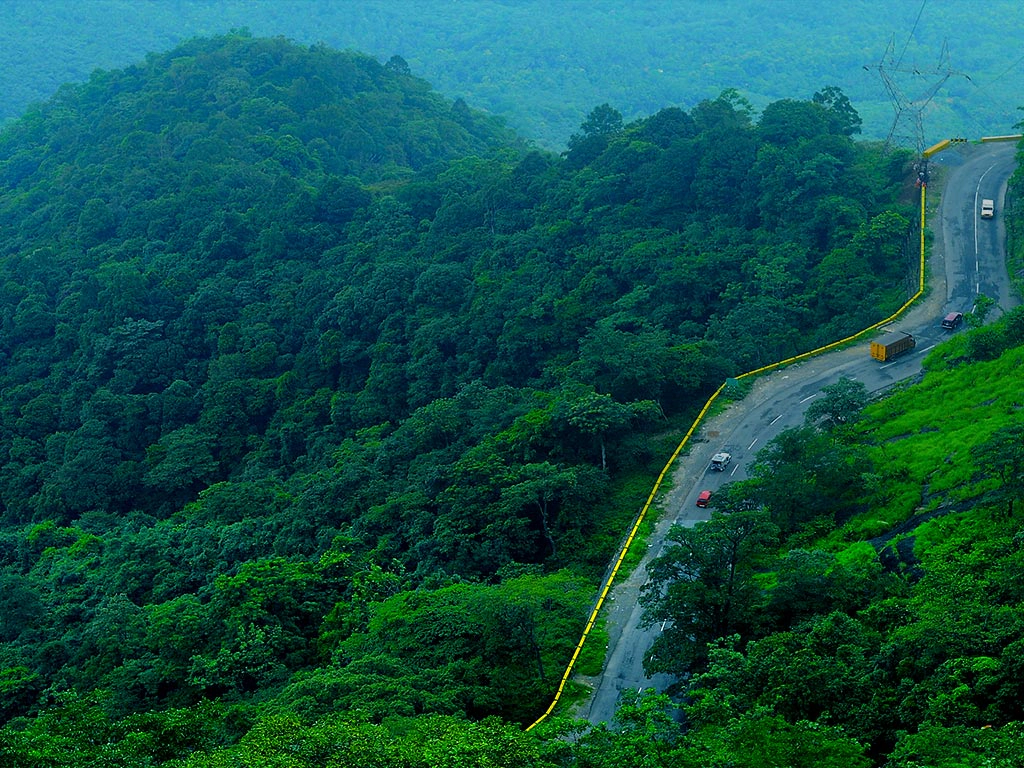
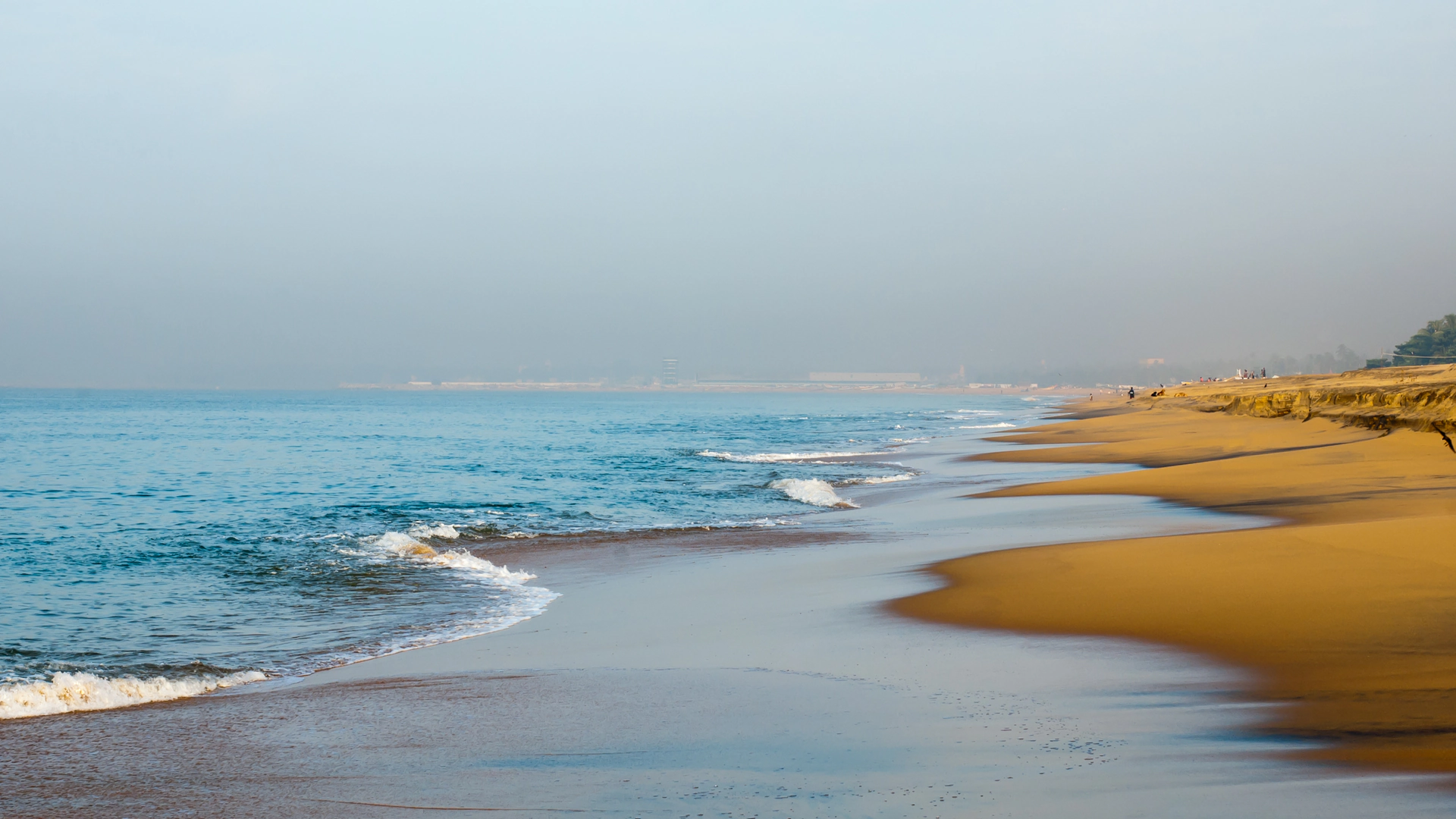
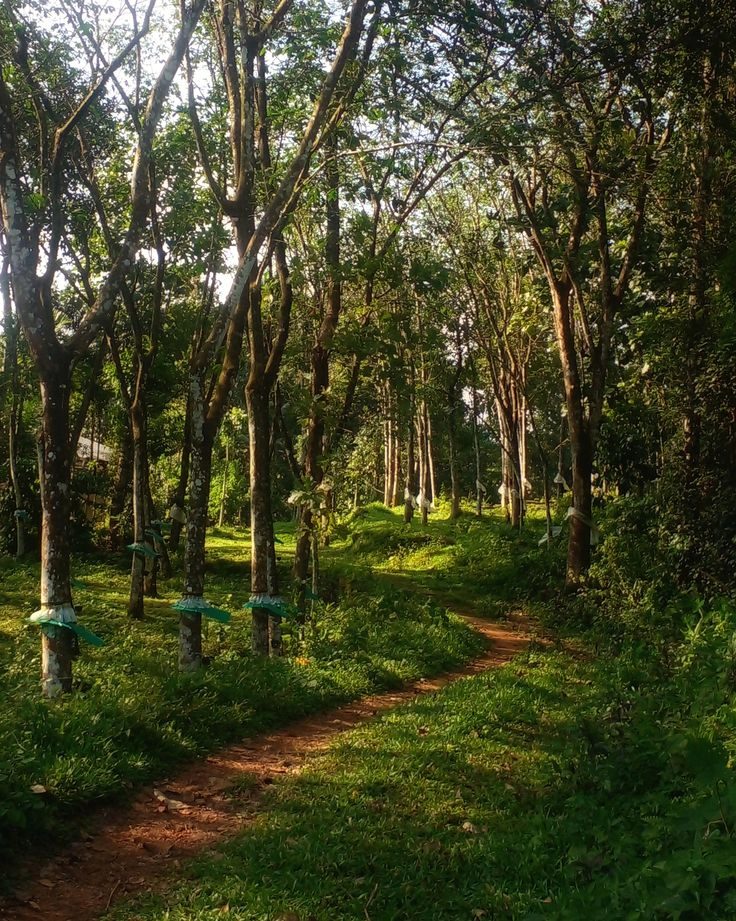
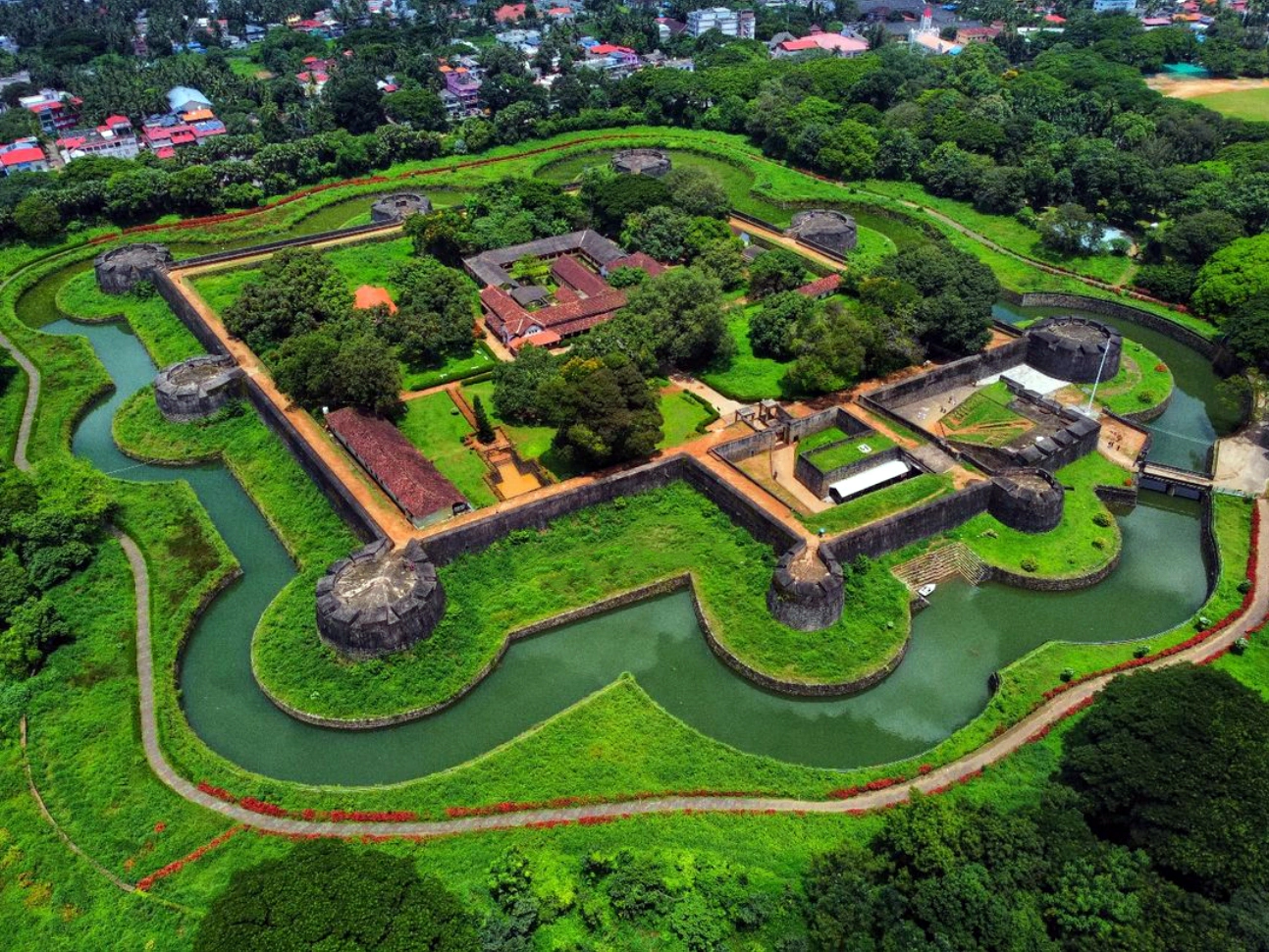
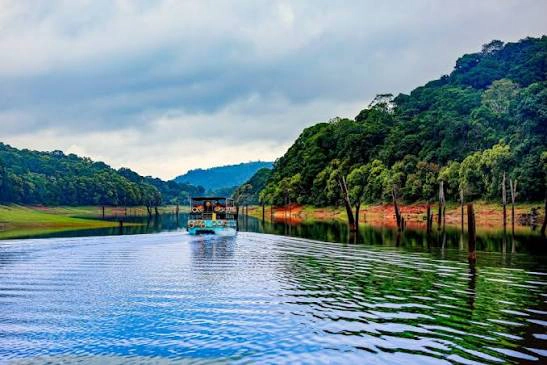
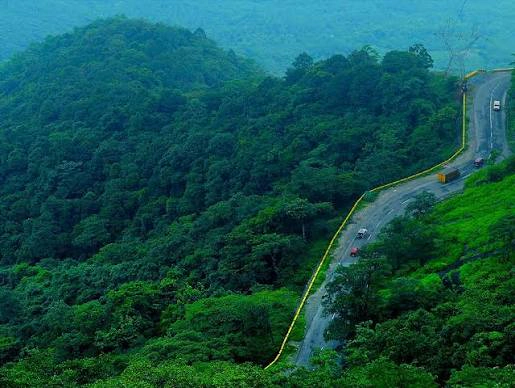
God's Own Country, Kerala is a tropical paradise of backwaters, beaches, and lush greenery. Cruise through serene backwaters of Alleppey on houseboats, relax on palm-fringed beaches, rejuvenate with authentic Ayurvedic treatments, explore hill stations of Munnar, and experience vibrant festivals like Onam and Thrissur Pooram.
Sabarimala opens for the Mandala season from 16 November to 27 December 2026 and again for Makaravilakku from 30 December 2026 to 20 January 2027, with Makara Jyothi on 14 January.
Puthari Thiruvappana is the signature annual festival celebrated at the Parassinikadavu Muthappan Temple in Kannur. Occurring in the Malayalam month of Vrishchikam (November/December), the festival combines the celebration of the new harvest (Puthari) with the divine presence of the deity, Sree Muthappan. The highlight is the Thiruvappana, a grand performance of Theyyam where the deity is personified through elaborate costumes, vibrant face paint, and rhythmic movements. Unlike other temples, the offerings here include dried fish and toddy, reflecting the deity's connection to the common folk. The festival culminates in a feast prepared with the freshly harvested grain, symbolizing abundance and communal unity in North Malabar.
Vaikathashtami is the most auspicious festival celebrated at the Vaikom Mahadeva Temple in Kottayam, dedicated to Lord Shiva. It falls on the eighth day (Ashtami) of the dark fortnight in the Malayalam month of Vrishchikam (November/December). The festival commemorates the day Lord Shiva appeared before the sage Vyaghrapada. The highlight is the Prathal (grand feast), which is considered a sacred offering. On the final night, a magnificent procession features the meeting of the deities from neighboring temples, accompanied by caparisoned elephants and traditional percussion like the Panchavadyam. It is a major spiritual gathering, drawing thousands of devotees to one of Kerala’s oldest and most revered shrines.
Guruvayur Ekadasi is a prestigious festival observed at the Sree Krishna Temple in Guruvayur on the eleventh day (Ekadasi) of the lunar fortnight in the Malayalam month of Vrishchikam. It is believed that on this day, Lord Krishna imparted the Bhagavad Gita to Arjuna, making it a sacred occasion for spiritual reflection. The festival is marked by several significant traditions: * Chembai Sangeetholsavam: A 15-day Carnatic music festival held in honor of the legendary singer Chembai Vaidyanatha Bhagavathar, culminating on Ekadasi day. * Elephant Procession: A grand procession of caparisoned elephants, led by the temple's chief elephant carrying the Thidambu (deity's replica). * Gaja Pooja: A special ritual honoring elephants, emphasizing their significance in temple culture. * Ekadasi Vilakku: The entire temple is illuminated with thousands of oil lamps, creating a divine glow. Devotees observe a strict fast and gather in massive numbers to offer prayers, seeking liberation and mental peace at the "Dwarka of the South."
Kalpathi Ratholsavam, also known as the Kalpathi Chariot Festival, is a world-renowned annual event held at the Sree Visalakshi Sametha Sree Viswanatha Swamy Temple in Palakkad. Usually celebrated in November (the Malayalam month of Vrishchikam), this ten-day festival is one of the most significant cultural celebrations in Kerala, mirroring the traditions of the Kashi Vishwanath temple. The festival's highlight occurs during the final three days, when massive, intricately decorated temple chariots (Rathams) are pulled through the streets of the Tamil Brahmin settlements (Agraharams) by thousands of devotees. The air is filled with Vedic chants and traditional percussion, creating a powerful spiritual atmosphere. This centuries-old tradition attracts pilgrims and photographers from across the globe, showcasing a unique blend of Kerala and Tamil cultural heritage.
Navarathri Festival in Kerala is a soulful ten-day celebration dedicated to the worship of Goddess Saraswati, the deity of wisdom and arts. While observed nationwide, Kerala focuses on the final three days—Durgashtami, Mahanavami, and Vijayadashami. A key tradition is Pooja Vayppu, where students and professionals place their books and tools before the Goddess for blessings. The festival culminates in Vidyarambham, a ritual where children are initiated into the world of letters by writing their first words in rice or sand. The Navarathri Mandapam in Thiruvananthapuram is a major hub, famous for its classical music concerts that have continued for centuries.
Alpashi Utsavam is a significant bi-annual festival held at the iconic Sree Padmanabhaswamy Temple in Thiruvananthapuram, Kerala. Celebrated during the Malayalam month of Thulam (October/November), the ten-day event is dedicated to Lord Vishnu. The festival culminates in the magnificent Aarat procession, where the temple deities are carried to Shangumugham Beach for a ritual purification bath in the Arabian Sea. A unique tradition of this festival is the participation of the members of the Travancore Royal Family, who escort the idols on foot with drawn swords, maintaining centuries-old royal customs.
Ayilyam Festival at the Sree Nagaraja Swami Temple in Vettikode, Alappuzha, is one of India's most prominent serpent worship celebrations. Held annually during the Malayalam month of Kanni (September/October), it honors the serpent deities, particularly Nagaraja. The festival is famous for the Ezhunnallathu, a grand ceremonial procession where the idol of Nagaraja is carried to the Nilavara (ancestral cellar). Thousands of devotees participate in rituals like Sarpam Pattu (songs of the serpents) and offer Noorum Palum (a ritual offering of rice flour and milk) to seek protection from skin ailments and "Sarpa Dosha." It is a deeply spiritual event set amidst ancient, sacred groves (Kavu).
Manarcad Perunnal is the renowned annual feast celebrated at the St. Mary's Cathedral in Manarcad, Kottayam. This eight-day lenten festival (Ettu Nombu) commemorates the birth of the Virgin Mary and draws hundreds of thousands of pilgrims from across the globe. A centerpiece of the event is the unveiling of the sacred icon of the Mother and Child, which is opened for public viewing only during this period. The festival is marked by solemn prayer, grand processions, and the deep devotion of believers who stay on the church premises for the duration of the fast.
Aranmula Vallam Kali is the oldest and most revered traditional boat race in Kerala, held during the Onam season at the Aranmula Parthasarathy Temple. Unlike competitive races, this is a ritualistic water regatta focused on celebrating the installation of the temple deity. The event features the iconic Palliyodams (snake boats), which are manned by oarsmen dressed in traditional white dhotis and turbans. Moving in rhythmic unison to the "Vanchippattu" (boat songs), the oarsmen escort the sacred offerings to the temple, creating a magnificent spectacle of synchronized rowing and spiritual fervor along the Pamba River.
Athachamayam is a spectacular cultural fiesta that marks the formal beginning of the ten-day Onam festival in Kerala. Held in Tripunithura, Kochi, it commemorates the legendary victory of the Raja of Kochi and his traditional ceremonial march from the palace to the Thrikkakara Temple. The event features a massive street parade showcasing the diverse folk arts of the region, including Chenda Melam, Theyyam, and Kavadiaattam, alongside beautifully decorated floats. It is a rare occasion where various art forms and communities converge, symbolizing secularism and the vibrant royal heritage of the erstwhile Kochi Kingdom.
Ochira Kali is a unique ritualistic dance performed annually at the Ochira Parabrahma Temple in Kollam, Kerala. Held during the first two days of the Malayalam month of Mithunam (mid-June), it commemorates a historic battle between the medieval kingdoms of Kayamkulam and Ambalapuzha. The festival takes place on the vast Padanilam (battlefield), where participants—trained in the martial art of Kalaripayattu—engage in mock sword and shield duels while standing in knee-deep water. Unlike typical temple festivals, it is celebrated in an open field without a formal sanctum sanctorum, symbolizing a deep spiritual connection to nature and history.
Kollam Pooram is a grand temple festival in Kerala known for its vibrant processions, traditional music, and rich cultural displays. The celebration features beautifully decorated elephants, rhythmic percussion performances, and elaborate rituals that attract large crowds. It reflects Kerala's deep-rooted temple traditions and artistic heritage, offering a spectacular blend of devotion and festivity while bringing communities together in a spirit of celebration and cultural pride.
The Kerala Literature Festival (KLF), held annually along the beaches of Kozhikode, is one of India’s largest literary gatherings. It brings together renowned authors, thinkers, poets, journalists, and artists from across the world. The festival hosts panel discussions, book launches, readings, debates, and workshops covering literature, cinema, politics, culture, and contemporary issues. Its open-air seaside venues create a unique blend of learning and leisure. KLF also features art installations, screenings, craft markets, and regional culinary experiences. The festival promotes vibrant cultural exchange and encourages dialogue on global and local themes. Students, literature lovers, and travelers flock to the event for its inclusive and interactive atmosphere. With its diverse sessions and coastal charm, KLF has grown into a major international literary landmark.
Cochin Carnival 2025 brings **Fort Kochi** alive with two weeks of colour, culture, and community celebrations. The festivities begin on **14 December 2025** at **Vasco da Gama Square** with the Peace & Solidarity ceremony. Parades, folk performances, beach games, art shows, and quirky competitions create a vibrant festive atmosphere. The event showcases Fort Kochi’s multicultural heritage, blending Portuguese, Dutch, and Indian influences. Major events take place at Parade Ground, the beachside, and key streets of Fort Kochi. The highlight of the carnival is the **Pappanji** burning on New Year’s Eve, symbolising the farewell to the old year. Organisers have added more floats and art forms this year to make the grand parade brighter and more diverse. Cochin Carnival 2025 promises high energy, cultural richness, and one of Kerala’s most iconic New Year celebrations.