Places to Visit in Madurai
Top attractions and must-see spots in Madurai
Cultural
3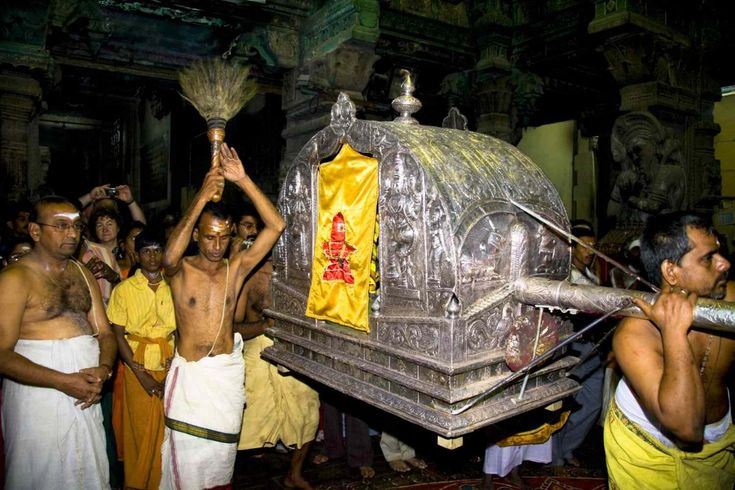
Meenakshi Temple Night Ceremony
A nightly ceremony at Madurai's Meenakshi Temple where the silver image of Lord Shiva is ceremonially brought to Goddess Meenakshi's chamber — a ritual performed for centuries.
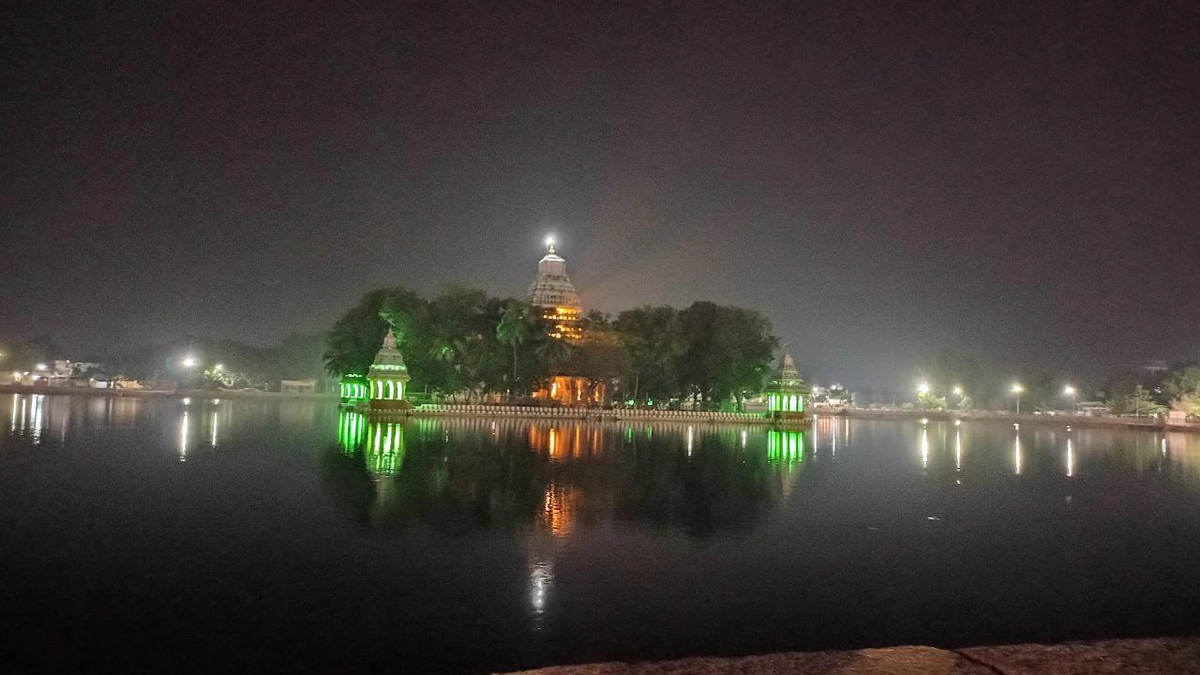
Vandiyur Mariamman Teppakulam
One of Tamil Nadu's largest temple tanks in Madurai with a central Ganesha shrine, famous for the spectacular annual float festival in January.
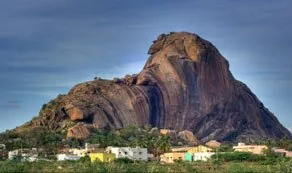
Yanaimalai
A rocky outcrop shaped like a lying elephant on the northeastern edge of Madurai, Yanaimalai (meaning elephant hill) is home to 3rd-century BCE Jain monk meditation beds, Tamil Brahmi rock inscriptions, and an 8th-century Pandya-era rock-cut cave complex at its base (the Narasingam temples). The hill offers panoramic views over the plains and is a rewarding half-day outing combining ancient history, epigraphy, and light trekking, all within 10 km of the city.
Landmarks
6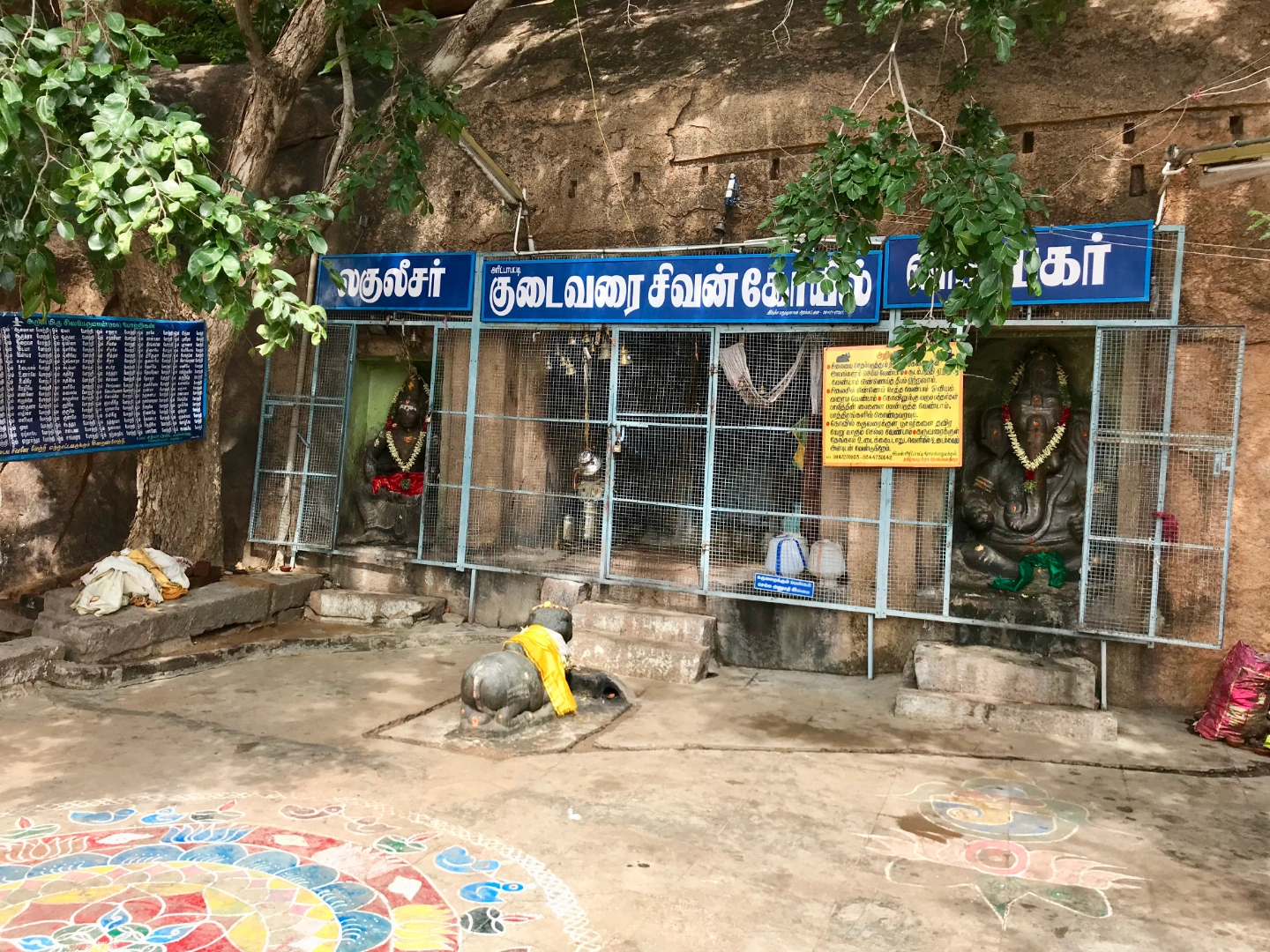
Arittapatti Village
India's first biodiversity heritage site near Madurai, home to 250 bird species, ancient Tamil Brahmi inscriptions, and Jain rock beds.
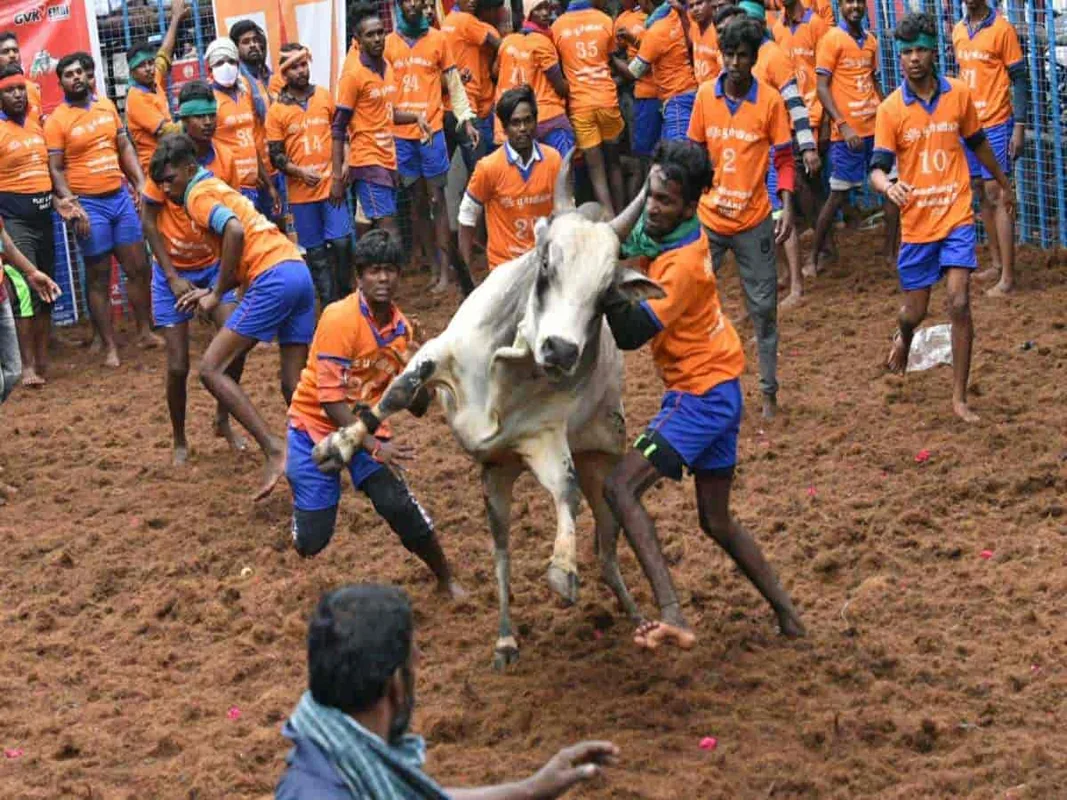
Avaniapuram Jallikattu
A neighbourhood within Madurai city, Avaniapuram is synonymous with Jallikattu, the ancient Tamil bull-taming tradition rooted in Sangam-era literature. Every year on Pongal day, the arena here hosts one of the three most famous Jallikattu events in Tamil Nadu, drawing thousands of spectators for an electrifying display of courage and cultural pride. The new dedicated Jallikattu stadium here also features a museum on the sports significance and native cattle breeds.
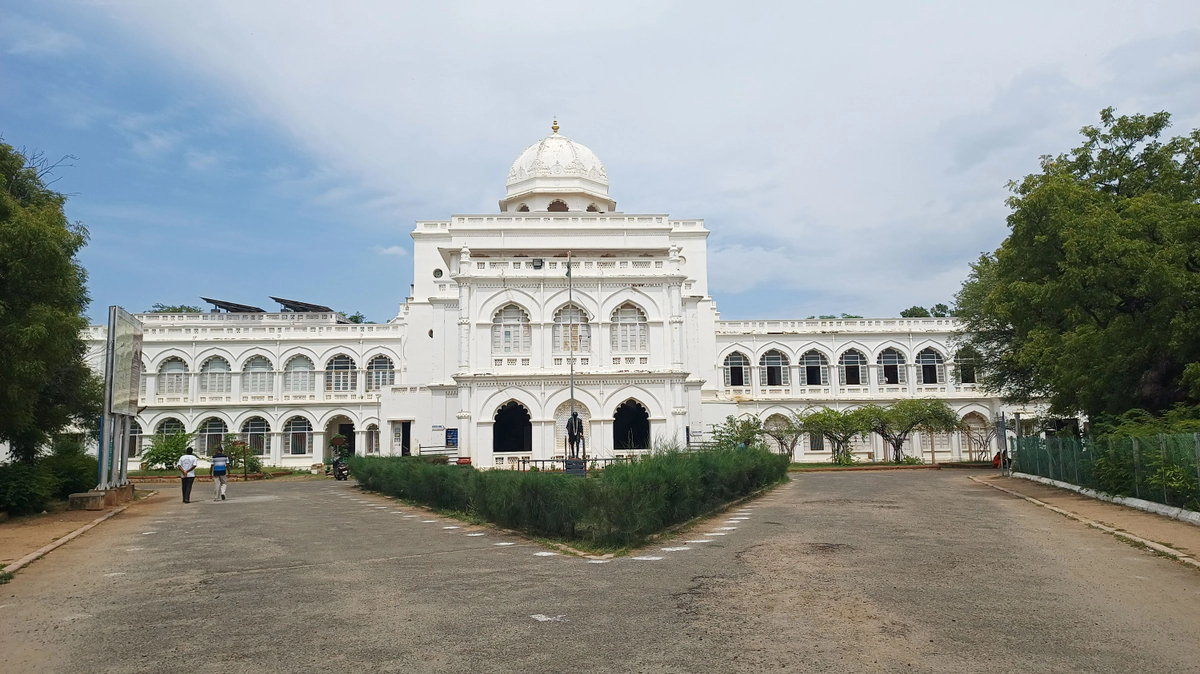
Gandhi Memorial Museum
A museum in Madurai's Nayak-era Tamukkam Palace documenting Gandhi's life and independence movement, including where he first adopted the loincloth in 1921.
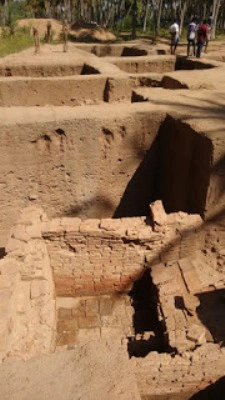
Keeladi Excavation Site
A landmark archaeological site near Madurai revealing a 6th-century BCE Tamil urban civilisation along the Vaigai, rewriting South Indian history.
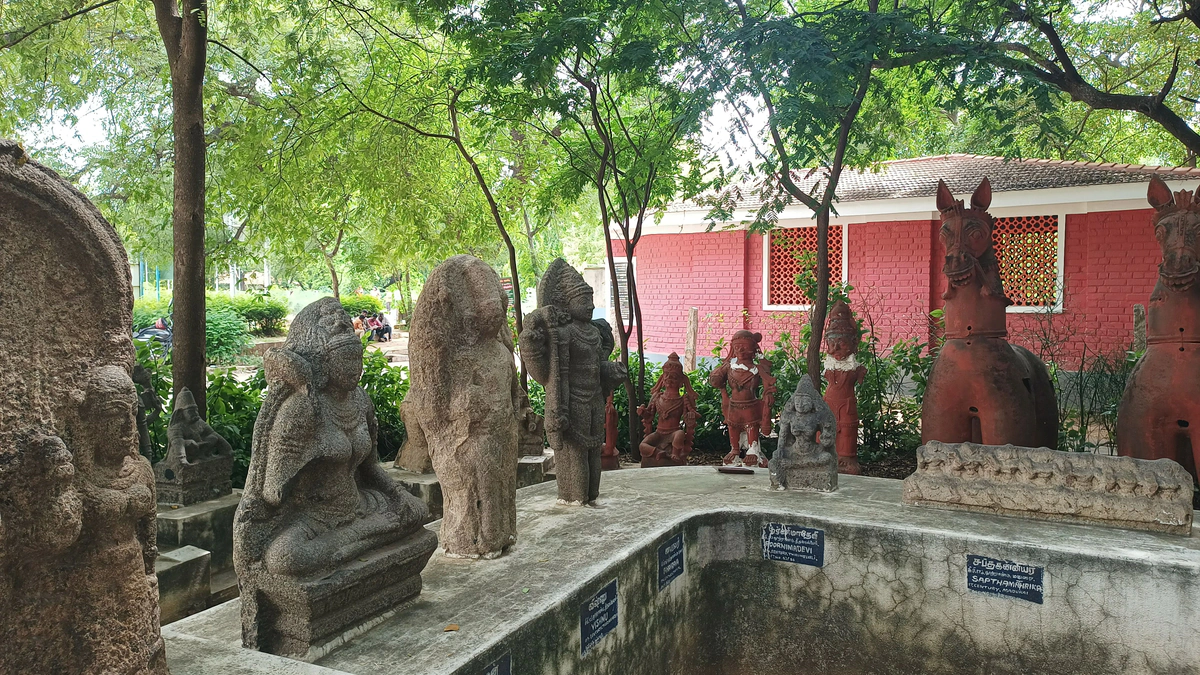
Madurai Government Museum
One of Tamil Nadu's oldest museums near Madurai with fine Chola and Nayak bronzes, sculptures, and archaeological artefacts from the region.
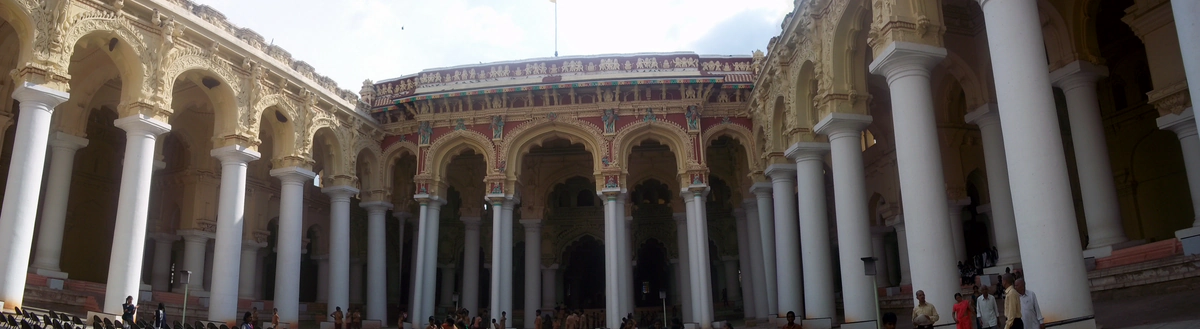
Thirumalai Nayakkar Mahal
A spectacular 17th-century Nayak palace in Madurai blending Dravidian and Italian architecture, with an evening sound-and-light show narrating Madurai's royal history.
Scenic Spots
5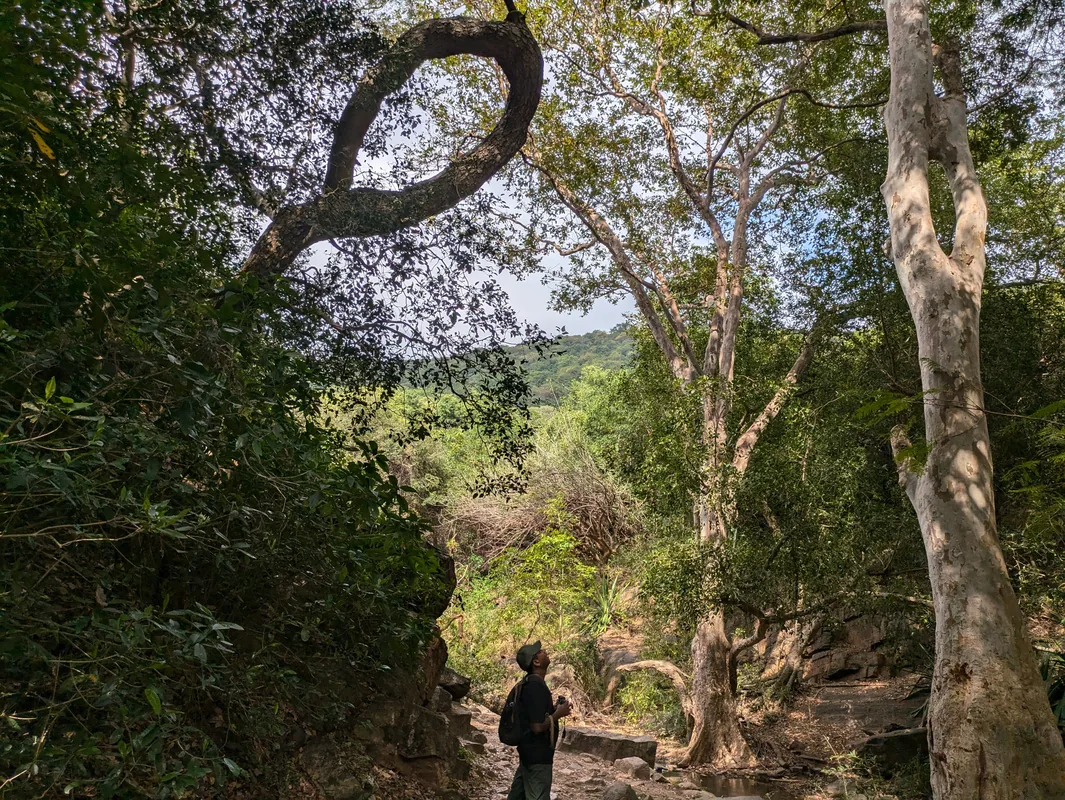
Alagarkoil Forest and Nature Area
The forested hills surrounding the Azhagar Kovil temple, 21 km north of Madurai, form a lush reserve forest traversed by a river and home to a rich variety of resident and migratory birds. The road from Madurai to the temple passes through this forest corridor, making it a popular drive and birdwatching destination. The Poondi tank along the Alagarkoil Road is particularly noted among birders, with over 2,500 birds recorded in a single census.
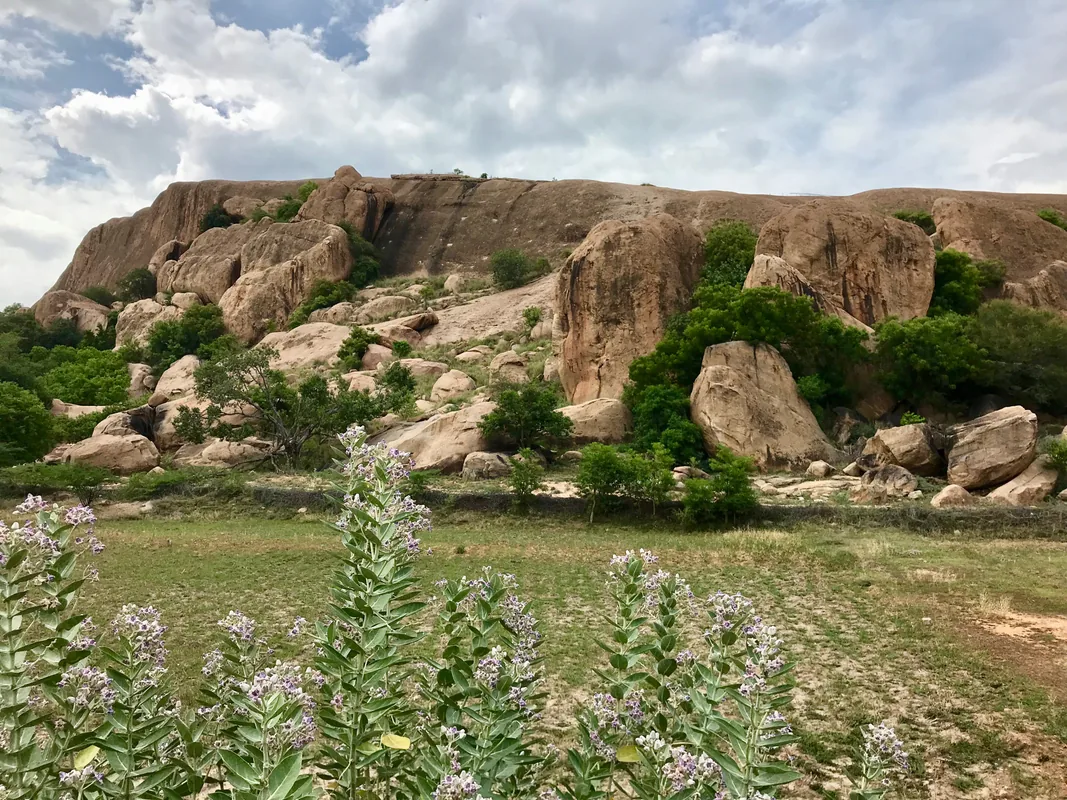
Nagamalai Pudukottai
A cluster of ancient granite outcrops on the western edge of Madurai city, Nagamalai (meaning snake hill) is Madurais go-to spot for rock climbing and bouldering, listed among Tamil Nadu Tourisms recommended rock climbing destinations. The rocky terrain offers panoramic views over the Vaigai River and city skyline, and the area is dotted with small cave formations. It is a quick escape from the city for outdoor enthusiasts and makes an easy half-day outing.
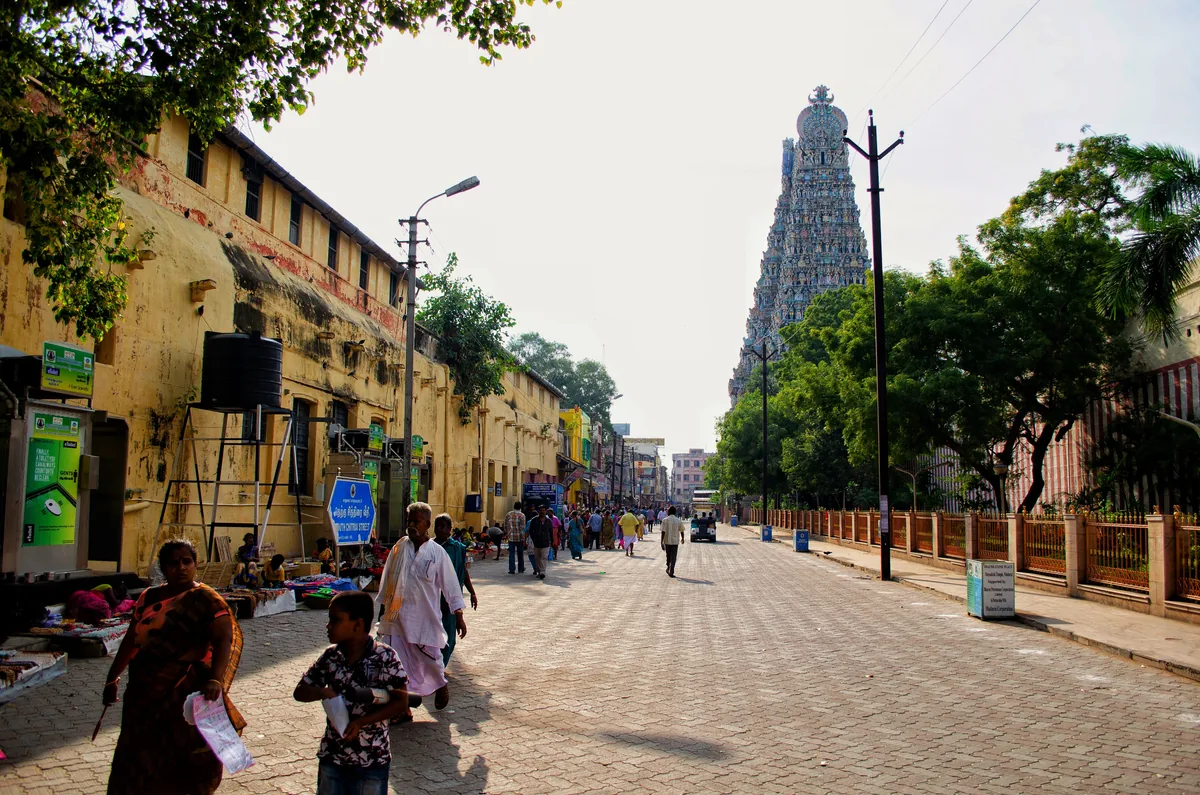
Old Madurai (Mada Streets and Temple Town)
One of Indias oldest continuously inhabited urban cores, Old Madurai is built around the Meenakshi Temple in a rare concentric square street pattern named after Tamil months: Chithirai, Avani, Masi, and Adi. A walk through these mada streets reveals centuries-old temples, tailor lanes, brass lamp markets, pilgrims, street food, and living architecture that has changed little over millennia. The Chithirai festival chariot procession still moves through these streets today.
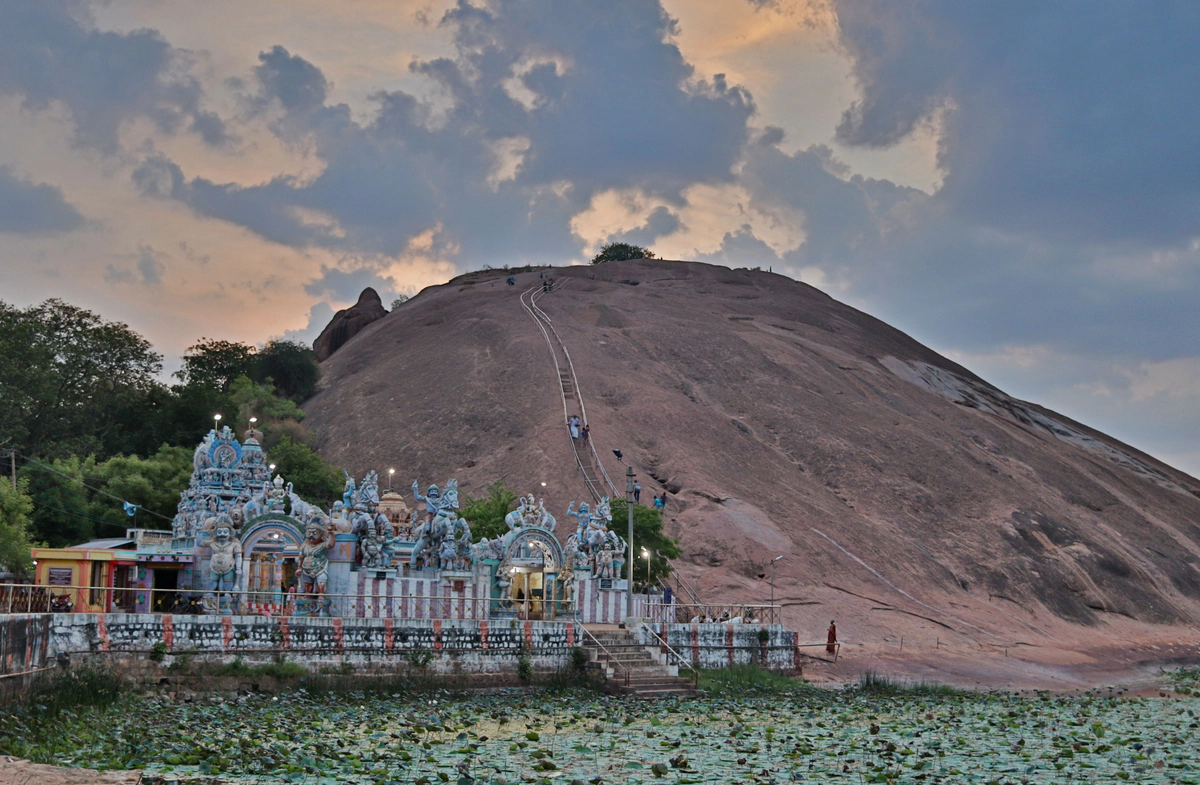
Samanar Hills
Rocky hills near Madurai with 3rd-century BCE Jain monk rock beds and Tamil Brahmi inscriptions, offering panoramic views and birdwatching.
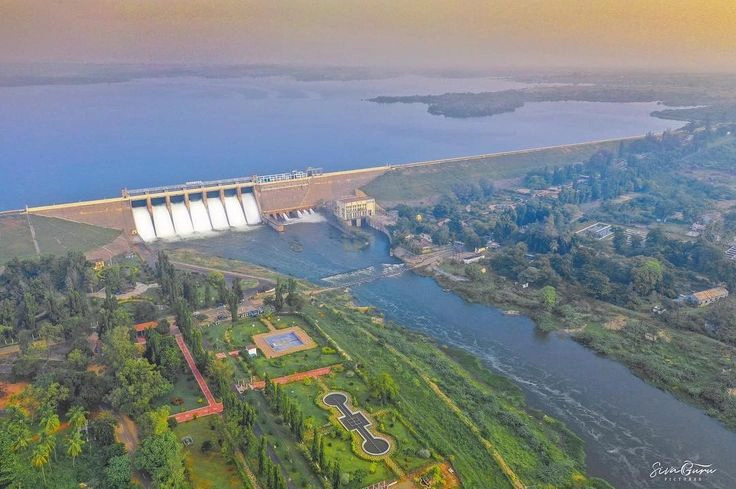
Vaigai River
The sacred river flowing through the heart of Madurai, central to the Meenakshi Temple festivals and Tamil cultural traditions, dotted with ghats and temples.
Shopping
12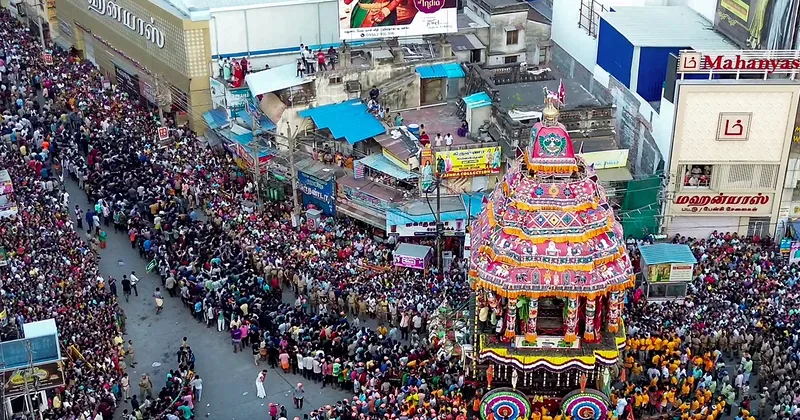
Chithirai Street
One of the four mada streets encircling the Meenakshi Temple, Chithirai Street is a dense, lively market combining pilgrimage commerce with everyday retail. Silk sarees, gold and silver jewellery, religious artefacts, puja supplies, and temple replicas fill the shops, many of which have been in the same family for generations. During the annual Chithirai festival, the temple chariot procession moves through this very street, making it the ceremonial as well as commercial axis of Old Madurai.
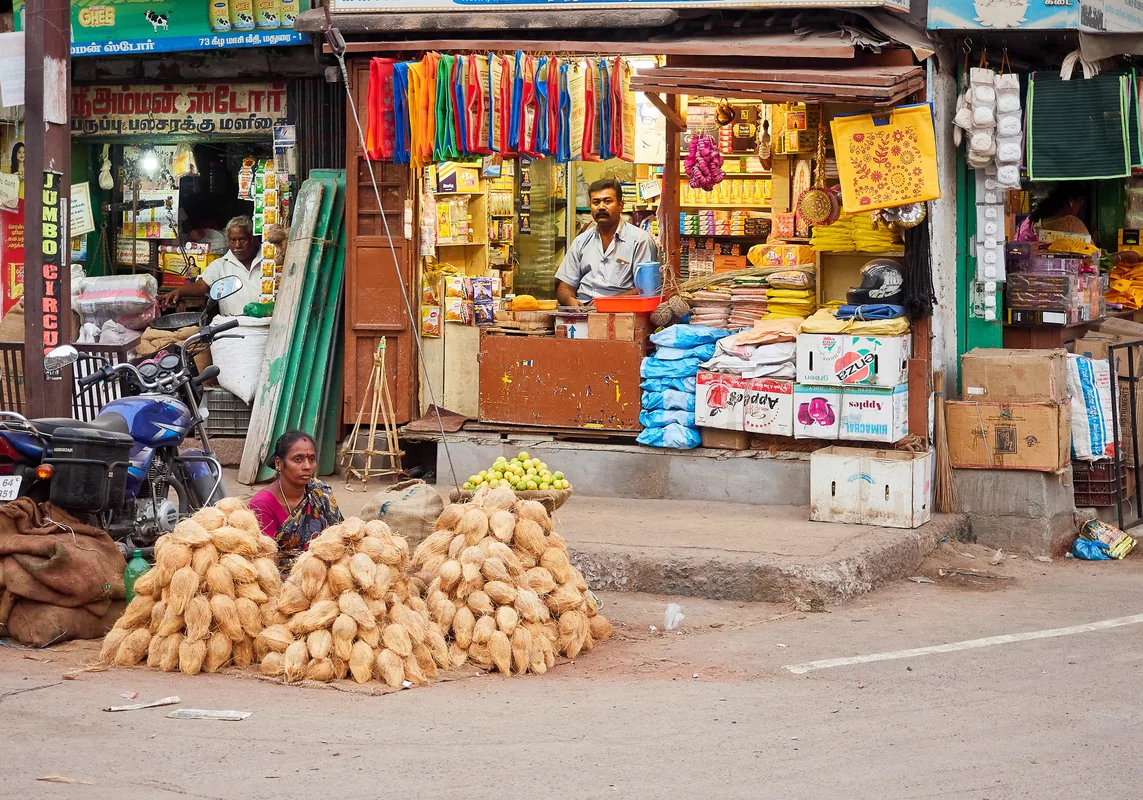
East Masi Street
Running parallel to the eastern wall of the Meenakshi Temple, East Masi Street is Madurais primary destination for handicrafts, religious souvenirs, and artisan goods. Shops here stock brassware, bronze idols, wooden toys, bell-metal lamps, stone carvings, and batik fabrics, making it the best street in the city for culturally rooted keepsakes. The street has roots in the Nayak era, when the mada streets were designed as commercial and ceremonial corridors encircling the temple.
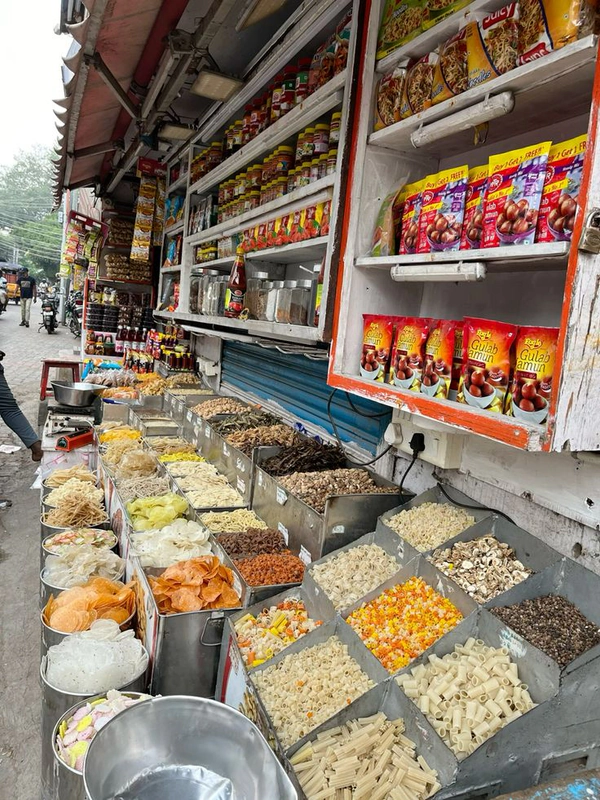
Local Markets (Puthu Mandapam)
A 17th-century Nayak-era pillared hall-turned-market outside the Meenakshi Temple in Madurai, lined with silk, jewellery, and craft stalls amid fine sculptures.
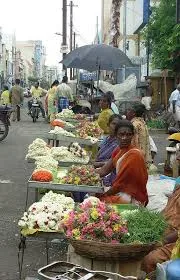
Mattuthavani Flower Market
One of Tamil Nadus largest flower markets, Mattuthavani trades up to 10 tonnes of flowers daily across more than 100 stalls. The star is Madurai Malli, the citys legendary jasmine variety prized for its intense fragrance and exported across South India. The market runs round the clock but peaks before dawn, when farmers arrive fresh from surrounding villages and the narrow lanes overflow with marigold, rose, tuberose, and jasmine. A pre-sunrise visit is one of the most sensory-rich experiences Madurai offers.
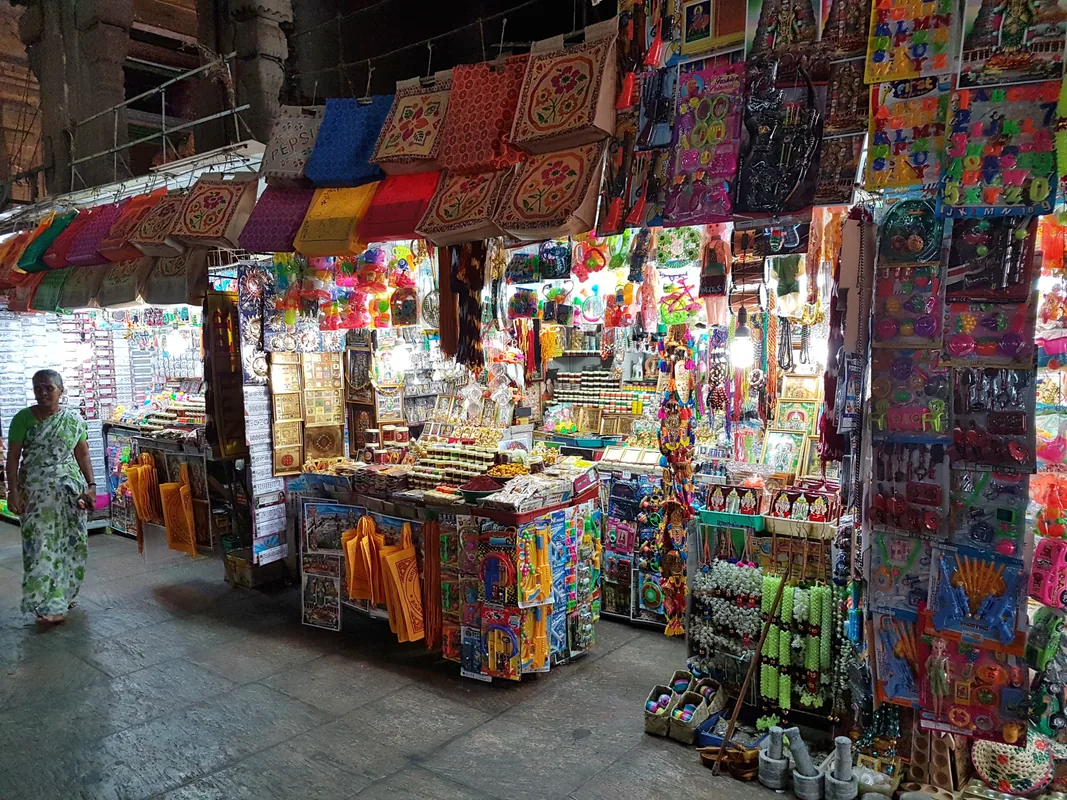
Meenakshi Bazaar (Mina Bazaar)
The bustling market area immediately surrounding the Meenakshi Temple, known locally as Mina Bazaar or Meenakshi Bazaar, is a dense network of lanes catering primarily to pilgrims and temple visitors. Shops sell traditional jewellery, silk sarees, religious artefacts, sacred thread, flowers, and devotional items. The atmosphere intensifies during festival periods, when the lanes overflow with vendors and the air carries jasmine and incense. It is one of the most immersive market experiences in Madurai.
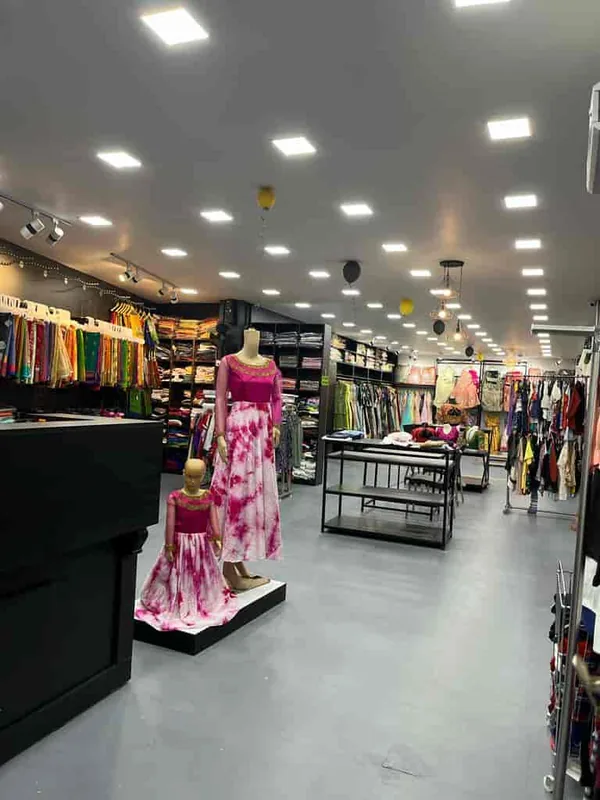
Nethaji Road (Textile and Garment Street)
Madurais main garment retail corridor, Nethaji Road runs through the heart of the commercial district and is lined with textile shops, readymade garment stores, and some of the citys most established clothing brands. Shops ranging from budget-friendly fabric retailers to heritage stores like Hajeemoosa (operating since 1875) make this the go-to street for everyday clothing alongside silk and cotton sarees. It stays busy well into the evening and is convenient to the temple precinct.
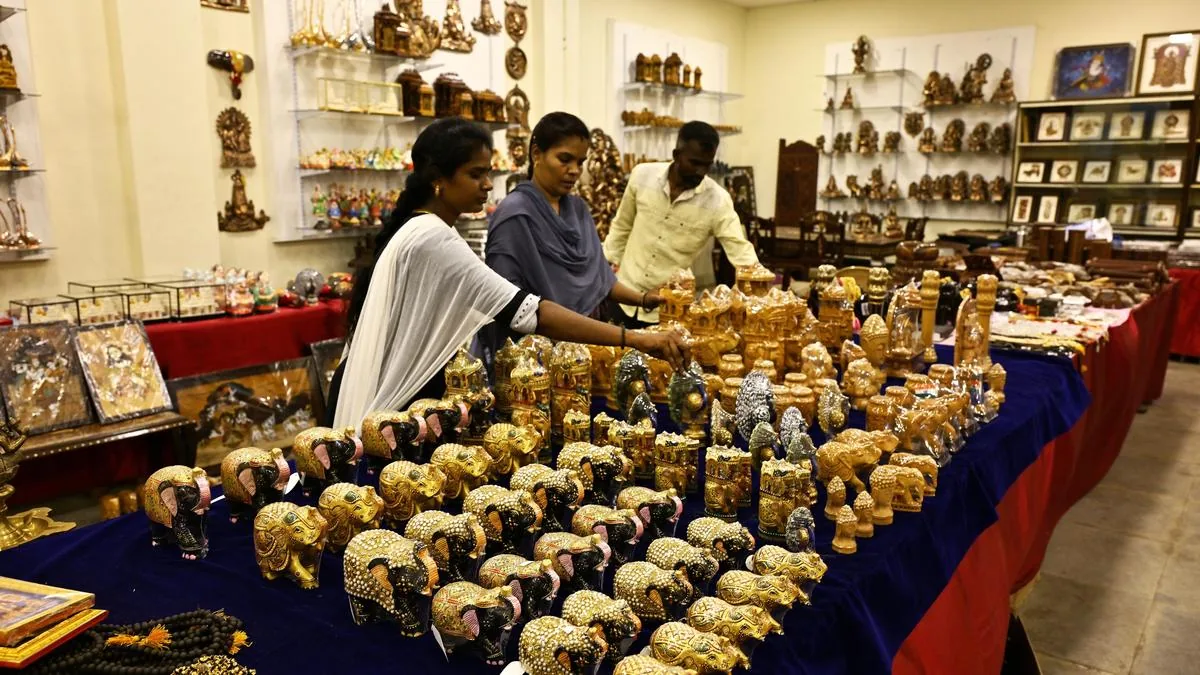
Poompuhar Handicrafts Emporium (TNHDC)
The Madurai outlet of Tamil Nadu Handicrafts Development Corporation, trading under the name Poompuhar, is the state governments flagship craft retail store established in 1973. It stocks an authenticated range of Tamil Nadus traditional crafts including Swamimalai Chola bronze icons, Thanjavur paintings, stone and wood carvings, bell-metal lamps, Pattamadai silk mats, Chettinad baskets, and hand-woven textiles. For visitors looking for genuine, certified handicrafts from across Tamil Nadu under one roof, it is the most reliable single stop in the city.
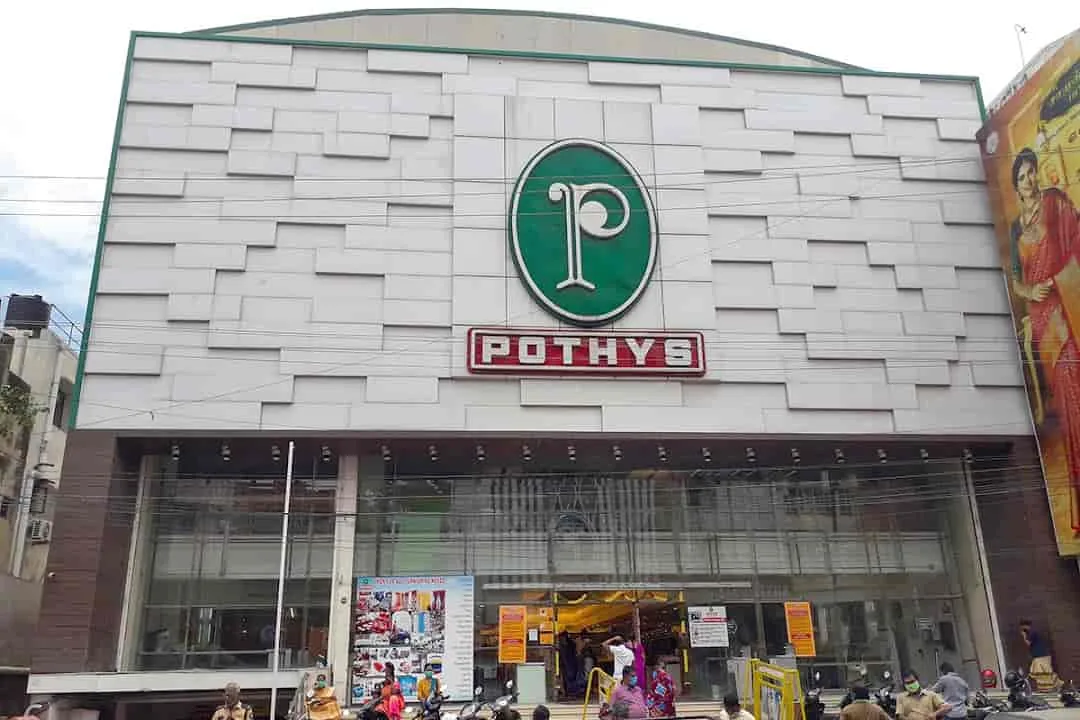
Pothys, West Masi Street
One of Tamil Nadus most storied textile institutions, Pothys was founded in 1923 by K.V. Pothy Moopanar with origins as weavers for royal households. The Madurai showroom on West Masi Street is among its oldest branches and houses what the brand describes as Tamil Nadus largest silk saree collection, alongside its exclusive in-house silk labels. Beyond sarees, the multi-floor store covers menswear, childrenswear, and home textiles, making it a comprehensive one-stop textile destination steps from the temple precinct.
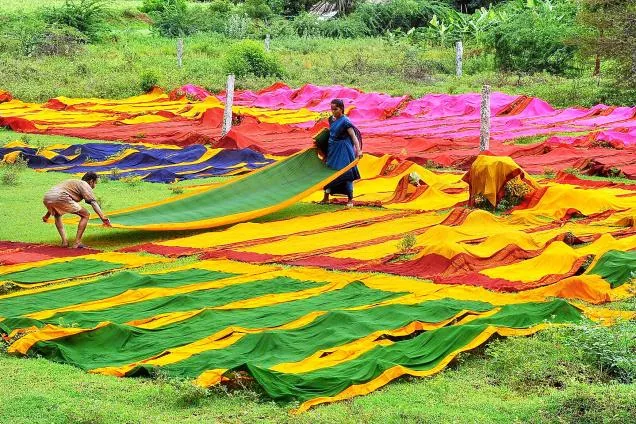
Sungudi Saree Weaving, Madurai
Madurai Sungudi is the citys GI-tagged signature textile, a hand tie-dyed cotton saree craft brought to the city by Saurashtrian weavers who migrated from Gujarat under the patronage of King Thirumalai Naicker in the 17th century. Inspired by kolam patterns and celestial constellations, the distinctive circular dot motifs are created by hand-knotting thousands of tiny pinches of fabric before dyeing. Weavers still practise the craft in clusters across the city, and authentic pieces bearing the GI tag can be found at specialist textile shops along South Avani Moola Street and South Masi Street.
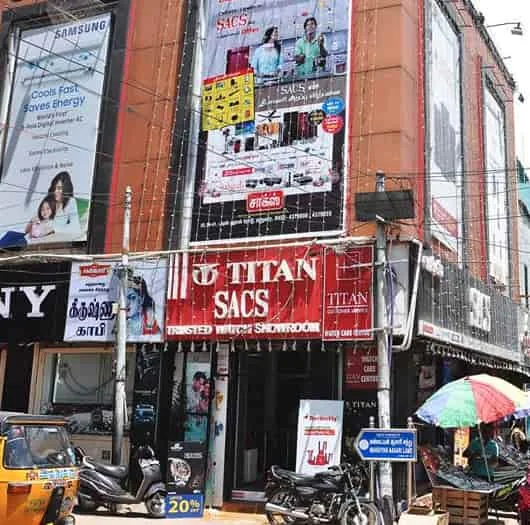
Town Hall Road
One of Madurais most commercially active thoroughfares, Town Hall Road is lined with textile showrooms, silk saree shops, jewellery stores, and clothing boutiques. It caters to both wholesale and retail buyers, and some sections towards Sukrawarpettai function as a wholesale textile zone. The street remains lively into the late evening and is a convenient shopping hub for visitors staying near the city centre, mixing large-format retail with smaller independent shops.
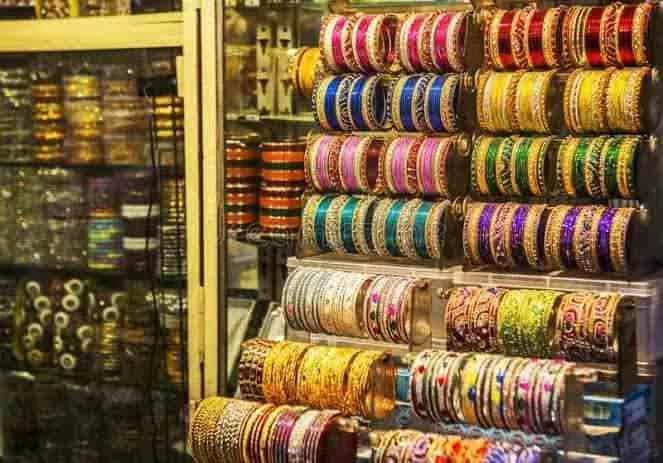
Valayalkara Street (Bangles Market)
Madurais dedicated bangles district, Valayalkara Street runs just south of the Meenakshi Temple near the West Tower and is lined with shops selling glass, lac, metal, and crystal bangles in hundreds of designs and colour combinations. The street name literally means bangle-seller street, reflecting a trade that has occupied this lane for generations. It is the go-to destination in the city for traditional Madurai-style bangles, temple jewellery, and costume ornaments, and draws both wedding shoppers and everyday buyers.
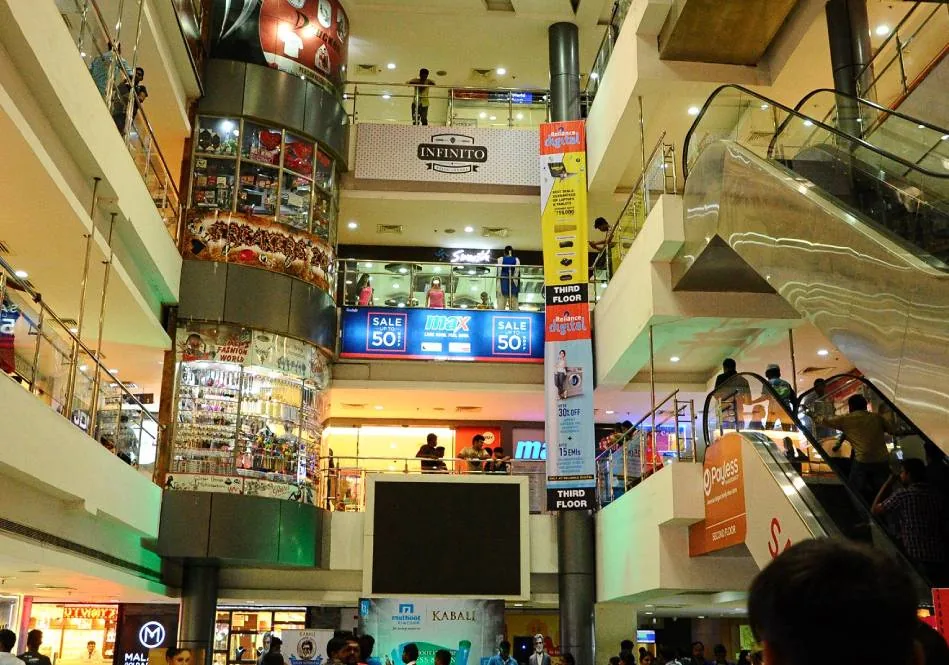
Vishaal De Mall
Madurais first large-format integrated mall, Vishaal De Mall opened in March 2012 on Gokhale Road in Chockikulam and spans over 2.6 lakh square feet across six floors. It brought modern retail to the city for the first time, housing national brands, a five-screen INOX multiplex, a food court with multi-cuisine options, and a dedicated entertainment zone with games and a 7D theatre. With weekend footfalls of around 25,000 visitors, it is the citys primary destination for family leisure shopping and cinema.
Temple
7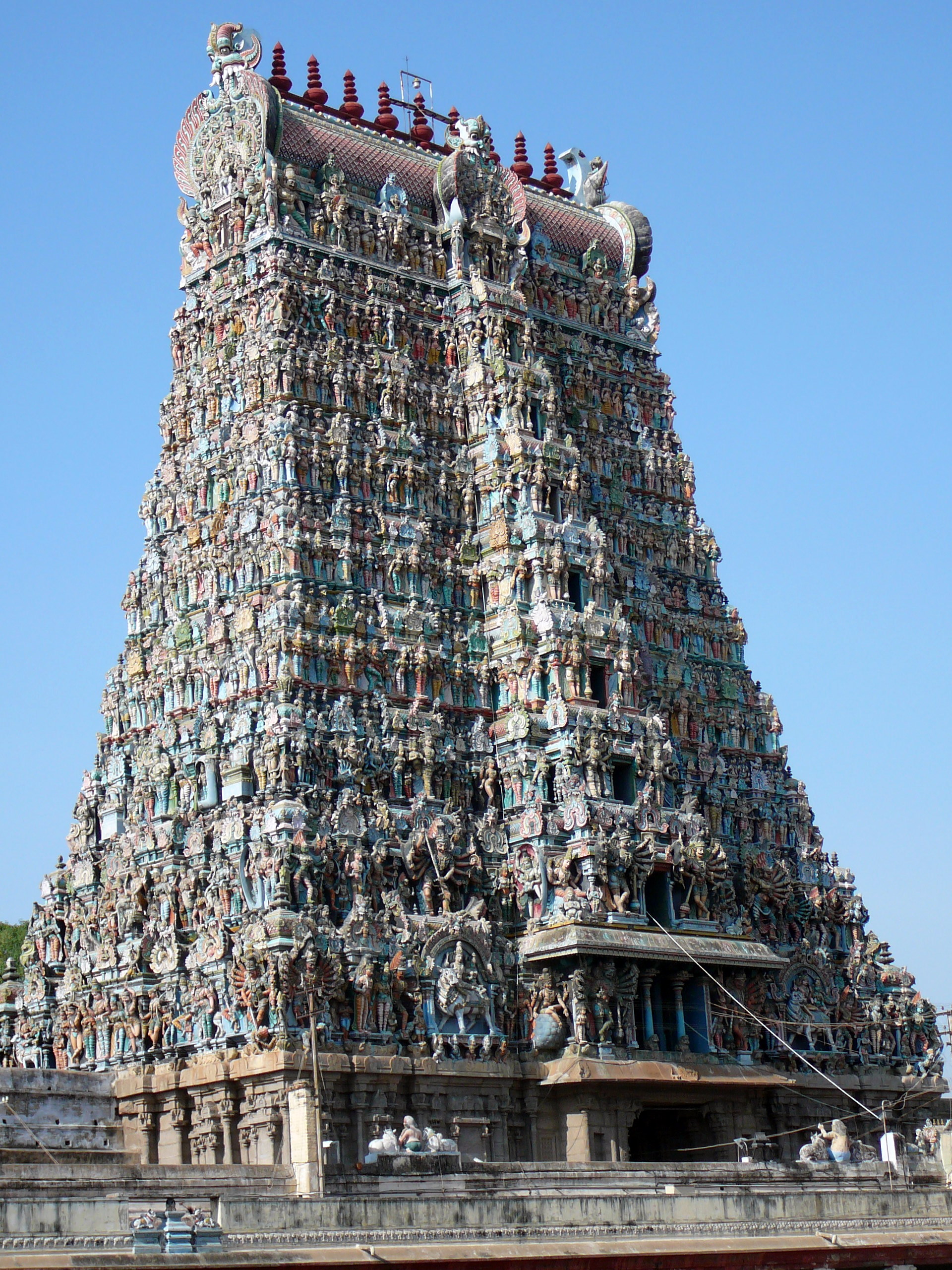 Must Visit
Meenakshi Temple
The defining landmark of Madurai, a vast Dravidian temple complex dedicated to Goddess Meenakshi and Lord Sundareswarar, famous for its 14 towering gopurams covered in painted stucco figures.
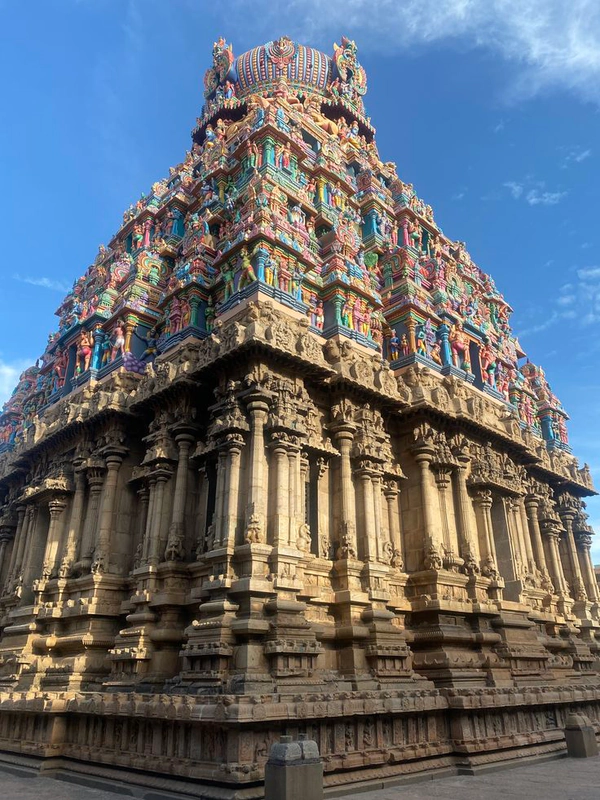
Alagar Kovil
A major Divya Desam Vishnu temple on the Alagar Hills near Madurai, famous for its grand Chithirai festival procession.
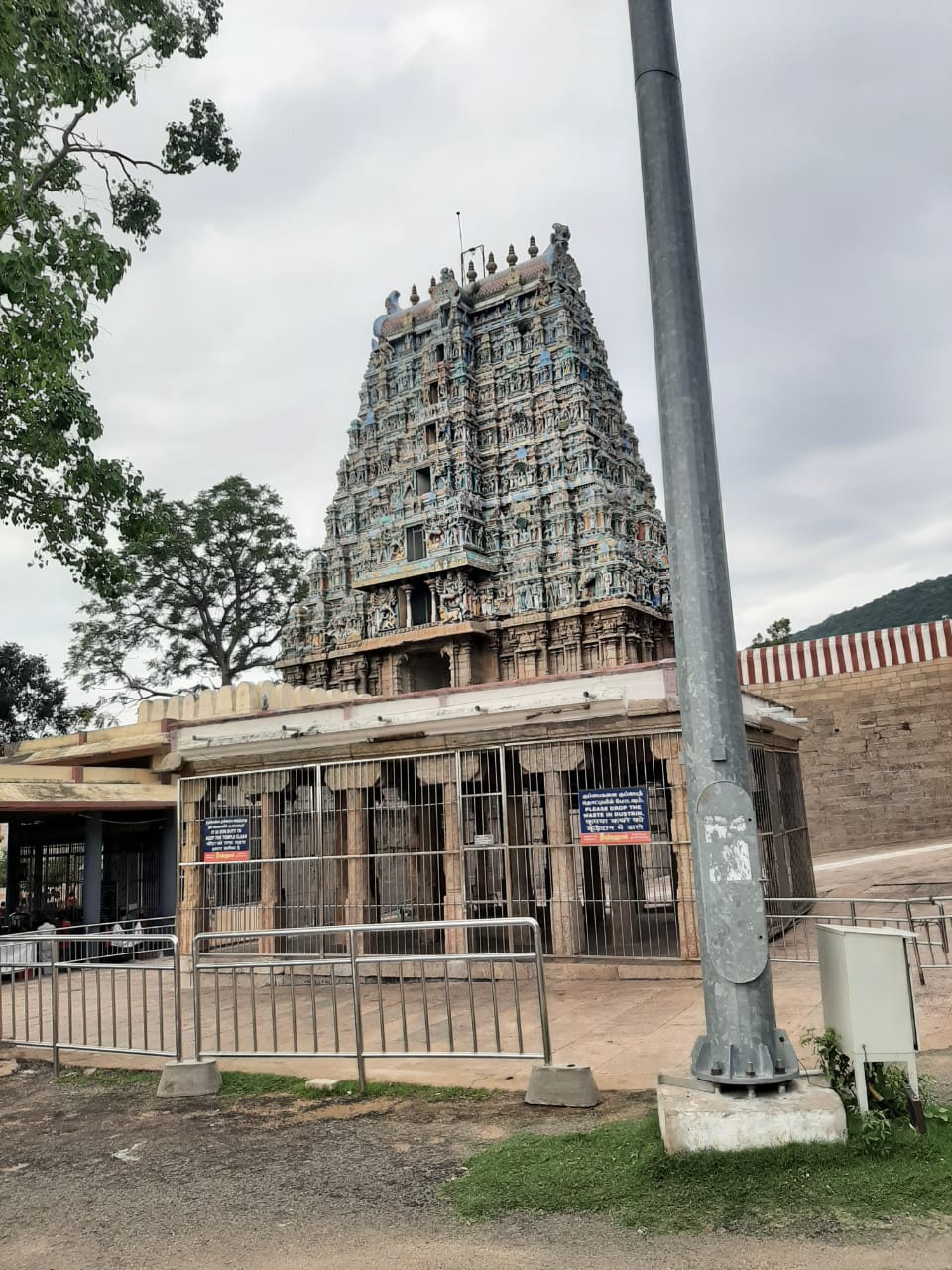
Azhagar Kovil
A Divya Desam Vishnu temple on the Alagar Hills near Madurai, dedicated to Lord Kallazhagar, famous for its annual Chithirai festival procession to the Vaigai River.
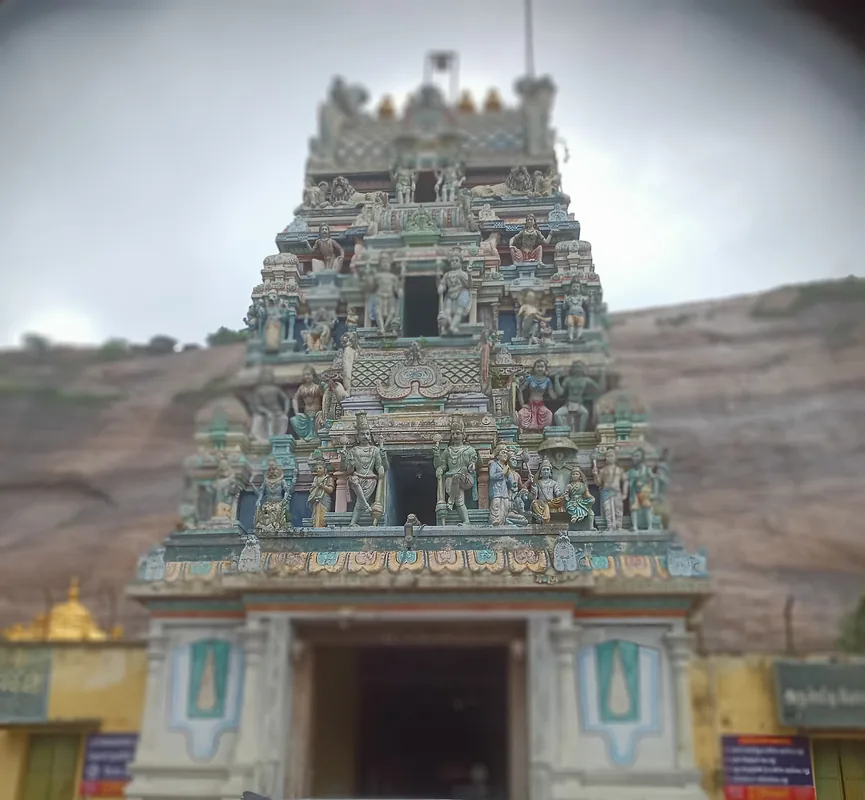
Narasingam Yoga Narasimha Perumal Temple
Tucked at the base of Yanaimalai, the elephant-shaped hill 10 km from Madurai, this 8th-century Pandya rock-cut cave temple houses a six-foot sculpture of Lord Narasimha carved directly from the hillside. Constructed around 770 CE, it showcases exceptional Pandya cave-sculpting craftsmanship. A second cave shrine nearby, dedicated to Murugan and Devasena, features beautifully carved peacock and rooster sculptures on its outer walls. The lotus pond in front adds to the sites tranquil atmosphere.
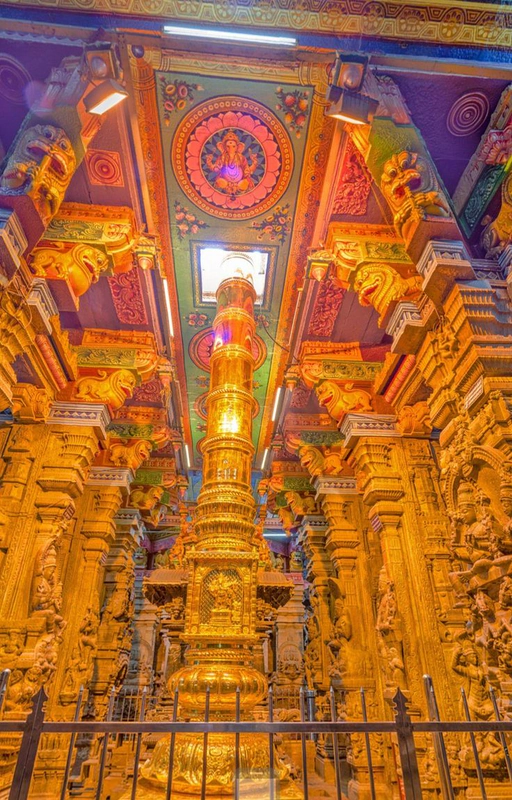
Pazhamudhir Solai
One of the six sacred Arupadai Veedu of Lord Murugan near Madurai, set in a forested hillside where Murugan taught Brahma the meaning of Om.
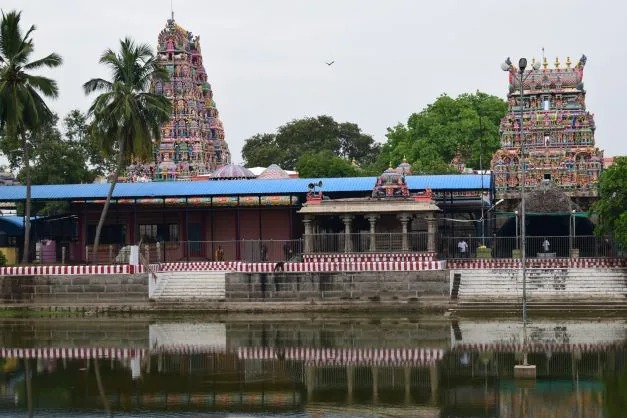
Pillayarpatti Karpaga Vinayagar Temple
One of Tamil Nadus most sacred Ganesha shrines, this ancient rock-cut cave temple near Karaikudi houses a six-foot bas-relief of Karpaga Vinayagar carved directly into the hillside. Dating to the 7th century CE and built by the early Pandyas, the presiding deitys right-curled trunk (Valampuri) is considered especially auspicious. A major draw during Vinayaka Chaturthi, it sits at the heart of Chettinad country, making it a rewarding stop on any Madurai to Rameswaram road trip.
Thirupparankundram
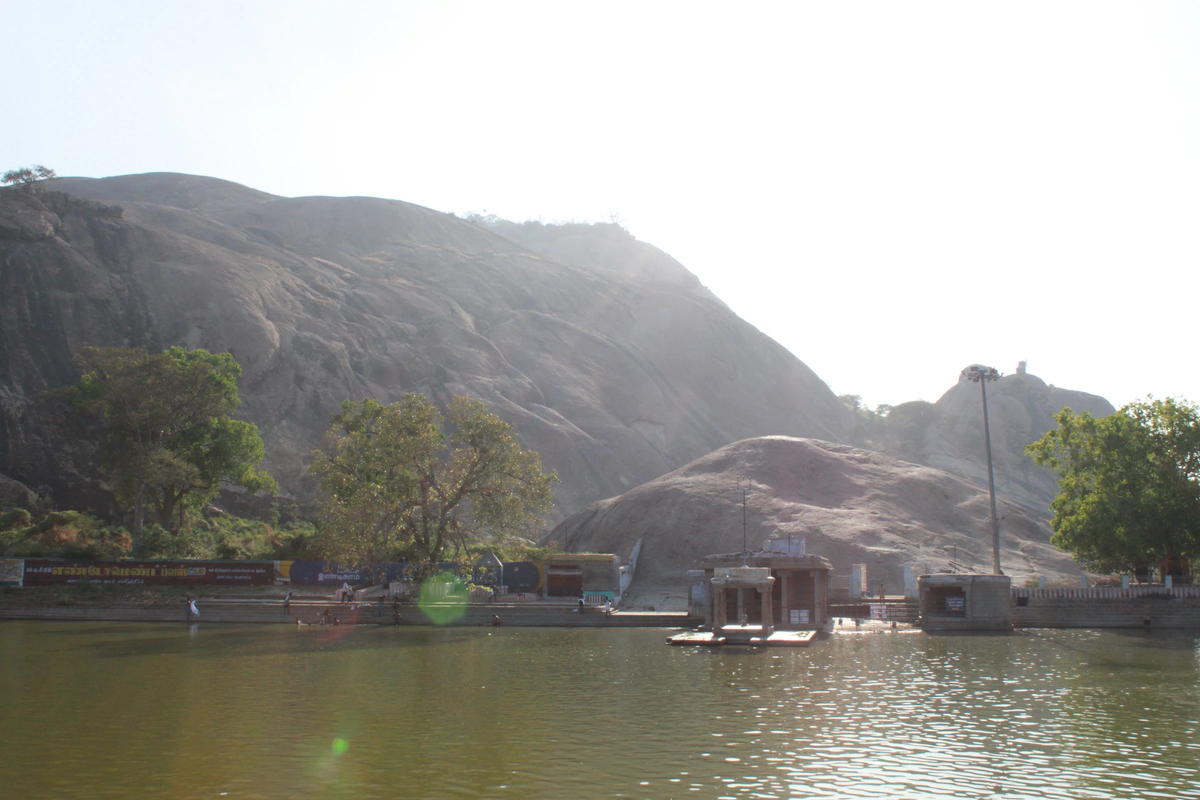
One of the six Arupadai Veedu of Murugan near Madurai, an ancient rock-cut cave temple marking the site of Murugan's wedding to Devasena.
Trekking
1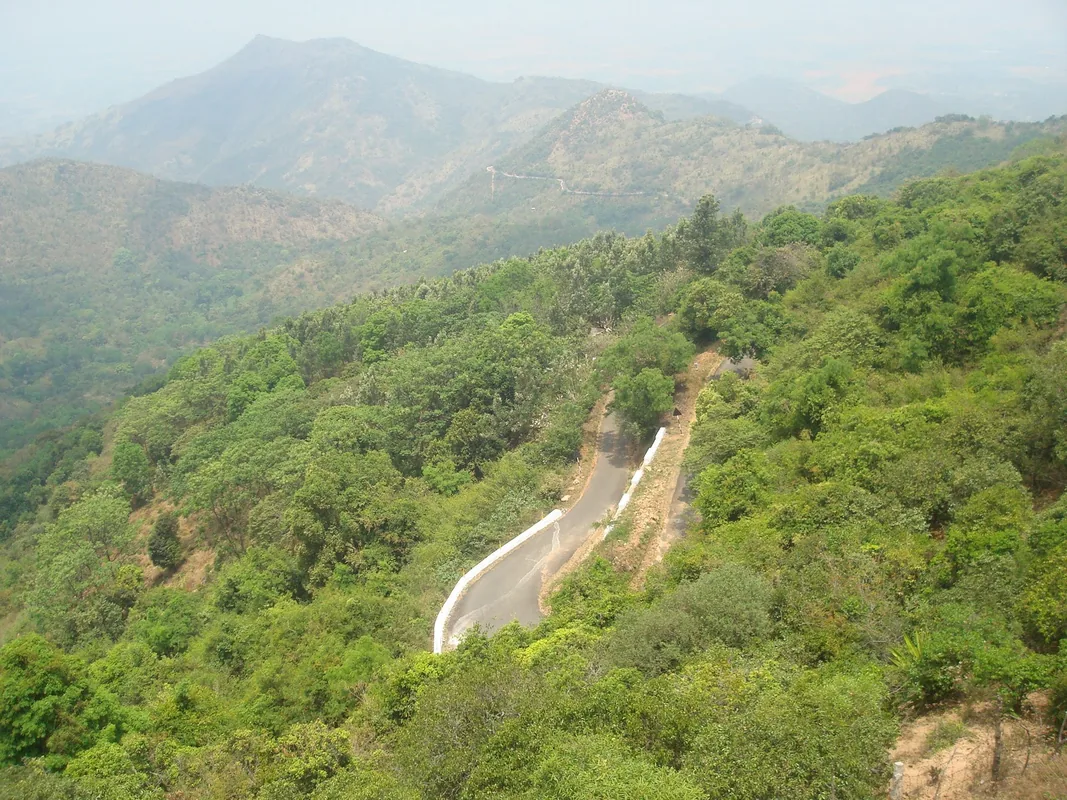
Sirumalai Hills
A lesser-known hill station in the Eastern Ghats, 90 km from Madurai and set at 1,600 metres above sea level, Sirumalai spreads across 60,000 acres of tropical dry deciduous and semi-evergreen forest. The 18-hairpin drive up the hill is a draw in itself. Spotted deer, sloth bears, and leopards inhabit the forest, while trekking trails wind through coffee and medicinal herb plantations. The famous Sirumalai Hill Banana, used as temple prasadam at Palani, is cultivated here.
No places found for ""
Try a different search term or switch to All.
No places match your current filter
Try a different search term or switch to All.