The Island Where an Entire Community Performs Krishna’s Story
How the river island of Majuli stages the Raas Leela every November: the satras, monks and villagers who perform, masks and costumes, Raas Purnima dates, ferries, stays and tips.
Every November, when the full moon rises over the Brahmaputra, the river island of Majuli turns into one vast theatre. Monks in the island's satras, farmers, schoolchildren, teachers and shopkeepers all take a part in the Raas Leela, a retelling of the life of Krishna through music, dance and drama. For three or four nights the island stays awake, moving from one lit stage to the next.
This is not a show put on for visitors. It is a festival the community makes for itself, and travellers are welcome to watch.
What the Raas Leela is
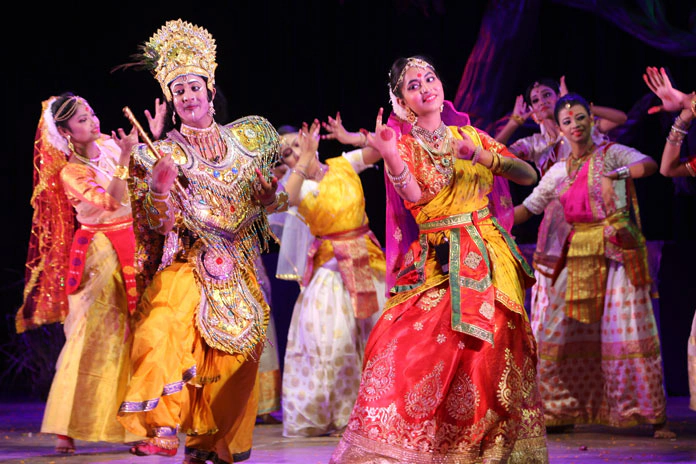
Raas Mahotsav, the festival of Krishna's dance, falls on the full moon of the Assamese months of Kati and Aghun, known as Raas Purnima. The plays follow Krishna from his childhood among the cowherds of Vrindavan to the raas dance with the gopis. Many are variations of Keli Gopal, a one act play written by the saint and reformer Srimanta Sankardev, and Raas Jhumura, attributed to his disciple Madhavdev.
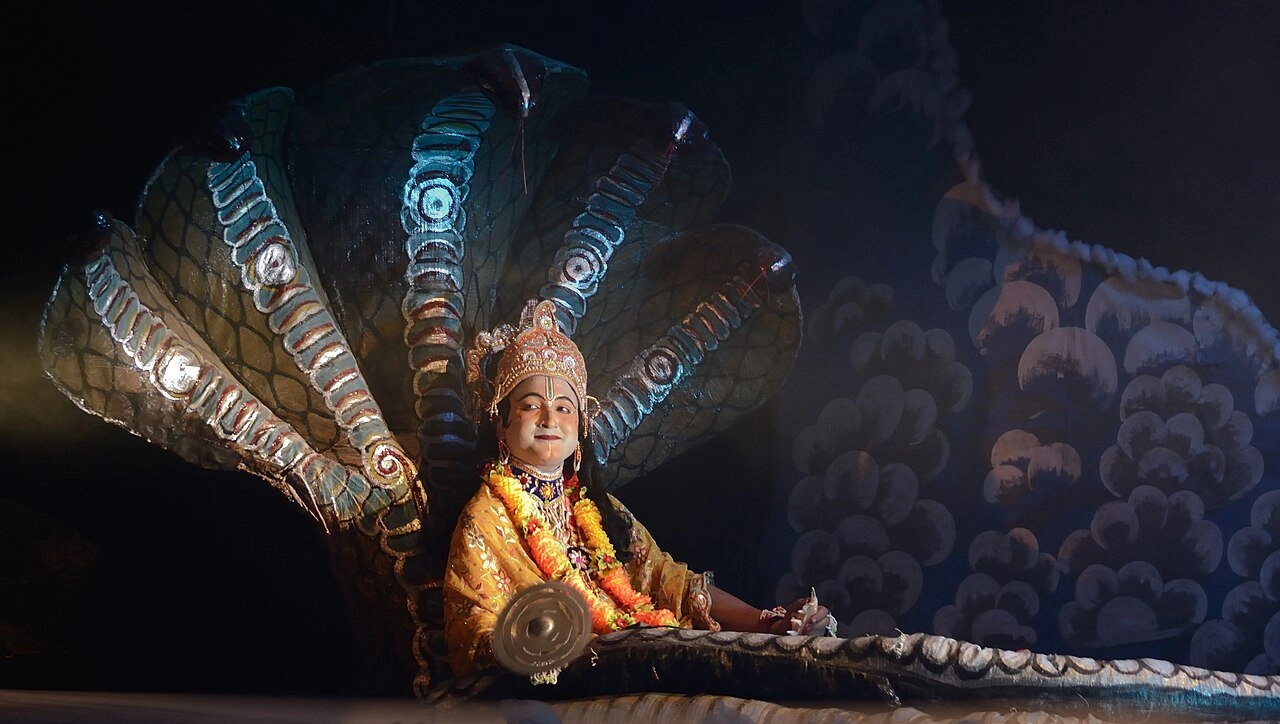
The scale is remarkable. PARI, the People's Archive of Rural India, reports that more than 100 characters may appear on stage in a single day of the festival. Familiar episodes return every year: the demoness Putona trying to poison the infant Krishna, the killing of the crane demon Bokasur, and Krishna dancing on the hoods of the serpent Kaliyo Naag. A single performance can run late into the night, and the island's roads stay busy until the small hours.
The satras at the heart of it
Majuli is the cultural home of Assamese Vaishnavism, the devotional tradition shaped by Sankardev. Its satras are monasteries that have kept music, dance, drama and craft alive for centuries. Of the 65 or so satras once established on the island, around 22 are active today; the rest have been lost to floods and erosion.
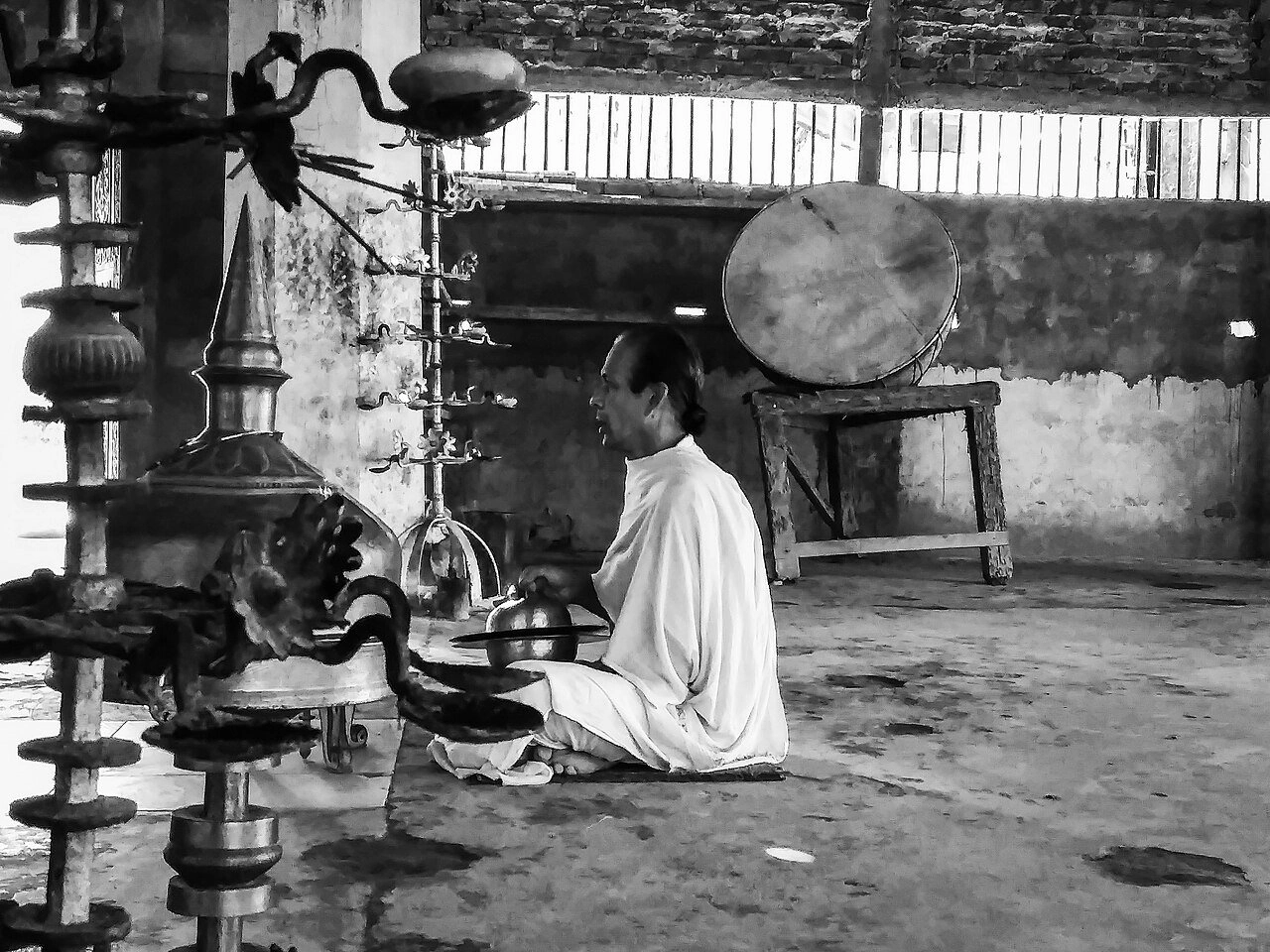
According to the Majuli district administration, the Raas Leela was first performed at Dakhinpat Satra in 1840, and the satra still follows its own rituals. As each character enters the stage, there is a moment to worship the idol of that character. When Krishna, Balaram and the cowherds appear, every instrument plays at once and the head of the satra and the audience stand to pray. On the third day comes the Indrabhishek puja and dance, and that evening the idol of Brindavan Chandra is carried around the satra before being returned to its shrine.
At Garamur Satra, the reformer Pitambar Dev Goswami brought the Raas Leela onto a stage in 1934. In 1950 he opened the performances to girls of the satra, and women now act and dance at most venues on the island. Garamur's Raas is ticketed, staged in an auditorium that seats around 1,000 people, and Incredible India says its tickets are in such demand that they are booked a month in advance.
The Kamalabari satras are among the best places to see the monastic side of the festival. At Uttar Kamalabari Satra, the plays are performed by bhakats, the celibate monks of the satra who are trained in its religious and cultural traditions, and the performances are free and open to all. Its auditorium was built in 1955; before that, the Raas was staged inside the namghar, the prayer hall. Nearby Natun Kamalabari Satra is another branch of the Kamalabari tradition worth visiting during the festival days.
A festival performed by everyone
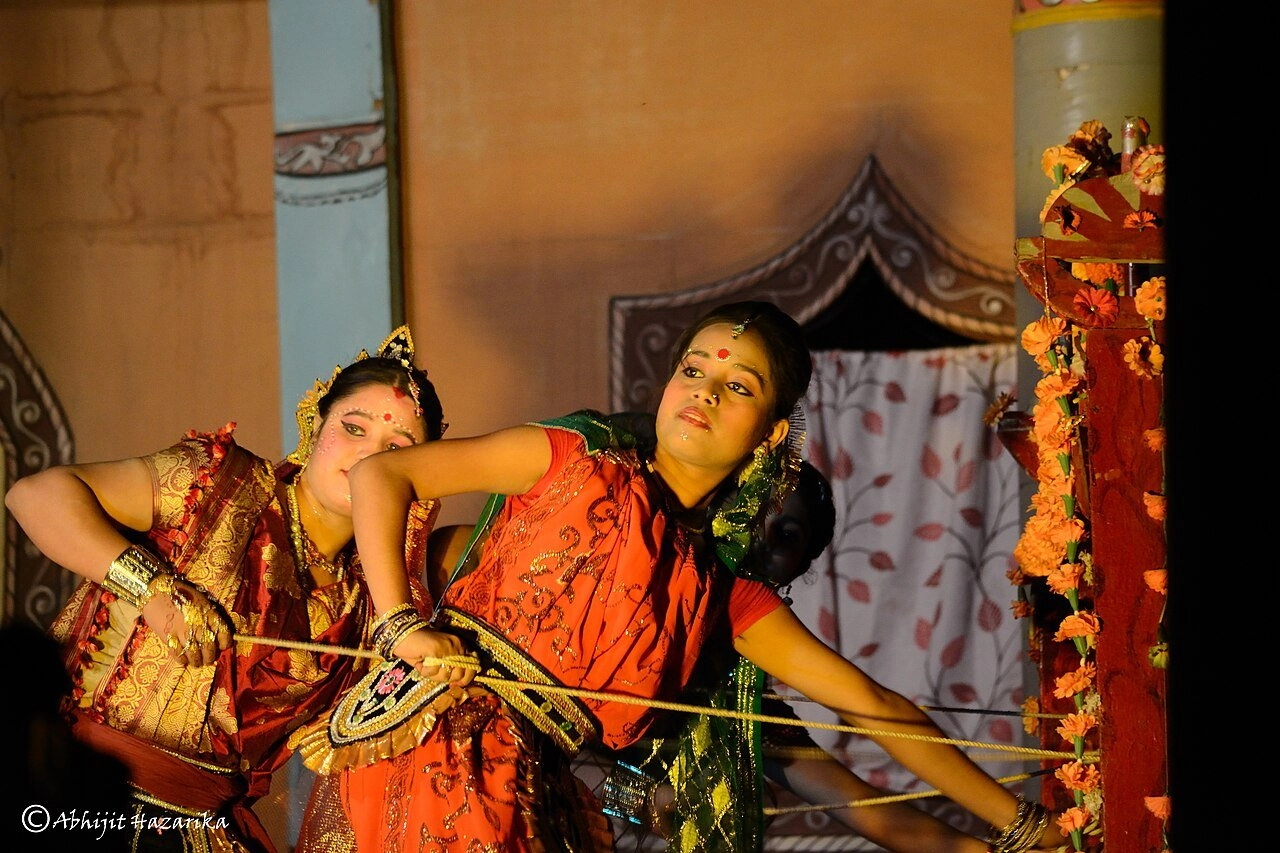
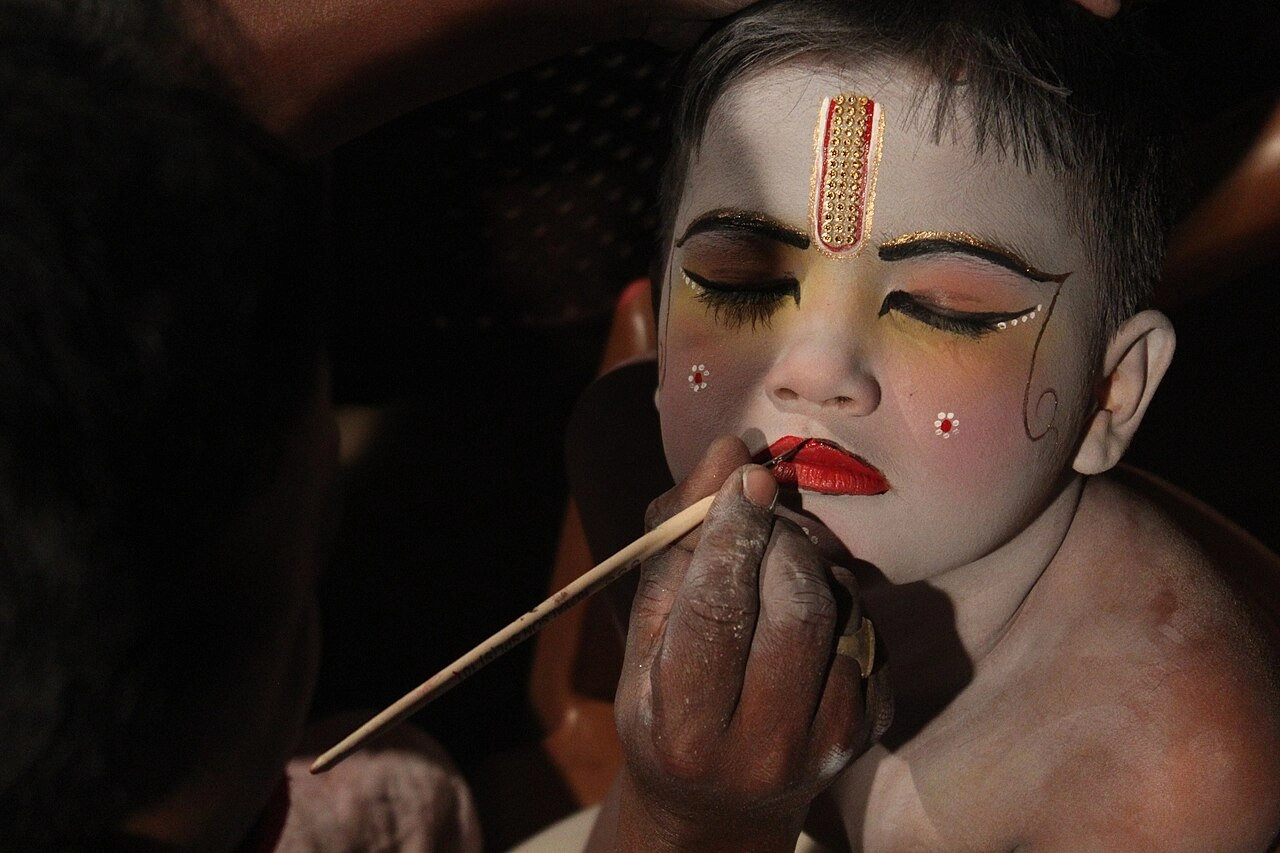
What makes Majuli's Raas different is how many people take part. Incredible India describes children acting in the plays, teachers lending their voices to the characters and shopkeepers and bank employees joining in the songs and chants. Beyond the satras, performances take place in community halls, namghars, temporary pandals, open fields and school grounds. In 2022, PARI counted more than 60 venues across the island.
The actors are volunteers. At Garamur, around 100 to 150 people work without pay to put on the festival, and only the technicians are paid. Main rehearsals begin the day after Diwali, so performers have less than two weeks to prepare. Students sitting college exams often come home just for their night on stage. Those cast as Krishna, Narayana or Vishnu keep to simple vegetarian food from the day they are given the role, and many fast on the first day of Raas until their performance ends.
The festival belongs to every community on the island. In Borun Chitadar Chuk, a Mising village, the Raas is organised by the village and staged in the local school, where roasted pork and apong, the Mising rice beer, are part of the evening. A visit to a Mising village by day gives useful context for these village stages.
The district administration also notes something visitors often remember most: during the festival, almost every family on Majuli treats outsiders as guests, and many open their homes to them.
Masks and costumes
Masks are central to the Raas. Demons, Garuda, Hanuman, Narasimha, Putona and the serpent Kaliyo Naag are all characters that are hard to show through acting alone, so they appear in masks. Some cover only the face, while the largest, called cho mukha, cover the performer's whole head and body. According to the Indian Express, a face mask takes around five days to make and a large one can take up to one and a half months.
The masks are made from bamboo, clay, dung, cloth, cotton and wood, materials found around the island. The craft is concentrated in a few satras, chiefly Samaguri Satra and Natun Samaguri Satra. The Majuli district administration says Samaguri Satra was established in 1663 and that its mask tradition has been passed down through generations of bhakats. In March 2024, the Majuli Mask of Assam received a Geographical Indication tag, alongside Majuli manuscript painting.
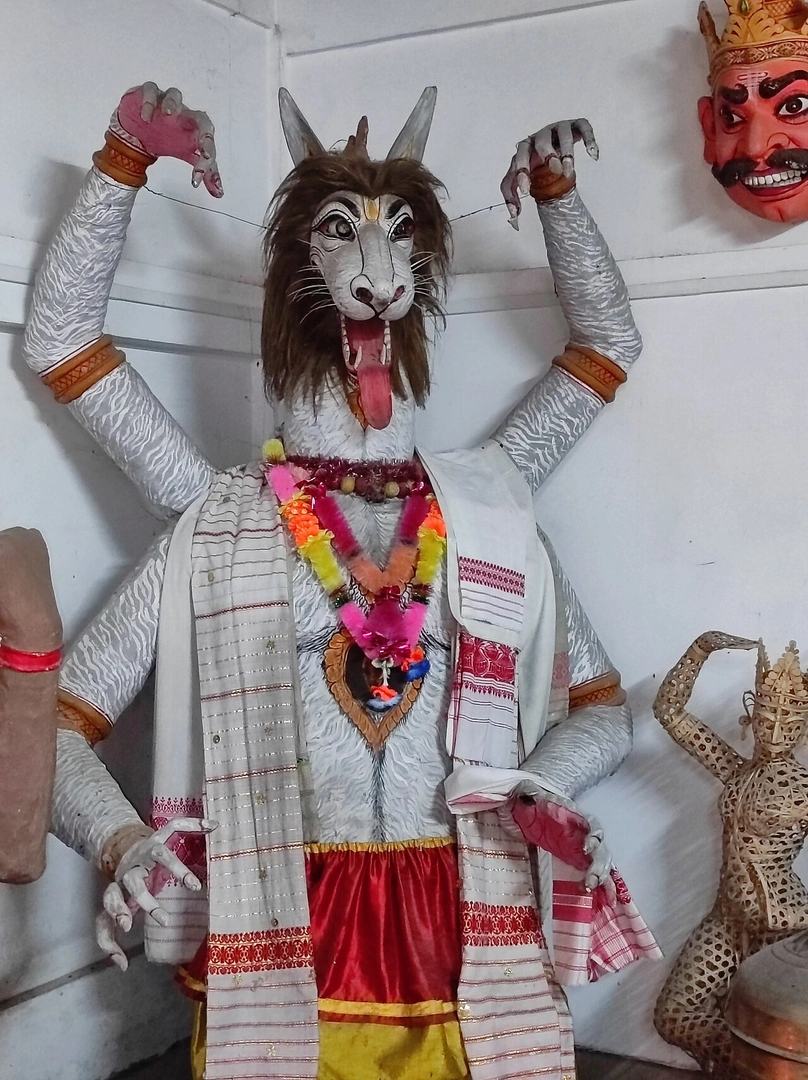
Costumes and stagecraft are made close to home too. Backstage you will see parents helping children into the dhotis of the young cowherds, young women dressed as gopis waiting for their scene and volunteers painting faces. Large props, such as the five hoods of Kaliyo Naag, are handmade for the stage.
When to go
Raas Purnima, the Kartik full moon, falls on Tuesday 24 November 2026. Incredible India lists the Majuli festival from 24 to 26 November 2026, and the district administration says the festival usually runs for three to four days. Each satra and village committee sets its own programme, so confirm dates for the venues you want to see once schedules are announced.
Performances begin in the evening and run well into the night. Days are free for visiting the satras, the mask makers and the island's villages.
You can also see the festival on Yatrigo's Majuli Raas Mahotsav event page.
How to get there
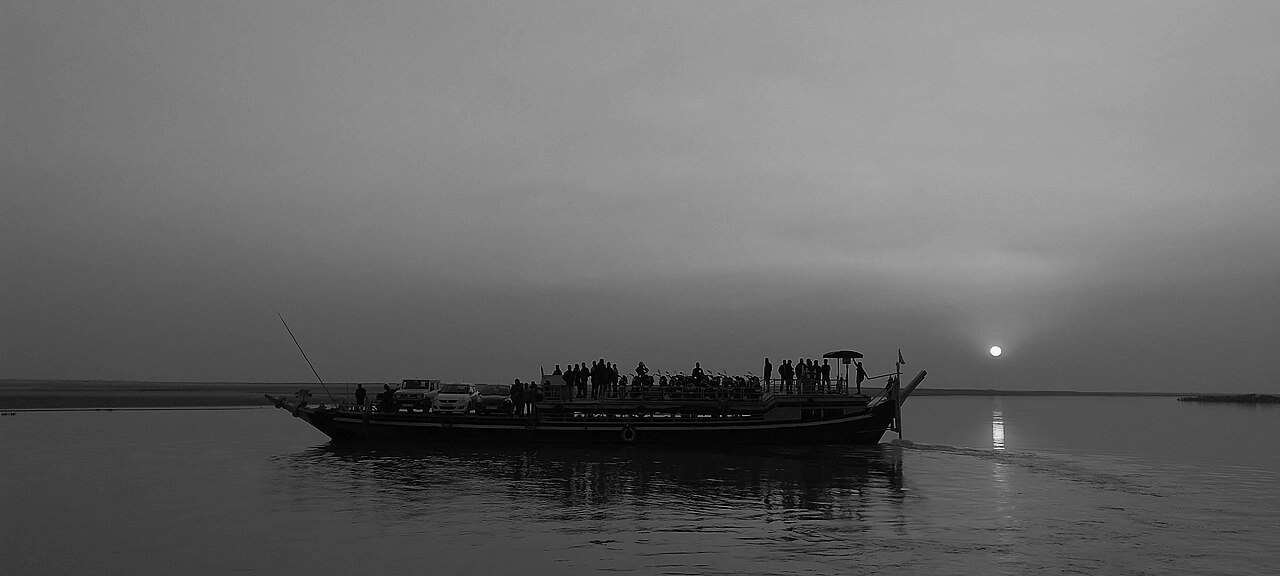
By ferry from Jorhat: Most travellers cross from Nimati Ghat near Jorhat to Kamalabari Ghat or Afalamukh Ghat on Majuli. The district administration says the crossing takes about an hour and ferries run from 7.30 am to 3.30 pm, every half hour during the festival season. Book passenger and vehicle tickets in advance through Assam Inland Water Transport, or the online ferry booking service on the Sewa Setu portal.
From the north bank: Majuli can be reached by road from Lakhimpur via Dhakuakhana, and from Dibrugarh via the Bogibeel Bridge. There is also a short ferry across the Subansiri from Dhunaguri Ghat, about 10 km from Bihpuria, which takes around 15 minutes and runs from 7 am to 5 pm.
By air: The nearest airports are Jorhat (Rowriah), Lilabari near North Lakhimpur and Mohanbari in Dibrugarh.
By train: The nearest railway stations are Jorhat and Gogamukh.
By bus: Buses run to Majuli from Lakhimpur, Dhemaji and Dibrugarh, and there are overnight services from Guwahati.
Where to stay
Majuli has bamboo cottages, homestays, guest houses and small resorts. Several satras also run guest houses, including Garamur, Uttar Kamalabari, Auniati and Dakhinpat, which the district administration lists alongside private stays. Many stays are around Garamur and Kamalabari, close to the main festival stages and the ferry.
Rooms fill quickly in Raas week, so book as early as you can. Staying on the island matters, because performances end long after the last ferry. If Majuli is full, Jorhat is the fallback, but you will only see the evening shows if you stay at least one night on the island.
Tips for Raas week
- Plan the crossing. Reach Nimati Ghat early in the day and book ferry tickets ahead.
- Book Garamur early. If you want a seat at Garamur's ticketed Raas, arrange it well ahead.
- Mix big stages and small ones. The monks' performances at Uttar Kamalabari are free and open to all, and village stages show the festival at its most local.
- Dress for the night. Late November evenings by the river are cool, and village roads between stages are dark, so carry a warm layer and a torch.
- Carry cash. Small stalls and village venues may not take cards.
- Respect the satras. Dress modestly, remove footwear where asked and ask before photographing performers, monks or people at prayer.
- Visit by day. See mask making at Samaguri Satra, the museum at Auniati Satra and the potters of Salmora.
On the last night, as the lamps burn low and the final song ends, it is easy to see why people here say they would feel something was missing without the Raas. Few places let you watch a whole island tell the same story together.
Cover photo: Abhijithazarika, CC BY-SA 4.0, via Wikimedia Commons
Have a travel story to share? Write for us