Kutch in Winter: White Rann and Rann Utsav
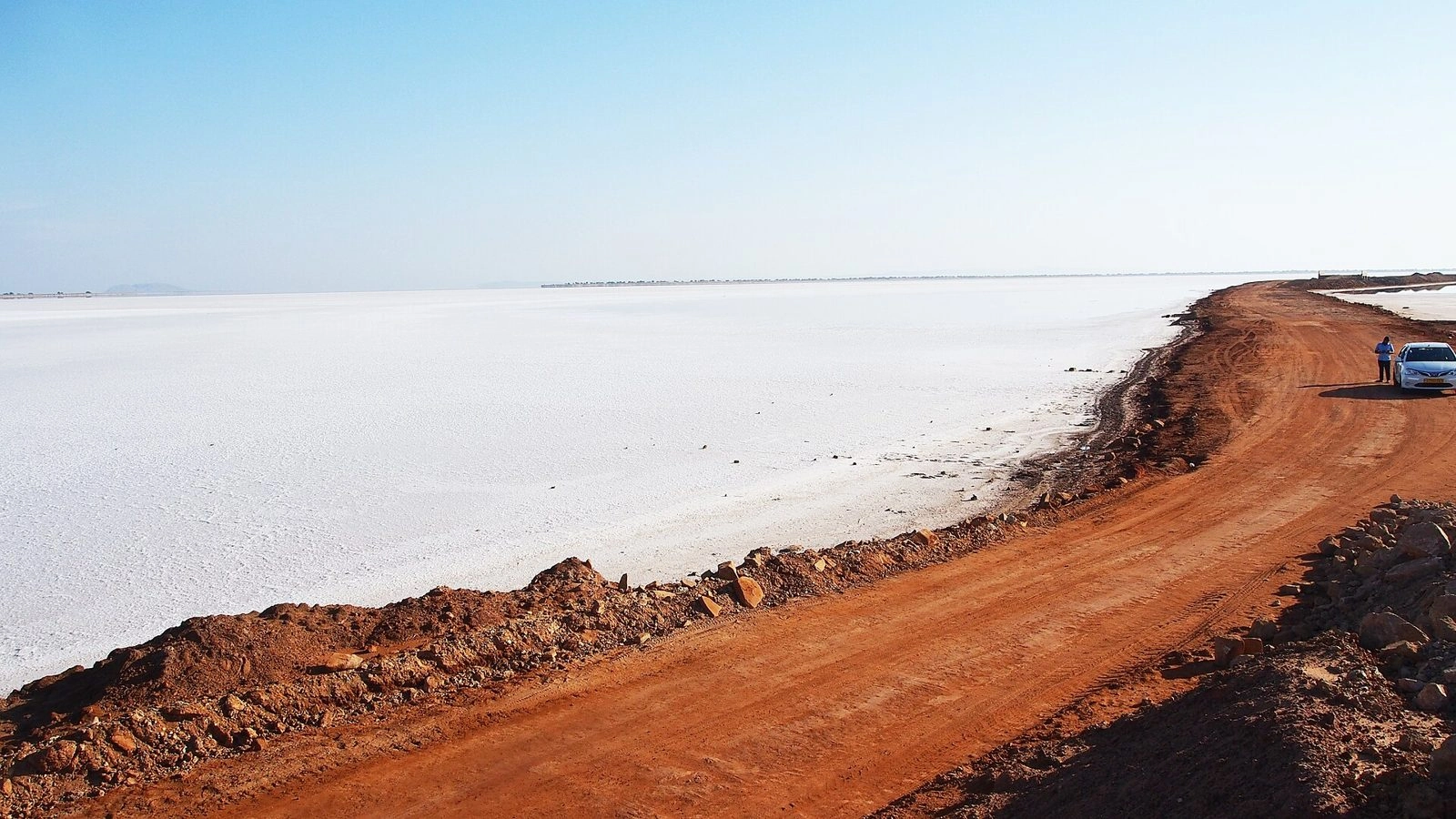
Why November to February is the time to visit Kutch, with Rann Utsav dates, White Rann permits, full moon nights, Bhuj, Dholavira, Mandvi, craft villages, birding, how to reach and a 3 to 5 day itinerary.
For most of the year the Great Rann of Kutch is a salt marsh that floods in the monsoon and bakes in summer. Then the water drains away, the salt crust hardens, and from November the land north of Bhuj turns into a white plain that runs to the horizon. Winter is when Kutch is at its easiest and most rewarding: cool nights, clear skies, the Rann Utsav season at Dhordo, craft villages at work and migratory birds on the wetlands of Banni.
Why winter is the best time
Kutch is very hot from March to June, and the monsoon floods the Rann from July to September. From November to February the weather settles into warm, dry days and cool nights. Long term averages for Bhuj show December days of about 29°C with nights near 13°C, and January days of about 27°C with nights near 11 to 12°C. Cold nights can dip to 7 or 8°C, and it feels colder out on the open salt. December and January are the most comfortable; by late February the afternoons warm up again.
Rann Utsav and the Tent City at Dhordo
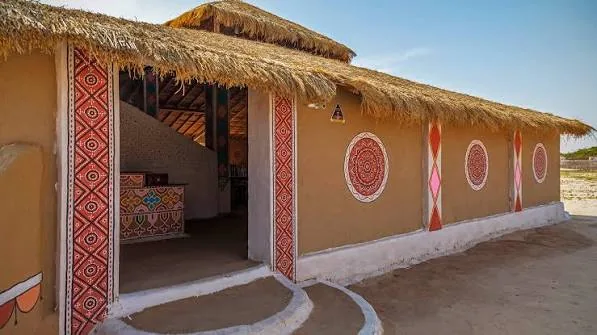
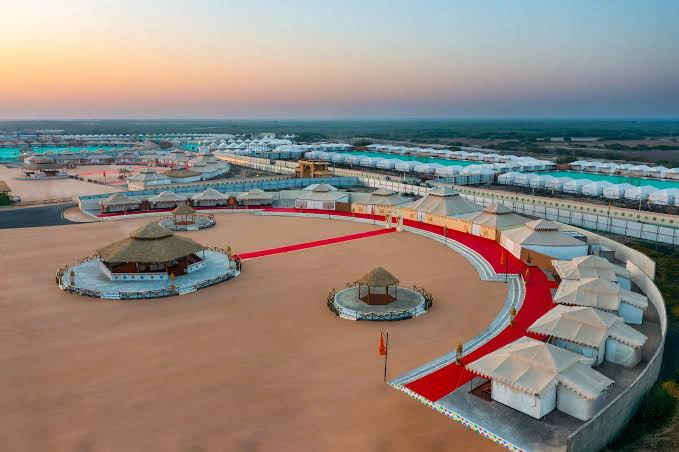
Rann Utsav is Gujarat Tourism's winter festival on the edge of the White Rann, centred on a large tented camp at Dhordo village. For the current season, the official Tent City website (rannutsav.net, run by Evoke Experiences, which is appointed by Gujarat Tourism) lists the dates as 1 November 2026 to 7 March 2027. One Gujarat Tourism listing shows a later closing date, so if you are planning a March trip, confirm with the operator first.
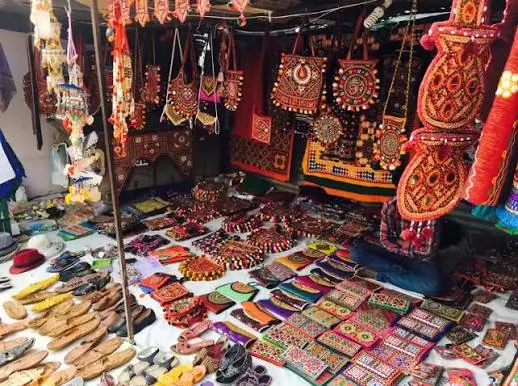
Stays come as packages. Tent categories range from Swiss cottages and premium tents to larger suites, and packages include vegetarian meals (Jain food on request), cultural evenings with folk music and dance, a craft bazaar and fixed departure trips to the White Rann for sunset. Shared transfers from Bhuj airport and railway station run at set times. Tariffs vary by tent and date. Several agents run similar sounding websites, so check current rates and book on the official site, or through its toll free line, 1800 270 2700.
You do not need to stay in the Tent City to see the White Rann. Homestays in Banni villages such as Hodka and hotels in Bhuj are popular alternatives.
The White Rann at Dhordo
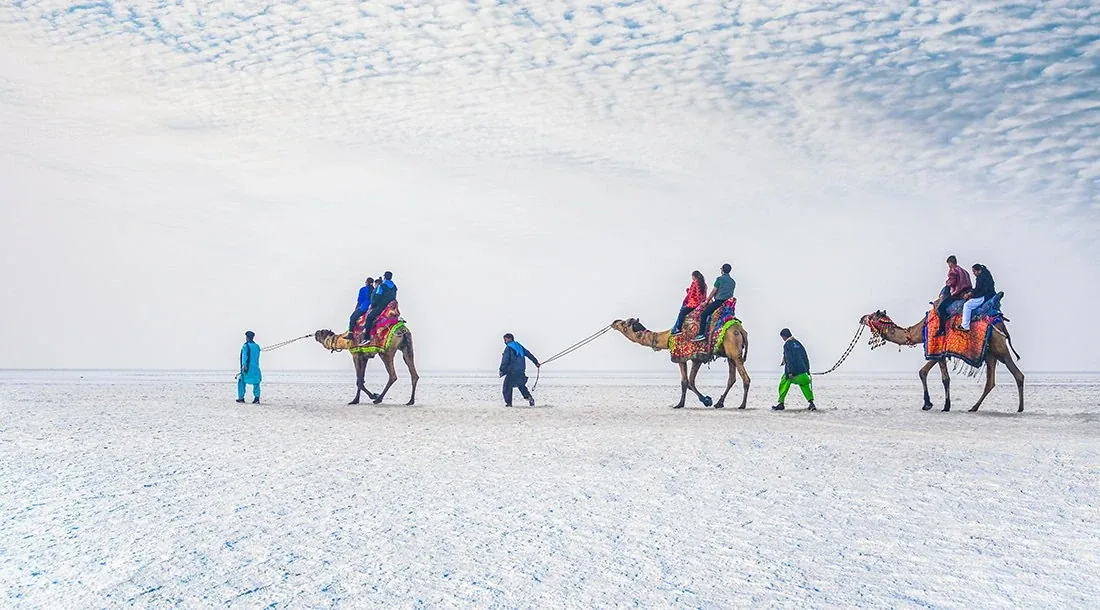
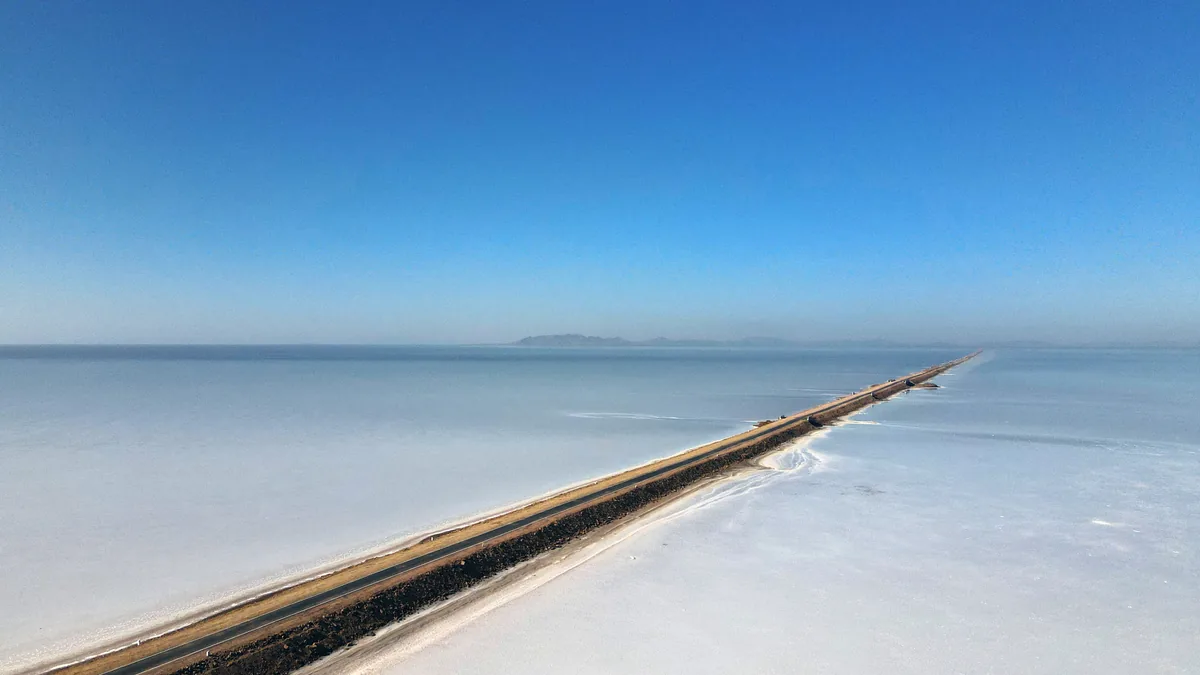
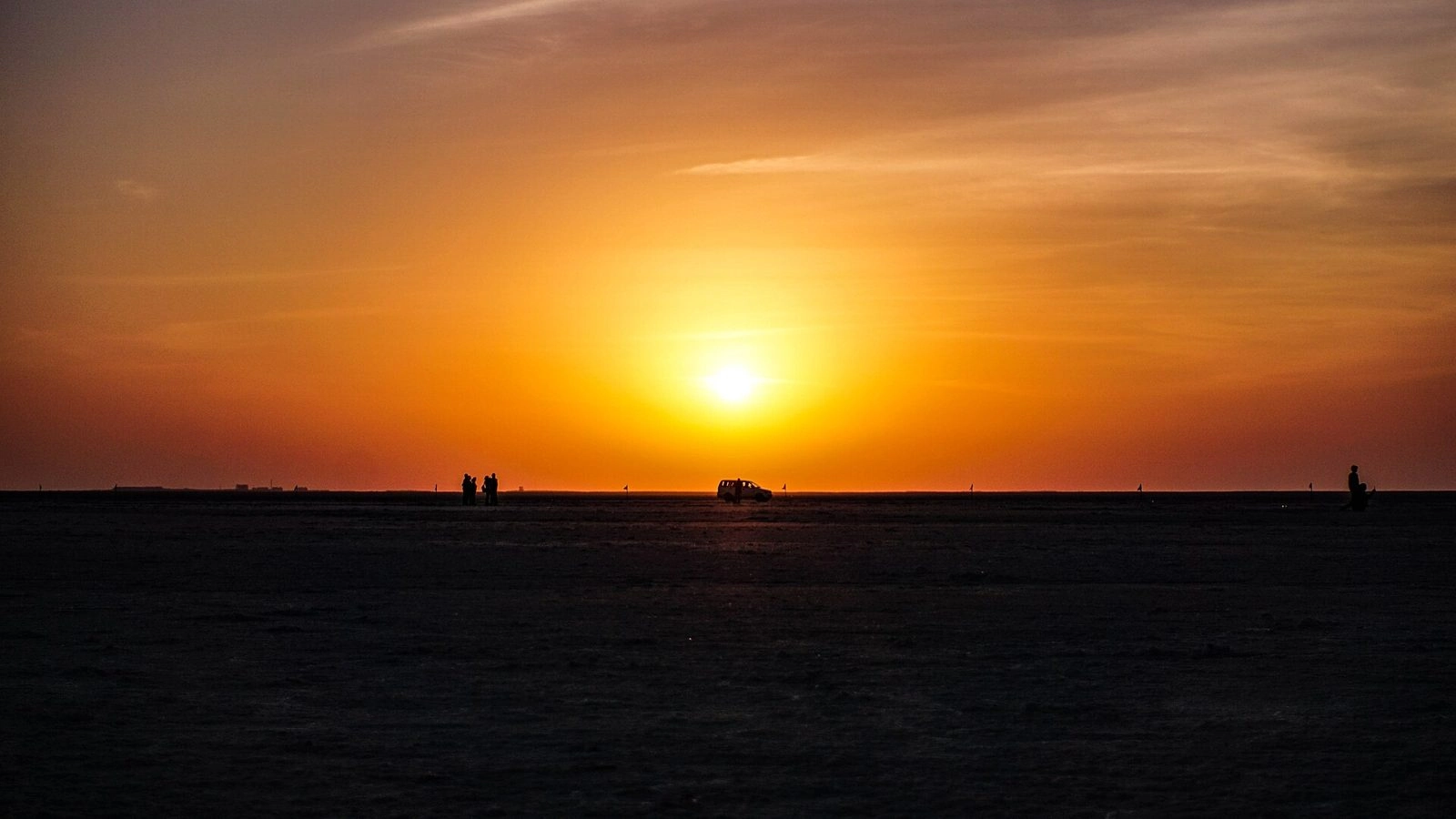
The salt flats beside Dhordo are the stretch most people mean by the White Rann. The road ends near the edge of the salt, and from there you walk out onto the crust. Come for sunset, stay as the colour drains from the sky, and return for sunrise if you can.
Full moon nights
The White Rann is most famous for full moon nights, when the salt glows under the moon. The full moons this season fall on 24 November, 24 December, 22 January and 21 February, and the Tent City operator lists 23 to 25 November, 22 to 24 December, 21 to 23 January and 19 to 21 February as its full moon periods. These dates sell out first, so book early. For stargazing, aim for the dark nights around the new moon instead.
Permits for the White Rann
The White Rann and Kalo Dungar lie in a notified border area, so every visitor needs an entry permit. You can apply online through the official portal run by the Kutch Collector's office, rannpermit.gujarat.gov.in, or get the permit at the Bhirandiyara checkpost on the road from Bhuj to Dhordo. Booking online saves a long queue on weekends and full moon nights. The main traveller uploads a photo ID while applying, and everyone should carry original ID.
The fee is small and children aged five and under go free, but charges change, so confirm the amount on the portal. Online permits are for Indian nationals; foreign visitors should check the process with the portal helpline (02832 251007 or 02832 230832) first.
Kalo Dungar, Khavda and India Bridge
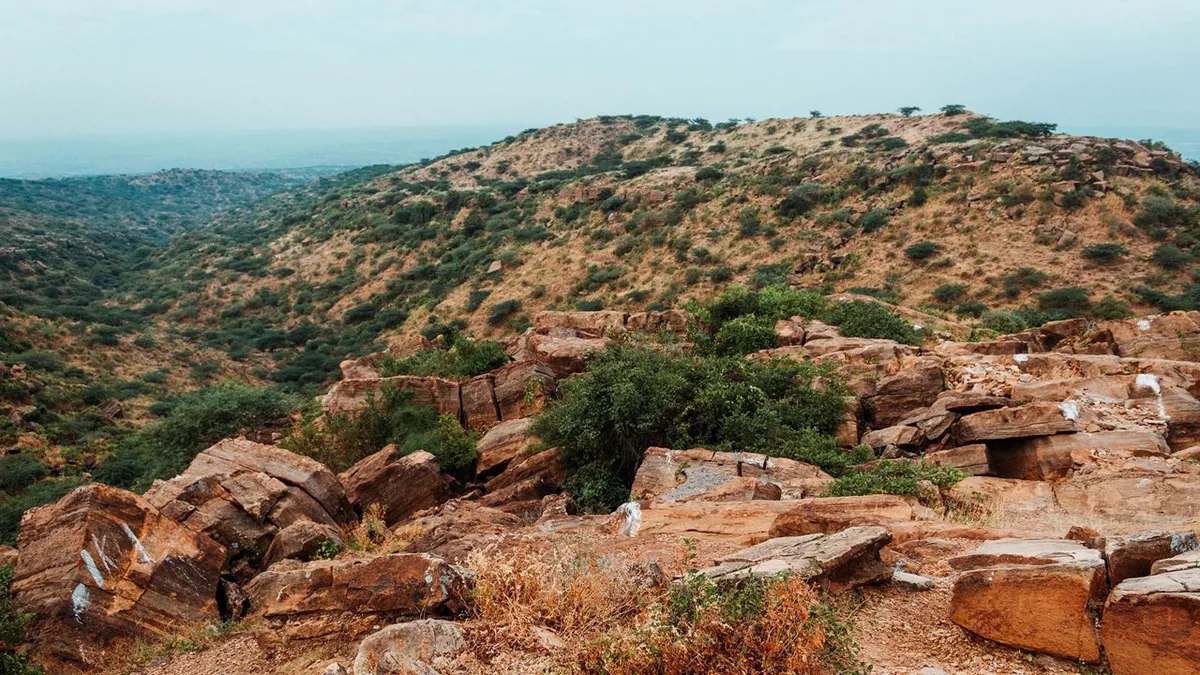
Kalo Dungar, the Black Hill, is the highest point in Kutch at 462 metres, about 97 km from Bhuj and 25 km from Khavda. From the top the Great Rann fills the northern horizon. There is an army post on the summit, and a Dattatreya temple where, after the evening aarti, prasad is set out for the jackals, a custom tied to the legend of Dattatreya feeding hungry jackals.
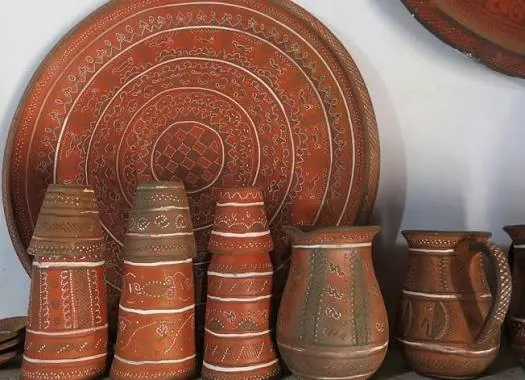
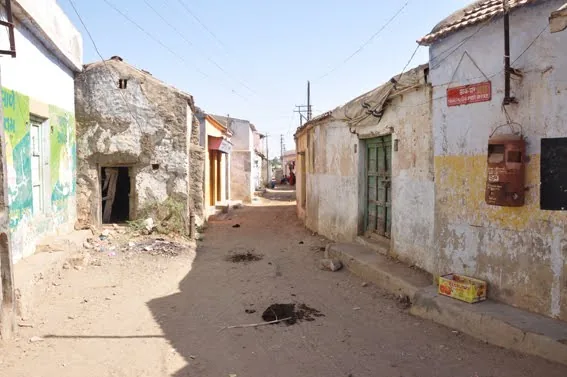
On the way, stop at Khavda, known for its pottery, and at Ludiya, a village of painted bhunga homes that was rebuilt by its own families after the 2001 earthquake. North of Khavda, India Bridge carries the road towards the border. For years it was the last point civilians could reach. Access depends on the rules of the day, so ask at the checkpost or in Khavda, and never photograph security posts.
Bhuj: palaces, museums and a memorial
Most trips start in Bhuj, which deserves a full day.
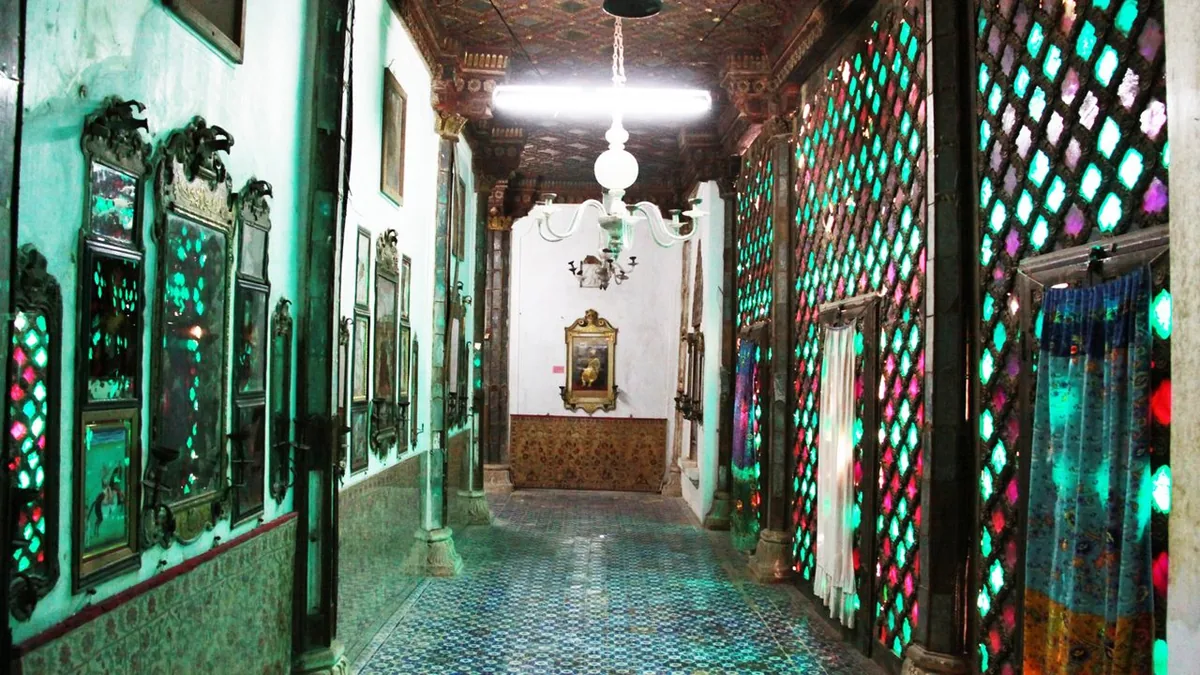
- Aina Mahal: Built for Rao Lakhpatji in the 18th century and designed by Ram Singh Malam, the Palace of Mirrors has mirrored walls, Venetian glass and a museum of royal possessions, including a long scroll of a royal procession. It was damaged in the 2001 earthquake and has since been restored. It closes for a few hours at midday.
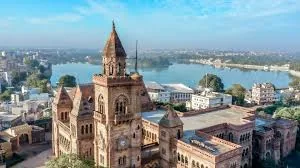
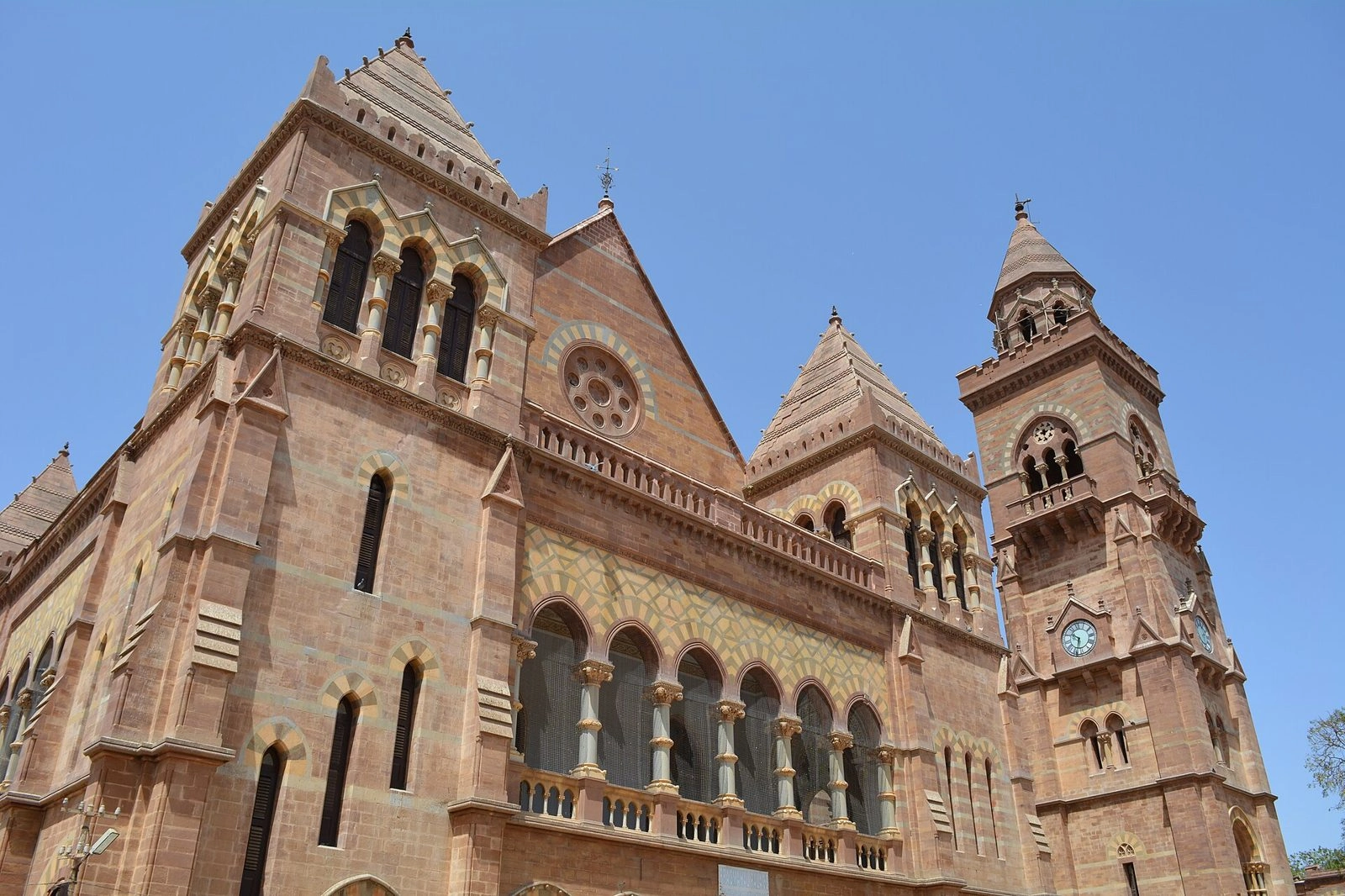
- Prag Mahal: Next door in the same walled compound, this palace was commissioned by Rao Pragmalji in the 1860s and designed by Colonel Henry Saint Wilkins in the Italian Gothic style. Its 45 metre clock tower dominates the old city.
- Kutch Museum: Founded in 1877, it is the oldest museum in Gujarat, with a large collection of Kshatrapa inscriptions.
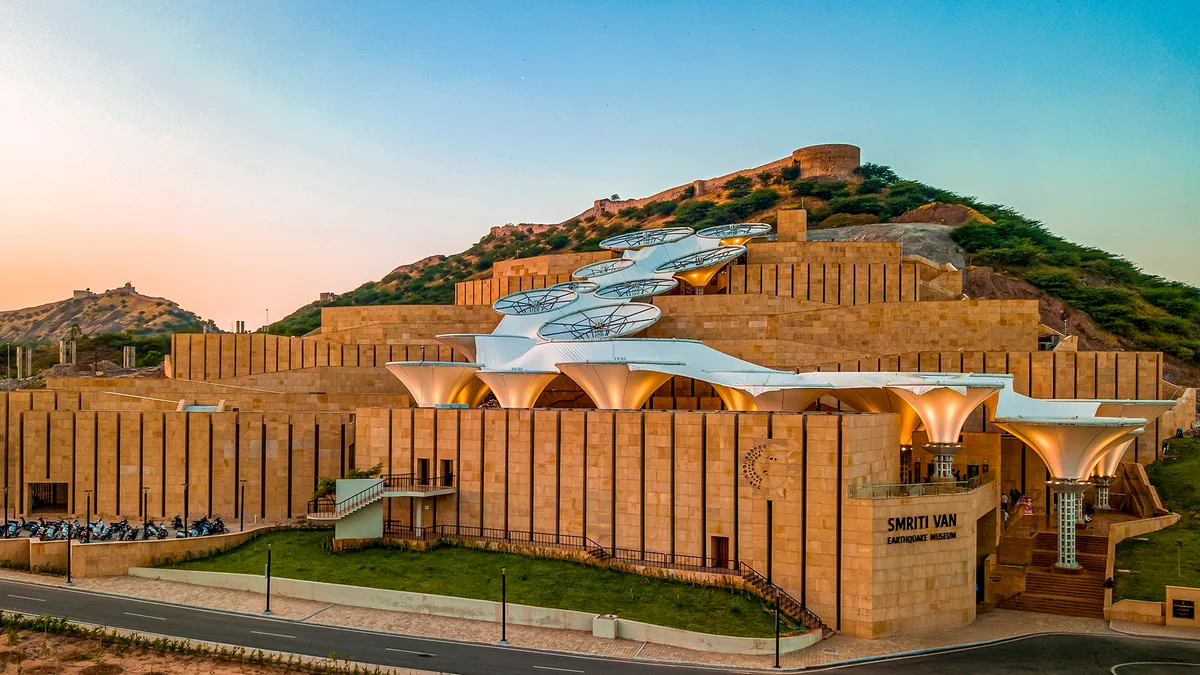
- Smritivan: On Bhujiyo Dungar above the city, this memorial and museum remembers the nearly 13,000 people who died in the 2001 Gujarat earthquake. The museum is closed on Mondays; a full visit takes two to three hours. Book tickets on the official website or at the gate.
Craft villages of Kutch
Kutch is one of India's great craft regions, and buying directly from the people who make the work is one of the best parts of a visit.
- Bhujodi: A weaving village just outside Bhuj, where families of weavers make shawls, stoles and blankets on pit looms.
- Ajrakhpur: Near Bhujodi, the centre of ajrakh block printing.
- Nirona: About 40 km from Bhuj, known for Rogan painting, made with a paste of heated castor oil and pigment, as well as copper coated bells and lacquer work.
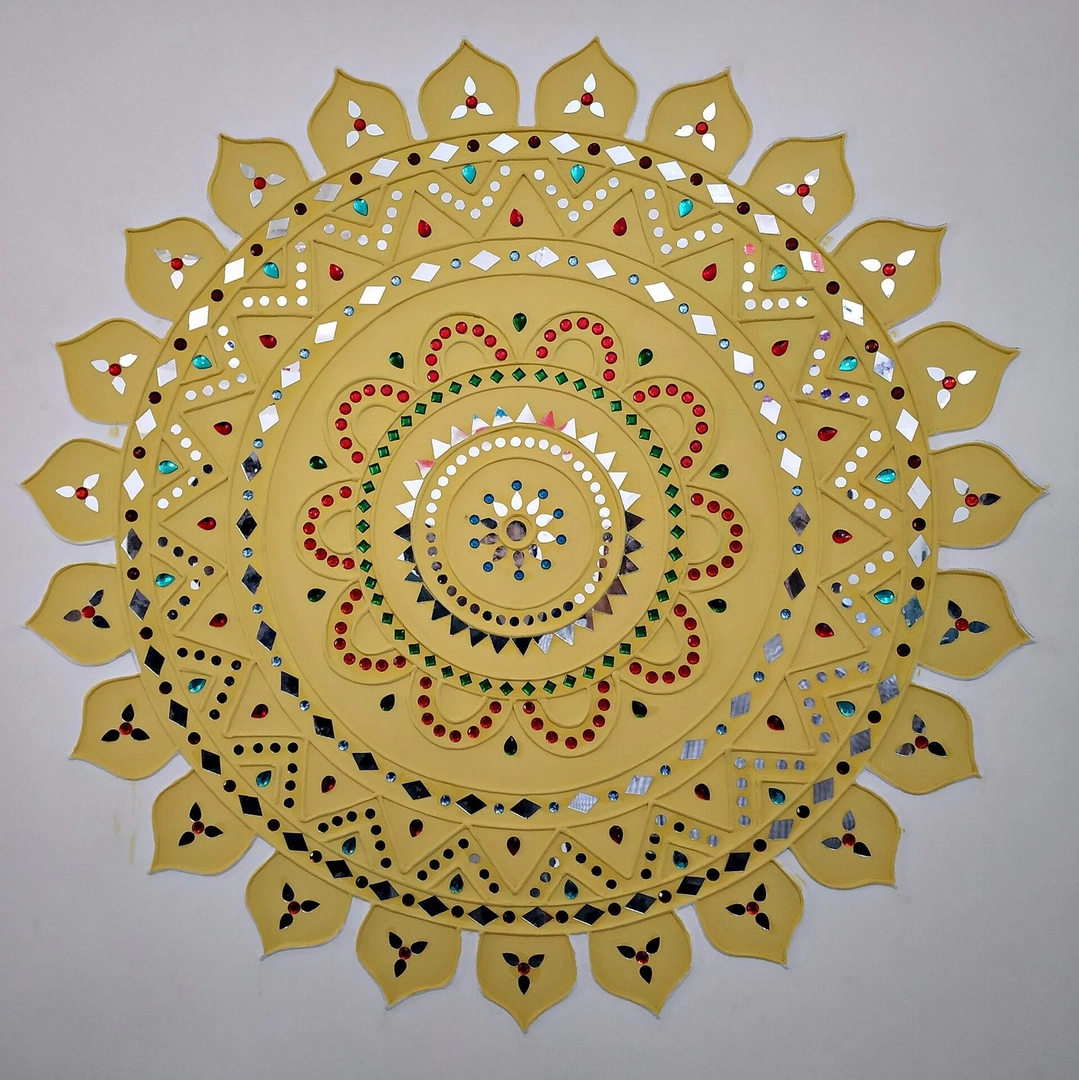
- Hodka and Ludiya: Banni villages of round bhunga homes, embroidery and mud and mirror work.
- Bhirandiyara: The permit checkpost village, also known for mava, a rich milk sweet sold along the road.
Dholavira, the Harappan city
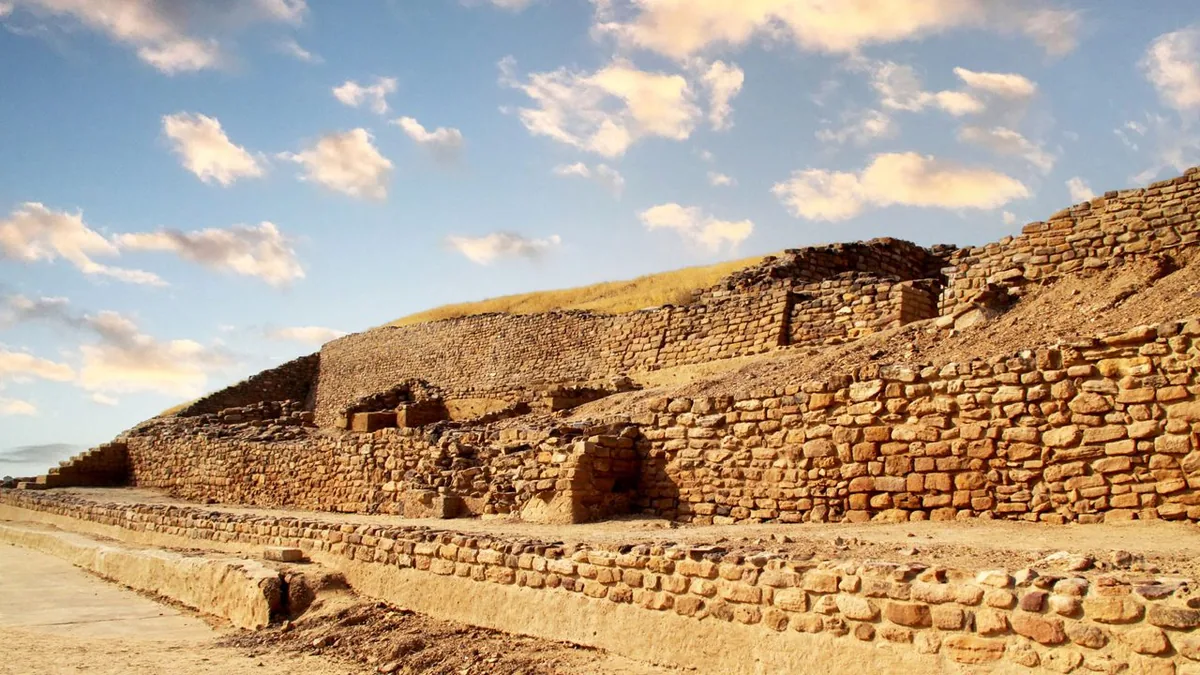
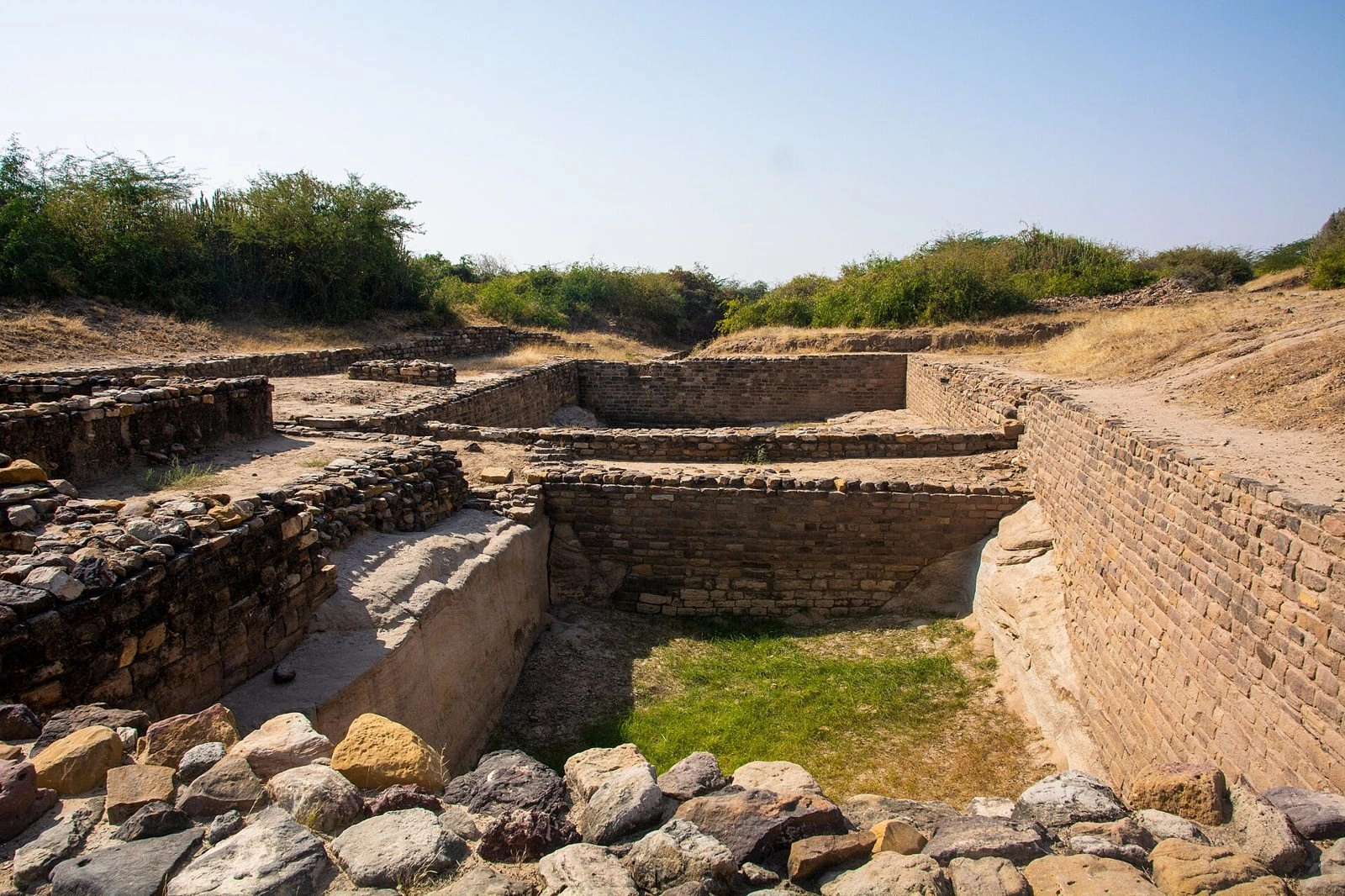
Dholavira sits on Khadir island in the Great Rann and was inscribed as a UNESCO World Heritage Site in 2021. UNESCO describes it as the southern centre of the Harappan Civilization, occupied from about 3000 to 1500 BCE. You can walk through a fortified castle, a ceremonial ground and the middle and lower towns, but the highlight is the water system of reservoirs and drains built to survive in a desert.
Dholavira is about 220 km from Bhuj, so stay overnight nearby or plan a very long day. The Road to Heaven, a causeway across the salt from the Khavda side, is a striking drive in winter light.
Mandvi: beach, palace and shipbuilders
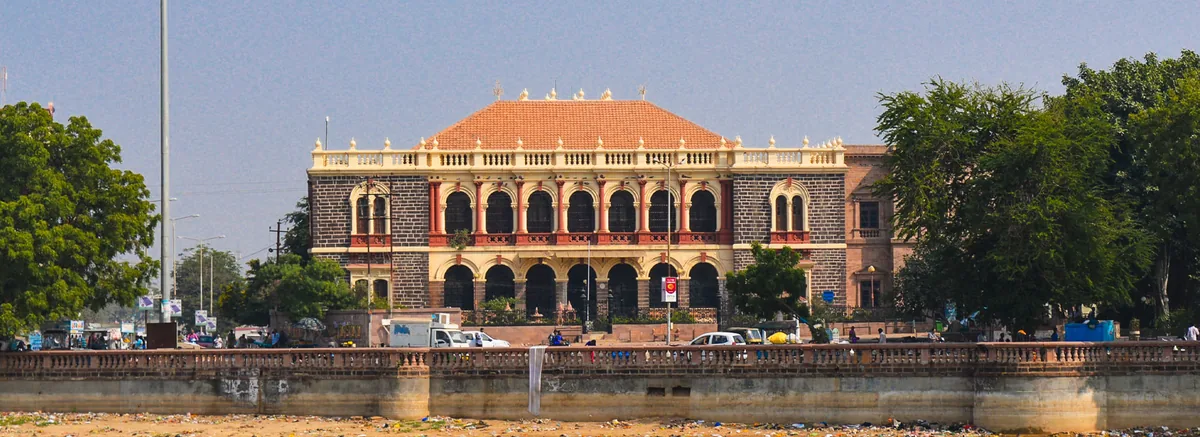
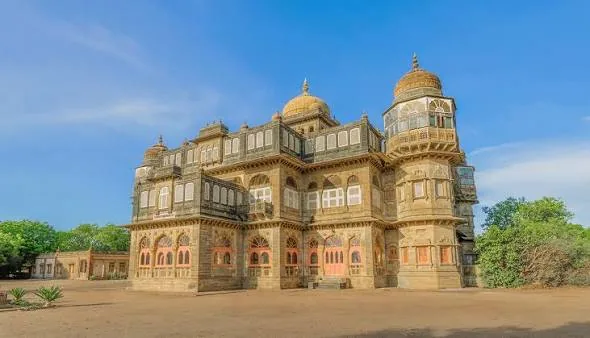
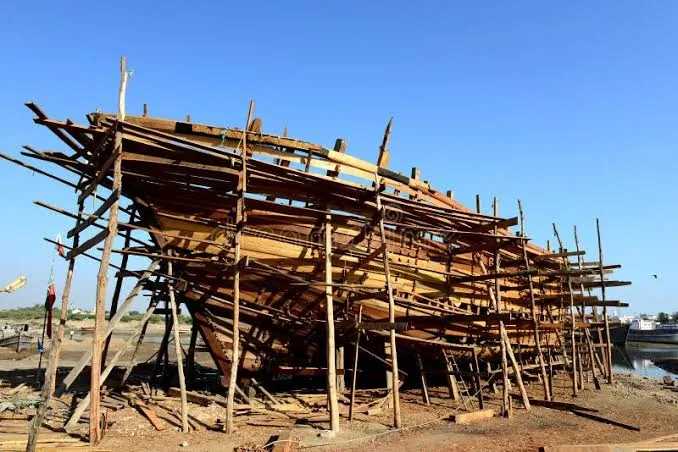
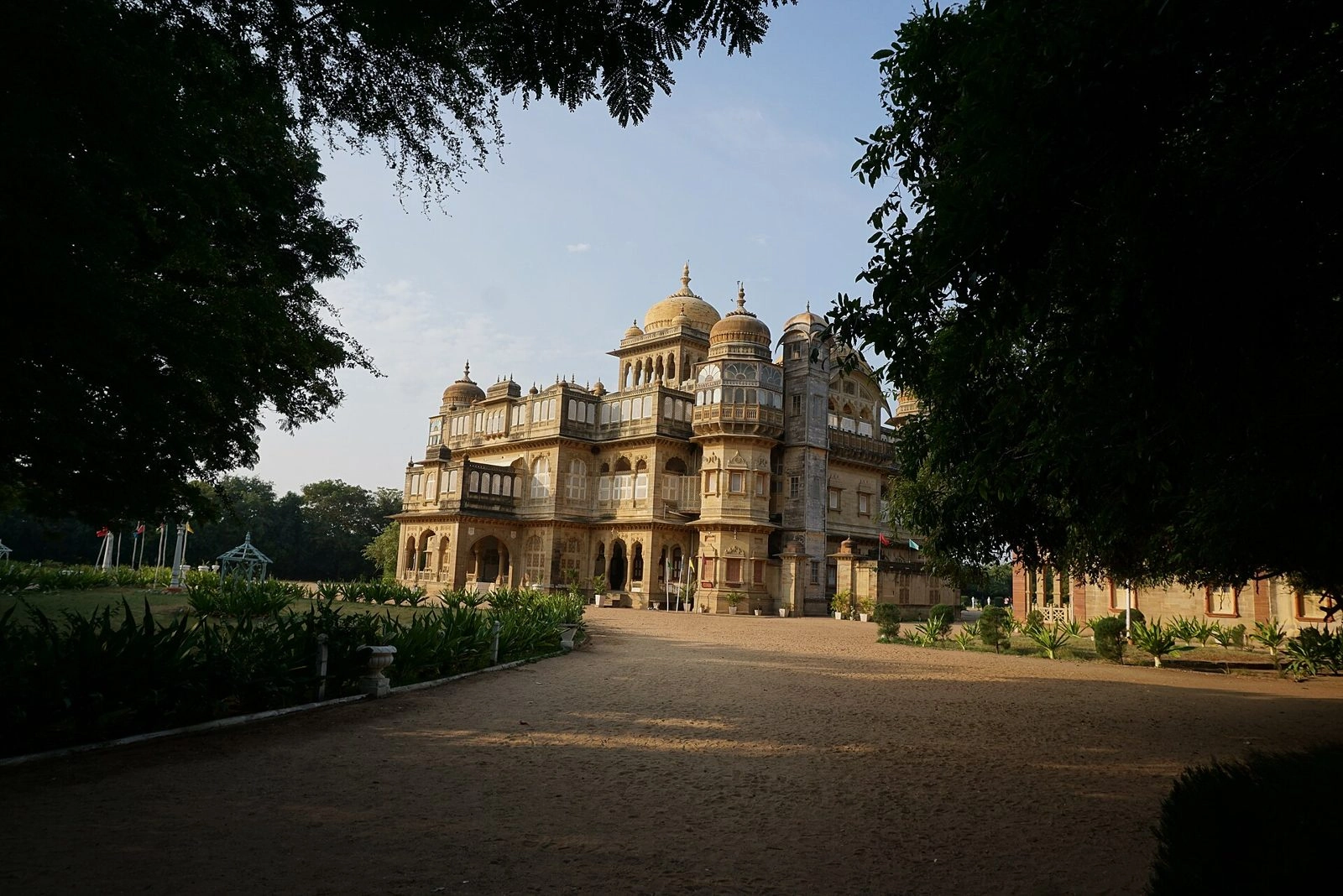
Mandvi, about 60 km south of Bhuj, makes an easy day trip or a relaxed overnight. Mandvi Beach is known for water sports, sunset views and the wind turbines along the shore. The red sandstone Vijay Vilas Palace, built in 1929 by Rao Vijayrajji, has domes, coloured glass windows and a rooftop with wide views, and it often appears in films. On the Rukmavati riverbank, the shipbuilding yard is where wooden dhows are still built by hand.
Lakhpat Fort
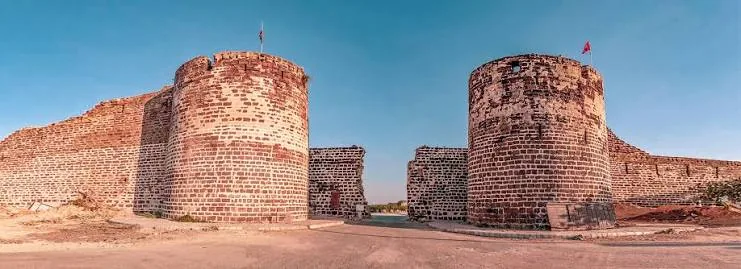
At the far north western corner of Kutch, Lakhpat was once a busy port. After the 1819 earthquake changed the course of the Indus, the trade dried up and the town emptied. Its 7 km of fort walls, built in 1801, are still largely intact. Inside are a gurudwara linked to Guru Nanak and the carved tomb of the Sufi saint Pir Ghaus Muhammad. It is about 135 km from Bhuj and pairs well with Narayan Sarovar and Koteshwar.
Birding in Banni and Chhari Dhand
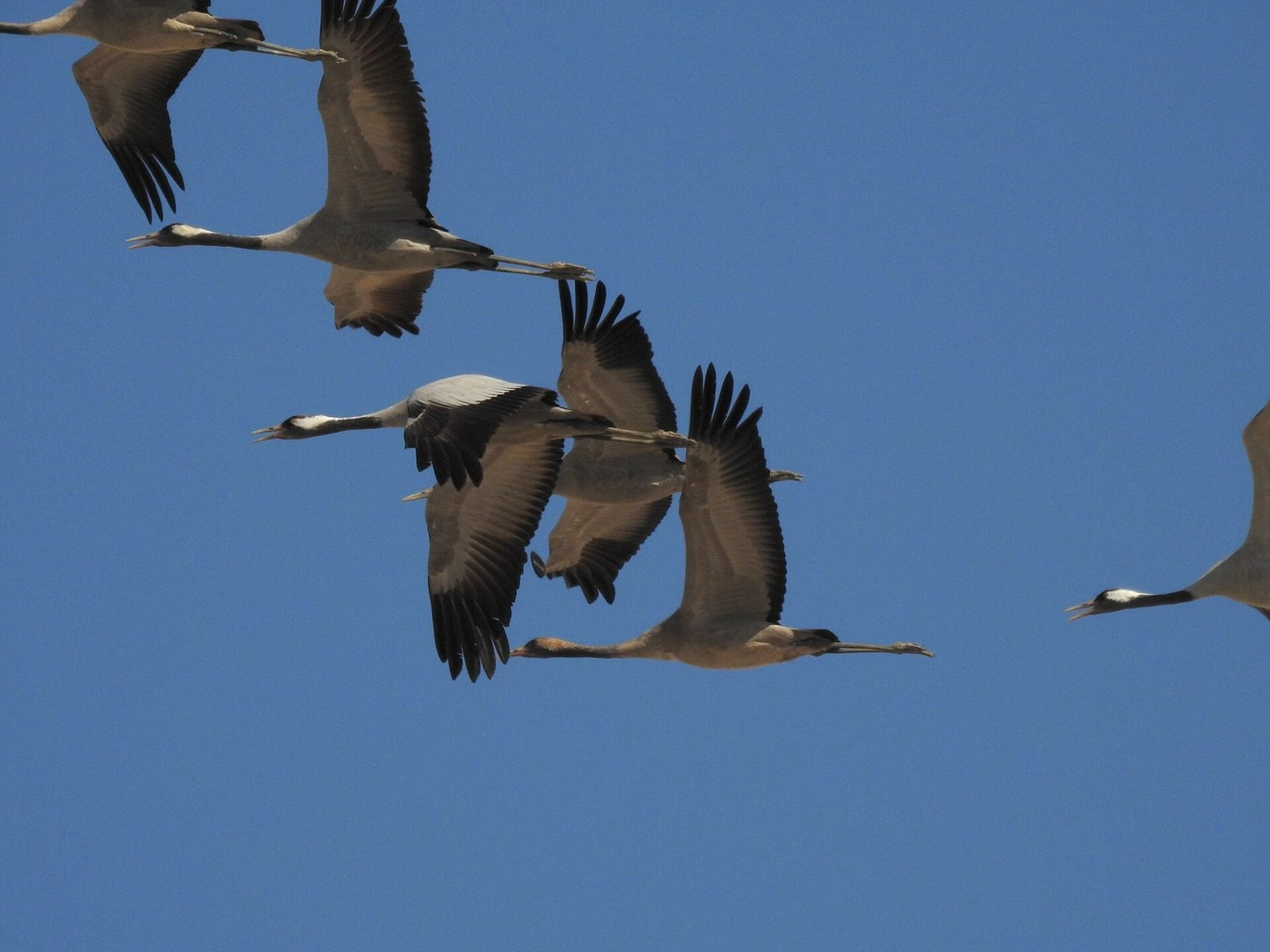
The Banni grasslands between Bhuj and the White Rann cover about 3,847 square kilometres. In years of good rain, their seasonal wetlands draw thousands of flamingos, common cranes, painted storks and spoonbills, with migrants present from August to March. The largest of these wetlands, Chhari Dhand, near Fulay village about 80 km from Bhuj, became a Ramsar site in January 2026, the first in Kutch. Around 283 bird species have been recorded in and around it. Water levels depend on the monsoon, so ask locally before you go, and arrive early in the morning.
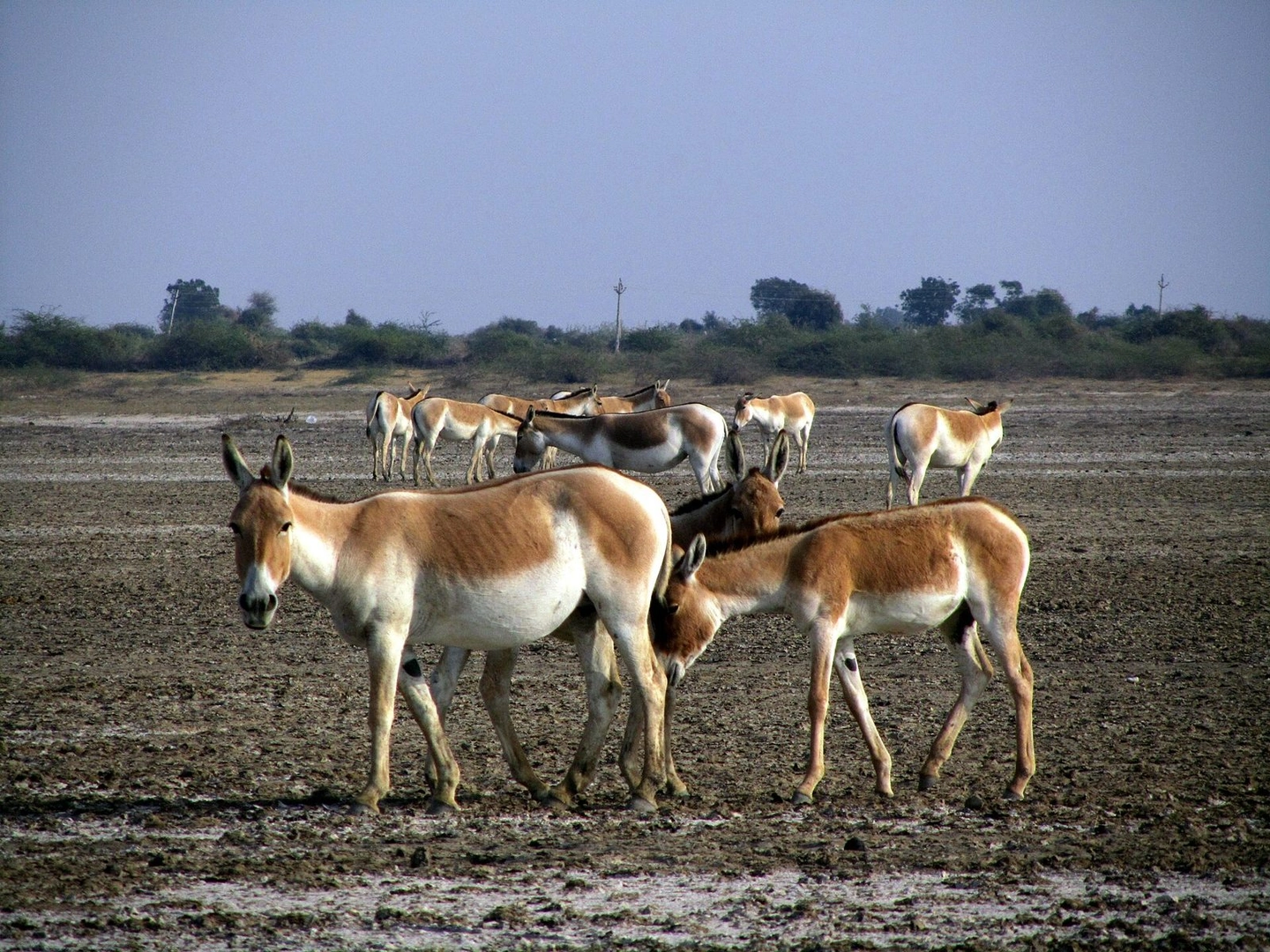
With extra days, add the Indian Wild Ass Sanctuary in the Little Rann, reached from Dasada. It lies to the east, so it fits best at the start or end of a trip from Ahmedabad.
How to reach Kutch
- By air: Bhuj airport has direct flights from Mumbai. Check current schedules with the airlines, as routes change by season.
- By rail: Bhuj railway station is the end of the line. The daily Kutch Express runs overnight from Mumbai's Bandra Terminus via Ahmedabad, and the Namo Bharat Rapid Rail connects Ahmedabad and Bhuj in about six hours on most days of the week.
- By road: Gujarat state buses and private coaches link Bhuj with Ahmedabad and other cities in Gujarat.
From Bhuj, Dhordo is about 85 km by road, Khavda about 70 km, Mandvi about 60 km, Lakhpat about 135 km and Dholavira about 220 km.
Getting around
Distances are long and public transport to the Rann and the villages is limited, so most travellers hire a car with a driver in Bhuj. Tent City packages include shared transfers and fixed sightseeing trips. Fill up on fuel and carry cash before heading north.
A suggested itinerary
Three days
- Day 1: Arrive in Bhuj. Visit Aina Mahal, Prag Mahal and the Kutch Museum, then catch sunset at Smritivan.
- Day 2: Bhujodi and Ajrakhpur in the morning, then drive north through Banni, collect your permit at Bhirandiyara and stop in Hodka. Sunset on the White Rann, and stay at Dhordo or Hodka.
- Day 3: Sunrise on the salt, then Kalo Dungar, Khavda and Ludiya before returning to Bhuj.
Four or five days
- Day 4: A day trip to Mandvi for Vijay Vilas Palace, the shipbuilding yard and sunset on the beach. Or visit Nirona and Chhari Dhand for crafts and birds.
- Day 5: Head west to Lakhpat, Narayan Sarovar and Koteshwar, or spend a long day at Dholavira and stay overnight near the site.
What to pack
- Warm layers, a jacket and a cap for nights on the salt, plus light cotton for the day
- Sunglasses, sunscreen and a hat, as the glare off the salt is strong
- Original photo ID for the permit and checkposts, with a printed or downloaded permit
- Cash for craft villages and small stalls, a torch and a refillable water bottle
What to eat
Kutchi food is simple and filling. Look for bajra rotla with garlic chutney, kadhi khichdi, fresh buttermilk and Bhirandiyara's mava. Mandvi is closely tied to dabeli, the spiced potato bun now found across India. Gujarat is a dry state, so alcohol is not served in ordinary restaurants.
Practical tips
- Book early for Christmas week, New Year and full moon dates, both at the Tent City and in Bhuj.
- Get your permit online a day or two before you go to skip the checkpost queue.
- Respect the border zone. Follow instructions at checkposts and do not photograph military or police posts.
- Check opening days. Smritivan's museum closes on Mondays, and timings at palaces and museums change, so confirm locally.
FAQ
When is the best time to visit Kutch?
November to February, when days are warm and dry, nights are cool and the White Rann is dry enough to walk on. December and January are the most comfortable.
What are the Rann Utsav dates this season?
The official Tent City website lists 1 November 2026 to 7 March 2027. Confirm on the official site before booking.
Do I need a permit for the White Rann?
Yes. Apply online at rannpermit.gujarat.gov.in or at the Bhirandiyara checkpost, and carry original ID. Check the current fee on the portal.
Can I visit the White Rann without staying at the Tent City?
Yes. With a permit you can visit for sunset or sunrise from Bhuj or from homestays in Banni villages such as Hodka.
Is the full moon the best time for the White Rann?
It is the most popular time, when the salt glows under the moon. The nights around the new moon are better for stars and quieter.
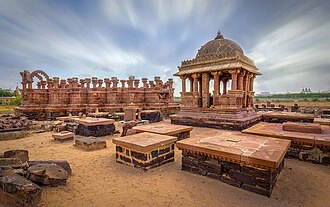
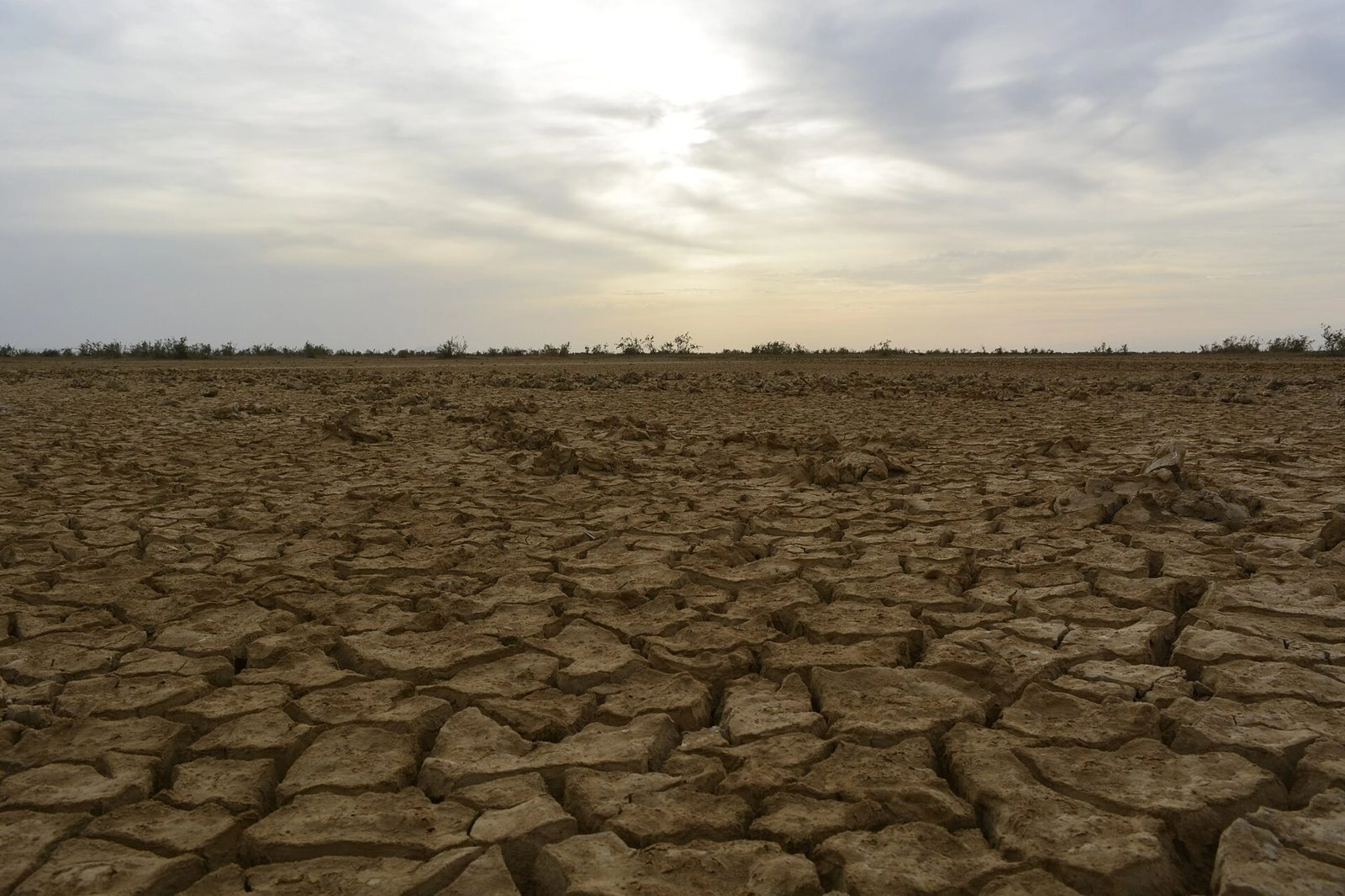
Cover photo: The salt desert of the Rann of Kutch near Dholavira. Photo: Prof Ranga Sai, CC BY-SA 4.0, via Wikimedia Commons
Have a travel story to share? Write for us