Places to Visit in Kottayam
Top attractions and must-see spots in Kottayam
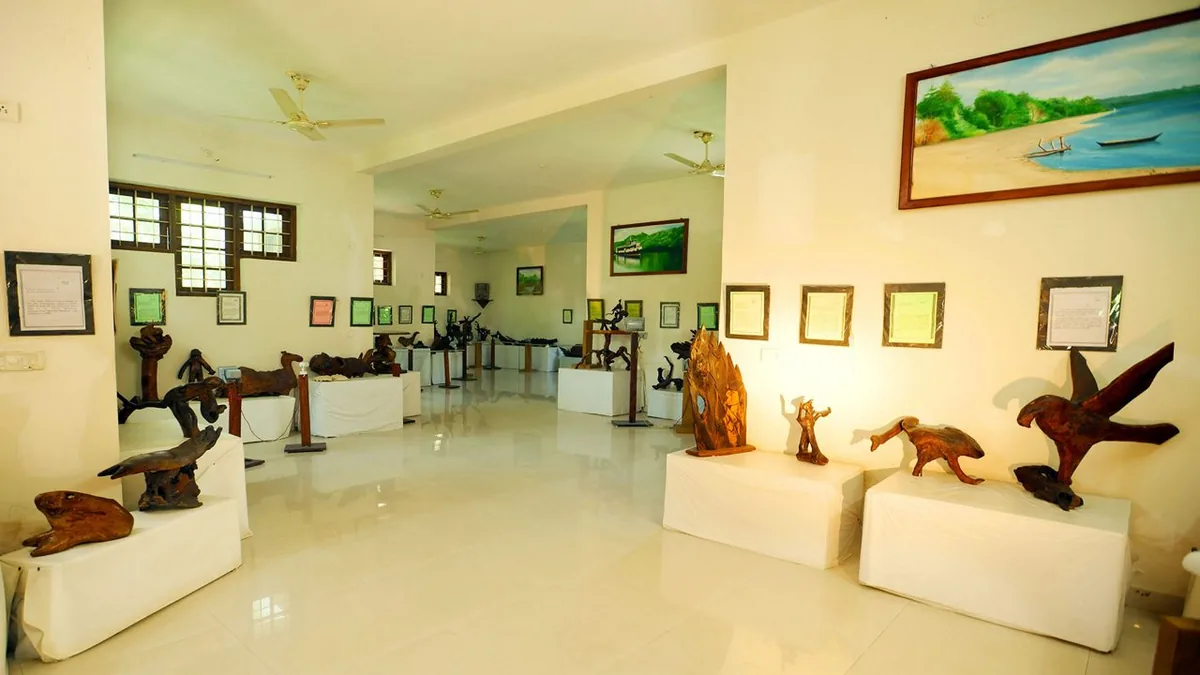
Bay Island Driftwood Museum
A one of a kind museum of fossilised driftwood sculptures near Kumarakom, curated by a single collector.
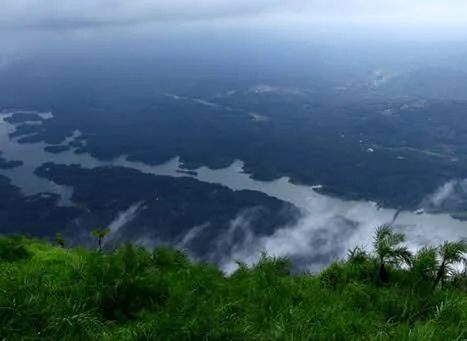
Elaveezha Poonchira
A cluster of grassy hillocks and a valley pool near Melukavu, linked in legend to the Mahabharata.
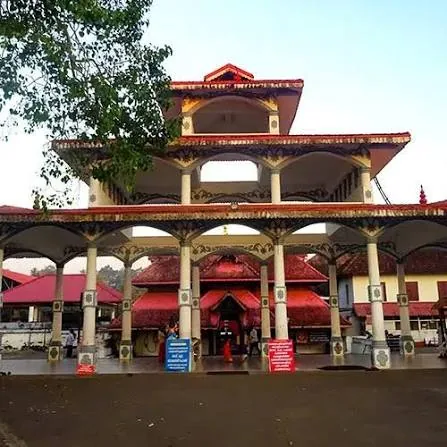
Ettumanoor Mahadeva Temple
A 16th century Shiva temple famed for its Nataraja mural and seven and a half golden elephant statues.
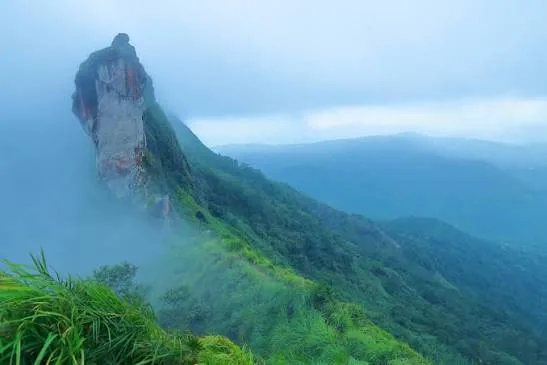
Illikkal Kallu
A split rock formation in the Western Ghats offering wide views, reached by trekking from Vagamon's edge.
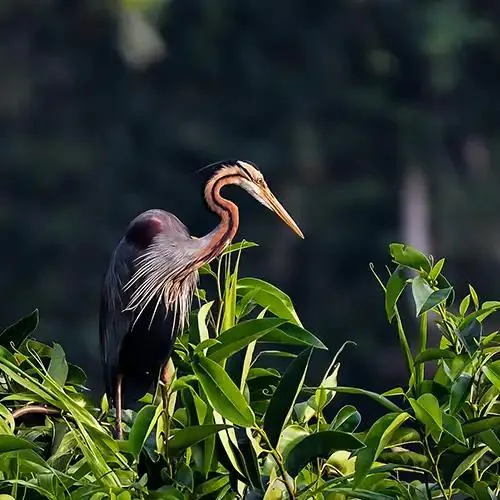
Kumarakom Bird Sanctuary
A 14 acre bird sanctuary on Vembanad Lake, home to migratory storks, herons, and local waterfowl.
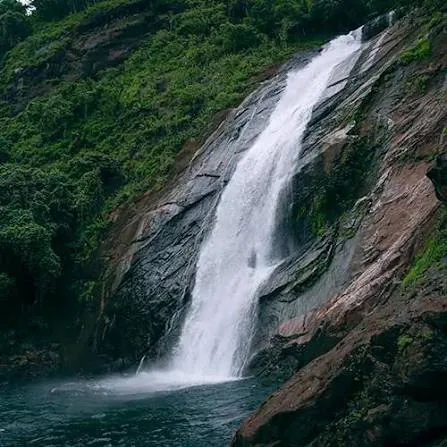
Marmala Waterfall
A forested waterfall near Teekoy reached by a rocky trail, among the taller falls in the Kottayam hills.
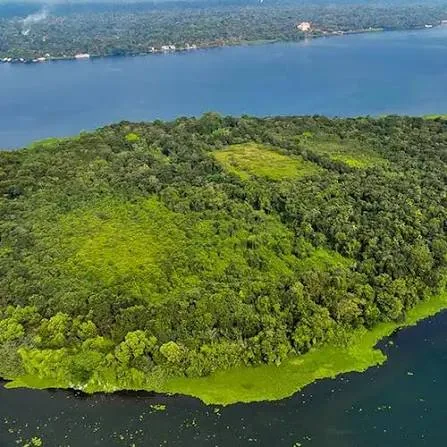
Pathiramanal Island
A small island in Vembanad Lake reachable only by boat, known for migratory birds and quiet backwater scenery.
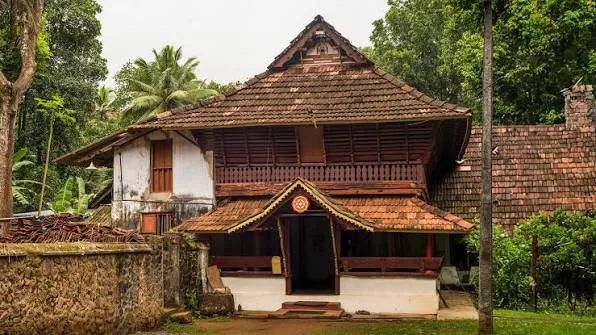
Poonjar Palace
A 600 year old wooden palace of the Poonjar Rajas, with a replica Meenakshi temple and royal antiques.
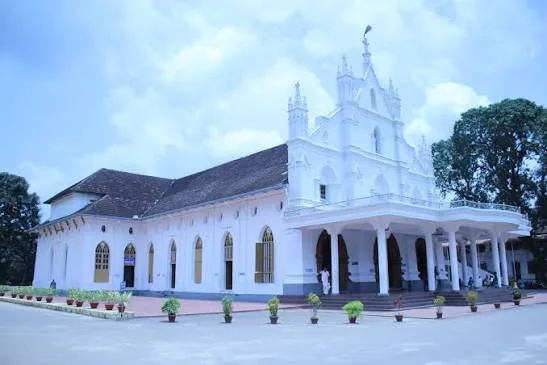
St. Mary's Church Bharananganam (St. Alphonsa Shrine)
The 1,000 year old church holding the tomb of St. Alphonsa, India's first canonised woman saint.
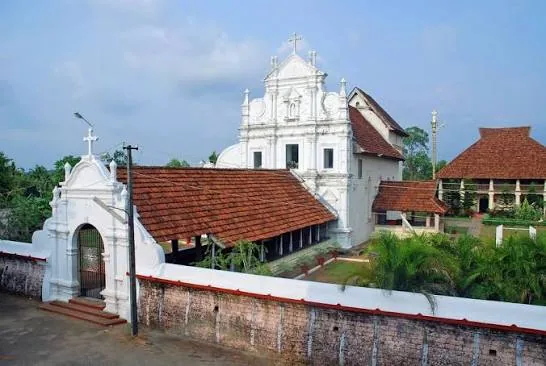
St. Mary's Orthodox Church (Cheriapally)
A 1579 Portuguese built church blending temple style architecture with painted scenes from the life of Christ.
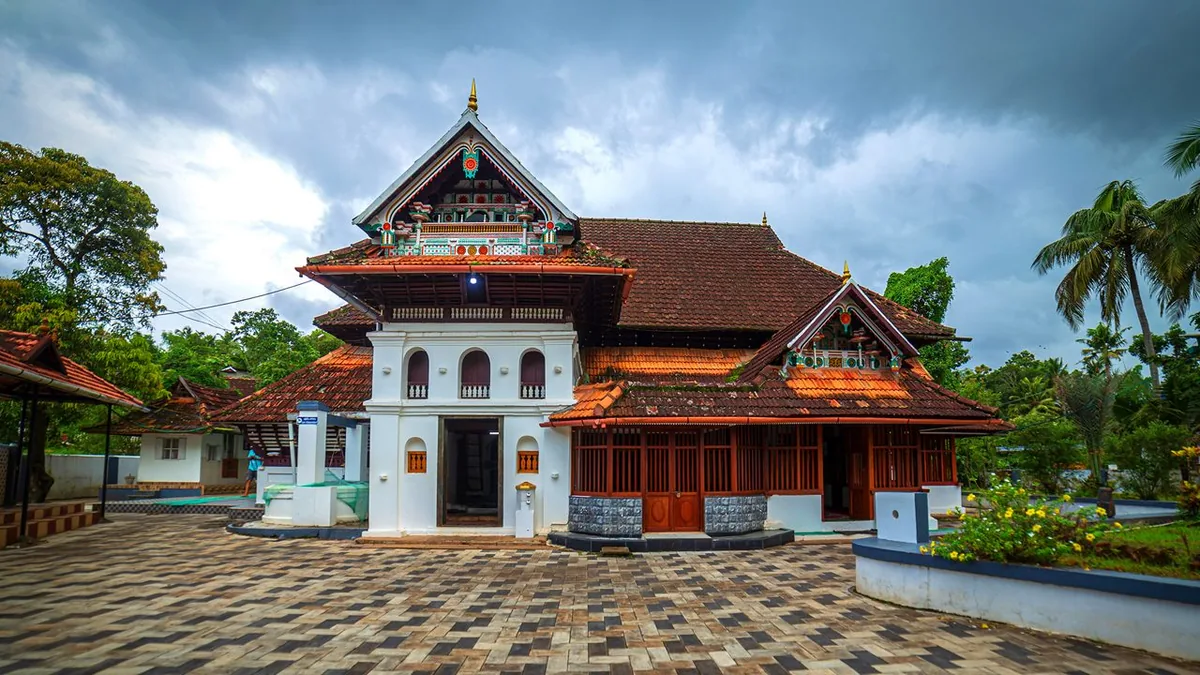
Thazhathangadi Juma Masjid
A 1,000 year old wooden mosque on the Meenachil river, built without domes in traditional Kerala style.
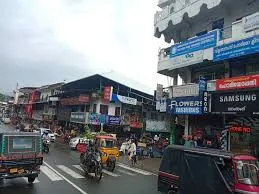
Thazhathangadi Old Trade Quarter and KK Road Markets
Kottayam town's traditional shopping strip for Kerala silk sarees, gold jewellery, and antique curios.
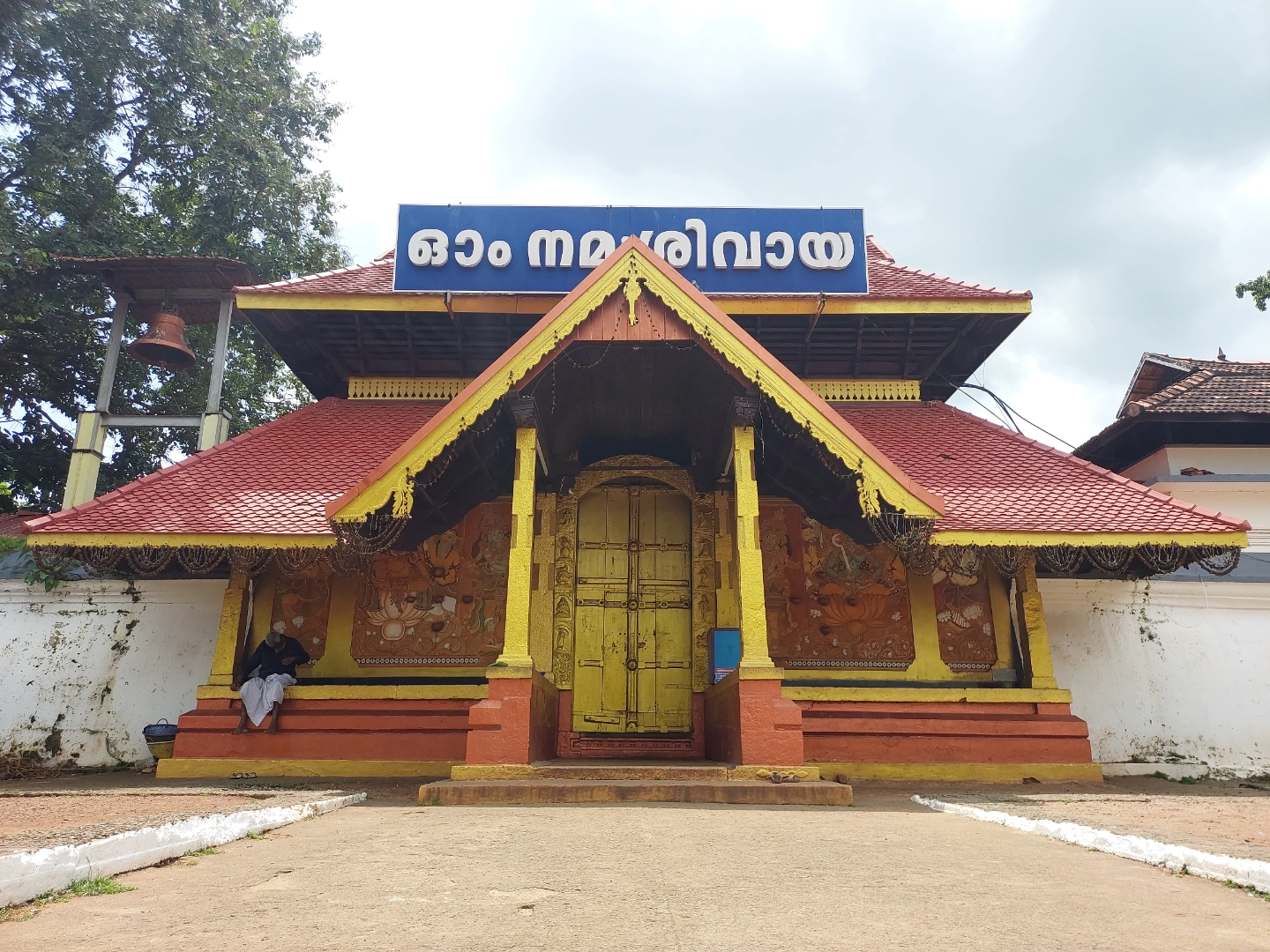
Thirunakkara Mahadeva Temple
Thirunakkara Mahadeva Temple is a historic Hindu temple dedicated to Lord Shiva, located in the heart of Kottayam city in Kerala. Built in the 16th century by the rulers of the Thekkumkur kingdom, the temple is known for its traditional Kerala-style architecture, mural paintings, and the famous Thirunakkara Festival, which features colorful processions, temple rituals, and cultural performances.
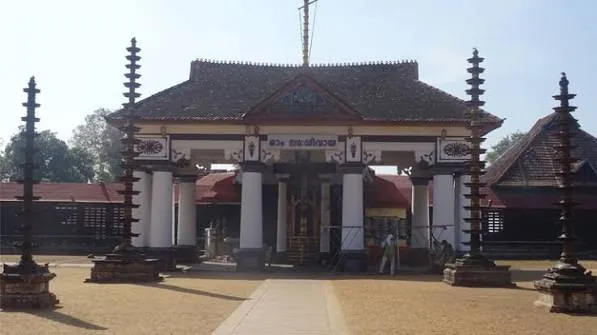
Vaikom Mahadeva Temple
One of Kerala's 108 ancient Shiva temples, forming a sacred trio with Ettumanoor and Kaduthuruthy.
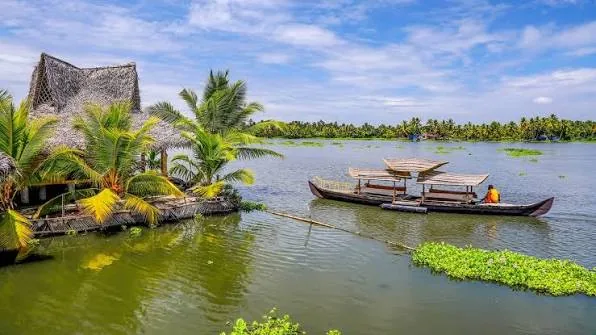
Vembanad Lake and Kumarakom Backwaters
Kerala's largest lake, laced with canals, paddy fields, and houseboats around Kumarakom village.
No places found for ""
Try a different search term or switch to All.
No places match your current filter
Try a different search term or switch to All.