Places to Visit in Hampi
Top attractions and must-see spots in Hampi
Cultural
5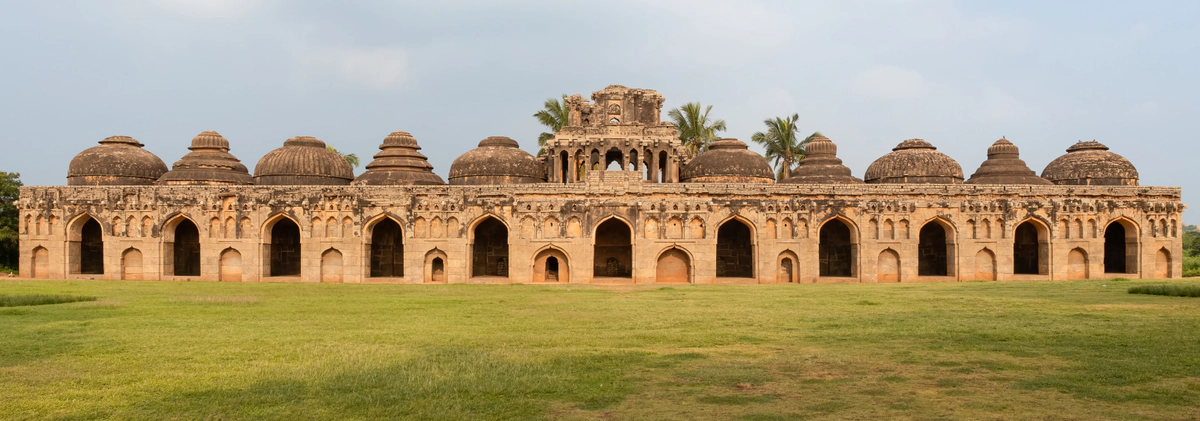 Must Visit
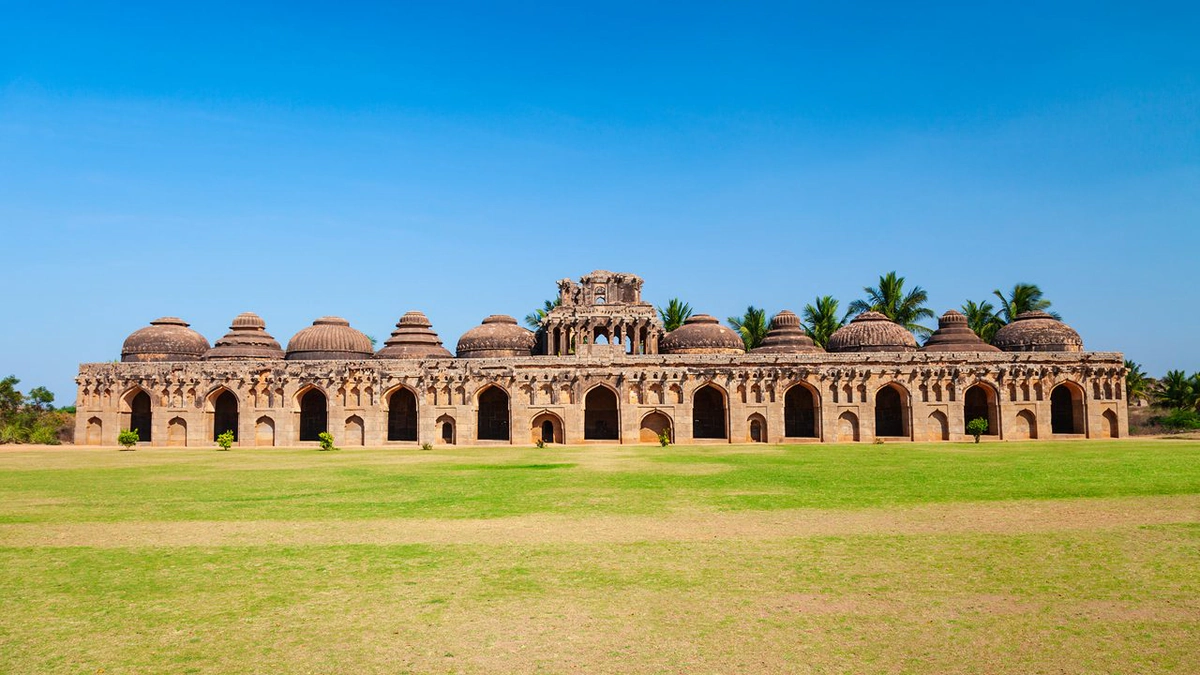
Elephant Stables
A grand structure with 11 domed chambers that once housed the royal elephants of the Vijayanagara Empire.
 Must Visit
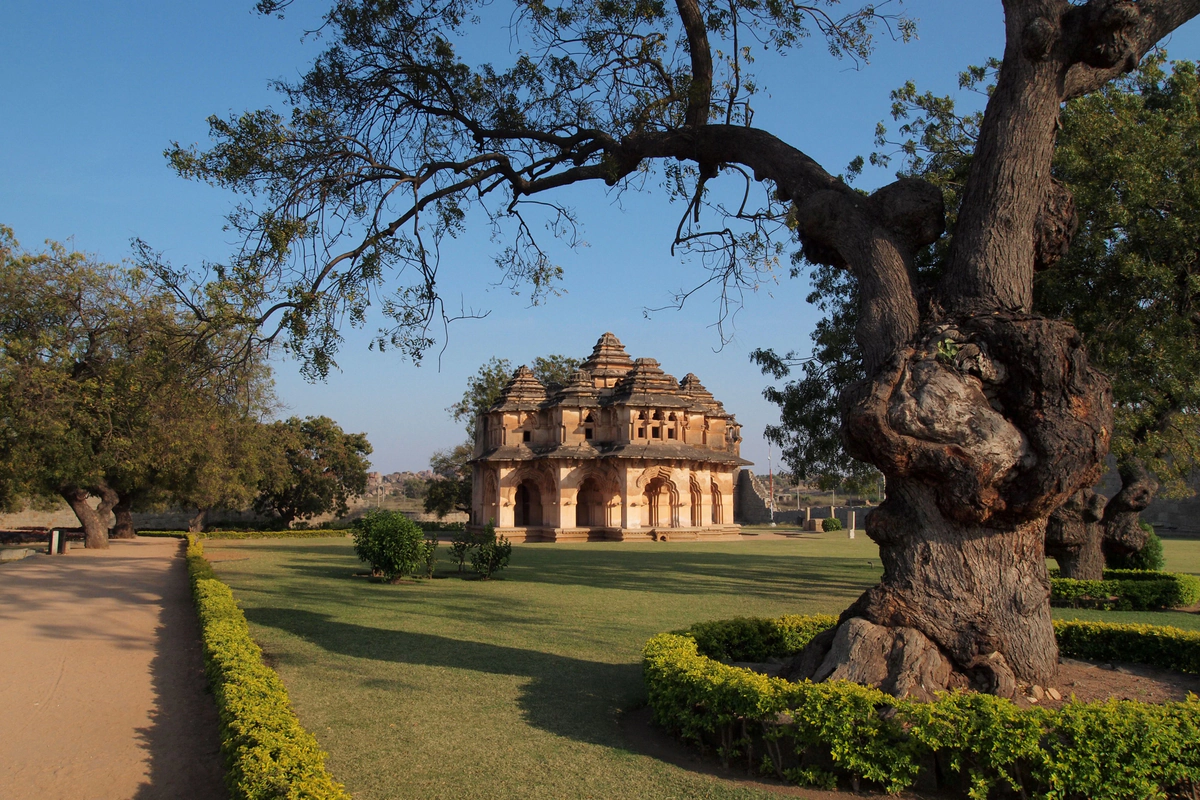
Lotus Mahal
An exquisite example of Indo-Islamic architecture, believed to have been a royal retreat for queens.
 Must Visit
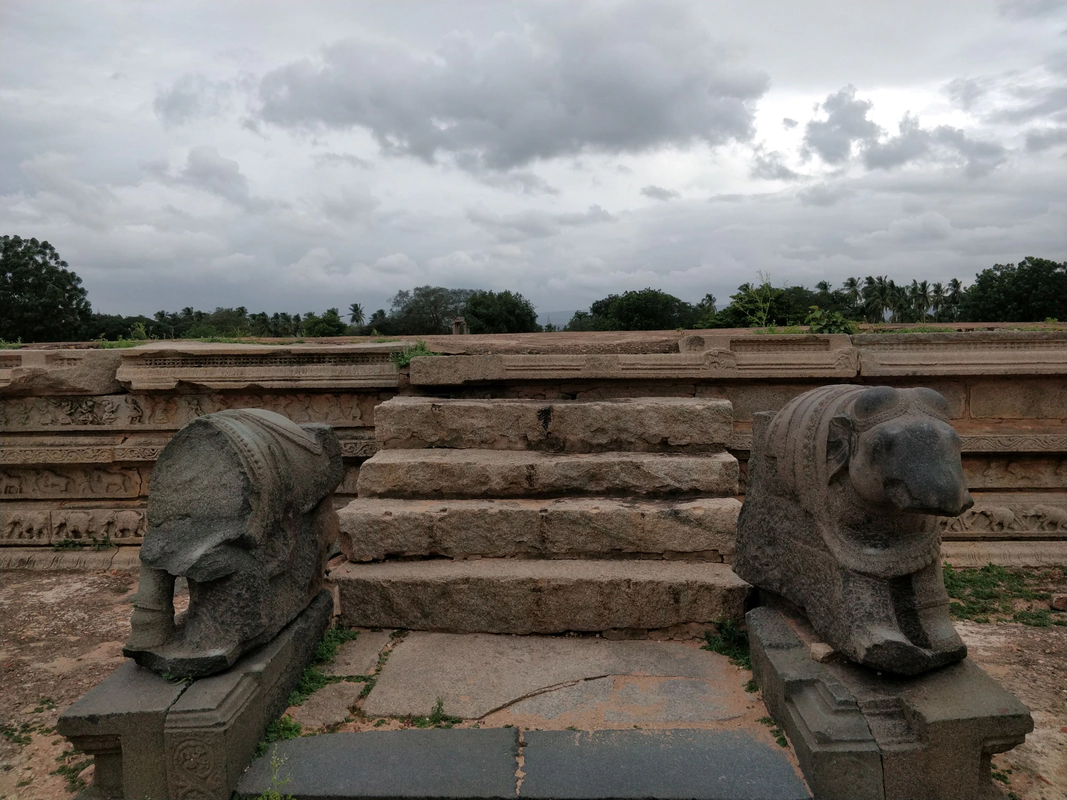
Royal Enclosure
A large fortified area that was the heart of the Vijayanagara capital, containing palaces and administrative buildings.
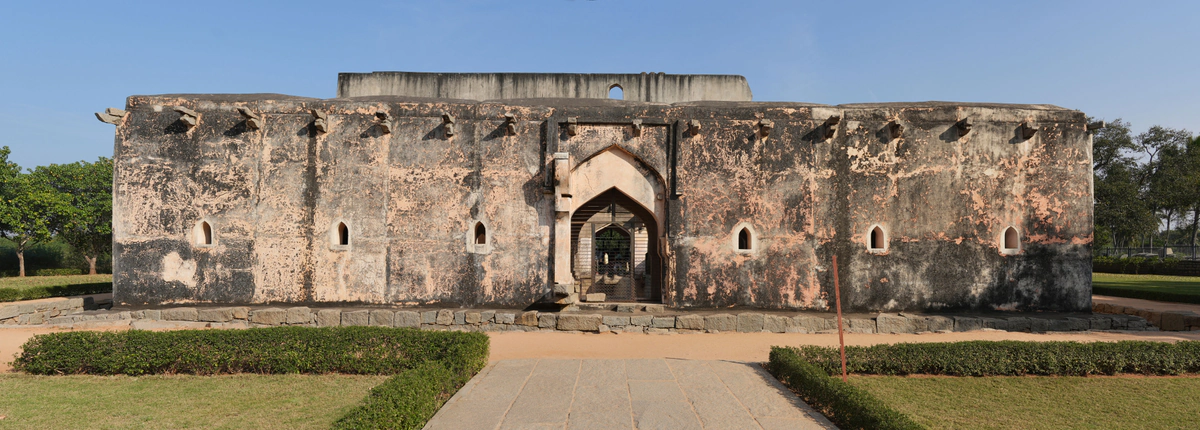
Queen's Bath
An elegant royal bathing complex for queens, featuring a central pool with beautiful Indo-Islamic architecture.
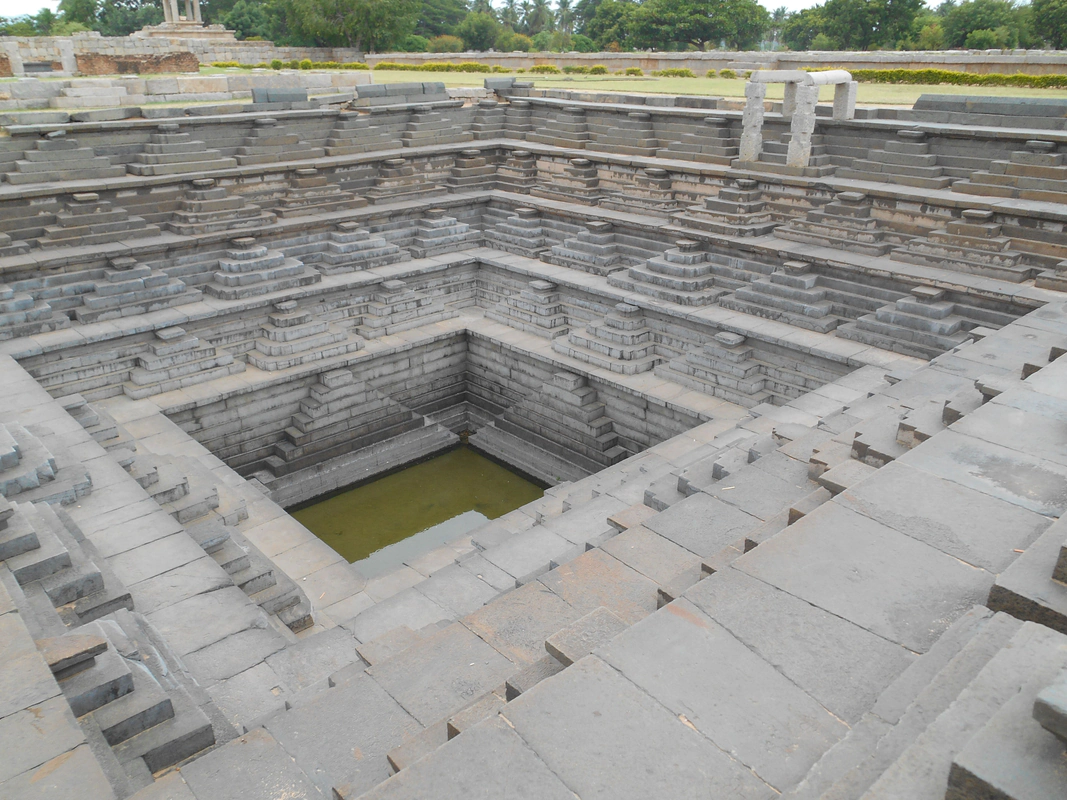
Stepped Tank
A beautifully preserved stepped water tank used for religious ceremonies, showcasing exceptional engineering precision.
Landmarks
2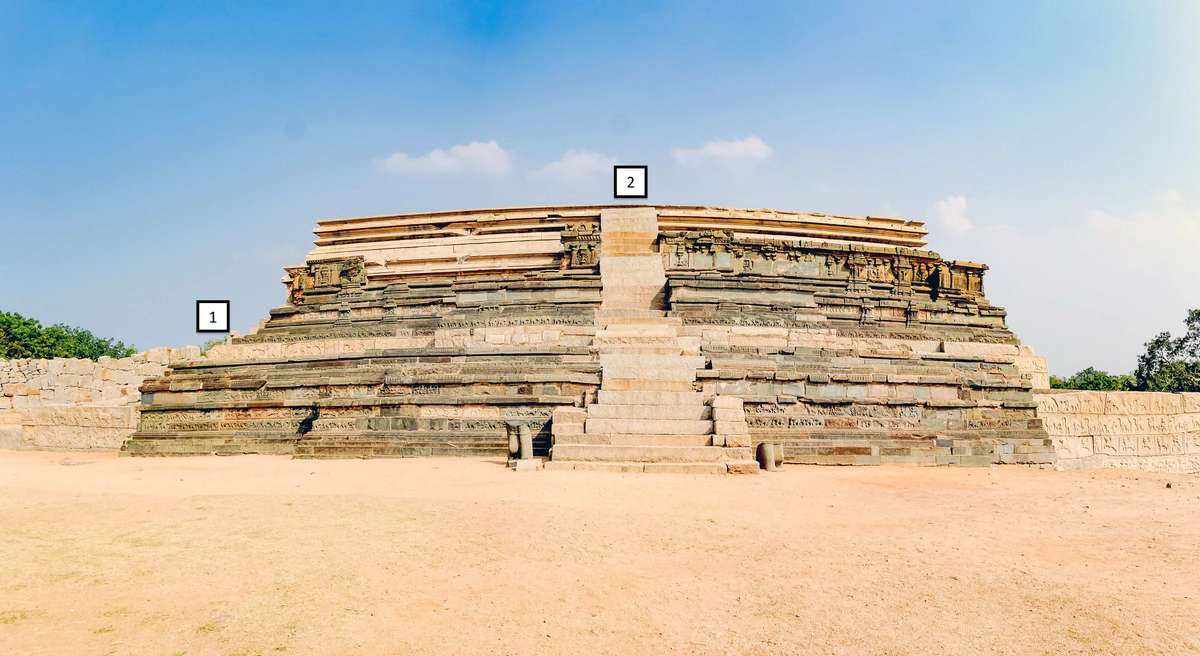
Mahanavami Dibba (King's Platform)
Standing as the tallest structure in the Royal Enclosure, the Mahanavami Dibba is a massive three-layered stone platform. Built by King Krishnadevaraya to commemorate his victory over Orissa, it served as a grand stage for the ten-day Mahanavami festival. The exterior walls are adorned with intricate bas-reliefs depicting elephants, horses, dancers, and scenes of royal processions. Climbing to the top provides a panoramic view of the surrounding ruins, showcasing the sheer scale of ancient imperial celebrations.
Zenana Enclosure
The Zenana Enclosure was a secluded, fortified area dedicated to the royal women of the Vijayanagara Empire. This sprawling complex is a prime example of Indo-Islamic architecture, featuring high masonry walls and watchtowers. The most famous structure within its bounds is the Lotus Mahal, a beautiful two-story pavilion known for its symmetrical arches and lotus-like dome. Surrounded by lush gardens, the enclosure offers a glimpse into the private, regal lifestyle of the queens and their attendants.
Scenic Spots
5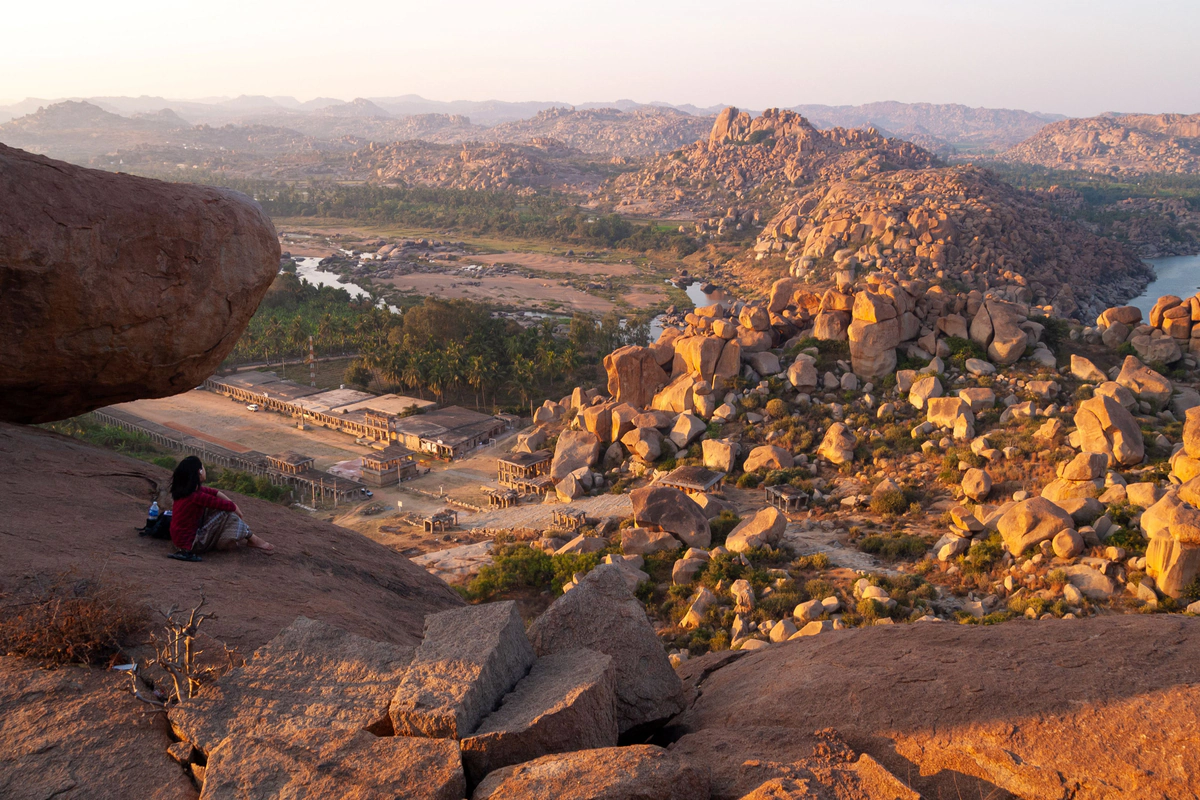 Must Visit
Matanga Hill
The highest point in Hampi offering spectacular panoramic views, popular for sunrise and sunset treks.
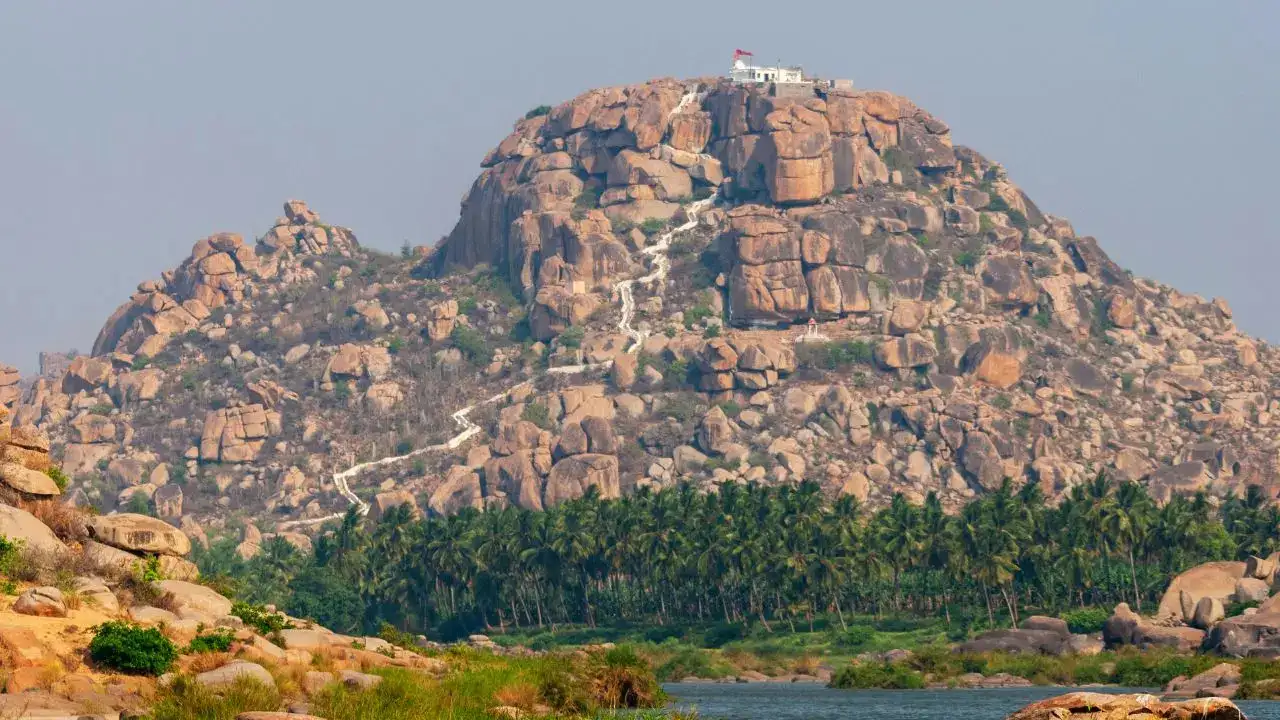
Anjaneya Hill Viewpoint (Virupapuragadda)
Believed to be the birthplace of Lord Hanuman, Anjaneya Hill is topped by a whitewashed temple accessible via a climb of about 575 steps. The viewpoint at the summit offers the most breathtaking panoramic view of Hampi’s entire landscape, including the winding Tungabhadra River and endless stretches of paddy fields. It is a spiritual and photographic hotspot, especially during sunrise and sunset. The vantage point from Virupapuragadda provides a sense of the scale and geography that defined this ancient capital.
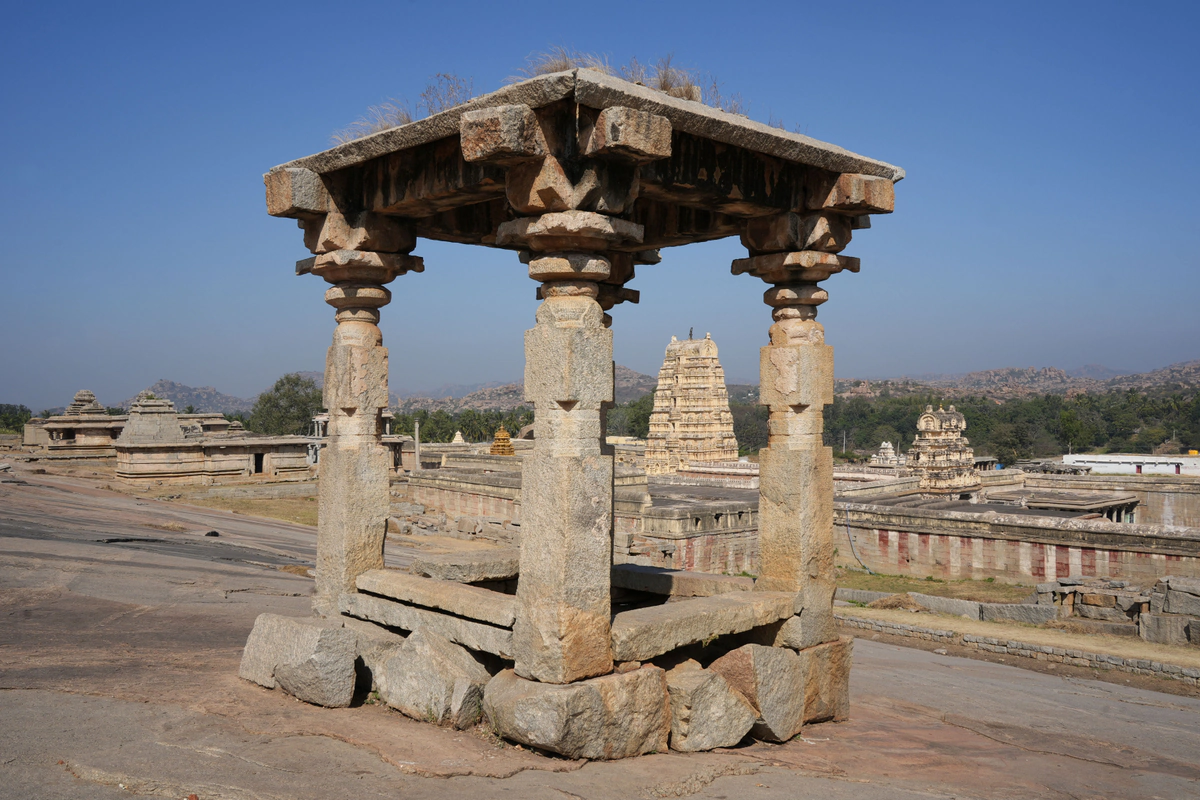
Hemakuta Hill
Hill dotted with ancient temples offering stunning sunset views and insights into pre-Vijayanagara architecture.
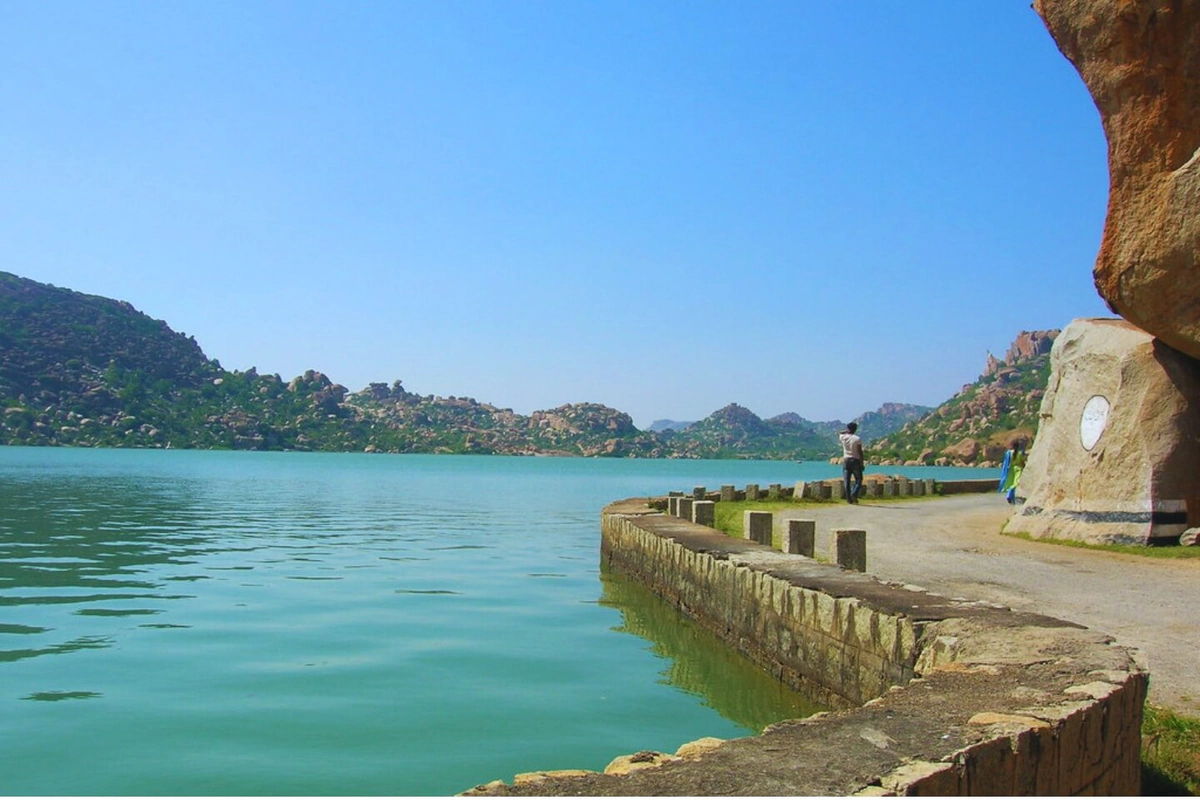
Sanapur Lake (Hippie Island side)
Sanapur Lake is a tranquil reservoir located on the "Hippie Island" side of the river, known for its sapphire blue waters and surrounding rock formations. It is a popular spot for cliff jumping, swimming, and relaxing away from the temple trails. The lake offers a peaceful vibe that contrasts with the historical intensity of Hampi’s ruins. Whether you are taking a coracle ride across the still water or watching the sunset over the boulders, Sanapur Lake is the ultimate destination for nature lovers.
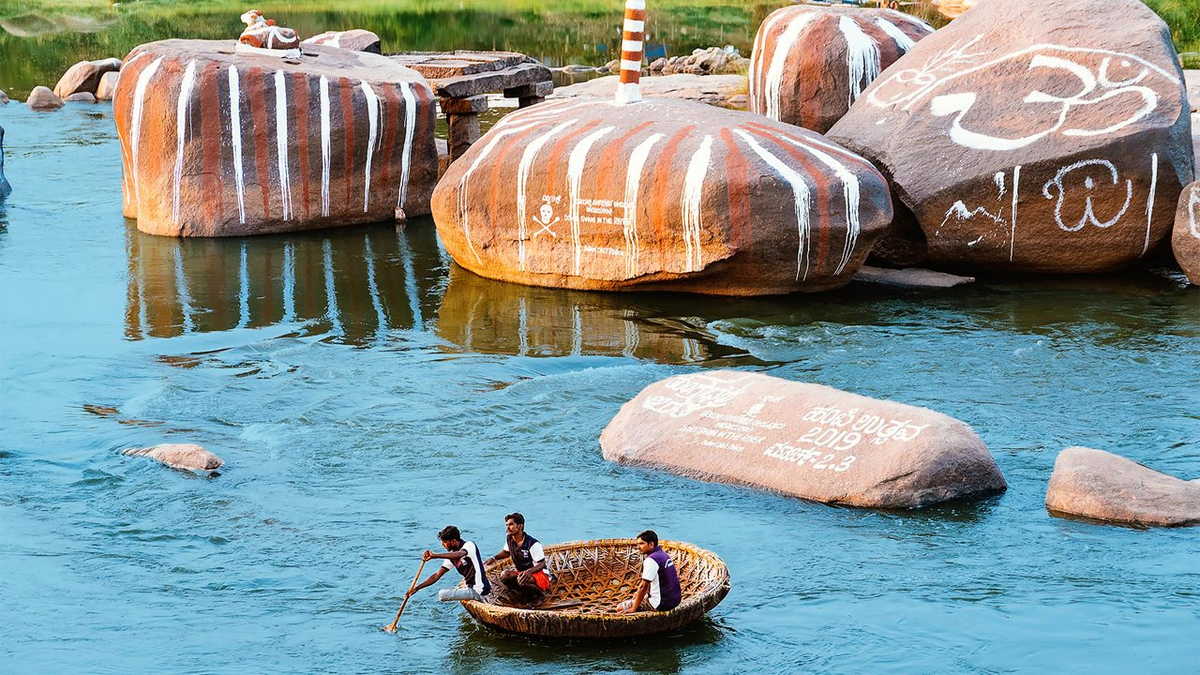
Tungabhadra Coracle Ride
A Tungabhadra Coracle Ride offers a quintessentially Hampi experience, allowing travelers to navigate the river in traditional circular reed boats. As you drift past massive granite boulders and ancient riverside shrines, you get a unique perspective of the ruins that isn't possible from land. The skilled boatmen often spin the coracles, adding a touch of thrill to the journey. It is an essential activity for those looking to capture the rugged, timeless landscape of the Vijayanagara Empire from the water.
Shopping
7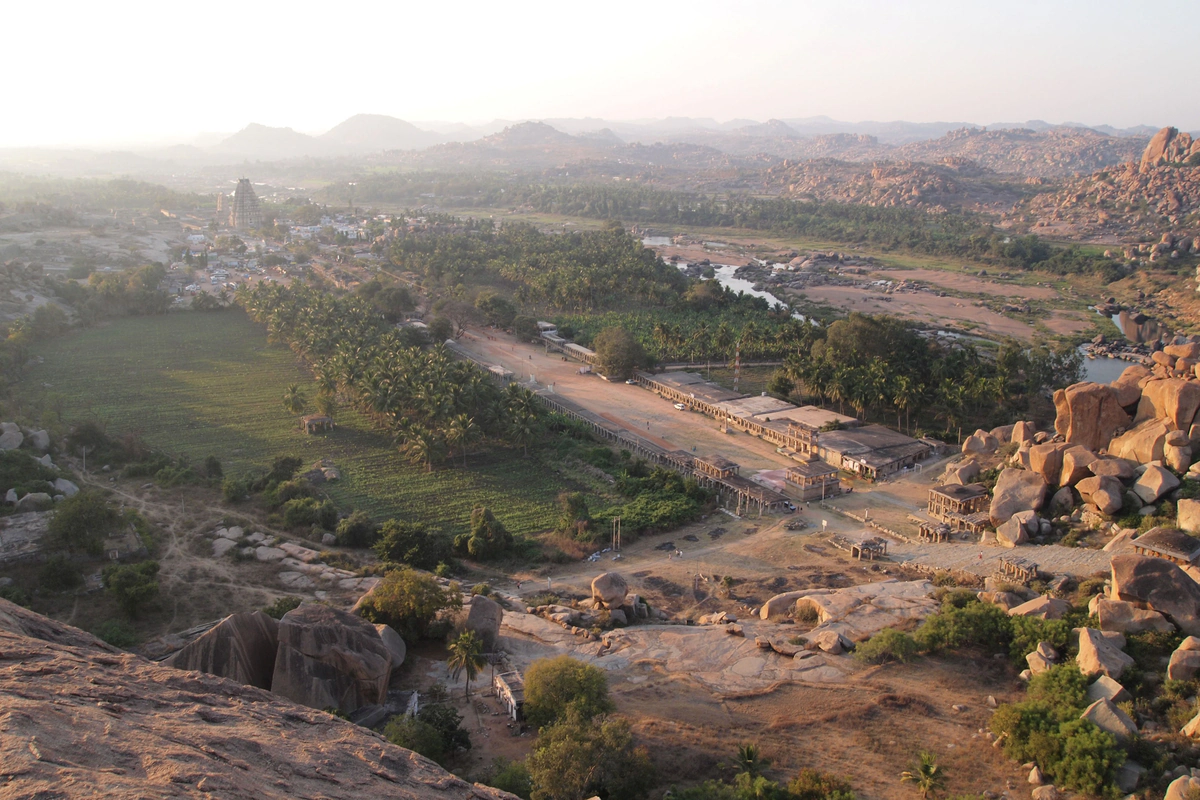
Hampi Bazaar
A historic 1-kilometer market street that was once a bustling commercial center of the Vijayanagara Empire.
Hampi Hippie Island Flea Market (Virupapuragadda)
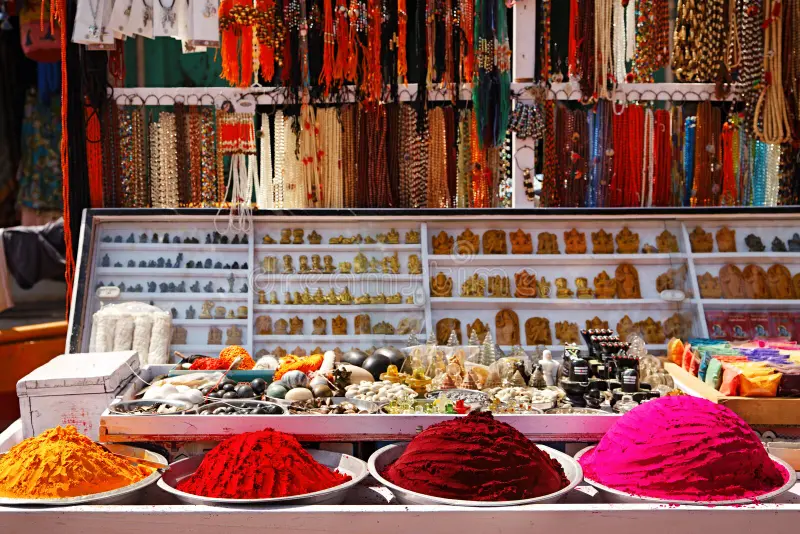
Across the river in Virupapuragadda, the Hippie Island Flea Market offers a bohemian shopping experience unique to Hampi's backpacker culture. This market is famous for its eclectic collection of psychedelic clothing, leather journals, and handmade dreamcatchers. Shoppers can find unique silver jewelry, harem pants, and musical instruments like flutes and drums. The laid-back vibe and the variety of unconventional items make it a favorite destination for those looking to take home a piece of Hampi’s modern, free-spirited identity.
Hosapete Market
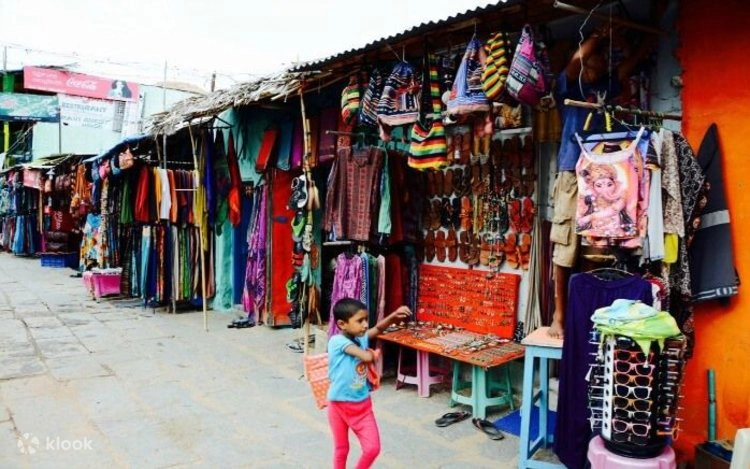
As the major gateway city to Hampi, Hosapete Market provides a more extensive and diverse shopping experience. This sprawling commercial center is known for its high-quality Mysore silk sarees, hand-loomed textiles, and traditional jewelry. Beyond fashion, the market is a treasure trove for authentic Sandalwood products and local handicrafts sourced from across Karnataka. Whether you are looking for high-end ethnic wear or wholesale spices, Hosapete offers a comprehensive selection that bridges the gap between traditional village crafts and modern retail convenience.
Kamalapura Market
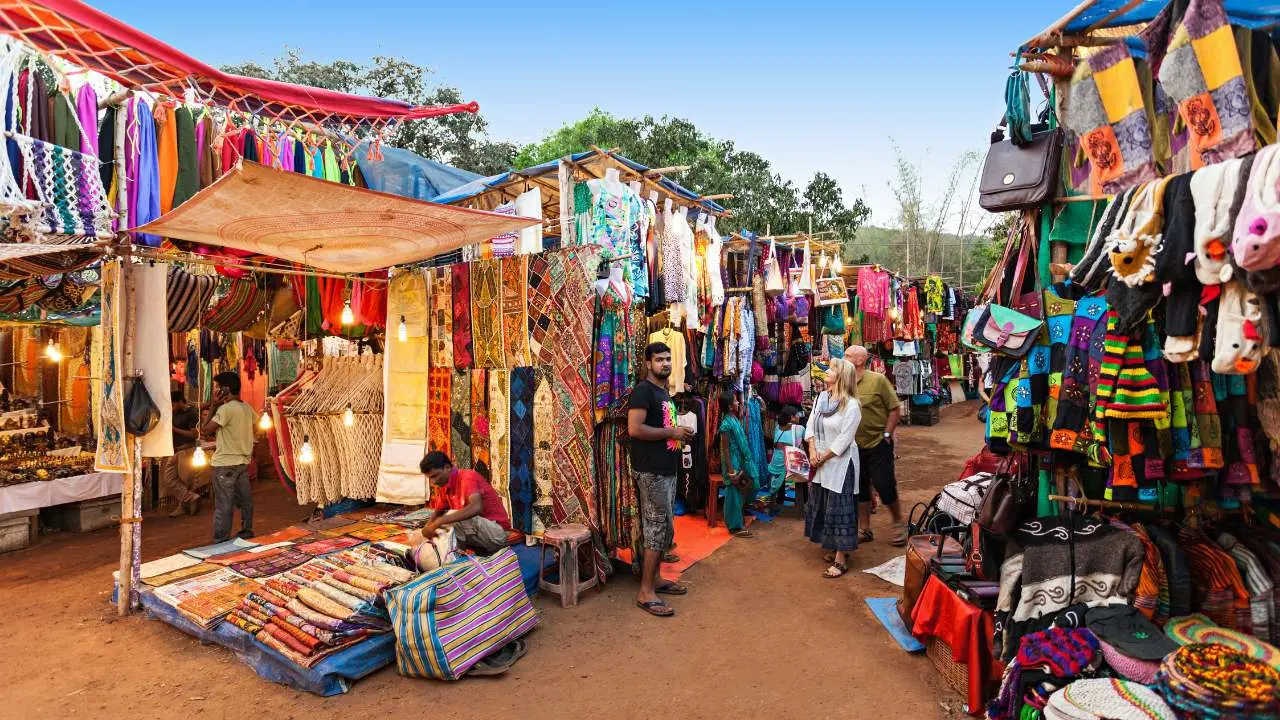
Located just outside the main ruins, Kamalapura Market serves as the primary commercial hub for locals and travelers alike. This bustling marketplace is the best spot to find everyday essentials, fresh tropical fruits, and authentic Karnataka spices. Visitors can immerse themselves in the local culture while browsing through stalls selling traditional household items and handmade clay pottery. It offers a grounded, authentic shopping experience that reflects the contemporary lifestyle of the people living amidst the shadows of the Vijayanagara Empire’s remains.
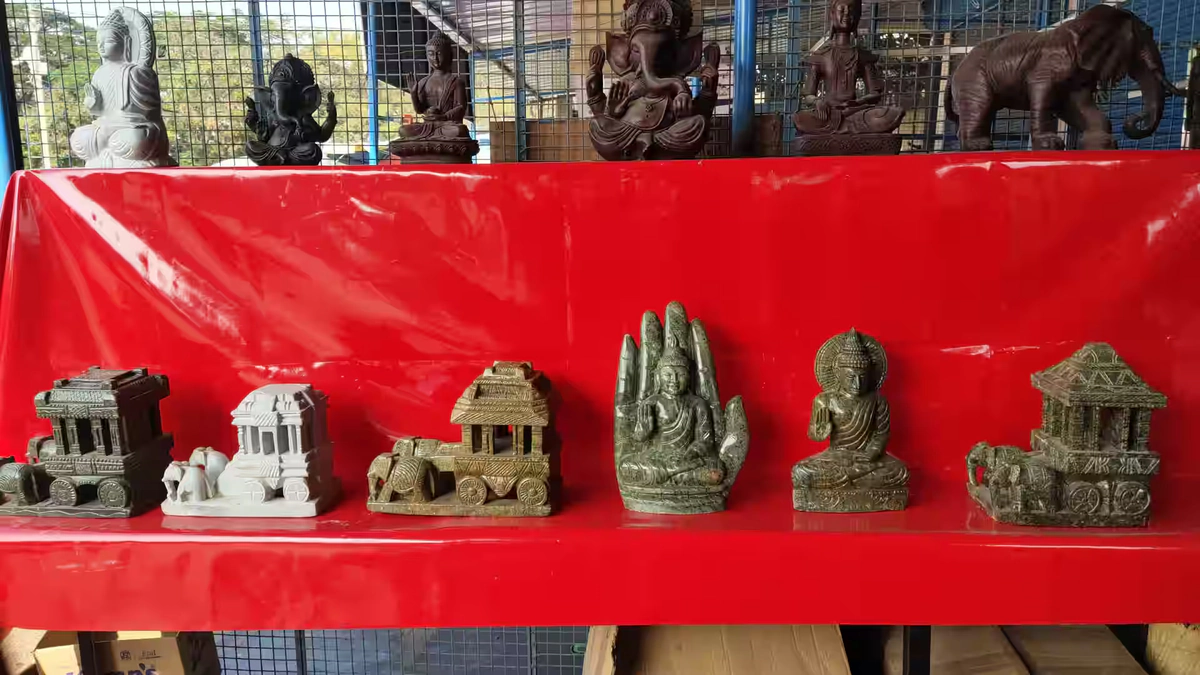
Stone Craft Shops near Vittala Road
The Stone Craft Shops along the path to the Vittala Temple showcase the enduring legacy of Hampi’s master sculptors. Local artisans continue centuries-old traditions, hand-carving miniature replicas of the famous Stone Chariot and various Hindu deities from granite and soapstone. These workshops offer a fascinating look at the craftsmanship required to create Hampi's architectural marvels. Purchasing a detailed stone carving here supports the local artisan community and provides a timeless, durable memento of the city’s incredible artistic heritage.
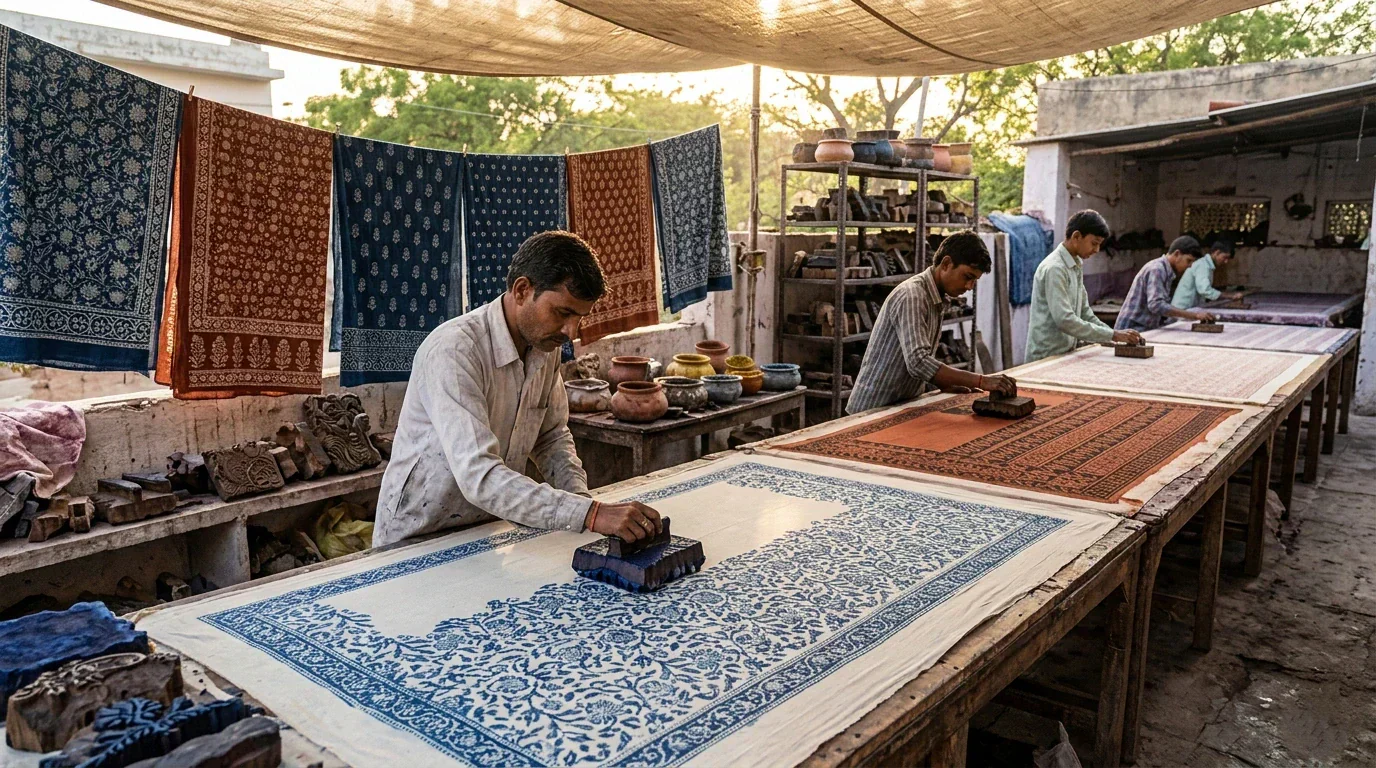
Tie-Dye and Block Print Shops
Hampi’s Tie-Dye and Block Print Shops are a haven for textile lovers seeking vibrant, handcrafted apparel. These boutiques feature a stunning range of fabrics adorned with traditional Indian motifs, intricate mandala designs, and bold geometric patterns. From flowing kaftans and scarves to cushion covers and wall hangings, the craftsmanship involved in these hand-dyed pieces is evident in every thread. These shops are perfect for finding lightweight, breathable clothing that is both stylish and practical for exploring the sun-drenched ruins of the Deccan Plateau.
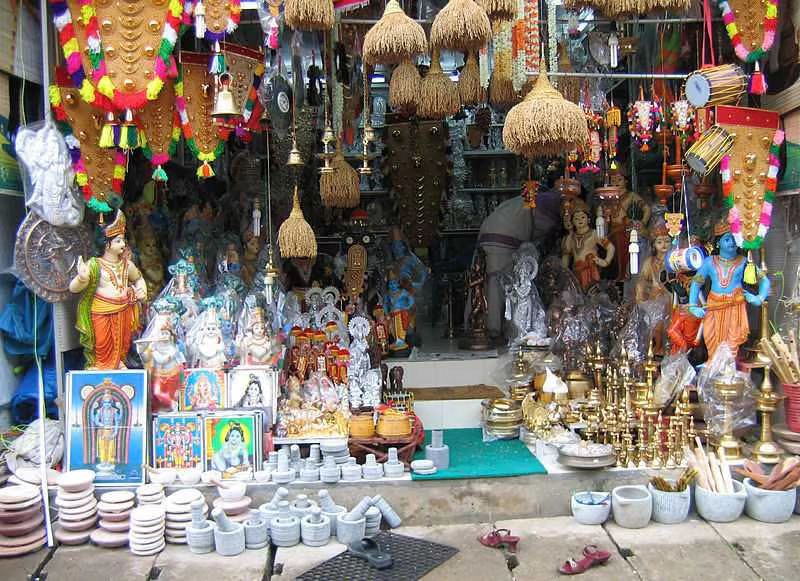
Virupaksha Temple Street Stalls
The vibrant lane leading to the ancient Virupaksha Temple is lined with colorful street stalls that capture the spiritual essence of Hampi. These shops specialize in religious artifacts, brass idols, and intricately carved stone souvenirs. Travelers can find a wide array of beaded jewelry, embroidered bags, and traditional trinkets perfect for gifting. The lively atmosphere, filled with the aroma of incense and the chatter of pilgrims, makes shopping here a sensory delight and a quintessential part of any heritage walk through the city.
Temple
14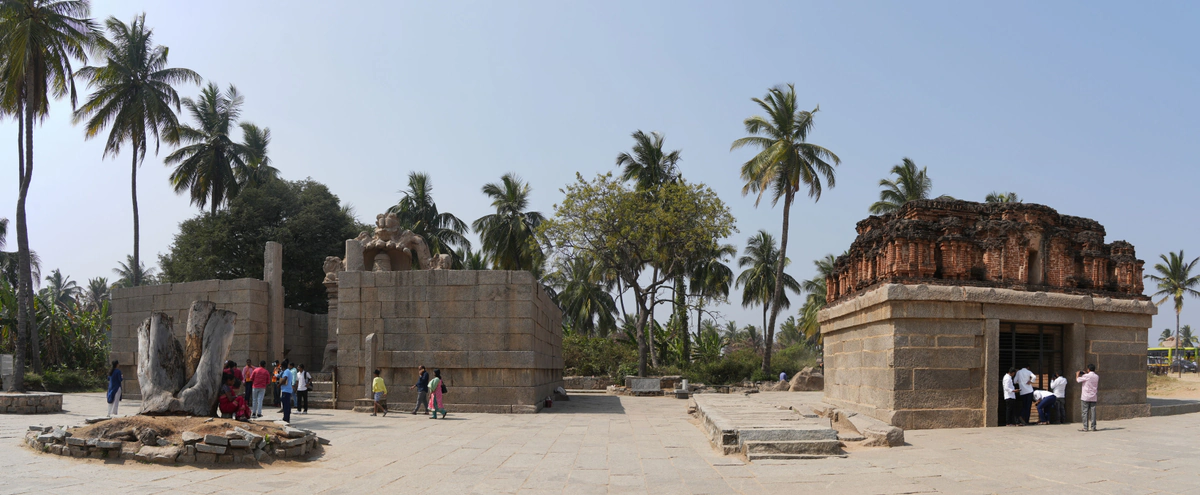 Must Visit
Lakshmi Narasimha Temple
Home to the largest monolithic statue in Hampi, depicting Lord Narasimha carved from a single stone.
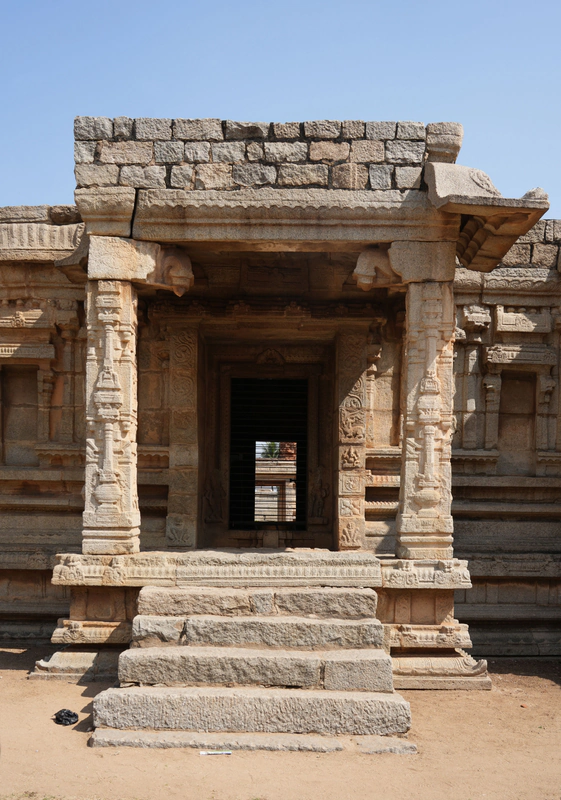
Achyutaraya Temple
A large temple complex dedicated to Lord Vishnu, built in 1534, set amidst beautiful natural surroundings.
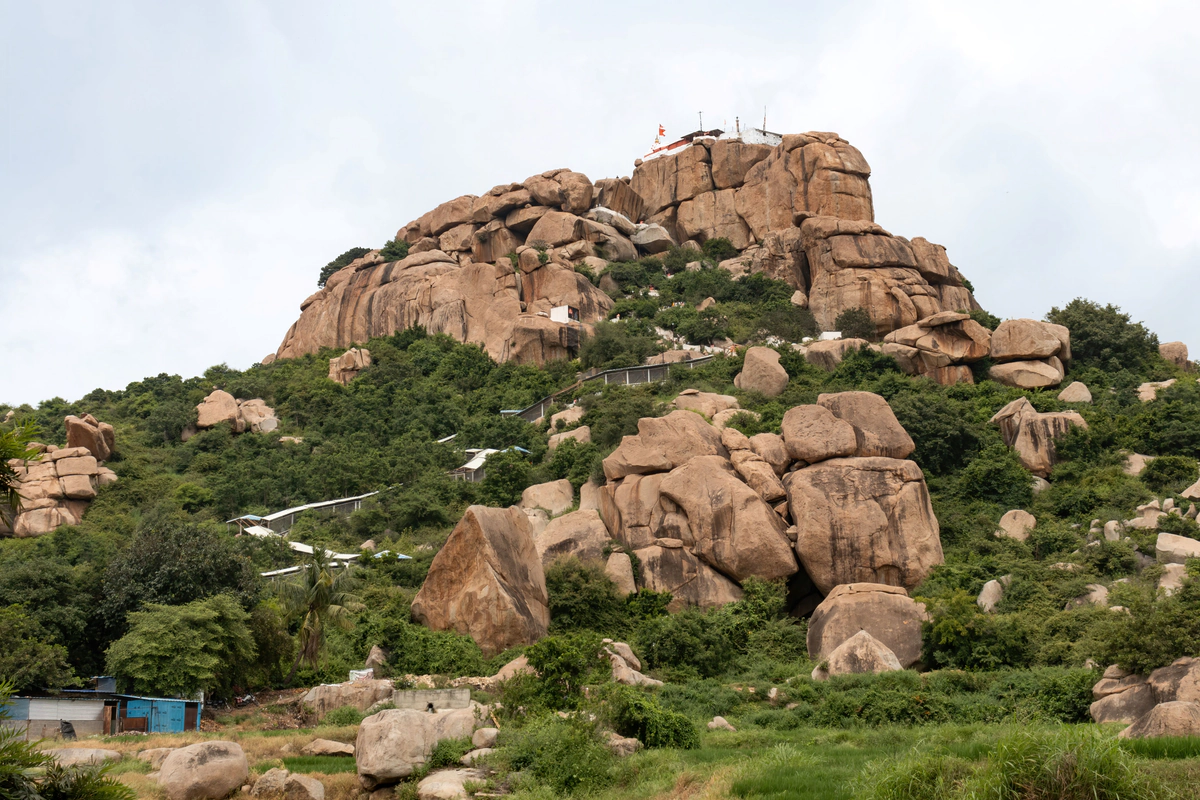
Anjanadri Hill
Believed to be the birthplace of Lord Hanuman, featuring a temple at its summit with 575 steps.
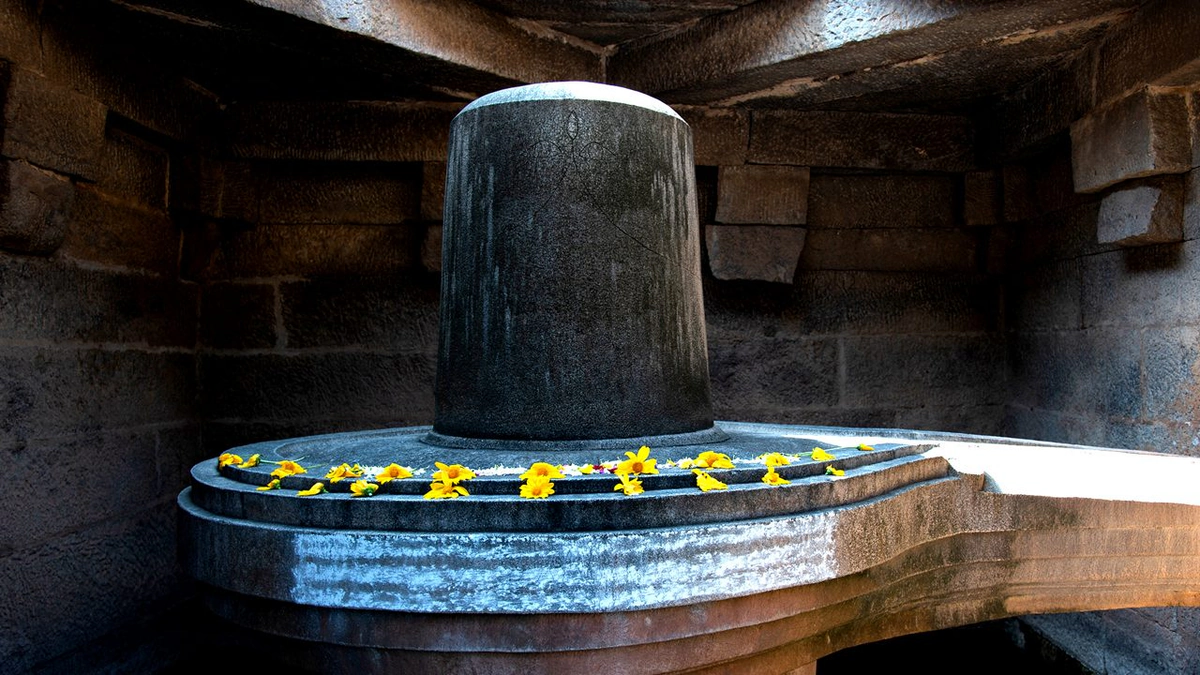
Badavi Linga
The Badavi Linga is the largest monolithic Shiva Linga in Hampi, standing at an impressive height of three meters. Carved out of a single black stone, it is housed within a small stone shrine that lacks a ceiling, allowing sunlight to illuminate the icon. A unique feature of this monument is that its base is permanently submerged in water, as a small canal flows through the temple. The name "Badavi" translates to "poor," referencing the legend that a local peasant woman commissioned its construction.
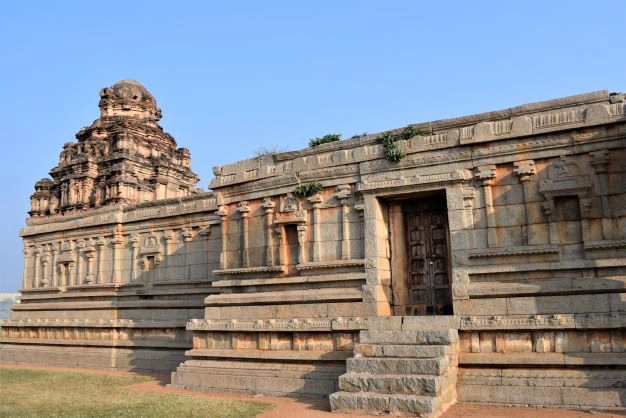
Chandrasekhara Temple
Located near the Queen's Bath, the Chandrasekhara Temple is a serene and often overlooked architectural gem. This temple is dedicated to Lord Shiva and stands out for its simple yet dignified proportions. Unlike the more ornate structures in Hampi, its beauty lies in its minimalist aesthetic and the peaceful atmosphere of its walled compound. The temple serves as a quiet retreat for history buffs who want to explore Hampi’s ruins away from the main tourist crowds while admiring classic stone masonry.
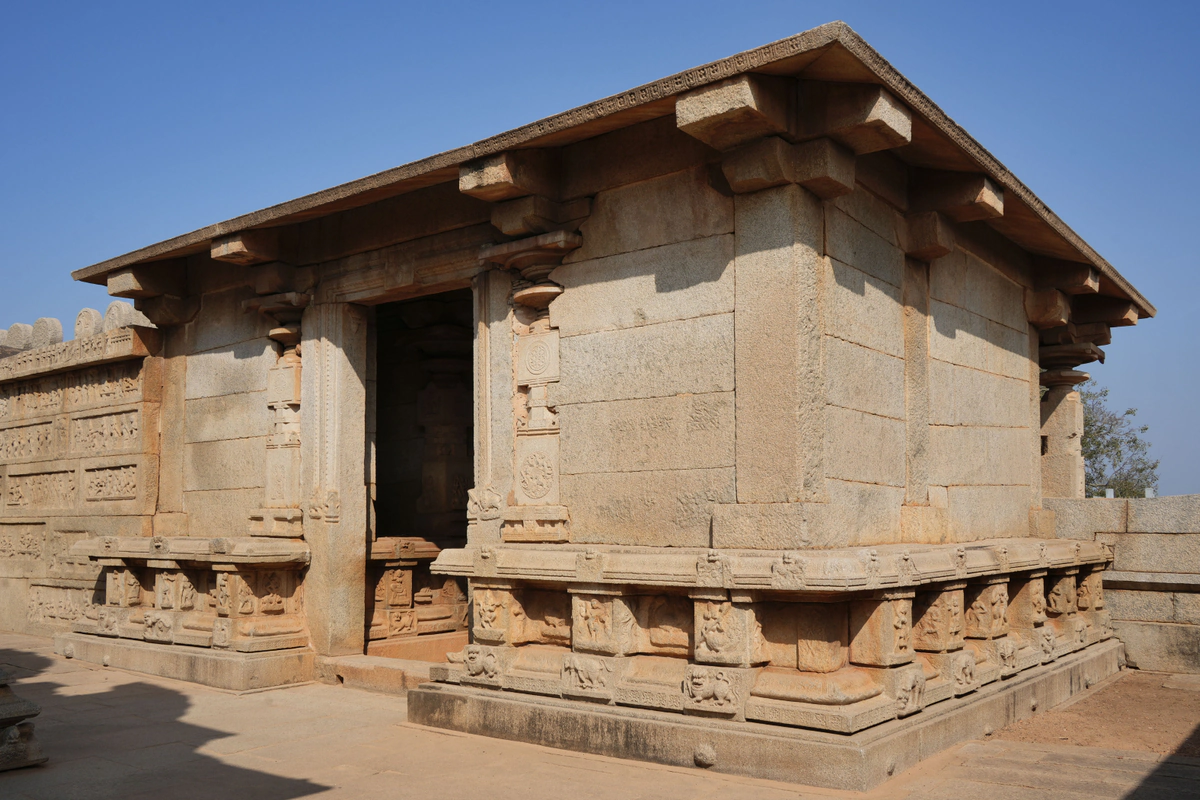
Hazara Rama Temple
Temple famous for its extensive bas-relief carvings depicting scenes from the Ramayana epic.
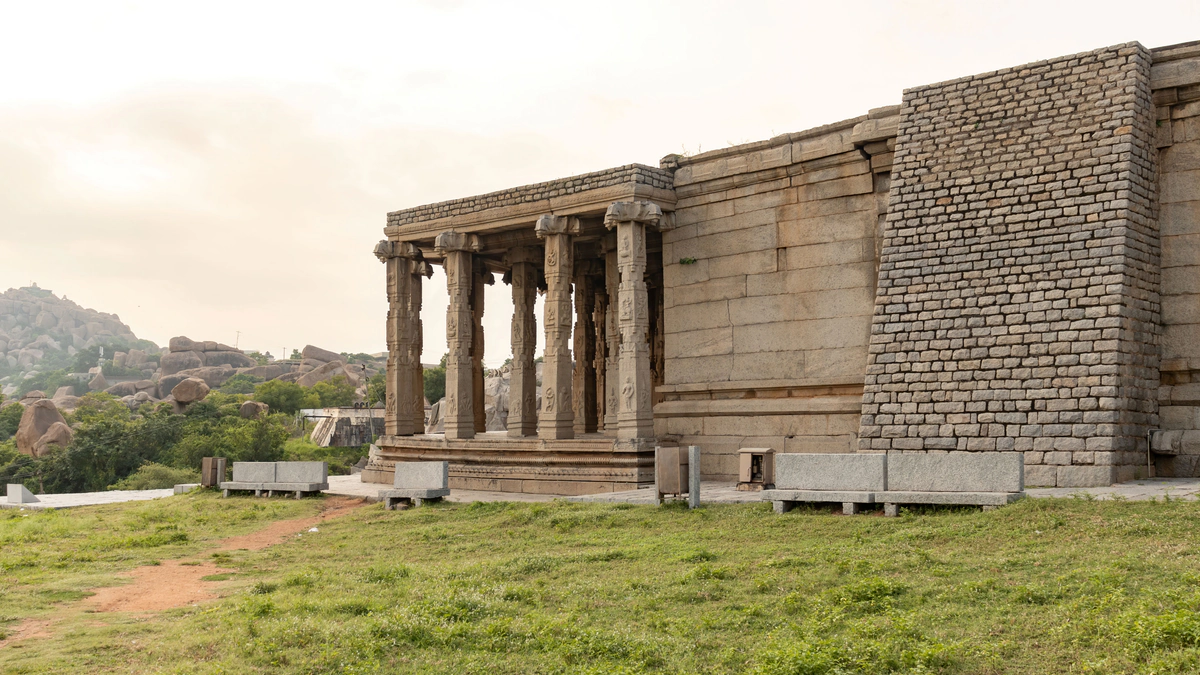
Kadalekalu Ganesha
One of the largest Ganesha statues in South India, standing 4.5 meters tall, carved from a single boulder.
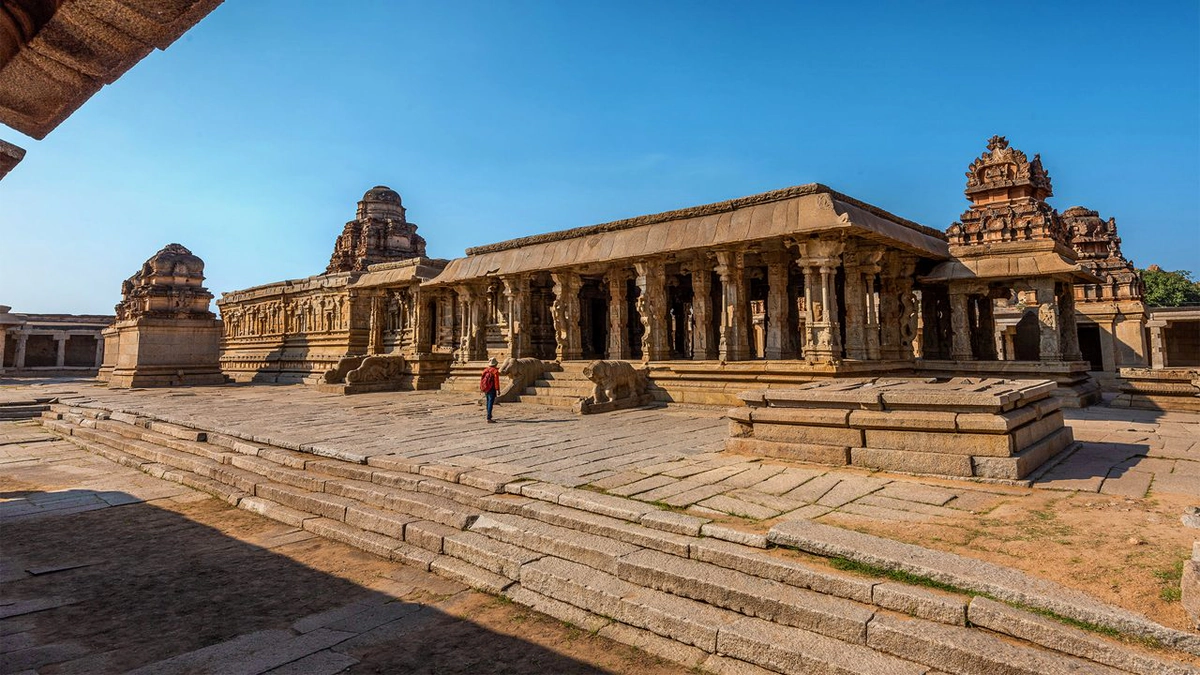
Krishna Temple
Built by King Krishnadevaraya in 1513 AD to celebrate the conquest of Udayagiri, the Krishna Temple is a masterpiece of Vijayanagara architecture. The temple is famous for its elegant carvings of the ten incarnations of Lord Vishnu and its impressive gateways. The complex includes a sacred tank and a unique marketplace situated right in front of the entrance. Its intricate pillars and sprawling courtyards make it a must-visit for travelers seeking to understand the religious and artistic grandeur of ancient Hampi.
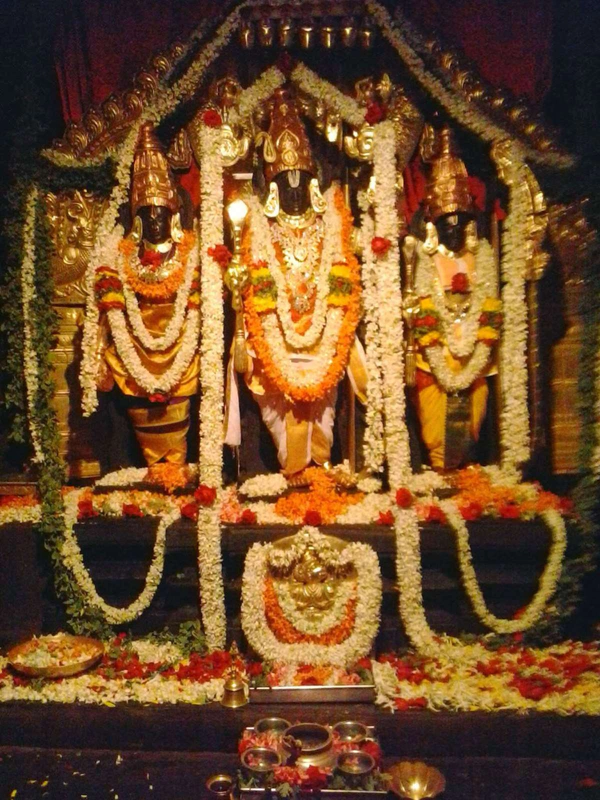
Narasimha Temple (Kodanda Rama)
The Kodanda Rama Temple holds immense religious significance as it is believed to be the spot where Lord Rama crowned Sugriva. Situated on the banks of the Tungabhadra River, this temple houses large carvings of Rama, Lakshmana, and Sita. It remains an active place of worship, drawing devotees and pilgrims year-round. The temple’s location offers a spiritual vantage point where the sacred river meets the ancient boulders, providing a unique blend of mythological history and natural beauty.
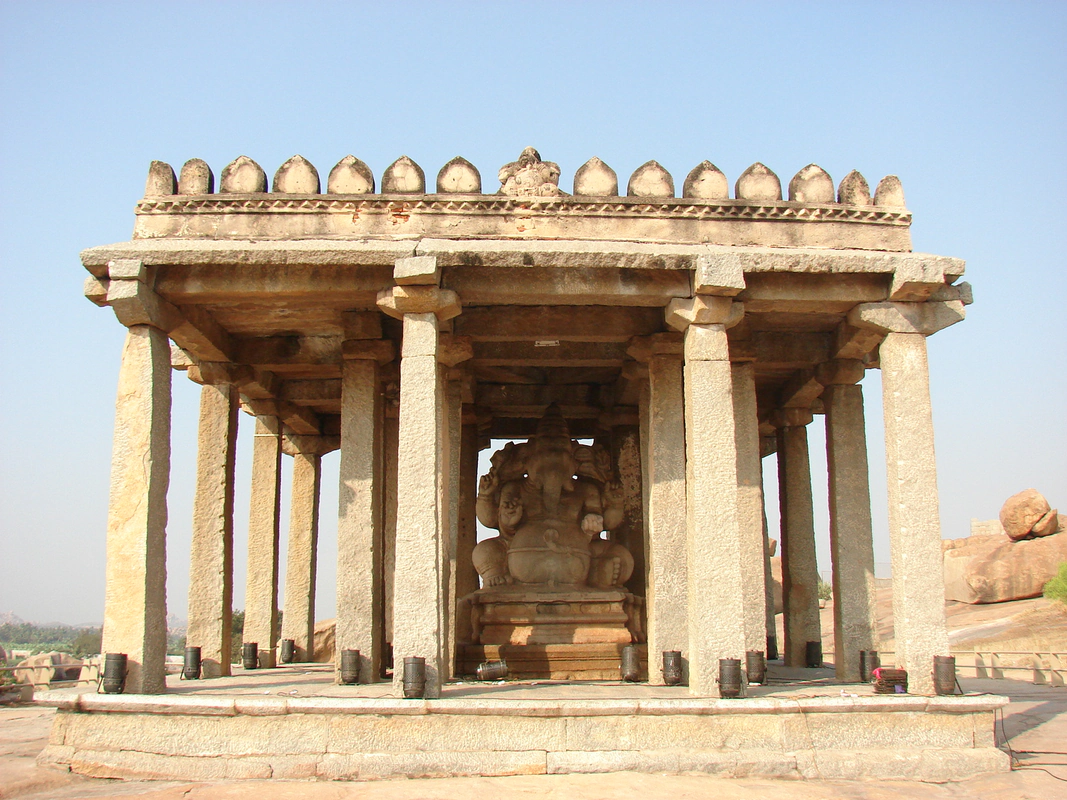
Sasivekalu Ganesha
A massive monolithic statue of Lord Ganesha carved from a single boulder, standing 2.4 meters tall.
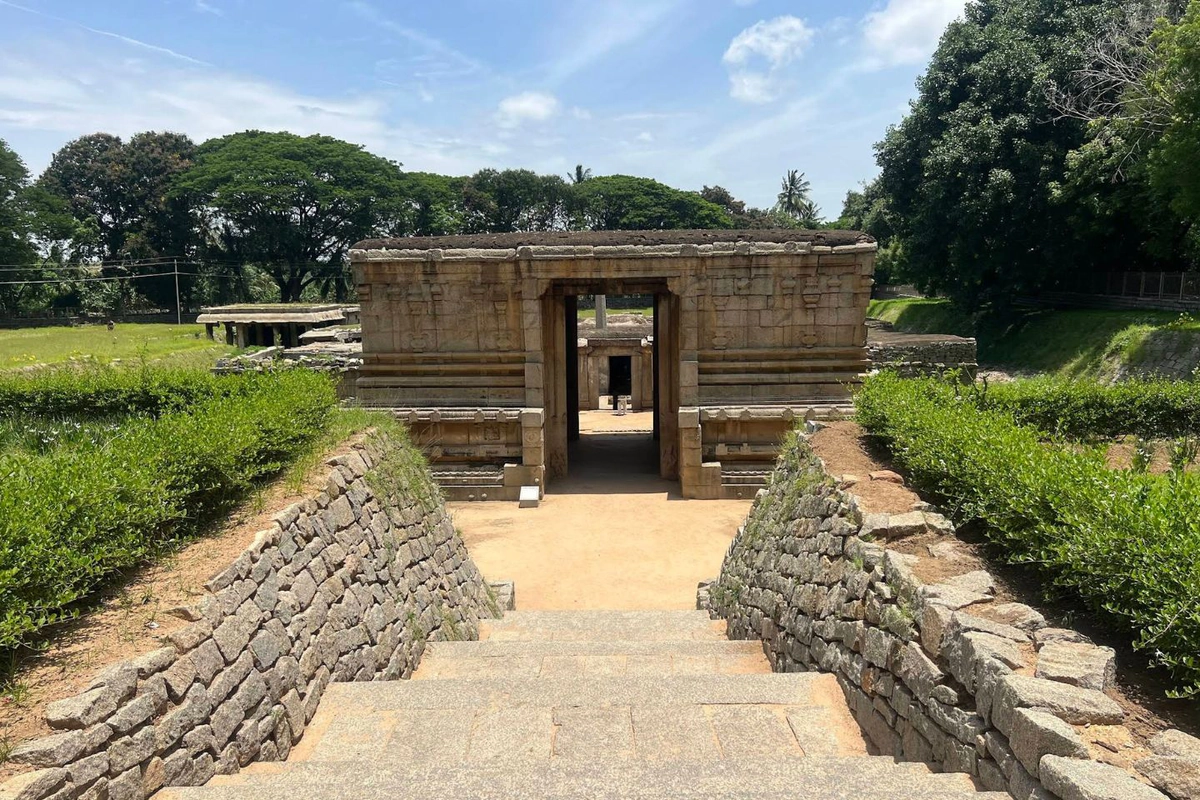
Underground Shiva Temple (Prasanna Virupaksha)
The Underground Shiva Temple, dedicated to Lord Prasanna Virupaksha, is unique because it was built several meters below the ground level. Over the centuries, the temple’s inner sanctum and corridors have often remained submerged in water, creating a mystical and cool atmosphere. The architecture is simple yet profound, featuring heavy pillars and a large courtyard. Visitors often wade through shallow water to reach the heart of the temple, making it one of Hampi's most evocative and atmospheric spiritual sites.
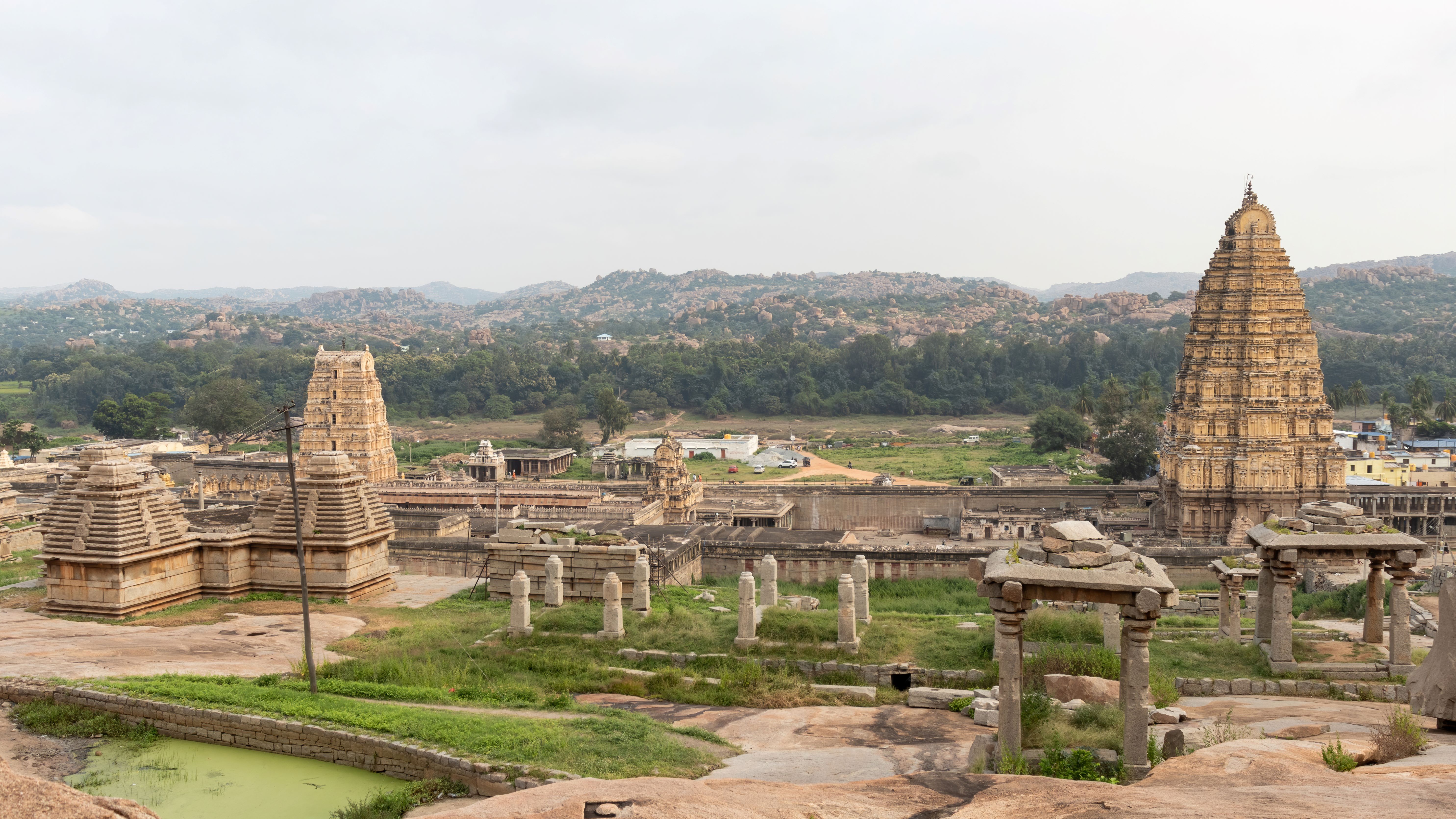
Virupaksha Temple
An ancient temple dedicated to Lord Shiva, part of the Hampi World Heritage Site, and still an active center of worship since the Vijayanagara era.
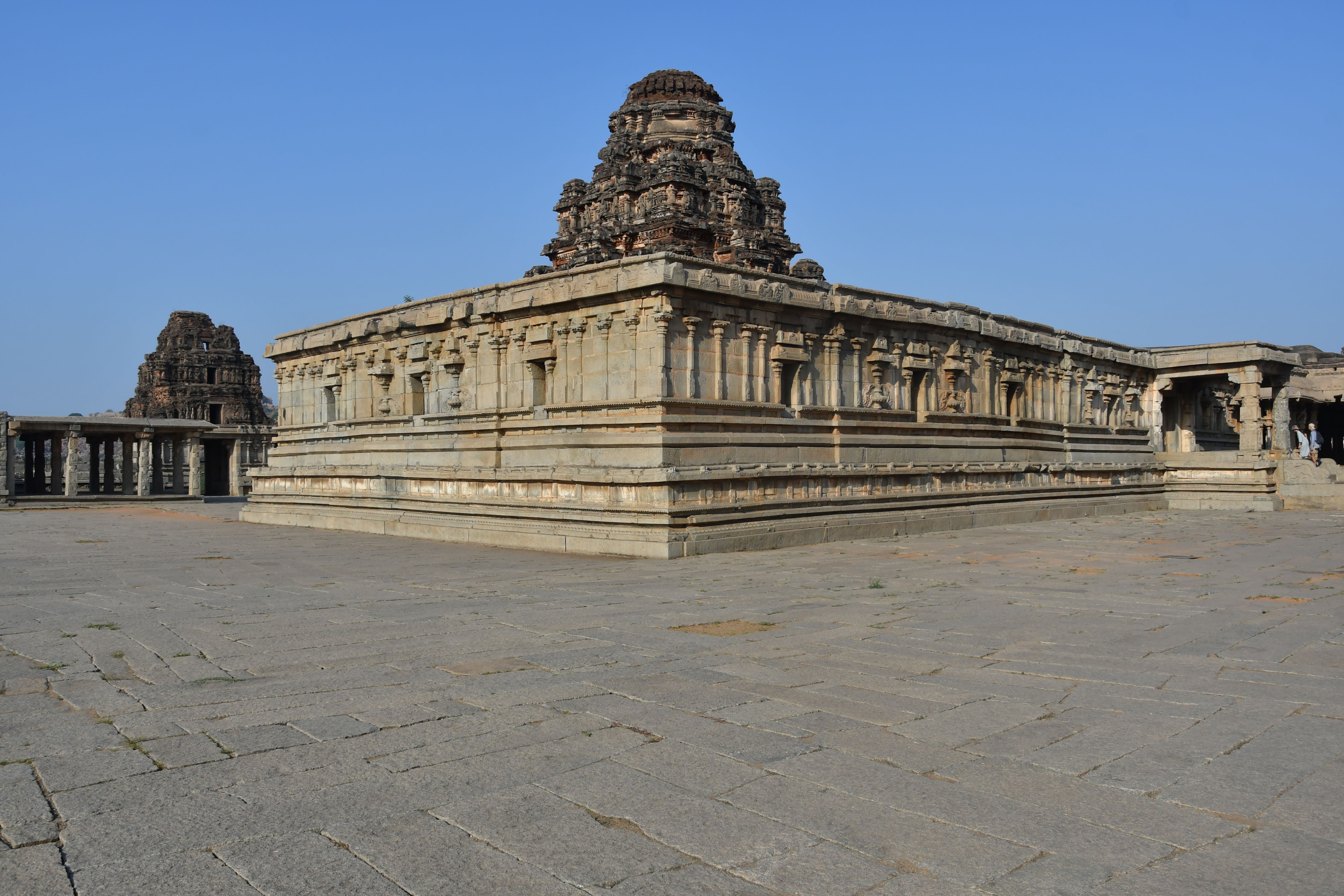
Vittala Temple
A 15th-century Vijayanagara temple in Hampi dedicated to Lord Vitthala, famous for its iconic stone chariot and musical pillars that produce musical tones when struck.
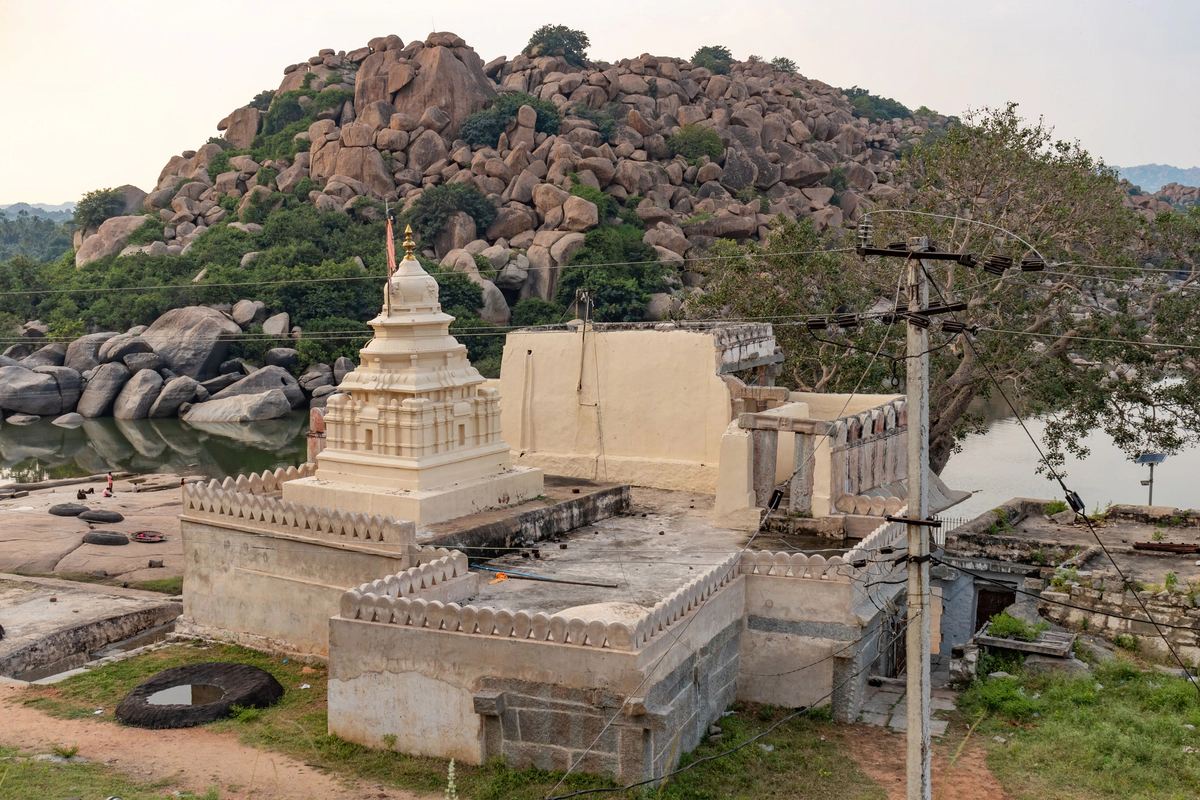
Yantrodharaka Hanuman Temple
A unique temple dedicated to Lord Hanuman, with an idol installed by the saint Vyasaraja.
No places found for ""
Try a different search term or switch to All.
No places match your current filter
Try a different search term or switch to All.