Places to Visit in Shantiniketan
Top attractions and must-see spots in Shantiniketan
Landmarks
14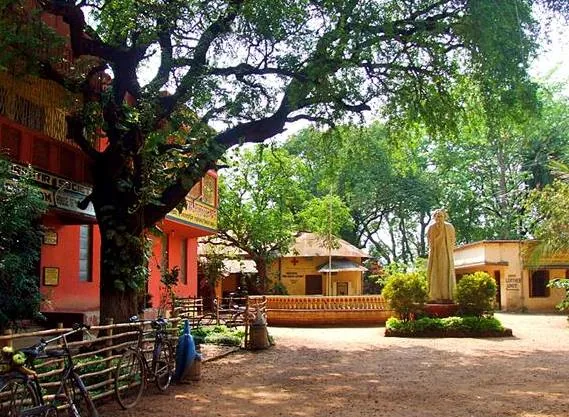
Amar Kutir
A cooperative craft emporium with deep roots in Bengal's freedom movement, Amar Kutir was established to provide livelihood to artisans and revolutionaries who had left their homes under British rule. Located on the Bolpur-Suri Road before the Kopai bridge, it sells kantha-stitched sarees, leather goods, bamboo crafts, batik fabric, and wooden artefacts at fair, fixed prices. A small porch where Baul musicians occasionally perform adds to the atmosphere. It is widely considered the most reliable shopping destination in the Shantiniketan area.
Biswa Bangla Shilpi Haat
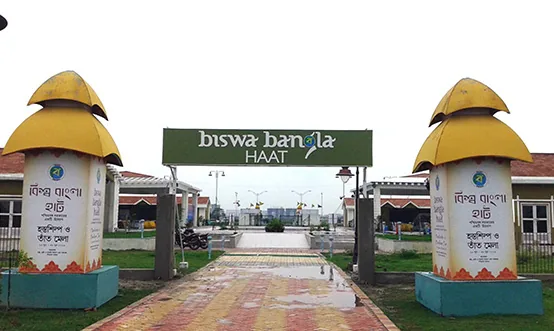
A state-promoted crafts marketplace near Shantiniketan, Biswa Bangla Shilpi Haat showcases handmade products from artisans across West Bengal working in wood, bamboo, jute, cane, glass, and eco-friendly materials. It serves as a curated platform for traditional weavers and craftspeople, bridging ancestral skills with contemporary buyers seeking authentic Bengali handicrafts. Stalls cover everything from handloom textiles and terracotta jewellery to intricately carved home decor, making it a worthwhile stop for those looking beyond the weekly Saturday market.
Chaiti
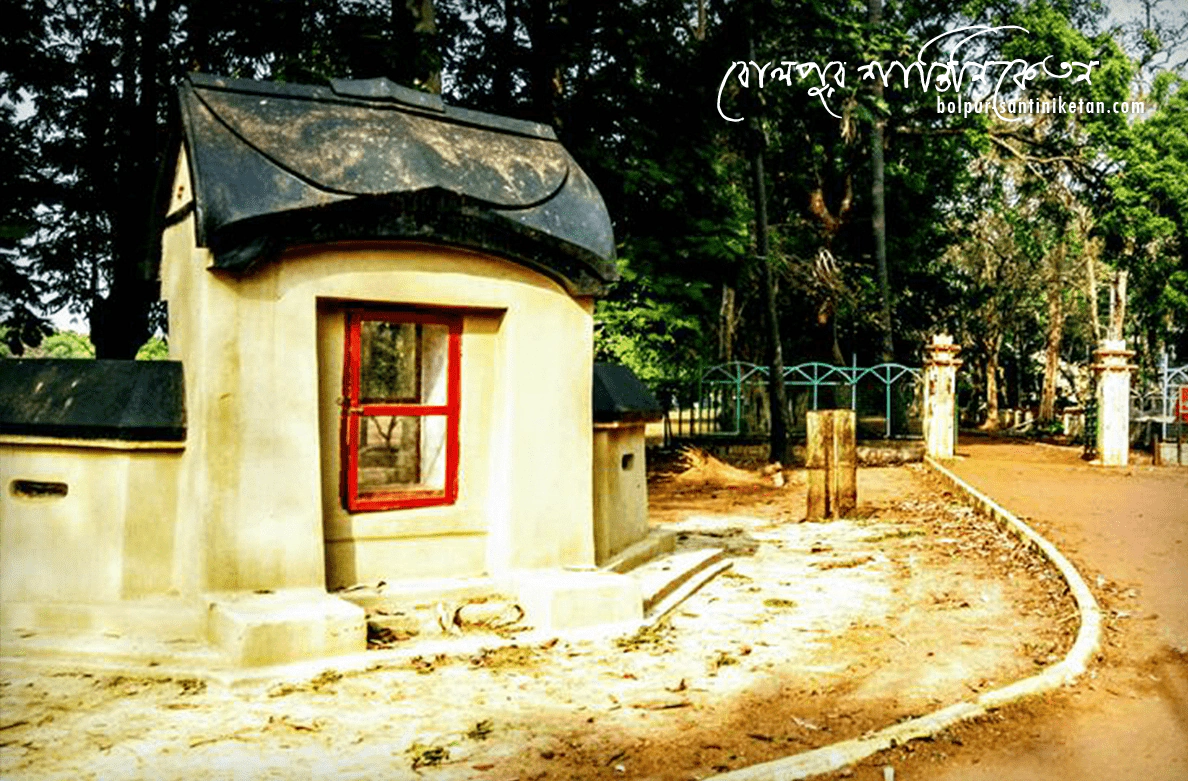
Santiniketan's spring festival ground where Tagore's Basanta Utsav tradition continues with Rabindra Sangeet, dance, and the famous cultural Holi celebration.
Chhatimtala
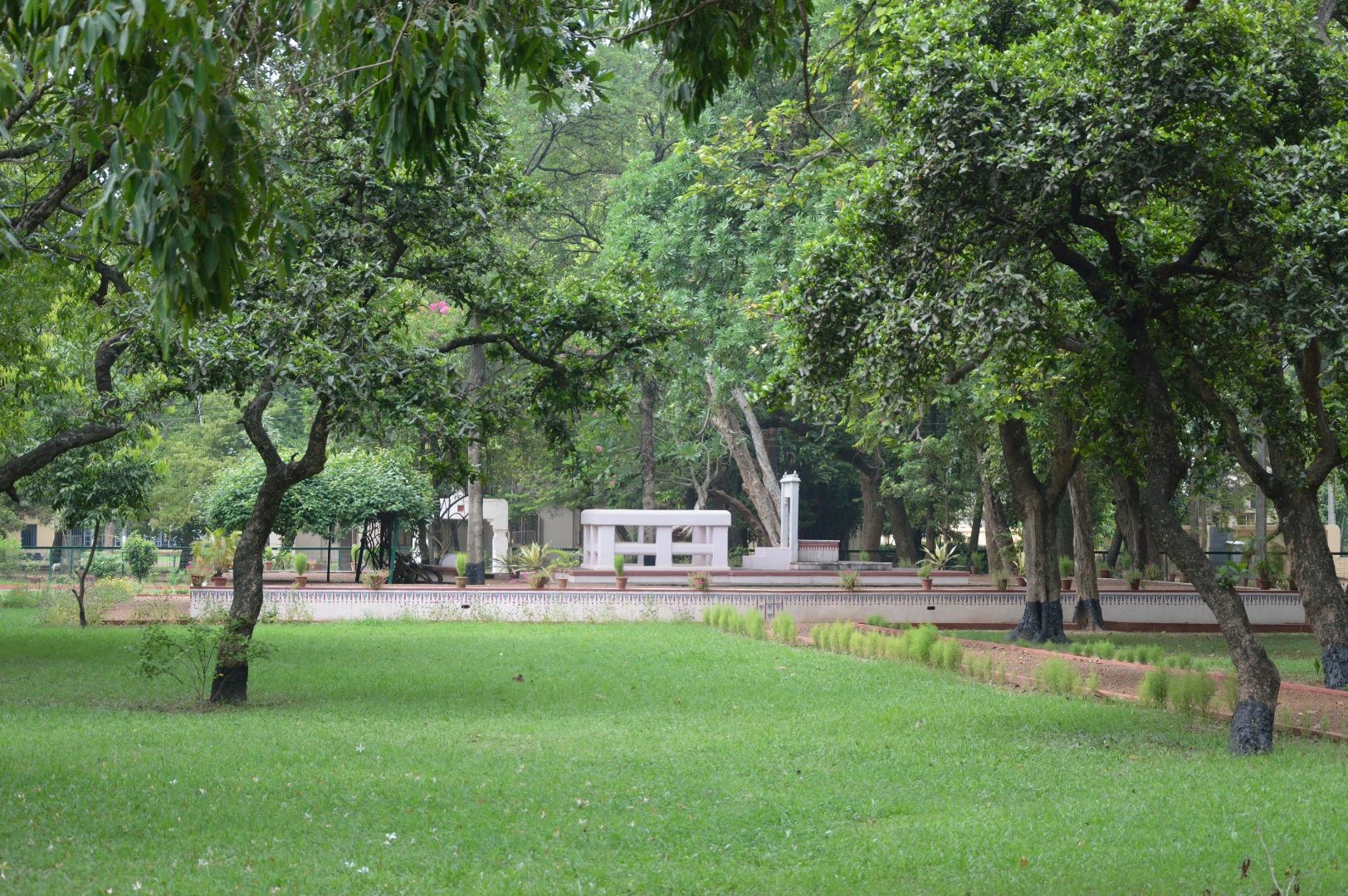
The sacred spot under chhatim trees in Santiniketan where Maharshi Debendranath Tagore had his spiritual awakening in 1863, founding the Santiniketan ashram.
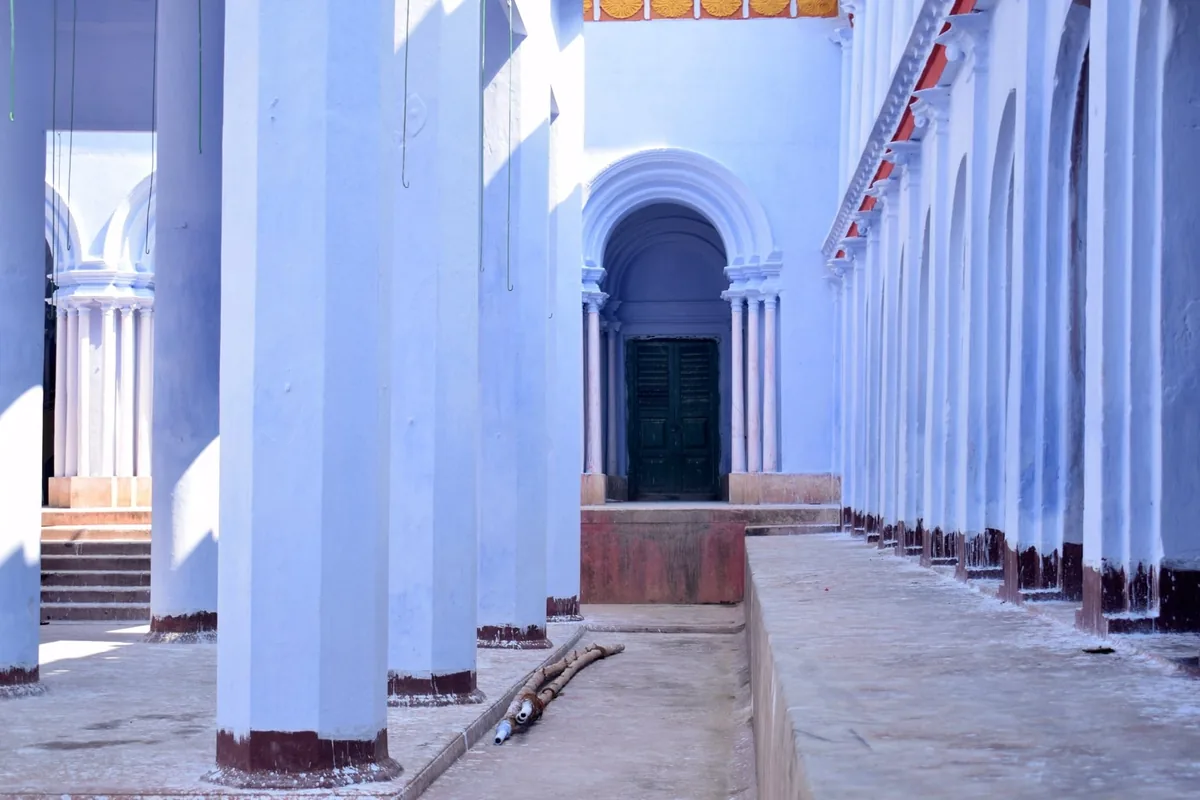
Ghursia and Surul Rajbari Terracotta Temples
Tucked into the villages surrounding Shantiniketan, the Ghursia and Surul Rajbari terracotta temples represent the finest examples of Bengal's terracotta temple architecture in the Birbhum region. The Surul Rajbari complex, built by a local zamindar family, features intricately panelled temples covered in narrative terracotta tiles depicting scenes from the Ramayana, Mahabharata, and Krishna Leela. Largely off the standard tourist trail, these sites reward curious travellers willing to venture a few kilometres from the campus into the rural heartland of Birbhum.
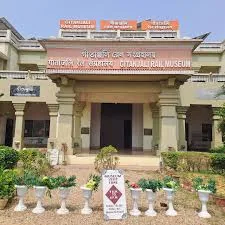
Gitanjali Rail Museum
Positioned opposite Bolpur railway station, Gitanjali Rail Museum is named after Tagore's Nobel Prize-winning anthology and serves as most visitors' first cultural encounter with Shantiniketan. The museum displays vintage locomotives, railway artefacts, and memorabilia tracing the railway's role in connecting Bolpur to the wider world. Compact and easily walkable, it sets a fitting tone for the heritage-rich town that lies just beyond its gates, making it a worthwhile first stop before heading into the campus.
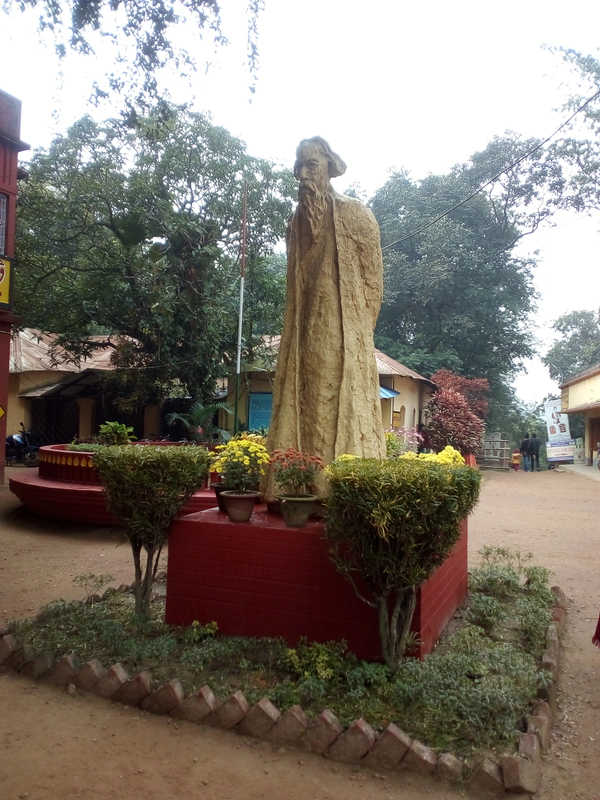
Golden Rabindranath statue
A gilded bronze statue of Rabindranath Tagore in Santiniketan's Deer Park, a focal point of reverence for the poet-philosopher who founded the ashram.
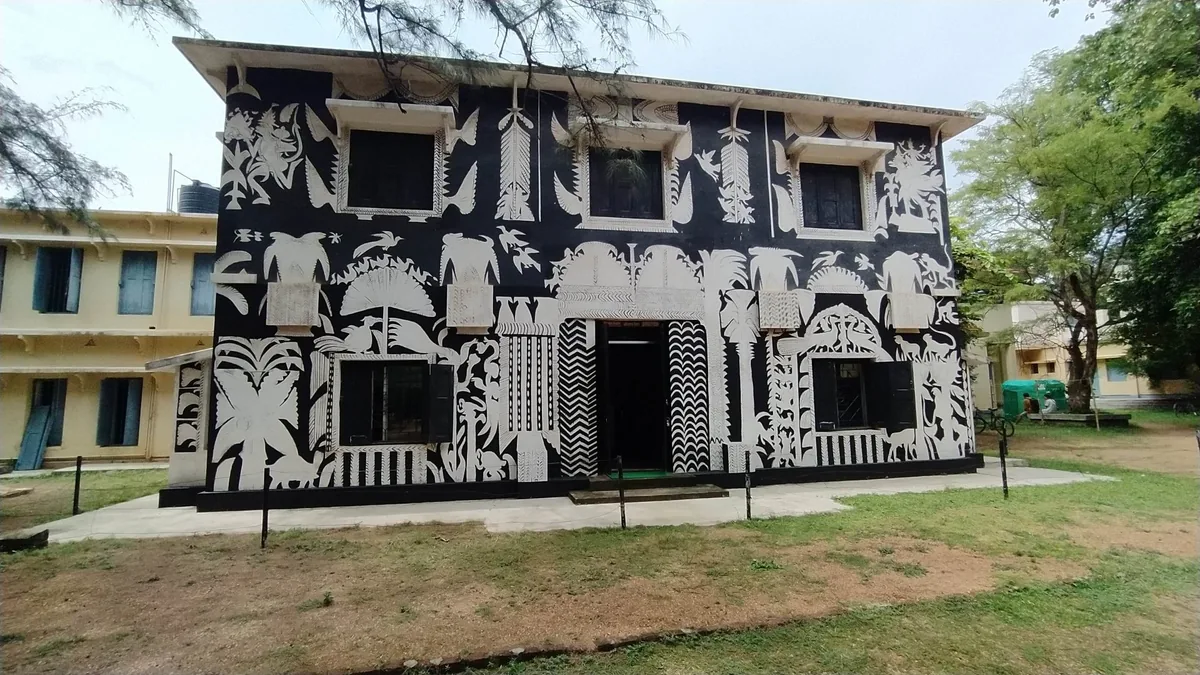
Kala Bhavana
Established in 1919, Kala Bhavana is the Institute of Fine Arts at Visva-Bharati University and one of India's most celebrated art schools. Its outdoor walls, courtyards, and corridors are covered in murals and sculptures by Nandalal Bose and successive generations of students, making the building itself a living gallery. The institute shaped the trajectory of modern Indian art and continues to produce artists of national significance. Art lovers will find its open campus atmosphere unlike any conventional museum.
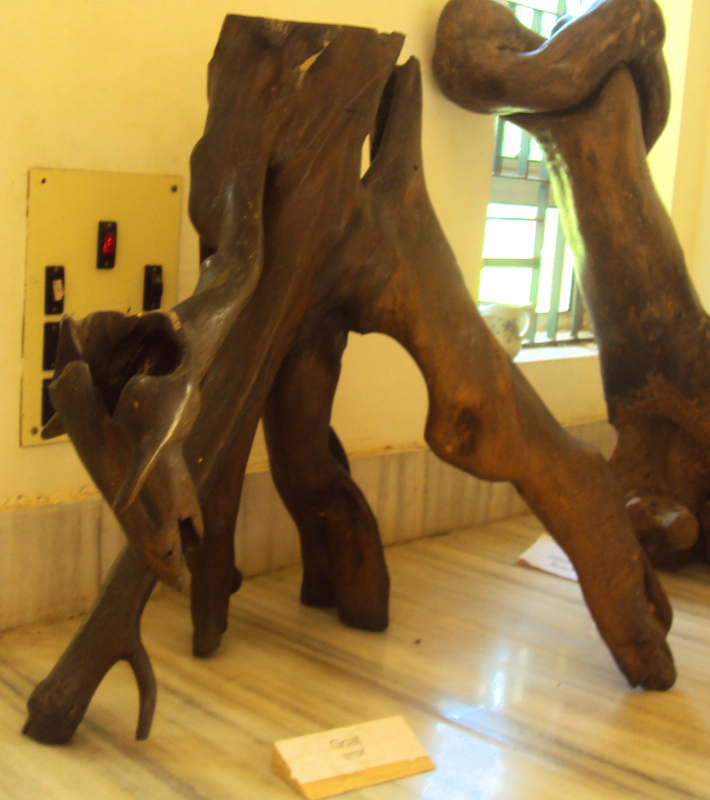
Prakriti Bhavan
A Santiniketan centre for nature-based education embodying Rabindranath Tagore's philosophy of learning in open-air settings surrounded by gardens.
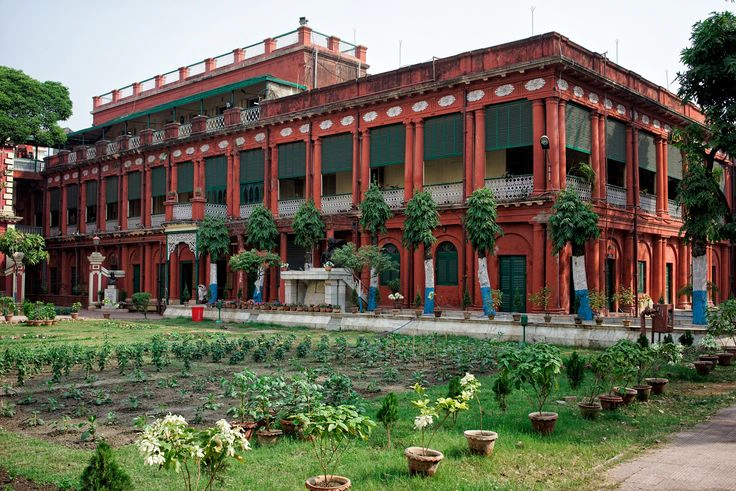
Rabindra Museum Shantiniketan
The official Tagore memorial museum at Visva-Bharati University in Santiniketan, housing his manuscripts, artwork, photographs, and personal belongings.
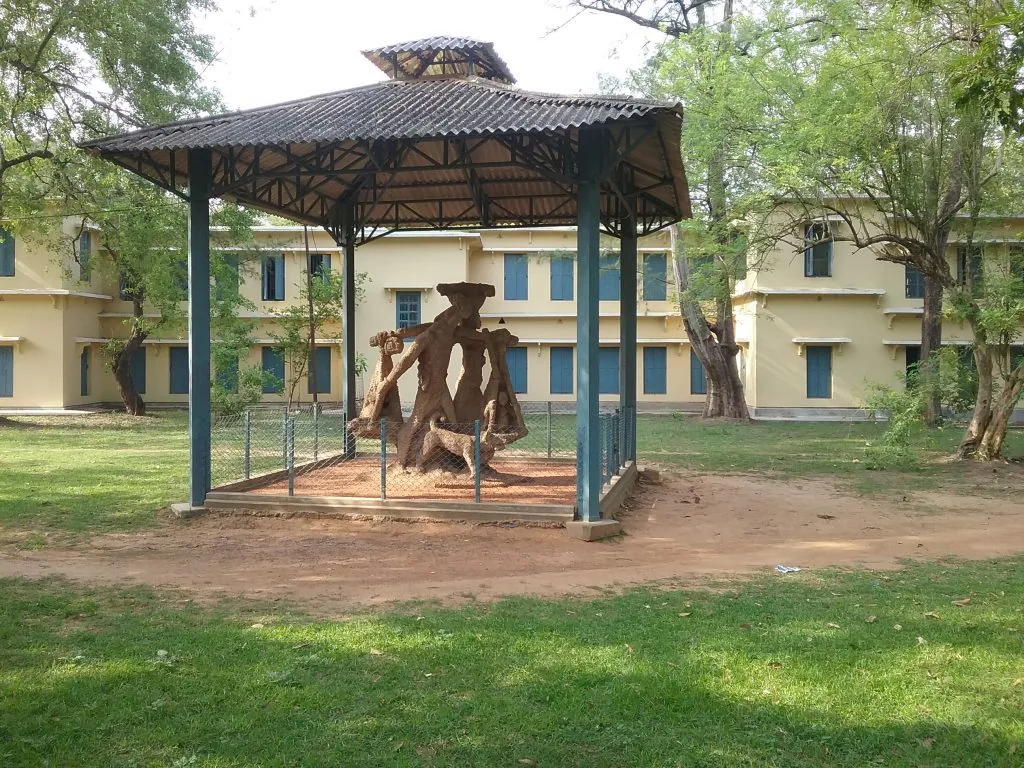
Sriniketan
Located about 3 kilometres from the Visva-Bharati campus, Sriniketan was established by Rabindranath Tagore in 1922 as an institute of rural reconstruction, intended to revive village crafts and self-sufficient livelihoods. Today it functions as an agricultural and craft extension centre within Visva-Bharati. Visitors come for its quieter atmosphere, craft demonstrations, and proximity to the Ballavpur Sanctuary. The area around Sriniketan also has local markets and artisan clusters that offer a more unhurried, village-scale experience of Tagore's broader vision.
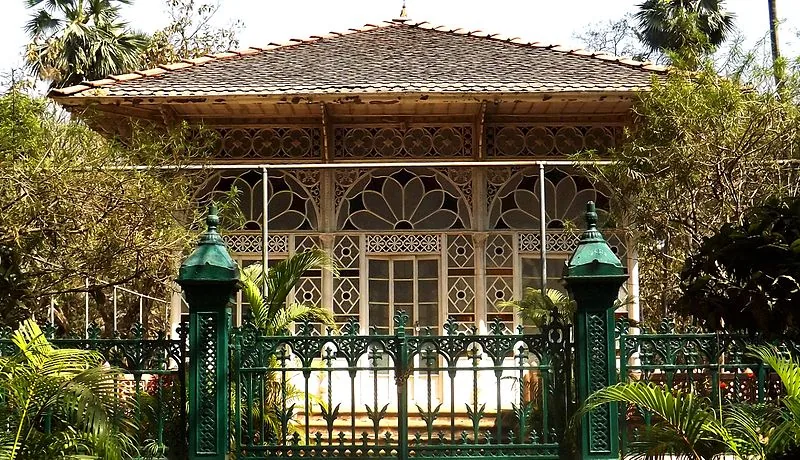
Upasana Griha
One of Shantiniketan's most architecturally distinctive landmarks, Upasana Griha is a deityless prayer hall built in 1863 by Maharshi Debendranath Tagore using Belgian stained glass and polished marble. Light filters through its coloured panes in shifting patterns, creating an atmosphere of quiet contemplation. Located within the Visva-Bharati campus, this serene spiritual space where Tagore's father once meditated remains central to the Brahmo tradition and draws visitors moved by its spare, luminous beauty.
Uttarayan
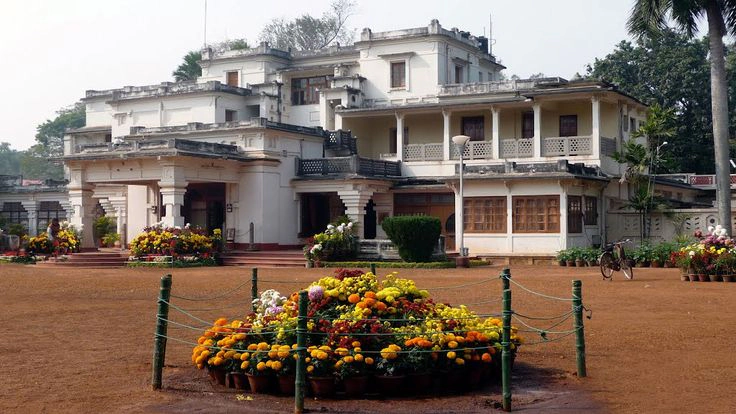
Tagore's personal residential compound at Santiniketan featuring five uniquely designed homes he built himself in vernacular architectural styles — now a protected heritage precinct.
Visva-Bharati University
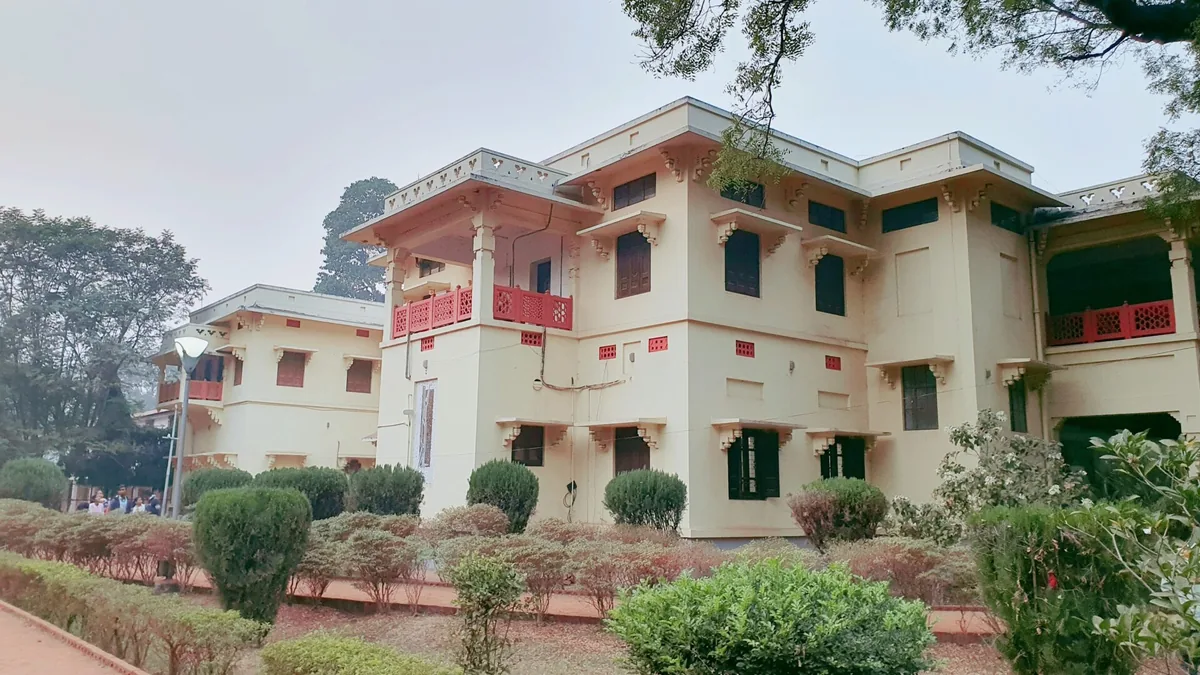
Founded by Rabindranath Tagore in 1921 and designated a UNESCO World Heritage Site in 2023, Visva-Bharati University is the living soul of Shantiniketan. Its open-air classrooms, muralled department buildings, and tree-shaded grounds embody Tagore's vision of education in harmony with nature. Visitors walk freely through the campus, absorbing the creative atmosphere that shaped generations of India's finest artists, scholars, and thinkers. A visit here is inseparable from understanding Shantiniketan.
National Parks
1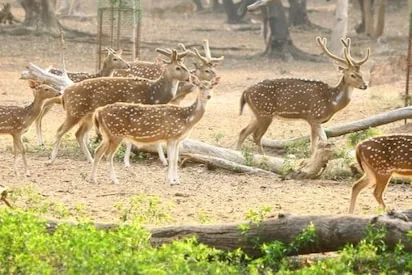
Ballavpur Wildlife Sanctuary
Established in 1977 across 200 hectares of mixed sal forest near Sonajhuri, Ballavpur Wildlife Sanctuary is Shantiniketan's most accessible nature escape. Spotted deer, blackbucks, jackals, peacocks, and migratory birds inhabit its trails and waterbodies. Two watchtowers overlook a large lake, offering quiet vantage points for birdwatching and photography. The sanctuary is open from October through March at its finest, and its earthy laterite paths and forested stillness offer a gentle counterpoint to the cultural intensity of the campus.
Scenic Spots
5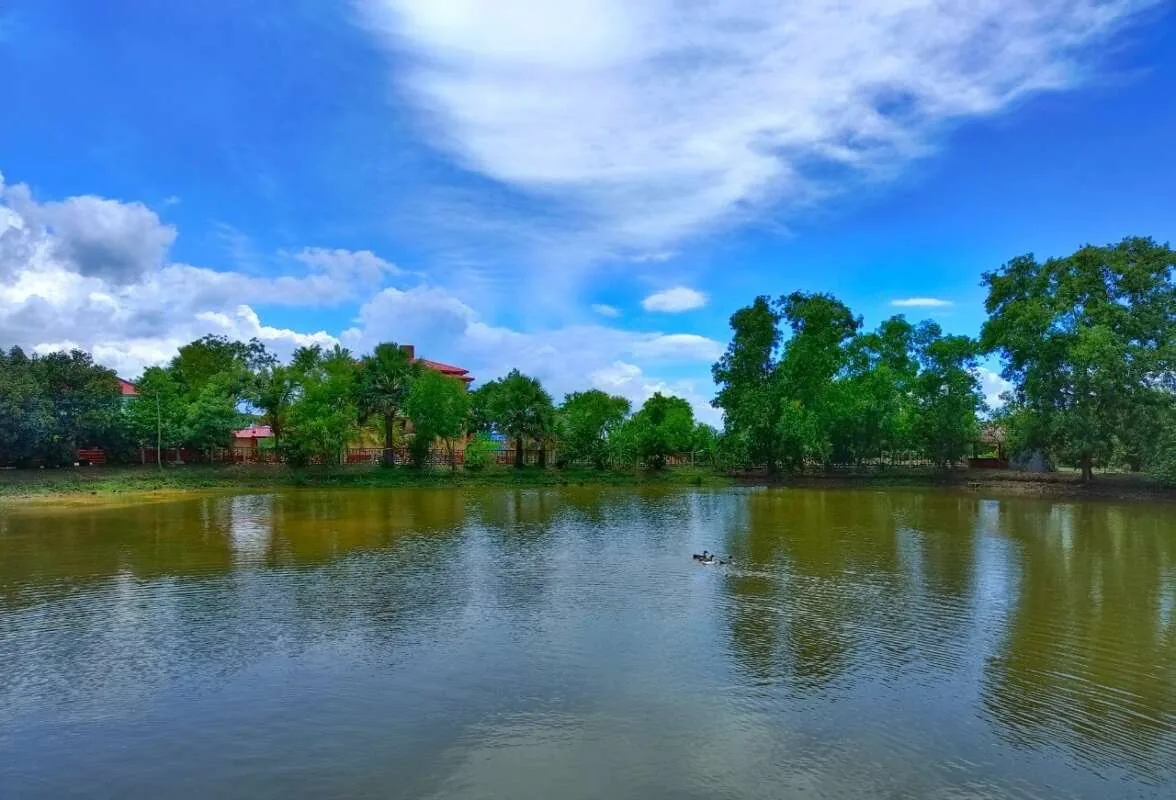
Kopai River
The Kopai River, known locally as the Khoai, is the red-earthed waterway immortalised in Tagore's writing as 'Amader Choto Nadi.' Centuries of erosion have carved its laterite banks into dramatic ravines of rust-red soil that shift colour dramatically at dusk, inspiring dozens of Tagore's poems and paintings. The Khoai landscape flanking its banks is a pilgrimage site for literary visitors and photographers alike, and the riverside path near Sonajhuri remains one of the most quietly beautiful walks in Shantiniketan.
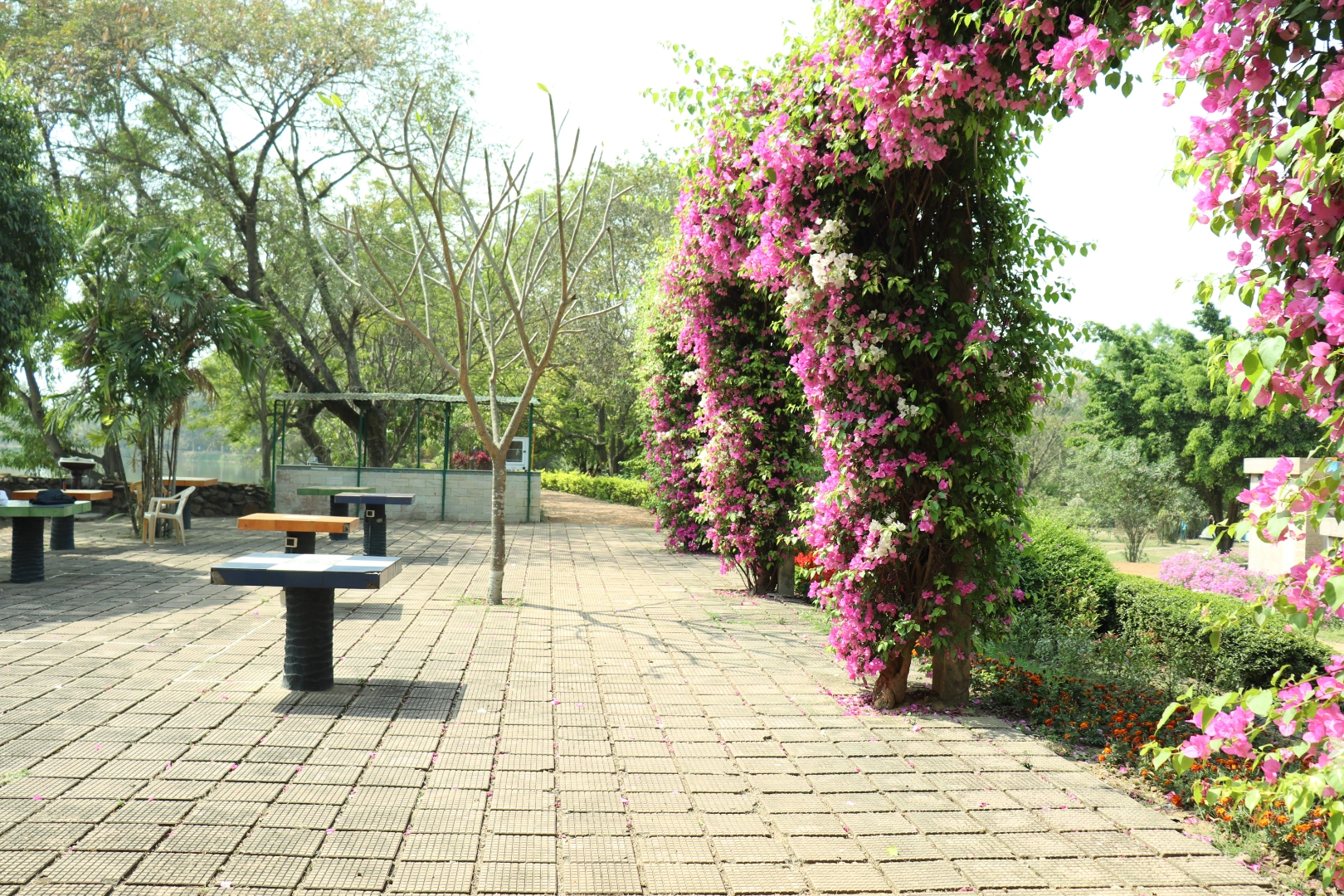
Shyor Bithi Park
A riverside park in Bolpur near Santiniketan on the Kopai River, popular for morning walks, family outings, and peaceful green space.
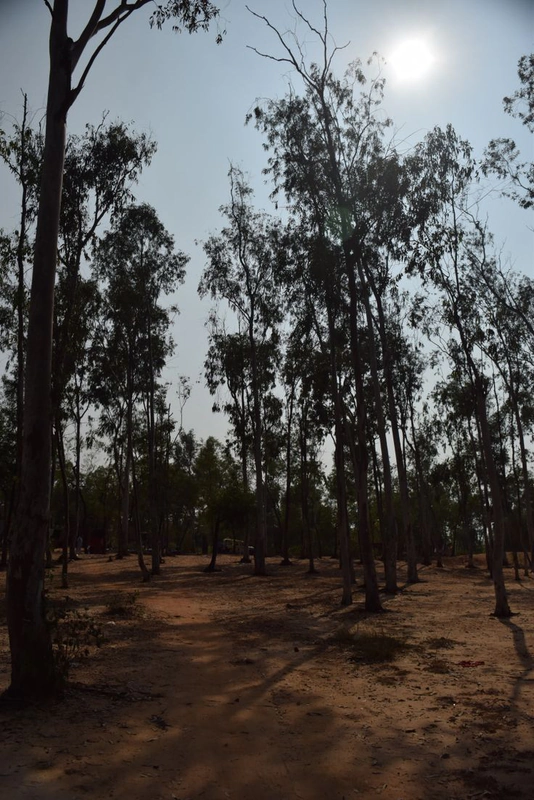
Sonajhuri Forest & Sonajhuri Tourist Spot
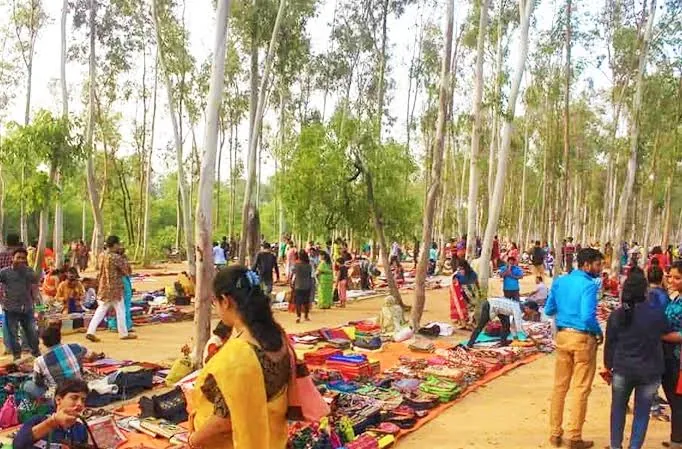
A forest near Santiniketan famous for its weekly Saturday Santali tribal craft market with Baul music — a unique cultural and natural experience.
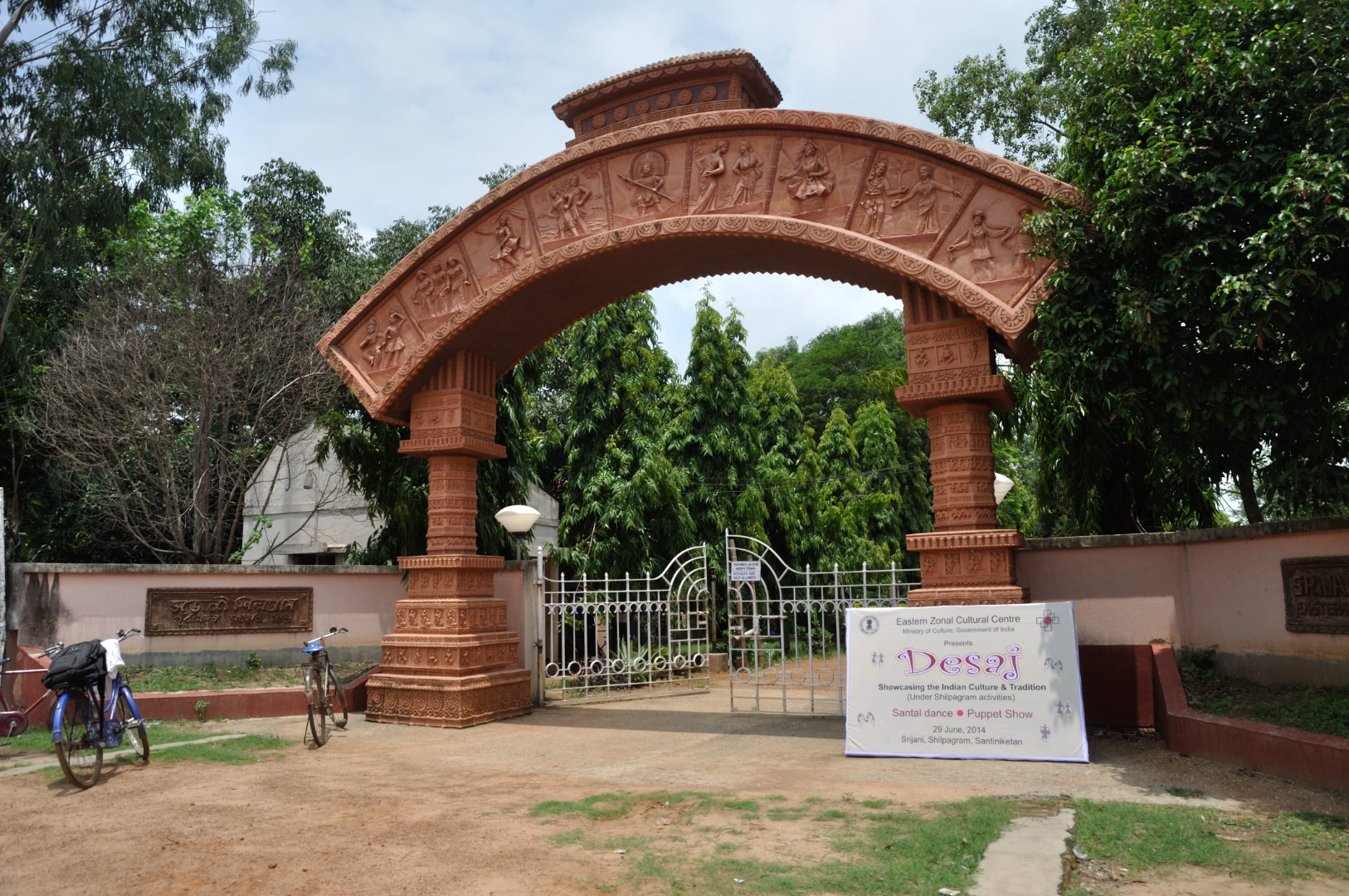
Srijani Shilpagram
A craft village near Santiniketan showcasing Bengal's master artisans in clay, textiles, and bamboo, central to the annual Poush Mela fair.
Teen Pahar
Three rocky outcrops near Santiniketan's campus that inspired Tagore's paintings and poetry, popular for walks in the distinctive red laterite landscape he loved.
Shopping
2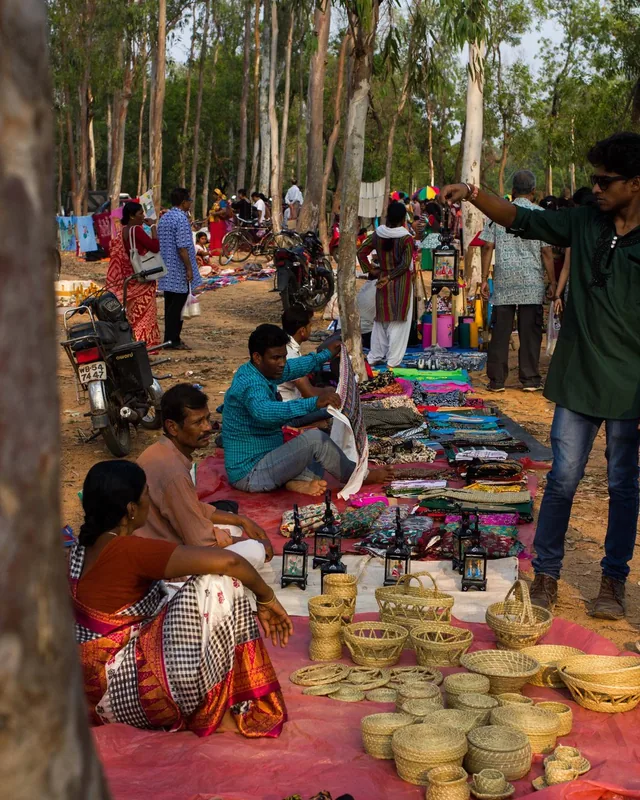
Bolpur Market
Main town market in Bolpur for everyday shopping, clothes, and local goods.
Sonajhuri Haat
Famous open-air crafts haat under sonajhuri trees, especially lively on Saturdays.
Temple
1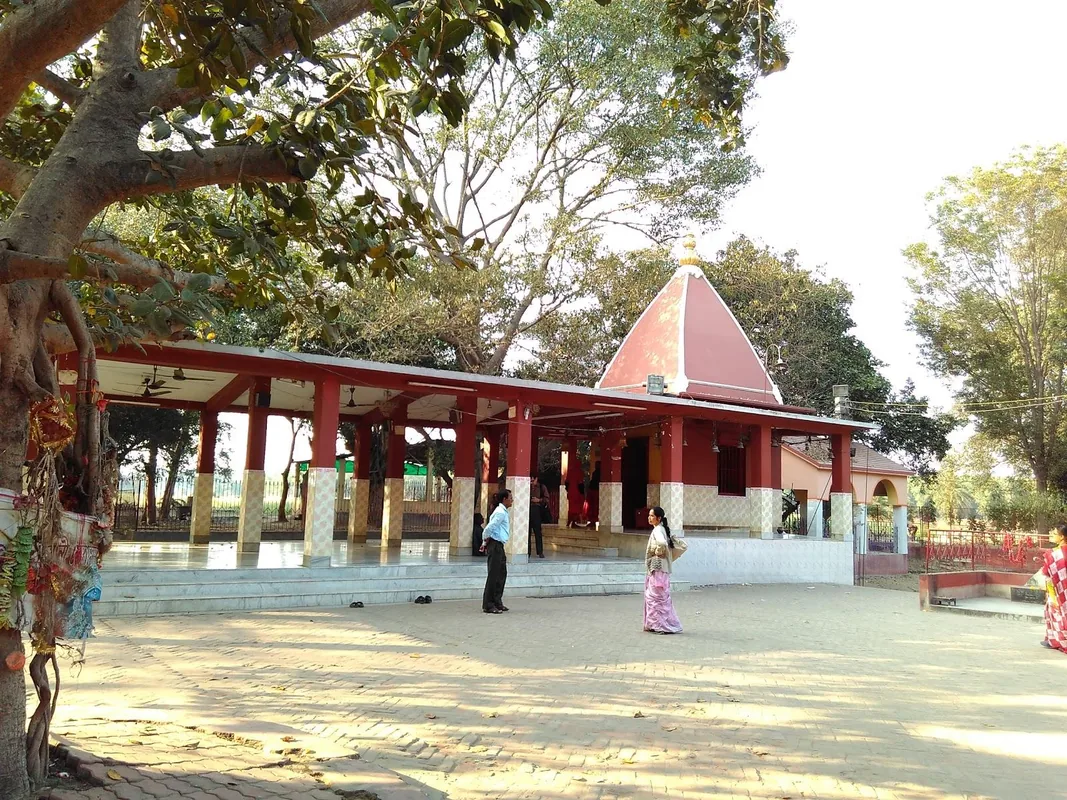
Kankalitala Temple
Situated about 7 kilometres from Shantiniketan near the Kopai River, Kankalitala Temple is one of the 51 Shakti Peethas, where the waist of Goddess Sati is believed to have fallen. Dedicated to Goddess Kali in her form as Devagarbha, the temple sits within a quiet village landscape of narrow paths and ancient trees. Pilgrims from across Bengal make regular visits, especially during Kali Puja, and the riverside setting lends the site a calm, deeply spiritual atmosphere distinct from the university town nearby.
No places found for ""
Try a different search term or switch to All.
No places match your current filter
Try a different search term or switch to All.