
What ₹1,000 Can Buy You in Jaipur
Team Yatrigo•
Overview
Plan your trip around the right season
Why visit
Warm, sunny days and cool evenings suit fort visits, bazaar walks and rooftop dinners. Diwali lights up the markets, the Jaipur Literature Festival is held in January, and Makar Sankranti in mid January fills the sky with kites.
Keep in mind
Peak season, so monuments are crowded by mid morning and hotels cost more. December and January nights can drop close to freezing, mornings are often hazy, and air quality, though generally better than in Delhi NCR, can turn poor in November and around Diwali.
Why visit
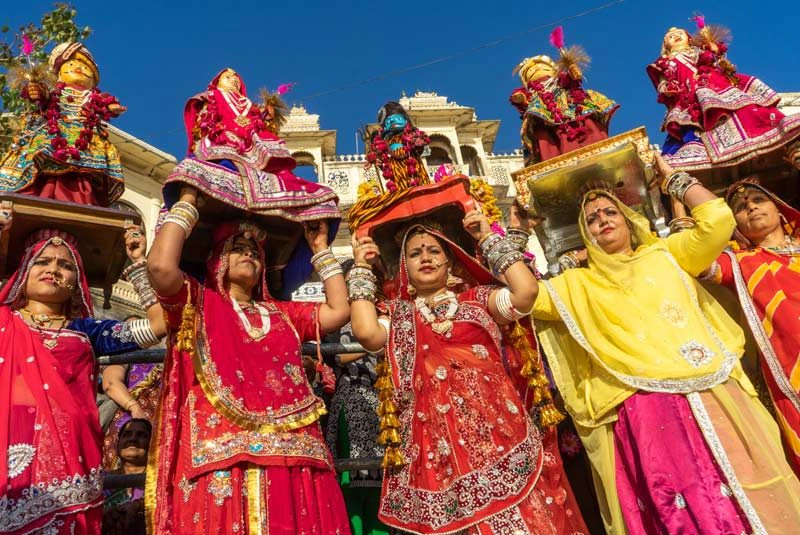
Fewer visitors and lower hotel rates. Gangaur in late March or April brings processions to the old city.
Keep in mind
Temperatures often pass 40°C in May and June, with hot dry winds, so sightseeing is only comfortable early in the morning and after sunset.
Why visit
Monsoon rain turns the Aravalli hills green, and the Teej festival in July or August brings processions and swings for women. Good hotel deals.
Keep in mind
Humid days and sudden heavy showers can disrupt fort and outdoor plans, and roads in the old city can flood.
Intercity connectivity and travel options
By air: Jaipur International Airport at Sanganer, about 12 km south of the walled city, has flights from most Indian metros and some Gulf cities. By train: Jaipur Junction is the main station, with Gandhinagar and Durgapura stations in the south of the city serving many trains too; Shatabdi, Vande Bharat and other fast trains link Jaipur with Delhi in about 4 to 5 hours. By bus: state and private buses use Sindhi Camp bus stand, near Jaipur Junction. By road: from Delhi, take NH 48 through Gurugram and Behror (about 280 km, 5 to 6 hours), or the Delhi to Mumbai Expressway and its Bandikui link to Jaipur, opened in July 2025, which brings the drive down to about 3 hours. Ajmer and Pushkar are about 2.5 hours west along NH 48, the Ajmer road, and Agra is about 4 hours east.
Local transport and practical tips
Local transport
The Pink Line metro runs about 12 km from Mansarovar through Civil Lines, Railway Station, Sindhi Camp, Chandpole and Choti Chaupar to Badi Chaupar in the walled city. For everything else, use app cabs, autos and e-rickshaws; city buses also run on main roads. Amber Fort, Nahargarh and Jaigarh are best reached by cab, as there is no metro to the hill forts.
Pick the right neighbourhood for your trip
Old City (Pink City)
Heritage and marketsHaveli hotels and guesthouses inside the walls, close to Hawa Mahal, City Palace, Jantar Mantar and the main bazaars. Lanes are crowded and noisy by day, and cars cannot reach every door.
MI Road and C Scheme
Central stays and foodCentral hotels, restaurants and cafes just south of the walled city, close to MI Road shopping, Raj Mandir and Albert Hall.
Bani Park
Train travellers and first time visitorsA quieter residential area with many heritage and mid range hotels, about 2 km from Jaipur Junction and 3 km from the walled city.
Civil Lines
Calm heritage staysLeafy roads with large heritage hotels and old bungalows, close to the metro and about 3 km from the walled city.
Amer Road
Early fort visitsHotels along the road towards Amber Fort, near Jal Mahal and the royal cenotaphs, convenient for an early start at the fort.
Malviya Nagar and Tonk Road
Business and short staysModern hotels, malls and restaurants in the south of the city, close to the airport, Jawahar Circle and the Jhalana leopard reserve.
Vaishali Nagar
Families and road trips westA residential area in the west with newer hotels, cafes and Akshardham Temple, convenient for the Ajmer road.
Jagatpura
Airport convenienceNewer hotels and serviced apartments in the south east, close to the airport and well placed for early flights.
Local food specialties and traditional favourites
Dal Baati Churma
Rajasthan's signature meal: baked wheat baati dipped in ghee, served with spiced dal and sweet crumbled churma.
Pyaaz Kachori
Crispy onion-filled kachori served with chutneys.
Ghewar
Disc shaped, honeycomb textured sweet soaked in syrup and often topped with rabri, sold mainly around Teej and the monsoon.
Laal Maas
Fiery mutton curry from Rajasthan’s royal kitchens.
Plus 6 more local specialties popular in Jaipur.
Articles and stories from Jaipur

 Bharat Goyal•