Places to Visit in Varanasi
Top attractions and must-see spots in Varanasi
Cultural
2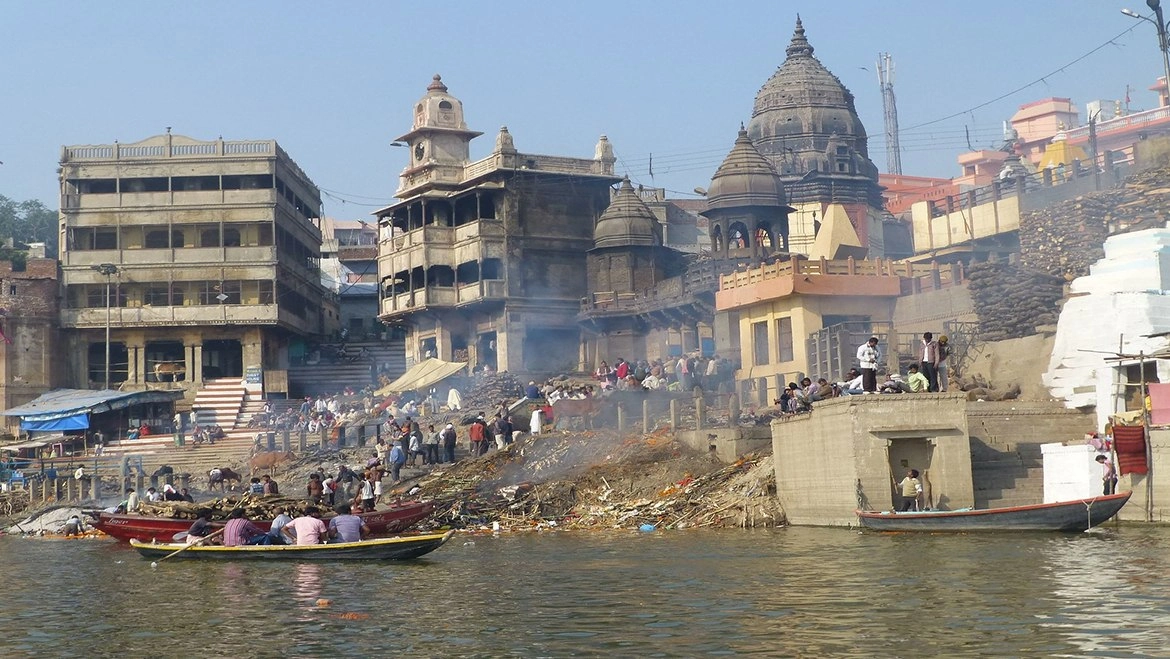
Harishchandra Ghat
One of the oldest and most sacred cremation ghats in Varanasi, deeply associated with the legendary king Harishchandra.
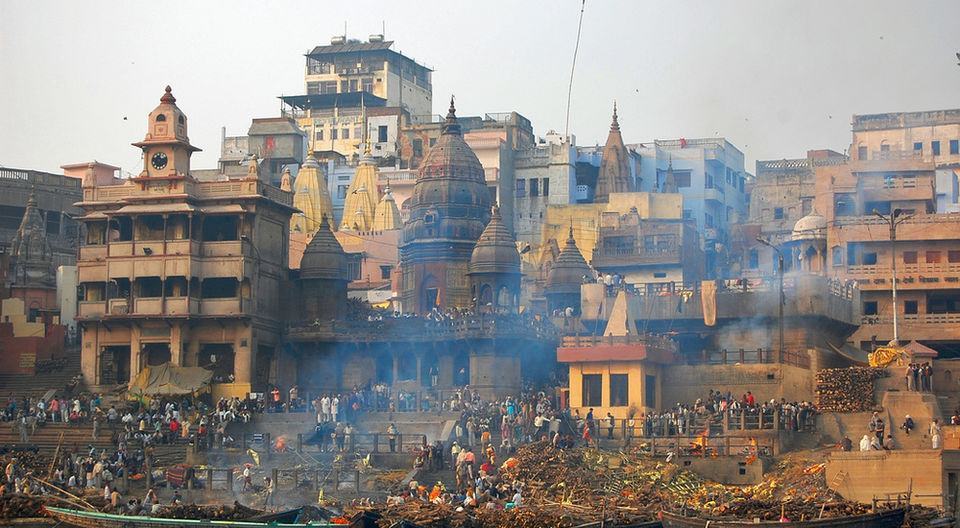
Manikarnika Ghat
Sacred cremation ghat where Hindu last rites are performed.
Landmarks
10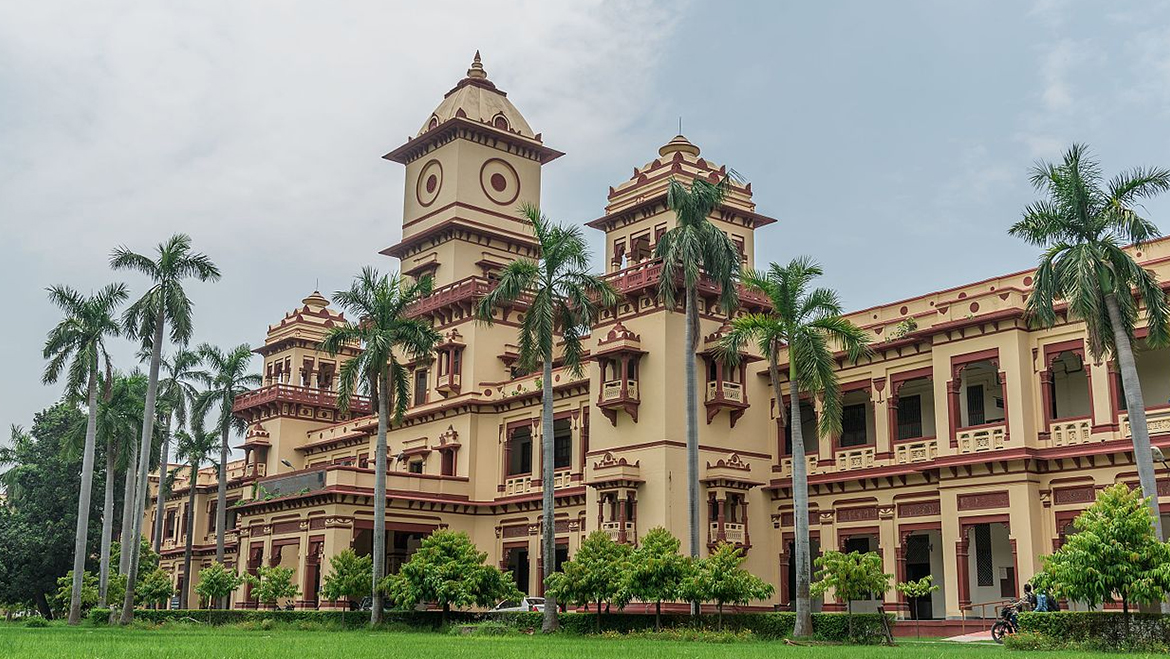
Banaras Hindu University
Famous university campus with peaceful vibes and spiritual sites.
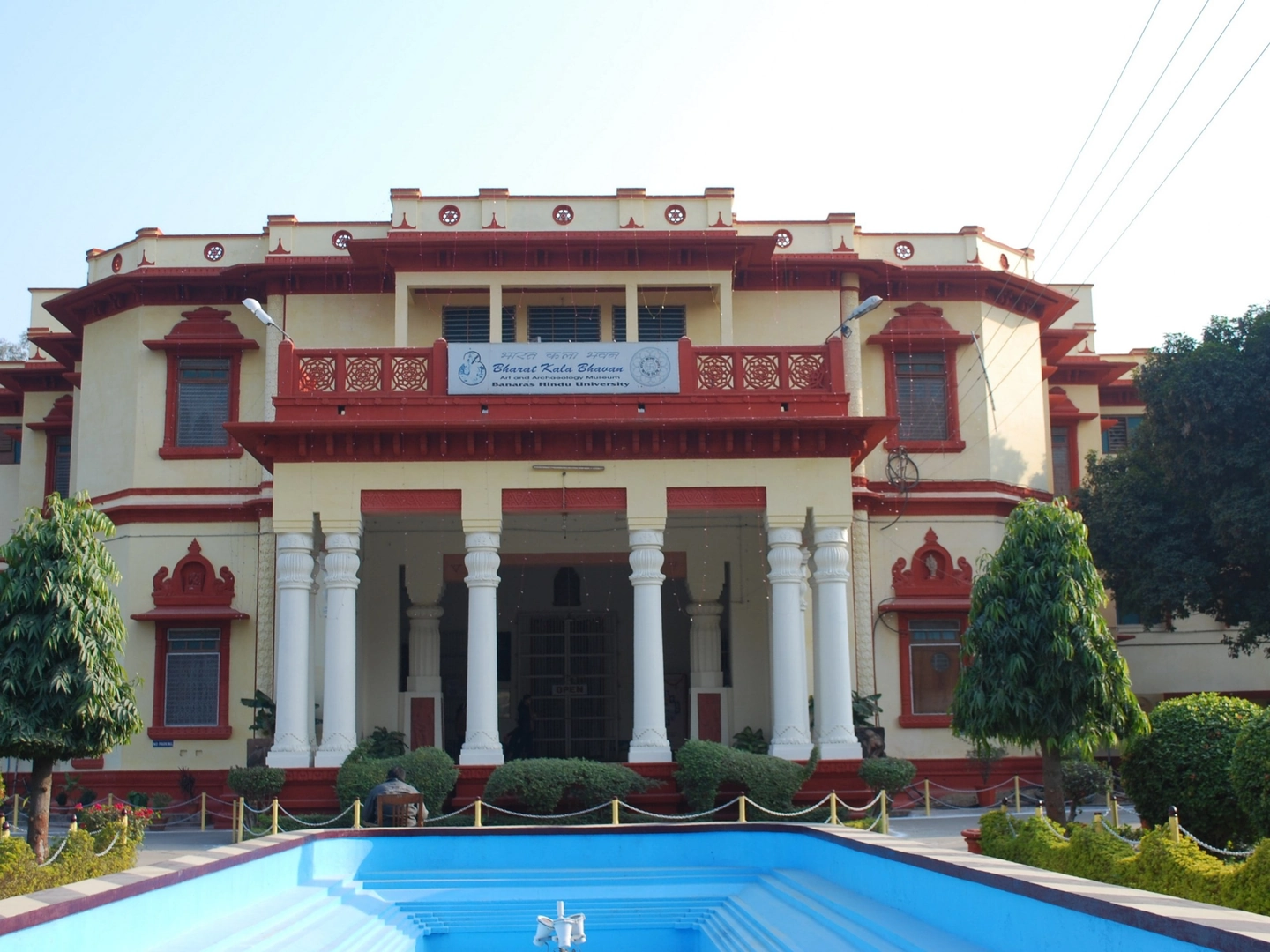
Bharat Kala Bhavan Museum
A renowned museum at BHU Varanasi housing an extensive collection of textiles, miniature paintings, and ancient artifacts.
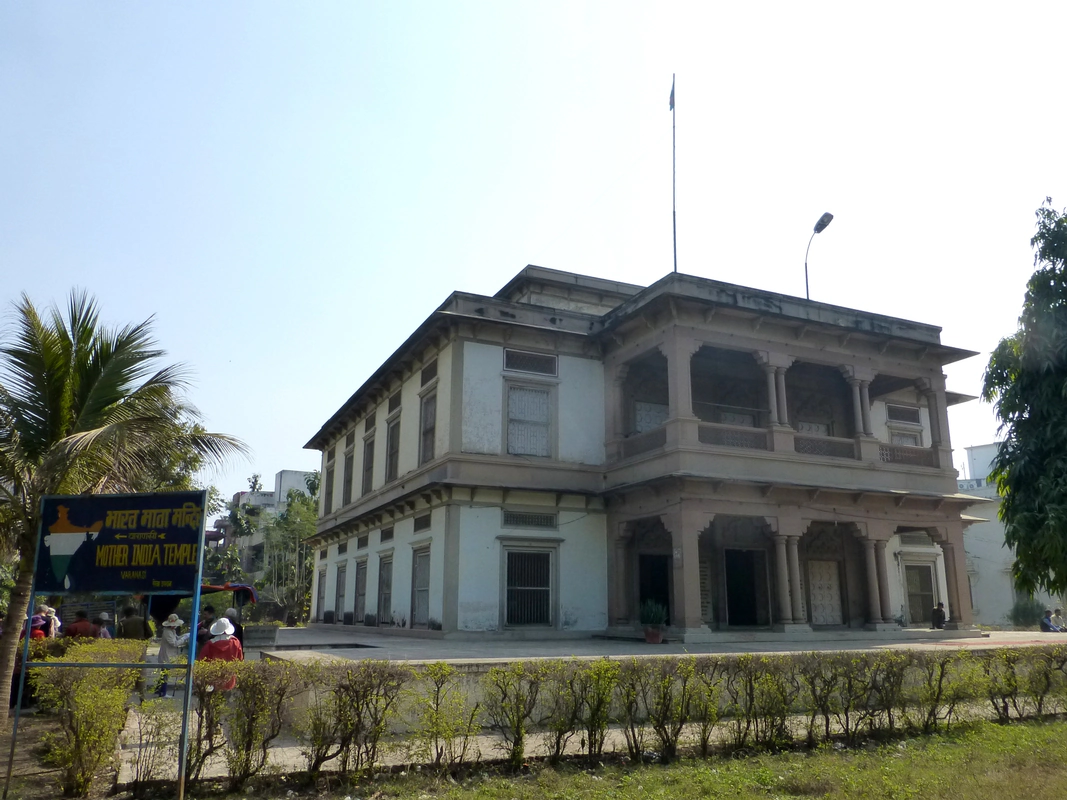
Bharat Mata Temple
A unique temple in Varanasi dedicated to Mother India, housing a detailed marble relief map of undivided India, inaugurated by Mahatma Gandhi in 1936.
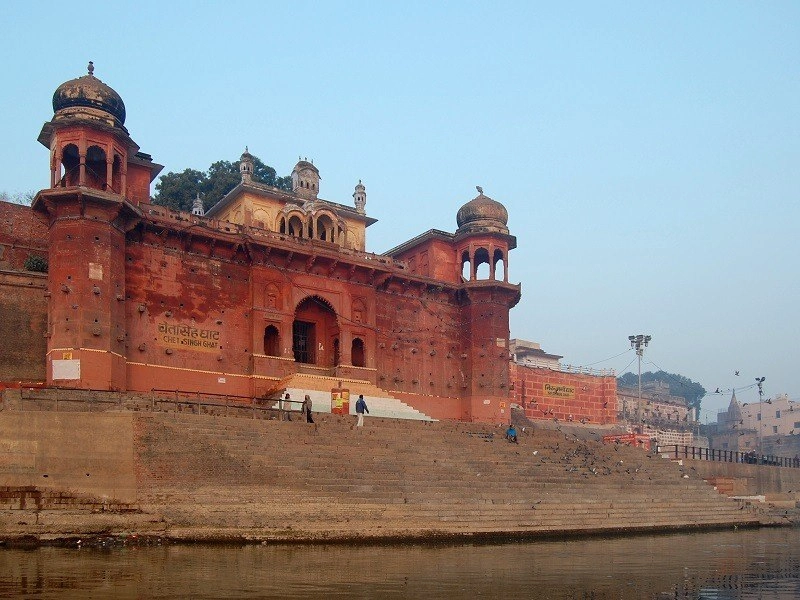
Chet Singh Ghat Fort
A historic riverside ghat in Varanasi where Maharaja Chet Singh once resisted British forces in the 18th century.
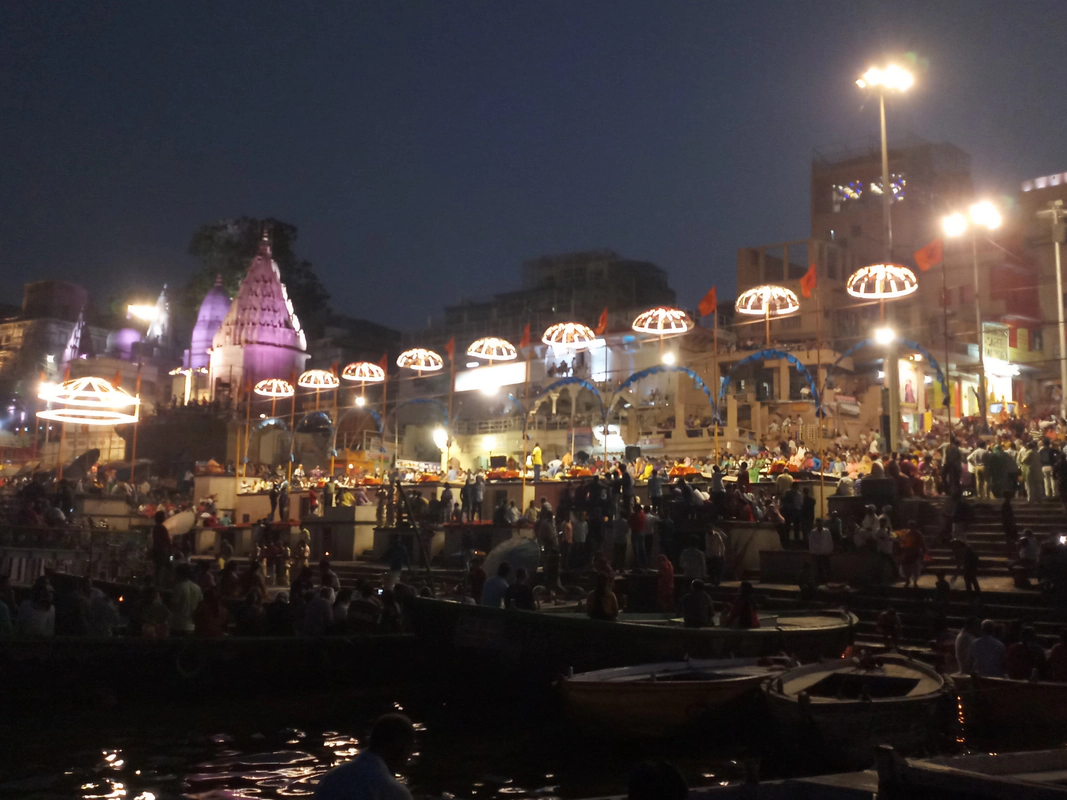
Dashashwamedh Ghat
Varanasi's most famous ghat, best known for its spectacular nightly Ganga Aarti ceremony attended by thousands of pilgrims and visitors.
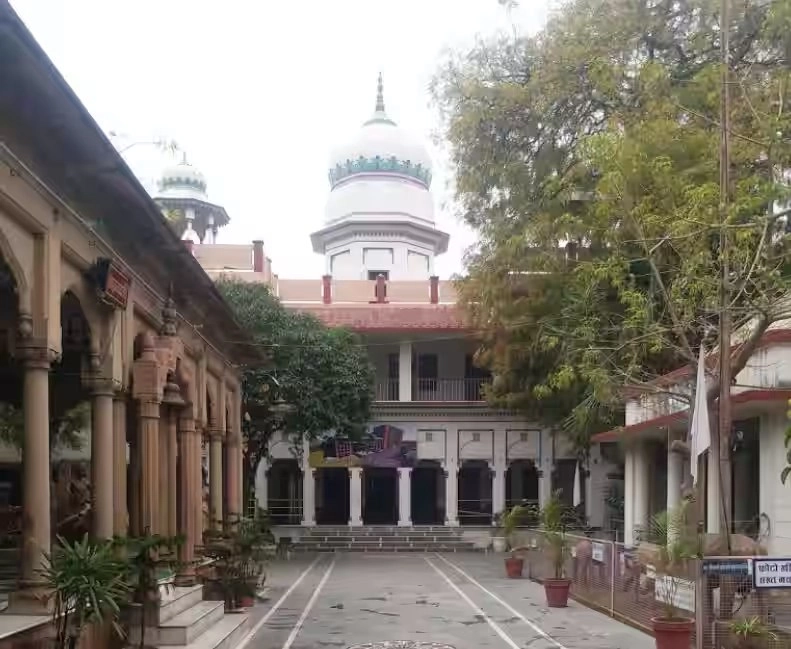
Kabir Math
A historic ashram in Varanasi marking the birthplace of the saint-poet Kabir, a revered spiritual site for his followers.
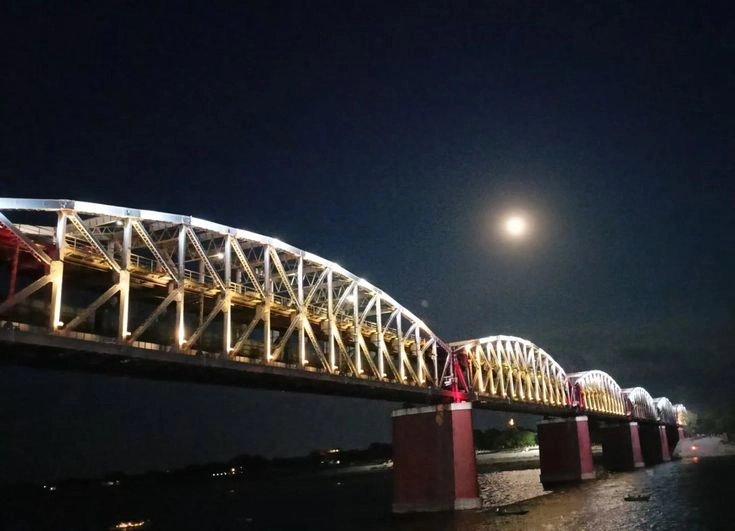
Malviya Bridge
A historic 1887 double-decker rail-road bridge over the Ganga at Varanasi offering aerial views of the famous ghats and the river at dawn.
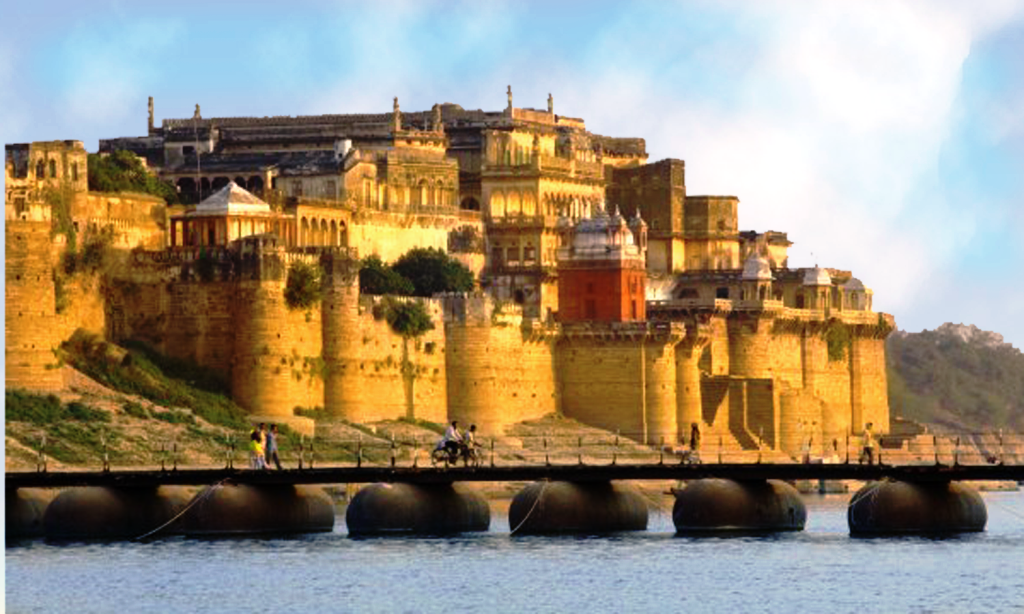
Ramnagar Fort
Historic fort with a museum showcasing royal collections.
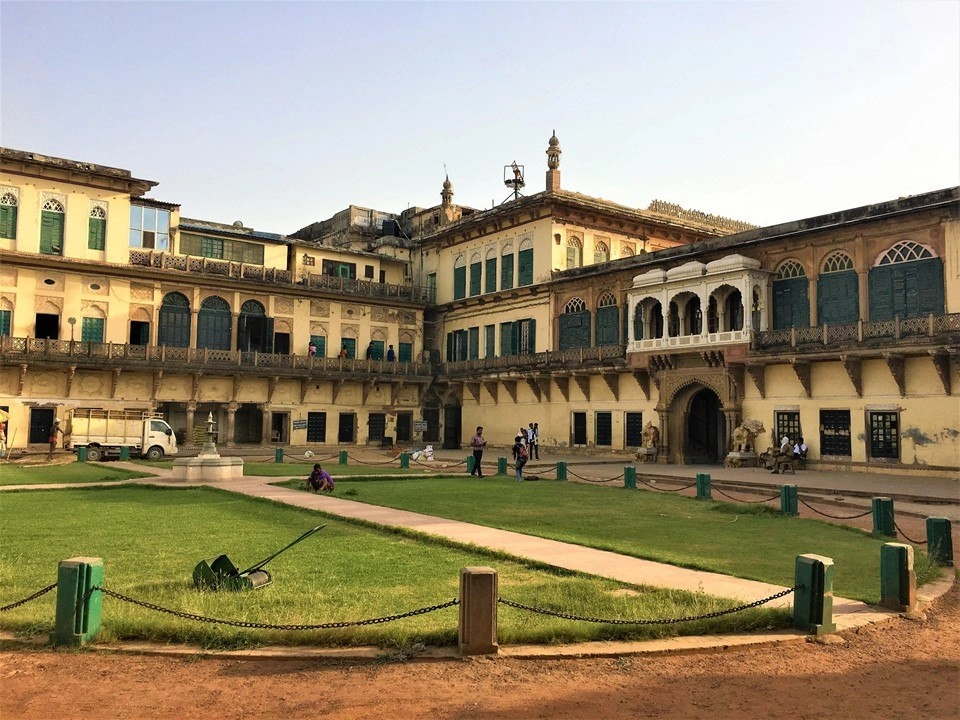
Ramnagar Museum
A 17th-century fort across the Ganges from Varanasi, housing a museum with royal artefacts, vintage cars, and antique weapons.
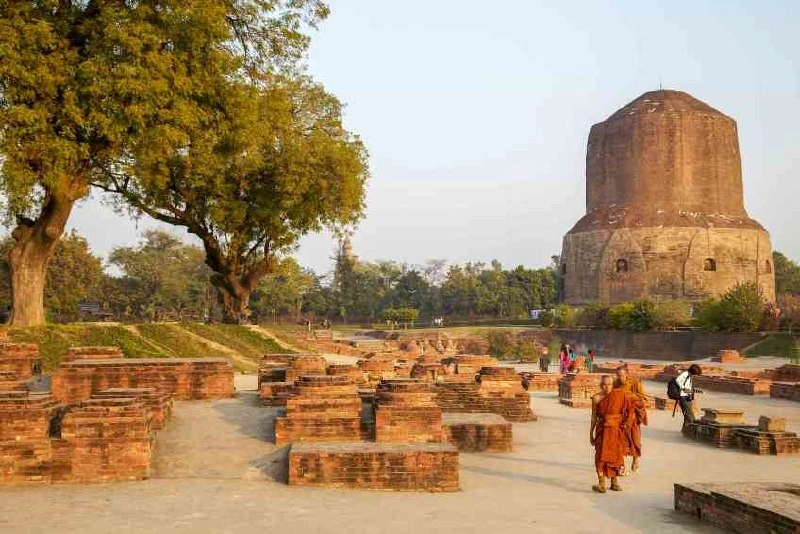
Sarnath
The sacred site near Varanasi where the Buddha delivered his first sermon, featuring ancient stupas, monasteries, and a world-class museum.
Scenic Spots
6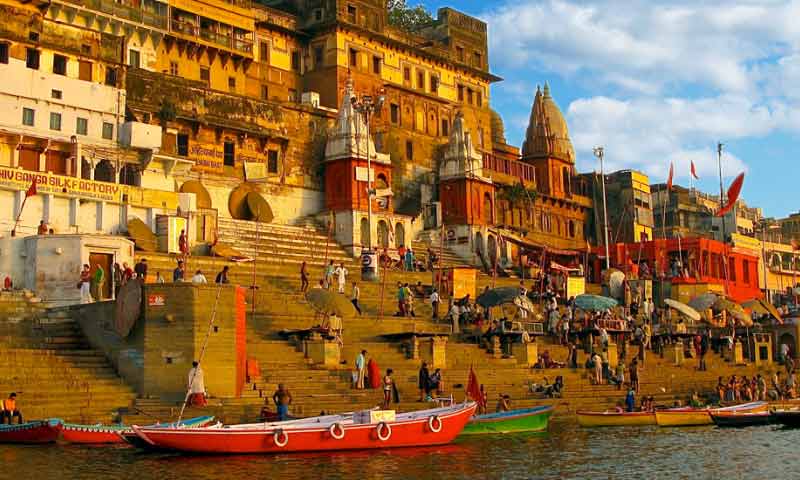
Assi Ghat
Busy southern ghat known for morning aarti and yoga sessions.
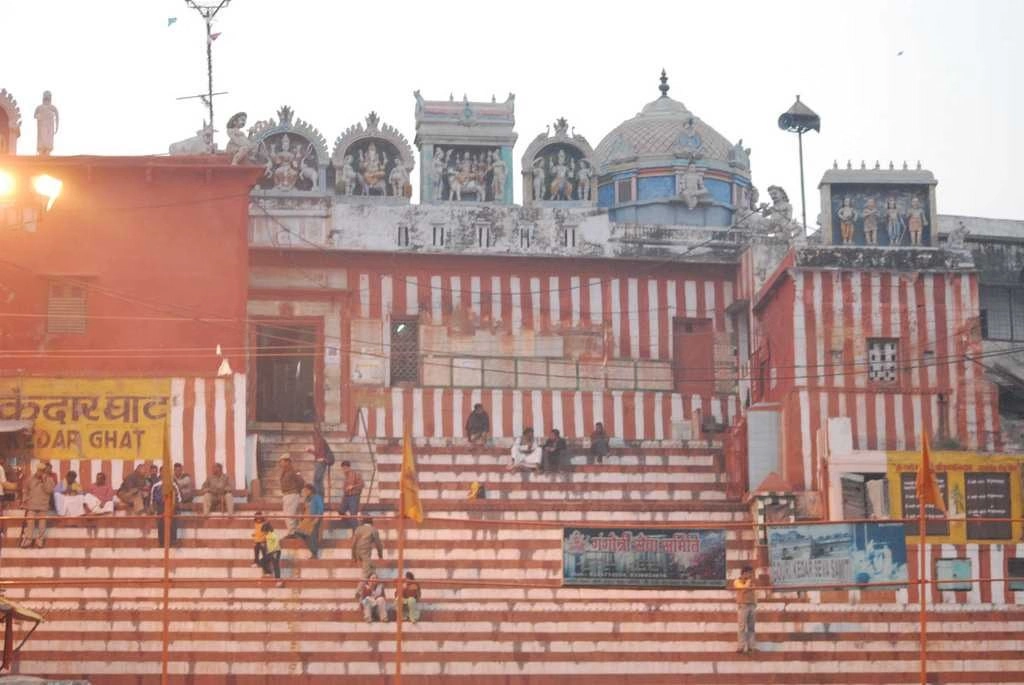
Kedar Ghat
A sacred ghat in Varanasi dedicated to Lord Shiva, featuring a prominent temple and peaceful steps along the Ganges.
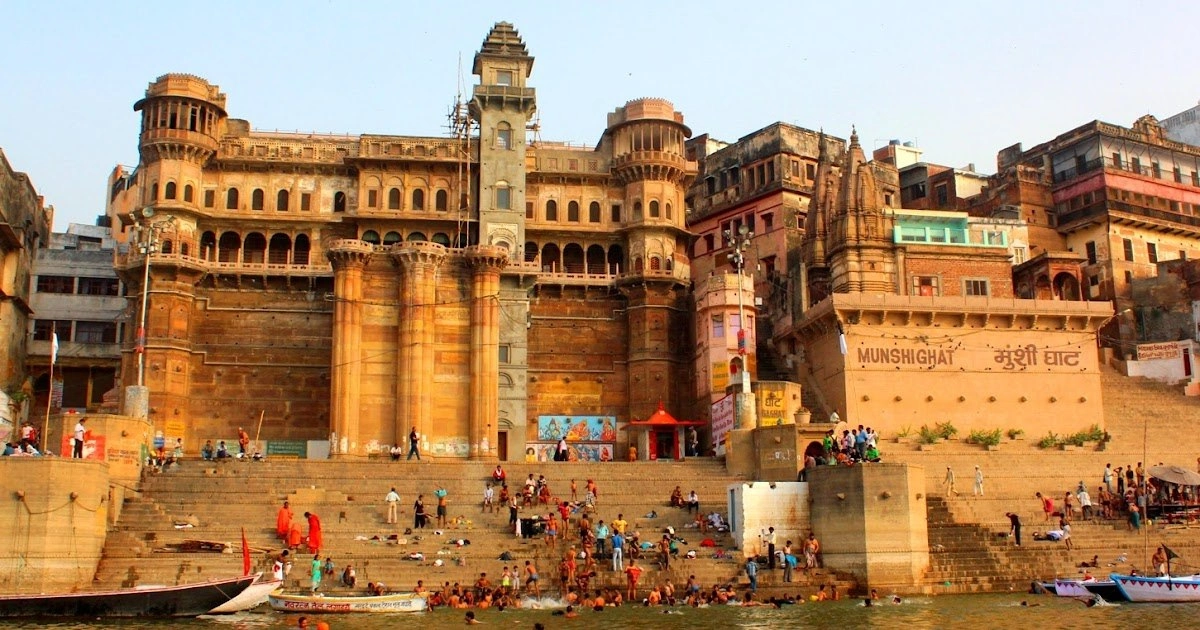
Munshi Ghat
A historic and atmospheric ghat in Varanasi associated with the Darbhanga royal family, featuring ornate architecture along the Ganges.
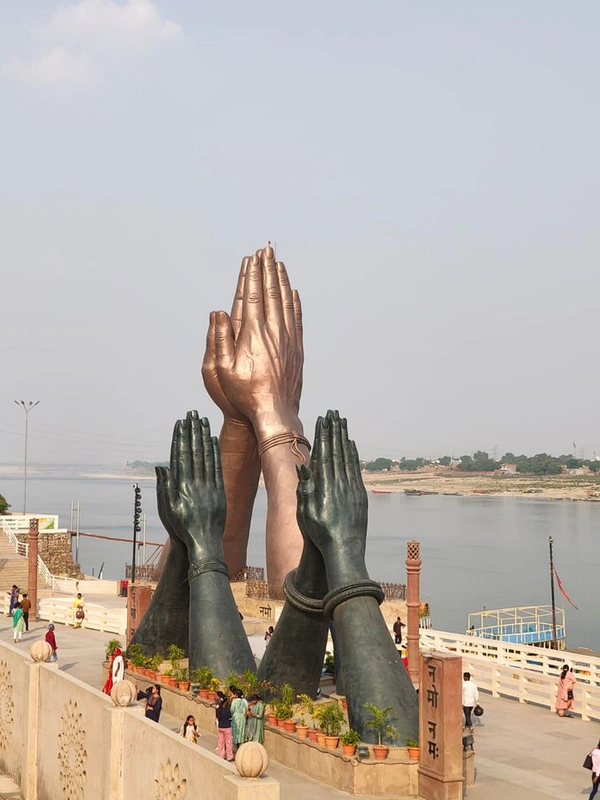
Namo Ghat
A grand newly developed ghat at Varanasi inaugurated in 2021 with a giant Trishul statue, meditation pavilions, and modern facilities for Ganga Aarti.
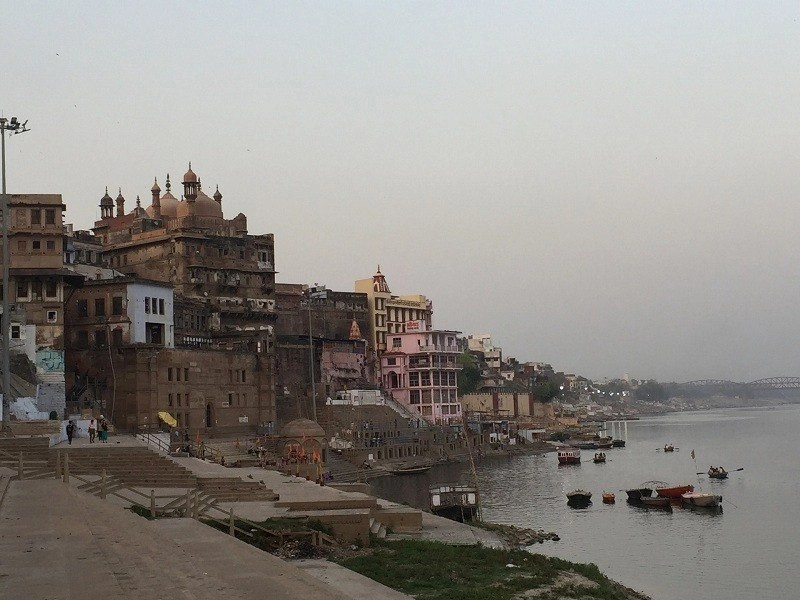
Panchganga Ghat
A sacred ghat in Varanasi marking the mythical confluence of five rivers, dotted with temples and known for its ancient lamp tower.
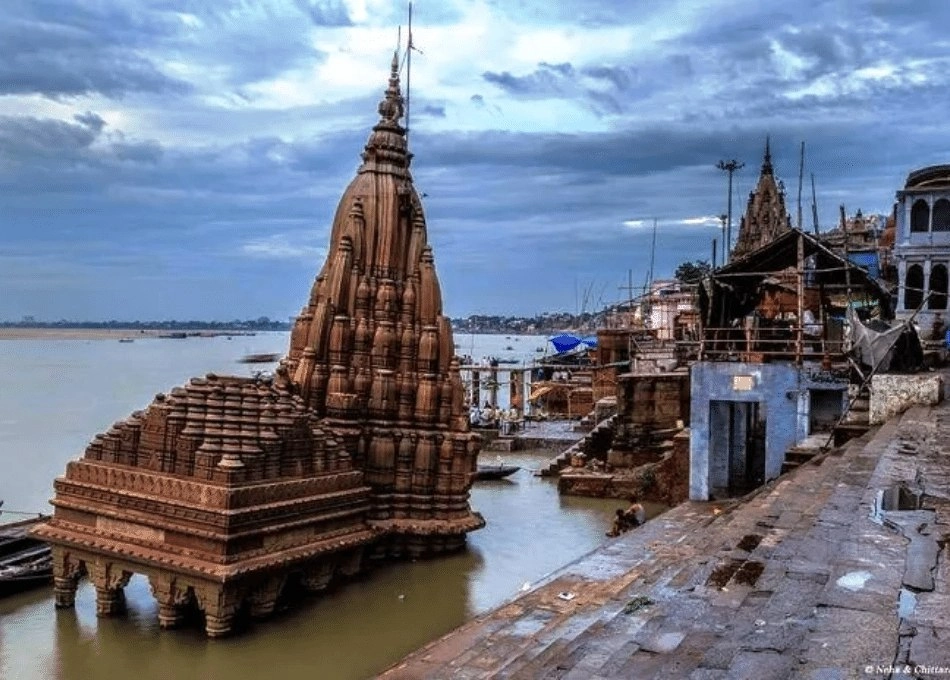
Scindia Ghat
A picturesque ghat in Varanasi known for its partially submerged Shiva temple and the striking Scindia family chattri on its steps.
Shopping
8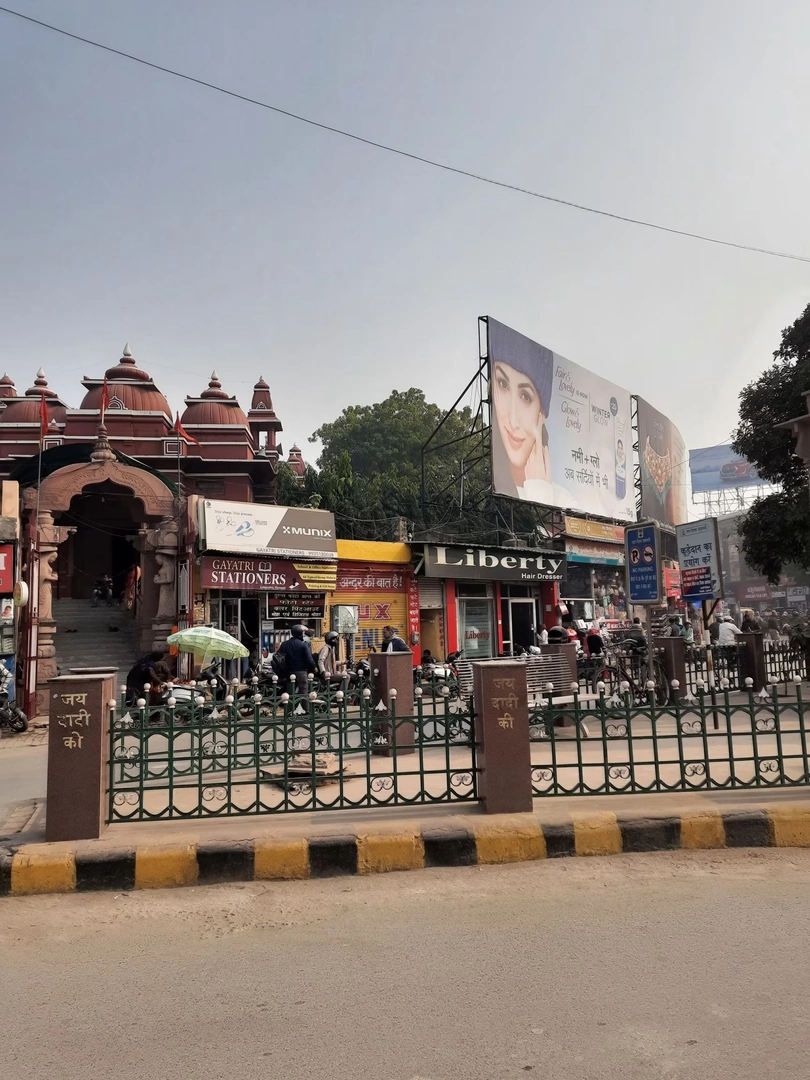
Bulanala & Madanpura
A traditional weaving neighbourhood in Varanasi known for its authentic Banarasi silk sarees and fabric trade.
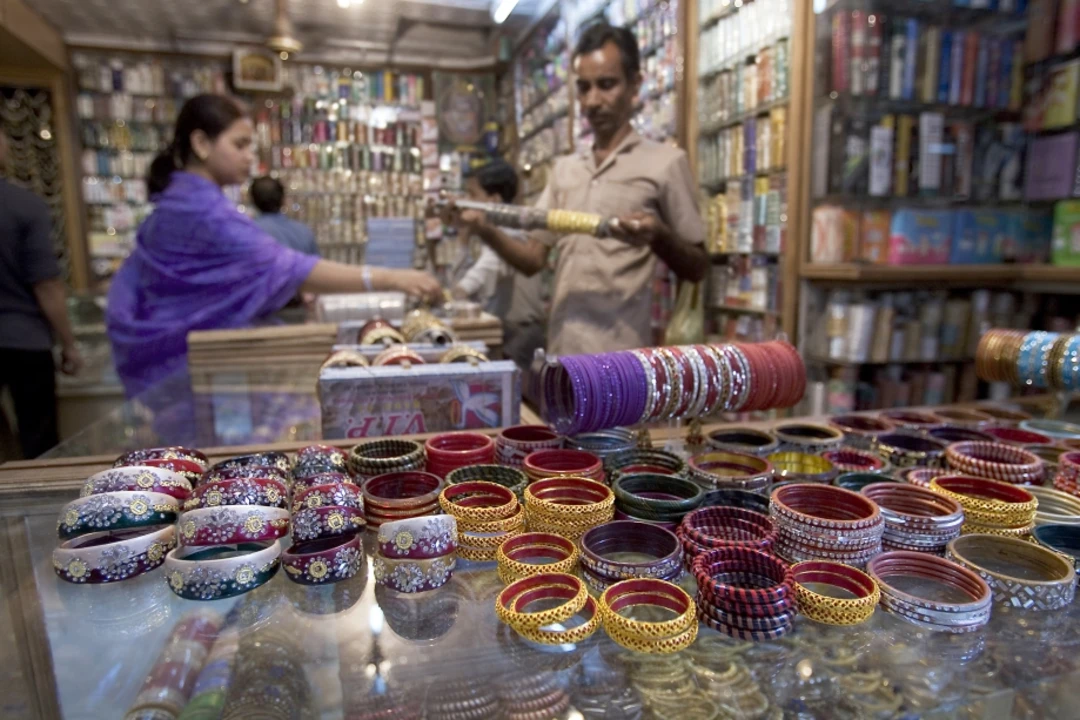
Chowk Market
One of Varanasi's oldest marketplaces, famous for Banarasi silk, silver jewellery, and traditional handicrafts.
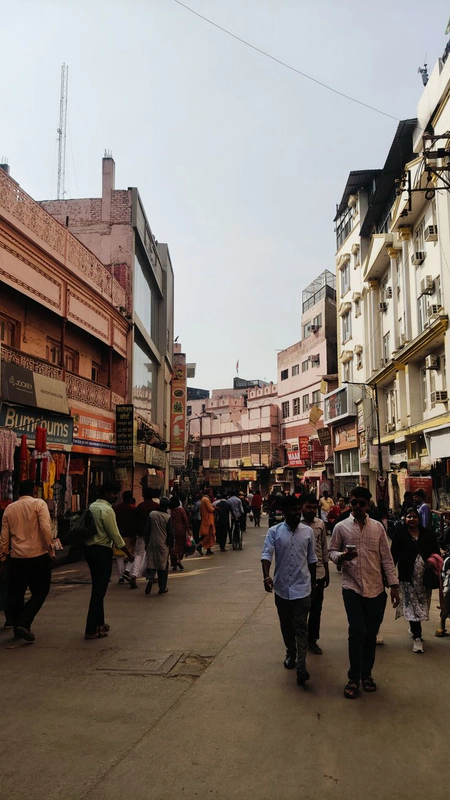
Gowdolia Market
Varanasi's most central and chaotic marketplace at the crossroads of the ghats, Kashi Vishwanath, and the silk bazaars, at the commercial heart of the old city.
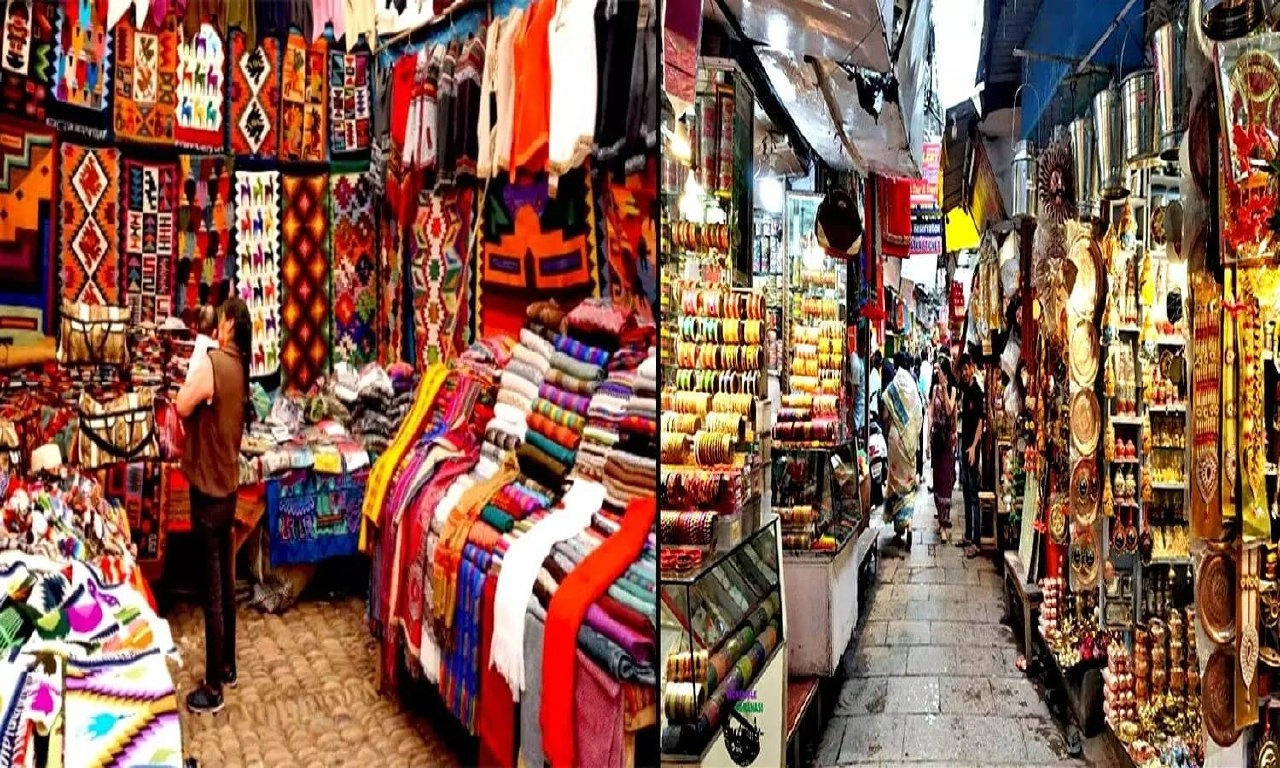
Kotwali Area
The historic old city police precinct area of Varanasi at the centre of its old lanes, temples and traditional trade.
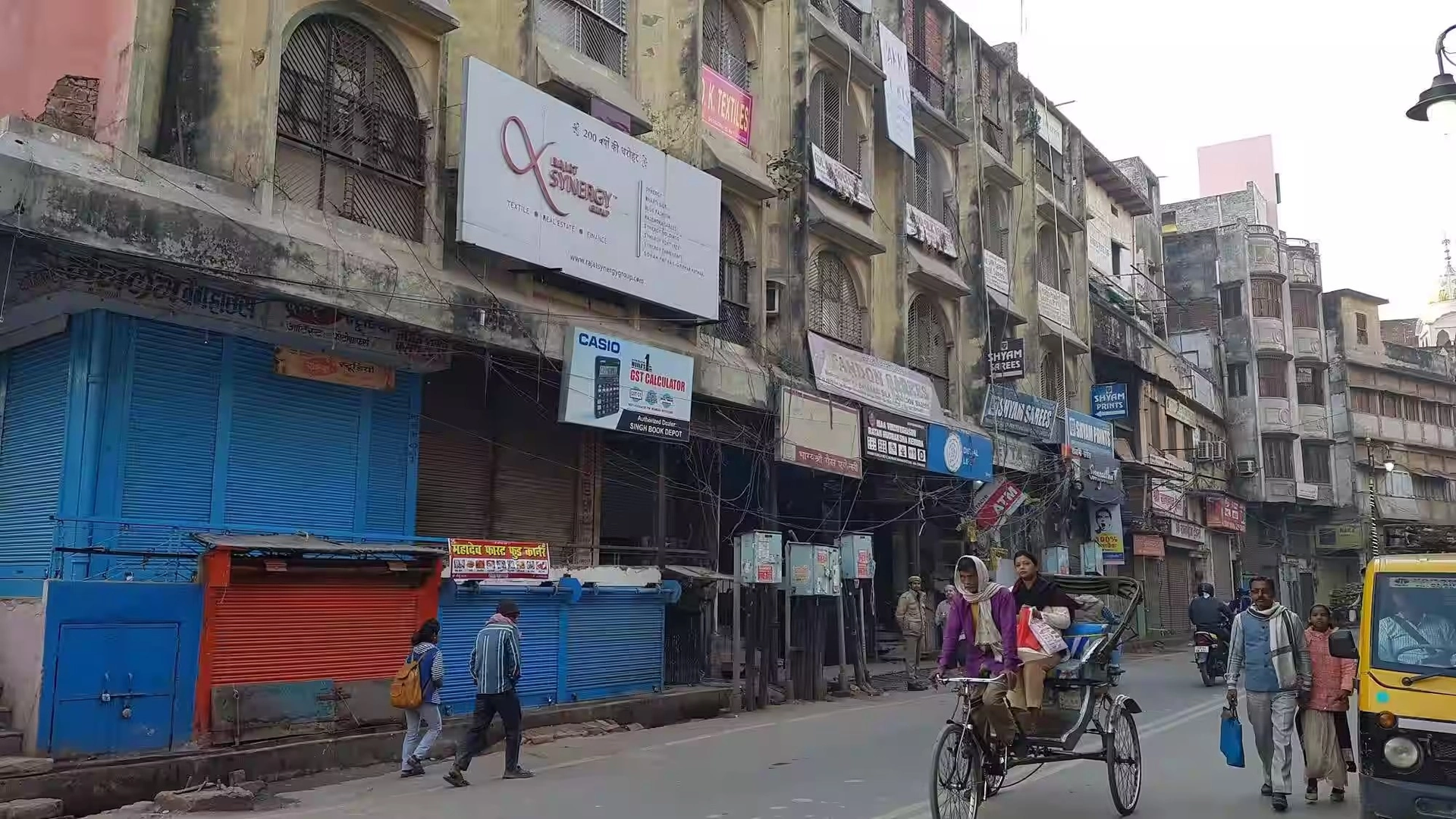
Lahurabir Market
A lively commercial area in Varanasi known for electronics, clothing, and everyday goods, popular with locals and visitors alike.
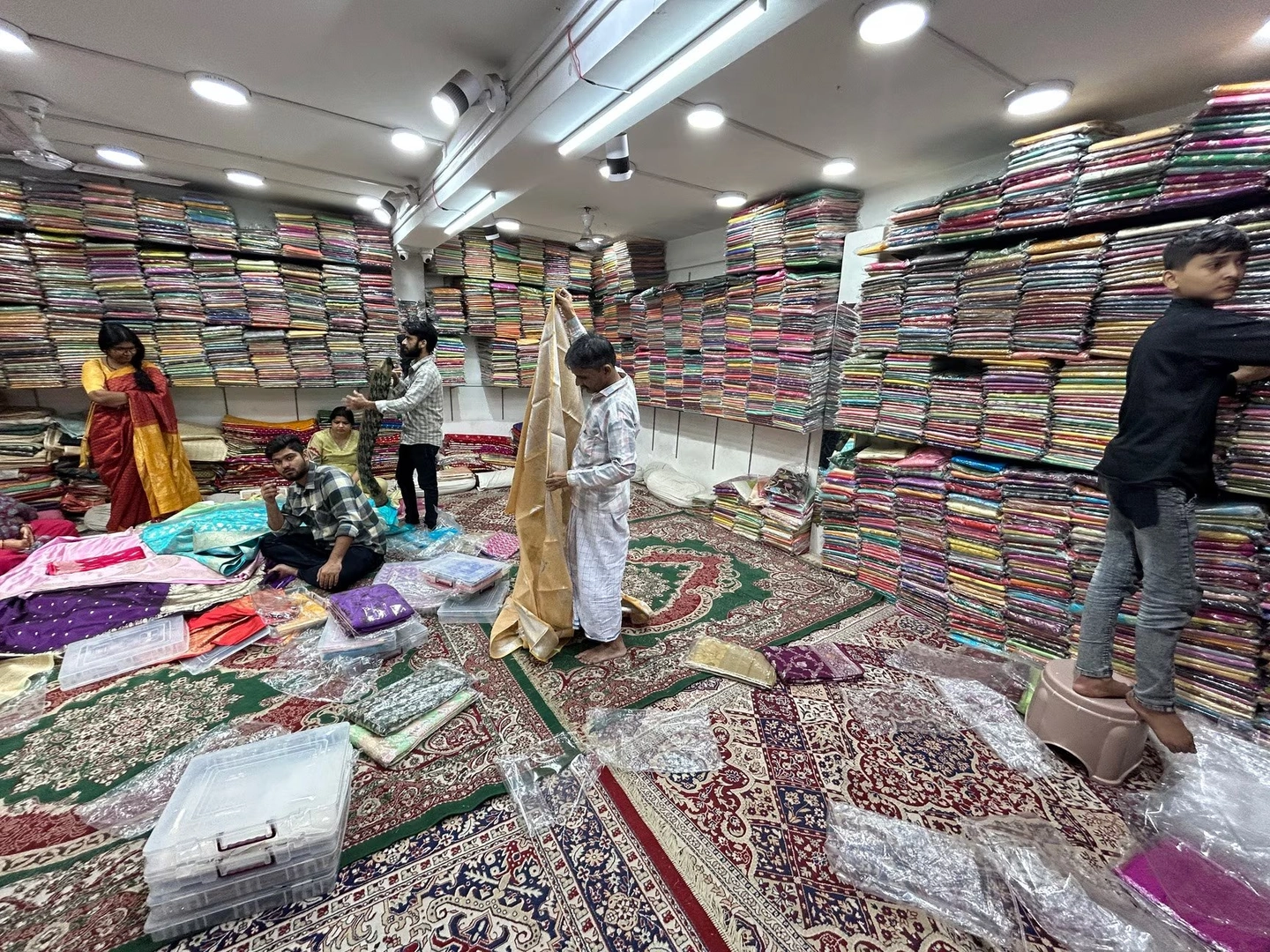
Mehmoorganj & Peeli Kothi
A historic neighbourhood in Varanasi known for its colonial-era yellow building and its busy local commerce and daily life.
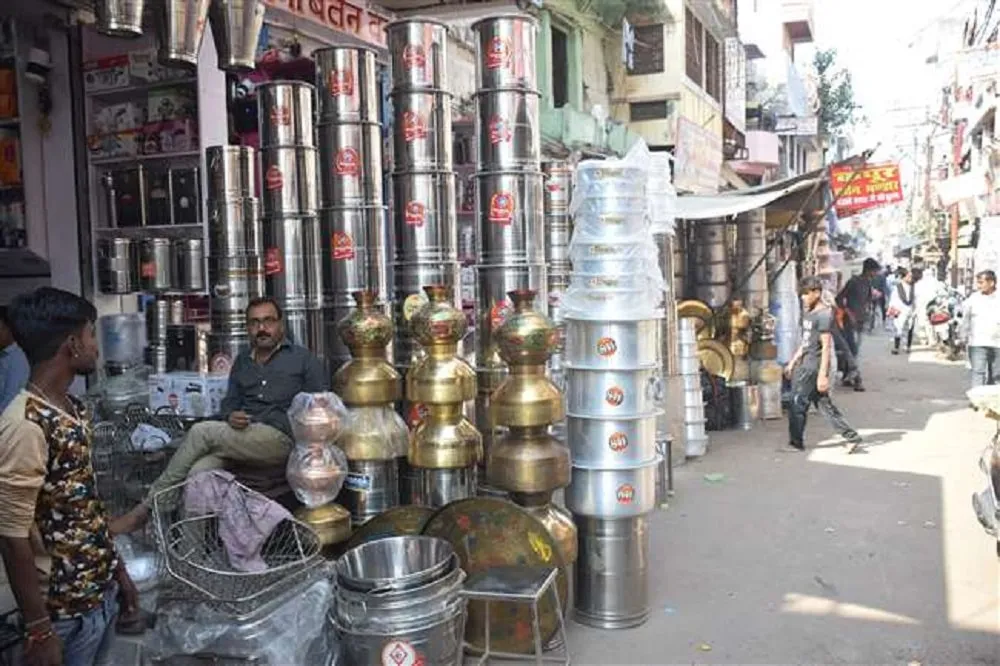
Thatheri Bazaar
A traditional market in Varanasi known for its brass and bronze utensils, representing a centuries-old craft tradition of the city.
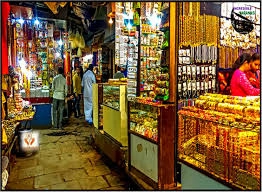
Vishwanath Gali
A narrow, crowded lane in Varanasi leading to the Kashi Vishwanath temple, lined with shops selling flowers, sweets, and religious offerings.
Temple
12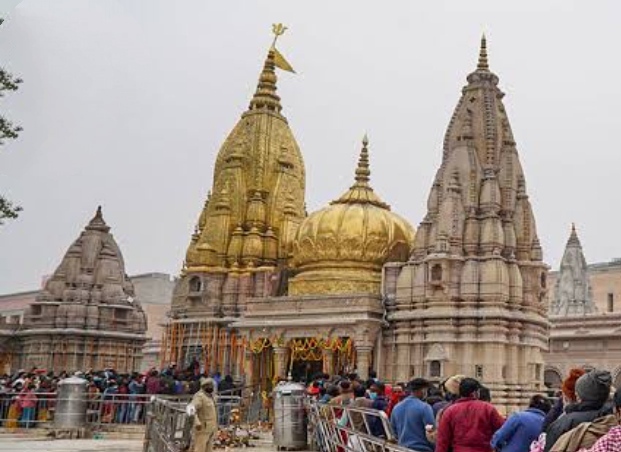 Must Visit
Kashi Vishwanath Temple
One of the twelve Jyotirlingas of Lord Shiva in Varanasi, the holiest of all Shiva temples and a destination every Hindu pilgrim aspires to visit once in a lifetime.
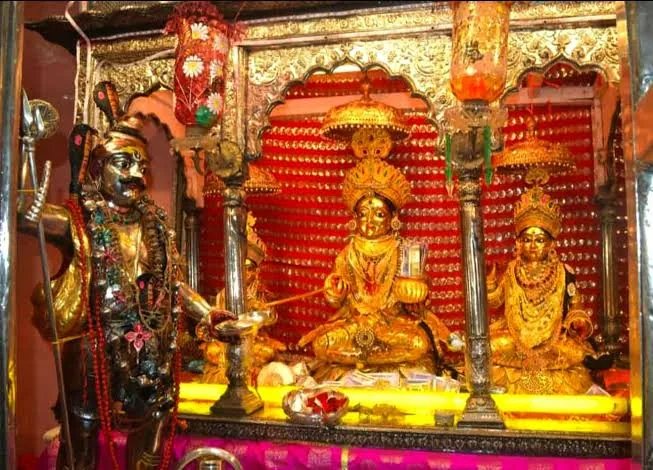
Annapurna Devi Temple
Important temple dedicated to Goddess Annapurna, traditionally visited along with Kashi Vishwanath.
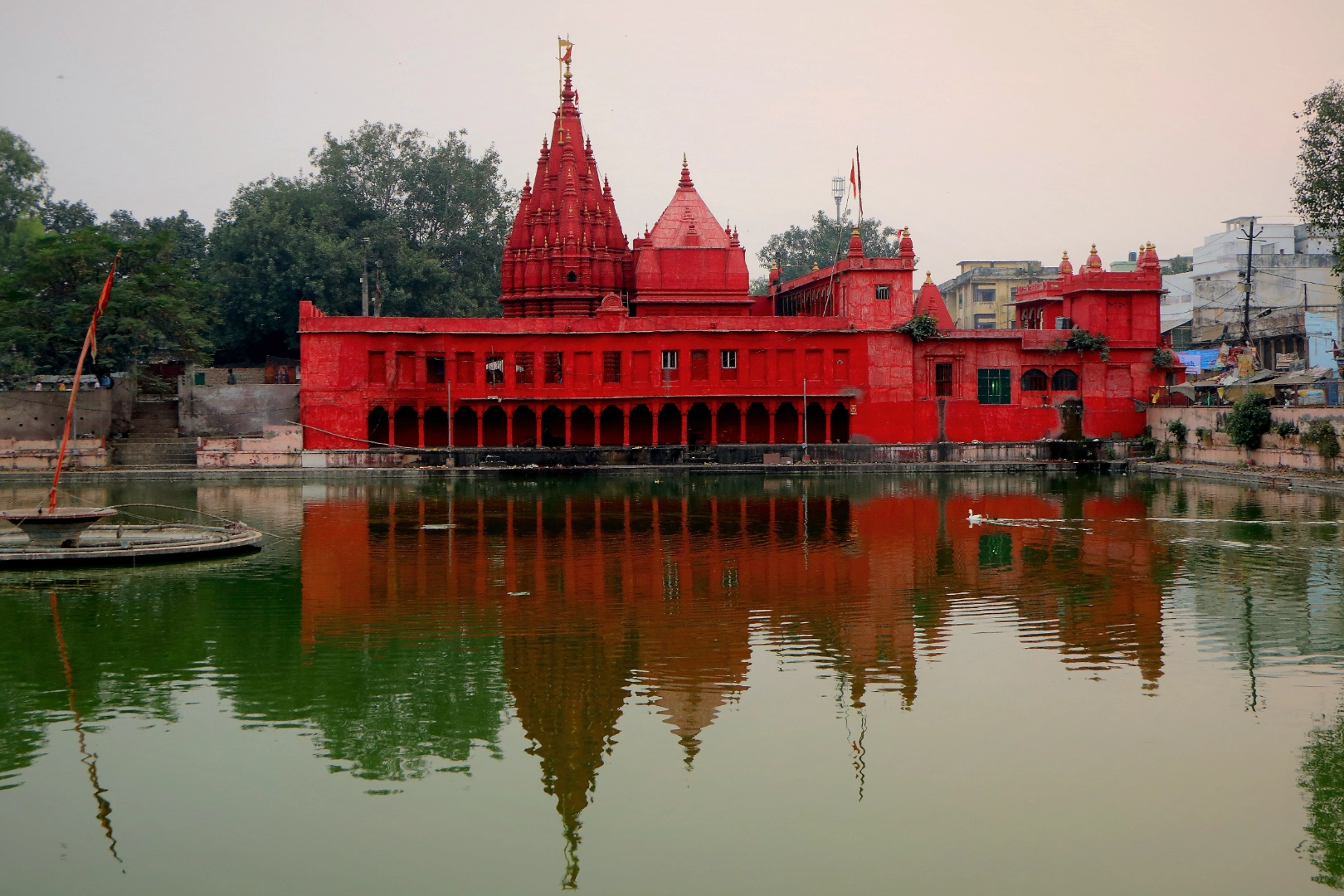
Durga Temple
An 18th-century Nagara-style Durga temple beside the Durga Kund tank in Varanasi, known as the Monkey Temple and especially busy during Navratri.
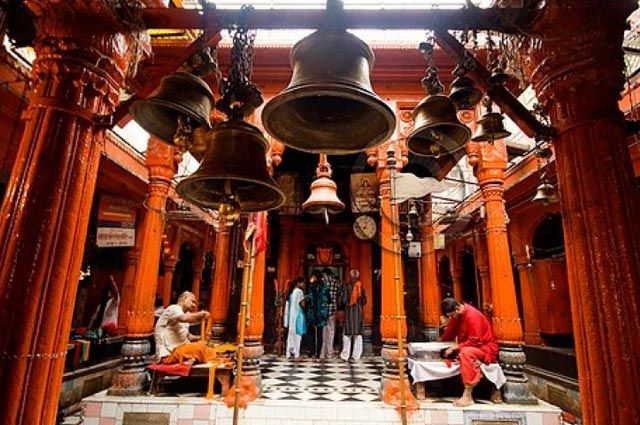
Kaal Bhairav Temple
The presiding guardian deity temple of Varanasi, dedicated to Kaal Bhairav, a fierce form of Shiva, unique for its tradition of offering alcohol as prasad.
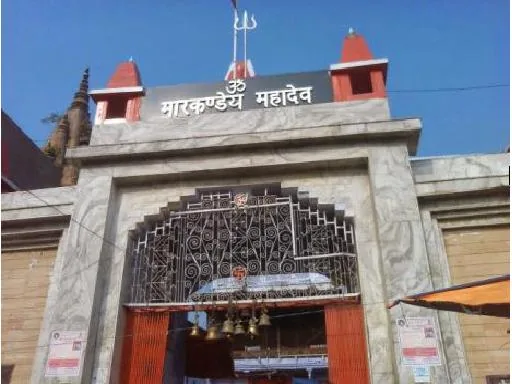
Markandeya Mahadev Temple
An ancient Shiva shrine at Kaithi where sage Markandeya's devotion is said to have conquered death itself.
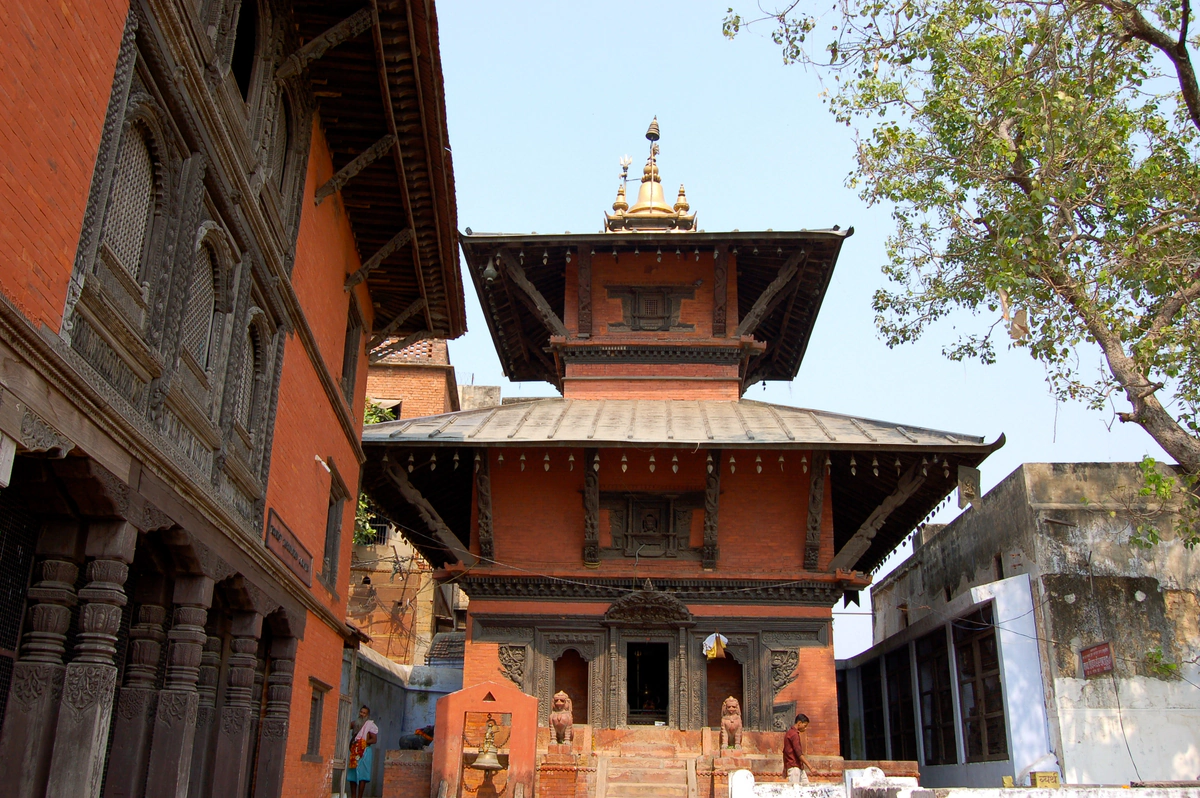
Nepali Mandir
A 19th-century pagoda-style temple built by the King of Nepal on Varanasi's ghats, modelled on Kathmandu's Pashupatinath.
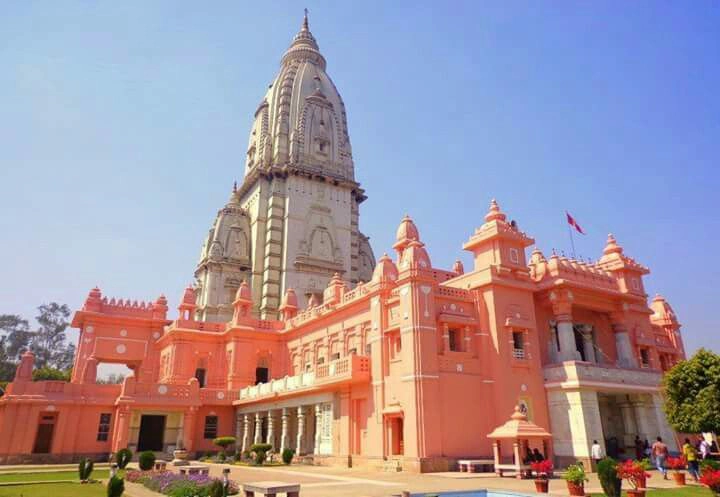
New Kashi Vishwanath Temple (BHU)
A towering 77-metre white marble Shiva temple within BHU campus, built by the Birla family and open to all castes since 1966.
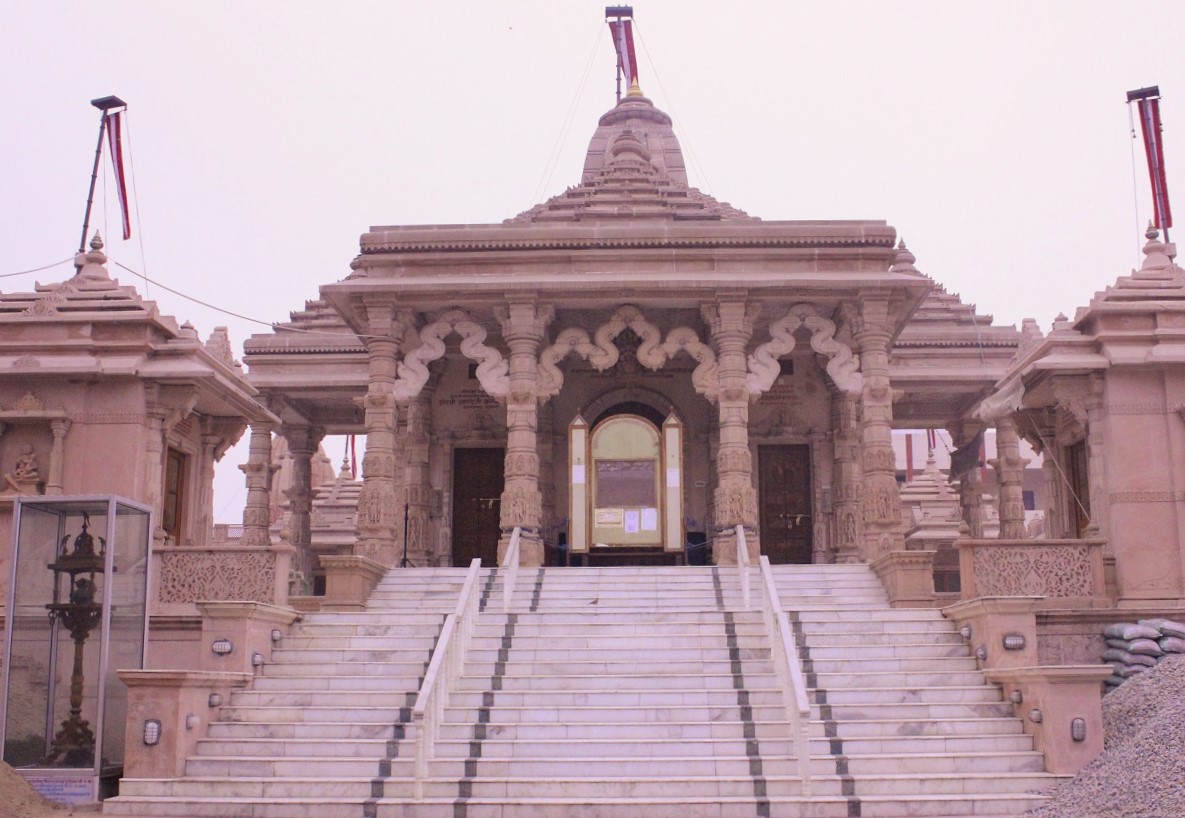
Parshwanath Temple
A revered Jain temple known for its intricate carvings and spiritual tranquility in the heart of Varanasi.
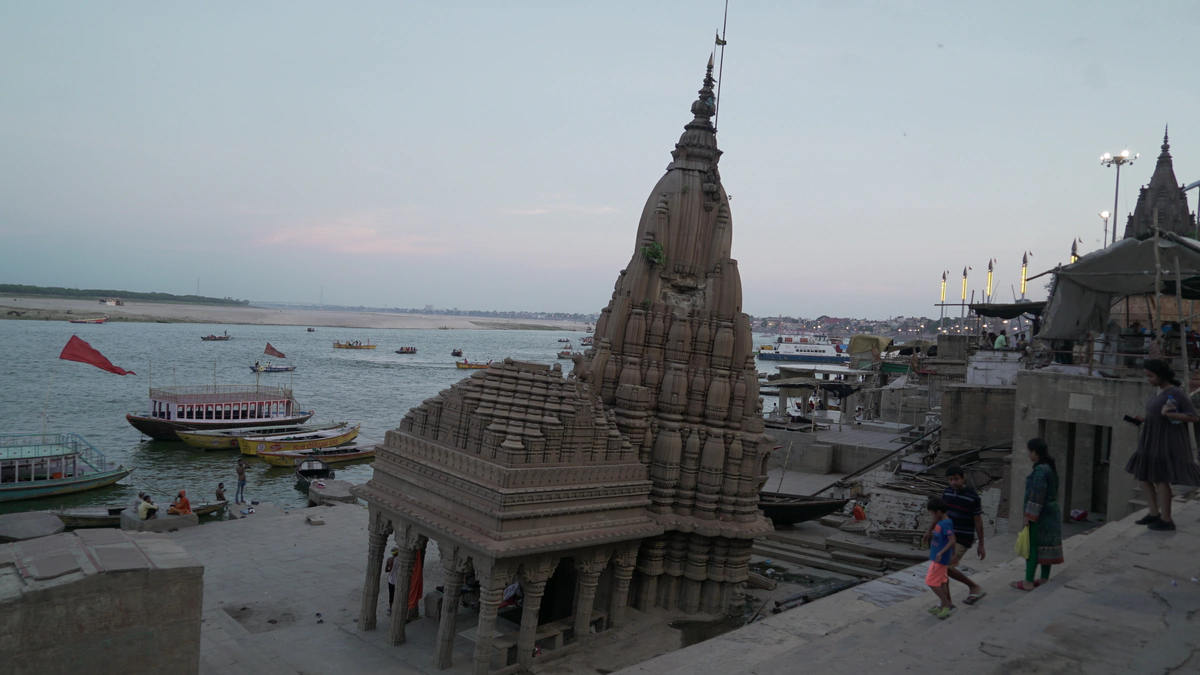
Ratneshwar Mahadev Temple (Leaning Temple)
Varanasi's famous leaning Shiva temple near Manikarnika Ghat, tilting 9 degrees and partially submerged during the Ganga floods.
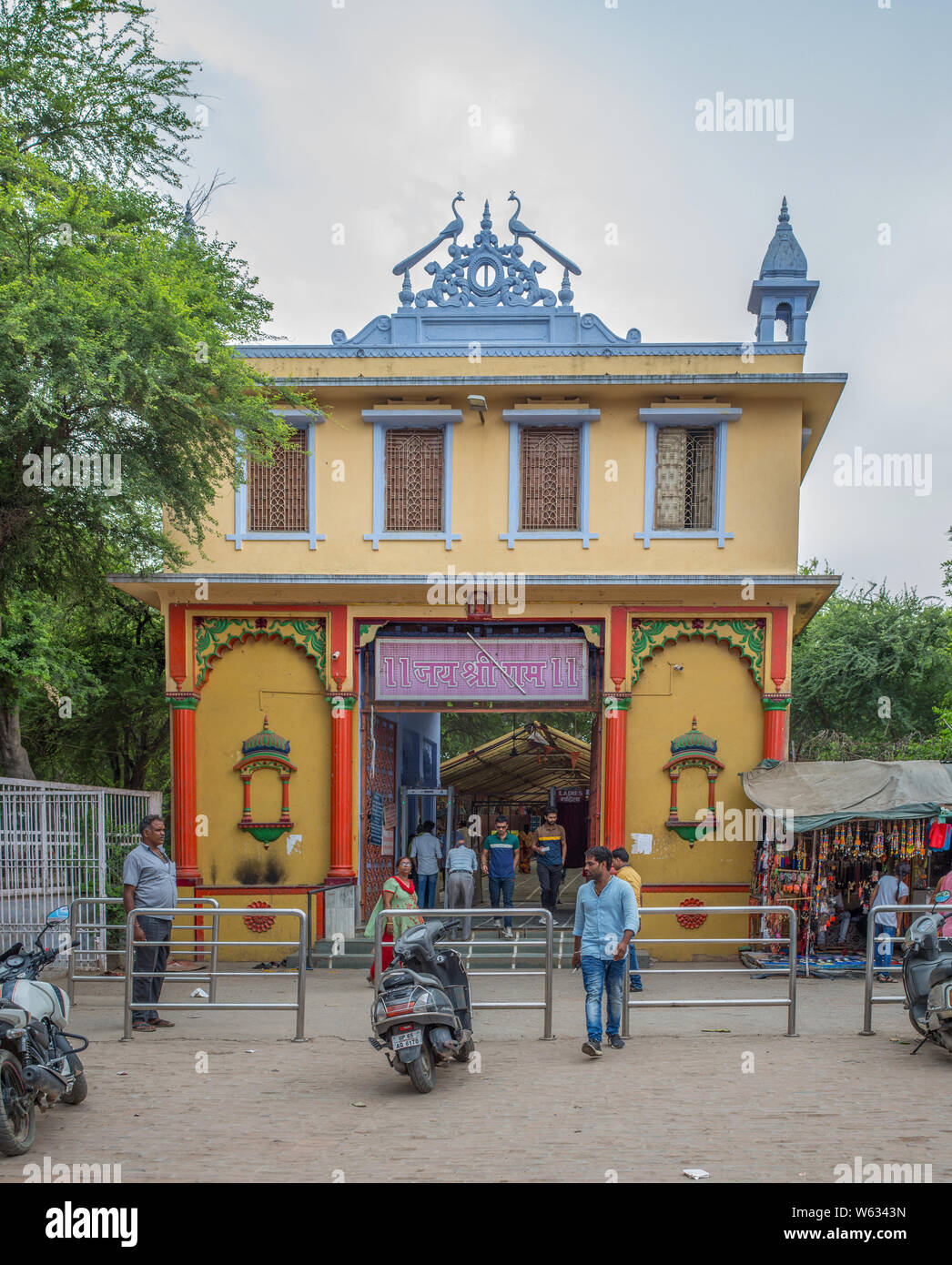
Sankat Mochan Hanuman Temple
A deeply beloved Hanuman temple in Varanasi founded by the saint Tulsidas, believed to remove all obstacles, and the site of a devastating 2006 bomb attack that did not deter devotees.
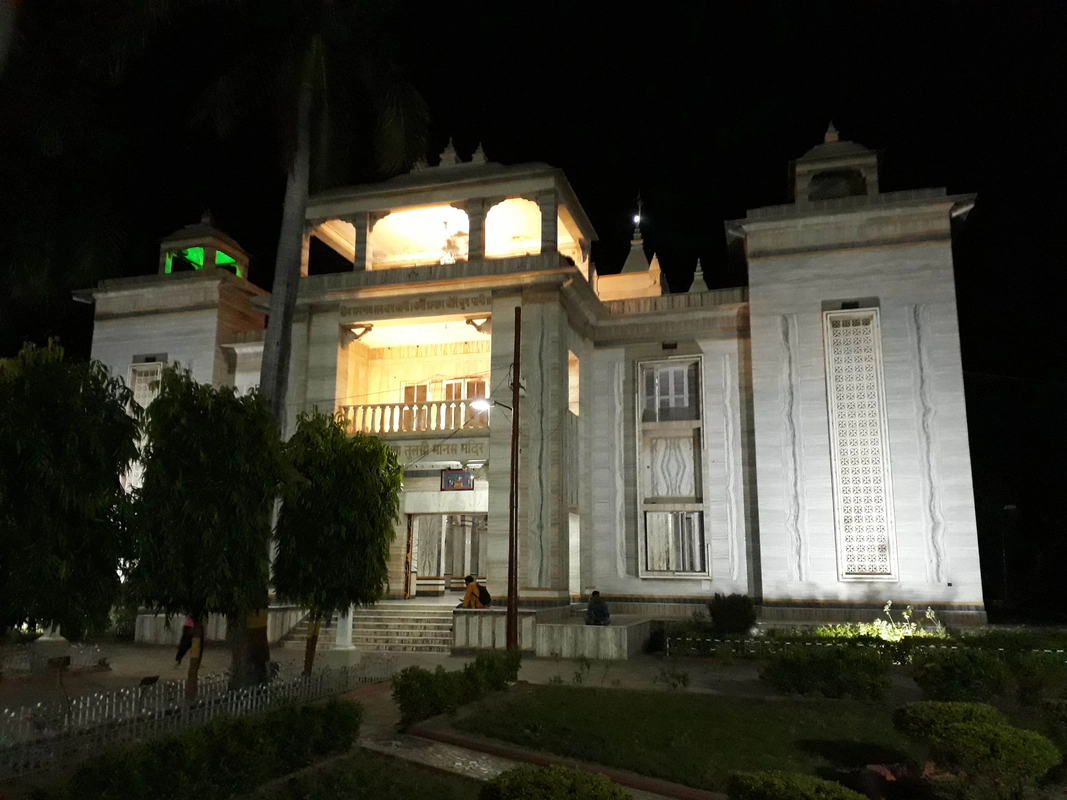
Tulsi Manas Mandir
A marble temple in Varanasi built at the site where Tulsidas wrote the Ramcharitmanas, its walls inscribed with verses from the epic poem.
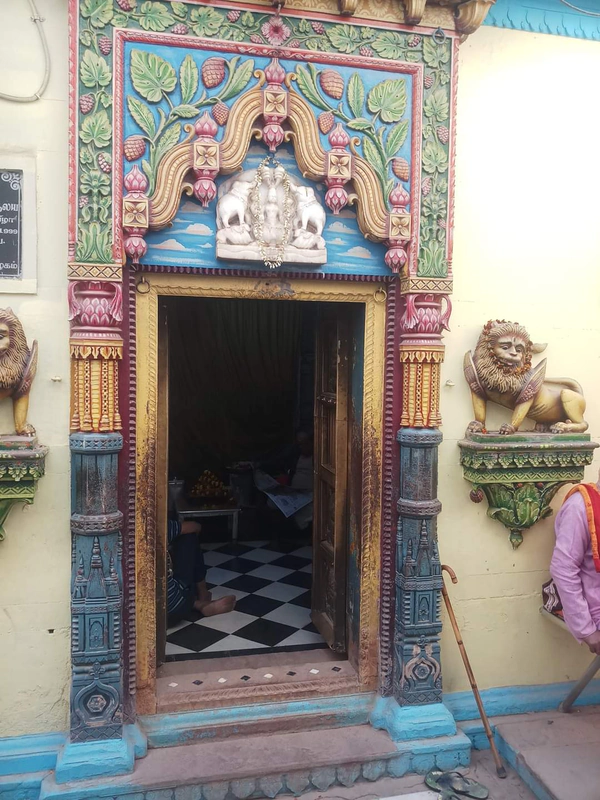
Vishalakshi Temple
One of the 51 Shakti Peethas in Varanasi near Meer Ghat, dedicated to Goddess Vishalakshi where Sati's eyes are said to have fallen, completing the city's Shaiva-Shakta pilgrimage circuit.
No places found for ""
Try a different search term or switch to All.
No places match your current filter
Try a different search term or switch to All.