Wellness Travel in India: Where to Go for Yoga, Ayurveda, Meditation and Retreats
Last updated
India is where yoga, Ayurveda and many of the world's meditation traditions began, and wellness travel in India can mean almost anything, from a morning yoga class by the Ganga to ten silent days at a Vipassana centre or a fortnight of physician-led Ayurveda in Kerala. This guide sorts the options by what you want from the trip, names the places that do each one well, and gives you the practical details (seasons, course lengths, rules and booking) that most lists leave out.
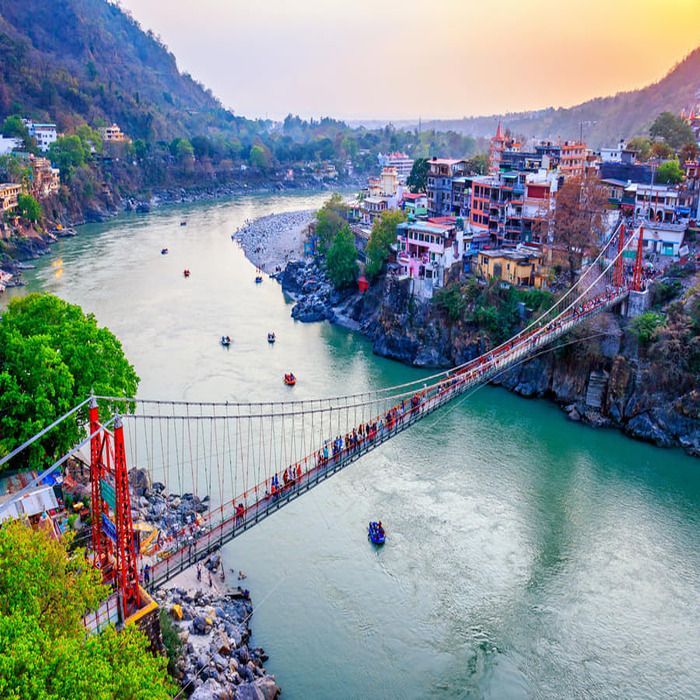
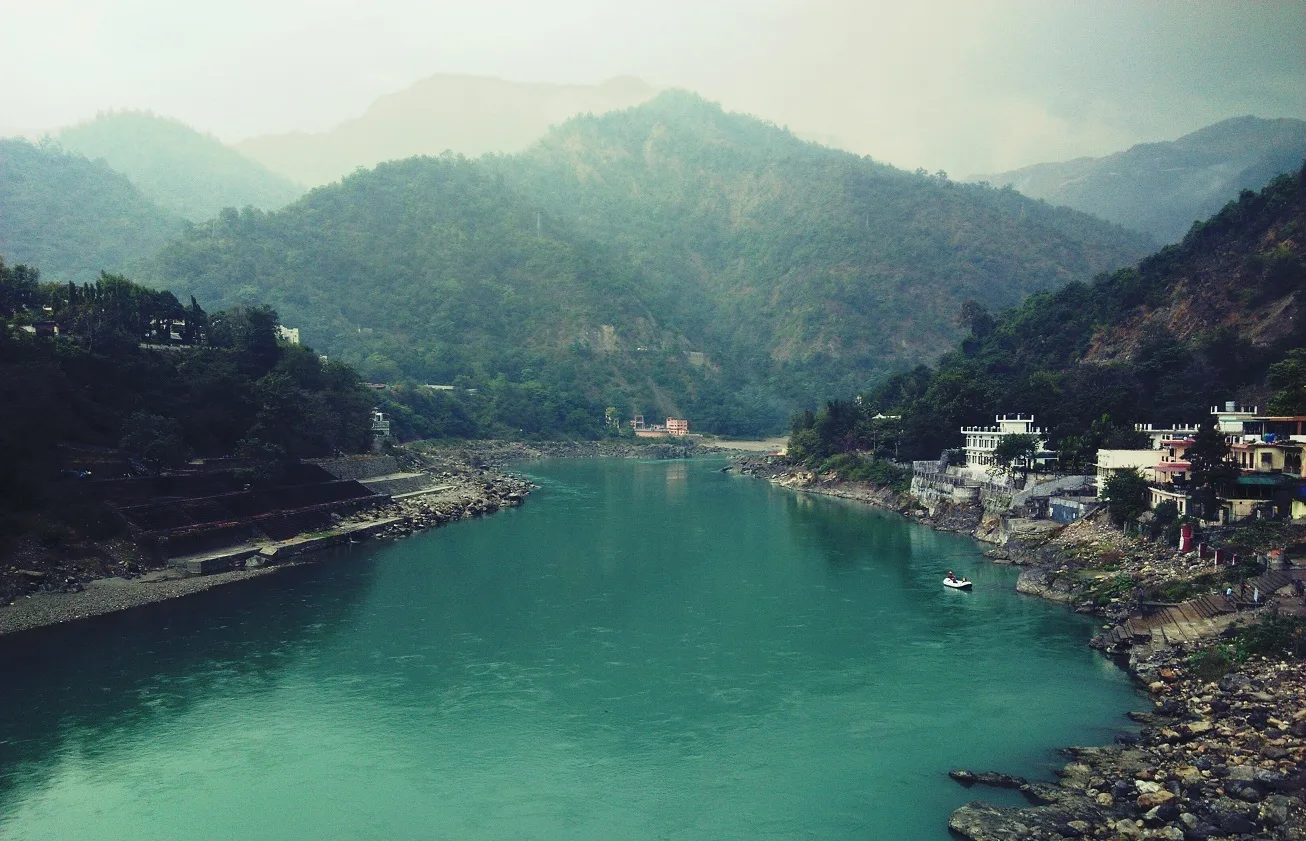
The Ganga at Rishikesh, seen from Lakshman Jhula. Photo: Sudhanshu, CC BY-SA 4.0, via Wikimedia Commons
How to choose your kind of wellness trip
Start with the question of how much structure you want.
- Yoga suits travellers who want daily practice with free time around it. You can drop into classes, stay at an ashram for a week or join a month-long teacher training.
- Ayurveda is a medical system, not a spa menu. A proper course starts with a doctor's consultation and runs for one to four weeks with a set diet and daily treatments.
- Meditation retreats ask the most of you. Courses are residential, often silent, and you commit to the full schedule.
- Mountain retreats and hot springs are gentler. Fresh air, walking and a soak in a natural spring are the point.
- Spiritual journeys to places like Varanasi, Bodh Gaya and Auroville mix sightseeing with prayer, ritual and quiet time.
Many travellers combine two: a week of yoga in Rishikesh followed by a few days in the hills, or an Ayurveda course in Kerala with a stop in Pondicherry.
Yoga and ashrams
Rishikesh, Uttarakhand
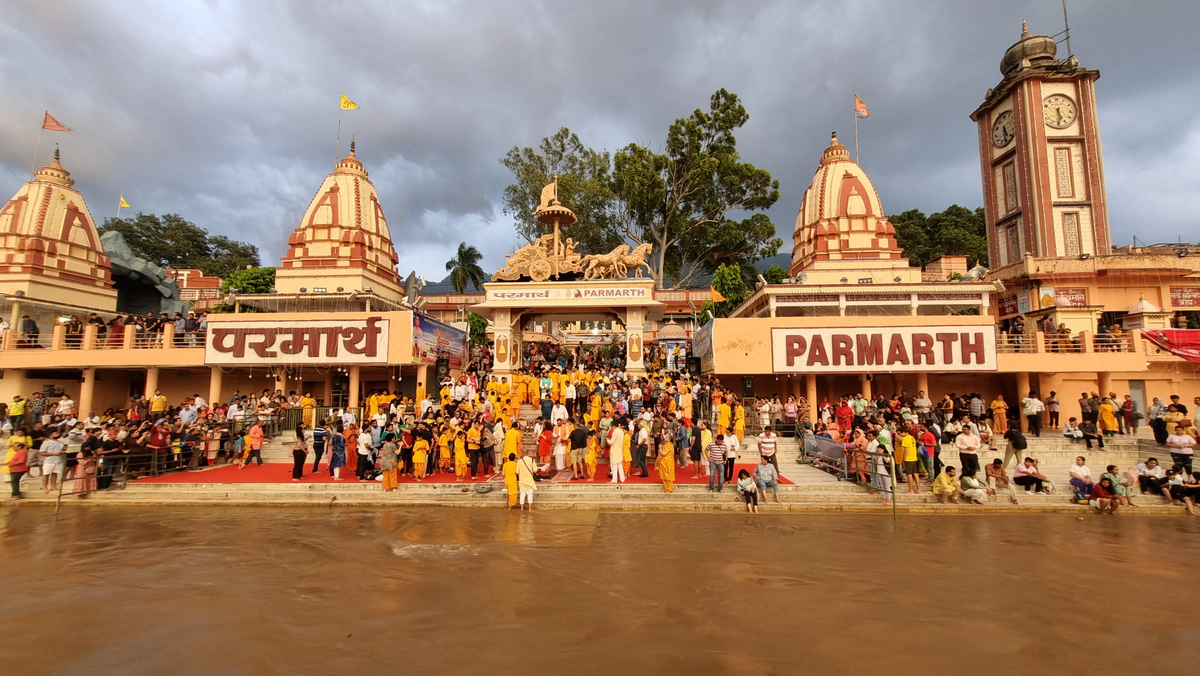
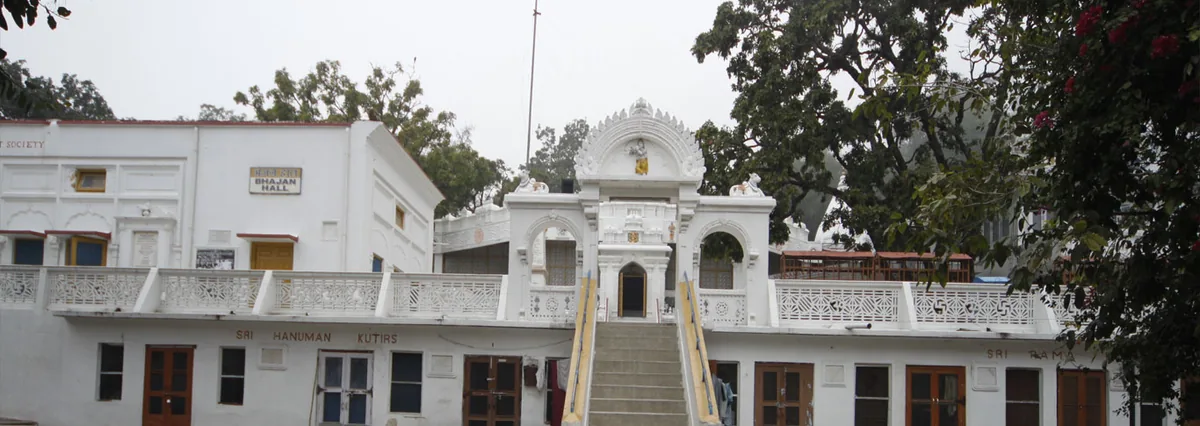
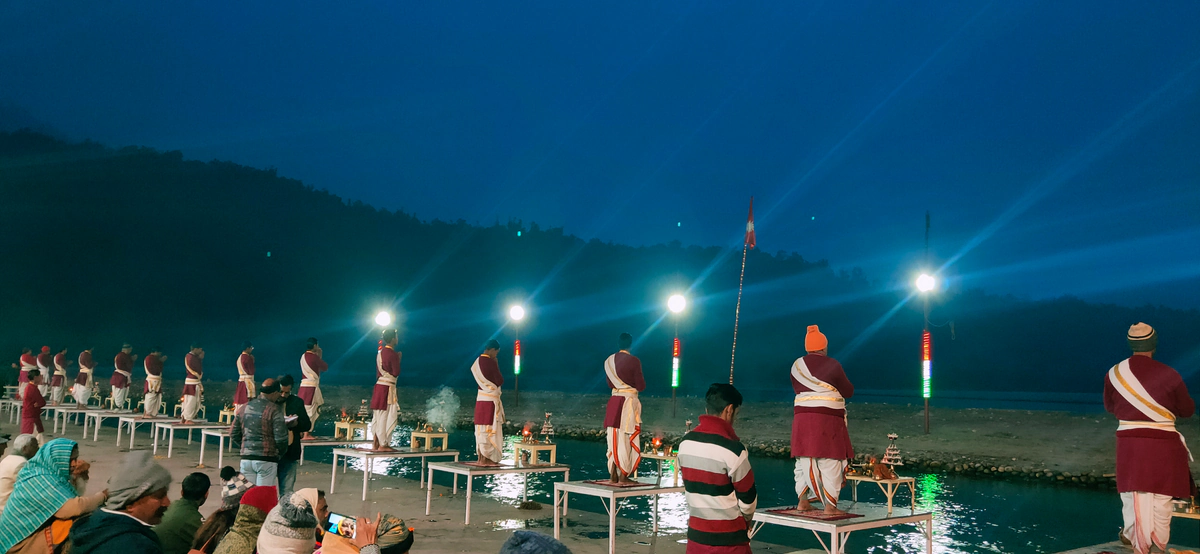
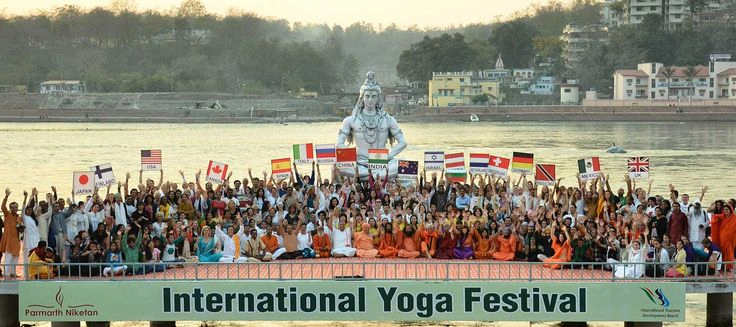
Rishikesh is the obvious first stop. The Ganga leaves the Himalayan foothills here, and the town's ashrams and yoga schools line both banks. Parmarth Niketan, was founded in 1942 and sits right on the river. Its evening Ganga aarti on the ghat draws a crowd every day, and it hosts the International Yoga Festival each March. The Sivananda Ashram of the Divine Life Society is another long-established name.
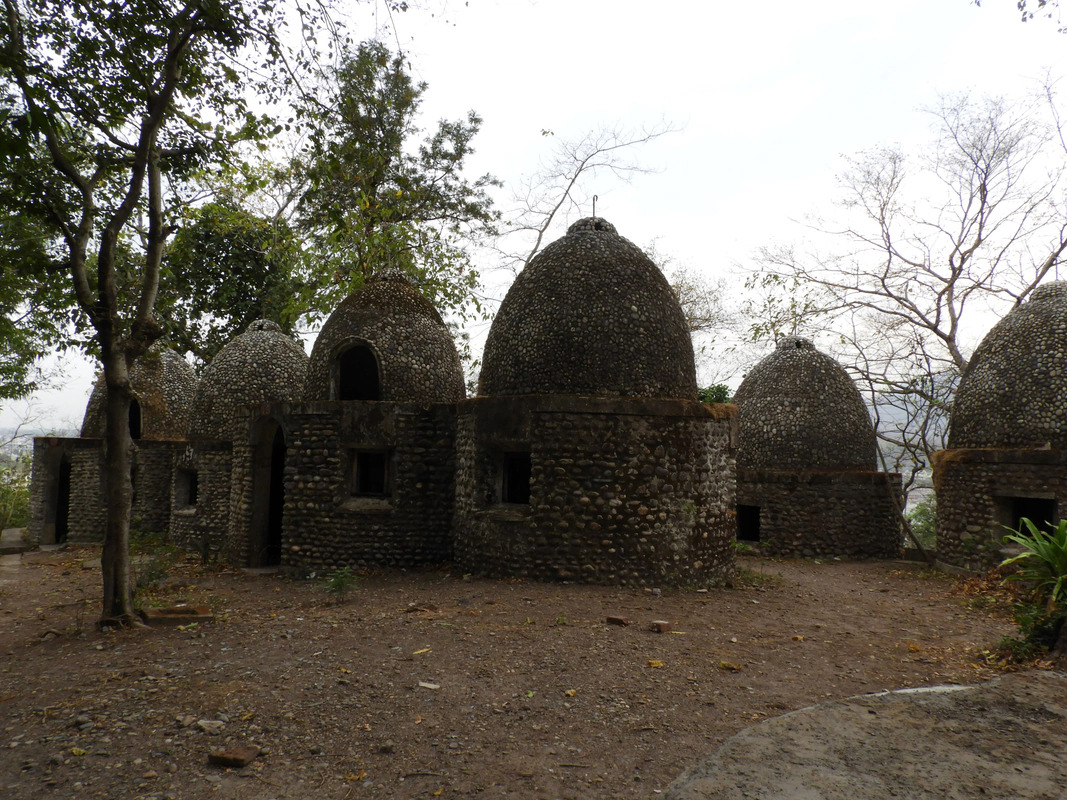
For first-timers, the quieter Swarg Ashram and Ram Jhula side of the river is good for ashram stays, while Tapovan, up near Lakshman Jhula, has most of the drop-in classes and cafes. Don't miss the aarti at Triveni Ghat, or a walk through the old Maharishi Mahesh Yogi ashram, where the Beatles stayed in 1968.
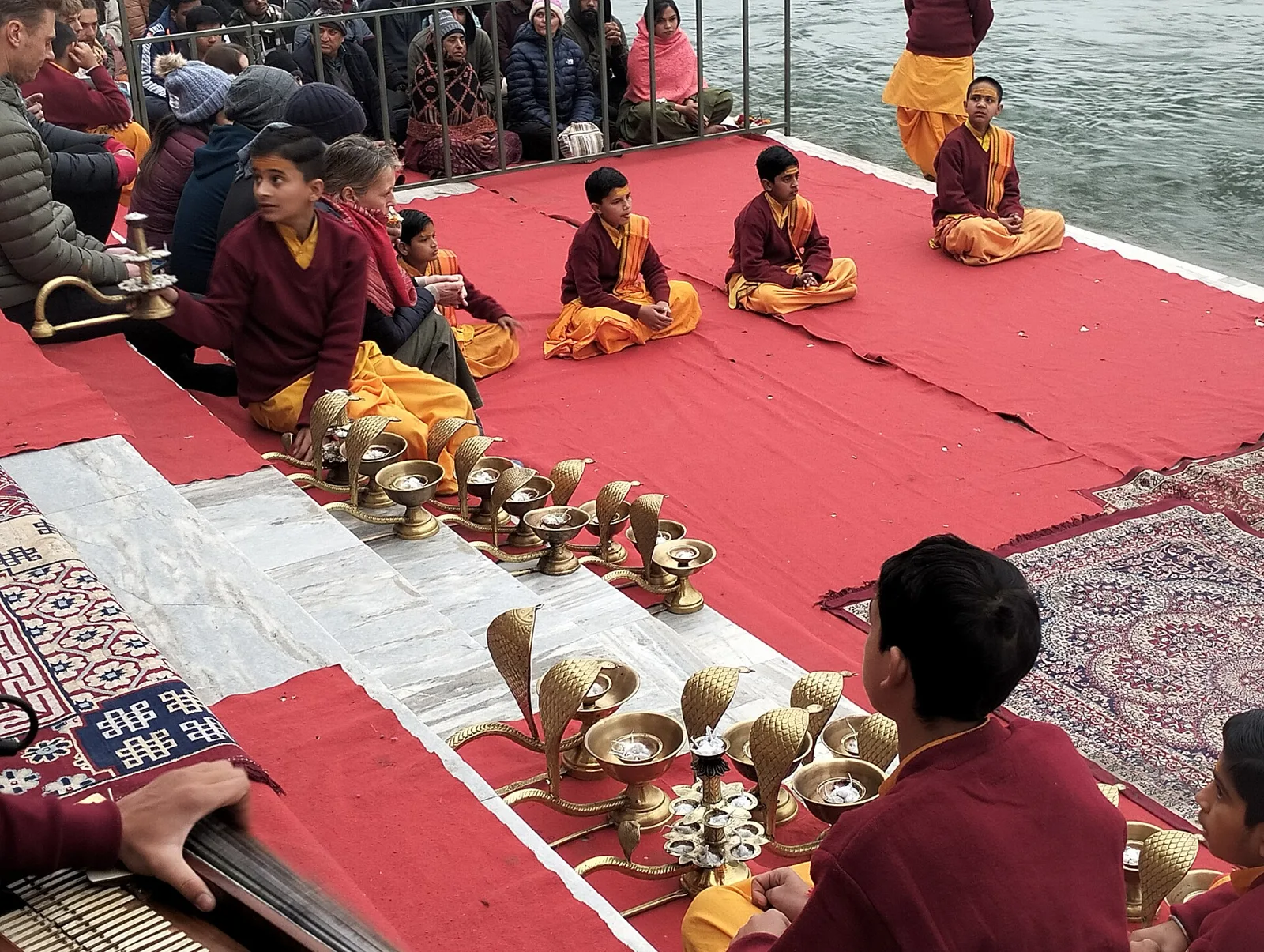
Getting ready for the evening Ganga aarti at Parmarth Niketan, Rishikesh. Photo: आर्या जोशी, CC BY-SA 4.0, via Wikimedia Commons
Mysuru, Karnataka
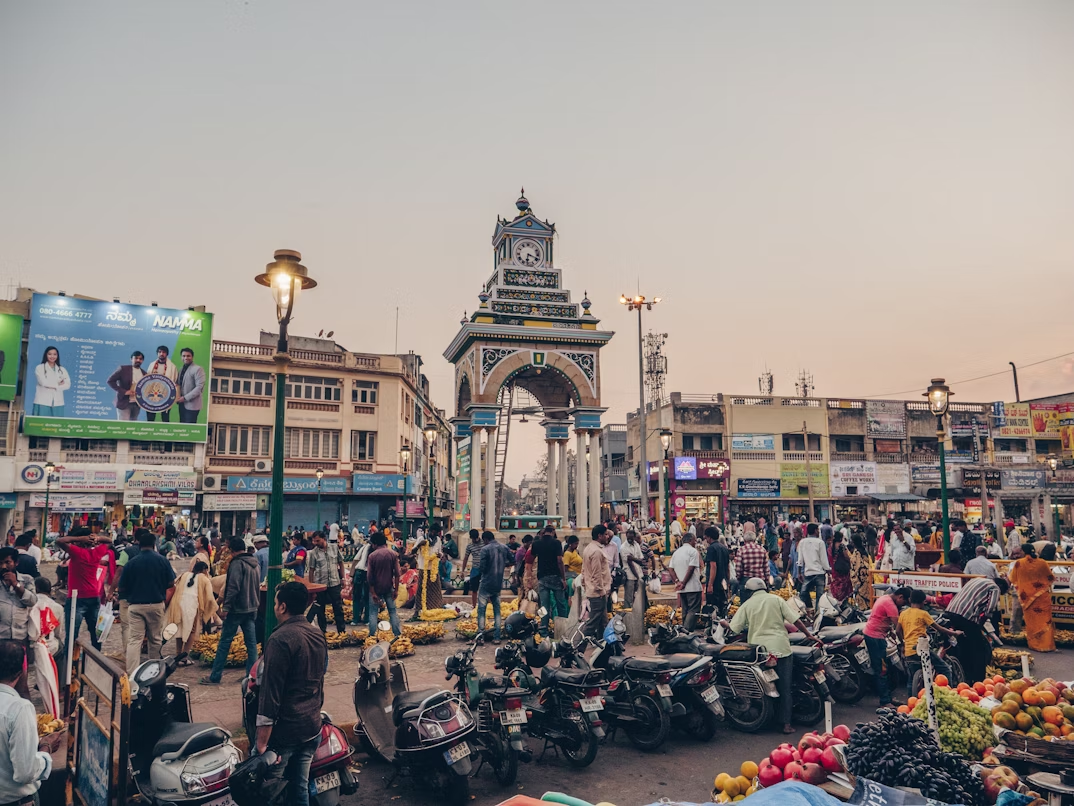
Mysuru is closely linked with Ashtanga vinyasa yoga, the dynamic style that was taught here from 1948 and later spread around the world. Serious practitioners come for weeks or months to practise in the Mysore style, where each student works through a set sequence at their own pace with a teacher adjusting them. It suits people with some experience more than complete beginners. Outside class, the palace city and Chamundi Hill keep the afternoons full.
Kerala's Sivananda ashram
The Sivananda Yoga Vedanta organisation runs its Dhanwantari Ashram in the hills near Thiruvananthapuram. It offers yoga vacations, beginners' courses and the organisation's teacher training course in the traditional gurukula style, where students live with their teachers and follow the ashram day of satsang, asana, pranayama, lectures and karma yoga.
Ayurveda
Kerala is the best known state for Ayurveda, and it is where you will find the widest choice of centres, from century-old hospitals to beach resorts. Most treatments revolve around medicated oils, herbal preparations and a diet set by the doctor. You will see the ennappathy, the wooden treatment table, in almost every Kerala treatment room. For treatments, choosing a centre, seasons and the visa in more detail, read our Ayurveda in Kerala guide.
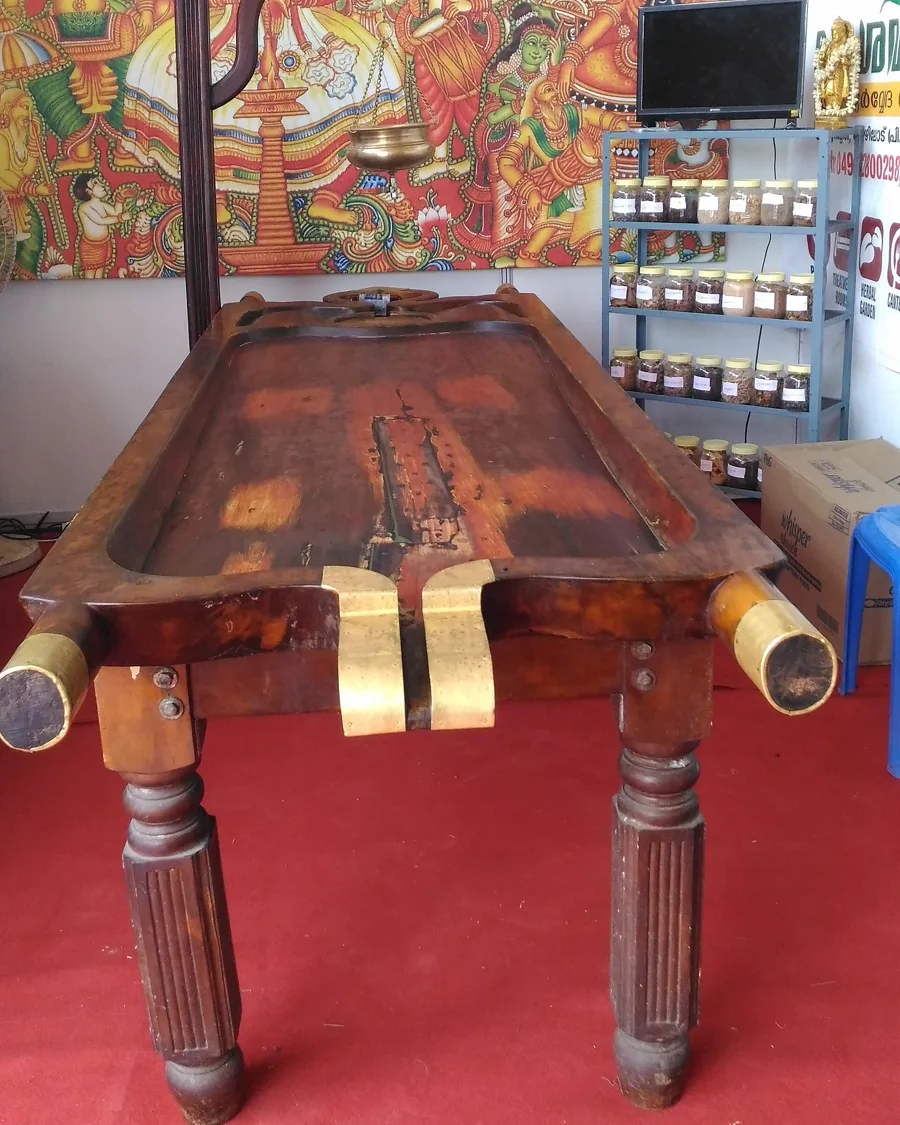
An ennappathy, the wooden table used for oil treatments in Kerala Ayurveda. Photo: Vijayanrajapuram, CC BY-SA 4.0, via Wikimedia Commons
Where to go
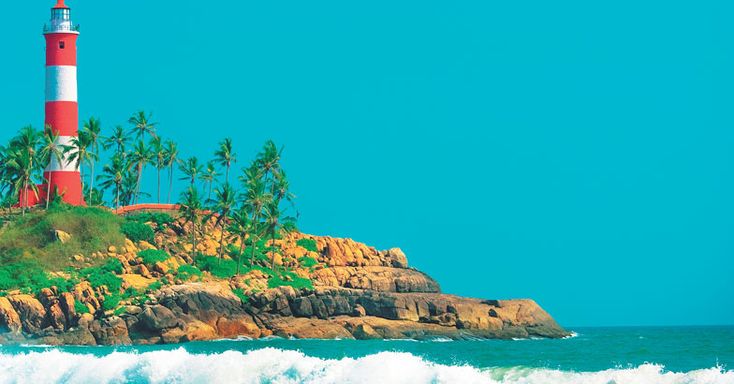
- Around Thiruvananthapuram and Kovalam: the southern coast has many of Kerala's older Ayurveda resorts, so you can combine treatment with a quiet beach.
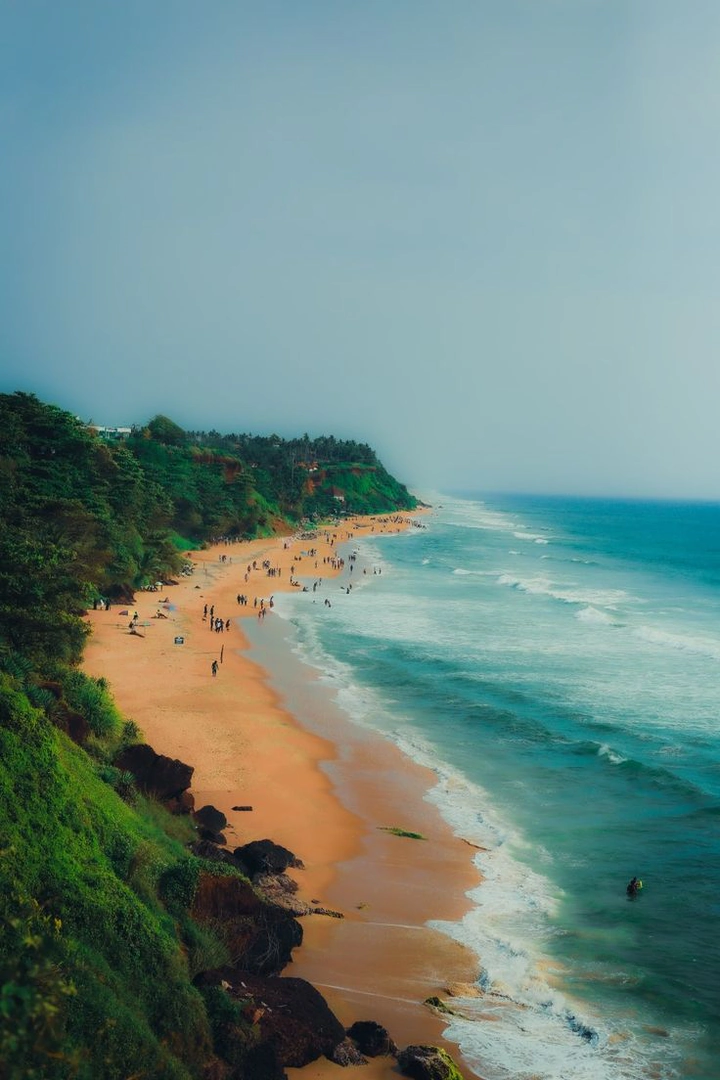
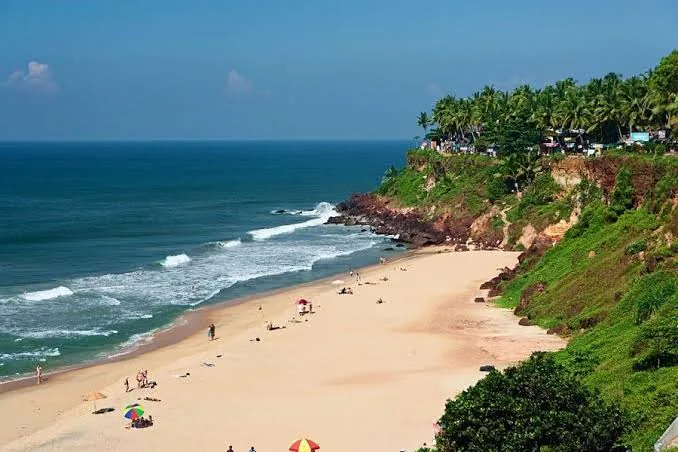
- Varkala: a cliff-top town above Papanasam Beach with small Ayurveda centres and yoga classes. It is a relaxed choice for a first, shorter course.
- Kochi and Alappuzha: good if you want to pair treatment with the backwaters, and both are easy to reach.
- Kottakkal, Malappuram district: home of Vaidyaratnam P S Varier's Arya Vaidya Sala, which has practised Ayurveda since 1902. This is a hospital, not a resort, and a good choice if you want treatment for a specific condition.
How long it takes
Real Ayurvedic treatment takes time. Arya Vaidya Sala says the normal course of inpatient treatment at its Delhi hospital is 14 to 28 days, and most serious Kerala centres plan Panchakarma programmes on a similar scale. Three or four days of massages can be relaxing, but it is not a treatment course. If a centre promises a full Panchakarma detox in a weekend, look elsewhere.
How to pick a genuine centre
- Check Kerala Tourism's classification. Kerala's Department of Tourism inspects and classifies Ayurveda centres as Ayur Diamond, Ayur Gold or Ayur Silver, which replaced the older Green Leaf and Olive Leaf ratings. Classification lasts three years and classified units must add "Kerala Tourism Ayurveda Centre" to their name. You can search classified centres on the Kerala Tourism website.
- Ask who the doctor is. A proper centre has a qualified Ayurveda physician (BAMS or higher) who sees you before any treatment and reviews you during the course.
- Ask about the diet and medicines. Genuine programmes include internal medicines and a prescribed diet, not just oil massage.
- Be wary of "spa Ayurveda". A hotel spa with Ayurvedic massages can be pleasant, but it is not the same as a treatment centre.
Foreign nationals coming mainly for treatment should know that India has a medical visa for treatment under Ayurveda, yoga and other Ayush systems: the Ayush visa (M-3, or e-M3 on the e-Visa portal), with a matching attendant visa (M-4, or e-M4). The e-M3 and e-M4 are valid for one year from arrival with multiple entries. Check the current rules on the official Indian visa website before you book.
Meditation and Vipassana
How the 10-day Vipassana course works
The Vipassana courses taught in the tradition of S.N. Goenka run at dozens of centres across India, all booked through dhamma.org. The basics:
- Ten days is the minimum. The course actually spans 12 days once you count arrival and departure days, and you commit to staying for the whole thing.
- The day starts at 4 am with a wake-up bell and runs until 9 pm, with about ten hours of meditation broken up by meals and rest. Each evening there is a recorded discourse by S.N. Goenka.
- Noble Silence. Students keep silence of body, speech and mind from the start until the morning of the last full day, though you can speak to the teacher and the management.
- No phones. Mobile phones, smartwatches and other devices are handed in for the course, and there are no calls, messages or visitors.
- Simple meals. New students get tea with milk and fruit at the 5 pm break. Returning students take only water or tea without milk.
- It is free. There is no charge for the teaching, the room or the food. Courses run entirely on donations from students who have finished a course and want to pay it forward.
Igatpuri, Maharashtra
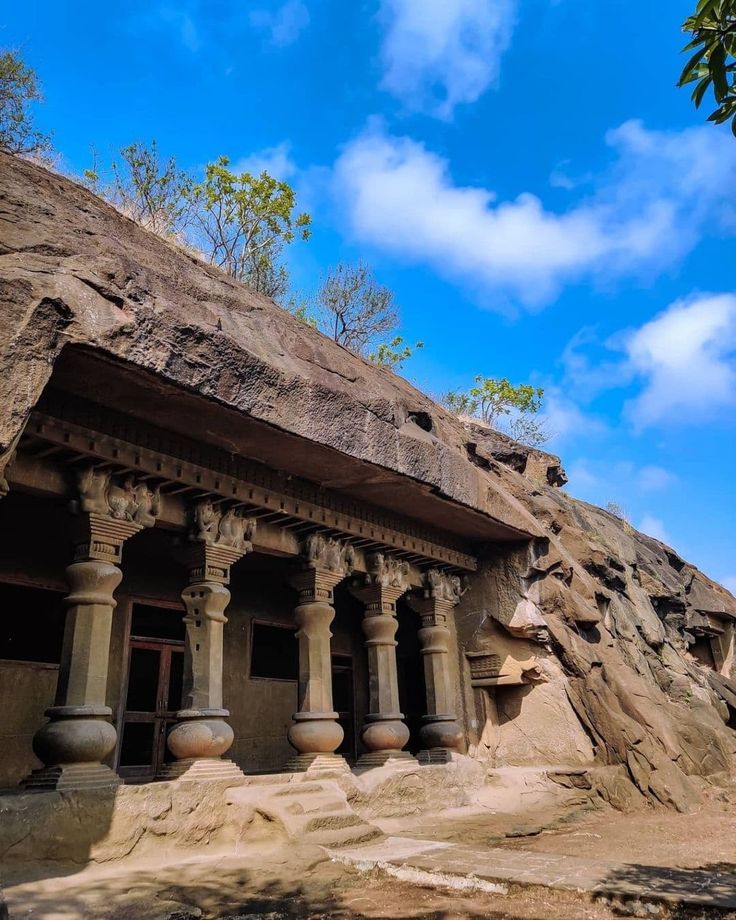
Dhamma Giri at Igatpuri, near Nashik, is one of the world's largest Vipassana centres. It held its first course in 1976, shares its campus with the Vipassana Research Institute and is about three hours' drive from Mumbai. Its golden pagoda has over 400 cells for individual meditation. Courses are taught in Hindi and English, and they fill early, so apply as soon as registration opens.
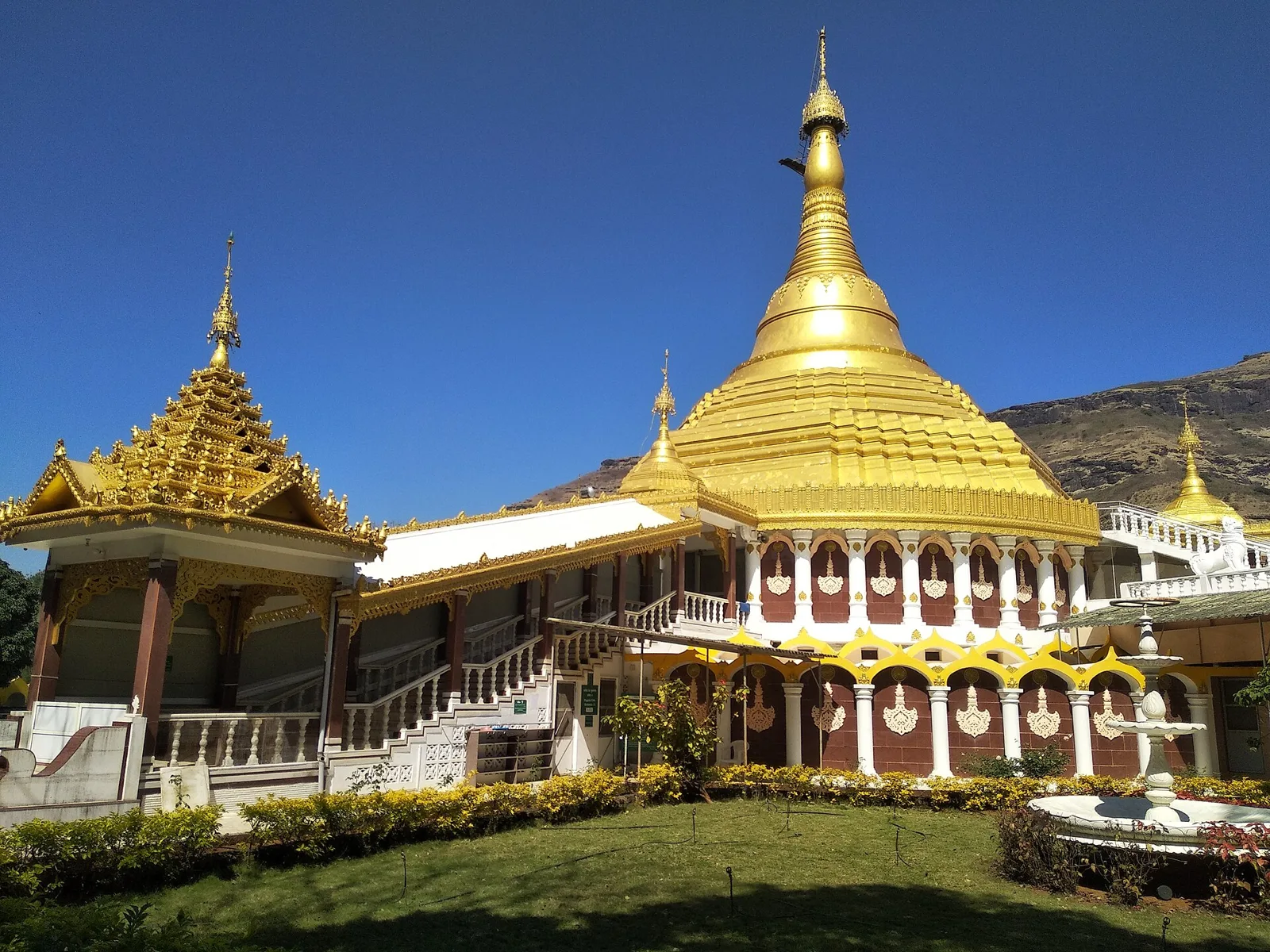
The pagoda at Dhamma Giri, Igatpuri. Photo: Rohit Sharma, CC BY-SA 4.0, via Wikimedia Commons
Buddhist meditation in Dharamkot and McLeodganj
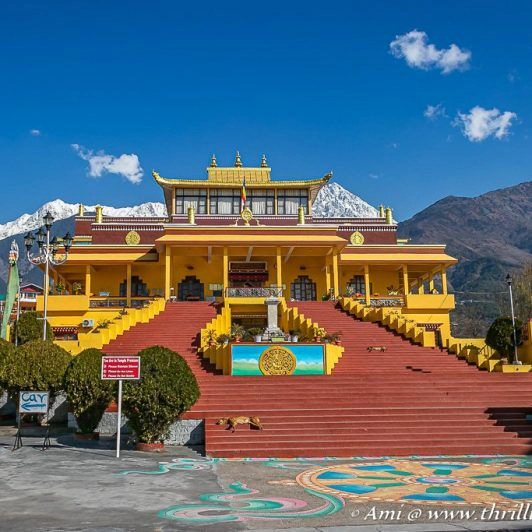
Above McLeodganj in Dharamshala, Tushita Meditation Centre teaches Buddhism and meditation in the Tibetan Mahayana tradition. Its 10-day Introduction to Buddhism course is designed for beginners. Tushita is a semi-monastic centre, not a guesthouse, so you can only stay there if you are on a course or doing a formal retreat of at least ten days. It closes every winter, from about December to mid-February, when snow and power cuts make the hill hard going. In McLeodganj itself, the Namgyal Monastery complex is the place to sit quietly among Tibetan pilgrims.
Himalayan and mountain retreats
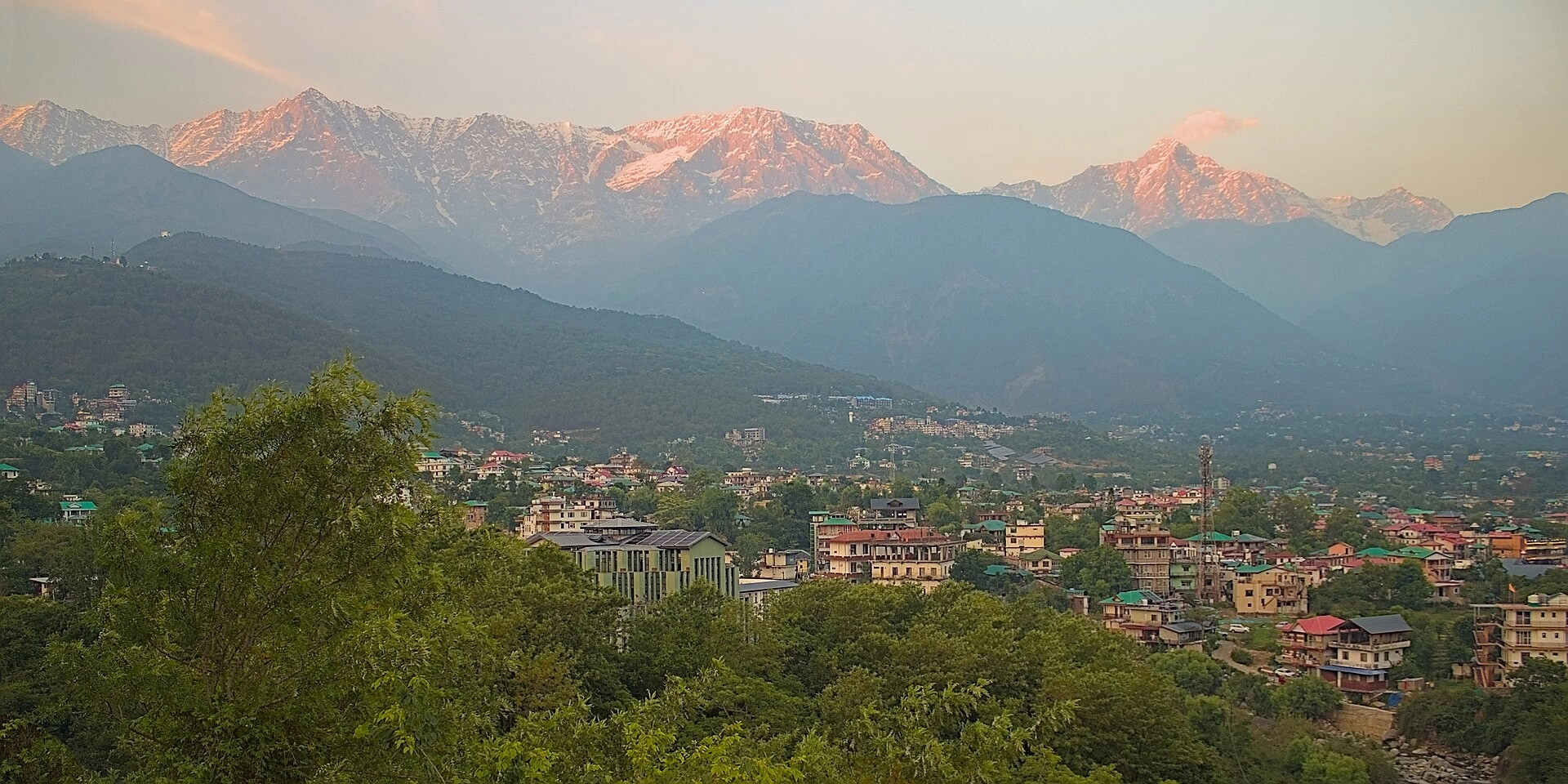
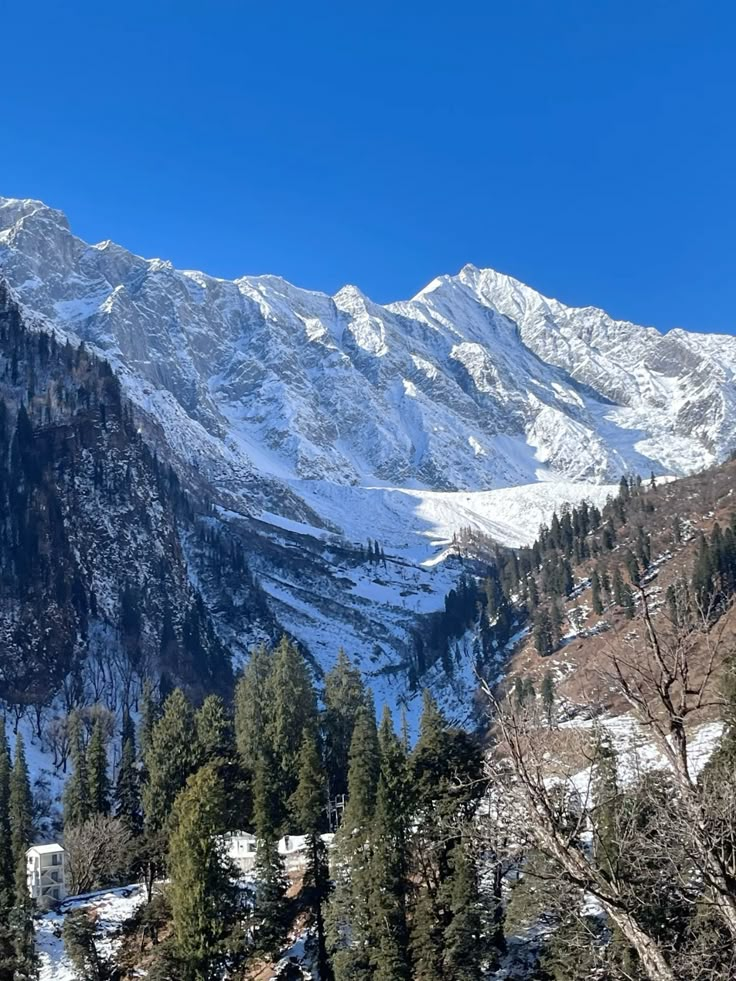
The hills give you cool air, long walks and a slower pace. Dharamkot and McLeodganj are the busiest choice, with meditation centres, yoga classes and day hikes all within walking distance. Spring (March and April) and autumn (October and November) are the pleasant months there, and July to mid-September brings very heavy monsoon rain.
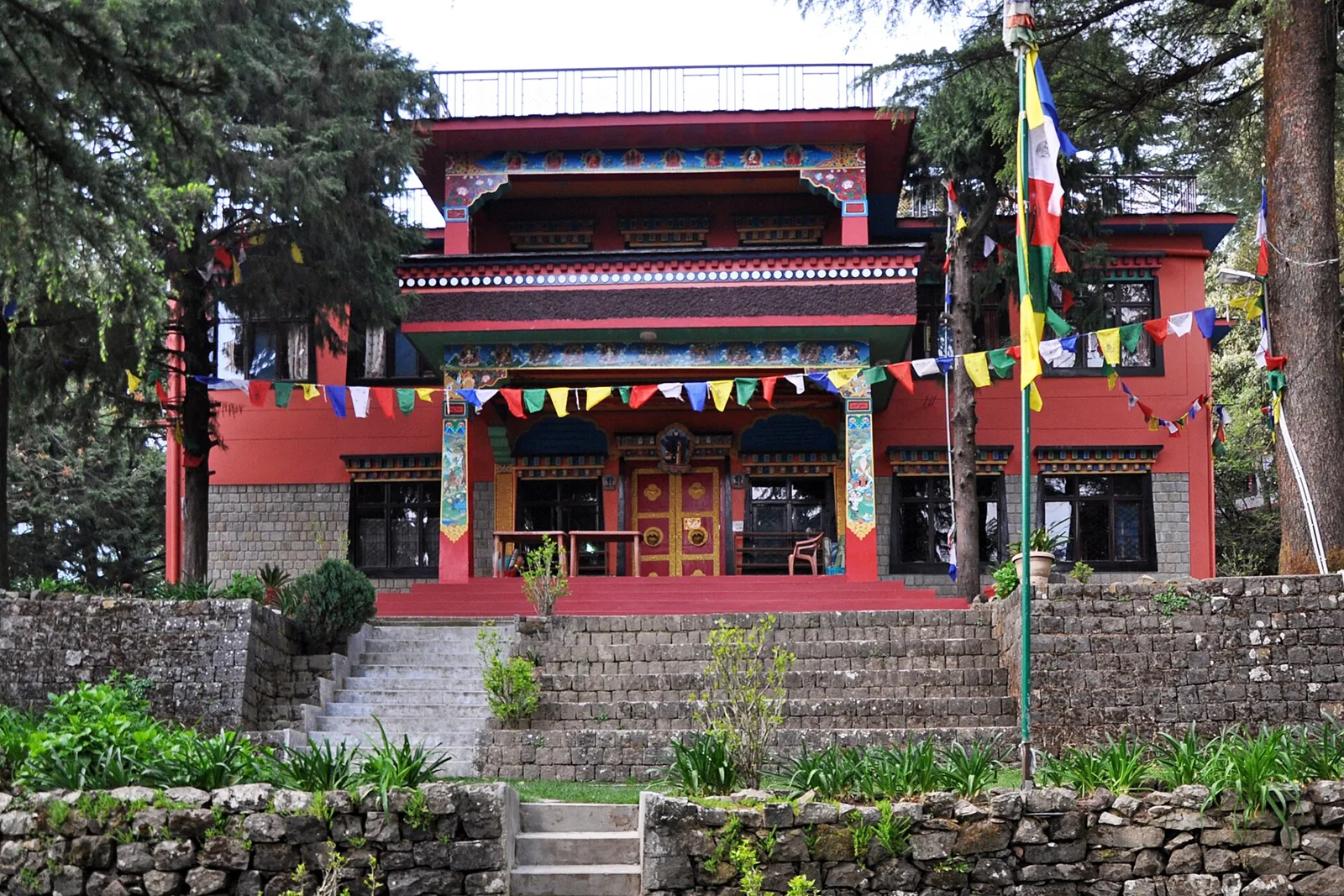
The main gompa at Tushita Meditation Centre, Dharamkot. Photo: Jaypee, CC BY-SA 4.0, via Wikimedia Commons
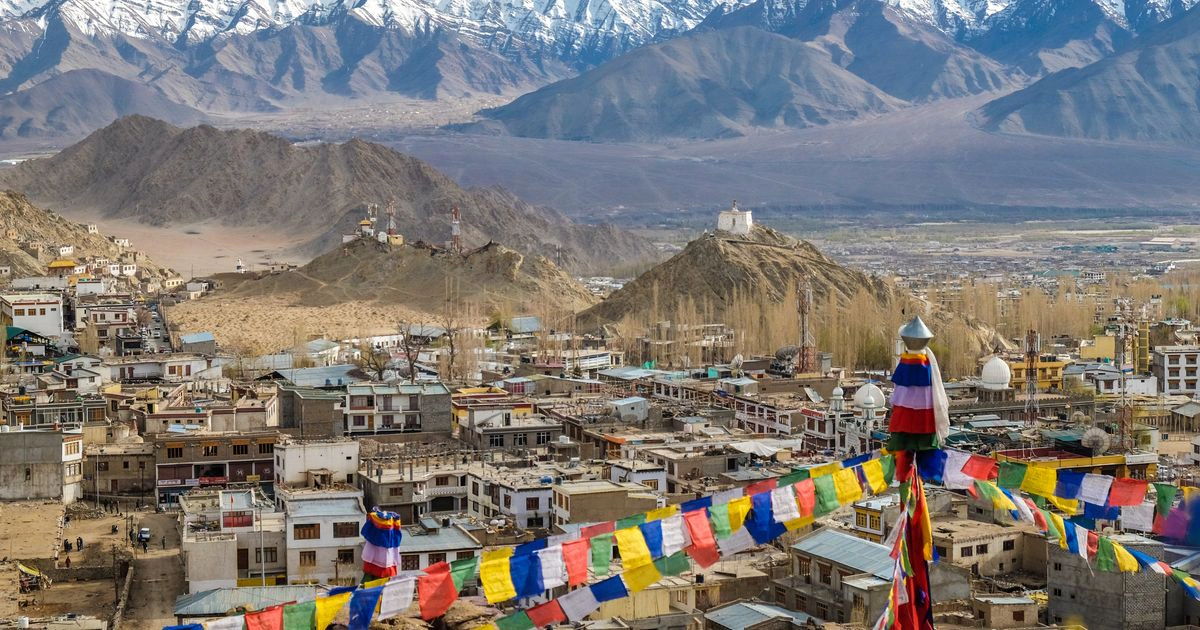
Leh in Ladakh is the summer option, when the plains are hot and wet. Monasteries around Leh hold daily prayers that visitors can sit in on, and there are meditation centres in and near town. Leh is at high altitude, so plan two or three easy days to acclimatise before doing anything strenuous.
Close to Rishikesh, Uttarakhand also has several luxury wellness resorts in the forested hills, which suit travellers who want yoga and spa treatments with hotel comforts.
Hot springs
The Himalayan hot springs are an easy add-on to a mountain trip.
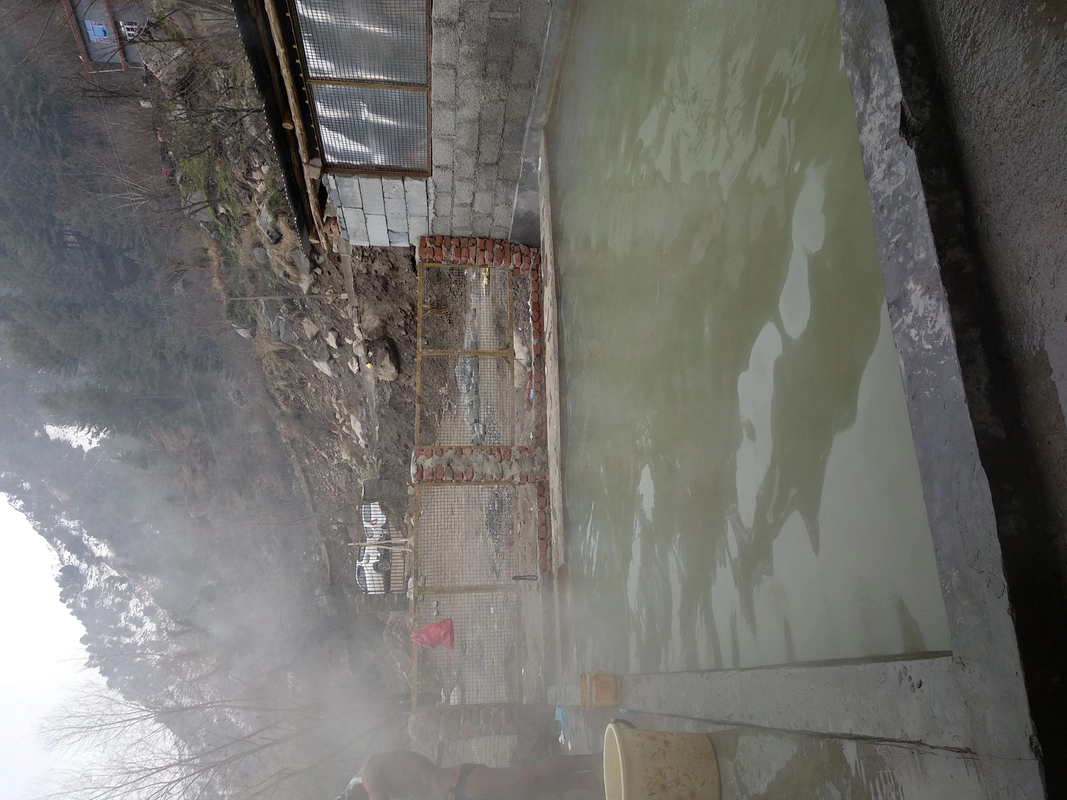
- Manikaran, Parvati Valley: a pilgrimage town for both Hindus and Sikhs, about 4 km from Kasol. Steam rises off the river beside the gurdwara, the springs are hot enough that food is cooked in them, and pilgrims bathe in pools fed by the springs.
- Vashisht, near Manali: a village about 3 km from Manali across the Beas, known for its sulphur springs and temples next to them. There are separate baths for men and women.
- Tattapani, near Shimla: hot springs on the bank of the Sutlej, roughly 50 km from Shimla, and a good day trip.
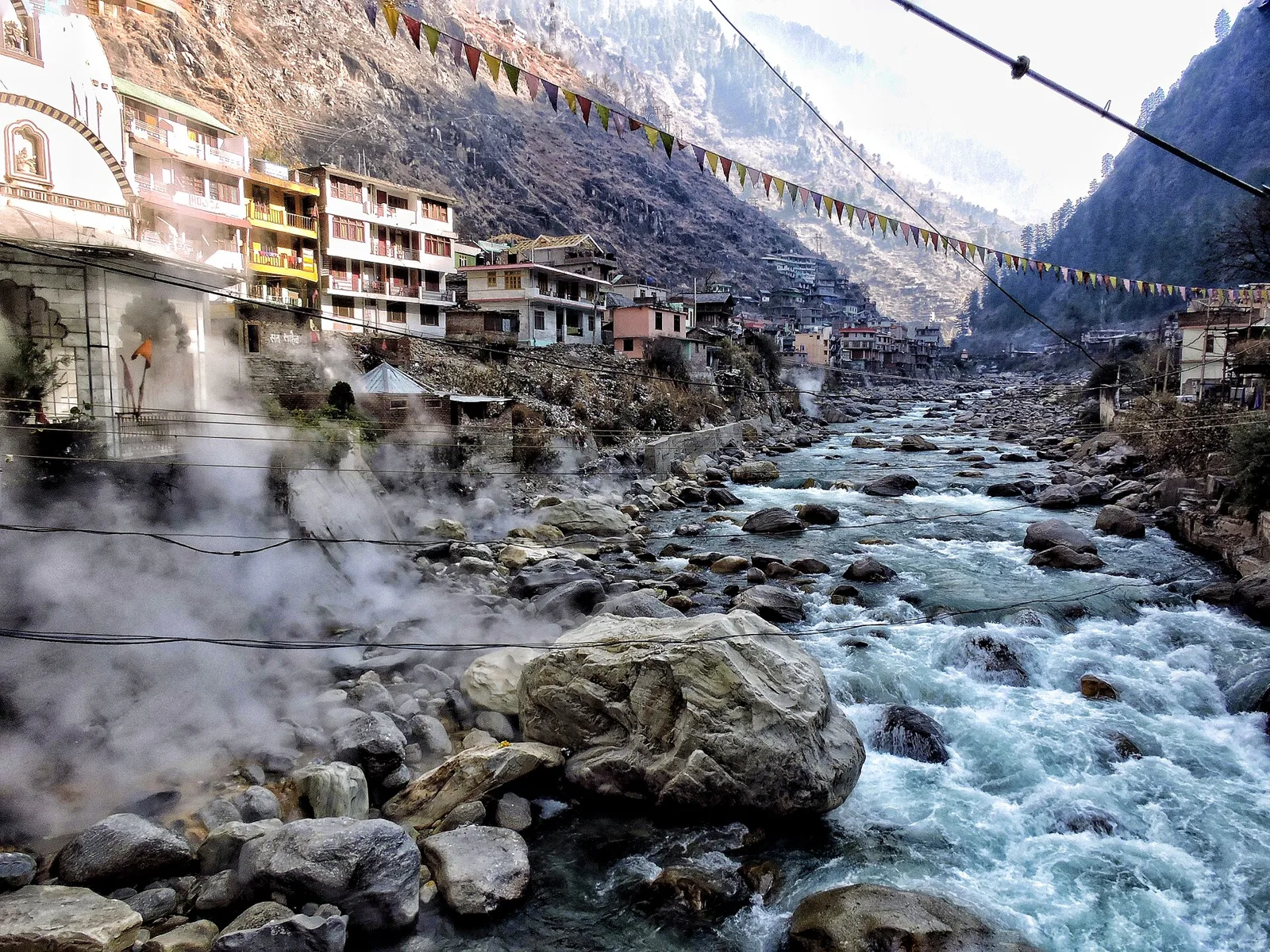
Steam from the springs at Manikaran, beside the Parvati river. Photo: Shrayash29, CC BY-SA 4.0, via Wikimedia Commons
Spring water can be very hot, so test it before you get in, and keep soaks short if you have a heart condition or high blood pressure. The springs are religious sites as well as baths, so dress modestly and follow the posted rules.
Spiritual journeys
Varanasi
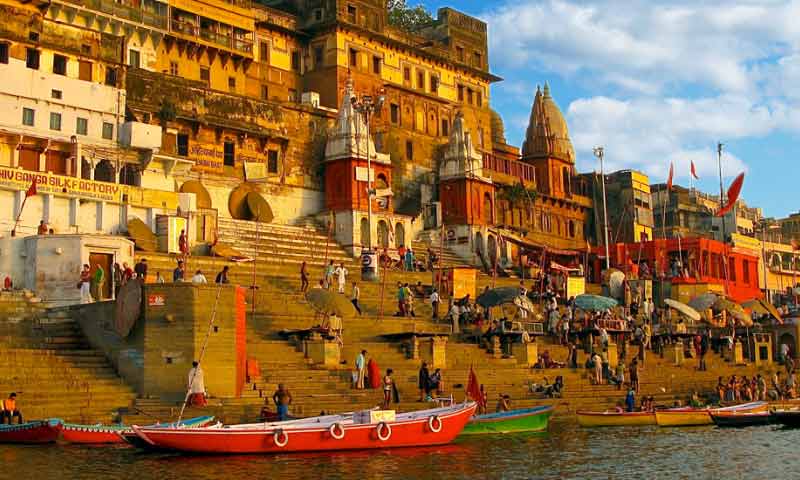
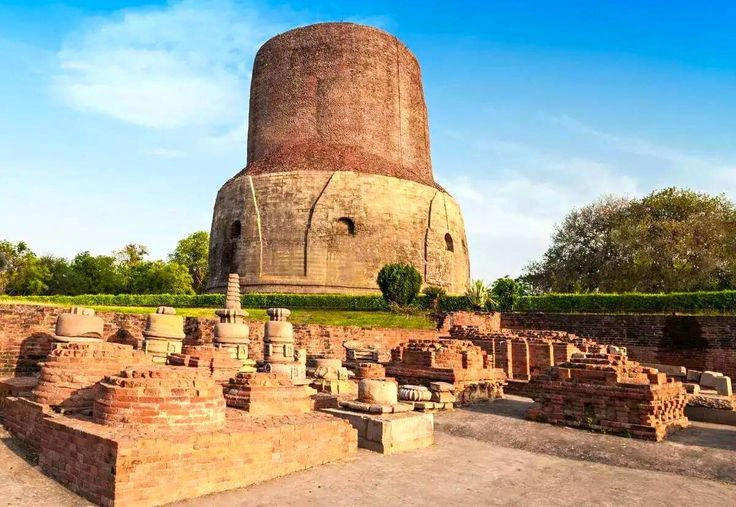
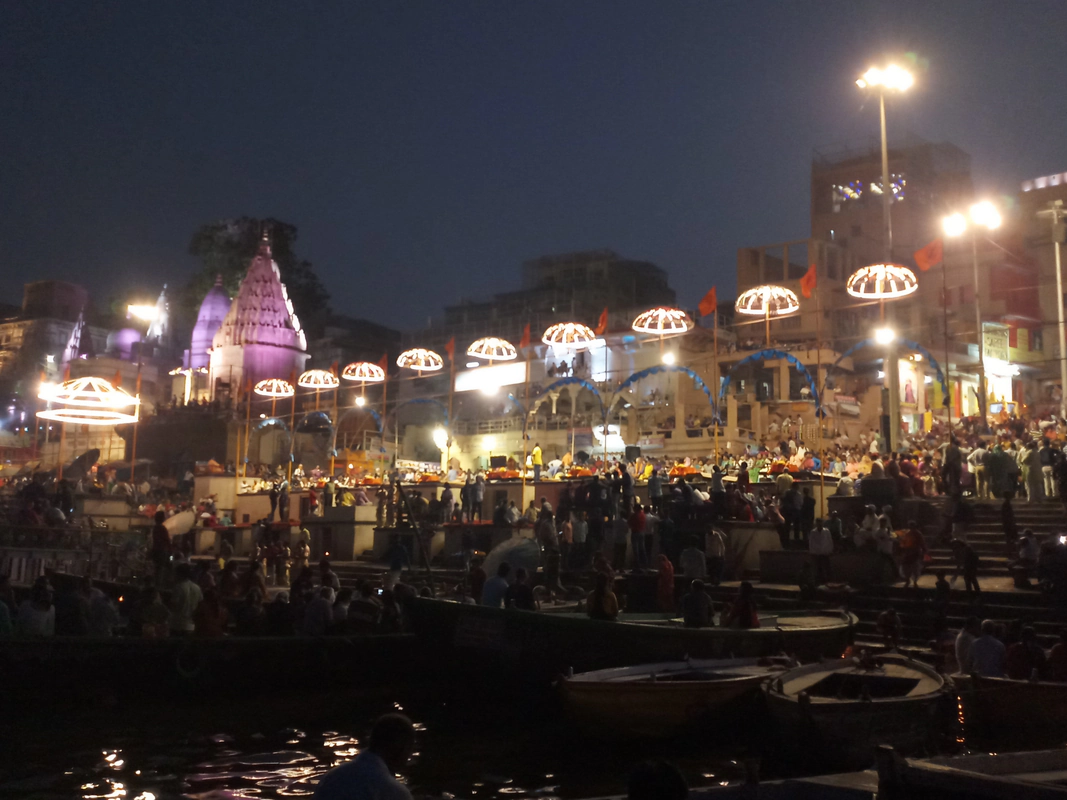
Varanasi is less about relaxing and more about witnessing a way of life that has gone on for centuries. Take a dawn boat along the ghats, then come back in the evening for the Ganga aarti at Dashashwamedh Ghat. Pair it with Sarnath, where the Buddha gave his first sermon, for a quieter half day.
Bodh Gaya
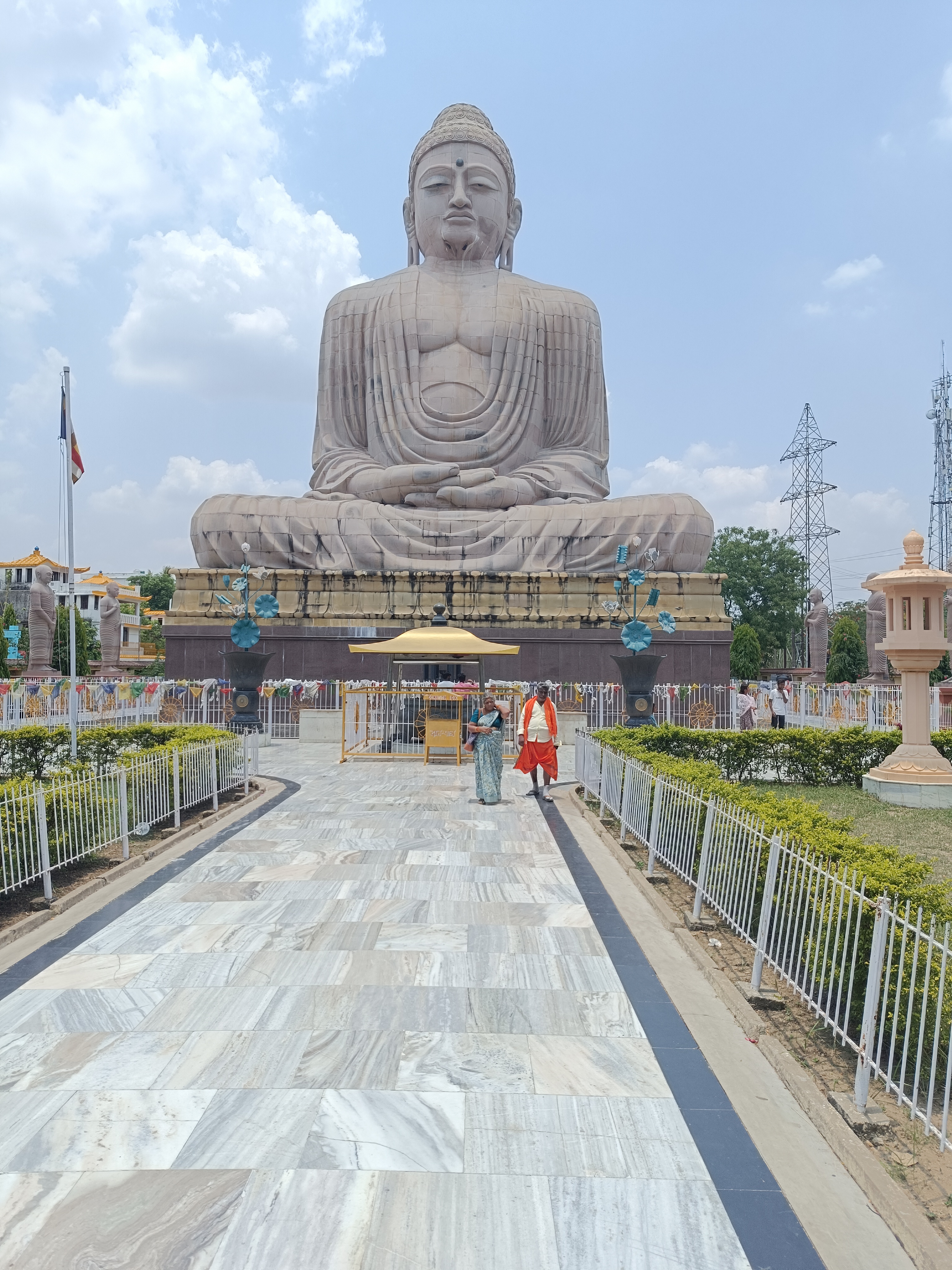
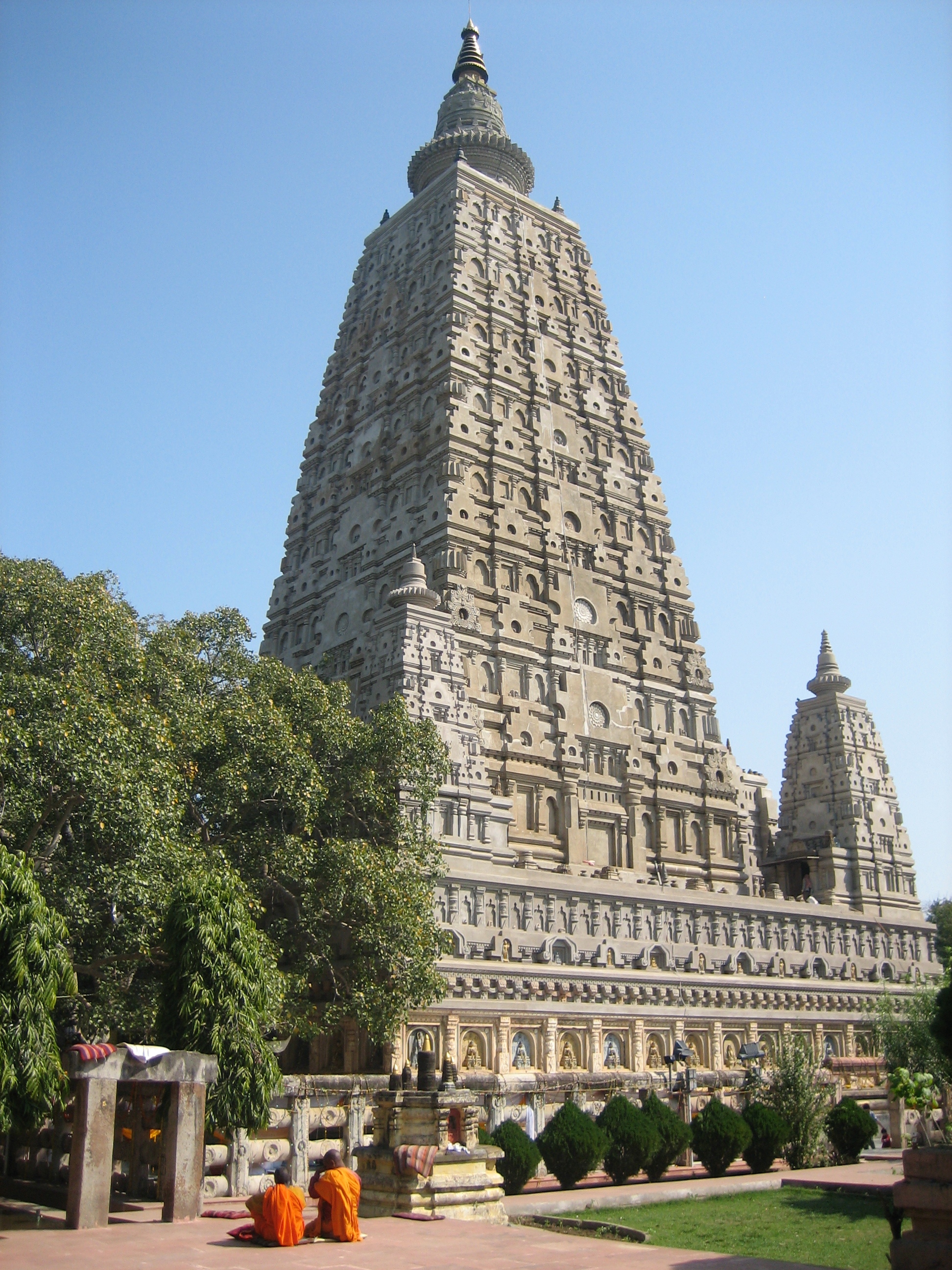
In Bodh Gaya, the Mahabodhi Temple marks the place where the Buddha attained enlightenment, and it is a UNESCO World Heritage Site. Monks and pilgrims from across Asia meditate under the Bodhi tree. Winter is the main season, when Buddhist centres such as the Root Institute run most of their courses and retreats.
Auroville and Pondicherry
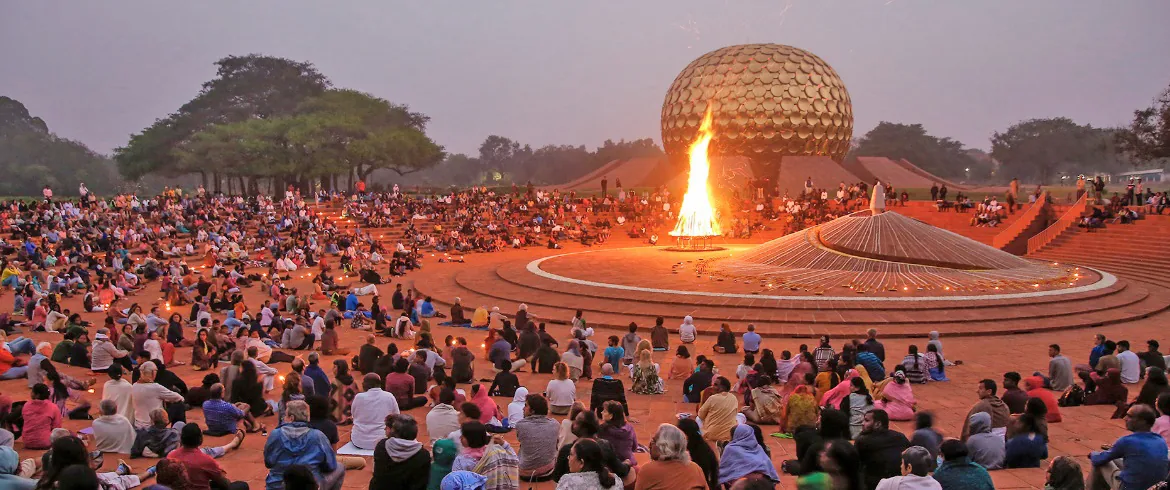
Auroville, just outside Pondicherry, is an experimental township built around the golden Matrimandir. The Matrimandir is meant for silent concentration, not sightseeing. Free passes to the Matrimandir Viewing Point are given out at the Auroville Visitors Centre, after a short introductory video, daily from 9 am to 5.30 pm. Collect your own pass, as agents and drivers cannot do it for you. Read more on our Auroville page.
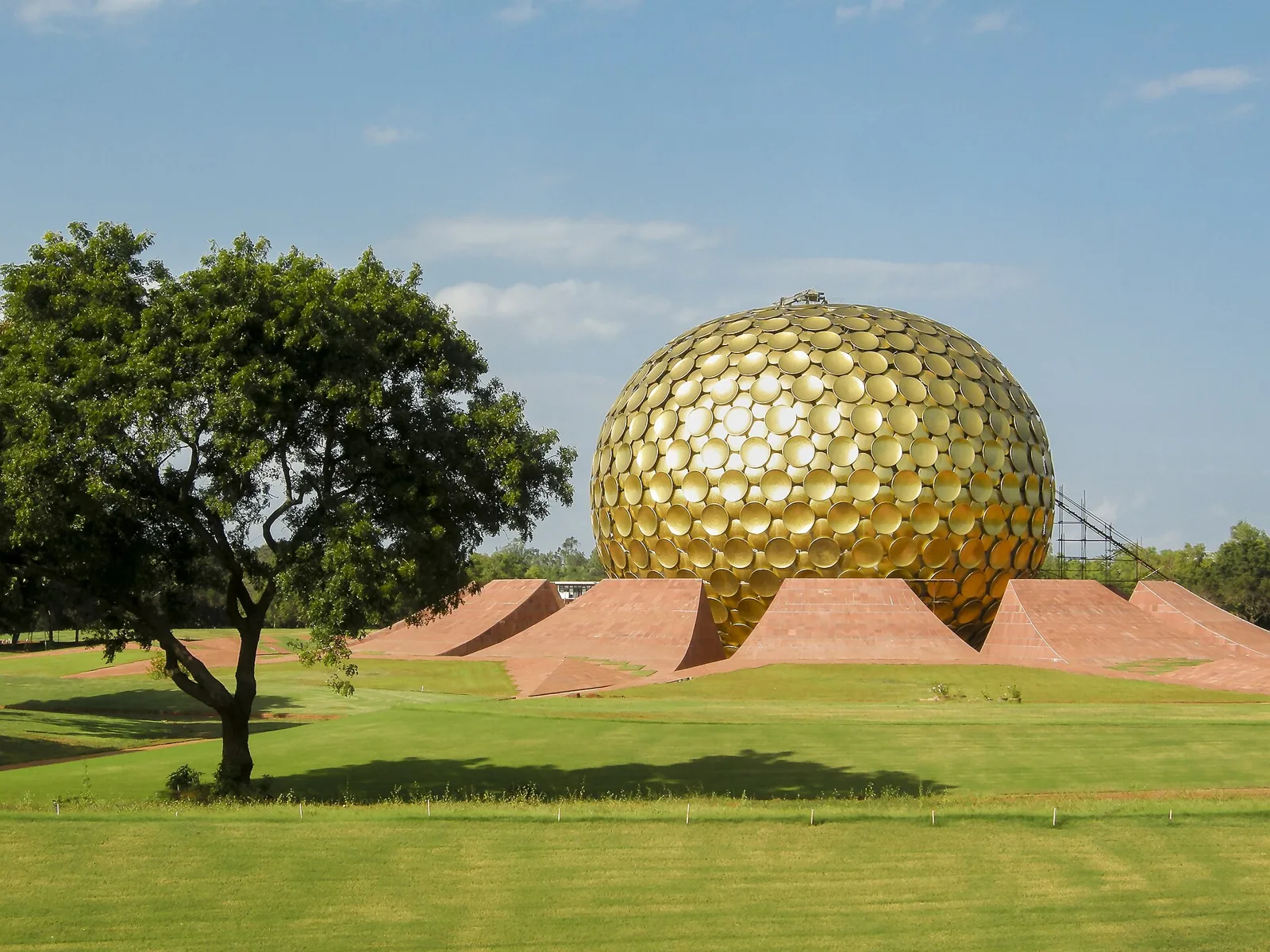
The Matrimandir, Auroville. Photo: Matthew T Rader, CC BY-SA 4.0, via Wikimedia Commons
Comparison table
| Destination | Best for | Best season | Suggested stay |
|---|---|---|---|
| Rishikesh | Yoga, ashram stays, Ganga aarti | October to March | 7 to 14 days |
| Mysuru | Ashtanga yoga for experienced students | October to March | 2 weeks or more |
| Kerala (Kovalam, Varkala, Kottakkal) | Ayurveda and Panchakarma | Karkidakam (mid July to mid August) for monsoon treatment, or October to March | 14 to 28 days for treatment, 5 to 7 days for a short stay |
| Igatpuri (Dhamma Giri) | 10-day Vipassana | All year, check the course calendar | 12 days including arrival and departure |
| Dharamkot and McLeodganj | Buddhist meditation, mountain walks | March to June, October and November | 10 days or more |
| Leh | Monasteries, summer meditation | Summer months | 7 days or more, with time to acclimatise |
| Manikaran, Vashisht, Tattapani | Hot springs | March to June, September to November | 1 to 2 days each |
| Varanasi and Sarnath | Ghats, ritual, Buddhist history | October to March | 3 to 4 days |
| Bodh Gaya | Buddhist pilgrimage and retreats | Winter | 3 to 10 days |
| Auroville and Pondicherry | Quiet stays, community living | December to March | 4 to 7 days |
Best time of year
- October to March is the main season for most of India, with cooler weather in Rishikesh, Varanasi, Bodh Gaya and the south. Auroville's main guest season runs from December to March.
- The International Yoga Festival takes place at Parmarth Niketan in Rishikesh every March. The next edition is from 9 to 15 March 2027.
- International Day of Yoga falls on 21 June every year. The United Nations proclaimed it in December 2014, and you will find free mass yoga sessions in cities across India.
- Karkidakam, the Malayalam month that falls roughly from mid July to mid August, is the traditional season for Ayurvedic treatment in Kerala. Many centres run special monsoon programmes and Karkidaka kanji, a medicinal rice porridge, is part of the season's diet.
- Summer (April to June) is the time to head to the hills, Dharamkot or Leh, when the plains get very hot.
- Winter in the Himalayas is cold and some centres, including Tushita, close. Bodh Gaya is at its busiest then.
Practical tips
Ashram etiquette
- Ashrams are places of practice. Expect early mornings, set meal times, no alcohol, no meat and often no smoking.
- Many ashrams lock their gates at night, so check the curfew.
- Keep quiet in meditation halls and during silent periods, and ask before taking photos of people or rituals.
What to wear
- Loose, comfortable clothes that cover your shoulders and knees are right almost everywhere. Some ashrams prefer white or light colours.
- Take off your shoes before entering temples, gurdwaras, gompas and meditation halls. Cover your head inside a gurdwara.
Booking
- Book Vipassana and Tushita courses directly on their official websites, well in advance.
- For Ayurveda, ask for the doctor's details, the daily schedule and what the price includes (consultation, medicines, meals, treatments) before you pay.
- Around the International Yoga Festival and the Christmas and New Year weeks, book rooms in Rishikesh early.
What to pack
- A yoga mat if you prefer your own, though most schools provide them.
- Warm layers for mornings in the hills, and a shawl for meditation halls.
- A torch, a refillable water bottle, mosquito repellent and any personal medicines with prescriptions.
- For Ayurveda, old clothes you don't mind getting oily.
Frequently asked questions
Is Vipassana really free?
Yes. Courses in the S.N. Goenka tradition charge nothing for the teaching, room or food. They run on donations, which are only accepted from students who have completed at least one 10-day course.
How long is a Panchakarma course?
Plan for two to four weeks. Arya Vaidya Sala gives 14 to 28 days as the normal course of inpatient treatment, and the exact length depends on the doctor's assessment.
When is the best time for Ayurveda in Kerala?
The monsoon month of Karkidakam (roughly mid July to mid August) is the traditional season. October to March is drier and more comfortable for combining treatment with sightseeing.
Do I need experience to join a yoga ashram?
No. Rishikesh and the Sivananda ashrams run beginners' courses and short yoga vacations. Mysore-style Ashtanga is better suited to people who already practise.
Can I use my phone during a meditation retreat?
On Vipassana courses, no. Phones and other devices are handed in for the whole course. Other centres vary, so check the rules when you book.
What is the best wellness destination in India for a first trip?
Rishikesh is the easiest start, with drop-in classes, ashram stays of any length and good transport links. If you want Ayurveda, a week in Varkala or around Kovalam is a gentle introduction.
Is there a special visa for Ayurveda treatment?
Yes. Foreign nationals can apply for the Ayush visa (M-3, or e-M3 on the e-Visa portal) for treatment under Indian systems of medicine, and an attendant can apply for the matching M-4 or e-M4. The e-Visa versions are valid for one year from arrival with multiple entries. Check the official visa site for the current requirements.
Sources
- Code of Discipline, Vipassana Meditation (dhamma.org)
- Vipassana questions and answers (dhamma.org)
- Dhamma Giri, Igatpuri (dhamma.org)
- Tushita Meditation Centre, including its Rules of Discipline and weather and when to visit pages
- International Yoga Festival 2027, Parmarth Niketan
- International Day of Yoga, United Nations
- Classification of Kerala Tourism Ayurveda Centres: Regulatory Conditions
- Arya Vaidya Sala, Kottakkal and its Ayurvedic Hospital and Research Centre, Delhi
- Indian e-Visa portal, Ministry of Home Affairs
- Government of India rationalises Indian visa regime, Press Information Bureau, 11 November 2026
- Sivananda Yoga Vedanta Centres India
- Visiting the Matrimandir, Auroville
- Mahabodhi Temple Complex at Bodh Gaya, UNESCO
- Root Institute, Bodhgaya