Temples in Vrindavan
Religious sites and temples to visit in Vrindavan
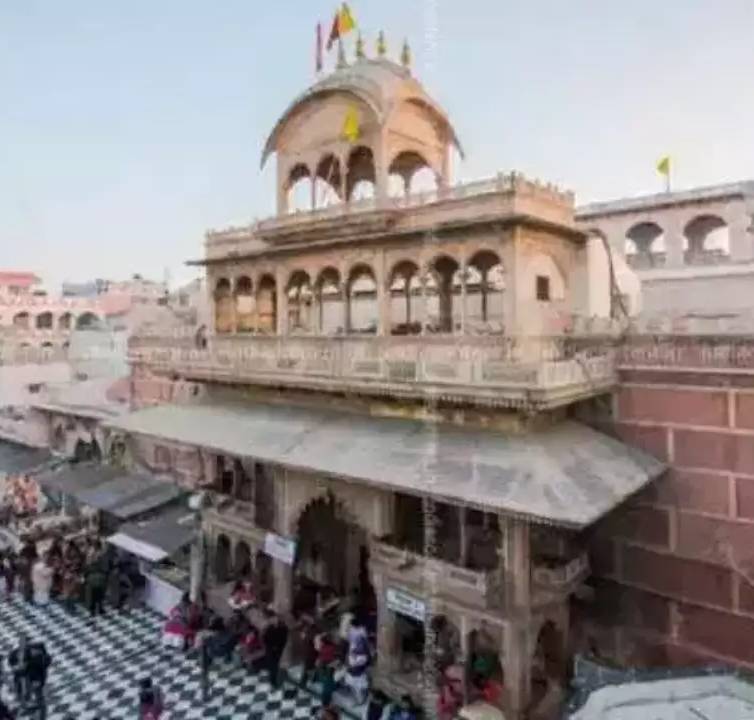
Banke Bihari Temple
One of Vrindavan's most beloved Krishna temples, where the dark-complexioned Banke Bihari deity is worshipped with unique rituals including the famous parda tradition of intermittently concealing the deity.
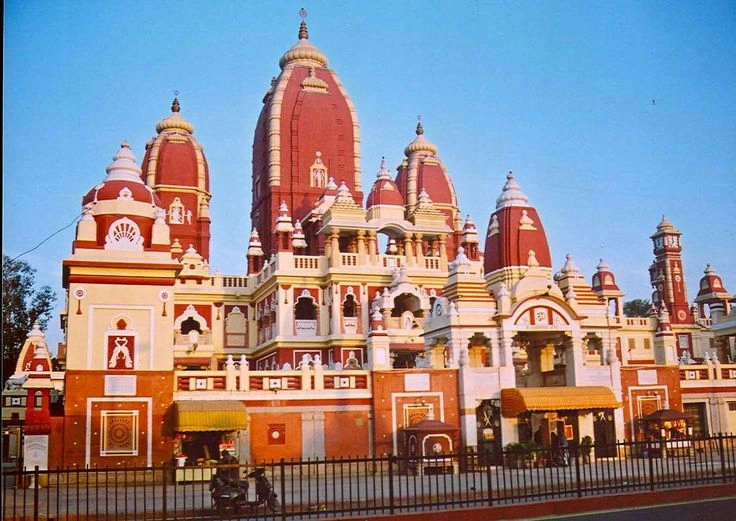
Birla Mandir (Gita Mandir)
A marble Birla temple in Vrindavan whose walls are inscribed with verses from the Bhagavad Gita, hence called Gita Mandir.
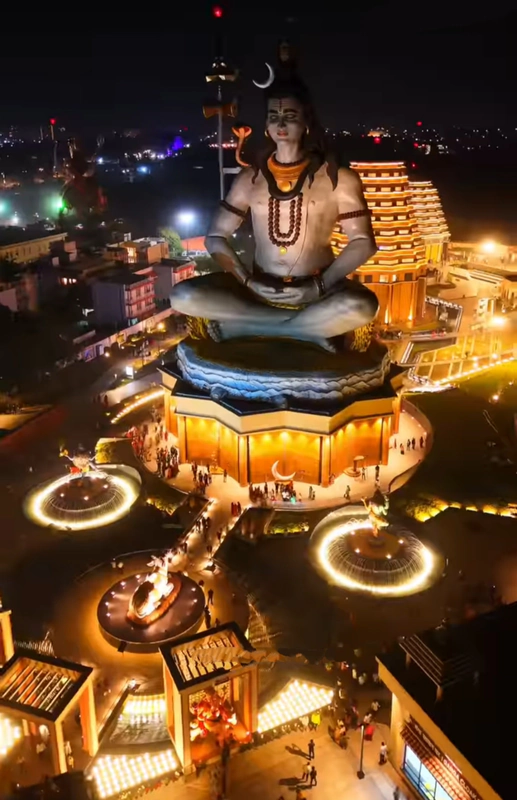
Char Dham Temple
A unique temple complex in Vrindavan replicating all four Char Dham shrines, allowing pilgrims to visit them in one place.
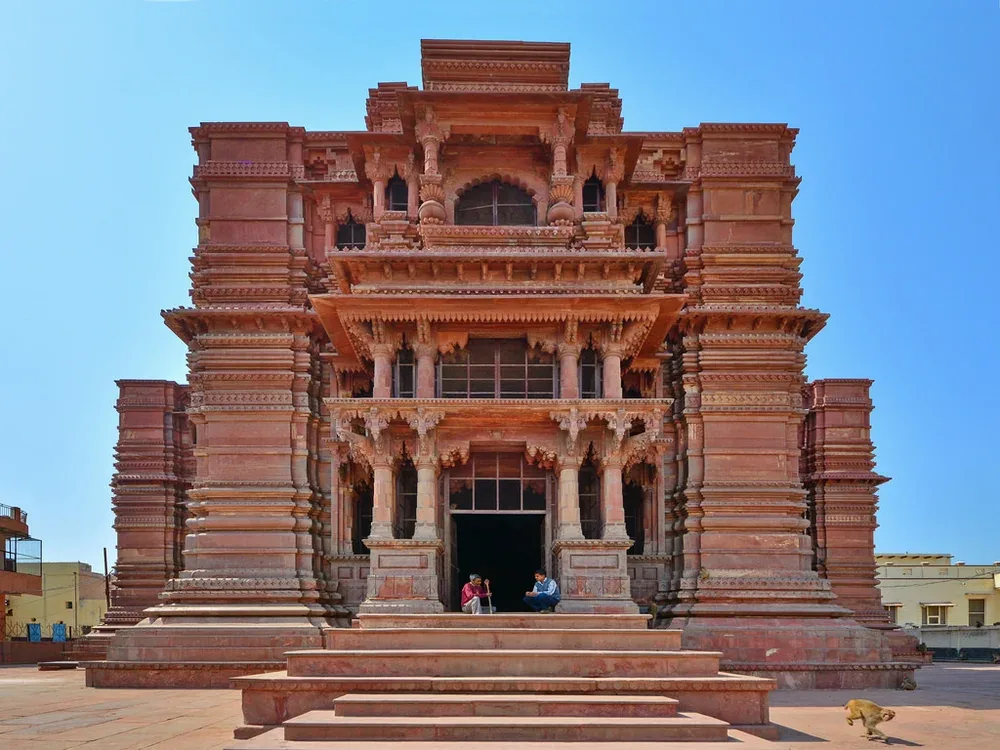
Govind Dev Temple
1590 red sandstone temple built by Raja Man Singh, one of Vrindavan's finest old buildings.
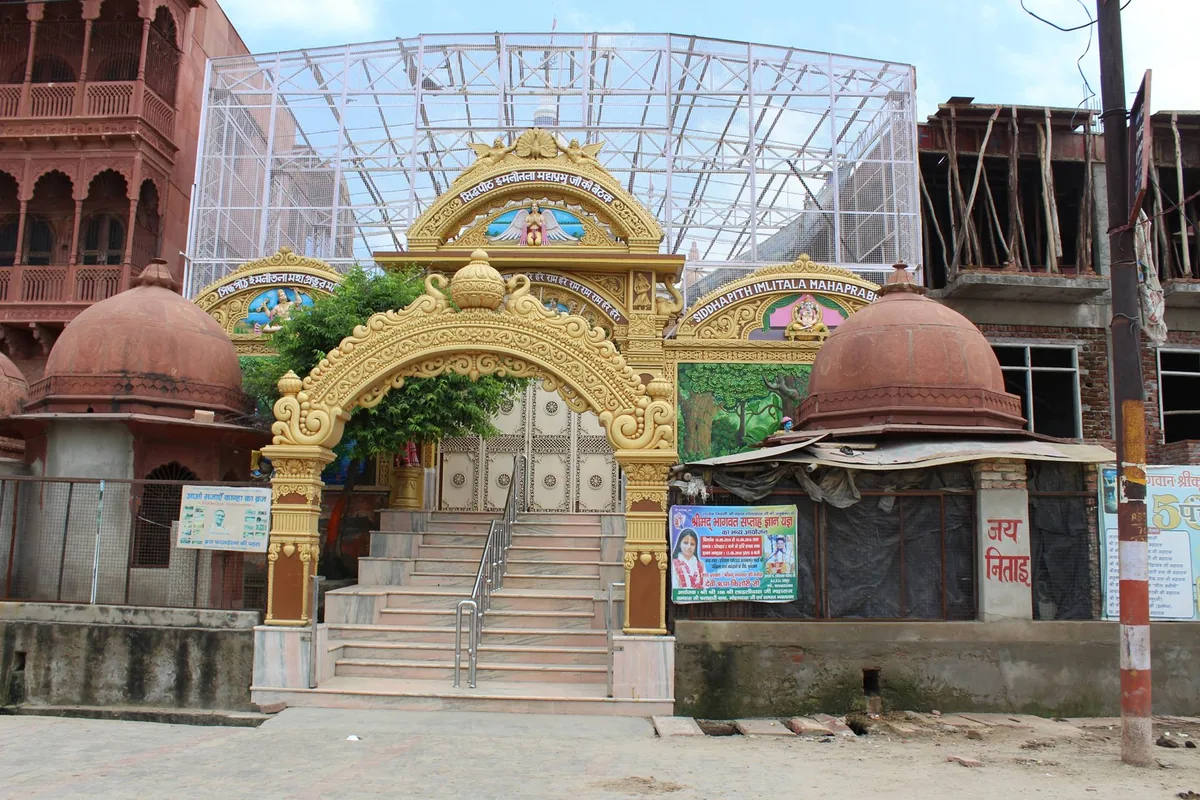
Imli Tala
Sacred tamarind tree where Chaitanya Mahaprabhu is believed to have meditated.
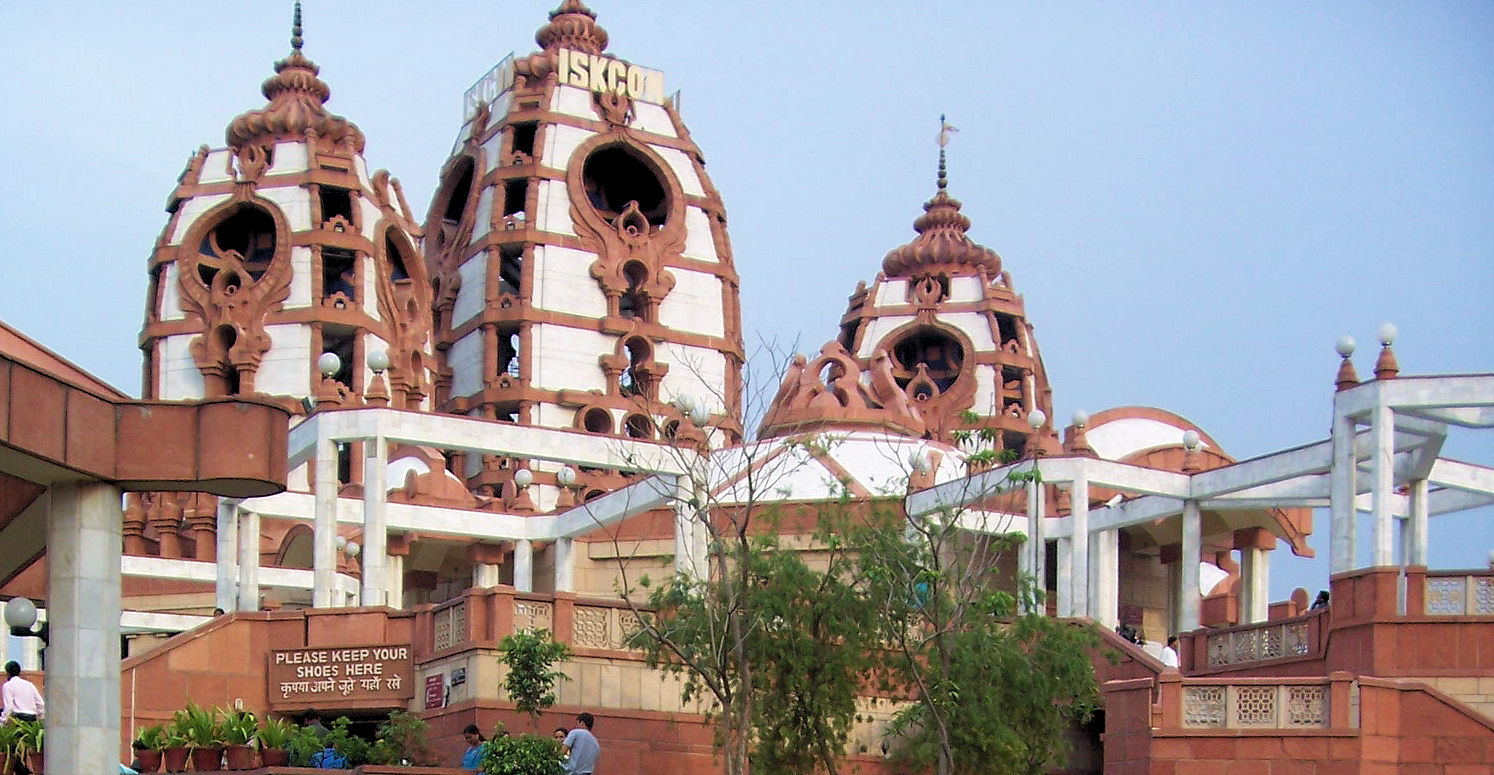
Iskcon vrindavan
A white marble temple dedicated to Krishna and Balaram.
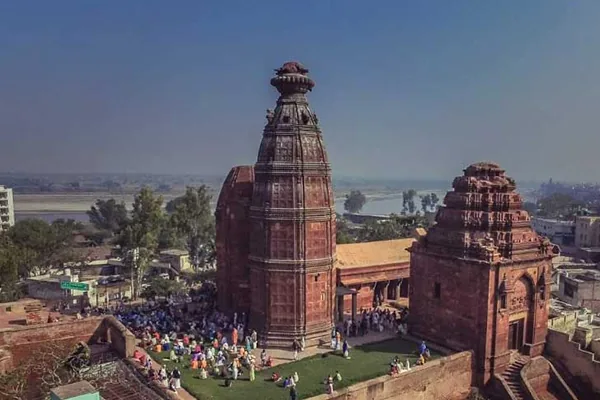
Madan Mohan Temple
16th-century hilltop temple above the Yamuna, among the oldest in Vrindavan.
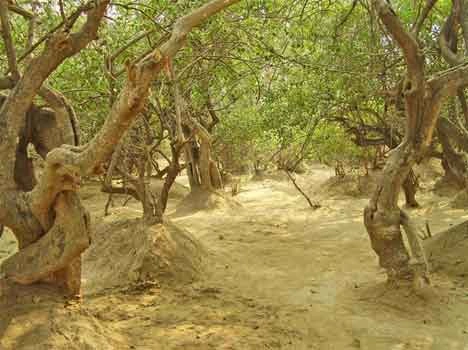
Nidhivan
A sacred grove in Vrindavan where Krishna and Radha's eternal Raas Lila is believed to occur nightly, closed to all after sunset.
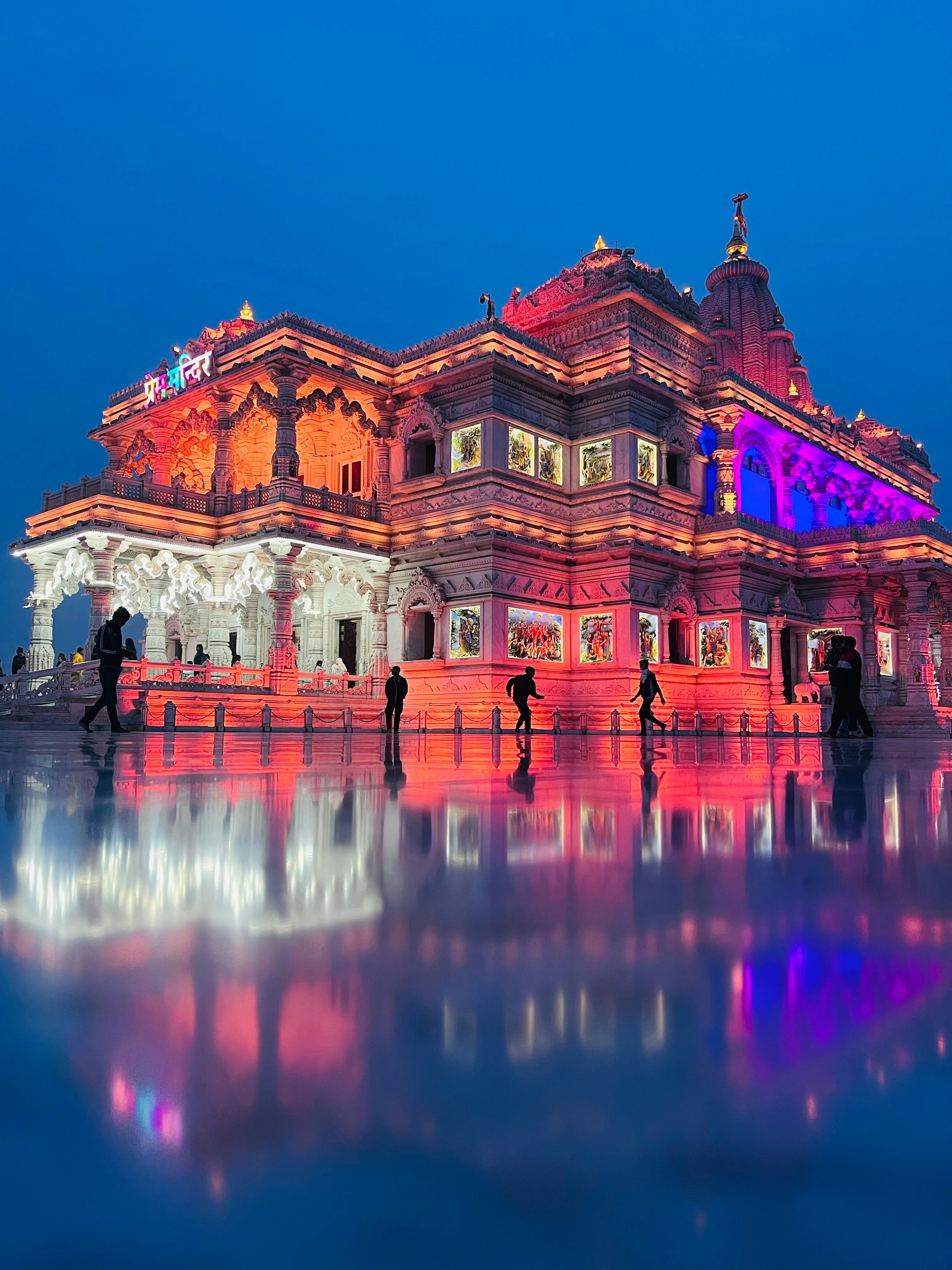
Prem Mandir
A modern white marble temple complex in Vrindavan built by Jagadguru Kripalu Ji Maharaj, dedicated to Radha Krishna and Sita Ram, illuminated spectacularly each evening.
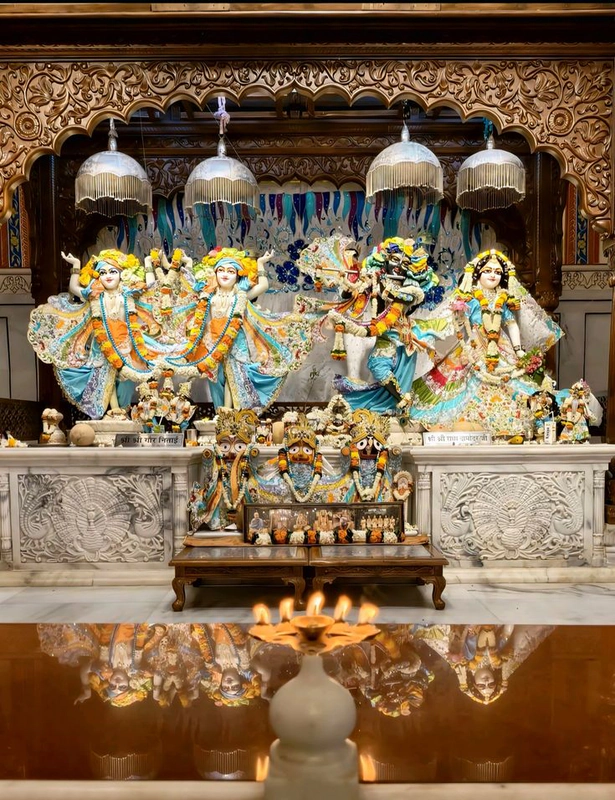
Radha Damodar Temple
A 16th-century temple founded by Jiva Goswami in Vrindavan where Srila Prabhupada lived before founding ISKCON worldwide.
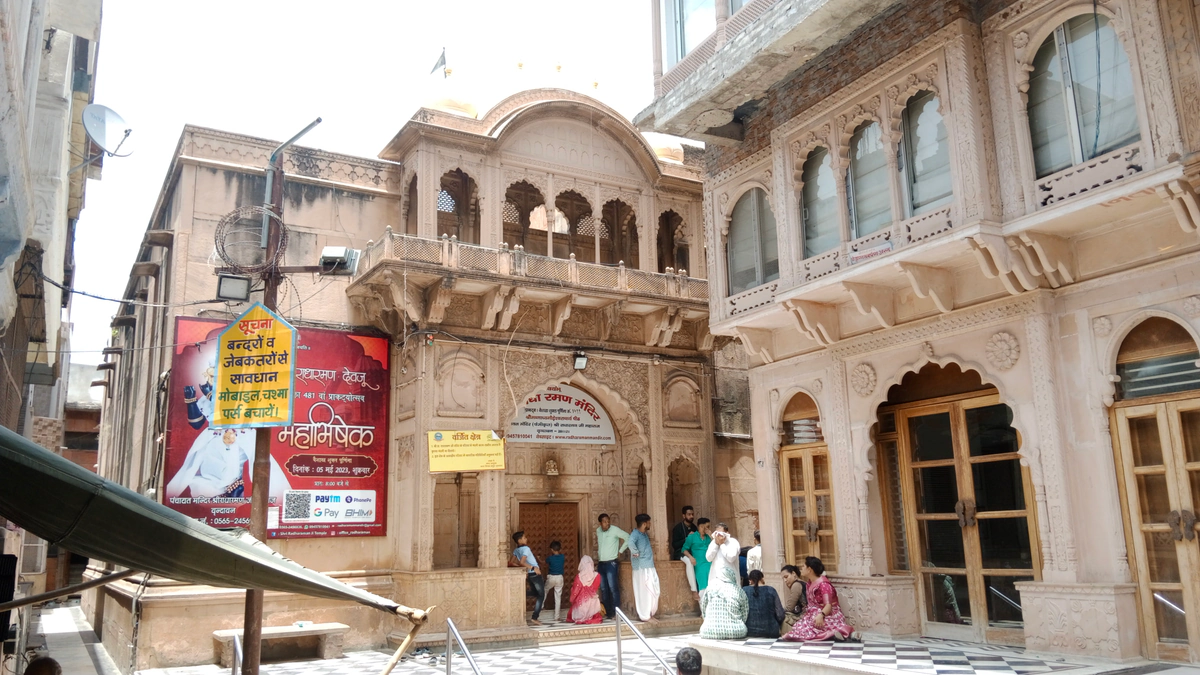
Radha Raman Temple
A 16th-century temple in Vrindavan housing the self-manifested Radha Raman deity, one of the few that never left Vrindavan during Mughal rule.
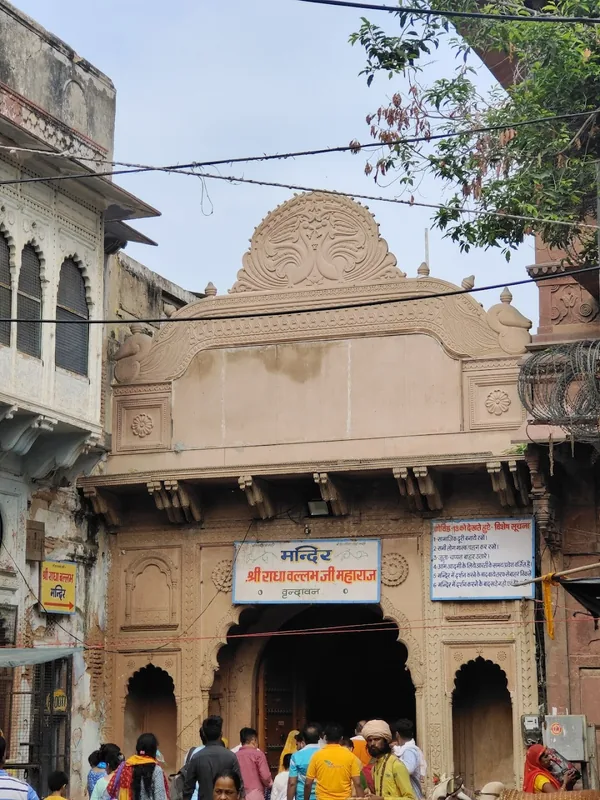
Radha Vallabh Temple
16th-century temple of the Radha Vallabh tradition, where Radha is represented by a crown beside Krishna.
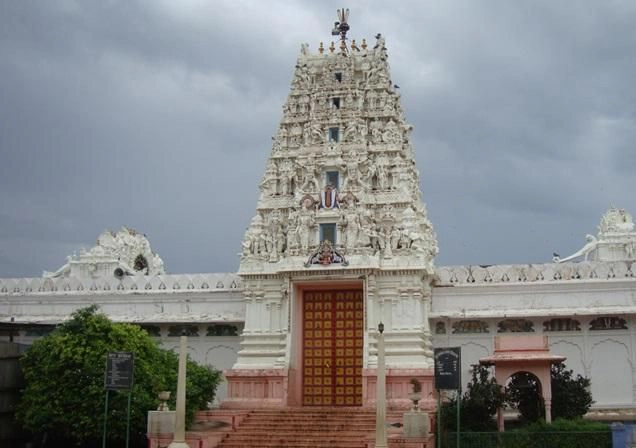
Rangji (Rangnath) Mandir
A grand Vrindavan temple blending South Indian and North Indian architecture, dedicated to Lord Ranganatha, famous for its elaborate Rath Yatra.
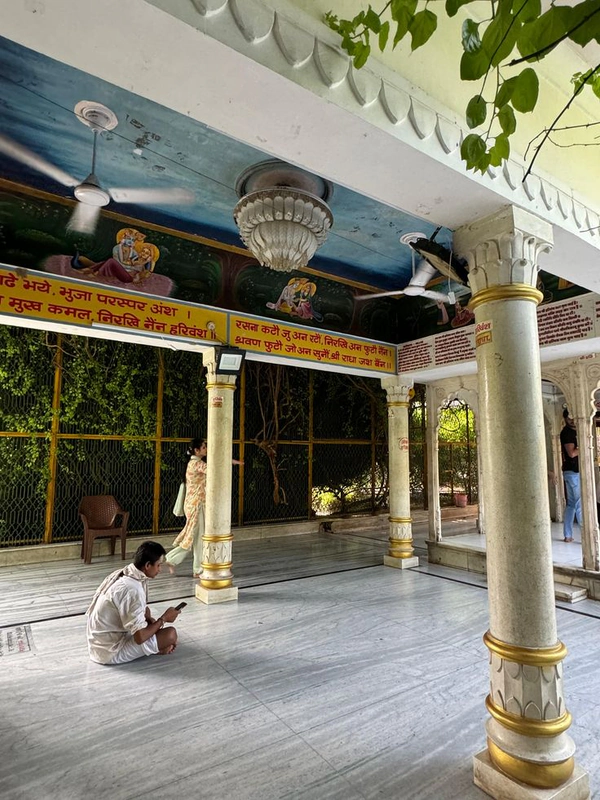
Seva Kunj
A sacred grove in Vrindavan where Krishna and Radha's Raas Lila is believed to occur, closed after sunset and revered for its divine energy.