Places to Visit in Mirzapur
Top attractions and must-see spots in Mirzapur
Landmarks
9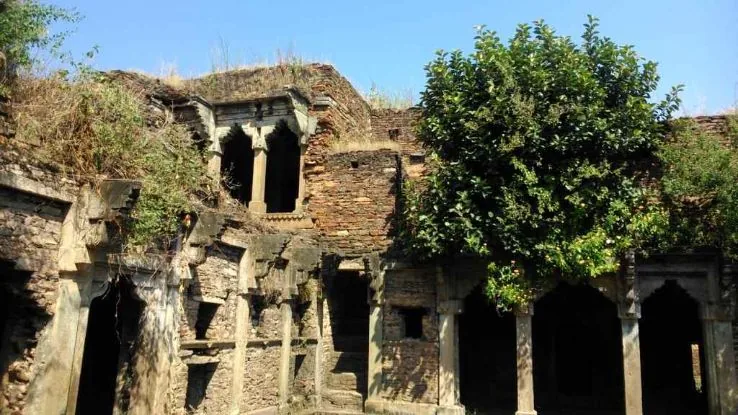
Agori Fort
A medieval hilltop fort on the banks of the Son River, originally the seat of the Kharwar rulers and later the Chandela Rajputs who took control in the 12th century. The fort sits where the Rihand and Son rivers converge, surrounded by water on three sides, and holds a Persian inscription dated 1616 AD. Reaching it involves a trek through dense Kaimoor forest, making it a compelling destination for history lovers and adventure seekers looking to go beyond Mirzapur's more accessible sites.
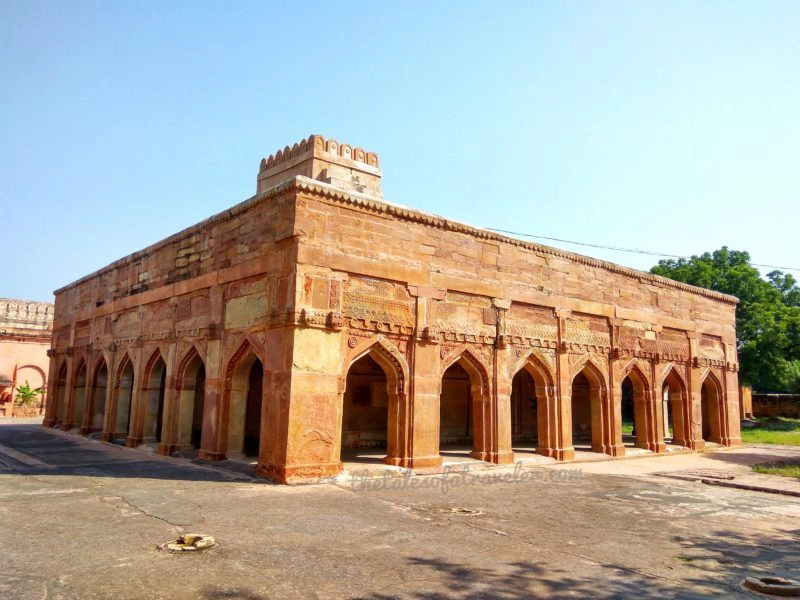
Chunar Fort
A 2,000-year-old cliff-top fort over the Ganga in Mirzapur, held by Mughals, Sher Shah Suri, and British, with views and the legendary Sonwa Mandap.
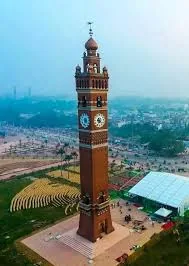
Clock Tower Mirzapur
A striking Victorian-Gothic heritage structure built in 1891 and locally known as Ghanta Ghar, standing about 100 feet tall in the heart of Mirzapur city. The tower houses a London-made clock fitted with a 1,000 kg alloy bell and a 20-foot pendulum, and sits almost exactly on the 82.5 degrees East meridian that defines Indian Standard Time. One of Uttar Pradesh's most distinctive colonial-era landmarks, it remains a proud symbol of the city's heritage and commercial history.
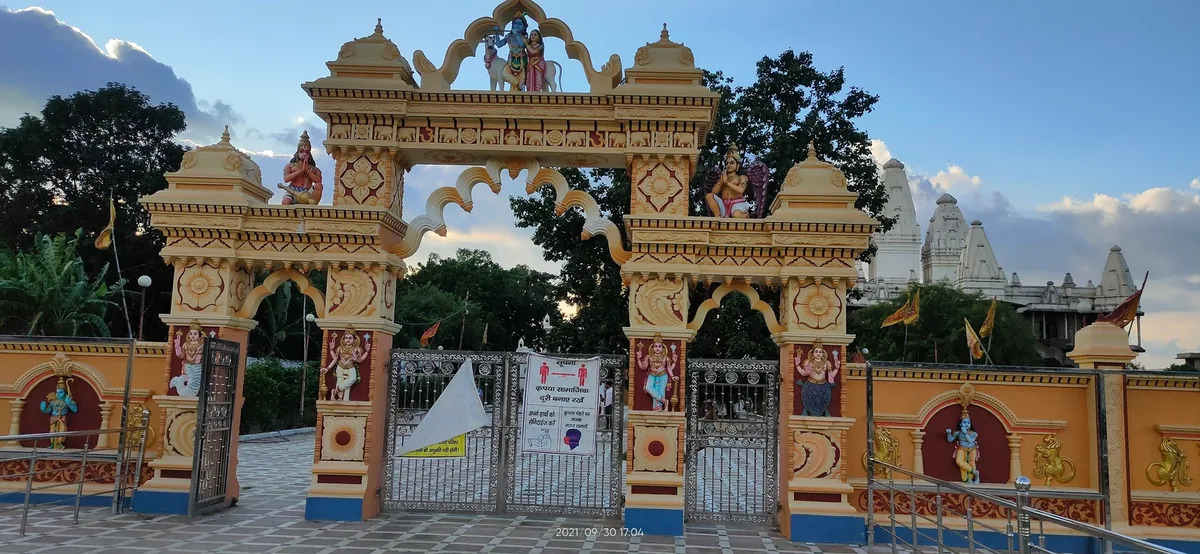
Devrahwa Baba Ashram
A revered spiritual ashram at Bhagdewar village, about 8 km south of Vindhyachal, established in honour of Brahmarshi Devaraha Baba, a legendary Siddha Yogi saint widely described as ageless. The ashram contains a striking glass temple of Lord Krishna, a large gaushala housing thousands of cows, a pilgrim hall, and rooms for visiting devotees. Considered by followers to be one of the most spiritually charged spots in the Vindhya region, it offers a contemplative retreat away from the main pilgrimage circuit.
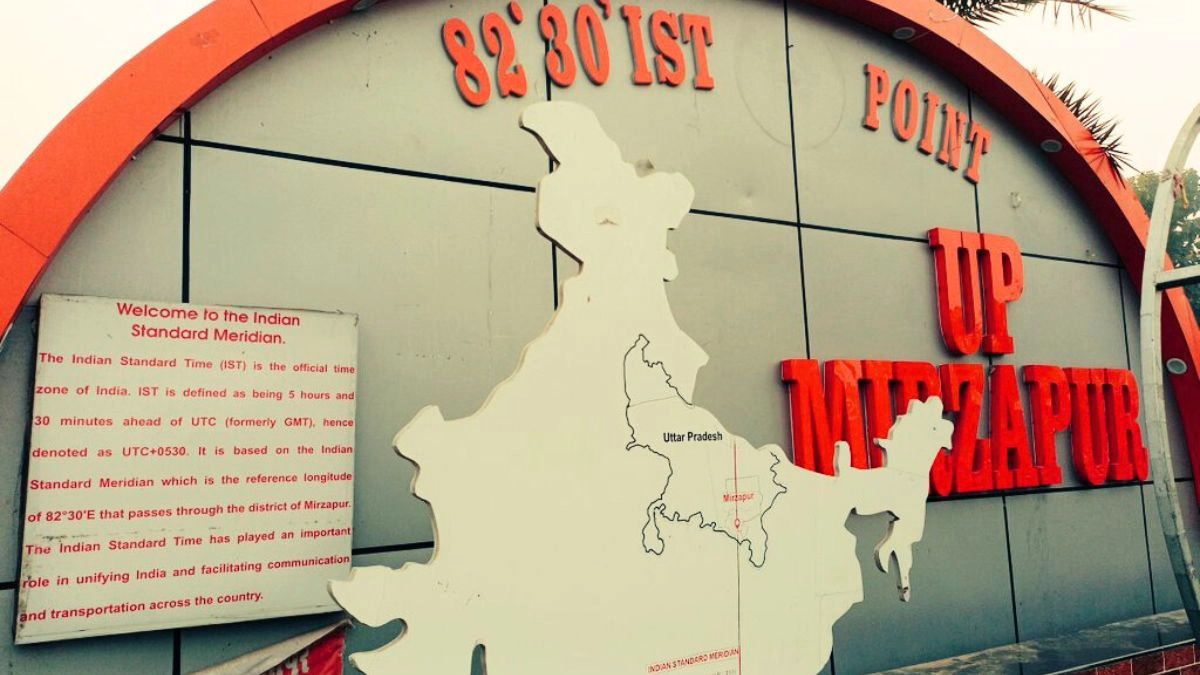
Indian Standard Time Meridian
The geographic marker near Mirzapur for the 82.5°E meridian that defines Indian Standard Time — the longitude from which all of India sets its clocks.
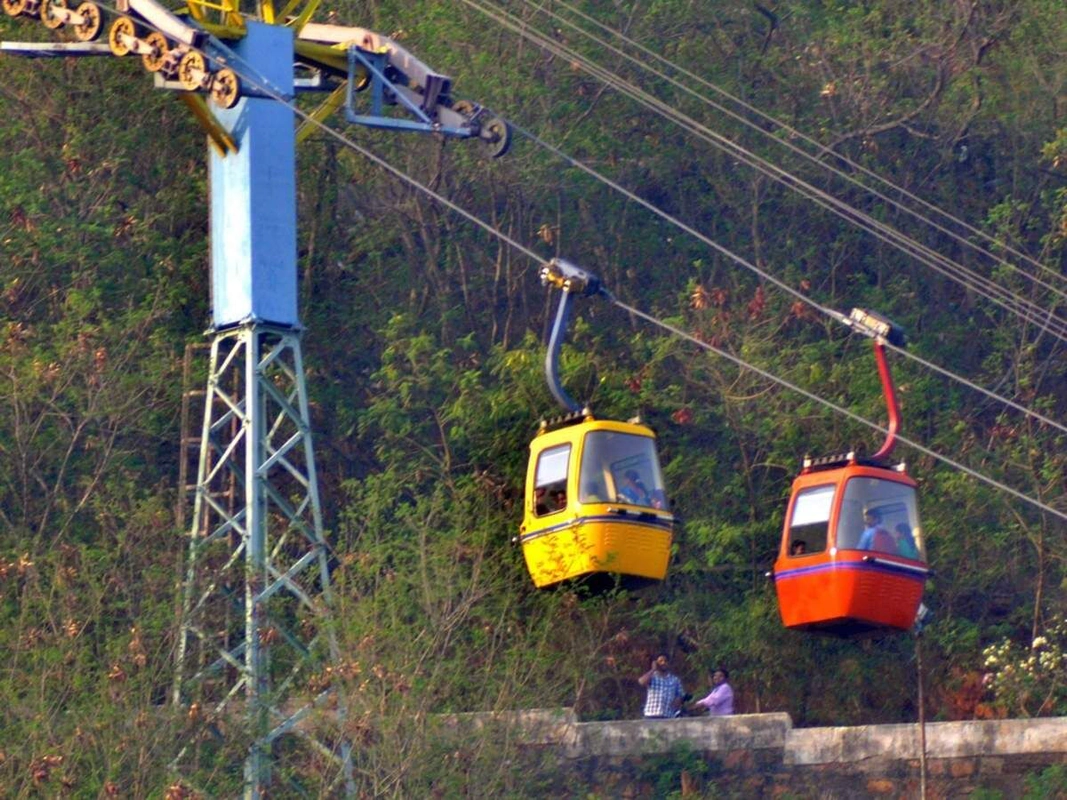
Kalikhoh Ropeway
A scenic cable car ride at Vindhyachal giving pilgrims aerial access to the Kali Khoh cave temple, one of the three main shrines of the Vindhyachal Dham.
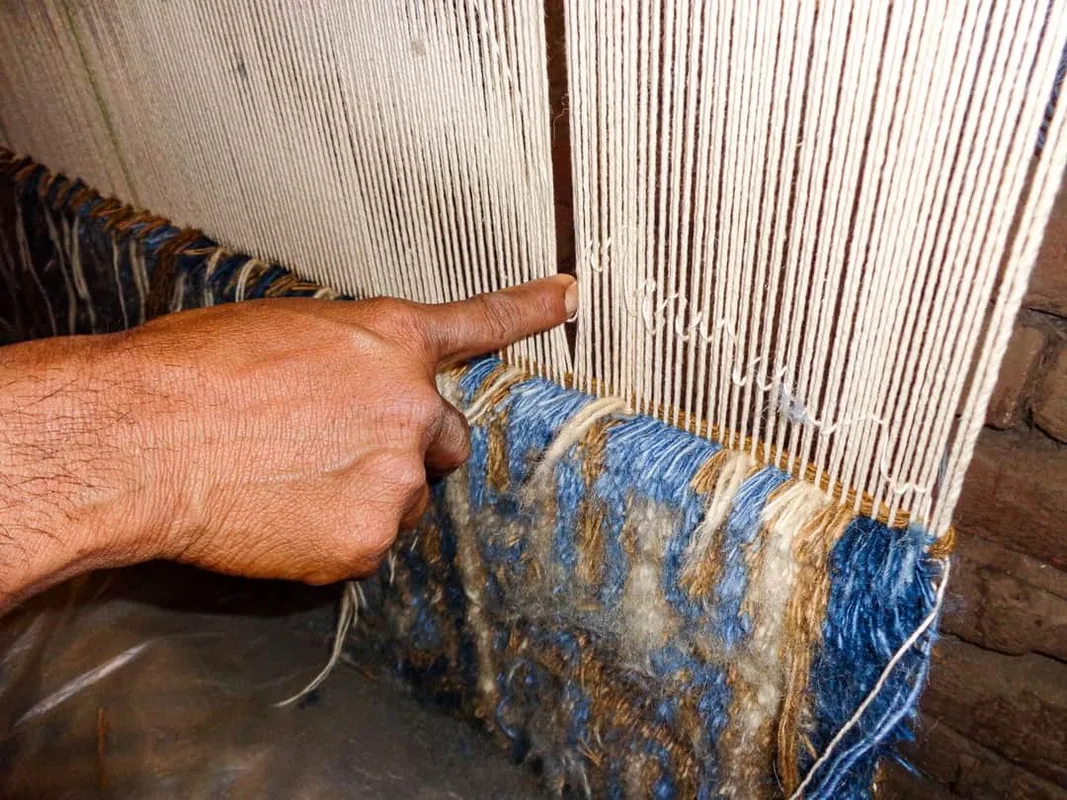
Mirzapur Carpet Weaving Clusters
Mirzapur is one of the two anchors of the Mirzapur-Bhadohi carpet belt, the largest hand-knotted carpet weaving cluster in the world, engaging over 3.2 million artisans. Carpet weaving here dates to the 16th century when Persian weavers settled in the region under Mughal Emperor Akbar's patronage. The NH-76 and Kachhwa Road belt in Mirzapur hosts dozens of manufacturers, exporters, and weaving units where visitors can watch artisans tie hundreds of thousands of knots by hand and buy directly from workshops at wholesale prices.
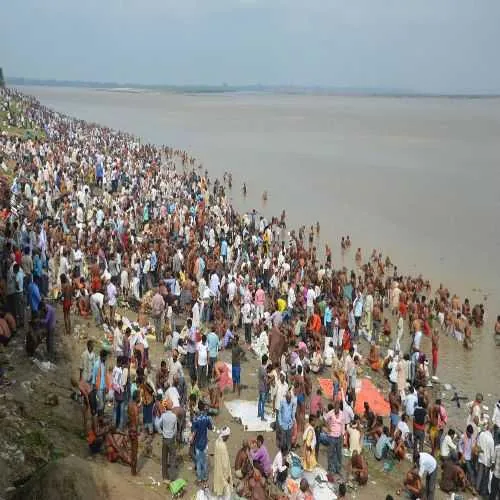
Ramgaya Ghat
A sacred Ganga ghat about 2 km from Vindhyachal town, believed to be the site where Lord Ram performed the Shraddha of his father King Dasharatha, making it an important destination for ancestral rites. A stone island in the middle of the river, called Pret Shila, sits just in front of the ghat and draws pilgrims performing ceremonies for departed ancestors. The adjacent Rameshwar Mahadev Temple adds further spiritual weight, and evening Ganga Aarti and boat rides make it equally rewarding for leisure visitors.
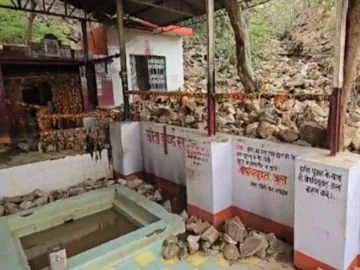
Sita Kund
A perennial sacred spring on a small hillock in Vindhyachal, reached by a flight of 48 steep steps. According to Ramayana legend, when Goddess Sita was thirsty on the return journey from Lanka, Lord Lakshmana pierced the earth with an arrow and water sprang forth at this very spot. Pilgrims collect the holy water and seek blessings here, and three nearby hilltop temples dedicated to Hanuman, Ram Janki, and Durga Devi add further devotional significance to the site.
Scenic Spots
10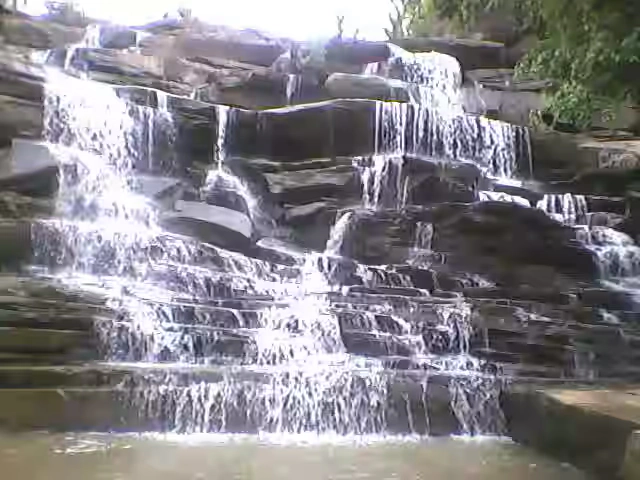
Alopi Dari
A scenic rocky gorge near Vindhyachal, carved by flowing water through the Vindhya hills, visited by nature lovers and pilgrims alike.
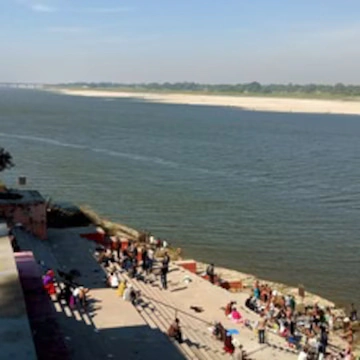
Ganga Ghats of Mirzapur : Maa Ganga Ghat, Baba Ghat, Fataha Ghat, Nar Ghat, Narayan Ghat, Katcheri Ghat.
A series of historic Ganga ghats in Mirzapur known for their traditional atmosphere, daily rituals, and more serene and unhurried feel compared to Varanasi.
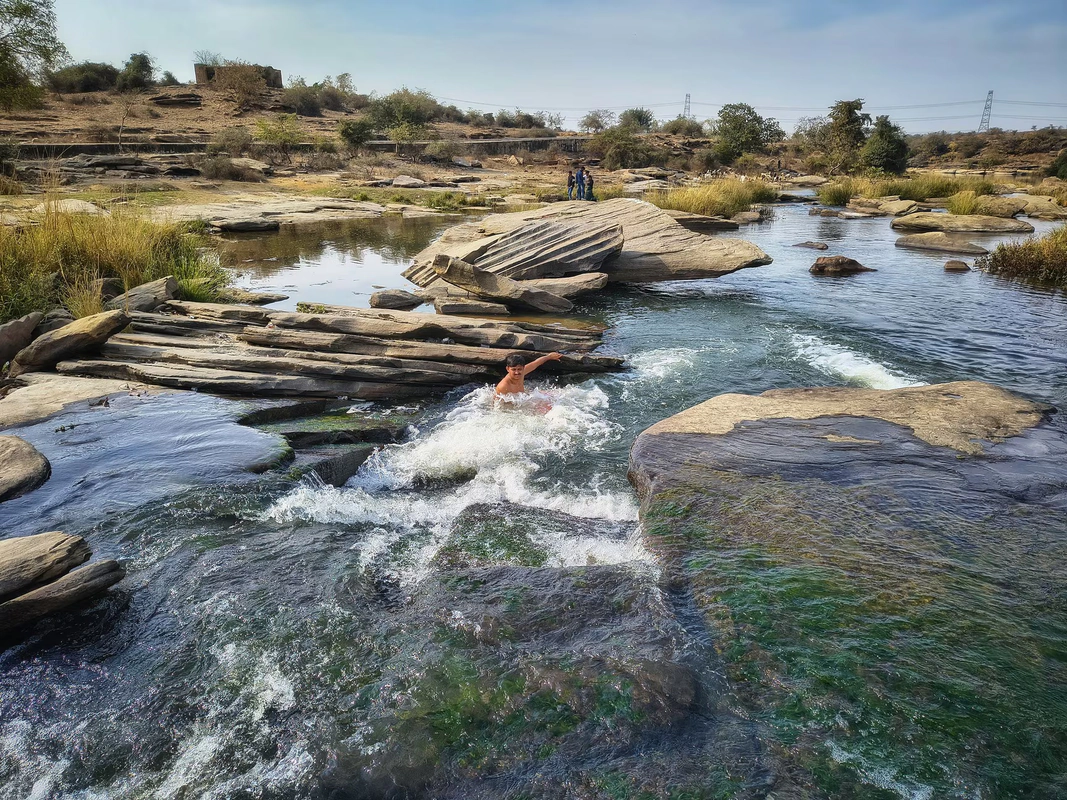
Kharanja Fall
A seasonal waterfall in the forested Vindhya hills near Mirzapur, popular as a monsoon picnic and nature destination.
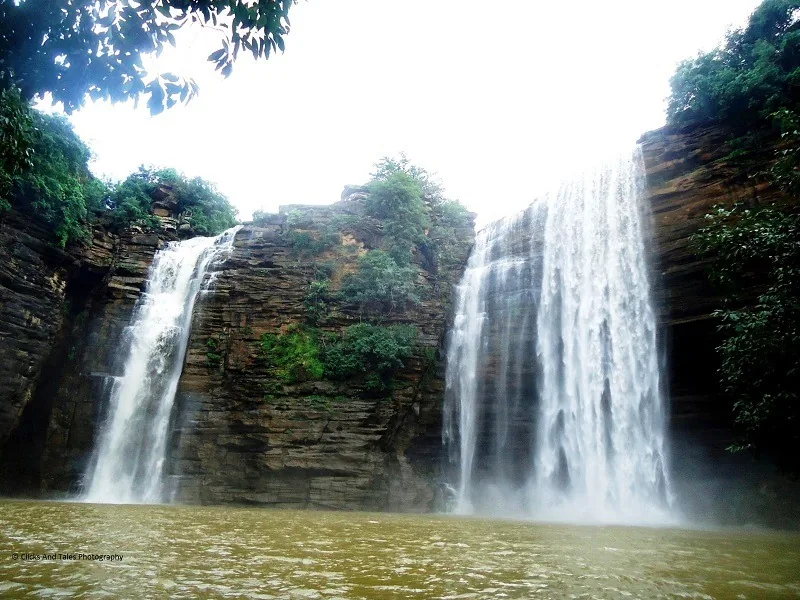
Lakhaniya Dari Waterfall
One of Uttar Pradesh's most spectacular waterfalls, Lakhaniya Dari plunges 150 metres through forested Vindhya gorges near Ahraura in Mirzapur district. Visitors trek 2 to 3 km from the entry gate across rocks and rivulets to reach the main fall, making it a popular destination for nature lovers and adventure seekers. Most dramatic during and after the monsoon, when the cascade is at full force.
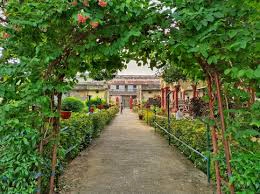
Laldiggi Park
A public park around a historic water tank in central Mirzapur, serving as a green oasis for morning walks and leisure in the city.
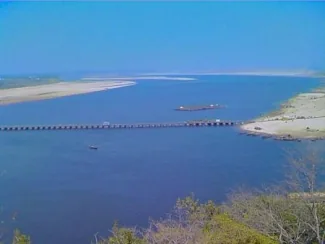
Meja Dam
A large reservoir set in lush surroundings about 50 km from Mirzapur, popular as a serene weekend picnic and nature retreat. The dam attracts significant migratory birdlife during winter, including Siberian cranes, drawing birdwatchers alongside leisure visitors. An irrigation department tourist bungalow near the site offers the option to stay overnight, making Meja Dam one of the few places in the district suited for an extended nature stay.
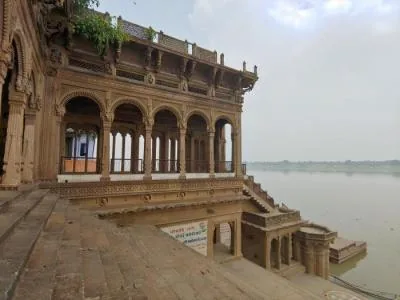
Pakka Ghat
One of the most architecturally distinguished ghats in India, built in the late 18th century by local merchant Sri Bhagwandas Umar. Constructed entirely of Chunar sandstone, every pillar, panel, and lattice is covered in fine stone carvings that the official district records describe as the finest stonework found on any river ghat in the country. A pillared baradari pavilion and intricately carved steps lead down to the Ganga, making it a standout heritage site alongside the more famous Varanasi ghats.
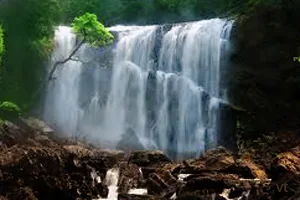
Sirsi Dam and Waterfall
A scenic dam built across the Sirsi River in the Vindhya hills, about 40 km from Mirzapur. Water released through 14 sluice gates cascades from a considerable height, creating a dramatic waterfall with views across the reservoir and forested Vindhya ranges. The site draws birdwatchers in winter when Siberian cranes and other migratory birds visit the reservoir, making it a rewarding nature destination beyond just the waterfall.
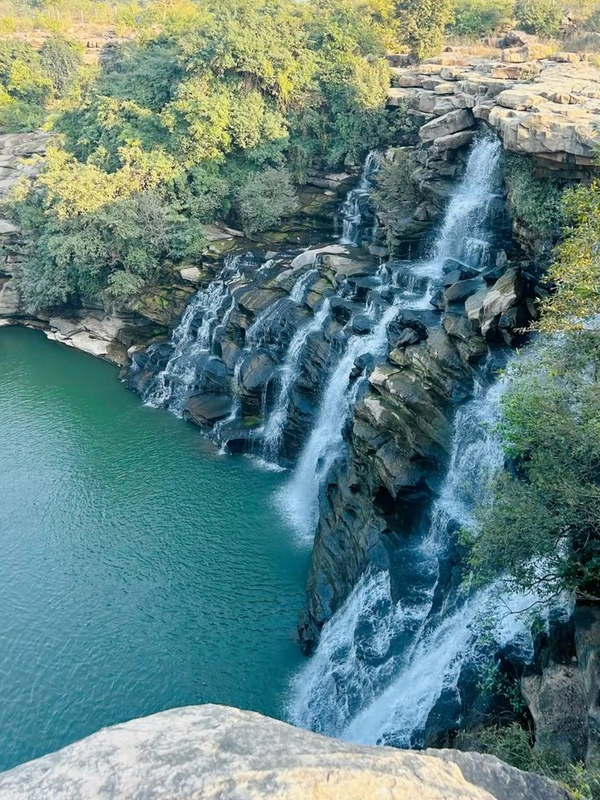
Tanda Falls
A seasonal waterfall in the Vindhya range near Mirzapur, most spectacular during monsoon, set in a forested rocky gorge popular for picnics.
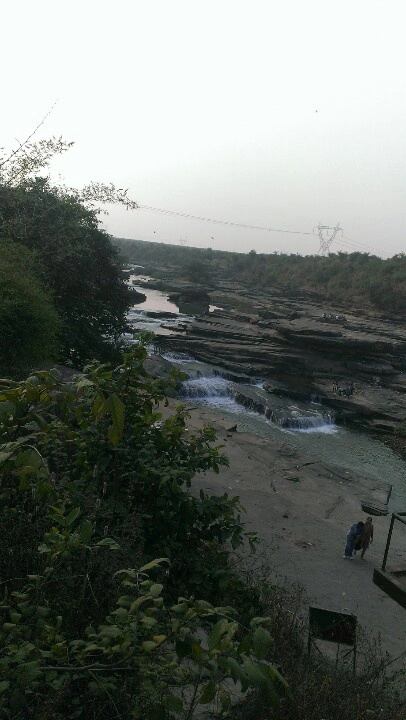
Vindham Falls
A scenic seasonal waterfall in the Vindhyan hills near Mirzapur, surrounded by forested gorges and most beautiful after the monsoon rains.
Shopping
3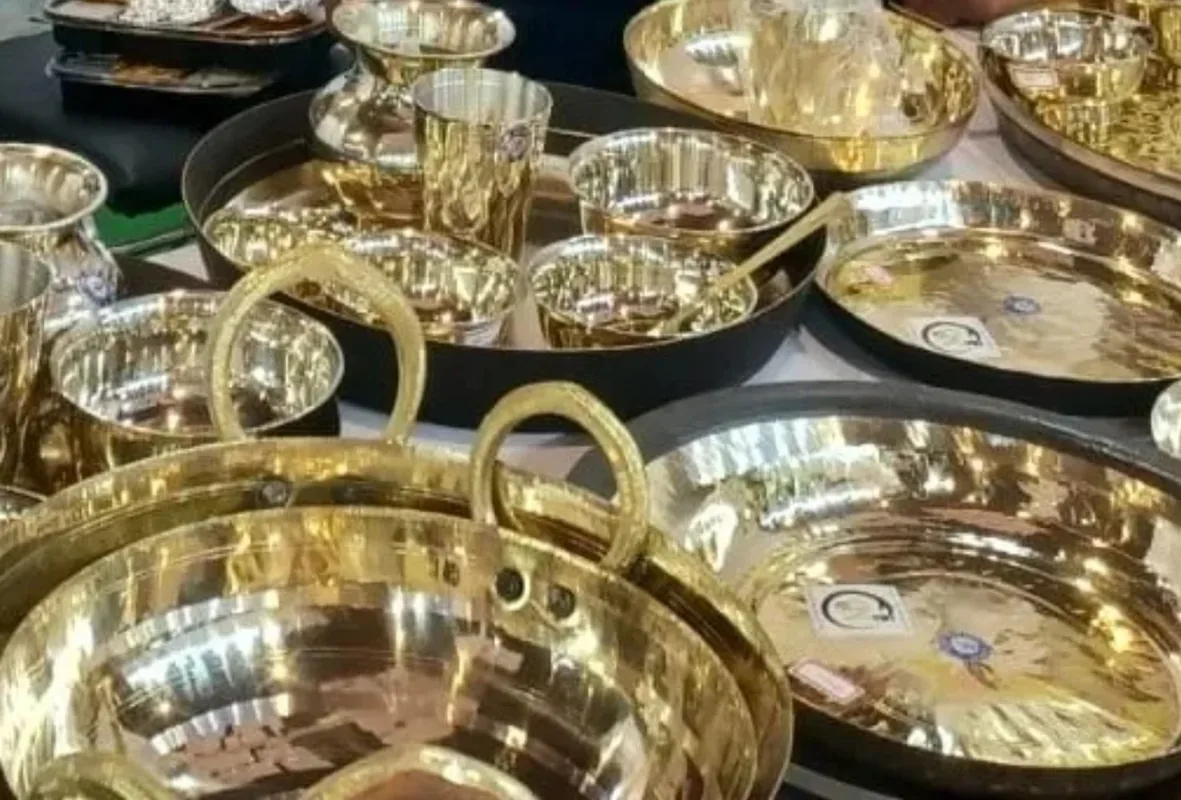
Brassware Market
The commercial heart of Mirzapur's Pital Bartan industry, a craft nearly 200 years old and rooted in the Kansara community. Workshops and showrooms in the Gosain Tola and Narghat neighbourhoods sell hand-cast brass utensils, household items, and decorative pieces made using traditional molds of Ganga sand and yellow clay. Mirzapur Pital Bartan received a Geographical Indication tag in 2021, and buying here means sourcing directly from the artisan families who have practised this craft across generations.
Pakka Ghat Market
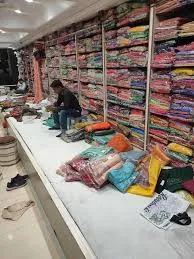
A lively street market that runs along the road leading down to the iconic Pakka Ghat on the Ganga. Lined with shops selling sarees, ethnic wear, jewellery, snacks, and daily goods on both sides of the approach, it has traditionally served as a women-friendly shopping and congregation space, distinct from the city's other busier markets. The combination of ghat heritage, riverside atmosphere, and accessible retail makes it one of the more characterful places to shop and browse in Mirzapur.

Wellesley Ganj Market
The oldest market in Mirzapur, established in the early 19th century and named after Lord Marquess Wellesley, the British East India Company Governor-General who initiated the city's commercial development from the adjacent Bariya Ghat. As Mirzapur grew into a major inland trading hub for cotton, silk, brass, and carpets, Wellesleyganj became its commercial core. Today it remains a bustling neighbourhood market for apparel, daily goods, and general retail, carrying a layered British-era character that few visitors explore.
Temple
6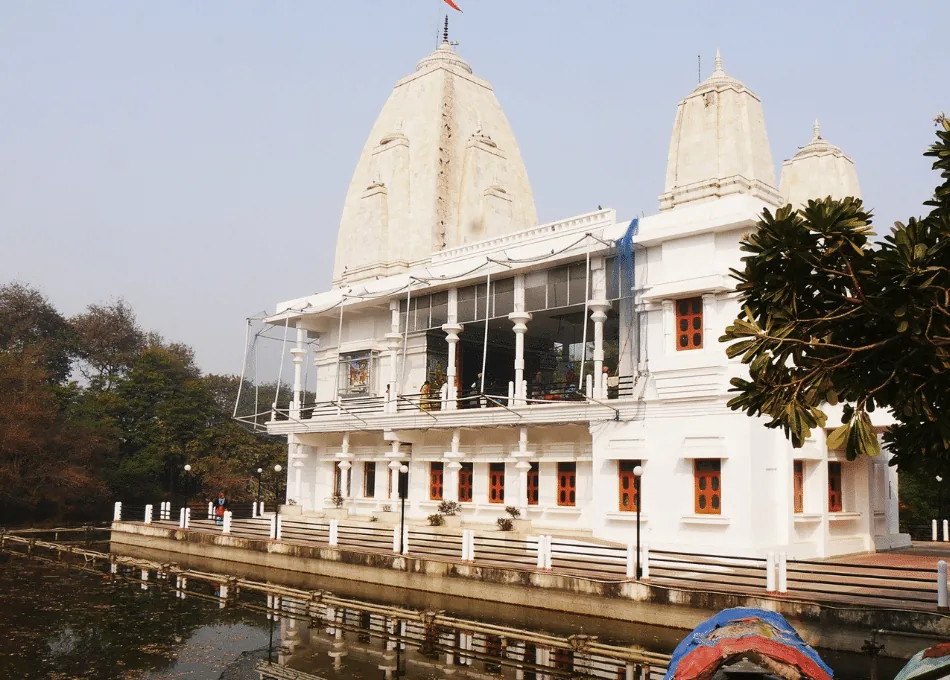
Ashtabhuja Temple
Perched on the highest peak of the Vindhya hills in Vindhyachal, this hilltop temple is the third stop on the Trikon Parikrama and is dedicated to Goddess Ashtabhuja, an eight-armed form of Durga worshipped as Mahasaraswati. Legend holds that she is Krishna's divine sister who sought refuge here after escaping Kansa. The temple commands a sweeping panoramic view of the Ganga and is a major draw during Navratri.
Kali Khoh Temple
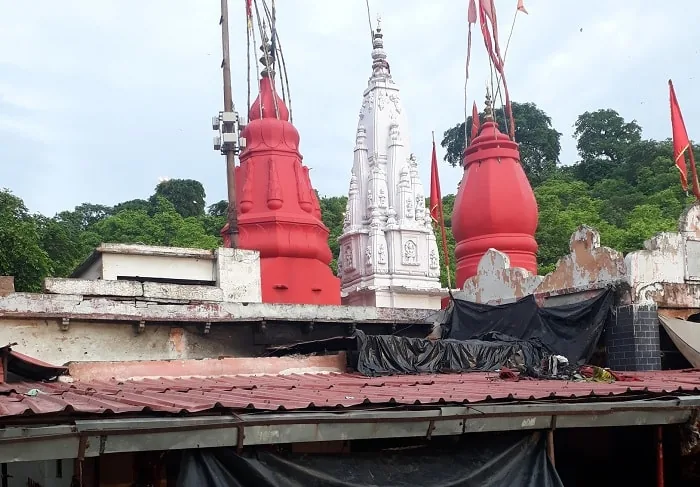
An ancient cave temple in the Vindhya hills of Vindhyachal, dedicated to Goddess Mahakali in her fierce Khechari Mudra form. It is the second stop on the sacred Trikon Parikrama, completing a spiritual triangle with the Vindhyavasini and Ashtabhuja temples. The cave deity is believed to be swayambhu, and Tantric seekers have revered this site for centuries. Draws massive crowds during Navratri, especially on Kaalratri, the seventh day.
Kankali Devi Temple
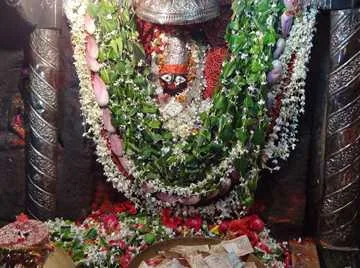
A revered shrine in the Vindhyachal pilgrim circuit, Kankali Devi Temple takes its name from "Kankal," meaning skeleton, referring to Goddess Kali's fierce skeletal form assumed during battle against demonic forces. Compact but intensely atmospheric, it is visited by pilgrims completing the Trikon Parikrama and those seeking protection and blessings. Closely associated with Goddess Durga's transformation into her most powerful warrior form.
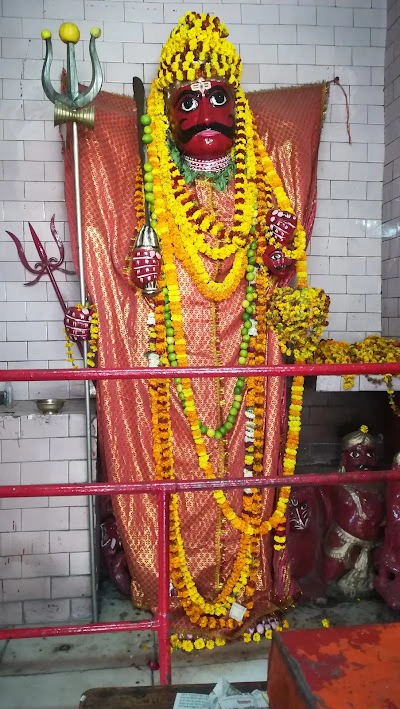
Lal Bhairav Temple
Guardian deity of the Vindhyachal Dham pilgrimage circuit, worshipped as a fierce manifestation of Shiva in Mirzapur.
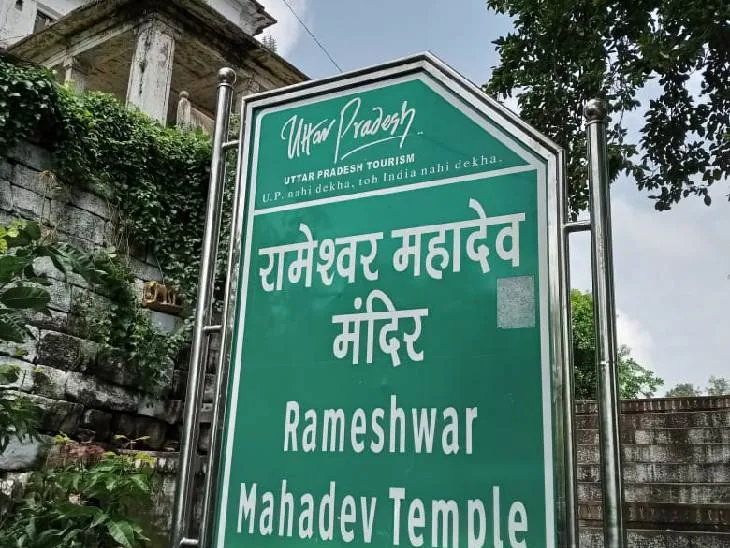
Rameshwar Mahadev Temple
A sacred Shiva temple on the banks of the Ganga at Ramgaya Ghat in Vindhyachal, believed to mark the spot where Lord Ram installed a Shivalinga to perform Shraddha for his father King Dasharatha, on the guidance of sage Vashishta. The temple sits at the heart of the Maha Trikon, the great spiritual triangle of Vindhyachal. An important stop for ancestral rites and pilgrimage, it draws devout visitors year-round.
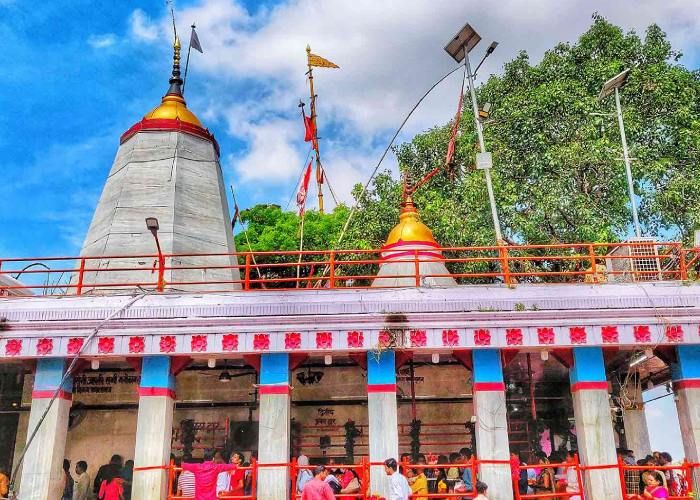
Vindhyachal Temple
A major Shakti Peetha on the Vindhya hills in Mirzapur dedicated to Goddess Vindhyavasini, drawing millions of pilgrims annually and forming the anchor of the Vindhyachal Dham circuit.
No places found for ""
Try a different search term or switch to All.
No places match your current filter
Try a different search term or switch to All.