Your Ultimate Guide to Makar Sankranti Celebrations


A Festival of Harvest, Sun, and New Beginnings
Makar Sankranti is a widely celebrated harvest festival in India that marks the Sun’s transition into the zodiac sign Capricorn (Makara). Observed every year in mid-January, it signifies the end of the winter solstice and the beginning of longer, brighter days.
Unlike many Indian festivals based on the lunar calendar, Makar Sankranti follows the solar cycle, making its date relatively fixed. The festival symbolizes renewal, hope, and gratitude towards nature for its abundance.
Regional Names and Celebrations Across India
Makar Sankranti is known by different names across regions, reflecting India’s rich cultural diversity.
In Tamil Nadu, it is celebrated as Pongal, a four-day harvest festival dedicated to the Sun God, farmers, and cattle.
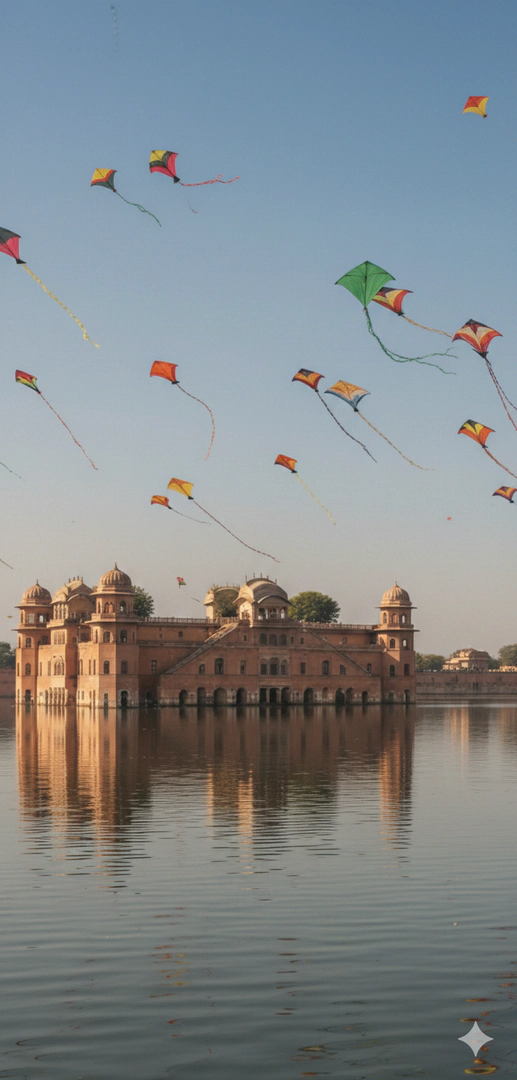
In Gujarat and Rajasthan, the festival is called Uttarayan,
famous for its vibrant kite-flying traditions.Assam celebrates it as Magh Bihu, marking the end of the harvest season with community feasts and bonfires.
In West Bengal, it is known as Poush Sankranti, celebrated with traditional rice cakes called pithe.
Despite regional variations, the core theme remains the celebration of harvest, prosperity, and nature’s generosity.
The Joy of Kite Flying
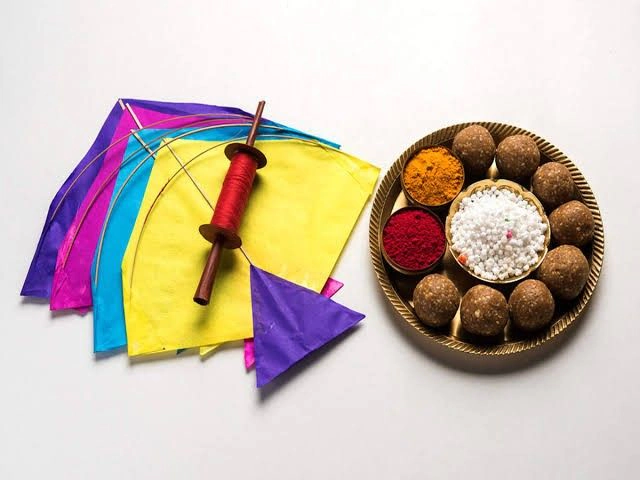
One of the most visually striking aspects of Makar Sankranti is the kite festival, especially popular in Gujarat, Rajasthan, and parts of Maharashtra.
The sky fills with colorful kites of various shapes and sizes, symbolizing joy, freedom, and the ascent towards positivity. Kite flying also brings families and communities together, turning rooftops into lively social spaces filled with music, laughter, and festive cheer.
Rituals, Sweets, and Spiritual Significance
Rituals such as taking holy dips in rivers like the Ganga are believed to cleanse the soul and express gratitude. Traditional sweets made from sesame seeds and jaggery, such as til-gul and chikki, are prepared and shared, symbolizing warmth, harmony, and unity.
Overall, Makar Sankranti honors the harvest, celebrates nature’s abundance, and represents new beginnings, prosperity, and positive energy for the year ahead.
Have a travel story to share? Write for us