India's Kite Festivals: Where and When to See the Skies Fill Up
Where and when to see India's kite festivals: Uttarayan in Ahmedabad, Makar Sankranti in Jaipur, Hyderabad's Kite and Sweet Festival, Old Delhi on 15 August and Basant in Punjab, with tips on rooftops, food, booking and bird-safe flying.
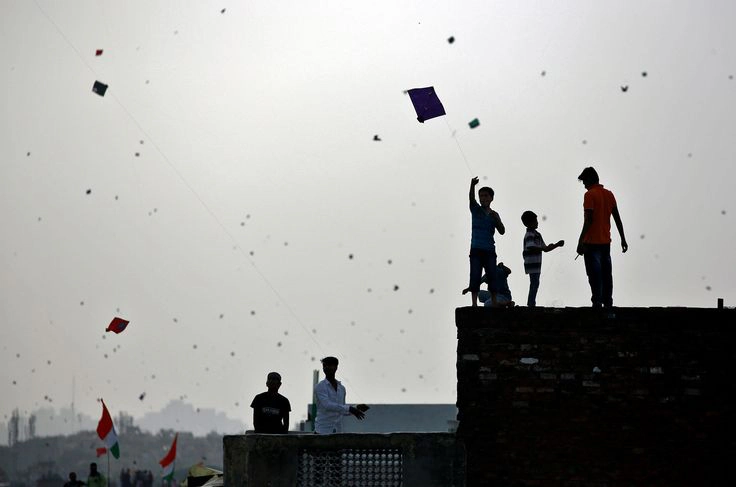
Kite season in India comes in waves. The biggest one breaks over Gujarat and Rajasthan in mid January for Makar Sankranti, a smaller one lifts Punjab's rooftops at Basant Panchami a few weeks later, and Old Delhi has its own flying day on 15 August. This guide covers where to go, when each one happens, how to get onto a rooftop, what to eat and how to fly without hurting birds or people.
When kite season happens
- Makar Sankranti and Uttarayan: Makar Sankranti follows the solar calendar, so it lands on 14 January in most years and sometimes on 15 January. In Gujarat the festival is called Uttarayan and runs over two days, 14 and 15 January, with the second day known as Vasi Uttarayan. In 2027 the Sankranti moment falls at 9:14 PM IST on 14 January, so Drik Panchang lists the observance on Friday 15 January. Expect rooftops to be busy on both days.
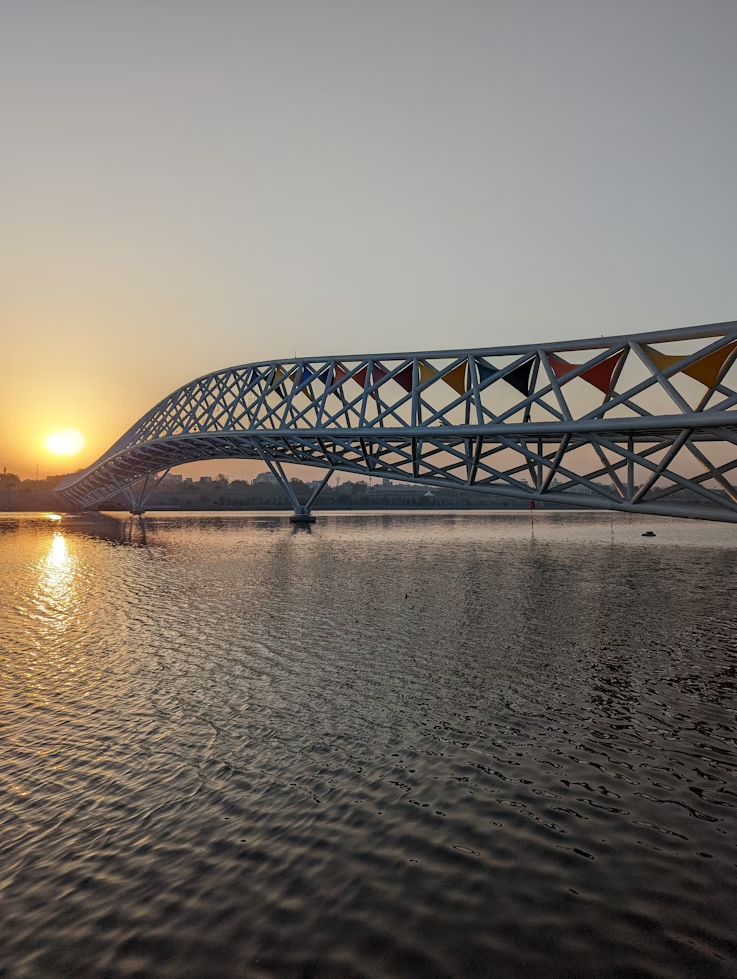
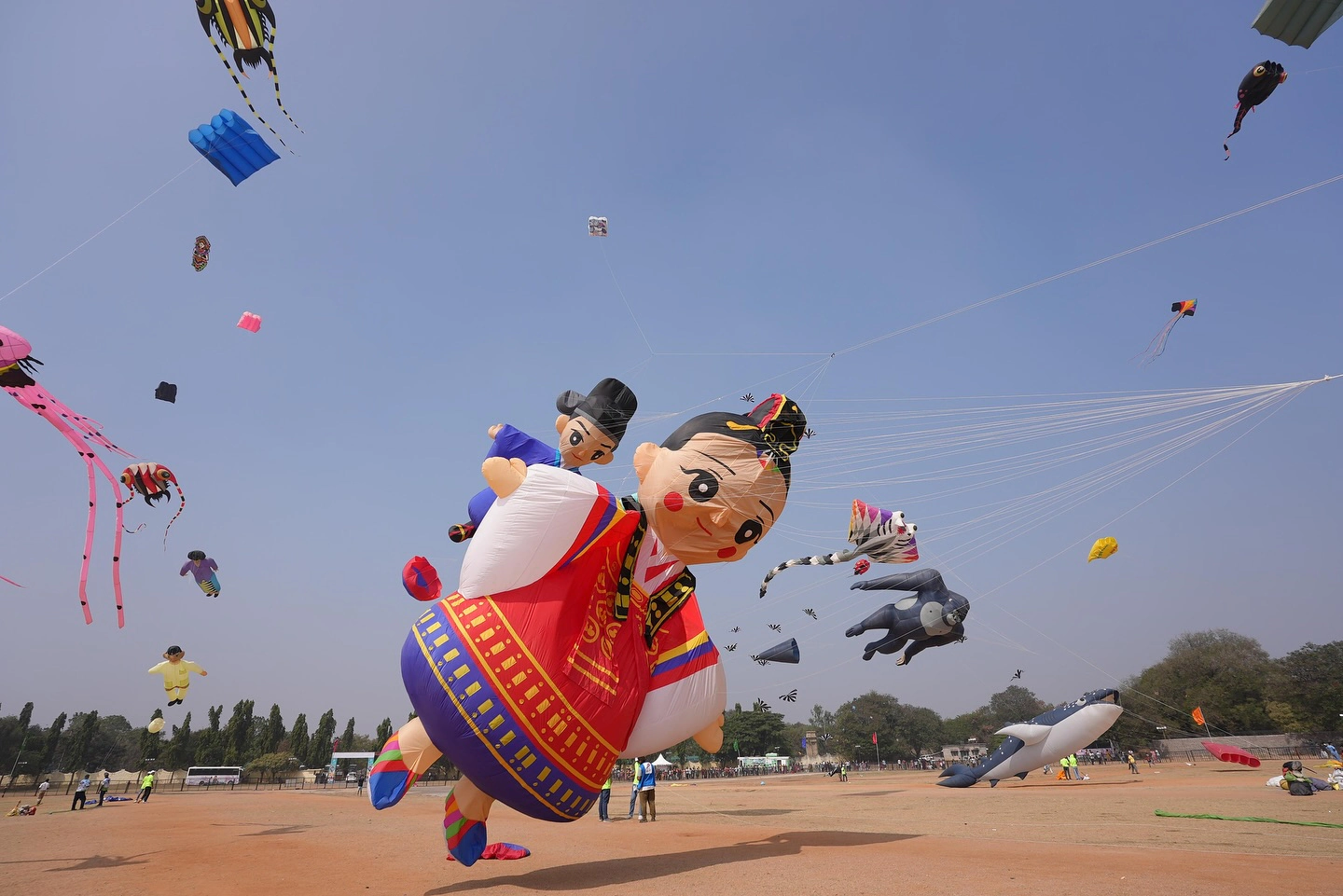
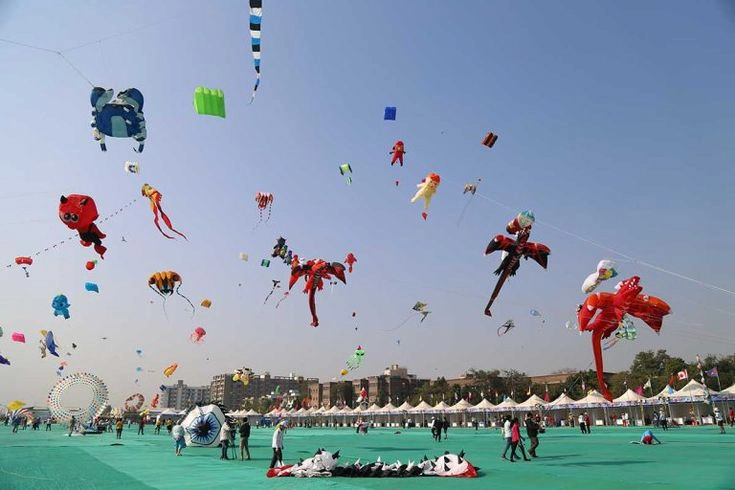
- International Kite Festival, Gujarat: Gujarat Tourism's festival usually opens a few days before Uttarayan and climaxes on the day itself, with the main programme on the Sabarmati Riverfront in Ahmedabad.
- Basant Panchami: This falls on the fifth day of the bright half of the month of Magha, so it moves between late January and February. In 2027 it falls on Thursday 11 February.
- Independence Day: In Old Delhi, people fly kites from the rooftops on 15 August, and the buildup starts weeks before.
Ahmedabad, Gujarat: Uttarayan at full volume
Gujarat Tourism describes Uttarayan as a day when almost all normal activity shuts down and the whole state takes to its rooftops, from before dawn until well after dark. Ahmedabad is where it is loudest.
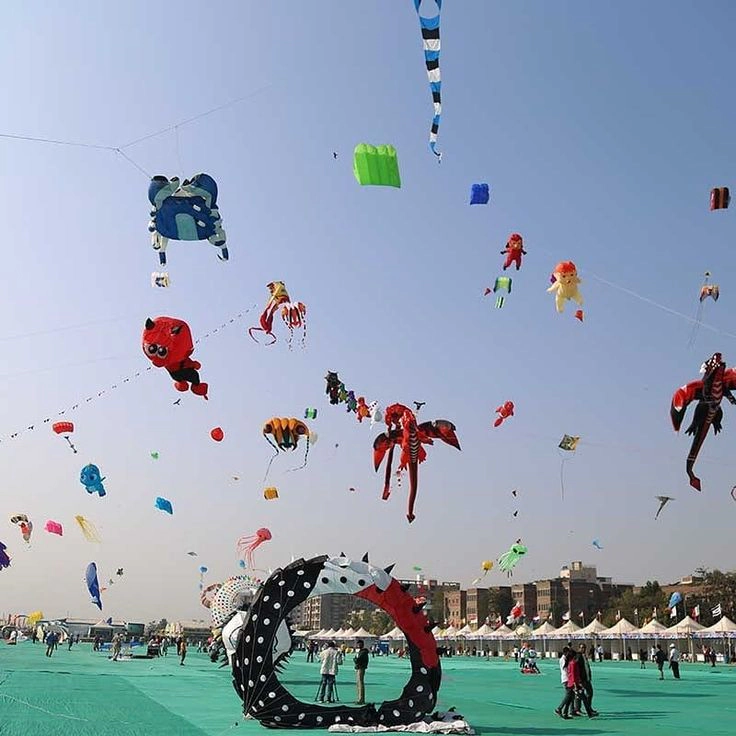
The official festival. The International Kite Festival brings kite flyers from India and abroad to the Sabarmati Riverfront, with a theme pavilion, a handicraft market and food stalls. In recent editions the state has also held one-day events in other cities in the run-up, including Rajkot, Surat, Dholavira, the Statue of Unity at Ektanagar, Vadnagar and Vadodara, which has its own international showcase. The schedule changes every year, so check Gujarat Tourism's festival site in December.
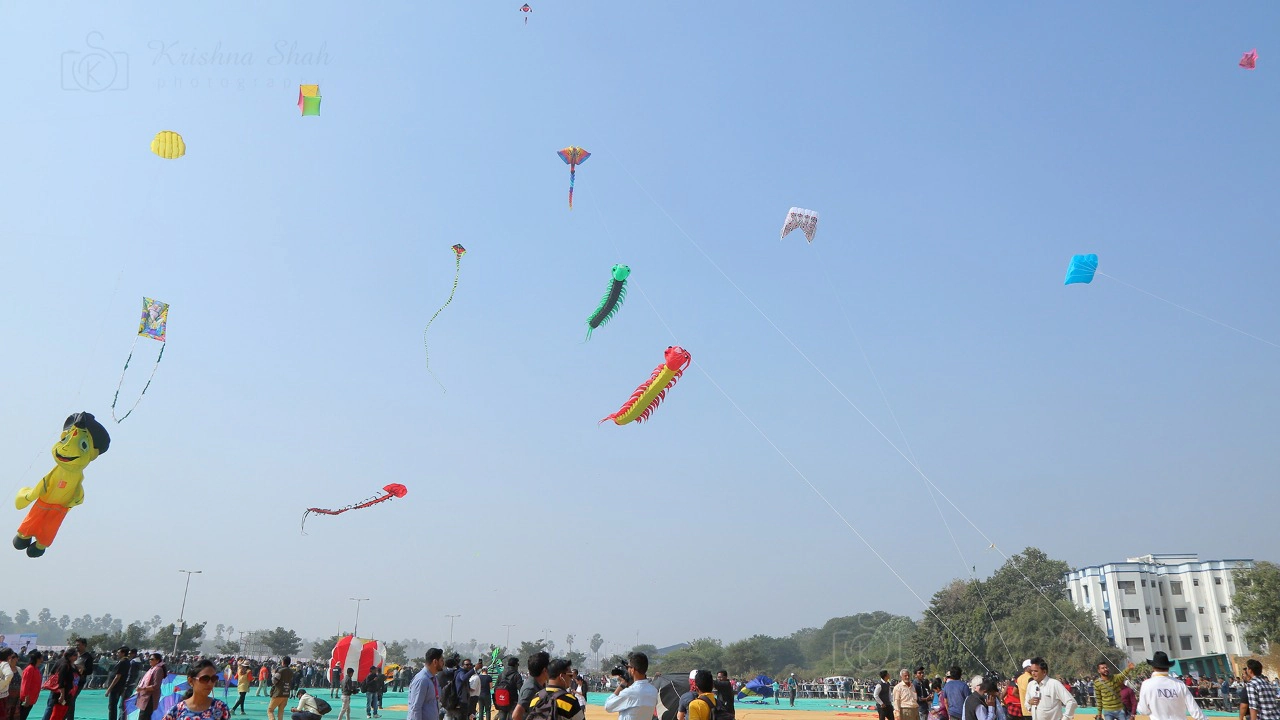
The real thing: pol rooftops. The riverfront is for watching giant display kites. Uttarayan itself happens on the terraces of the old city's pols, the tight lanes of connected houses in areas such as Khadia and Raipur, where neighbours fight to cut each other's strings all day. In the evening, flyers send up white kites and tukkals, strings of paper lanterns that rise in a line from the rooftop.
How to get a rooftop. If you don't know a local family, you can rent a terrace. Local reports from Ahmedabad describe pol terraces being booked weeks in advance by returning NRIs, visitors from other states and foreign travellers. Rents quoted have ranged from about ₹20,000 to ₹1.5 lakh. Packages often include kites, meals and snacks, seating, and a room where elders and children can rest. Book a month or two ahead, confirm in writing what is included, and ask whether you can stay into the evening for the lanterns and fireworks.
Before the day. Visit Patang Bazaar in the old city. Gujarat Tourism says it stays open 24 hours in the week before the festival, and kite makers start production as early as November.
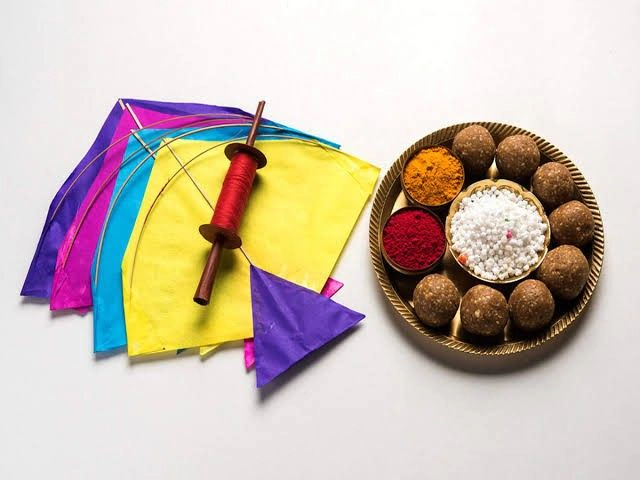
What to eat. Undhiyu, the slow-cooked winter vegetable dish, eaten with puri, is the Uttarayan meal. Expect jalebi, bhajiya, laddoos and til chikki (sesame brittle) on every terrace.
Jaipur, Rajasthan: rooftops of the walled city
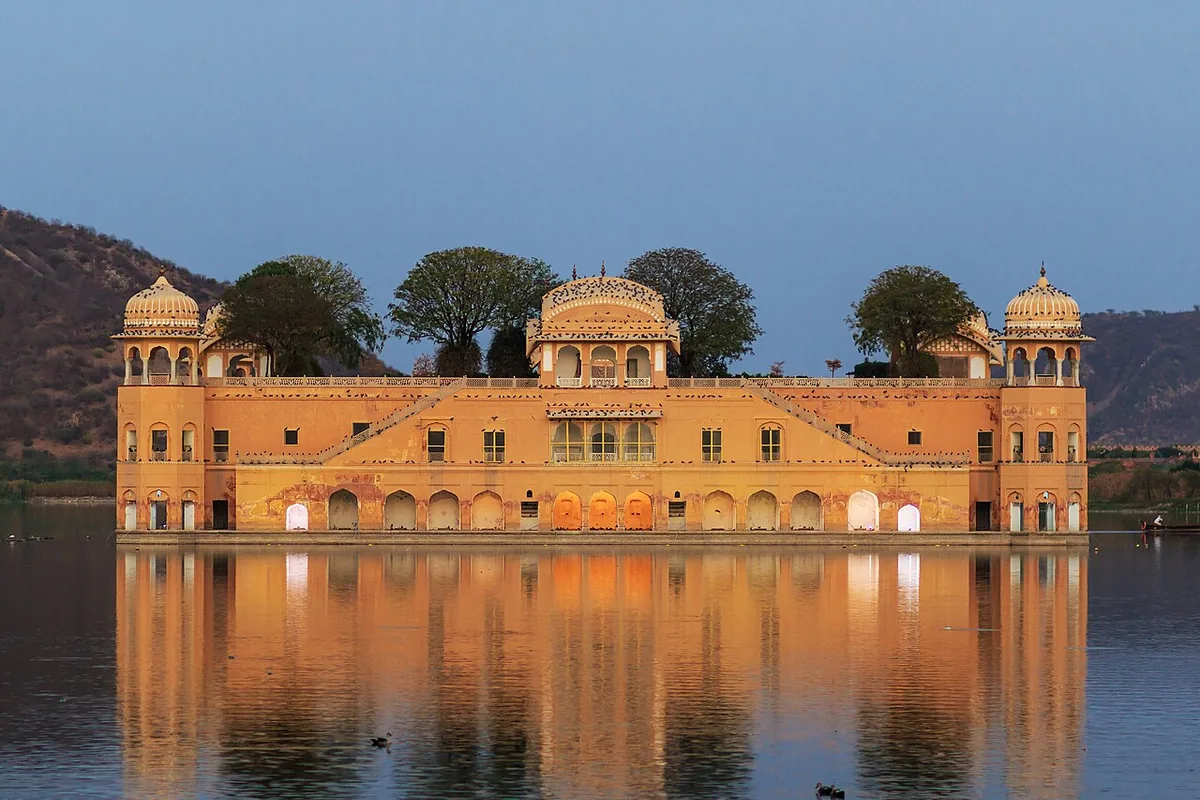
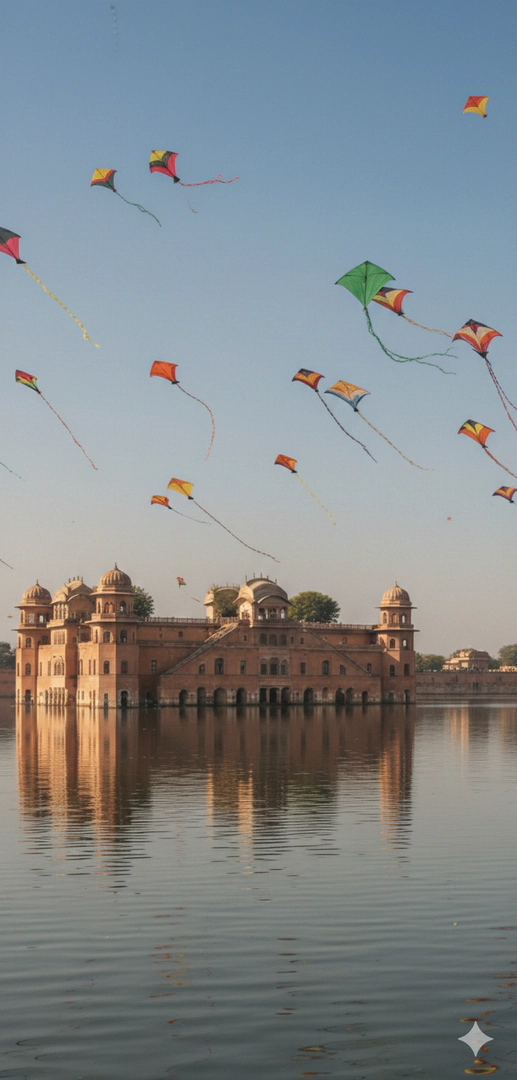
In Jaipur, Makar Sankranti is a day of rooftop kite flying from sunrise to sunset, and the walled city is its centre. Rajasthan Tourism holds its Kite Festival on 14 January at Jal Mahal ki Pal, the lakeside promenade facing Jal Mahal on Amer Road. It's a good option if you want to watch rather than fly. See our Jaipur kite festival page for this season's dates.
How to get a rooftop. Many guesthouses and haveli hotels inside the old city have roof terraces. Ask before you book whether the roof is open to guests on Sankranti and whether kites and string are provided.
What to eat. Pheeni, til patti and gajak, all made with sesame, jaggery or both, are the Sankranti sweets in Jaipur.
Hyderabad, Telangana: kites and sweets at Parade Grounds
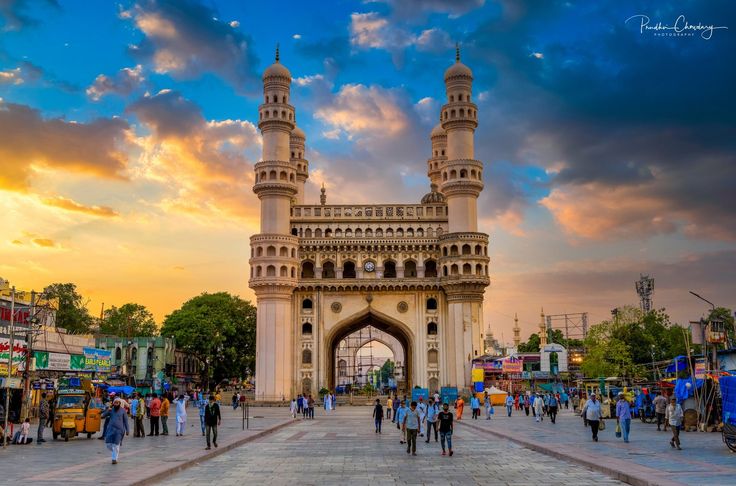
Hyderabad takes a more organised approach. Telangana Tourism runs the International Kite and Sweet Festival at the Parade Grounds in Secunderabad, usually from 13 to 15 January. National and international kite flyers share the ground with sweet makers from across the country, which makes it a good family outing even if you never pick up a spool. Parade Ground metro station is the easiest way in, since parking and traffic around the grounds are heavy during Sankranti.
Delhi: two kite seasons
15 August in Old Delhi. Delhi flies kites for Independence Day. From early August, children, young men and pensioners take to the rooftops of the walled city of Shahjahanabad for patang baazi, and residents trace the custom to the freedom struggle, when kites carried anti-colonial slogans. The kite market at Lal Kuan near Chawri Bazaar is the place to buy, with kites ranging from palm-sized to giant. There's no organised rooftop rental scene like Ahmedabad's, so your best bet is a stay or a walk led by someone with Old Delhi contacts. Expect traffic restrictions around the Red Fort on the morning of 15 August, when the Prime Minister addresses the nation from its ramparts.
Sankranti at Baansera. Delhi also has a winter festival. The Delhi Development Authority holds an International Kite Festival around Makar Sankranti at Baansera, a bamboo park on the Yamuna floodplains near Sarai Kale Khan. The third edition ran in January 2026.
Punjab: Basant Panchami
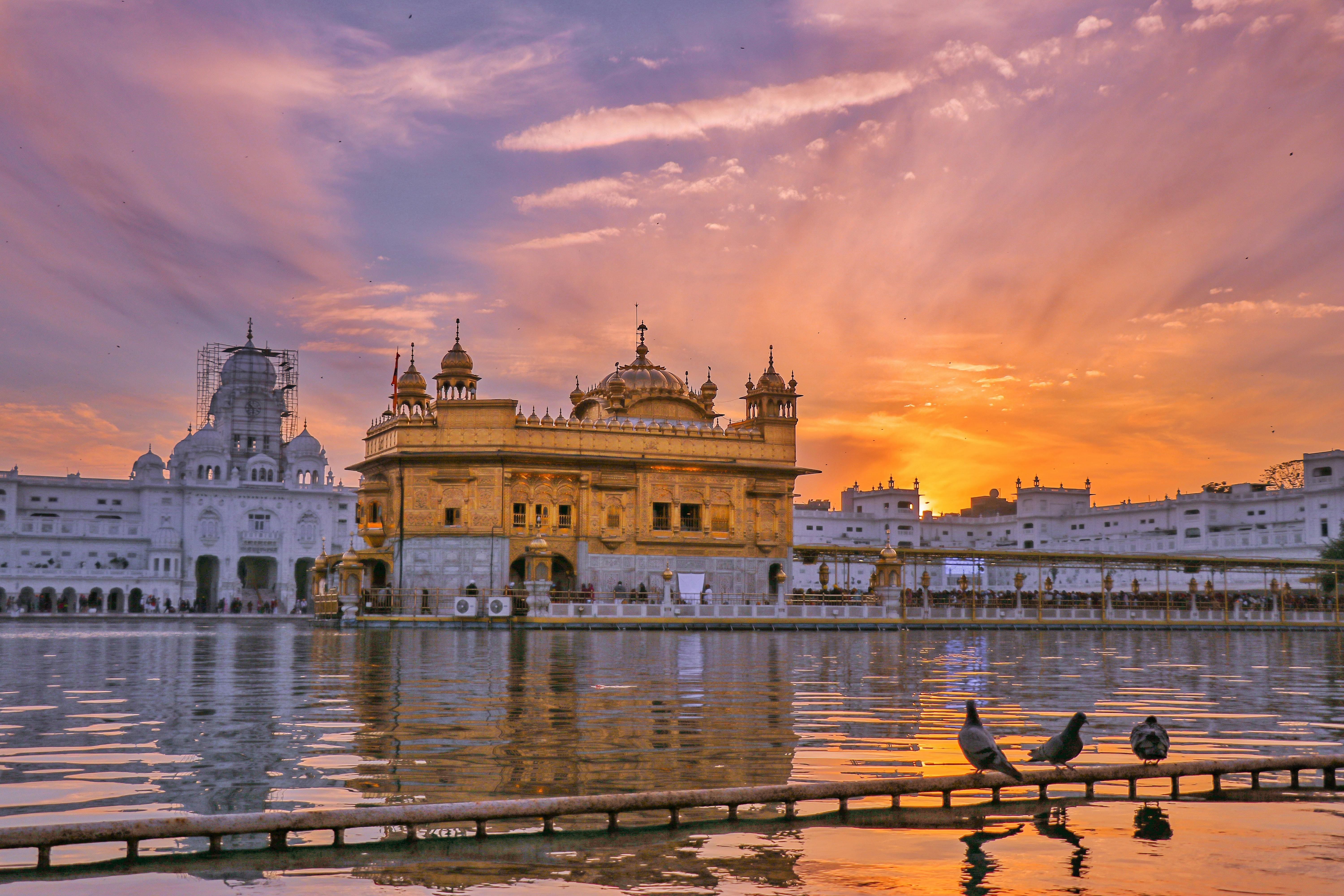
Basant Panchami marks the arrival of spring, and in Punjab it means kites, yellow clothes and mustard fields in flower. Amritsar is one of the traditional centres of Basant kite flying. The link between Basant and kites goes back to Maharaja Ranjit Singh, who held an annual Basant fair in the 19th century and made kite flying a regular part of it. Ferozepur is also known for its Basant kite flying. Read more about the festival on our Vasant Panchami page and in Vasant Panchami: Why Do We Celebrate the Arrival of Spring?
Fly safely: string, birds and roads
Manja is banned. In December 2016 the National Green Tribunal imposed a nationwide ban on nylon, "Chinese" and glass-coated cotton manja, because the sharp string injures people, animals and birds. Buy plain cotton thread, and don't buy from sellers who offer the coated kind under the counter.
Birds pay the price. Uttarayan falls during the winter migration, and kite string injures thousands of birds every year. Since 2017 the Gujarat government has run Karuna Abhiyan from 10 to 20 January, with more than 1,000 treatment centres across the state. In 2025 it reported 17,065 birds rescued and 15,572 recovered. If you find an injured bird in Gujarat, call the 1962 helpline from an Indian phone or WhatsApp "Karuna" to +91 83200 02000. In Ahmedabad, the Jivdaya Charitable Trust also runs large bird rescue camps during the festival. Don't pull a bird free of tangled string yourself. Keep it calm and covered, and hand it to a rescue team.
Roads and rooftops. Loose string across roads is a real danger to two-wheeler riders, so on these days, wear a scarf or neck guard if you ride. On rooftops, watch children near low parapets, wear a cap and sunscreen, and drink plenty of water, because a full day in the January sun is more tiring than it feels.
Booking tips
- Book stays and rooftops early. In Ahmedabad and Jaipur, old-city rooms and terraces near Sankranti go first.
- Plan for two days in Gujarat. Uttarayan and Vasi Uttarayan are both big flying days, and the riverfront festival runs on the days before.
- Check official dates in December. Gujarat Tourism, Rajasthan Tourism, Telangana Tourism and the DDA usually confirm their programmes only a few weeks out.
- Buy kites locally. Patang Bazaar in Ahmedabad and Lal Kuan in Delhi are part of the experience, and local sellers know which kites fly well in local winds.
- For the wider festival, read our Makar Sankranti guide and the Makar Sankranti festival page.
Sources
- Gujarat Tourism: International Kite Festival
- Wikipedia: International Kite Festival in Gujarat, Uttarayan
- Drik Panchang: Makar Sankranti date and time
- Drik Panchang: Makara Sankranti moment
- Drik Panchang: Vasant Panchami dates
- Bhaskar English: Rooftops for rent for kite flying on Makar Sankranti
- Utsav (Government of India): Kite Festival, Jaipur
- Pink City guide: Makar Sankranti in Jaipur
- The Hindu: Officials review arrangements for International Kite and Sweet Festival
- Utsav (Government of India): International Kite and Sweet Festival
- The National: India celebrates 75 years of independence with kite festival
- Outlook Traveller: Kite flying on Independence Day
- The Hans India: DDA's Kite Festival at Baansera
- Wikipedia: Basant (festival)
- Punjabi Traditions: Basant Panchami in Punjab
- Times of India: NGT imposes interim nationwide ban on manja
- Times of India: Karuna Abhiyan, 91% of birds treated saved
- Gujarat Forest Department: Karuna Abhiyan helpline
- The Guardian: Concerns over bird fatalities during Uttarayan
Have a travel story to share? Write for us