How Kullu Celebrates Dussehra

Kullu's Dussehra begins on Vijayadashami, when village deities arrive at Dhalpur Maidan to honour Raghunathji. What to see, where to go nearby and how to plan your visit.
On Vijayadashami, Dussehra celebrations are ending in much of India. In Kullu, they are beginning.
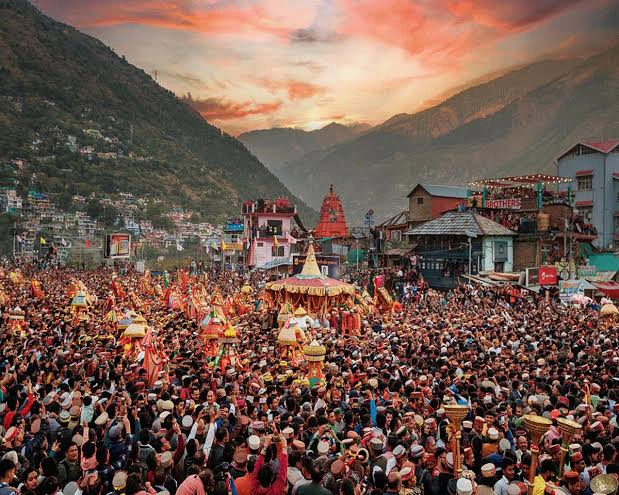
The town’s Dhalpur Maidan fills with village deities brought from across the valley in decorated palanquins. Their attendants arrive with musicians, and each deity has its own place in the gathering. At the centre is Raghunathji, Kullu’s presiding deity. For visitors, the festival is a chance to see the valley’s traditions meet in one place, not just a procession passing through town.
A gathering with its own history
Kullu Dussehra is linked to Raja Jagat Singh, who ruled in the seventeenth century. According to the festival’s traditional account, an idol of Lord Rama was brought from Ayodhya and installed at Sultanpur in 1651. The king then invited the valley’s local deities to gather on Vijayadashami and pay their respects to Raghunathji.
That tradition still shapes the festival. On the opening day, the deities make their way towards Raghunathji’s temple and Dhalpur. The chariot procession is a major moment, but the wider gathering matters too: the village groups, musicians and distinctive raths that accompany each deity.
What to look for at Dhalpur
Take time to notice how different the raths are. Some are palanquins carried on people’s shoulders; others are wooden structures decorated with cloth, silver ornaments and mohras, the metal faces associated with a deity. Their forms vary from one village tradition to another.

Listen for the musicians travelling with the deities, and watch how each group moves through the gathering. Kullu Dussehra is not centred on the familiar burning of Ravana’s effigy. The festival’s own account describes it as a gathering centred on Raghunathji and the valley’s deities, with different rituals and traditions.
Dhalpur also hosts stalls and cultural performances during the week. These are worth exploring, but check the official programme for the year you plan to visit: events and timings can change.
Make a day of it in Kullu
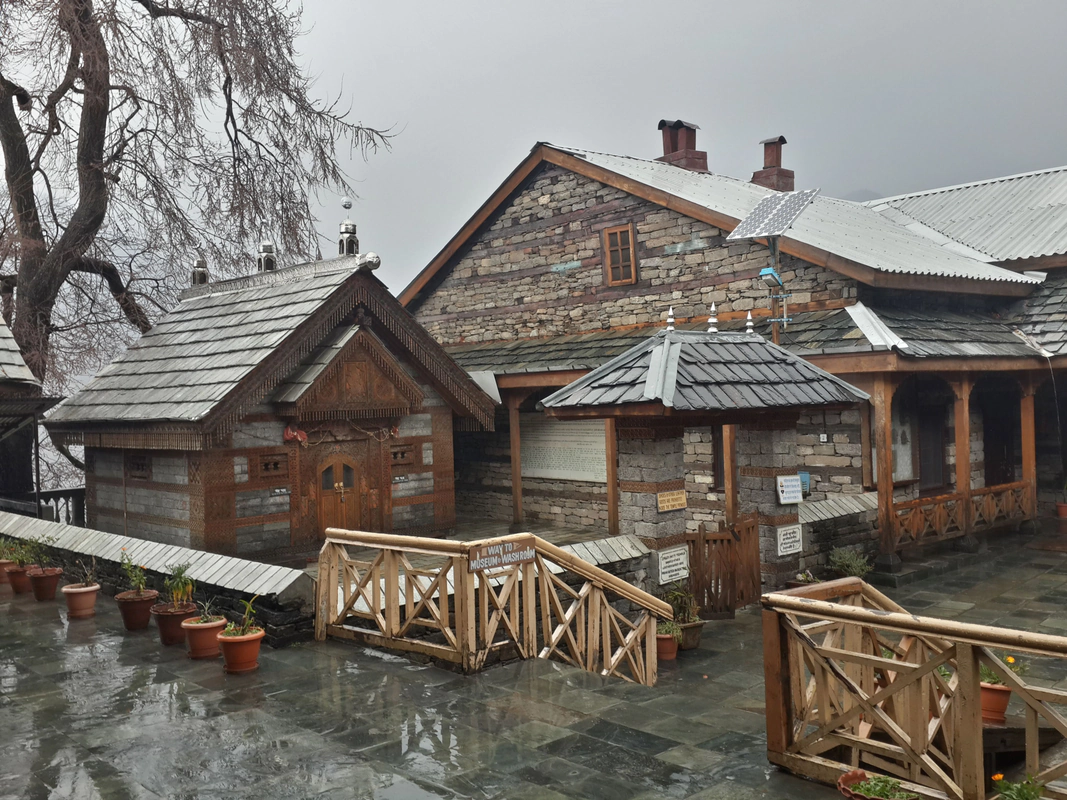
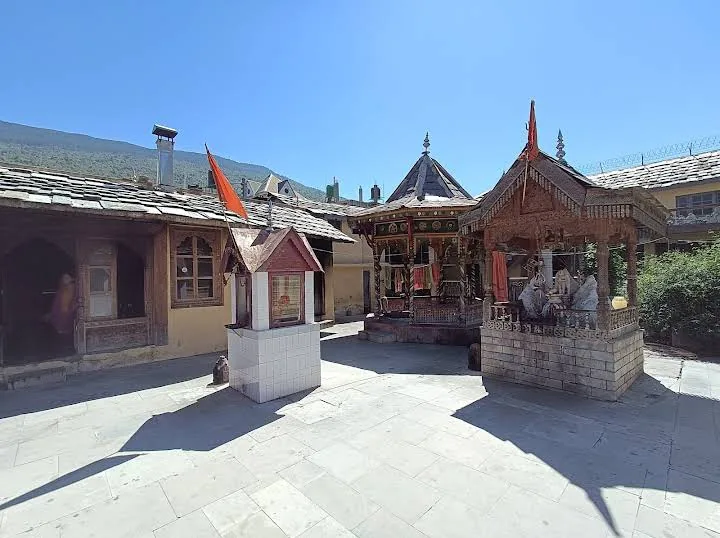
Start at Dhalpur and allow time to see the gathering before the busiest moments. You can also visit Raghunathji’s temple at Sultanpur, where visiting deities pay their respects during the festival. Follow local instructions around processions and ritual areas, and ask before photographing people or ceremonies.

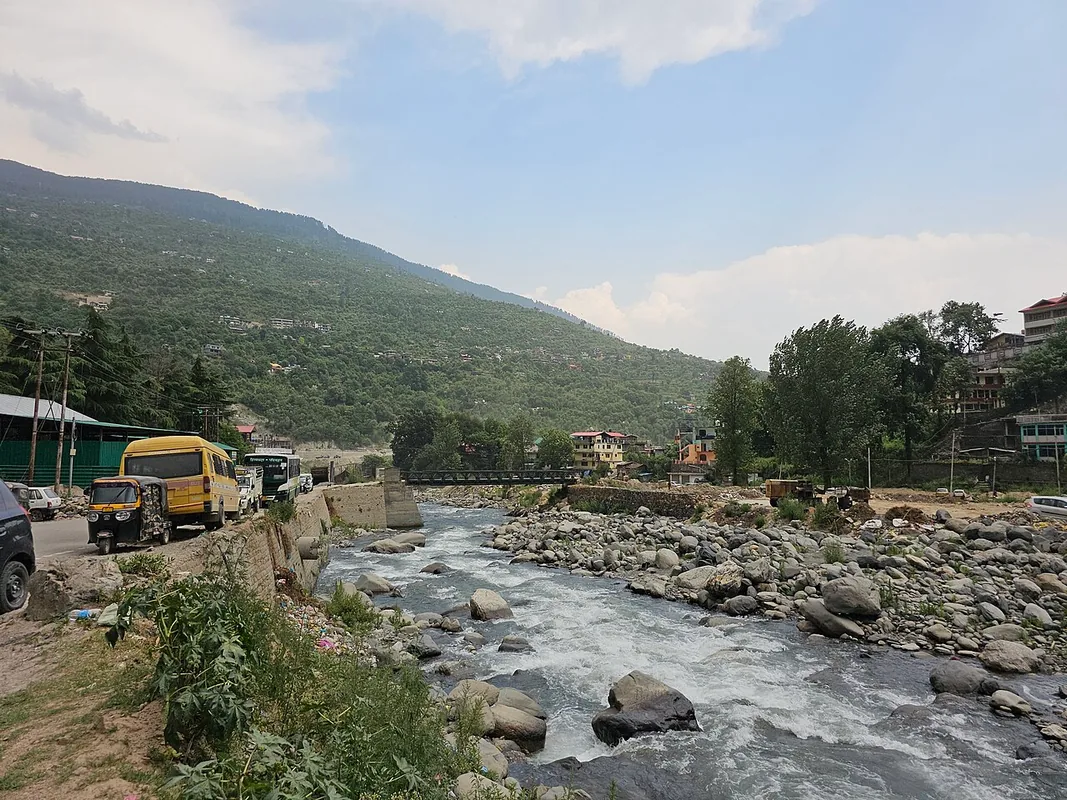
If you have another day, consider an excursion to Naggar, about 26 kilometres from Kullu. Its castle and old temples offer a change of pace from the festival crowds. Manali is about 40 kilometres away, but festival traffic can affect journey times, so avoid packing too much into one day.

Planning your visit
Kullu is connected by road to Mandi and Chandigarh. Bhuntar airport is listed about 10 kilometres from Kullu by the festival’s official site; check current flight availability and road conditions before travelling.
In 2026, Kullu Dussehra is scheduled for October 21 to 27, according to notices from the Kullu district administration. Dates change each year, so check the official festival schedule before booking. Accommodation and local transport may be in greater demand during festival week.
Kullu Dussehra begins when many other Dussehra celebrations have finished. Its defining image is not a giant effigy in flames, but the valley’s deities arriving in Dhalpur, each with a community and tradition behind it.
Have a travel story to share? Write for us