Where the Hills Hide a Temple: Trekking to Jodhpur's Bheem Bhadak
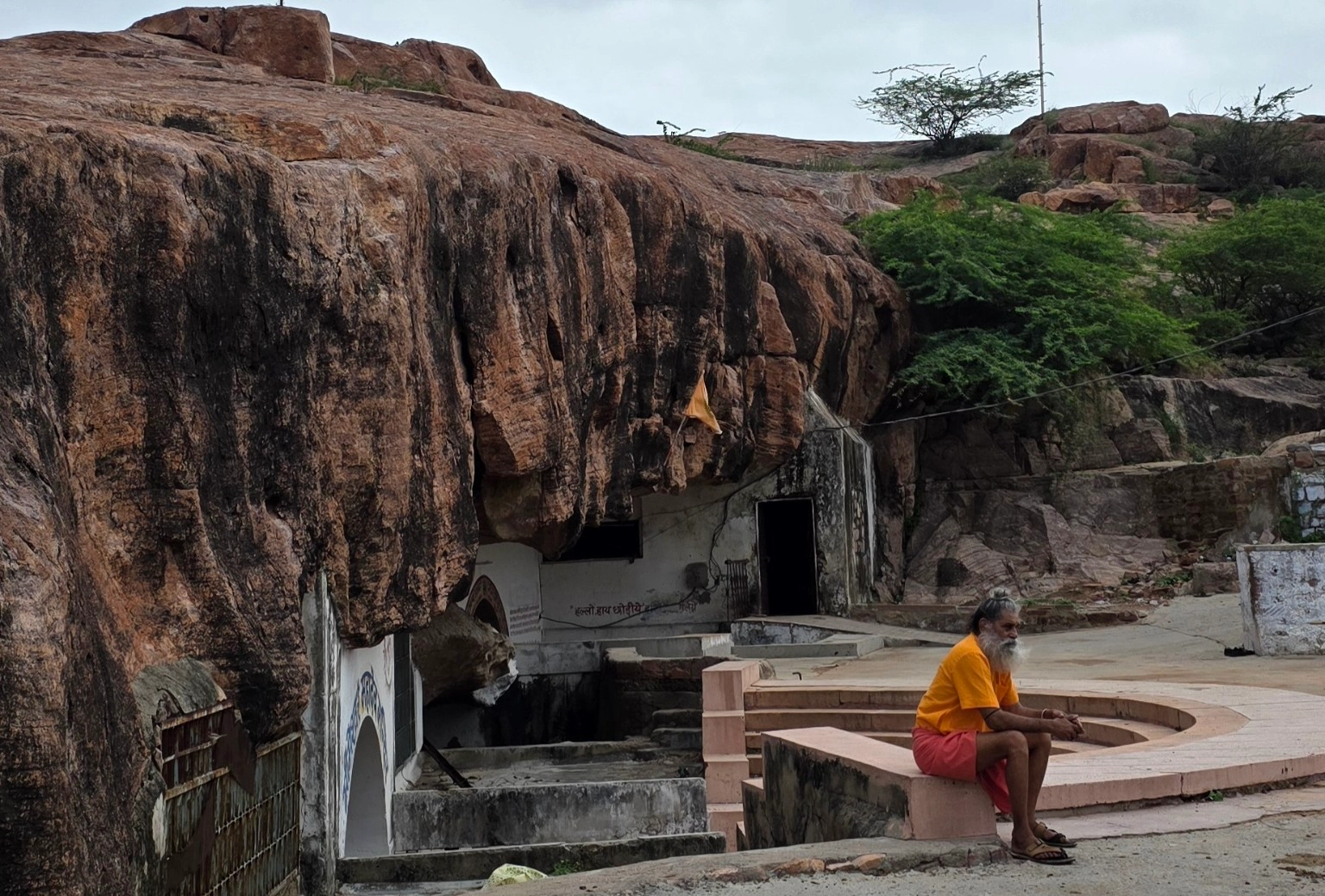
A morning trek through the rocky Kaylana hills near Jodhpur, past thorny desert scrub, rock pools and a troop of langurs, to Bheem Bhadak, a Shiva shrine hidden inside a cave.
There are some places best discovered on foot.
At 7:00 a.m. on a crisp August morning in 2026, our group of five women and two teenagers stood at the base of the rugged Kaylana hills, ready for an adventure. While most visitors take the straightforward route through the high-security military check-post which requires passing an Army gate and flashing a valid ID, we had a far more thrilling plan. Craving a raw, untamed trekking experience, we bypassed the guarded gates entirely, steering our boots toward an open, unmarked trail. Our mission? To track down Bheem Bhadak, a legendary Shiva temple hidden deep within Jodhpur's jagged rocky heights.
The morning was perfect for a trek. The sky was partly cloudy, a gentle wind was blowing, and the early morning light was beautifully soft. We paused briefly to take in the cool morning air before beginning our walk.
Through Thorns, Rocks, and Water
The initial stretch of the trail took us through thick, thorny desert scrub. Sharp branches reached across the narrow path, catching on our clothes and forcing us to slow down, carefully negotiating every step. We quickly realized that this was a trail where we had to watch not only our footing but also what was reaching out from either side.
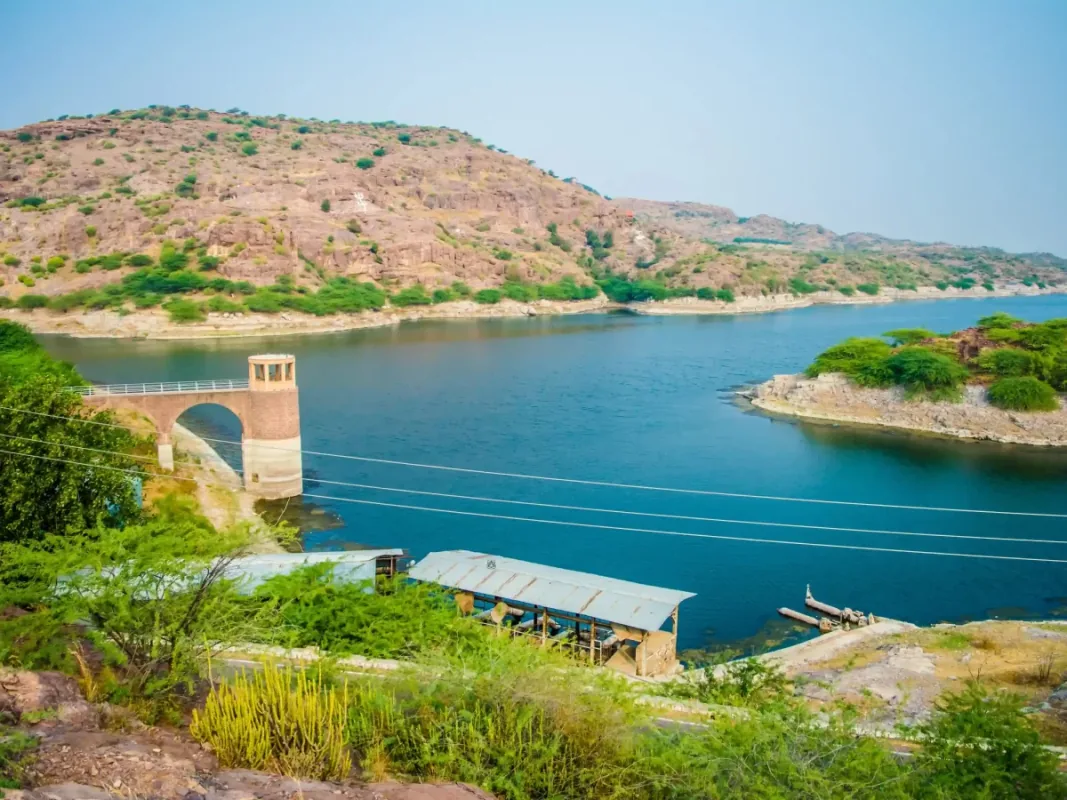
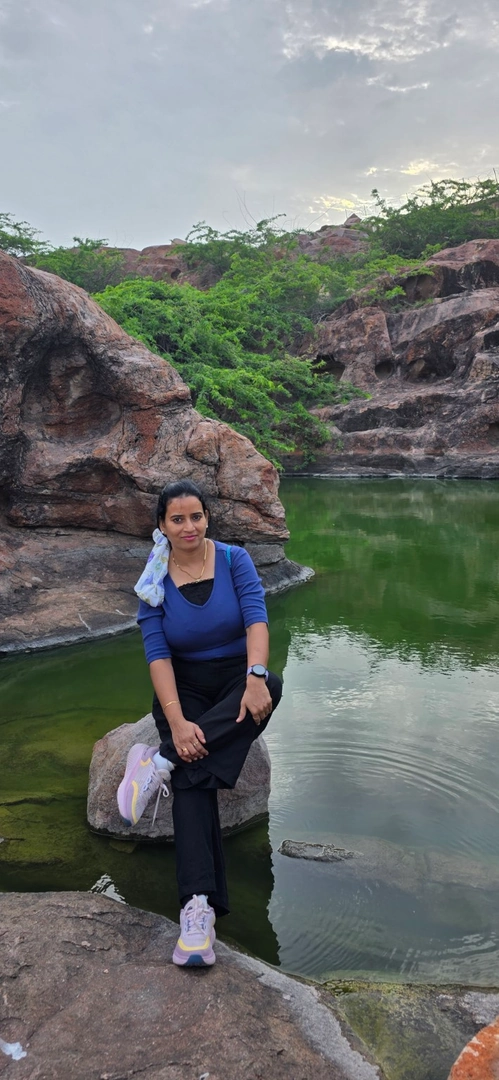
As we emerged from the thorny thicket, the landscape suddenly opened up, revealing our first surprise: water. A small, tranquil pool lay cradled among the rocks, connected to the area's larger lake system. Its greenish water mirrored the moody, cloudy sky, while vibrant green vegetation gathered around its edges as a few waterbirds moved quietly through the shallows.
The sight of water in this dry, rocky terrain was incredibly refreshing, and it instantly became an opportunity for a photography break.
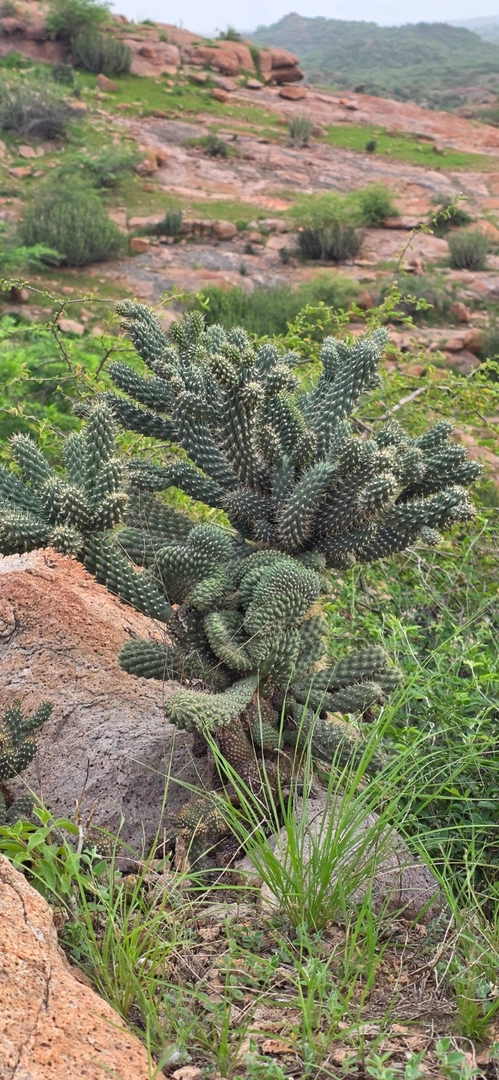
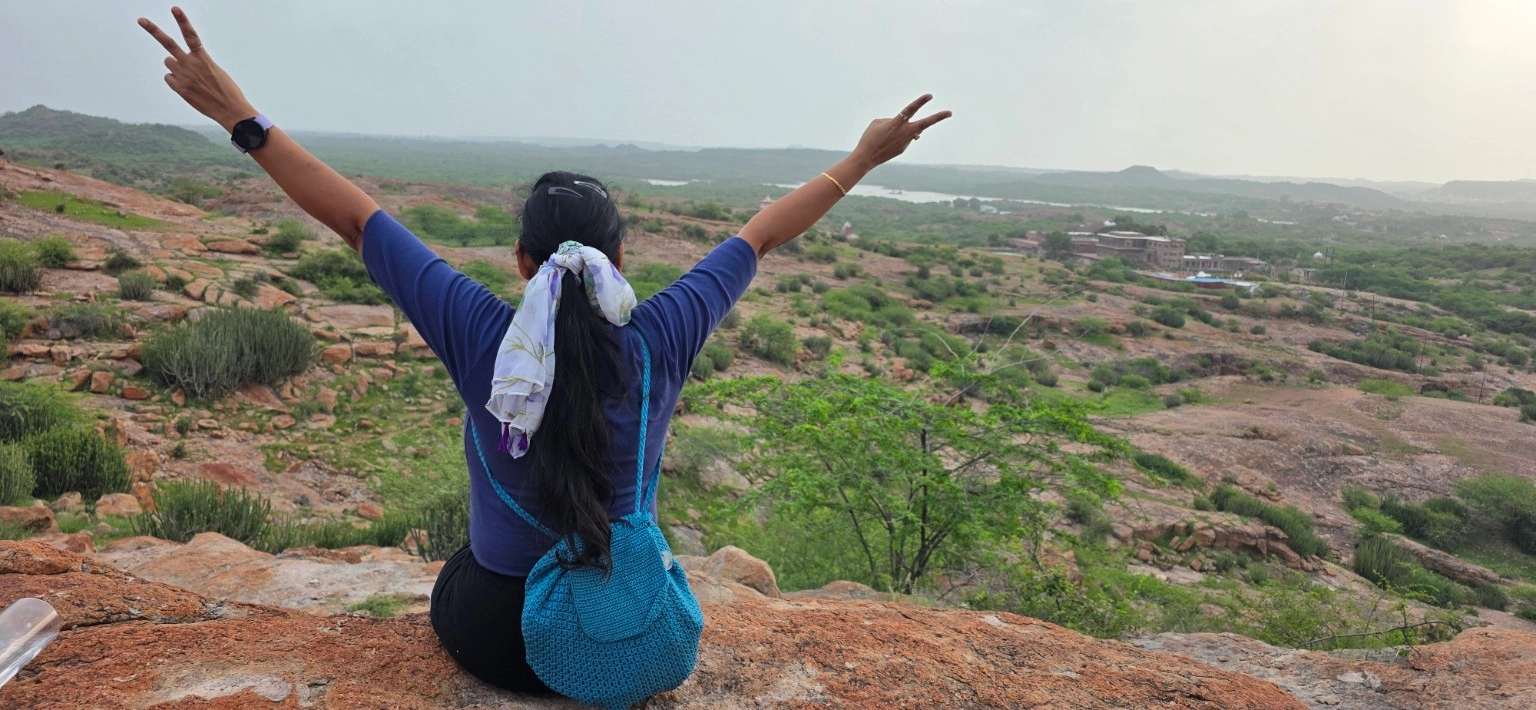
From there, the trail gradually changed character. The dense bushes gave way to exposed, weathered rock, uneven slopes, and rugged ridges. The vegetation perfectly reflected the arid landscape. Along the path, we encountered prickly pear (Opuntia), Euphorbia neriifolia, Cylindropuntia, the curious "boxing-glove" cactus, and Vachellia nilotica (Babool). Prosopis juliflora (Vilayati Kikar) was also abundant across the hillsides. We were particularly amused by the sight of the Cylindropuntia, the curious "boxing-glove" cactus, whose unusual, knobby shapes looked remarkably like miniature padded gloves sprouting right out of the desert soil.
As we reached midway through our trekking, a faint sunrise finally broke through the heavy clouds. It was a muted, gentle glow rather than the dramatic, fiery orange sky that we immediately stopped to capture on our cameras.
The pace of our walk remained unhurried. The teenagers weren't racing ahead; instead, they were fully engaged in the landscape, snapping photographs, clicking selfies, and filming reels along the way. The adults were equally enthusiastic, pausing to document the interesting rock formations, desert plants, birds, and panoramic vistas.
After about an hour of steady walking, we reached the highest point of the trail.
The wind at the summit was remarkable. And then came another surprise.
A second pool of water nestled near the top. After the uphill climb, it was an unexpectedly cool and welcoming sight. For a group that had set out simply for a morning walk, these little hidden discoveries had become just as rewarding as the destination itself. We gathered around the water's edge, enjoying the crisp, windy air and taking a few more group photos.
The Temple Inside the Hill
From the highest ridge, we descended a few steps toward Bheem Bhadak which was located just below us.
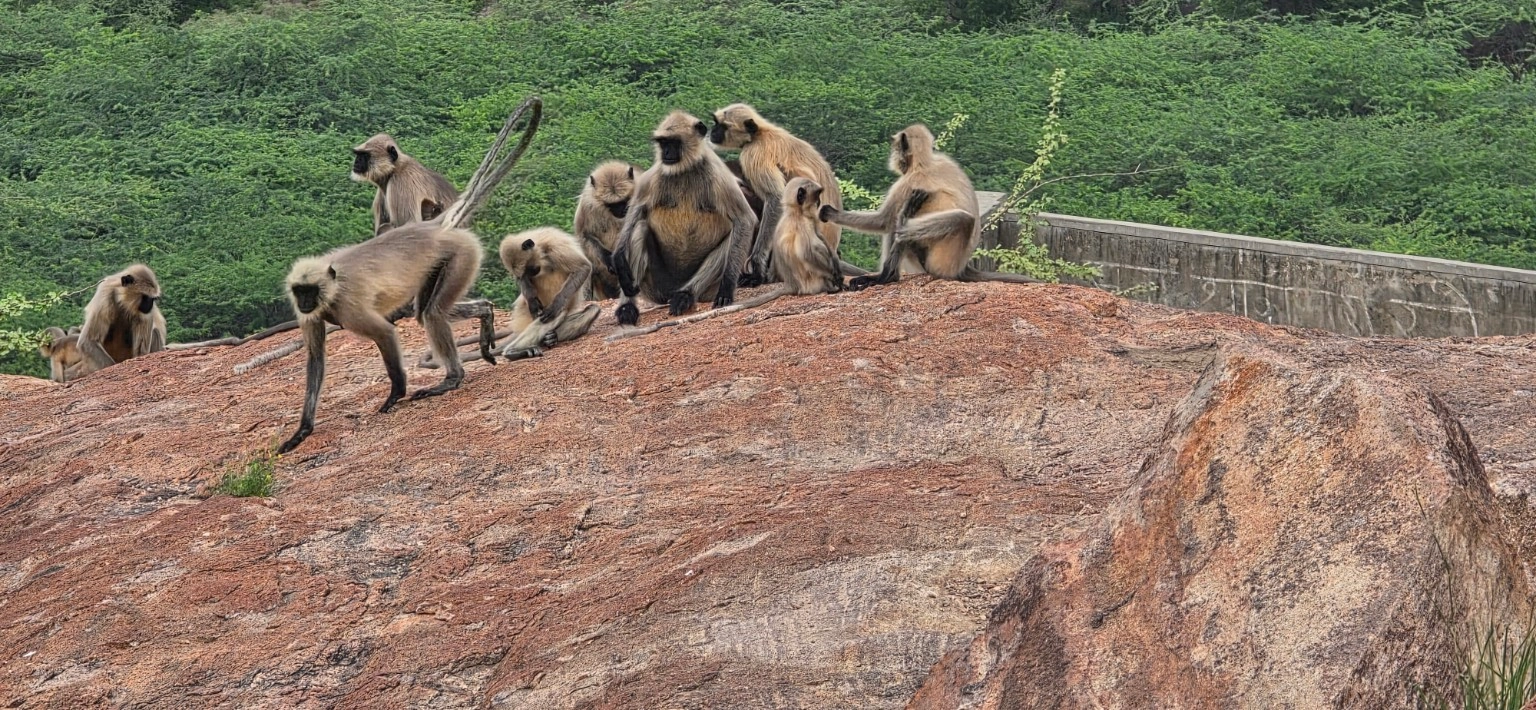
Along the way, we crossed paths with a troop of langurs. One bold individual came remarkably close and for a moment, a few members of our group froze, unsure if the monkey might turn aggressive. We gave it a wide berth, kept our distance, and waited patiently for it to move along.
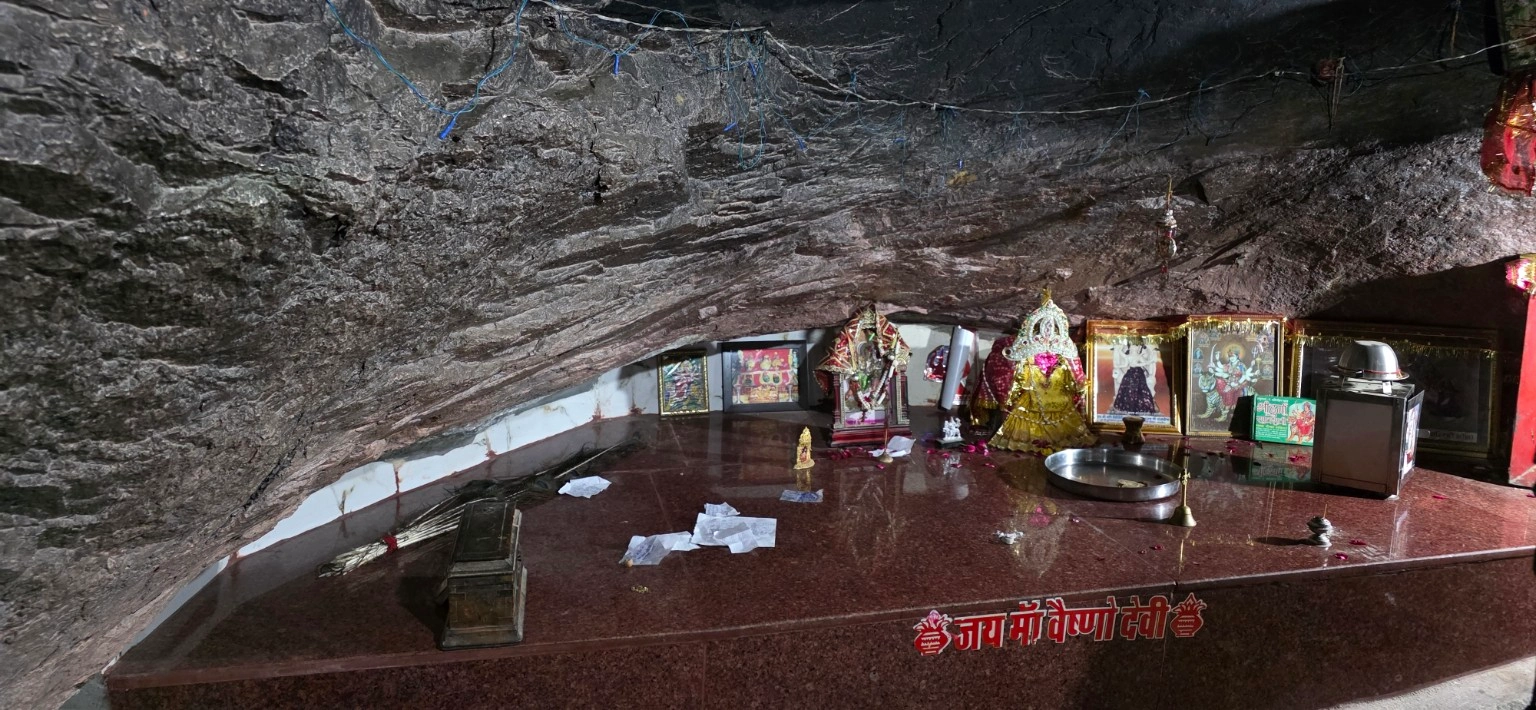
The descending path brought us to the temple which seemed inseparable from the hill itself. It wasn't a temple built on the mountain; instead, this ancient Shiva shrine is tucked entirely inside a massive rocky cave. Stepping inside from the open, windswept hills felt deeply intimate and peaceful. The temperature dropped instantly, the ambient sounds of the desert softened, and rough, natural rock walls enclosed the sacred space.
The cave was alive in its own quiet way. Dozens of sparrows had built nests in the rocky crevices, darting back and forth between the shadows of the interior and the bright morning light outside.
The temple is associated with the Pandavas during their exile. Bhima, the strongest of the brothers, is traditionally tied to the cave and gives the shrine its name. Inside rests a massive, revered Shivling that is claimed to weigh around 3,200 kilograms. Venture a little deeper into the dark, quiet recesses of the cavern, and you will also find a sacred idol of Goddess Vaishno Devi, adding another layer of spiritual mystique to this subterranean sanctuary.
The Journey back
By the time we began our trek back, the journey had become much more than a simple walk to a temple.
Jodhpur is rightfully celebrated for its towering forts, grand palaces, and bustling historic blue streets. But beyond those famous landmarks lies an entirely different world of rocky wilderness, seasonal water bodies, resilient desert scrub, and quiet, hidden shrines.
Bheem Bhadak was certainly worth the climb. But the real magic was the journey getting there: the shifting terrain, the sudden oases, the wildlife, the wind, and the simple joy of exploring together. Because this landscape is so deeply cherished by local walkers and trekkers, keeping it pristine will be vital to preserving its raw, untouched charm.
Discovering the true spirit of Rajasthan doesn't require a long trip. Sometimes, you just need to turn off the highway and follow a hidden trail.
Traveller’s Notebook
- Know Your Route Options: If you want to go directly to Bheem Bhadak, you must pass through the official military checkpost (Military Radar / Bhim Bhadak Defence Area) and carry a valid government ID like an Aadhaar card or Driving License. However, if your primary goal is trekking, you can opt for the open hill trails to bypass the restricted gates entirely, making it a hassle-free hike where ID verification isn't required.
- Start Early: Aim to arrive around 7:00 a.m. to catch the softer morning light and enjoy the trail before the heat sets in.
- Gear Up: Wear sturdy hiking shoes or trainers; the trail is uneven, rocky, and heavily flanked by thorns.
- Dress Smart: Avoid delicate or loose fabrics that can easily snag on the thick brush.
- Pack Essentials: Bring your own water and light snacks, as there are no shops or facilities along the route.
- Take Your Time: Allocate roughly an hour to reach the top so you can fully absorb the landscape rather than rushing through it.
- Respect the Ecosystem: Keep a safe distance from the wildlife (like the langurs), avoid disturbing the nesting birds, and maintain the peaceful sanctity of the cave shrine.
- Leave No Trace: Carry all your trash, especially plastic bottles, back to the city with you.
About the Author
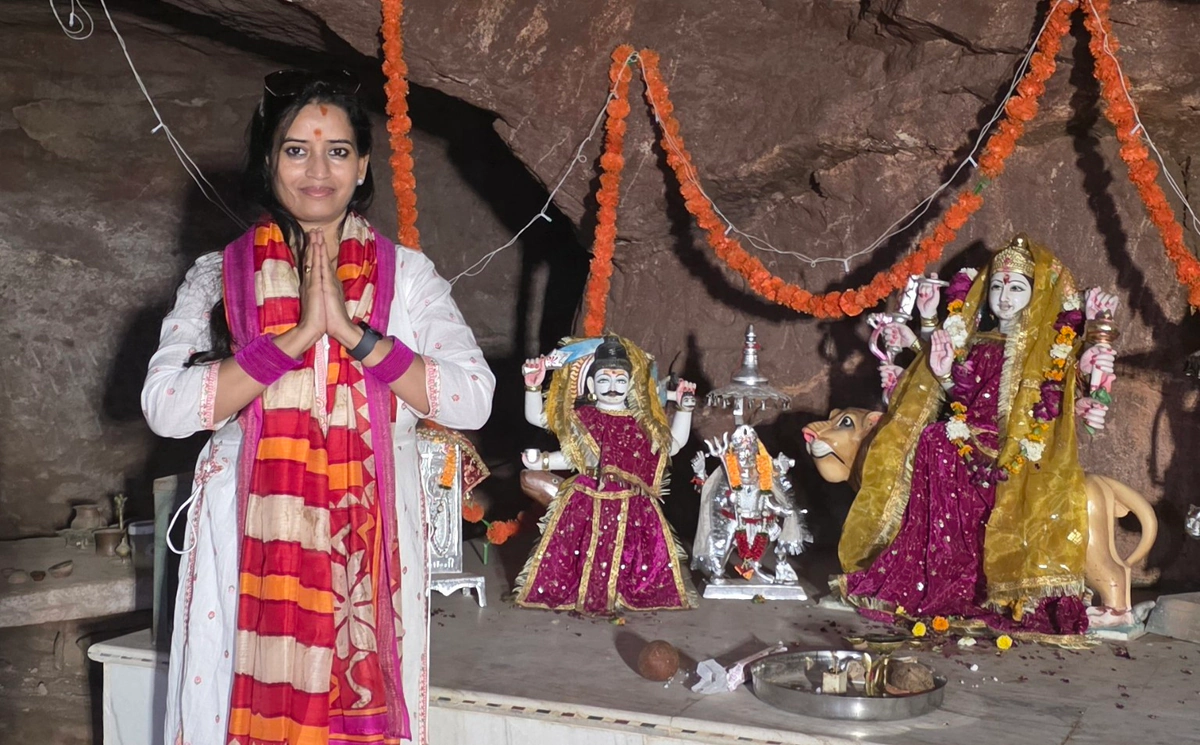
Dr. Sujata Upgupta is an environmental researcher and writer with a background in remote sensing and GIS. Her interests span environmental change, water landscapes, biodiversity, and the cultural and ecological heritage of Rajasthan. She combines field observation with geospatial perspectives to document places, landscapes and environmental issues through accessible, research-informed writing.
Also by Dr Sujata Upgupta: Beyond Mehrangarh: A One-Day Journey Through Jodhpur's Lesser-Known Temples
Have a travel story to share? Write for us