5 Sacred Shiva Temples You Must Visit During Sawan
From Sage Markandeya's victory over death to Ravana's unwavering devotion, these five temples are worth visiting this Sawan to experience the timeless legends they preserve.
He was there before the living beings came into existence.
He was there before the Earth and other planets had taken shape.
He was there even when the Universe didn't exist.
He was there when there was nothing and will exist after everything turns into nothing again.
The timeless one, beyond the cycles of birth and death, creation and destruction, is Lord Shiva. Mahadev, as he is lovingly called by all his devotees, defies every worldly idea of beauty. With matted locks holding the Ganga, a crescent moon on his head, a serpent resting gracefully around his neck, sacred ash and Rudraksha adorning his body, and clad in a tiger skin, he represents a form that's mesmerizing. Fierce yet calm. His third eye, when it opens, burns away anything that brings imbalance to the universe.
The Significance of Sawan and Lord Shiva
Sawan, Lord Shiva's most beloved month, usually begins in July, arriving with the monsoon when nature is painted in vibrant shades of green. He, along with his consort, Goddess Parvati is worshipped to seek health, prosperity, and ideal partners. People flock to the temples, on foot, clad in saffron, with chants of “Har Har Mahadev.”
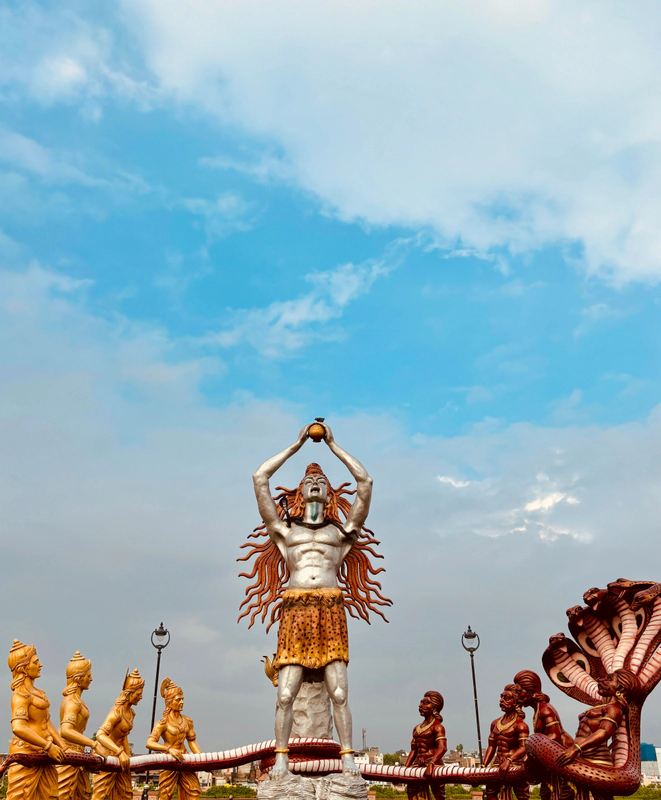
It was during the month of Sawan that Lord Shiva drank the poison, or Halahal, churned out of the cosmic ocean during Samudra Manthan, due to which he came to be known as Neelkanth (the blue-throated one). It is believed that, to cool him down, devotees pour the sacred water of the Ganga. He is the God whose worship requires very few rituals - water and a bilva leaf are enough to receive his blessings.
Kanwar Yatra, or carrying pots of Ganga water barefoot to Shiva temples, is a common pilgrimage devotees undertake during this season. The pots should not be kept down while carrying them. During this month, people exercise control over their mind, language, and actions, eating simple food devoid of onions and garlic and chanting Lord Shiva's hymns.
Shiva Temples with Timeless Legends
The most popular of all Lord Shiva temples are the 12 Jyotirlingas, which see a huge rush of devotees during Sawan. But there are other temples too that are equally significant for the remarkable legends and sacred stories they preserve. Devotees and travellers can undertake a pilgrimage to these temples this Sawan. Here are five such temples:
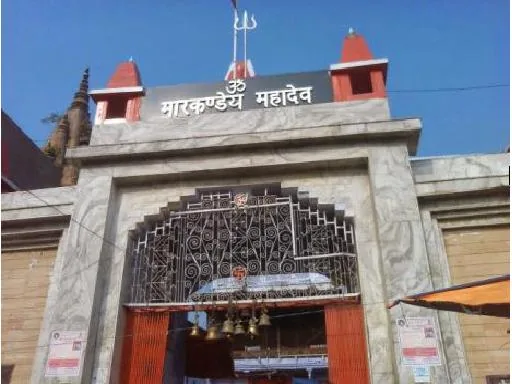
1. Markandeya Mahadev Temple:
Located 30 km from Varanasi, this temple signifies that pure devotion and faith in Lord Shiva can defeat even inevitable death.
There was a sage named Markandeya who was destined to die at the age of 16. His parents were sad, and because of that, he started worshipping Lord Shiva, determined to conquer death. He kept chanting a mantra. When Yama, the God of Death, arrived, Markandeya embraced the Shivalinga. Yama cast his noose to capture his soul, but it encircled the Shivalinga too. Lord Shiva emerged from the Linga, fierce and angry, and killed Yama (who was later revived) for trying to hurt his devotee. He blessed Markandeya to be immortal and virtuous, and the mantra he chanted came to be known as the Mahamrityunjaya Mantra (the mantra to conquer death).
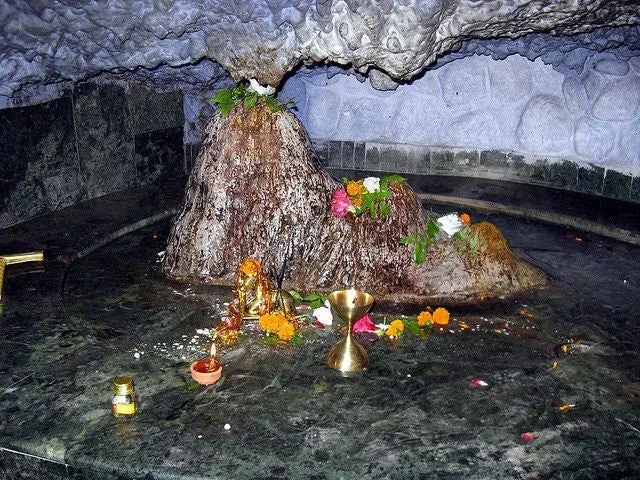
2. Tapkeshwar Mahadev Temple:
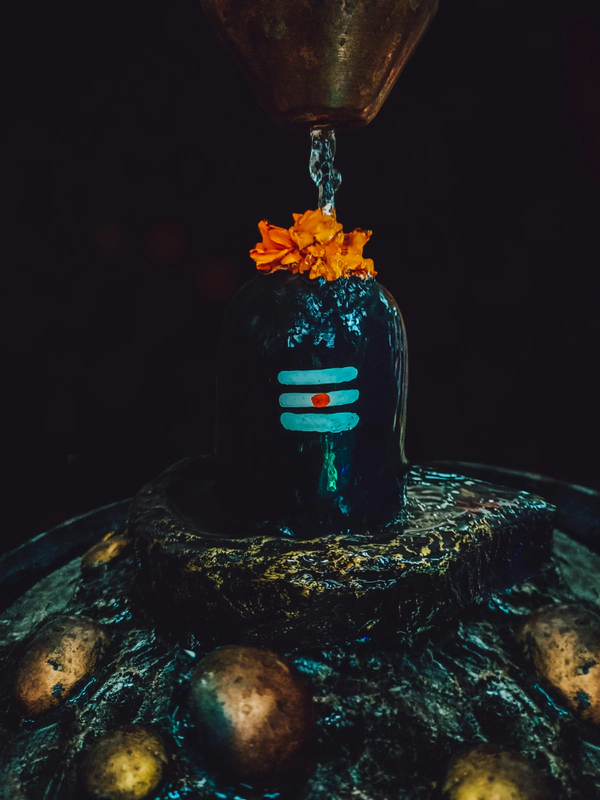
It is named so because water droplets drip continuously on the Shivalinga. Located in Dehradun, the legend associated with this temple dates back to the Mahabharata era.
Guru Dronacharya resided in this cave with his wife, Kripi, and their son, Ashwathama. Dronacharya was an ardent devotee of Lord Shiva. The family was poor, and when Ashwathama wanted milk, they couldn't afford it. The child began to pray to Lord Shiva for milk. Pleased by his devotion, Lord Shiva caused drops of milk to drip from the cave. The cave came to be called the Drona Cave. Later, the milk turned into water and, to this day, it continues to drip steadily onto the Shivalinga.
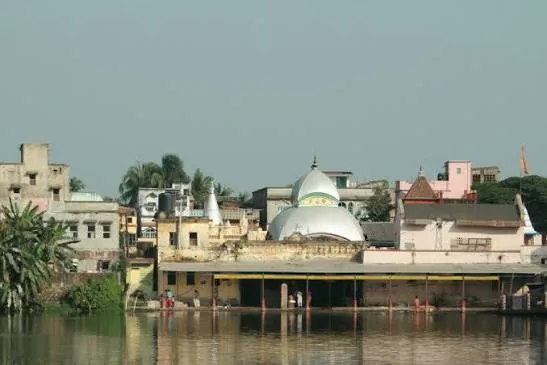
3. Taraknath Temple:
Located in the town of Tarakeswar in the Hooghly district of West Bengal, Lord Shiva is worshipped here in the form of Baba Taraknath.
This temple was built in 1729 by Raja Bharamalla. He had a divine dream in which Lord Shiva revealed the location of a hidden self-manifested (Swayambhu) Shivalinga in the forest. He found the Shivalinga there and decided to build a temple. This temple is constructed in the At-chala style of Bengali architecture. During the month of Sawan, it is an important destination in Bengal for the Kanwar Yatra.
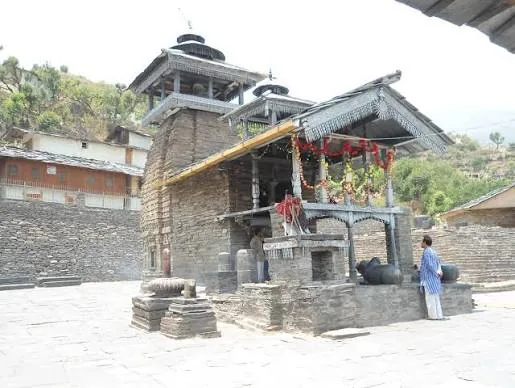
4. Lakhamandal Temple:
Situated around 130 km from Dehradun, this temple is another testament to the Mahabharata era.
The Pandavas and their mother, Kunti, were invited by Duryodhana to reside in a palace he had constructed for them. But it was a Lakshagriha (house of wax) made of other combustible materials, and Duryodhana's plan was to burn them alive while they slept. The Pandavas uncovered this truth and constructed a tunnel to escape, known as Dhundhi Odaari. This cave can still be seen today. They created numerous Shivalingas during their stay here. Excavations at this site have unearthed Shivalingas dating back as far as the 6th century CE.
The main attraction of this place is the graphite Shivalinga. When water is poured over it, it shines and reflects everything like a mirror. It is protected by the Archaeological Survey of India (ASI) as a Monument of National Importance.
5. Koteshwar Mahadev Temple:
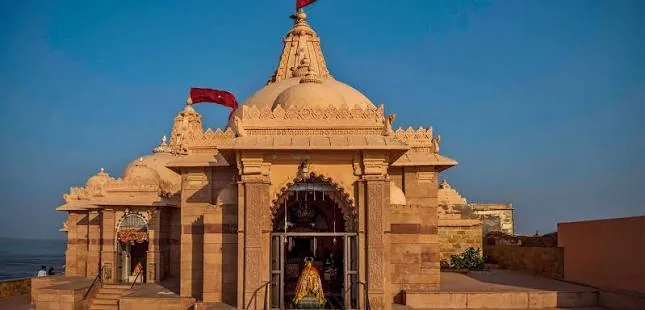
Located 154 km from Bhuj, overlooking the Arabian Sea, is the Koteshwar Mahadev Temple, which is associated with the legend of Ravana.
Ravana was a great devotee of Mahadev. Once, he pleased him with his penance, and Lord Shiva blessed him with a Shivalinga of immense spiritual power. But in his arrogance, he dropped it, and the Shivalinga fell to the earth. Lord Shiva, to punish him, created many more identical Shivalingas at that place. Ravana was unable to distinguish the original one and took one with him, departing and leaving the real one there.
These temples have existed for ages, have been destroyed and rebuilt, but the timeless presence of Mahadev has remained constant. May this Sawan, the sound of the Damru and the sight of the Trishul remind you that every pilgrimage is as much a journey within as it is across these sacred lands.
Have a travel story to share? Write for us