Places to Visit in Puri
Top attractions and must-see spots in Puri
Beaches
6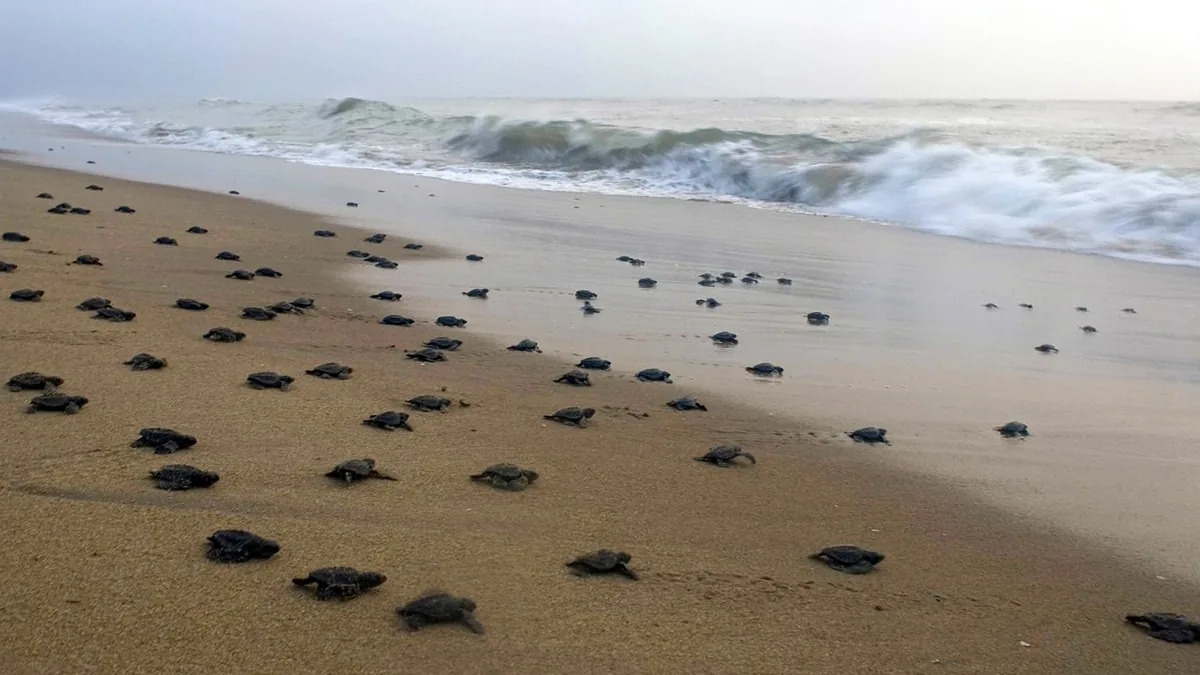
Balighai Beach
About 8 km from Puri on the scenic Puri-Konark Marine Drive, Balighai Beach is one of Odisha quietest and most pristine stretches of coastline. Framed by casuarina and eucalyptus trees at the mouth of the Nuanai River, the beach offers a calm alternative to the busier tourist areas. It is a nesting site for Olive Ridley sea turtles during December and January, and the adjacent Sea Turtle Research Centre and Balihirana Deer Sanctuary make it a rewarding stop for nature lovers.
Baliharachandi Beach
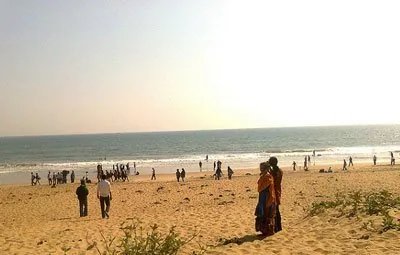
Located about 22 km from Puri on the road toward Brahmagiri and Satapada, Baliharachandi Beach sits at the confluence of the Bhargavi River and the Bay of Bengal. The beach is anchored by the Baliharachandi Temple, a protected heritage monument dedicated to Goddess Harachandi, an eight-armed form of Durga revered as the guardian of fishermen and water travelers. Golden sand, casuarina groves, and a peaceful riverside atmosphere make it a popular picnic and pilgrimage destination away from the city crowds.
Chandrabhaga Beach
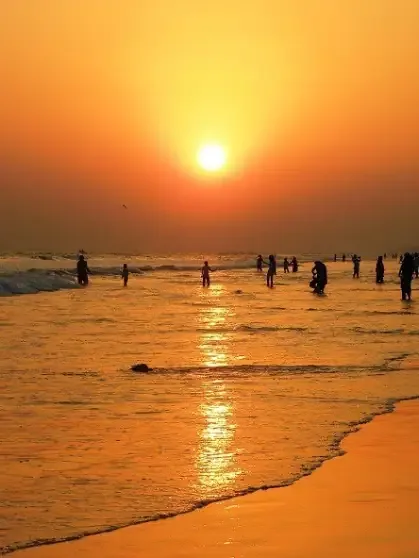
Chandrabhaga Beach near Konark, about 3 km east of the Sun Temple, holds the distinction of being India first Blue Flag certified beach, awarded in 2018. Named after the mythical Chandrabhaga River, the beach is deeply tied to the legend of Samba, son of Lord Krishna, who is said to have been cured of leprosy by worshipping the Sun God here. Every year on Magha Saptami, thousands of pilgrims gather for the Chandrabhago Mela at dawn. The beach is known for spectacular sunrises and a clean, tranquil shoreline.
Konark Beach
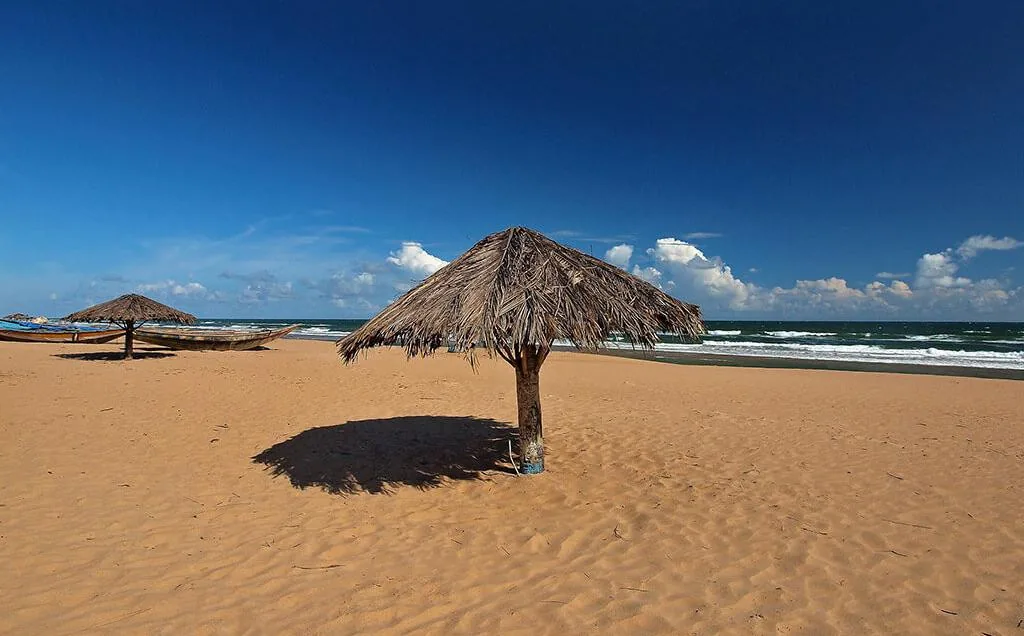
Stretching along the Bay of Bengal near the town of Konark, about 35 km from Puri, Konark Beach is one of Odisha cleanest and least crowded coastal stretches. Flanked by the iconic Sun Temple and the Ramachandi Temple, the beach carries strong mythological associations with the Sun God. It receives Odisha first sunlight at sunrise, drawing photographers and early visitors in large numbers. The annual International Sand Art Festival and Konark Dance Festival turn this shoreline into a major cultural destination.
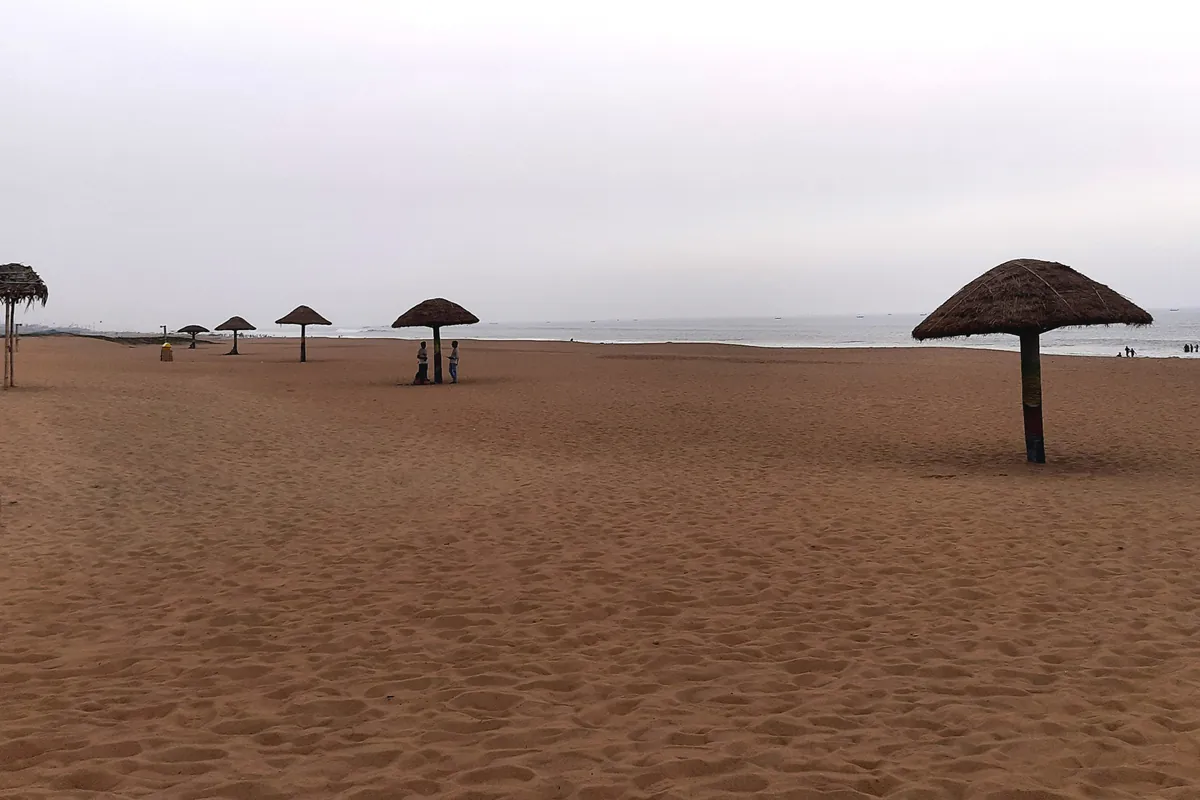
Puri Beach
A sacred beach near Jagannath Temple, popular with pilgrims and tourists.
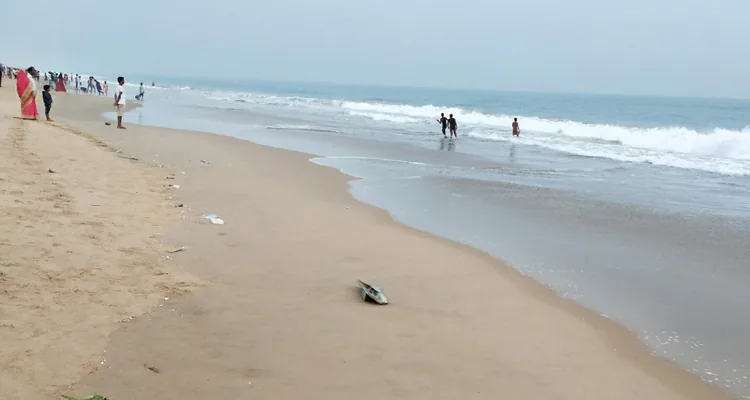
Swargadwar Beach
Swargadwar translates to Gateway to Heaven, and this stretch of Puri coastline lives up to its name in the most literal sense. One of the most sacred cremation grounds in Hinduism, the beach is believed to grant moksha to souls cremated here. It was also the bathing spot of Chaitanya Mahaprabhu. Beyond its spiritual weight, the beach is a vibrant hub with beachside stalls, golden sand, and sweeping views of the Bay of Bengal, especially beautiful at sunrise and sunset.
Landmarks
3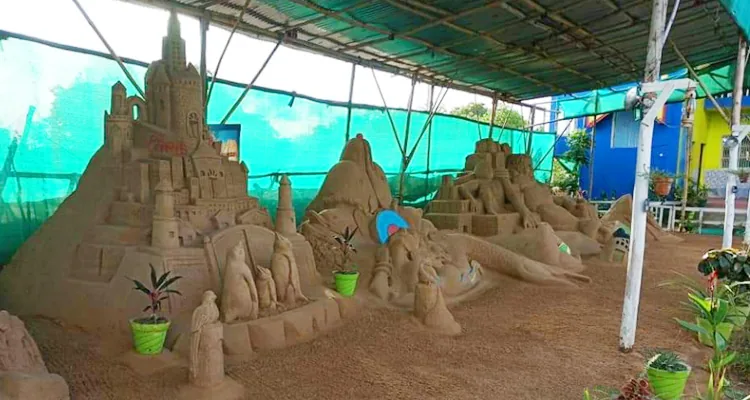
Sand Art Museum
Located on the Puri-Konark Marine Drive, the Sudam Sand Art Museum is India first dedicated sand art museum, founded by internationally acclaimed sand artist Sudam Pradhan. The museum displays permanent 3D sand sculptures depicting Hindu deities, historical monuments, and cultural themes that would otherwise be impermanent works created on the beach. A must-visit for art lovers and families, it complements the broader sand art culture of Puri made famous by Padma Shri-winning artist Sudarsan Pattnaik, whose large-scale sculptures regularly appear on Puri Beach.
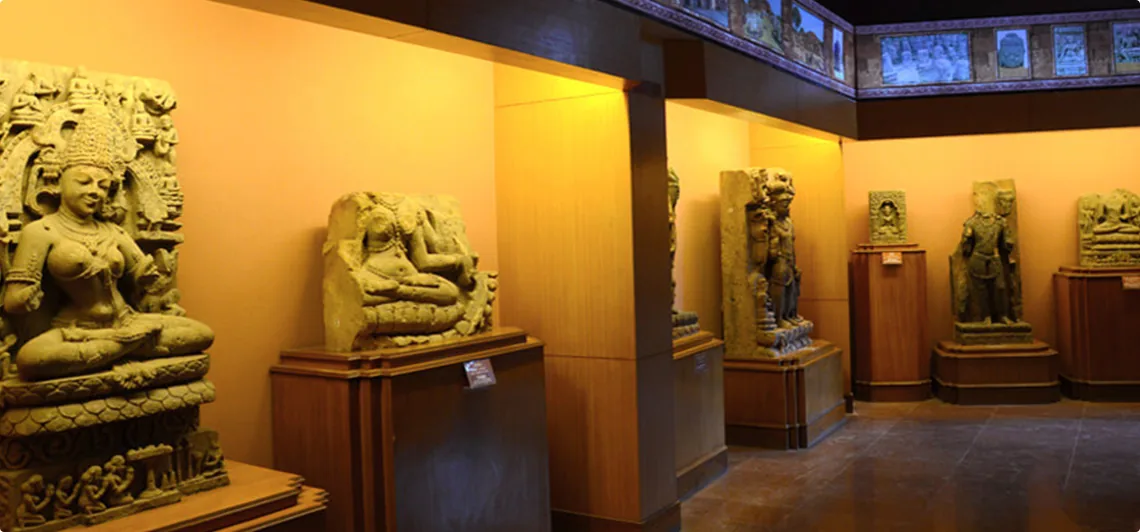
State Museum Puri
The Puri Branch Museum, an extension of the Odisha State Museum, offers a curated collection of artifacts documenting the cultural and religious history of the Puri region. Exhibits include ancient sculptures, coins, palm leaf manuscripts, and Jagannath-related heritage objects that trace the long history of Odisha sacred city. For visitors wanting deeper context beyond temple visits, it serves as an accessible introduction to the art, archaeology, and traditions of this Char Dham pilgrimage town and the surrounding Puri district.
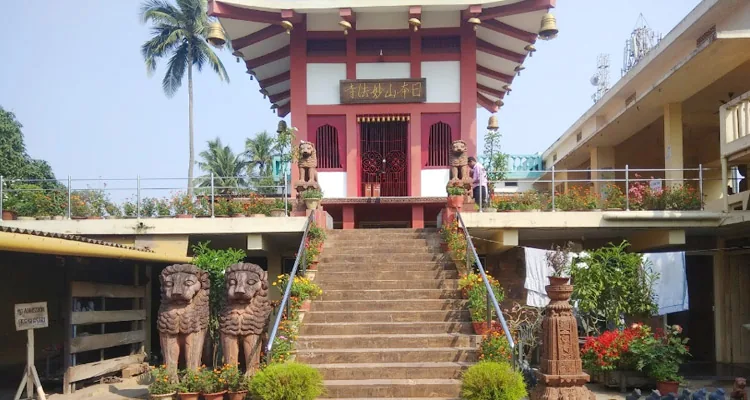
Sudarshan Crafts Museum
Founded in 1977 by Padma Vibhushan-awarded sculptor Sudarshan Sahoo, this museum on Station Road near Puri railway station is dedicated to the living tradition of Odishan stone and wood sculpture. It houses an extensive collection of carvings in stone, wood, and fiberglass, alongside Pattachitra paintings and handicraft items. The premises include a Japanese-style Buddhist temple used as a craft center, a library, a workshop, and a showroom. Artists-in-residence work on-site, giving visitors a rare window into traditional sculpting practice.
National Parks
1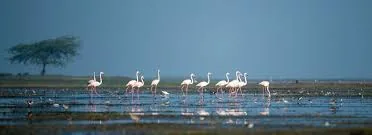
Mangalajodi Bird Sanctuary
Mangalajodi is a remarkable conservation success story on the northern edge of Chilika Lake, about 70 km from Bhubaneswar. Once a poachers haven, the wetland was transformed into one of India finest bird-watching destinations through community-led ecotourism. Over 150,000 migratory birds arrive here between November and March from Siberia, Central Asia, and the Himalayas, with over 200 species recorded. Guided boat safaris through reed-lined channels at sunrise offer some of the most immersive birding experiences in eastern India.
Scenic Spots
2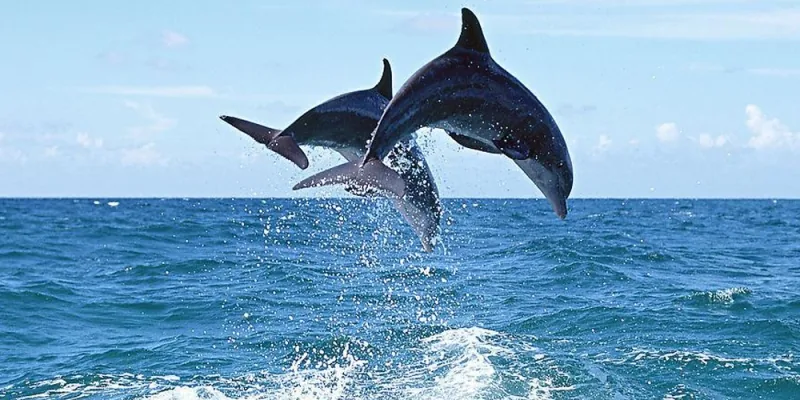
Chilika Lake
Chilika Lake is Asia largest brackish water lagoon, stretching over 1,100 sq km across the Puri, Khurda, and Ganjam districts of Odisha. India first Ramsar wetland site, declared in 1981, it is the largest wintering ground for migratory birds on the Indian subcontinent, hosting over 225 bird species annually. The lake is also one of only two places in the world where the endangered Irrawaddy dolphin can be seen. Boat trips from Satapada, Barkul, and Rambha offer access to its islands, wildlife, and open waters.
Satapada Dolphin Reserve
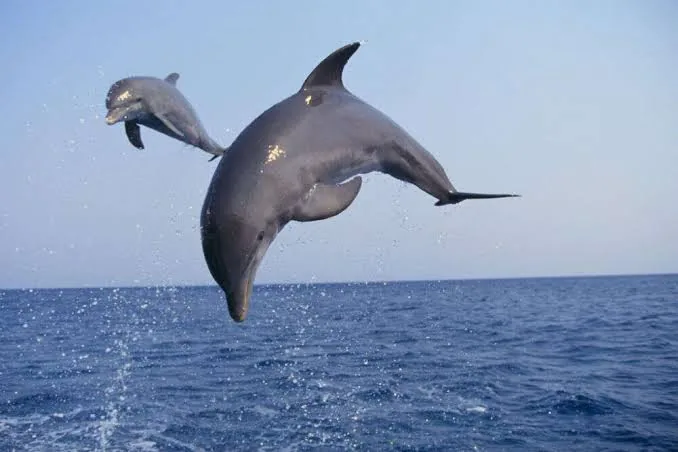
Satapada sits on the southern edge of Chilika Lake, about 50 km from Puri, at the dramatic point where Asia largest brackish lagoon meets the Bay of Bengal. It is the primary departure point for boat-based wildlife excursions on Chilika and is home to one of the world largest single-lagoon populations of the endangered Irrawaddy dolphin. Motor boat and speedboat tours navigate the open lake toward the Sea Mouth, where dolphins surface close to vessels. The nearby Rajahansa Island and open water vistas add further reward to the journey.
Shopping
4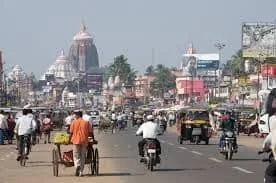
Bada Danda
Bada Danda, or Grand Road, is the most historically and spiritually significant street in Puri, stretching roughly 3 km from the Lion Gate of the Jagannath Temple to the Gundicha Temple. For most of the year it functions as the city main artery, lined with shops, eateries, flower vendors, puja stalls, and pilgrims moving between temples. During Rath Yatra it becomes the stage for one of the world largest religious gatherings, as millions of devotees pull the three towering chariots of Lord Jagannath, Balabhadra, and Subhadra along its full length.
Pipili
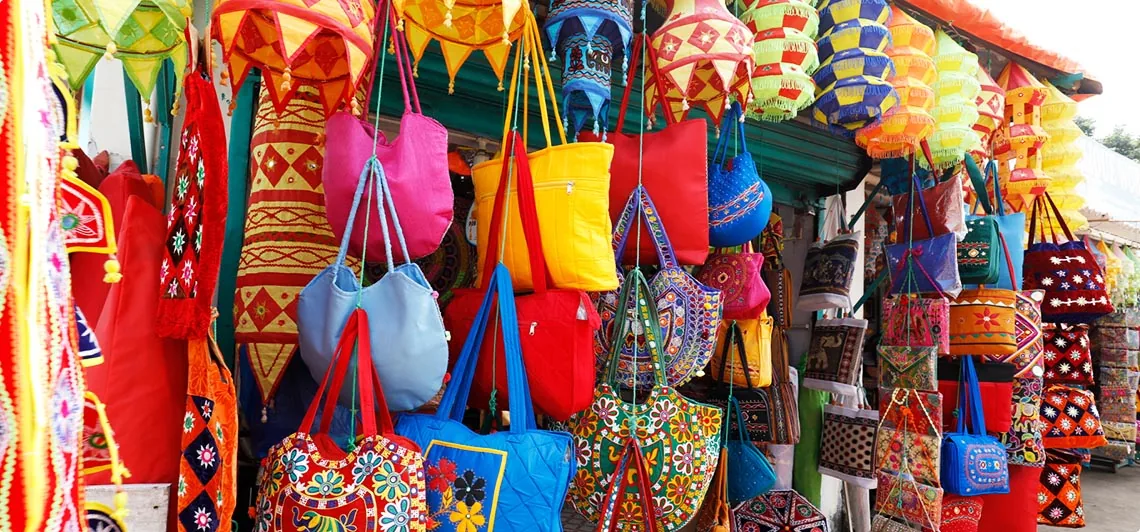
Pipili is the applique craft capital of Odisha, located about 33 km from Puri on the National Highway connecting Bhubaneswar to Puri. Every shop lining the main street overflows with vibrant hand-cut fabric work: canopies, wall hangings, lanterns, bags, and umbrellas in the vivid colors and motifs this craft is famous for. The tradition dates to the 12th century, rooted in making decorative textiles for the Jagannath Temple Rath Yatra. It holds a GI tag and is one of Odisha most sought-after craft stops.
Raghurajpur Artist Village
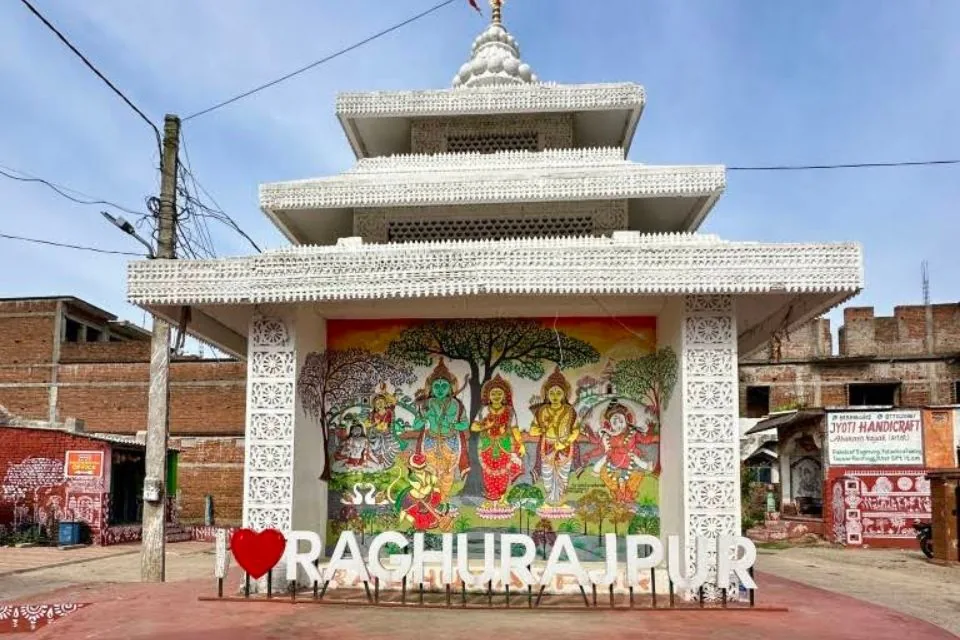
India first designated heritage crafts village, Raghurajpur sits about 14 km from Puri and is home to over 120 families of practicing artists. The village is the global center of Pattachitra painting, an art form dating back to the 5th century BC. Every home doubles as a studio where visitors can watch artists at work and buy directly. It is also the birthplace of Odissi dance legend Kelucharan Mohapatra and the only source of the ceremonial Patas paintings used during Rath Yatra.
Swargadwar Market
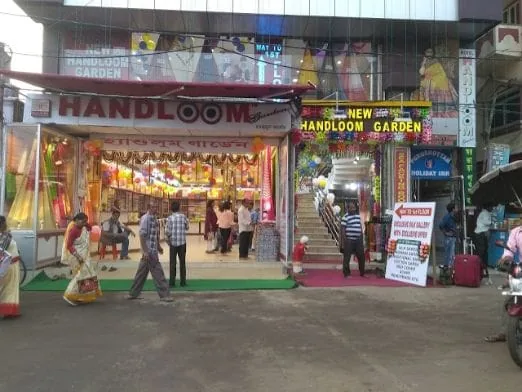
Swargadwar Market is one of Puri most vibrant and visited commercial stretches, running alongside the Swargadwar Beach on the main Marine Drive. It comes alive in the evenings with rows of shops selling Odisha handloom sarees, applique work, Pattachitra paintings, shell craft, wooden Jagannath figurines, and a wide range of souvenirs. Street food stalls add to the sensory pull, making it a natural end-of-day destination for pilgrims and tourists alike. Bargaining is expected and the atmosphere is cheerful, unhurried, and deeply local.
Temple
13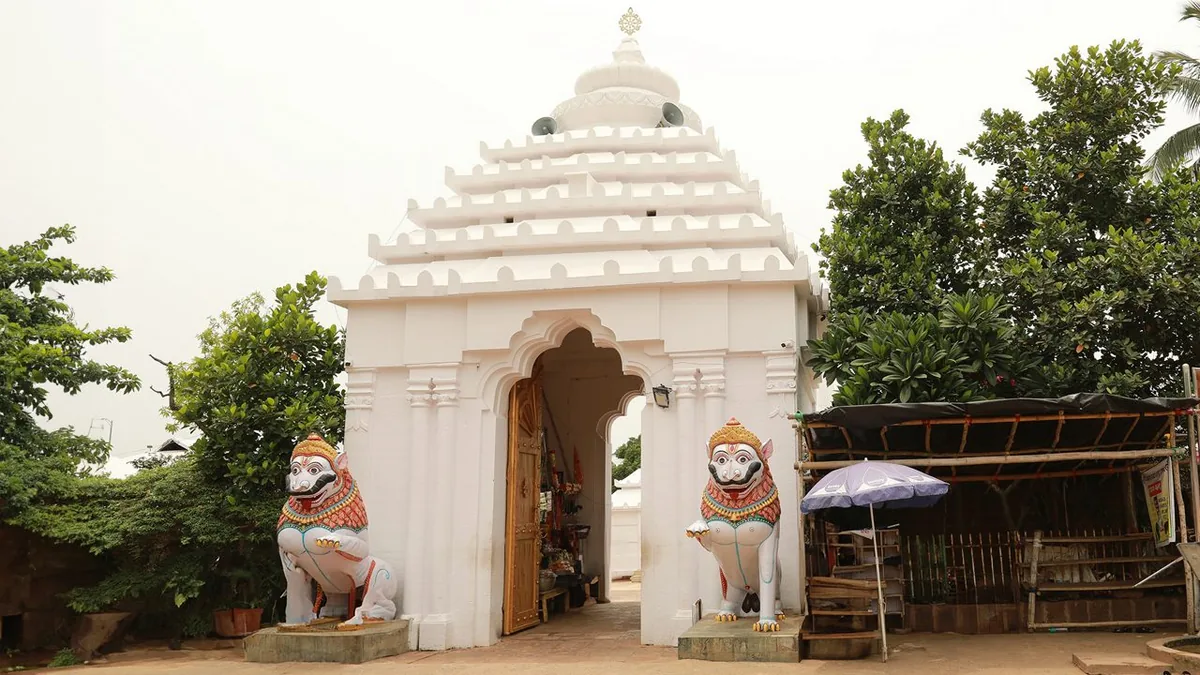
Alarnath Temple
Located in the quiet town of Brahmagiri about 25 km from Puri, Alarnath Temple is a Vishnu shrine believed to predate the Jagannath Temple by two centuries. It holds special significance during the Anavasara period when the Jagannath Temple deities remain unseen for 15 days; devotees throng here as Lord Jagannath is believed to manifest as Lord Alarnath. The temple is associated with Chaitanya Mahaprabhu, who is said to have visited and left an impression of his body on a stone slab inside.
Beleswar Mahadev Temple
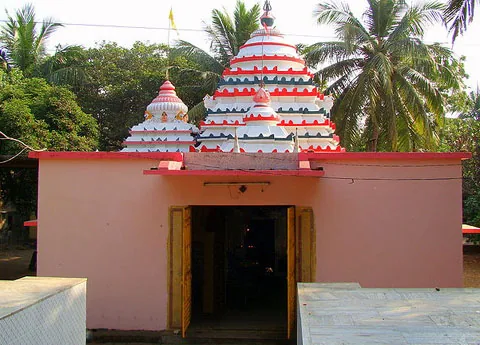
Beleswar Mahadev Temple is an ancient Shiva shrine located about 14 km from Puri on the Puri-Konark marine drive road, near the confluence of the Prachi, Devi, and Kadua rivers. According to legend, Lord Rama installed the Shivalinga here after offering bel leaves before his journey to Lanka, giving the site its name. Situated beside a scenic stretch of the Bay of Bengal, it is one of the notable Shaiva shrines of Puri district and draws large crowds during Mahashivaratri.
Bimala Temple
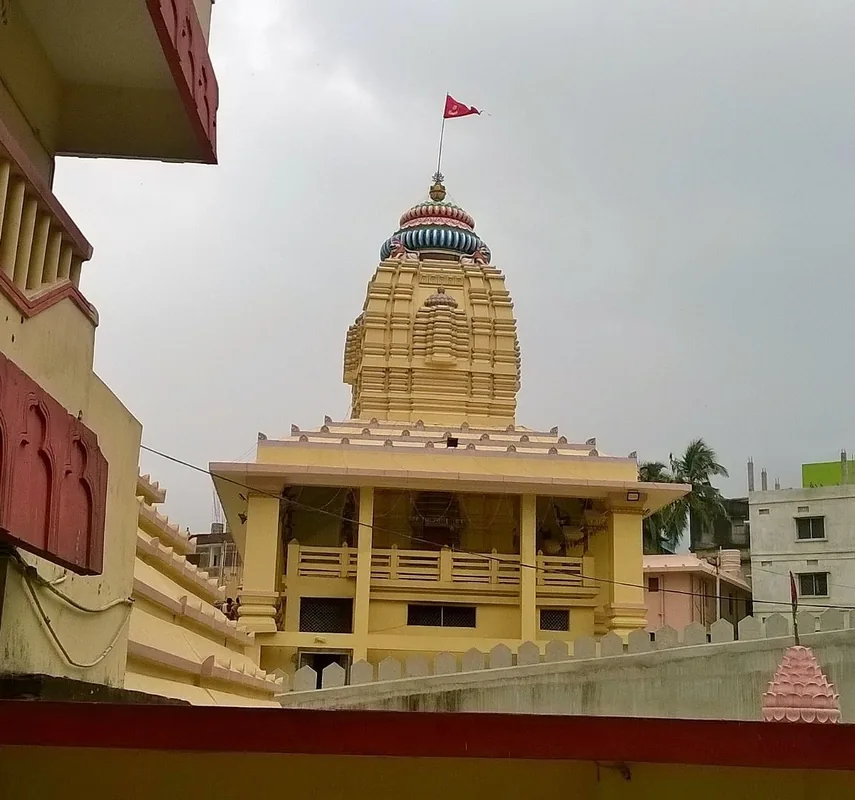
Nestled in the southwest corner of the Jagannath Temple complex, Bimala Temple is one of the 51 Shakti Peethas of India and is considered the most significant among them. Dedicated to Goddess Bimala, a fierce form of Durga, the temple is believed to mark the spot where Goddess Sati feet fell. It predates the Jagannath Temple itself and plays a vital ritual role: the Mahaprasad offered to Lord Jagannath becomes truly sacred only after it is first offered to Goddess Bimala.
Gundicha Temple
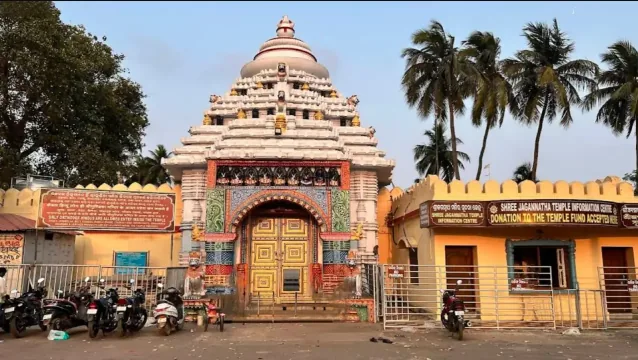
Known as the Garden House of Lord Jagannath, Gundicha Temple is the sacred destination where the deities of Jagannath, Balabhadra, and Subhadra reside for seven days during the annual Rath Yatra. Built in classic Kalinga style with light grey sandstone, it stands at the northern end of Grand Road about 3 km from Srimandir. Named after Queen Gundicha, consort of King Indradyumna, it is the second most sacred site in Puri after the Jagannath Temple.
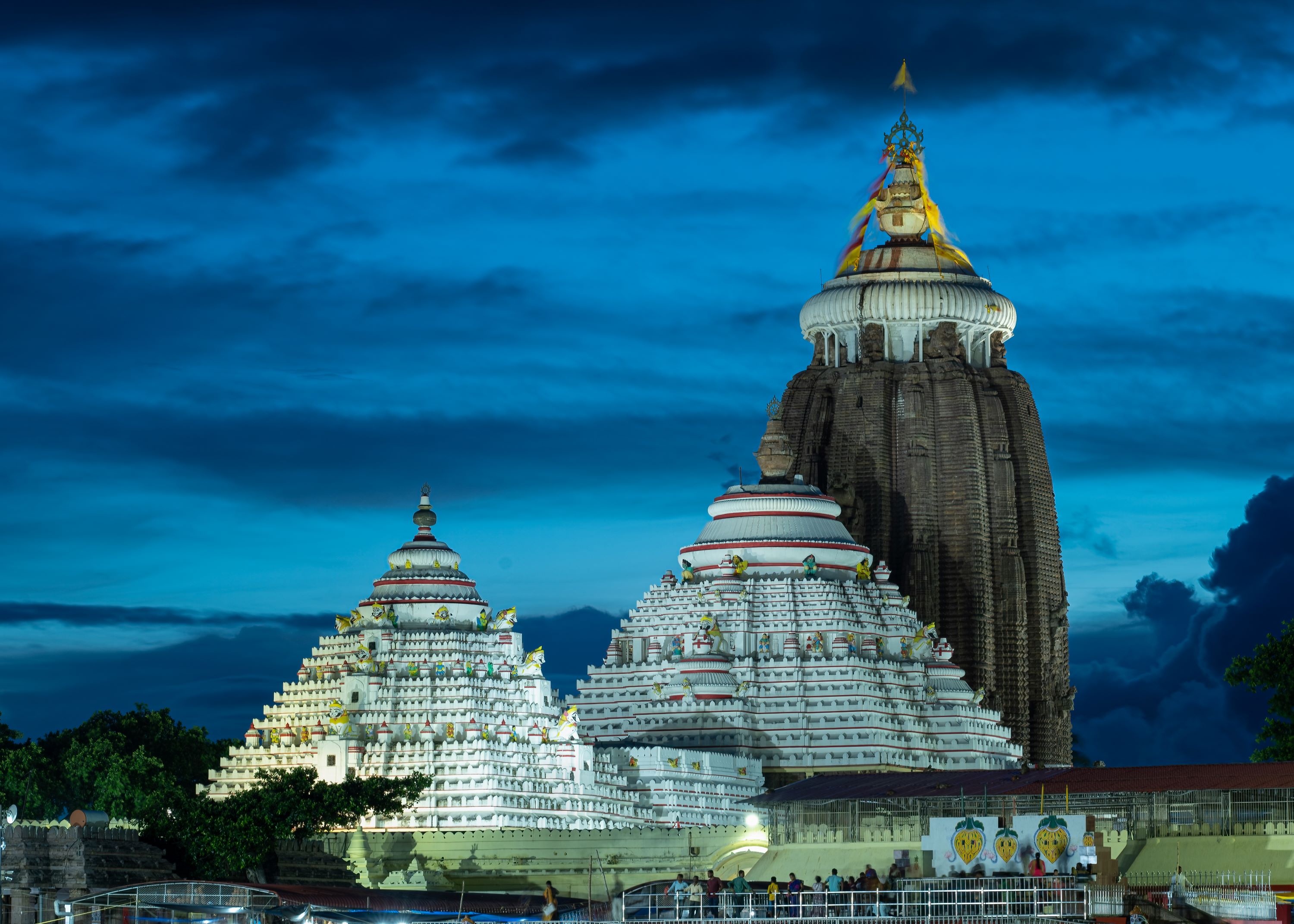
Jagannath Temple
One of the four Char Dham sites, this massive 12th-century Orissan temple dedicated to Lord Jagannath in Puri is non-Hindus restricted and famous for the world's largest chariot festival, Rath Yatra.
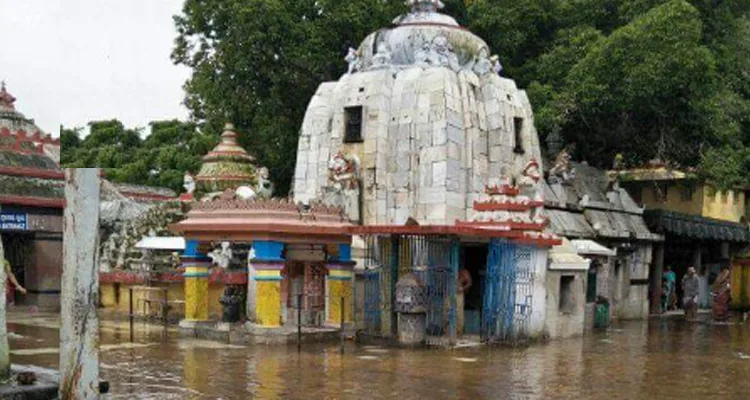
Lokanatha Temple
One of the most revered Shaiva shrines in Odisha, Lokanatha Temple is dedicated to Lord Shiva and stands about 2.5 km west of Jagannath Temple. Its most remarkable feature is a Shivalinga that remains submerged in water throughout the year and becomes visible only once, on the eve of Shivaratri. According to legend, Lord Rama himself installed this lingam while journeying to Lanka. Devotees believe Lord Lokanatha serves as the eternal guardian of Puri Dham.
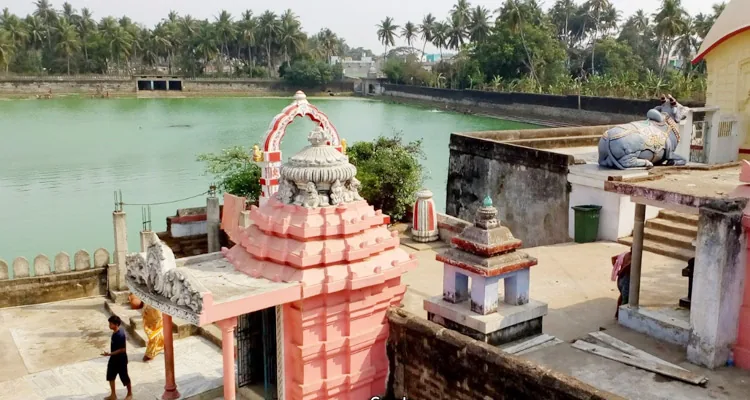
Markandeswara Temple
An important Shaiva pilgrimage site in Puri, Markandeswara Temple is dedicated to Lord Shiva and dates to the 12th century Ganga dynasty. It is one of the Pancha Tirthas of Puri and counted among the 52 sacred Shiva shrines in India. Adjacent to the sacred Markandeya Tank, believed to be the traditional starting point of the Puri pilgrimage, the temple is connected with key Jagannath rituals including Chandan Yatra and Sital Sasthi. The entrance features a striking ten-armed Nataraja figure.
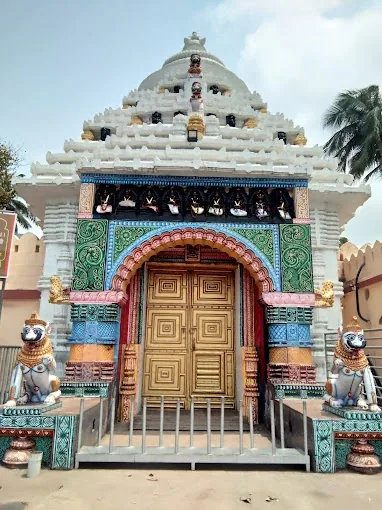
Mausi Ma Temple
Located midway along the Grand Road (Bada Danda) of Puri, Mausi Ma Temple is dedicated to Goddess Ardhashani, the maternal aunt of Lord Jagannath. Built during the Keshari dynasty era in Kalinga architectural style, the temple plays a central role during Rath Yatra when the chariots of the three deities pause here to receive Poda Pitha, a sacred baked rice cake. Legend credits Goddess Ardhashani with saving Puri from floods by drinking half the sea water.
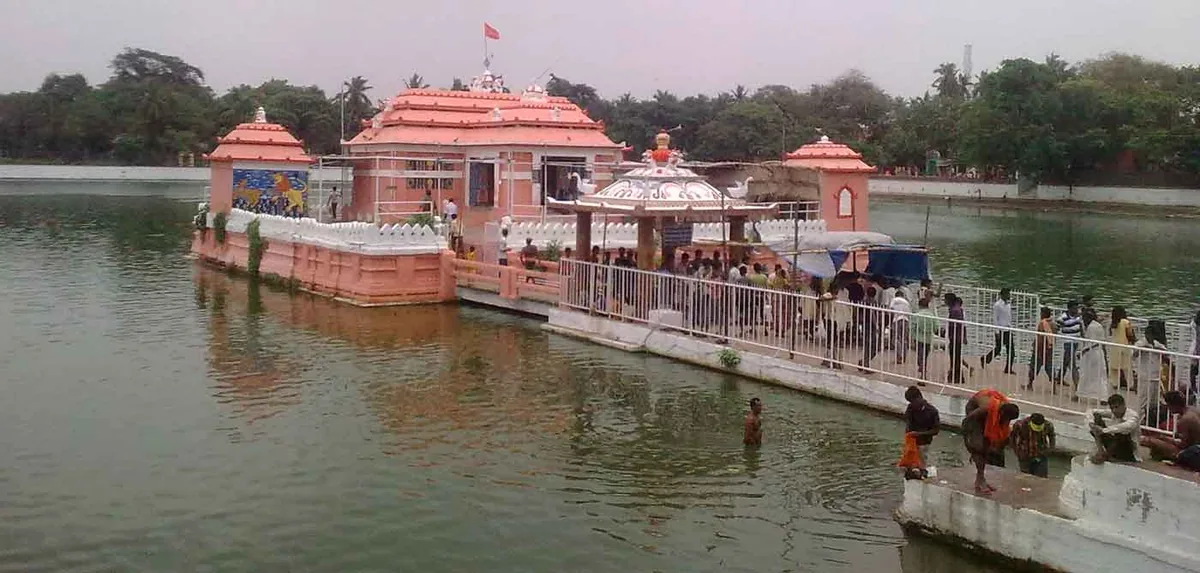
Narendra Tank
Narendra Tank is one of the largest sacred water bodies in Odisha, built in the 15th century by Narendra Dev, brother of the Gajapati king. Located just 1 km from the Jagannath Temple, the tank spans over 8 acres and is anchored by 16 bathing ghats. At its center sits an island housing the Chandana Mandapa temple, linked to the shore by a bridge. The tank is the ceremonial venue for the 21-day Chandan Yatra festival, when the deities of Jagannath are brought here for a ritual boat procession.
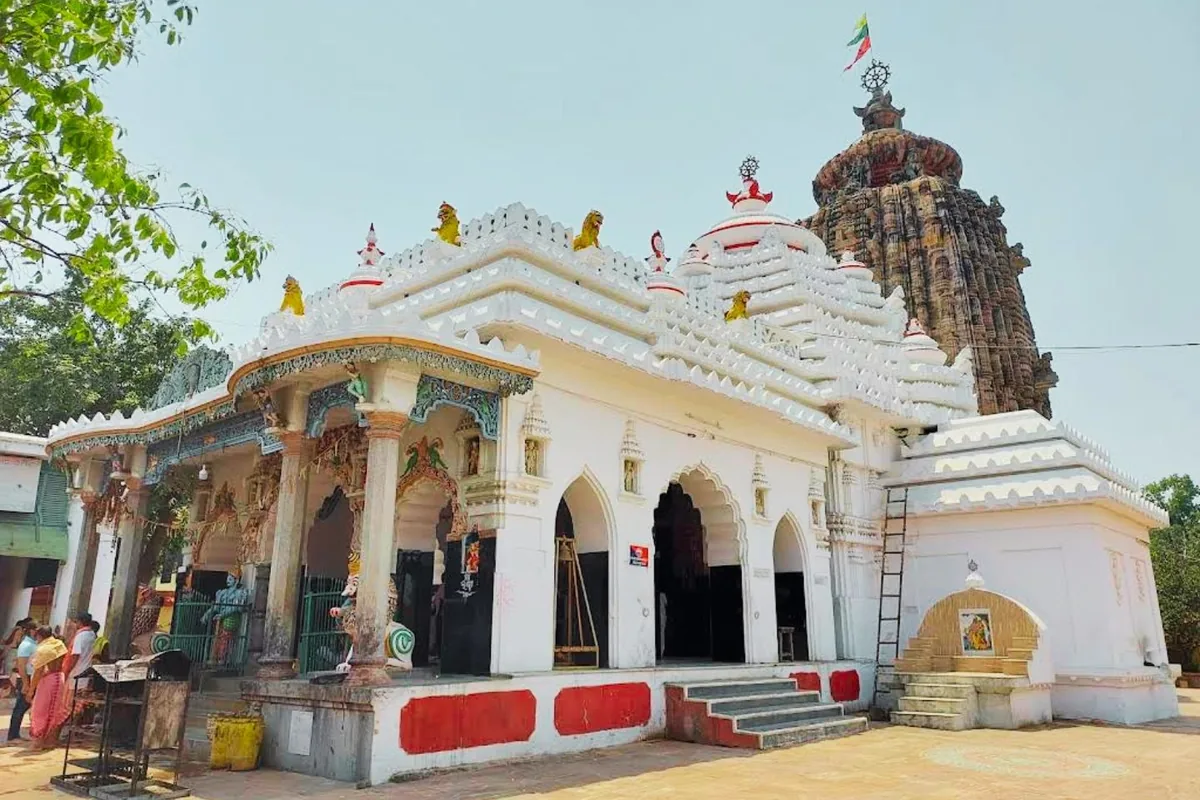
Sakshigopal Temple
Situated on the Puri-Bhubaneswar highway about 20 km from Puri, Sakshigopal Temple is an 11th-century shrine dedicated to Lord Krishna in his form as Gopal. The name translates to Witnessing Gopal, rooted in a legend where Lord Krishna himself bore witness to a promise made between two Brahmin pilgrims in Vrindavan. Built in classic Kalinga architectural style, the temple is particularly popular with newlywed couples seeking blessings and is notable for accepting wheat-based food offerings rather than rice.
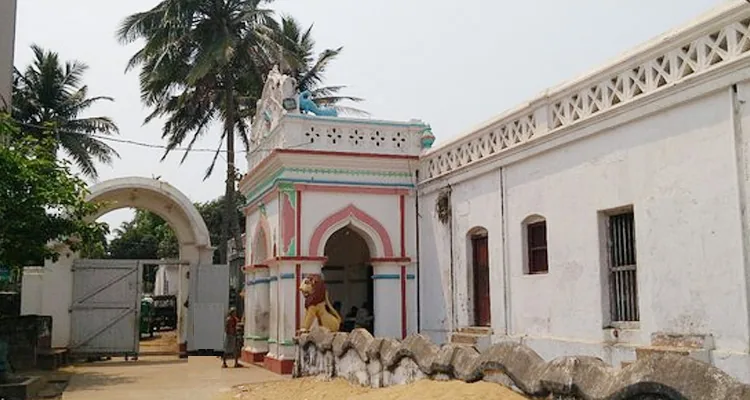
Sonar Gouranga Temple
Sonar Gouranga Mandir is an important pilgrimage centre on Chakratirtha Road in Puri, about 3 km north of the Jagannath Temple. Dedicated to Lord Gouranga, the golden-hued form of Chaitanya Mahaprabhu and an incarnation of Lord Krishna, the temple houses shrines of Lord Ram, Lord Jagannath, Balabhadra, Subhadra, and Hanuman. The name Sonar Gouranga means Golden Gouranga in Bengali. Despite its modest structure, the temple offers a serene and unhurried atmosphere for devotees.
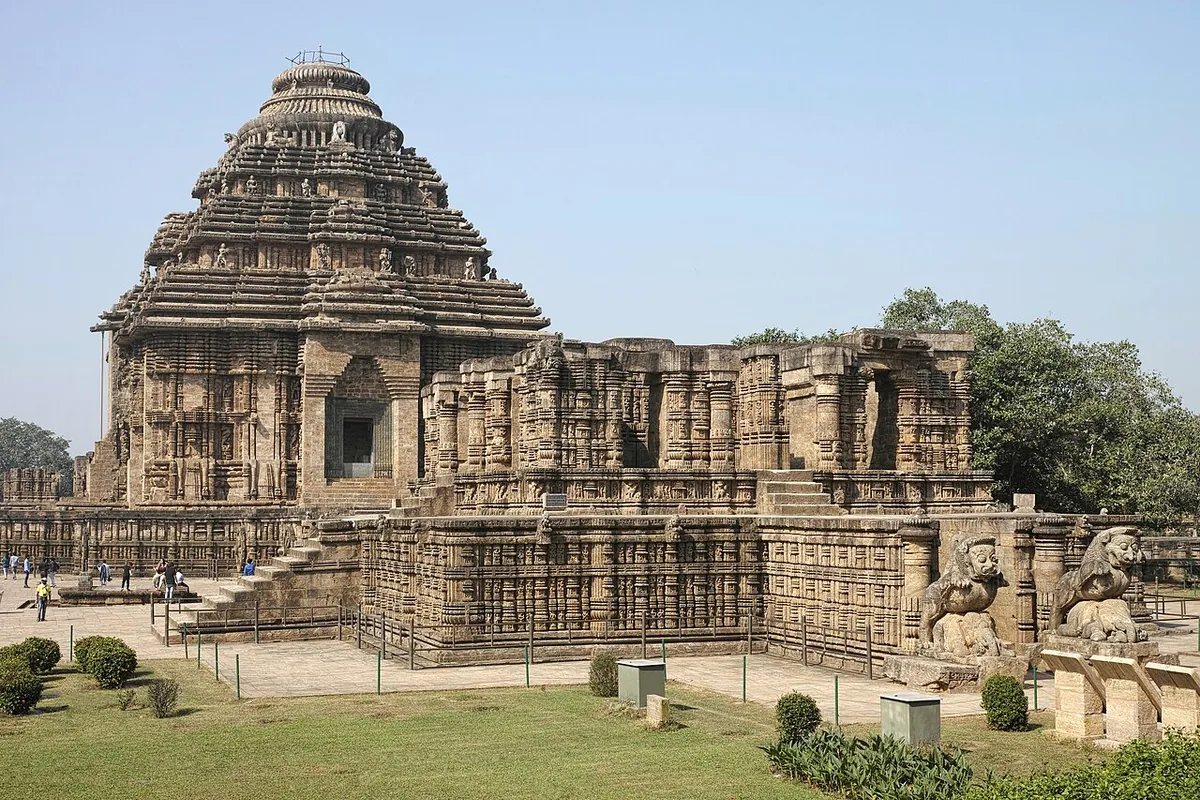
Sun Temple Konark
The Konark Sun Temple, a UNESCO World Heritage Site built in 1250 CE by Eastern Ganga king Narasimhadeva I, is one of the greatest achievements of medieval Indian architecture. Designed as a colossal stone chariot of the Sun God Surya, the temple features 24 intricately carved wheels and seven horses representing the days of the week. The pinnacle of Kalinga architectural tradition, its walls are adorned with sculptures of extraordinary detail and variety. Nobel Laureate Rabindranath Tagore described it as a place where the language of stone surpasses the language of man.
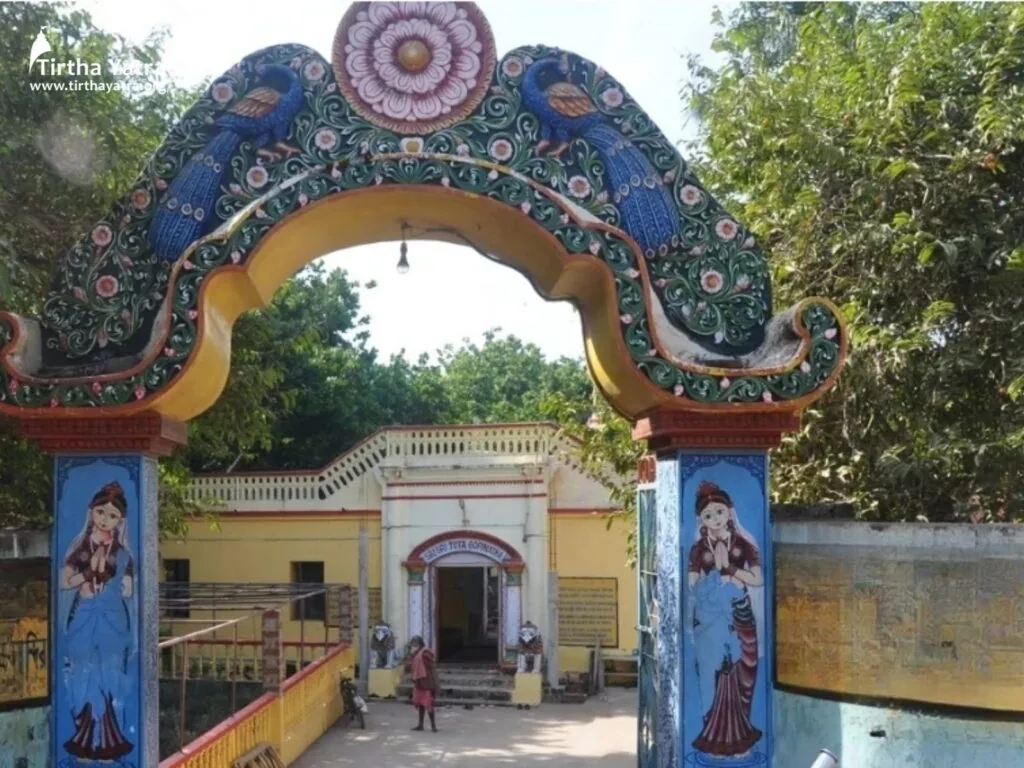
Tota Gopinatha Temple
Tota Gopinatha Temple in Puri is one of the most spiritually charged sites in Gaudiya Vaishnavism. Located in Gaudabad Sahi, the temple houses the world only seated idol of Lord Krishna, a form the deity is said to have assumed to ease his aging devotee Gadadhara Pandita in his service. According to tradition, Chaitanya Mahaprabhu merged into this very idol at the end of his earthly life. A faint crack near the idol right knee is pointed to as the mark of that moment.
No places found for ""
Try a different search term or switch to All.
No places match your current filter
Try a different search term or switch to All.