Guide
Yamunotri Yatra
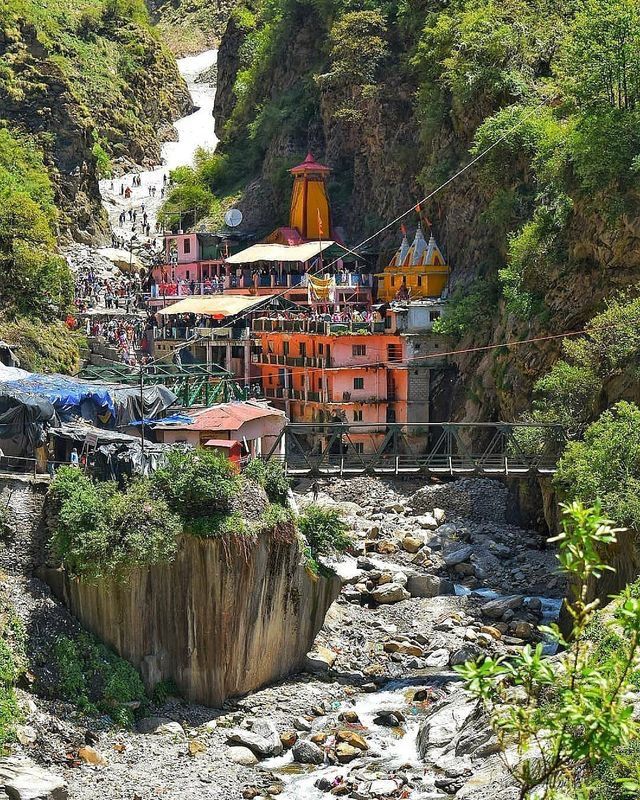
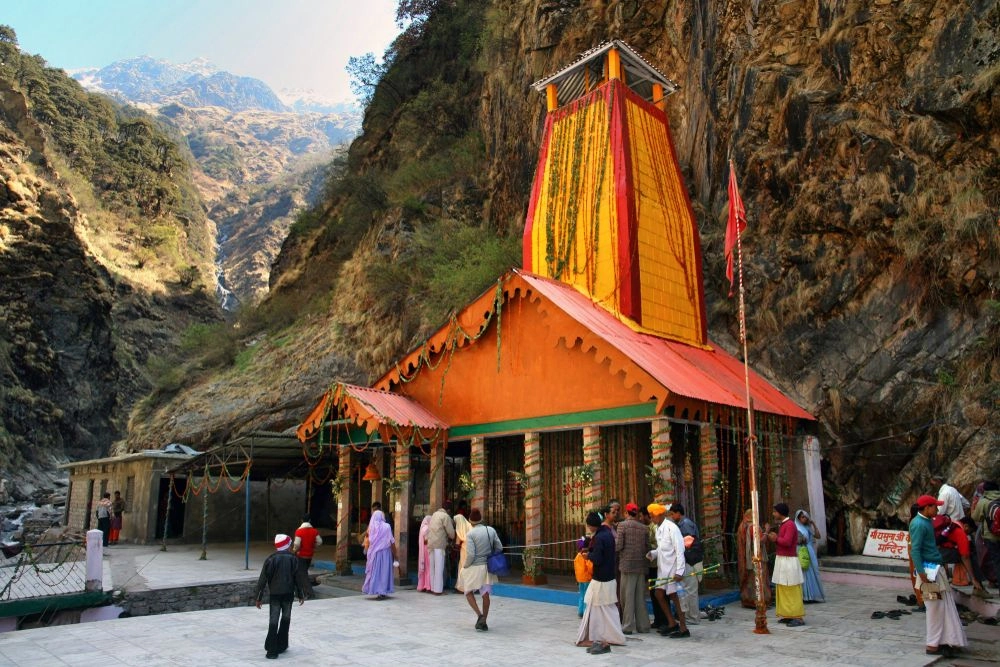
Yamunotri is usually the first stop on Char Dham: Goddess Yamuna’s shrine at 3,293 m in Uttarkashi district. Unlike Gangotri, you cannot drive to the temple. Road ends at Janki Chatti; from there it is a about 6 km trek.
August 2026 status: open since 19 April. Trails get slippery in monsoon; the Barkot–Janki Chatti road can face landslide delays. Prefer September–October if you can wait. Closing is tentatively 11 November 2026 (Bhai Dooj), after which the deity moves to Kharsali.
full Char Dham trip planning: Char Dham Yatra 2026.
Yamunotri dates 2026
| Opens | 19 April 2026 (Akshaya Tritiya; with Gangotri) |
| Closes (tentative) | about 11 November 2026 (Bhai Dooj) |
| Darshan (typical) | about 6:30 AM – 7:30 PM (confirm locally) |
| Trek | about 6 km one way from Janki Chatti; often 4–5 hours up, 2–3 hours down |
| Winter seat | Kharsali |
How to register
Mandatory and free. Checkpoints on the Haridwar / Rishikesh approach will ask for your QR e-pass.
- registrationandtouristcare.uk.gov.in, Tourist Care Uttarakhand app, or WhatsApp
Yatrato +91-8394833833 - Upload ID + photo, select Yamunotri and date
- Print the e-pass (signal on the trail is weak; often only patchy BSNL)
Offline counters appear at Haridwar, Rishikesh, Barkot, and Janki Chatti in season.
Trek from Janki Chatti
| Point | Approx. | Notes |
|---|---|---|
| Janki Chatti | 0 km / 2,370 m | Last motorable point; prepaid pony/palki counter |
| Phool Chatti | about 2 km | Easier cemented stretch early on |
| Hanuman Chatti | about 4 km | Rest, dhabas, river confluence |
| Steel bridge | about 5.5 km | Stay on the marked main path |
| Yamunotri temple | about 6 km / 3,293 m | Last half-km is steepest |
Start before 7 AM when you can. Afternoon weather turns quickly.
Pony / palki (confirm at prepaid counter; rates change): season-start notices have listed roughly pony about ₹640 one way, kandi about ₹840, dandi/palki about ₹1,900 one way. Pay only at the official counter, not to trail touts.
Download offline maps before you leave Barkot / Janki Chatti.
What to do at the temple
- Surya Kund: hot spring (about 88°C). Many devotees cook rice/potato in a cloth bag as prasad
- Divya Shila: rock pillar where pilgrims traditionally pray before entering
- Janki Kund: Yamuna pool area for a holy dip where permitted
Phones and cameras are restricted inside temple premises; use cloakrooms where provided. Remove footwear at the entrance.
How to reach
Most Indians: Delhi → Haridwar / Rishikesh by train, then taxi or shared jeep toward Barkot → Janki Chatti.
| Mode | Notes |
|---|---|
| Flight | Dehradun (Jolly Grant) → road via Mussoorie / Barkot (about 7–8 hours toward Janki Chatti) |
| Train | Haridwar (about 257 km) or Rishikesh (about 232 km) to Janki Chatti by road |
| Helicopter | Seasonal charters (e.g. Dehradun Sahastradhara toward Kharsali side) exist; still need road/pony to the temple. Book early |
ATMs: rely on Barkot / Janki Chatti; carry cash for the trail.
Best time to visit
- May–June: clear trails, busy
- July–August: open but slippery trek + road risk
- September–October: usually better for remaining 2026 travel
Checklist
- Printed Yamunotri e-pass
- Early trek start; rain jacket; grip shoes
- Cloth bag if you want Surya Kund prasad cooking
- Warm layer after 3 PM
- Enough cash; offline maps
FAQ
How long is the Yamunotri trek?
About 6 km one way from Janki Chatti. Plan half a day up and down with rests.
Is Yamunotri harder than Kedarnath?
Shorter than Kedarnath, but still steep at the end. Elders often use pony or palki.
When does Yamunotri close in 2026?
Tentatively 11 November 2026, then winter worship at Kharsali.