Where to See Diwali Across India
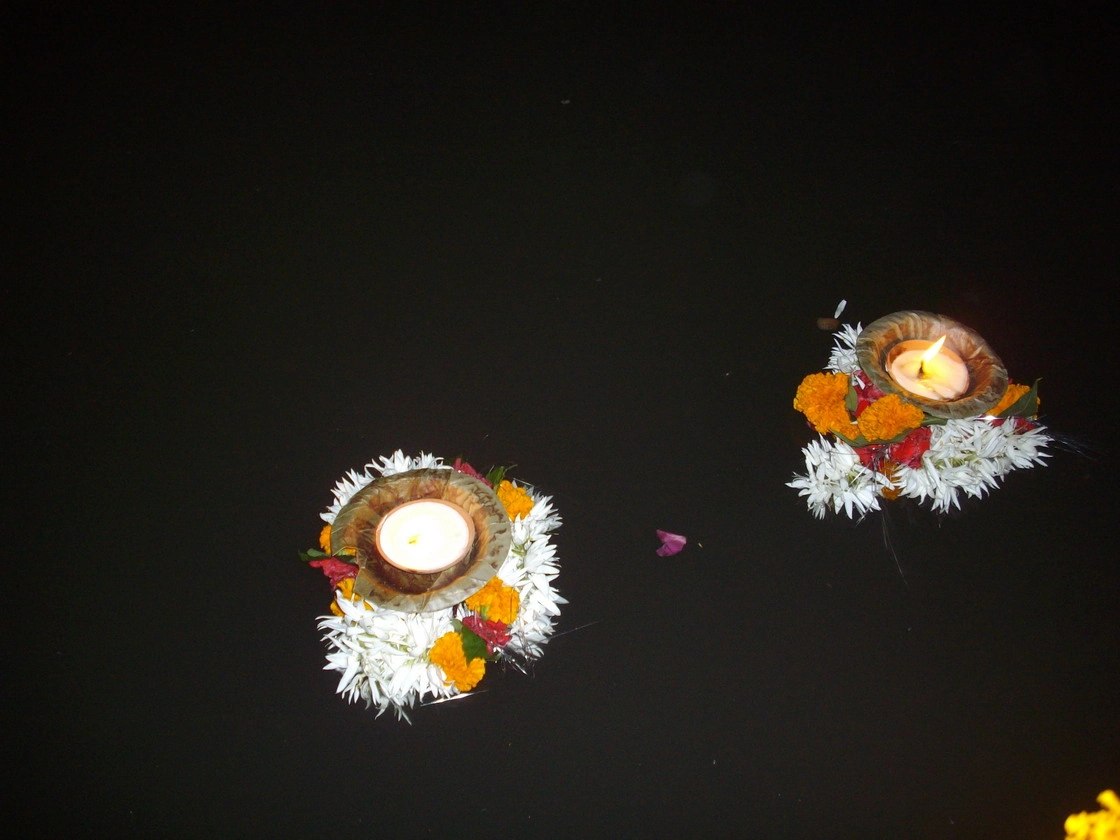
Photo: Rudolph.A.furtado, CC0 1.0, via Wikimedia Commons
A place-by-place guide to Diwali week: Ayodhya Deepotsav, Goa's Narkasur Night, Kolkata's Kali Puja, Amritsar's Bandi Chhor Divas, Braj's Govardhan Puja and Annakut, Ahmedabad's Bestu Varas, then Chhath in Patna and Dev Deepawali in Varanasi.
Diwali is one festival with many faces. The calendar date often lines up across much of India, but what you see at street level depends on where you stand. In one city it is a river of clay lamps. In another it is a parade of giant demons. In a third it is midnight worship of Kali. This guide is built around places, not customs: six destinations for Diwali week itself, then two that follow soon after.
Ayodhya: Deepotsav on the Saryu
If you want the festival of lights as a public spectacle, start with Ayodhya Deepotsav. Organised by the Uttar Pradesh government since 2017, Deepotsav fills Ram ki Paidi and the Saryu ghats with lakhs of clay diyas. Previous editions have set Guinness World Records for the number of lamps lit at once. The riverfront glows for about two kilometres on the main night.
Travellers come for that single, wide view: a continuous line of flame along the water. Expect heavy crowds, restricted entry to Ram ki Paidi on the main evening, and long walks from parking. Book rooms early, use the far bank or a quieter ghat if the main stretch is closed, and treat Deepotsav as its own trip, not a quick stop on the way somewhere else.
Goa: Narkasur Night before Diwali
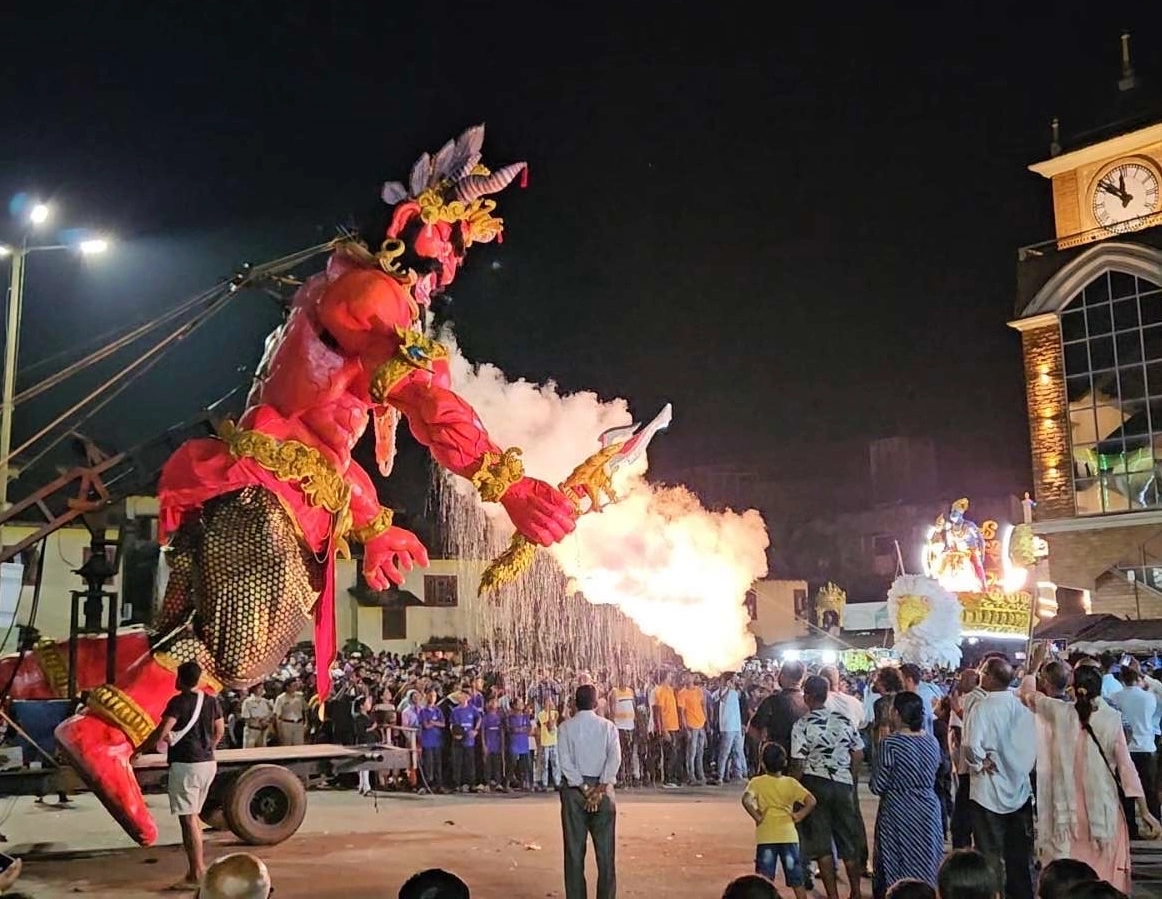
Goa opens Diwali with something few other states put on the street. Narkasur Night falls on the eve of Naraka Chaturdashi. Neighbourhood groups build giant Narakasura (Narkasur) effigies from bamboo, steel, paper and cloth, parade them with music and lights, then burn them before sunrise as a mark of Krishna's victory over the demon.
This is a statewide street celebration, not one ticketed venue. Panjim's Taleigao, Bhatlem and Mala belt, Mapusa, Margao, Vasco and Ponda all take part. Entry is free. Expect dense crowds and traffic restrictions. Park outside the centre and walk in. If you only have one night in Goa around Diwali, this is the night that feels most local.
Kolkata: Kali Puja on Diwali night
In Kolkata and across Bengal, Diwali night is Kali Puja. Neighbourhood clubs raise pandals with large Kali idols, homes glow with lamps and fairy lights, and fireworks fill the sky. The main worship falls late, in the Nishita period close to midnight.
The busiest temples are Kalighat in south Kolkata and Dakshineswar on the Hooghly. Queues build from the afternoon. Pandal hopping often continues for two or three days after the puja. Use the metro where you can, visit Kalighat early if you want a quieter darshan, and come for the night atmosphere as much as any single shrine. Bengal's Diwali is Kali's night, and that alone makes Kolkata worth the journey.
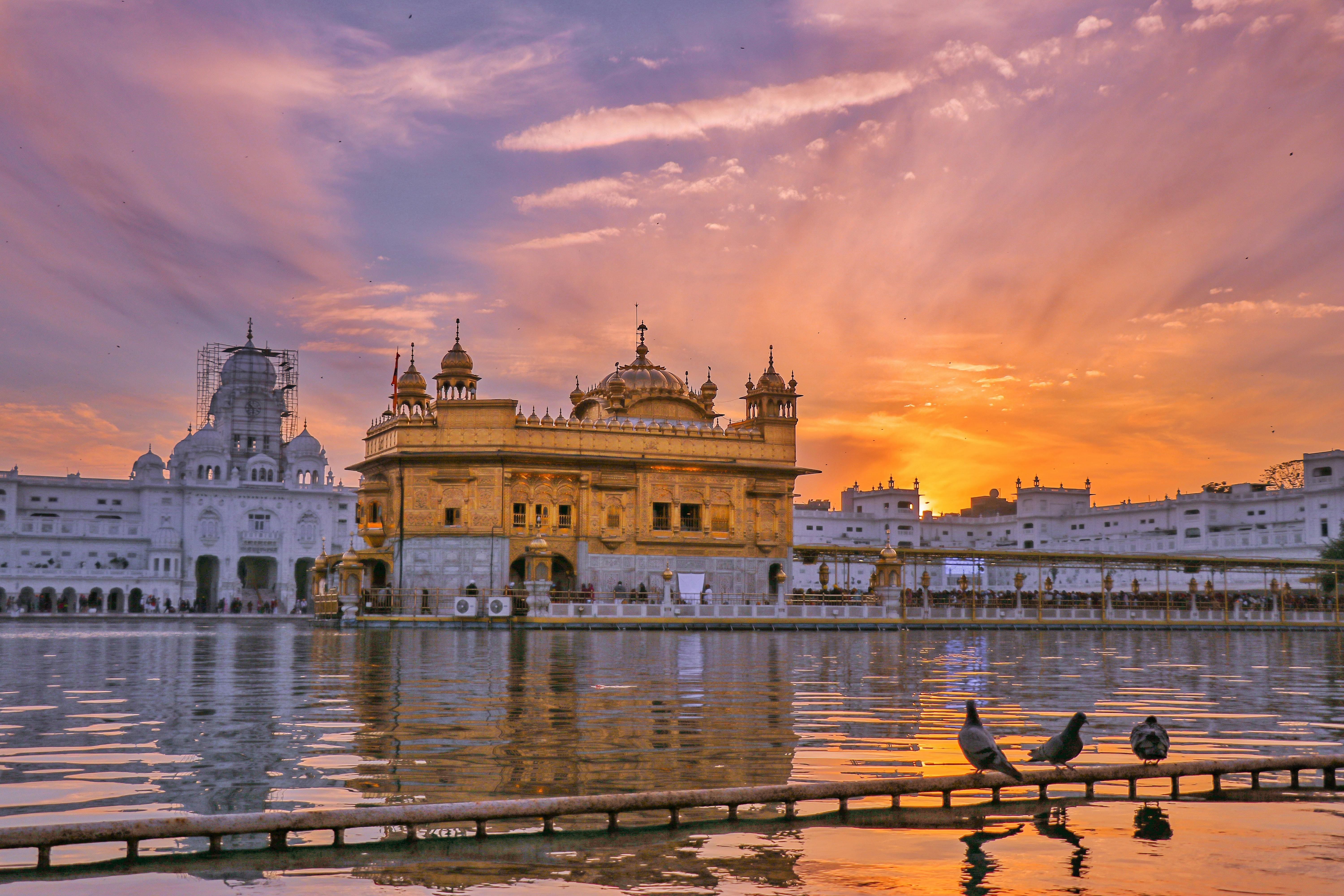
Amritsar: Bandi Chhor Divas at the Golden Temple
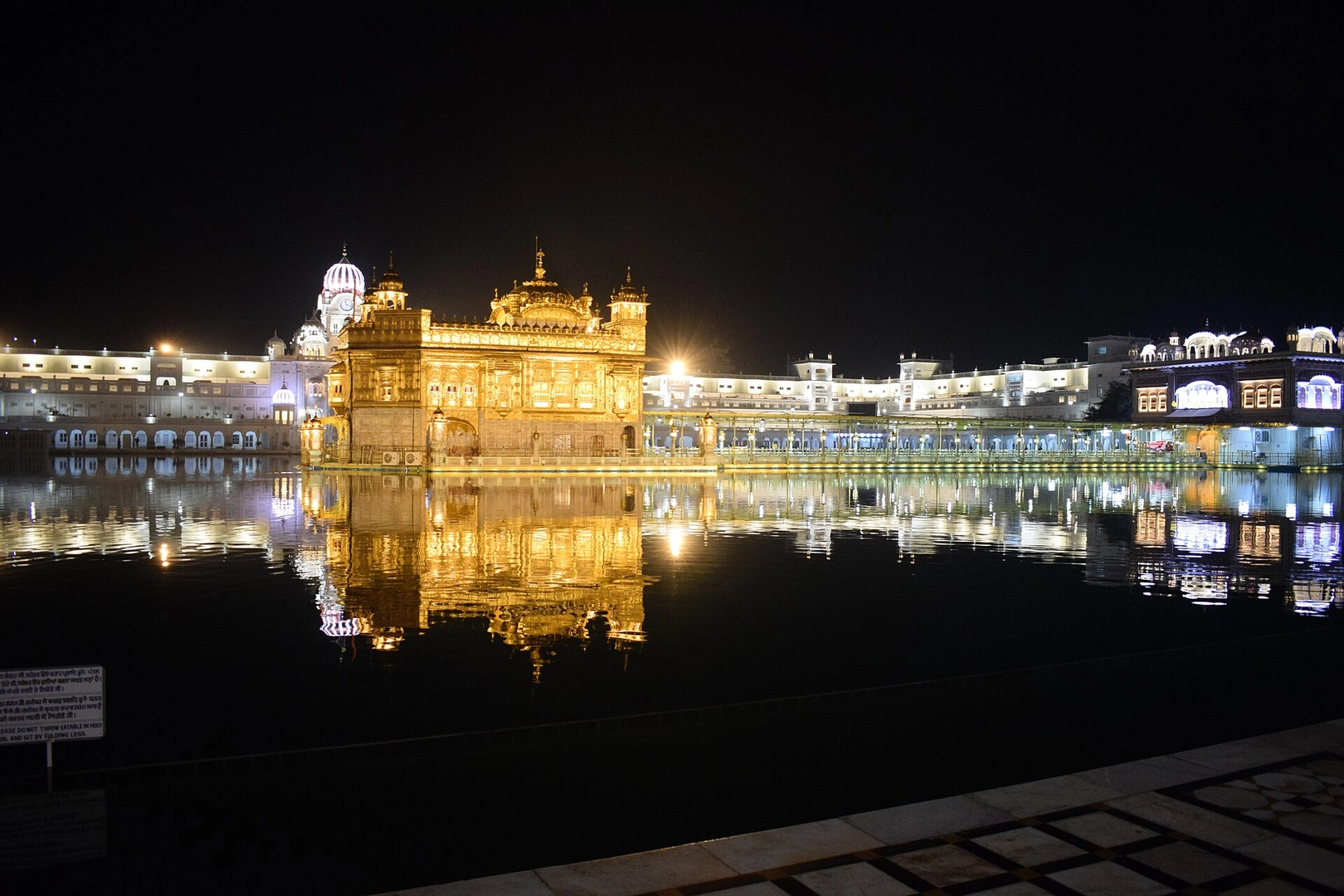
On the same night as Diwali, Sri Harmandir Sahib marks Bandi Chhor Divas. The Sikh observance remembers the release of Guru Hargobind Sahib from Gwalior Fort and, in Sikh tradition, the freeing of 52 other prisoners with him. The name means the day of the liberation of captives.
The complex is lit for the occasion. Devotees gather for kirtan, visit the sarovar and share langar. Crowds are heavy through the evening and night. This is not the same as Hindu Diwali. The date often lines up, but the meaning and the focus at Harmandir Sahib are specifically Sikh. Dress modestly, cover your head, remove shoes, and travel light through security. Entry is free. Stay nearby if you can, or arrive early.
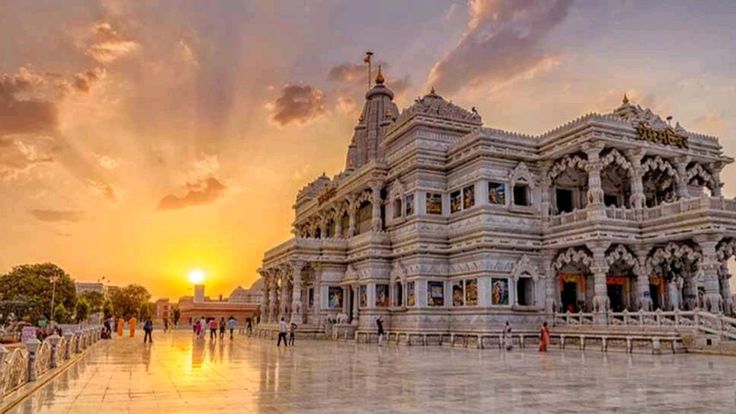
Braj: Govardhan Puja and Annakut
The day after Diwali, Braj turns to Govardhan Puja and Annakut. The names are often used interchangeably, but they are not quite the same thing. Govardhan Puja honours Krishna lifting Govardhan Hill (Giriraj) to shelter the cowherds. Annakut, meaning mountain of food, is the offering made that day, when temples heap many dishes before the deity.
Travellers come for two things: Annakut darshan in Mathura and Vrindavan temples, and the roughly 21 km Govardhan Parikrama around the hill. Crowds gather at Daan Ghati, Mansi Ganga, Jatipura, Radha Kund, Shyam Kund and Kusum Sarovar. Do not climb the hill. Start the walk before dawn if you attempt the full circuit, or cover part of it by e-rickshaw. Book stays in Mathura, Vrindavan or Govardhan early.
Gujarat: Bestu Varas and Annakut in Ahmedabad
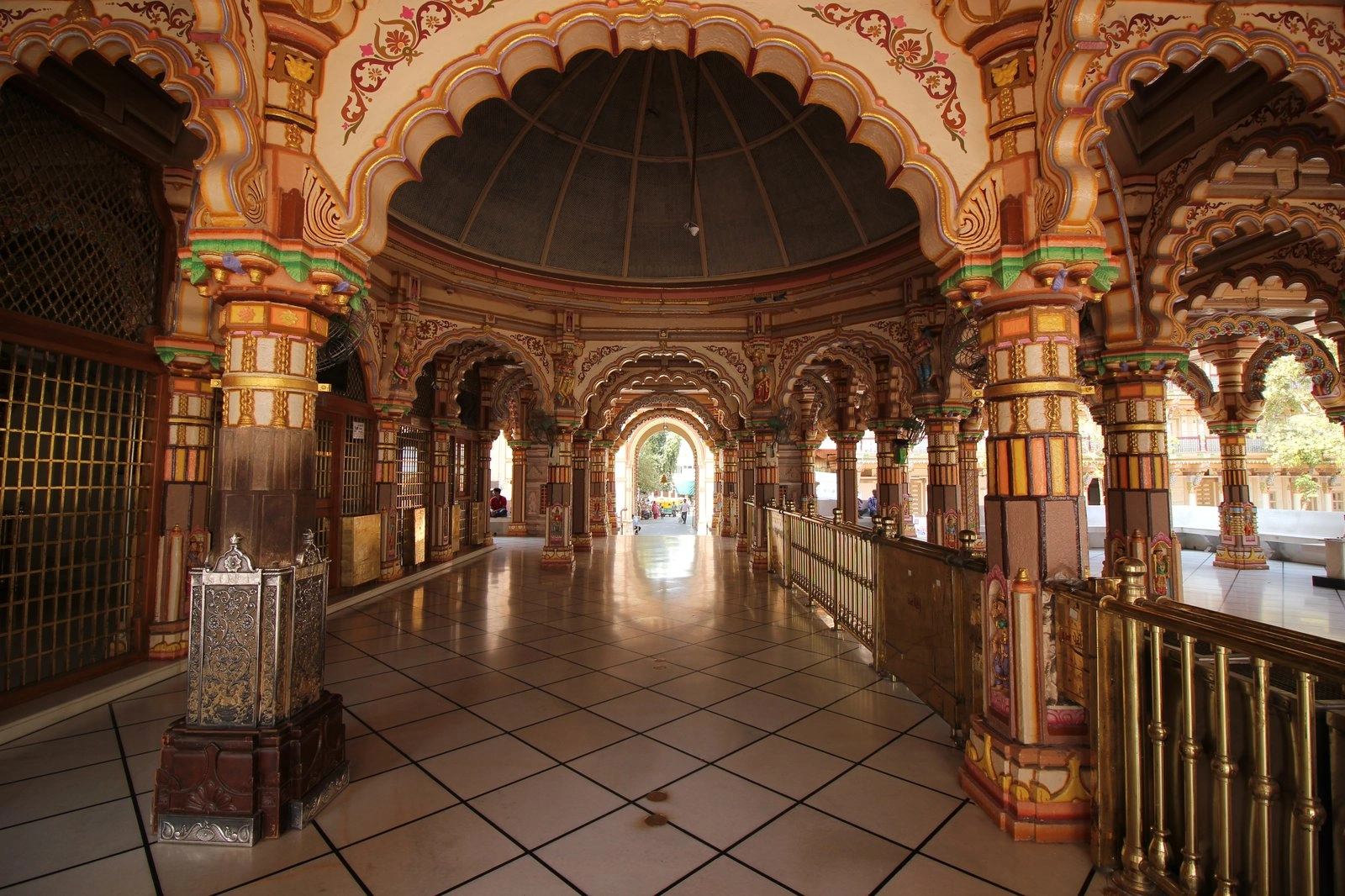
In Gujarat the same Kartik Shukla Pratipada day is Bestu Varas, the Gujarati New Year. The temple food offering is simply called Annakut. Bestu Varas and Annakut in Ahmedabad is how the city marks the turn of the year: first darshan, festive dress, and temples heaped with vegetarian dishes later shared as prasad.
Swaminarayan temples, including Kalupur and BAPS centres, are well known for large Annakut displays. Other Vaishnava and community temples join in. Morning queues at popular mandirs are long. Dress modestly, remove footwear, and try a neighbourhood temple if you want a quieter visit. Stay near Ashram Road, CG Road or the old city if you plan several stops. Elsewhere in north India this day is Govardhan Puja. In Ahmedabad, New Year and Annakut are the story.
What comes after: Chhath and Dev Deepawali
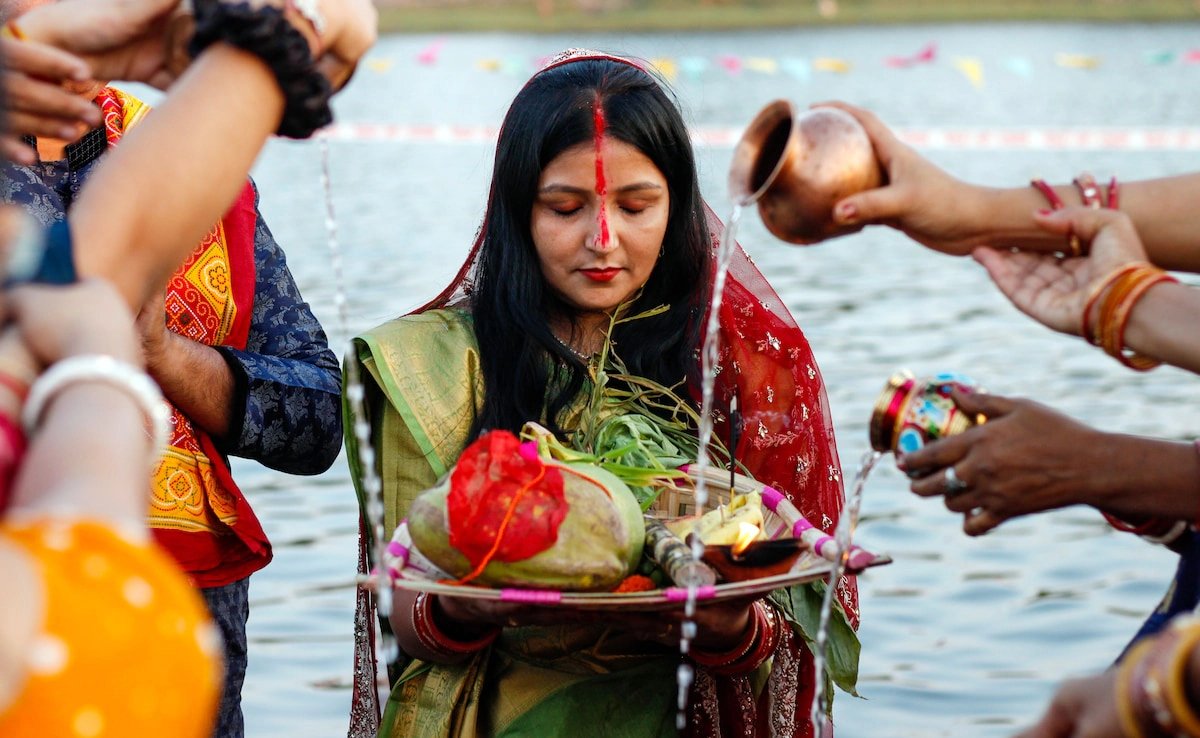
Diwali week is not the end of the season. A few days later, Chhath Puja draws devotees to riverbanks across Bihar and eastern Uttar Pradesh. Patna's Ganga ghats are among the strongest places to watch the disciplined multi-day offering to the setting and rising sun. It is quieter than Deepotsav in tone, and more intimate: families standing in the water at dusk and dawn.
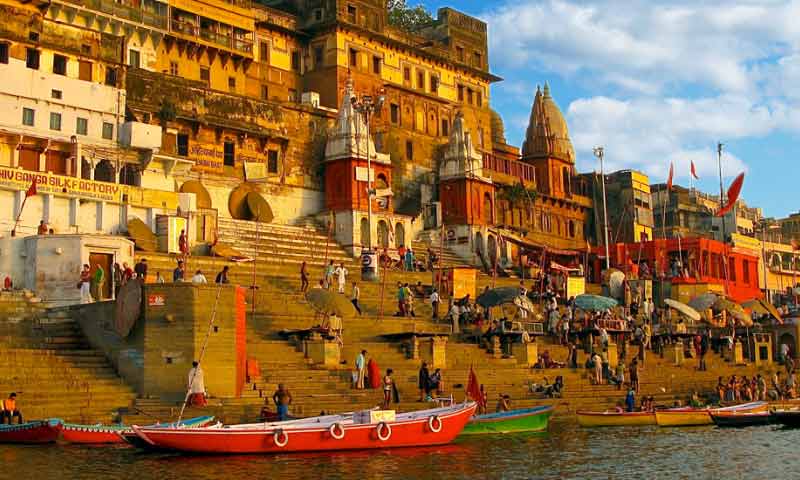
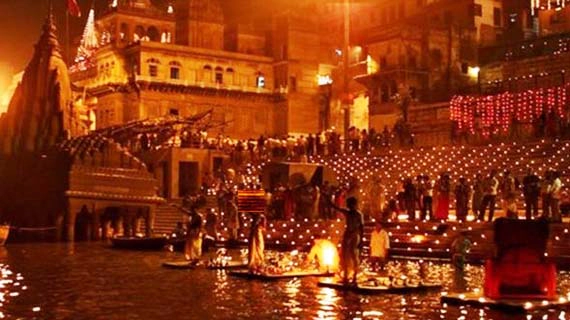
Then, on Kartik Purnima, Dev Deepawali in Varanasi lights the city's ghats with countless oil lamps. Evening rituals, Ganga aarti and views from the river make it one of the most striking nights of the year in the city. Book rooms and boats well ahead. Many travellers stay on after Diwali for this alone.
How to choose
Pick the place that matches the kind of night you want. Ayodhya for a mass of lamps on a single riverfront. Goa for street theatre and burning effigies. Kolkata for Kali pandals after midnight. Amritsar for a lit Harmandir Sahib and Sikh observance. Braj for the hill and the food offering. Ahmedabad for Gujarati New Year temple displays. Then, if you can stretch the trip, Patna for Chhath or Varanasi for Dev Deepawali.
None of these needs a ticket for the main ritual itself. What they do need is early booking, modest dress, patience with crowds, and a clear idea of which celebration you are actually going to see.
For the festival at home, from cleaning and sweets to the five days of Diwali, see From Ghar ki Safai to Ganga Aarti: Rediscover the Magic of Diwali Across India.
Cover photo: Floating diyas on the Ganges during Dev Deepavali. Photo: Rudolph.A.furtado, CC0 1.0, via Wikimedia Commons
Have a travel story to share? Write for us