Ramayana Places to Visit in India: Ayodhya to Rameswaram
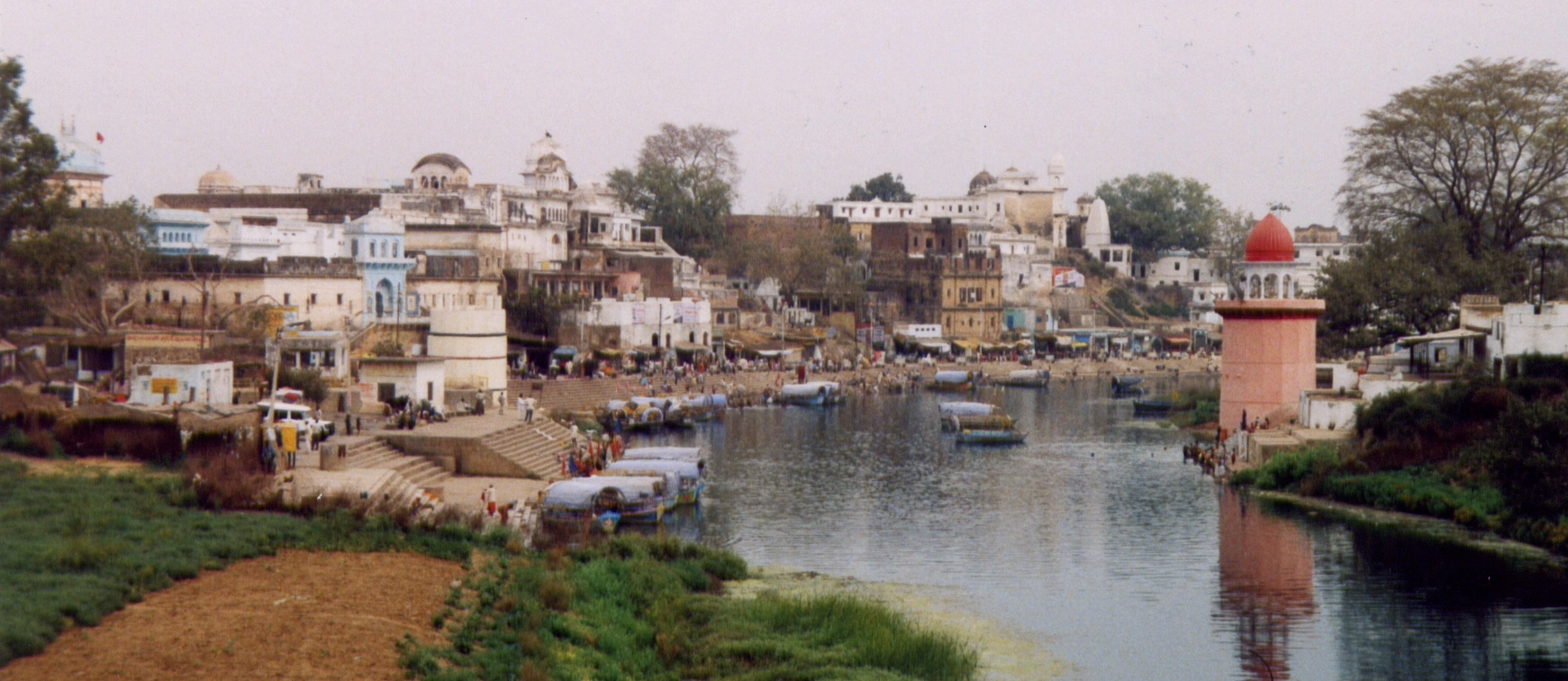
Photo: Bob K / Wikimedia Commons, CC BY 2.0 (https://creativecommons.org/licenses/by/2.0/).
Explore Ramayana-associated places from Ayodhya and Chitrakoot to Panchavati, Hampi and Rameswaram, with respectful storytelling and practical regional trip ideas.
Ayodhya, Chitrakoot, Panchavati in Nashik, the Hampi and Anegundi landscape, and Rameswaram are among India's best known places associated with the Ramayana. Shringverpur adds an important northern stop, while Dhanushkodi and Thiruppullani help explain the coastal traditions around the journey to Lanka.
These places are not checkpoints on a single archaeologically established route. Their associations draw on the epic, later retellings, temple traditions and local memory. A worthwhile journey makes room for those differences, as well as the living towns and communities you encounter today.
How to read a Ramayana travel map
The Ramayana tells of Rama's exile with Sita and Lakshmana, Sita's abduction, the alliance with Sugriva and Hanuman, and the journey towards Lanka. Across India, communities connect particular rivers, hills, caves and shrines with episodes from that story.
A traditional identification is not the same as proof that a specific event happened at a particular modern site. The age of a settlement or temple also does not establish the date of an epic episode. Read these places as a guide to cultural and devotional associations, not an attempt to settle historical geography.
The Ministry of Tourism has included Ayodhya, Shringverpur, Chitrakoot, Nashik, Hampi and Rameswaram in its Ramayana Circuit planning. [1]
1. Ayodhya: the story's royal home
In the Ramayana, Ayodhya is Rama's home and the kingdom from which he leaves for exile. Today, the city on the Sarayu is a major place of pilgrimage, with the Ram Janmabhoomi Temple at the centre of many visits. For devotees, this is the sacred birthplace of Rama. [2]
Visit the Ram Janmabhoomi Temple, then leave time for Hanuman Garhi and Kanak Bhawan, dedicated to Rama and Sita. A walk beside the Sarayu adds a different perspective from a temple queue: the riverfront is a place of everyday worship as well as festival gatherings.
Avoid reducing Ayodhya to one photograph and a quick departure. Choose a manageable number of shrines and check current entry procedures directly before arriving. Confirm permitted belongings and arrange storage for items you cannot take inside. Festival travel deserves separate planning rather than the same schedule as an ordinary weekday.
2. Shringverpur: Nishadraj and the river crossing
Shringverpur, also written Shringaverpur, belongs in this guide because its tradition concerns an important early episode of exile. Uttar Pradesh's tourism operator connects the place with Nishadraj and the crossing of the Ganga by Rama, Sita and Lakshmana. [3]
Focus on the riverfront and devotional places associated with Nishadraj. Ask a local guide which version of the story they are recounting: details of the boatman and the washing of Rama's feet are told differently across devotional traditions. Those variations are part of the visit, not a reason to force every telling into one account.
Consider Shringverpur within a Prayagraj and Chitrakoot journey. Prayagraj can be a practical stop for onward travel and a chance to explore the wider river landscape. Arrange local transport before setting out rather than assuming every riverfront stop has the services of a large city.
3. Chitrakoot: exile beside the Mandakini
Chitrakoot spans the Uttar Pradesh and Madhya Pradesh border. It is associated with Rama, Sita and Lakshmana's life in exile and with Bharata's appeal for Rama to return to Ayodhya. The Bharat Milap tradition makes this a place to think about family, duty and the decision not to return immediately. [4]
Begin at Ram Ghat on the Mandakini. Then choose between the Kamadgiri parikrama, the devotional circuit around the hill, and a smaller selection of sites such as Janaki Kund and Bharat Milap Temple. Janaki Kund is traditionally linked with Sita bathing; Bharat Milap commemorates the brothers' meeting.
Gupt Godavari's caves are another established visitor stop, associated locally with Rama and Lakshmana. They are an additional excursion, not something to squeeze into every short visit.
The Kamadgiri circuit is about five kilometres according to Incredible India. Treat it as a real walk, allowing for heat, crowds and your mobility. Ask about current conditions before visiting caves or low riverbank locations, especially during rain. A slower stay gives this landscape more room than a checklist of shrines. [4]
4. Nashik and Panchavati: the Godavari chapter
Panchavati in Nashik is associated with the exile and Sita's abduction. The district administration identifies the neighbourhood on the Godavari's left bank and records traditions around its banyan trees, Sita Gumpha and nearby temples. [5]
A useful visit brings together Kalaram Mandir, Sita Gumpha and Ramkund. Kalaram Mandir contains black stone images of Rama, Sita and Lakshmana. Sita Gumpha is a cave shrine associated in local tradition with Sita's stay during exile. Ramkund, on the river, is traditionally connected with Rama bathing.
These are living religious places, with daily rituals continuing around visitors. Around the ghats, give families conducting rites space and ask before photographing people. Confirm whether the cave visit suits your mobility and comfort before joining the queue; skipping an interior does not prevent you appreciating the neighbourhood.
For a wider Ramayana focused visit, the district also associates Tapovan with Rama and Lakshmana. Keep it as an optional addition rather than letting an expanding list of shrines crowd out time at Panchavati itself. [5]
5. Hampi and Anegundi: the Kishkindha tradition
The boulder landscape around Hampi and Anegundi is widely associated with Kishkindha, the kingdom linked in the epic with Sugriva and Vali and with Rama's alliance with Hanuman. Karnataka Tourism places Anjanadri Hill near Anegundi, across the Tungabhadra from Hampi, within this devotional landscape. [6]
This identification needs careful wording. The modern Hampi and Anegundi region is a traditional identification of Kishkindha, not an uncontested archaeological location of the epic kingdom. Likewise, Anjanadri is revered locally as Hanuman's birthplace; that belief should not be presented as a settled historical conclusion or the only birthplace tradition.
Visit Anjanadri for its hilltop temple and views, and spend time in Anegundi rather than treating the region solely as an extension of Hampi's monument circuit. Karnataka Tourism describes more than 550 steps on the Anjanadri climb. Plan for a sustained stair ascent, carry drinking water and do not feed monkeys. [6]
Give Hampi's Vijayanagara monuments their own context. Those documented remains and the region's Ramayana associations are different layers of heritage. Confirm road transfers and river crossing arrangements locally instead of assuming a boat will always be operating.
6. Rameswaram and Dhanushkodi: coastal traditions
Rameswaram's Ramanathaswamy Temple connects the Ramayana journey with the worship of Shiva. The district's account recounts the tradition of Sita preparing a lingam when Hanuman's arrival with another was delayed. Allow time to appreciate the corridors and carved pillars as well as the temple's continuing devotional life. [7]
Agni Theertham, by the sea near the temple, is another important pilgrimage stop. Participation in bathing rituals is a personal choice, not a requirement for understanding the place.
Dhanushkodi adds devotional associations and a distinct modern history. The district records the destruction caused by the 1964 cyclone and the survival of Kothandaramaswamy Temple. It also records the local belief connecting that temple with Vibhishana's surrender to Rama. [7]
Dhanushkodi is about 18 kilometres from Rameswaram according to the district administration. Treat the coastal outing as a separate part of your day and follow current local access and sea safety instructions. The offshore sandbanks known as Ram Setu or Adam's Bridge are associated with the epic crossing in devotional tradition; they are not a walking route to Sri Lanka.
For a longer regional visit, consider Thiruppullani near Ramanathapuram. Its Adi Jagannatha Perumal Temple is associated with Rama praying to the ocean deity for a way to Lanka. It is a meaningful extension of the coastal story, rather than another island stop. [7]
Plan regional journeys, not one rushed circuit
For a first trip, choose one cluster:
- Northern journey: Ayodhya, Shringverpur and Chitrakoot, with Prayagraj considered for onward travel. Allow separate transfer days where needed.
- Maharashtra visit: Nashik and Panchavati, with Tapovan if time allows.
- Karnataka visit: Hampi and Anegundi, separating monument sightseeing from the Anjanadri climb.
- Tamil Nadu visit: Rameswaram and Dhanushkodi, with Thiruppullani as an additional mainland excursion.
These are editorial groupings, not timed package itineraries. Check transport connections before deciding how many nights to book. Temple queues, walking ability and weather matter more than collecting every name on a map.
No single short journey can represent all Ramayana traditions. Begin with a region you can explore patiently, listen to how its residents tell the story, and keep belief, literary narrative and documented history distinct. That makes the journey more respectful and more interesting.
Sources
- Ministry of Tourism, Ramayana Circuit destination list
- Incredible India, Ayodhya
- Uttar Pradesh State Tourism Development Corporation
- Incredible India, Chitrakoot
- Nashik district administration
- Karnataka Tourism, Anjanadri Hill
- Ramanathapuram district administration
Cover photograph: Chitrakoot bathing ghats on the Mandakini River by Bob K, CC BY 2.0.
Have a travel story to share? Write for us