Caron Rawnsley: The Irishman Helping Save Jodhpur's Stepwells
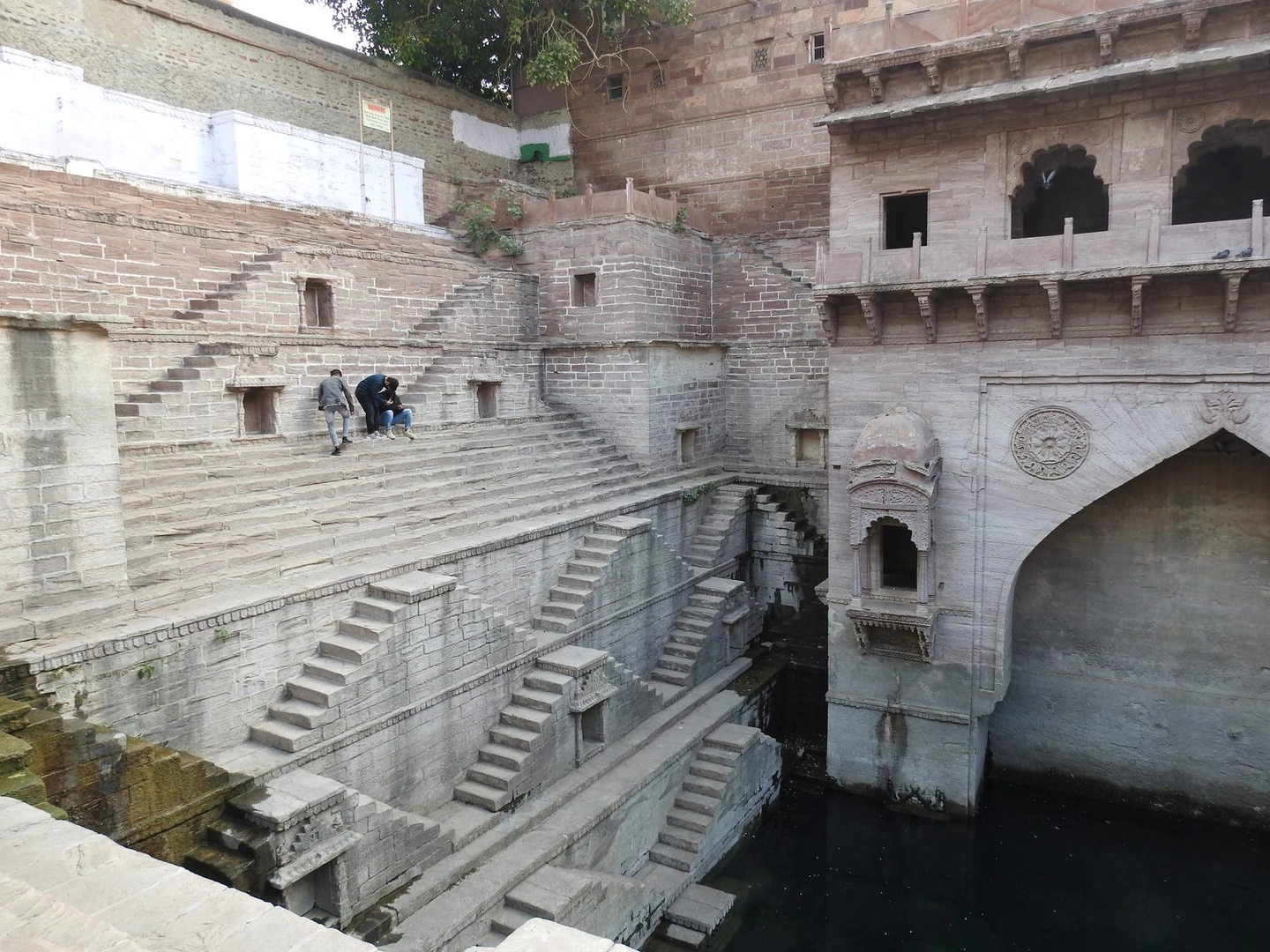
Photo: Dr. Raju Kasambe, CC BY-SA 4.0 (Wikimedia Commons)
How Irish volunteer Caron Rawnsley has helped clean Jodhpur baoris and jhalras since 2014, with residents, INTACH and Mehrangarh Museum Trust, and why that differs from hotel-led restorations such as Toorji Ka Jhalra.
In Jodhpur, an Irish volunteer named Caron Rawnsley has spent years pulling plastic, silt and rubbish out of the city's old baoris and jhalras. Locals once called him Paagal Saab. Later coverage began calling him Jodhpur's Aquaman. His story is less a lone rescue of the Blue City's water architecture than a long, collaborative cleanup of structures that once stored monsoon rain for a desert town.
Why Jodhpur's stepwells matter
Before large canal supplies reached Rajasthan, Jodhpur relied on a linked system of lakes, canals, tanks, wells and stepwells. Baoris and jhalras collected and held water where it evaporated more slowly. An interview published on 18 May 2019 notes that many of these working reservoirs fell into disuse after newer supply systems arrived, and that some later became dumping grounds.
That neglect is still widespread. A 24 July 2026 ground report cites a 2024 Geoheritage survey of about 134 Jodhpur stepwells and reports that most remained in poor condition. Cleaning a handful of sites does not mean the city's water heritage is fixed. It does mean some places are being brought back into public notice.
How Rawnsley began
Stronger English reporting places Rawnsley's Jodhpur stepwell work from the latter half of 2014. In that 2019 interview he said he arrived around then, was shocked by the condition of the water structures, and decided to clean them when appeals to municipal bodies brought little response. Later reporting recounts that he came looking for places linked to his mother's past in India and stayed on. A few Hindi reports give a later arrival year; treat 2014 as the better supported start for the cleanup work.
His methods have been practical rather than ceremonial: lowering water with pumps, removing debris by hand, returning to the same sites, and asking neighbours to stop treating them as latrines or dumps. By July 2026, coverage described him as about eighty, living in a modest old-city guesthouse and still going out with a wooden stick after a leg fracture.
Cleaning is not the same as architectural restoration
It helps to keep two kinds of work apart.
Rawnsley's public record is about citizen cleaning and maintenance: clearing waste, desilting where possible, improving access to steps, and pushing for regular care. Mehrangarh Museum Trust and INTACH's Jodhpur chapter later gave labour, pumps and organised clean-up drives, according to 2019 reporting and comments from Mahendra Singh Tanwar. Local volunteers joined at different times. By July 2026, reporting said much of the remaining day-to-day cleaning depended on volunteers, many of them women, after Rawnsley's earlier full-time helpers retired during his medical treatment.
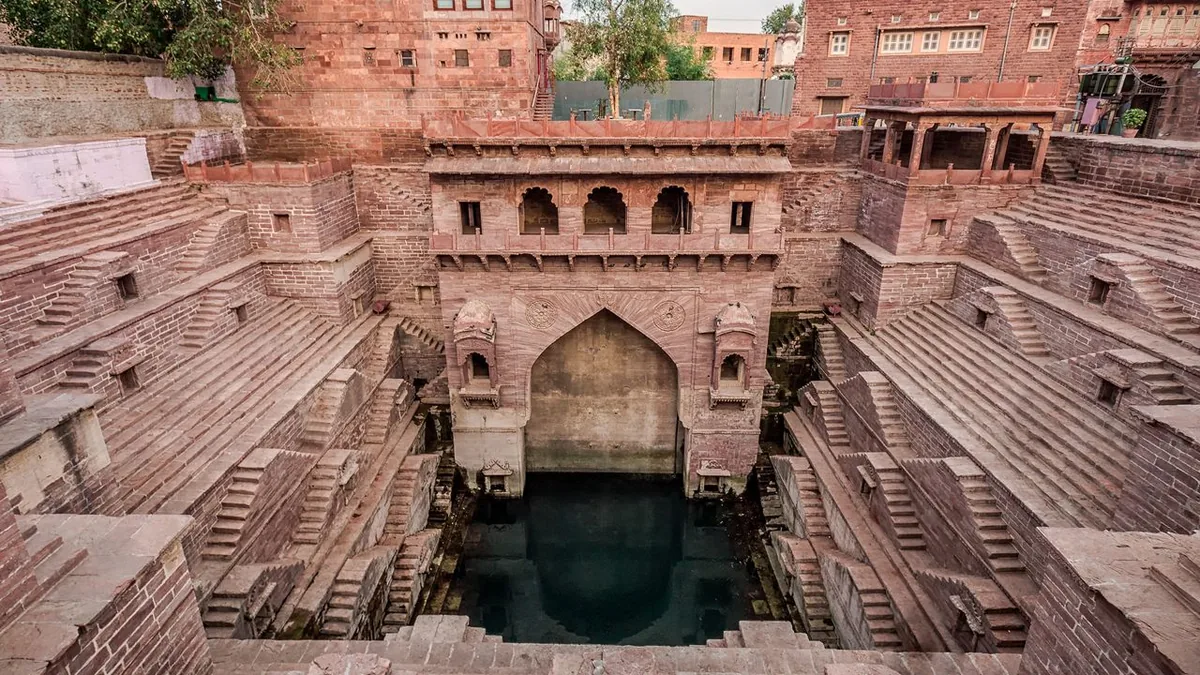
That is different from a financed architectural conservation project. The best known example in the old city is Toorji ka Jhalra. A 22 March 2017 magazine note credits the RAAS hotel founders, with help from Jodhpur's maharajah, with purifying the pool and restoring the carved steps around that time. Later coverage notes that visitors looking for Rawnsley are often pointed toward Toorji's steps, where he is sometimes found. Presence is not the same as authorship of that hotel-led restoration.
The cover photograph on this article shows Toorji Ka Jhalra itself. Read it as an image of Jodhpur's stepwell architecture, not as proof that Rawnsley restored that particular well.
Projects most often linked to the cleanup
Across the 2019 interview and later reporting, Rawnsley is repeatedly said to have helped revive about ten historic waterbodies. Named sites that appear in those stronger accounts include:
- Mayla Bagh ka Jhalra, also written Mahila Bagh in some reports: 2026 reporting identifies it as an early focus around 2015, with later restoration work continued by the Scwedia Foundation
- Ram Bawari
- Govinda Bawari
- Mahamandir Bawari
- Chandpol Bawari
- Kriya Jhalara
- Tapi Bawari
- Gulab Sagar
Some Hindi reporting lists more names and even includes Toorji among cleaned sites. Treat those longer lists carefully. Cleaning litter at a tourist stepwell is not the same as leading its architectural revival, and not every named well should be presented as fully restored or permanently protected.
The same sources are clear that cleaned places can slide again. The 2019 interview quoted Trust and volunteer voices about sites that people began to deface after initial work. July 2026 reporting notes plastic returning with monsoon runoff, thin institutional funding for masonry repair, and municipal desilting underway at Gulab Sagar and Sati Sagar around that time. Rawnsley, as quoted there, argued that machinery timing during the monsoon was poorly chosen and said structural stonework still needed government interest and money that volunteers with sticks cannot supply.
A collaborative story, not a sole-saviour tale
Credit belongs in several places at once:
- Rawnsley, for persistence and public attention
- Residents and volunteers who joined clean-ups and later maintenance
- Mehrangarh Museum Trust and INTACH Jodhpur for labour, logistics and outreach described in 2019 reporting
- Later site-specific partners such as Scwedia Foundation at Mayla Bagh, according to 2026 reporting
- Civic machinery when Nagar Nigam or other agencies actually desilt or repair
July 2026 coverage also records public praise from industrialist Anand Mahindra and a meeting with Rajasthan Deputy Chief Minister Diya Kumari. Those moments raise visibility. They do not replace day-to-day waste management, pump access or masonry budgets.
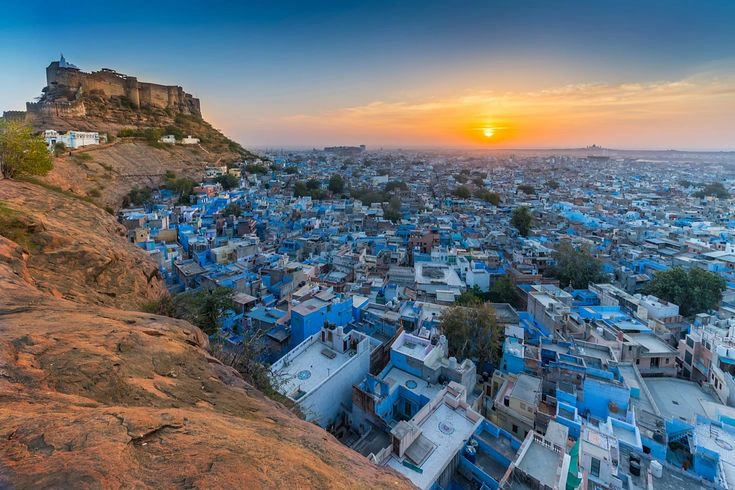
Nearby landmarks help put the water story in context for travellers: Mehrangarh Fort above the old city, and the lanes around Clock Tower and Sardar Market. Stepwells sit inside that lived landscape, not apart from it.
Visiting responsibly
If you include stepwells on a Jodhpur walk:
- Treat them as fragile public heritage and neighbourhood water infrastructure, not as prop rooms for photographs.
- Do not throw plastic, food waste or ritual leftovers into the water.
- Stay off damaged edges and do not climb carved niches for pictures.
- Ask before photographing people working or resting on the steps.
- Do not assume every named baori is open, safe or maintained. Conditions change, and some sites may be locked, under works or still heavily fouled.
- If you want to support cleanup work, arrange that through local organisations rather than turning up uninvited with a bag of tools.
Rawnsley's reported aim, in both 2019 and 2026 coverage, includes education: getting children and neighbours to value water as a scarce desert resource. Travellers can reinforce that idea simply by leaving less mess than they found.
What this story is, and is not
Caron Rawnsley is an Irish resident of Jodhpur whose decade-plus cleanup work has helped bring attention back to neglected baoris and jhalras. The best supported picture is collaborative maintenance of a limited set of sites, not a completed restoration of all 134 stepwells. Architectural showpiece projects such as Toorji Ka Jhalra have their own hotel-led history. For visitors, the practical takeaway is modest: look carefully at the city's water architecture, credit the many people keeping it from filling with rubbish again, and travel lightly around whatever still holds water.
Sources
- The Better India, 18 May 2019: interview on Rawnsley's cleanup work, named wells and Mehrangarh Museum Trust / INTACH support
- The Print, 24 July 2026: ground report on Rawnsley at about eighty, Mayla Bagh timeline, collaborators and municipal desilting
- The New York Times T Magazine, 22 March 2017: RAAS-linked restoration of Toorji Ka Jhalra
- Living Waters Museum, Aquaman of Jodhpur recognition page
- The Better India, 17 August 2026: short update still describing Rawnsley's Aquaman role
Cover photograph: Toorji Ka Jhalra, Jodhpur by Dr. Raju Kasambe, CC BY-SA 4.0. Architectural restoration of this stepwell is separately credited in press accounts to the RAAS hotel project, not to Rawnsley's cleanup campaign.
Have a travel story to share? Write for us