Ranked Above the Louvre: Nine Hours Inside Patna's Bihar Museum
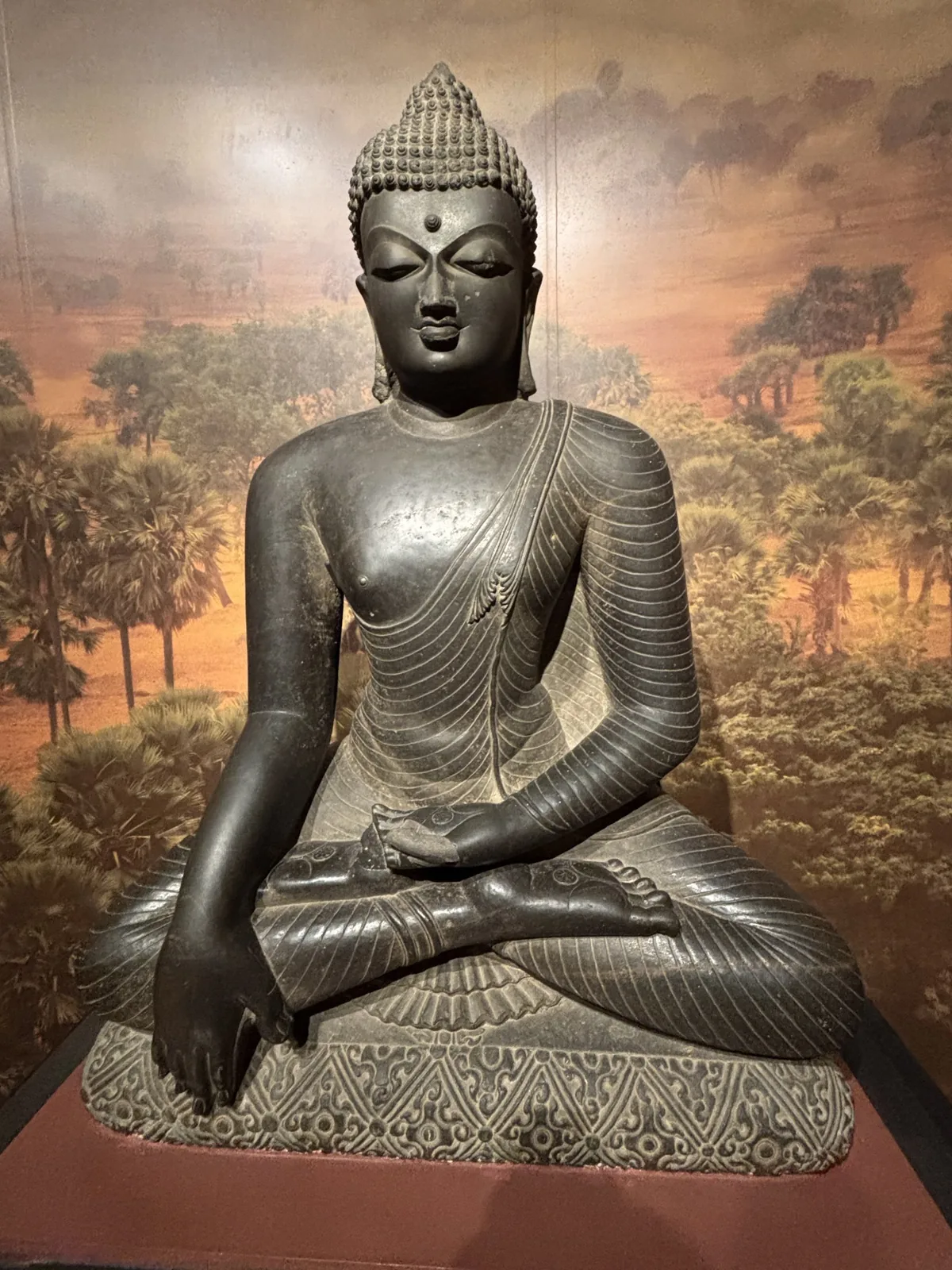
Photo: Sandip Mukherjee, Used with permission
Ahead of the Louvre? I spent nine hours finding out. A visitor's account of the Bihar Museum in Patna, ranked ninth among the world's best museums, ahead of the Met and the Louvre.
Ahead of the Louvre? I spent nine hours finding out.
A space that does not merely speak of history, it makes you a part of it...
The Bihar Museum is not only a place where history is displayed. It is a place that makes history feel close, personal and alive. The Bihar Museum, for me and many others I talked to, indeed turned out to be a journey through the pride of India.
This October, social media was full of news that the Bihar Museum in Patna had been ranked ninth in Worth a Journey's 2026 list of the world's 100 best museums. It was placed above New York's Metropolitan Museum of Art, which ranked tenth, and Paris's Louvre, which ranked 31st. It was also the highest-ranked museum in Asia and the only Indian museum on the list.
It was a moment of pride, surprise and curiosity.
How could a relatively new museum in Patna, still unknown to many of us, suddenly be compared with some of the world's most famous museums?
For many of us who grew up in Kolkata, the Indian Museum on Chowringhee has always been our window to history, art, anthropology and civilisation. Its Egyptian mummy, whale skeleton, ancient sculptures, coins, fossils and many other exhibits have fascinated generations. Being one of the oldest museums in Asia, it has always had a special place in our hearts.
So, naturally, the news about the Bihar Museum was interesting. There was only one way to find out. Visit it. And that is exactly what we did earlier this month.
A museum worth visiting again
After spending nearly two days and about nine hours exploring its galleries, I can safely say that the Bihar Museum is an extraordinary experience. I came away feeling that I need to visit it again.
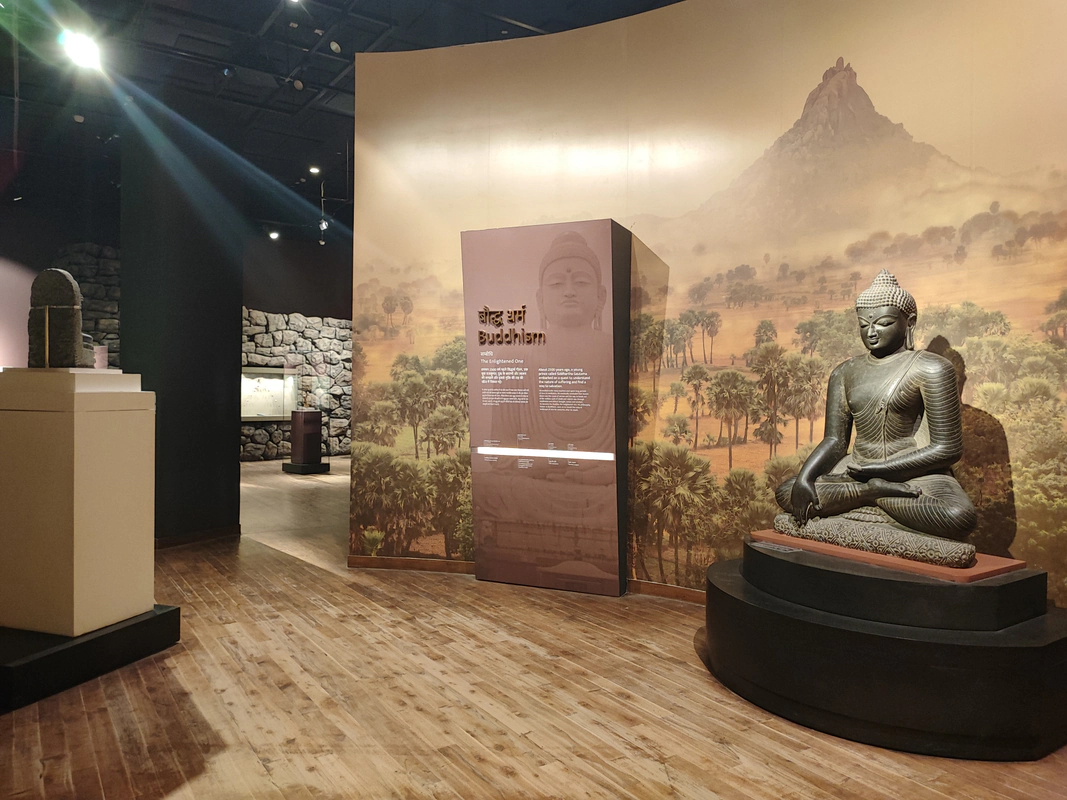
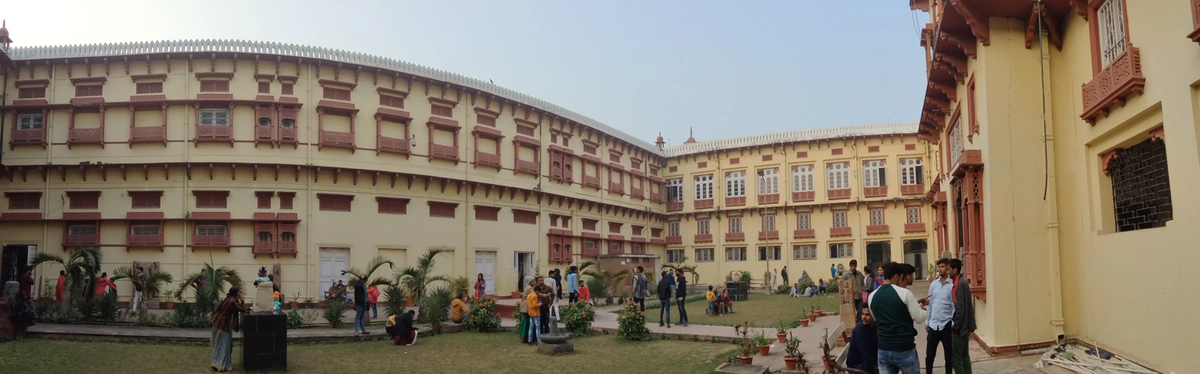
The museum is spread over a large, thoughtfully designed building. It takes visitors through India's history, art, culture and civilisation. The galleries (four main huge ones and, on the flanks, other very interesting ones featuring the Bihari diaspora and their life and times, arts, children's very interactive gallery, gift-shop etc.,) are spacious, well organised and beautifully presented. The exhibits are arranged in a way that helps visitors appreciate our history in order, from early times to later periods.
As mentioned there are several galleries, interactive displays, a junior's section, audiovisual presentations, a film auditorium and activities where visitors can try making a virtual coin inspired by the Mauryan period.
There is also a fascinating art section. When you need a break, The Pot Belly, the museum's restaurant, serves excellent and authentic Bihari food.
The museum is not just a collection of old objects kept behind glass. It tells stories. It connects people, kingdoms, ideas, discoveries, art and everyday life across centuries. As you walk through the galleries, you see how civilisations developed, how ideas travelled, how religions grew, how rulers rose and fell, and how art and knowledge flourished.
How the Bihar Museum came about
The story of the museum itself is interesting.
The old Patna Museum, established in 1917, had collected a large number of artefacts over the years. But its building had limited space, and many valuable objects could not be displayed. The idea of expanding the old museum was later replaced by a more ambitious plan to create a new institution.
The then Chief Minister, Nitish Kumar, wanted a modern museum that could present Bihar's rich heritage to the world in a way worthy of its historical importance.
The project began around 2011. The foundation stone was laid on 9 July 2013 on Bailey Road, Patna. The building was designed by the famous Japanese architect Fumihiko Maki, along with Mumbai-based Opolis Architects. The museum began opening in 2015, and the remaining galleries were opened in 2017.
Spread over about 5.6 hectares, with nearly 24,000 square metres of built-up area, it is a remarkable architectural and cultural project.
The idea was simple but powerful: Bihar's history is not only the history of one state. It is an important part of India's history.
Walking through centuries
The galleries take visitors through a wide range of historical periods, from prehistoric times and the Indus Valley Civilisation to the Nandas, Mauryas, Shungas, Guptas, Vardhanas and Palas and more. The story continues through the medieval period, the arrival of different rulers and influences from Central Asia, the Turks, Afghans, Mughals and finally the British.
Bihar's geographical importance becomes clear as one follows the story of the ancient Mahajanapadas.
Vaishali, Magadha and Anga played major roles in shaping the political and cultural history of ancient India. Their influence went far beyond present-day Bihar, reaching large parts of northern India, areas towards the north-west and Afghanistan, and, at different times, Orissa, Bengal in the east and the Deccan in the south.
The museum also brings alive Bihar's contribution to education and knowledge through institutions such as Nalanda, Vikramshila, Odantapuri and Jagaddala. These were centres of learning where scholars studied philosophy, mathematics, medicine, astronomy, languages, logic and literature. Students came from distant lands to study there.
It was here that the Chinese monk and scholar Xuanzang, often called Hiuen Tsang, came seeking knowledge. I-Tsing, another Chinese traveller and scholar, also visited India in the seventh century and studied at Nalanda.
The exhibits make you think about the achievements of our ancestors and the advanced societies in which they lived.
The land of Buddha, Mahavir and Ashoka
Bihar has a special place in the spiritual history of India and the world.
It is the land associated with Gautam Buddha, whose teachings changed religious and philosophical thought across Asia. It is also associated with Mahavir, the 24th Tirthankara of Jainism. And it is the birthplace of Guru Gobind Singh, the tenth Guru of Sikhism, who was born in Patna.
The story of Ashoka, his empire, his conquests and his later embrace of Buddhism is another fascinating chapter. The ancient republican tradition of the Lichchhavis at Vaishali, where no 'king' ruled; instead, nobles discussed and reached decisions together, the rise of Magadha, and the growth of learning and culture make this region one of the most important centres of ancient Indian civilisation.
The museum also reminds us of Sujata, whose offering of milk-rice (kheer) to Buddha before his enlightenment is remembered as an act of compassion, or daan. It also tells the story of Amrapali, the celebrated courtesan and nagar vadhu of Vaishali, whose later association with Buddha reflects a powerful story of change and renunciation, or tyag.
The museum brings together these stories, people and historical events in a way that makes them easier to understand and appreciate.
A treasure worth discovering
Among the many exhibits, the magnificent Didarganj Yakshi is especially striking. This celebrated sculpture is generally dated to the 3rd century BCE, during the Mauryan period. It is admired for its fine polish, graceful proportions and artistic beauty.
The Bihar Museum describes it as a Chunar sandstone sculpture from the Mauryan period. It was discovered by chance near the banks of the Ganga at Didarganj, near Patna, in 1917.
Standing before such works, one cannot help but admire the artistic skill, craftsmanship and imagination of people who lived thousands of years ago.
The Bihar Museum is, therefore, much more than a museum. It is an opportunity to reconnect with our roots, understand the civilisation we have inherited, and appreciate the contribution of this land to India's intellectual, spiritual and artistic heritage.
Did it deserve the ranking?
After visiting, I understand why the Bihar Museum received so much attention.
It may not have the worldwide fame of the Louvre or the Met, and perhaps a travel-guide ranking is not the only measure of a museum's importance. But the Bihar Museum does something superbly well: it presents Bihar's long and rich history in a clear, beautiful and highly engaging way.
For an Indian visitor, it is not just about seeing old objects. It is about seeing the story of a land that shaped ideas, faith, learning, art and political life across centuries. The museum gives that story space, light and dignity. After all the history of Bihar was once indeed the history of India.
That is why, after nine hours there, I felt the ranking was not merely a social-media headline. It was a reminder that world-class experiences can be found in India, and sometimes closer home than we expect.
Plan your visit
- The Bihar Museum is closed on Mondays.
- The main galleries are open from 10:00 am to 5:00 pm.
- The Children's Gallery, Children's Café, museum shop and library are open from 10:00 am to 7:00 pm.
- The restaurant is open from 10:00 am to 9:00 pm.
- Tickets for Indian adults cost Rs 100/- and for Indian children Rs 50/- during regular hours. Evening tickets after 5:00 pm cost Rs 50/- for Indian adults and Rs 25/- for Indian children.
- Keep at least half a day for the museum. If you enjoy history and art, a full day is definitely better.
If you are visiting Patna, you can also plan a separate visit to the old Patna Museum and the Kumhrar ruins, which are connected with ancient Pataliputra. In fact, make it a trip. Nalanda, Rajgir (Rajagriha, the ancient pre-Mauryan capital), Bodh Gaya, Gaya, Vaishali are all within a day's drive of Patna and seeing the sites after the museum, brings them alive.
Dekho Apna Desh
Before travelling to distant lands in search of history and marvels, perhaps we should first explore our own country.
The Bihar Museum is a reminder of how much there is to discover, learn and celebrate within India.
Go there and spend time. Do not hurry. Take your children and grandchildren. Walk through the galleries, read the stories, admire the sculptures and reflect on the past.
And do not be surprised if, like me, you find yourself planning another visit before you have even left.
A few photographs from the museum
Sharing a few photographs of some remarkable exhibits from the museum, including the magnificent Didarganj Yakshi, which alone to many is worth the visit.
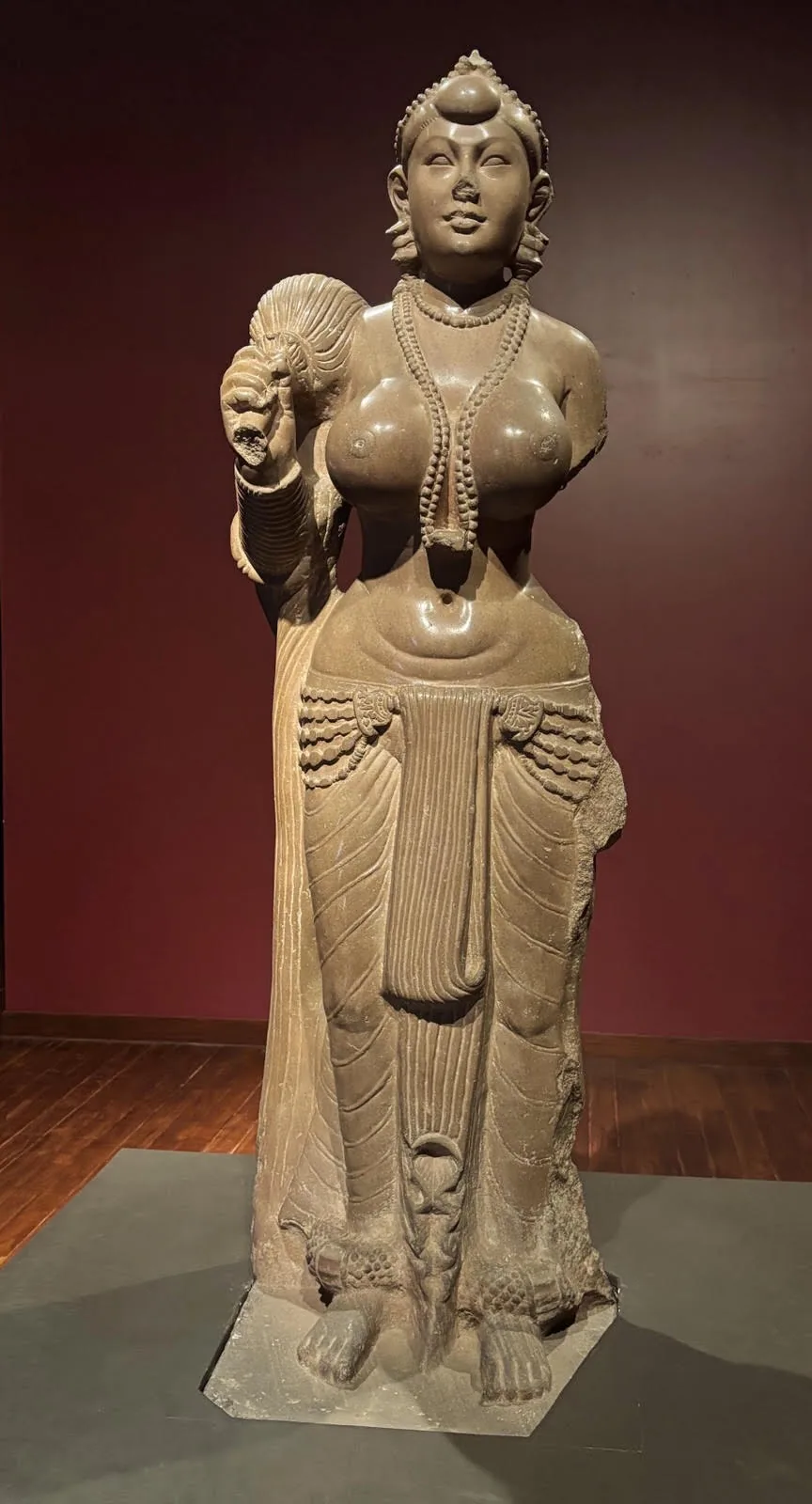
The exquisite Didarganj Yakshi, a chance discovery, generally dated to the 3rd century BCE. It is regarded by many as one of the finest examples of ancient Indian sculpture.
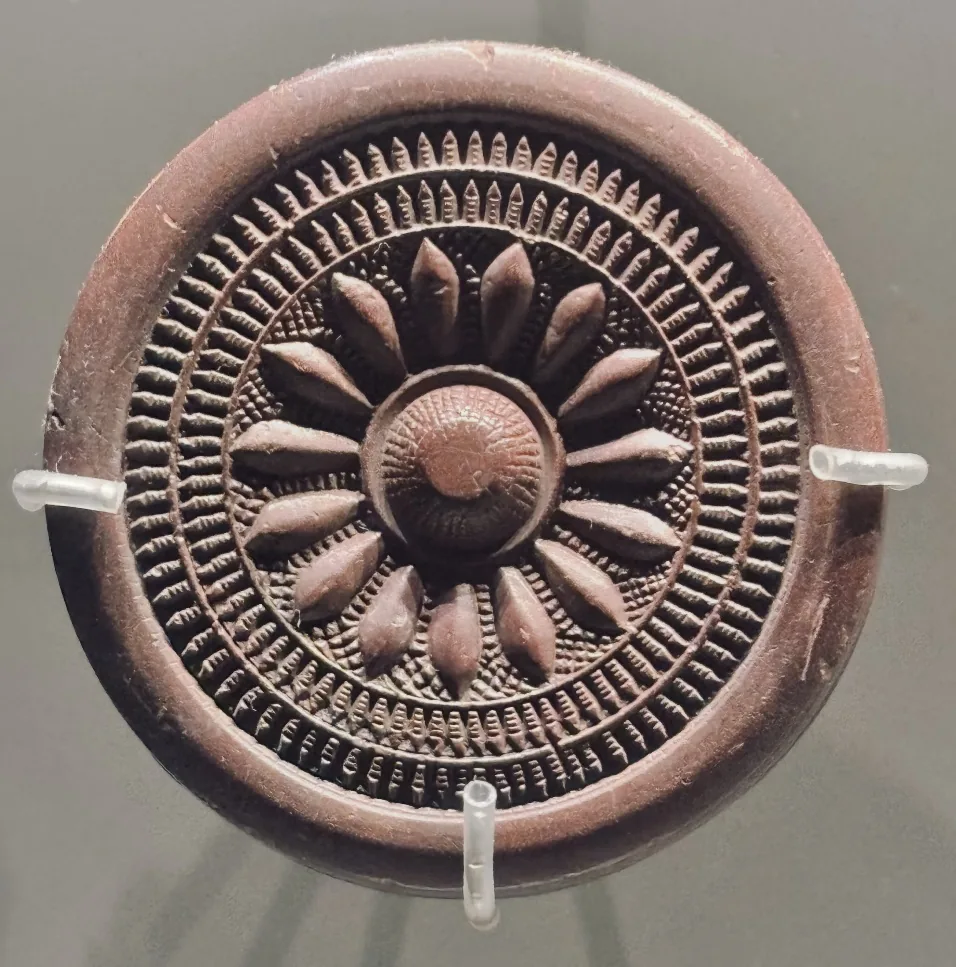
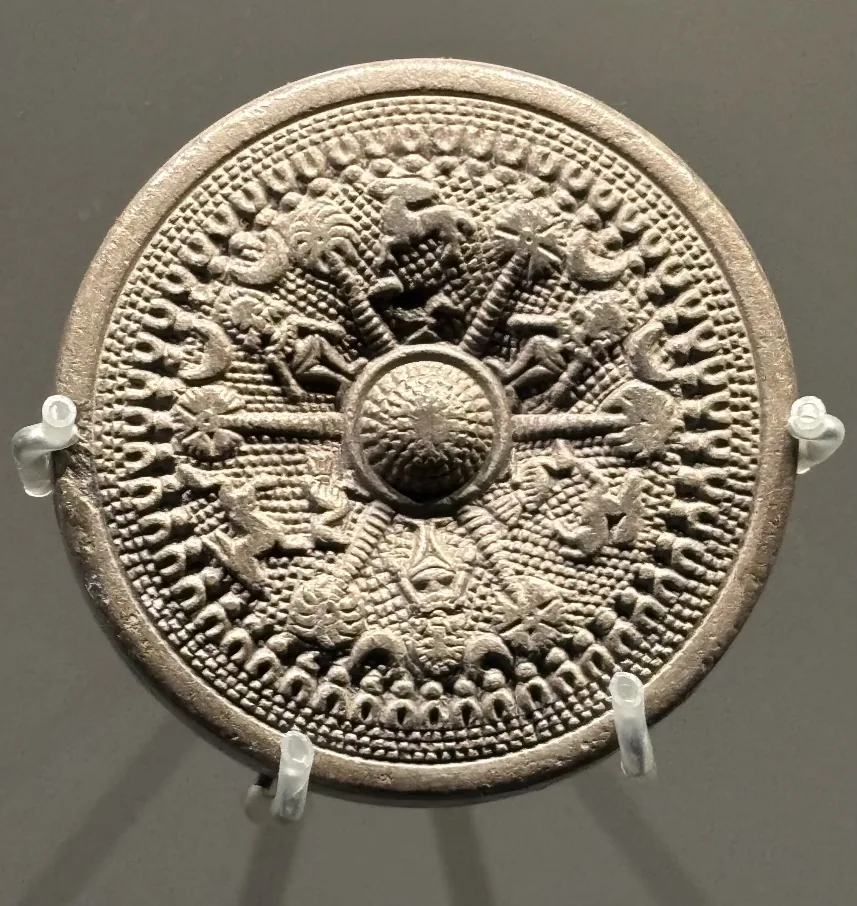
Fine terracotta motifs, Shunga period, approximately 2nd century BCE.
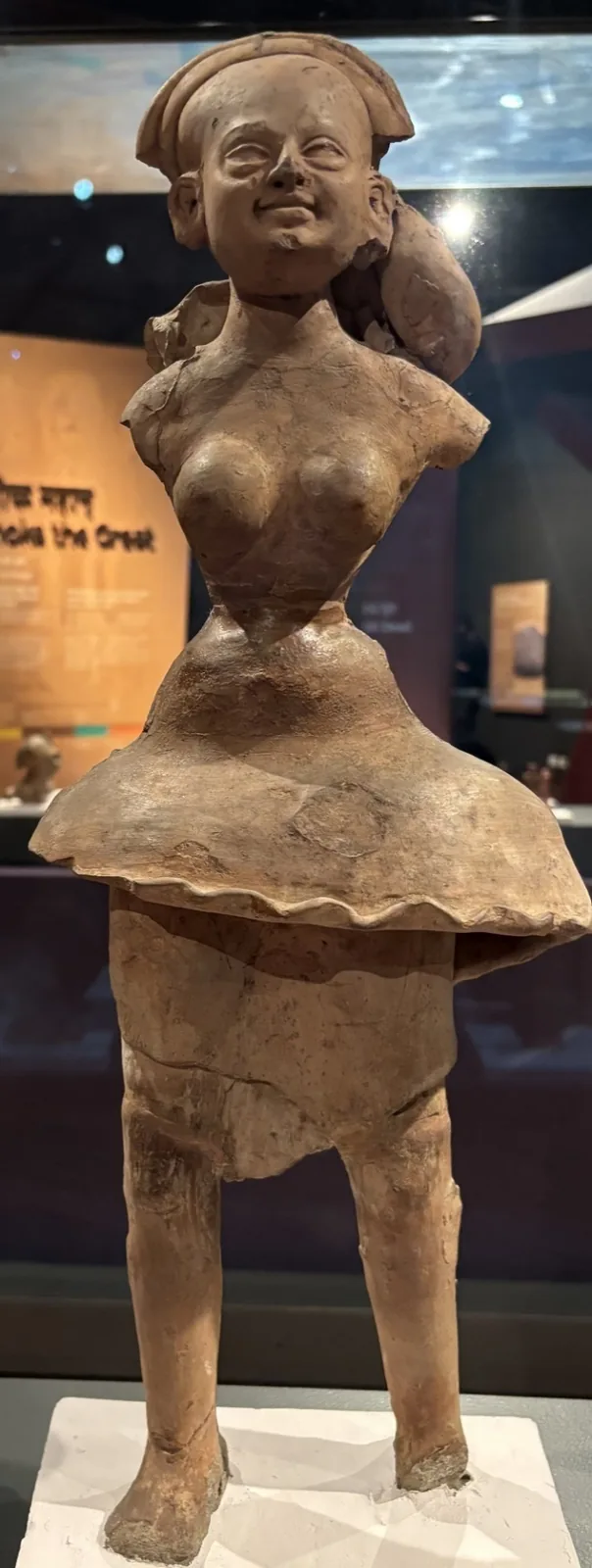
Kumhrar ruins, Ashokan terracotta work, The Dancing Girl, 3rd century BCE, Pataliputra.
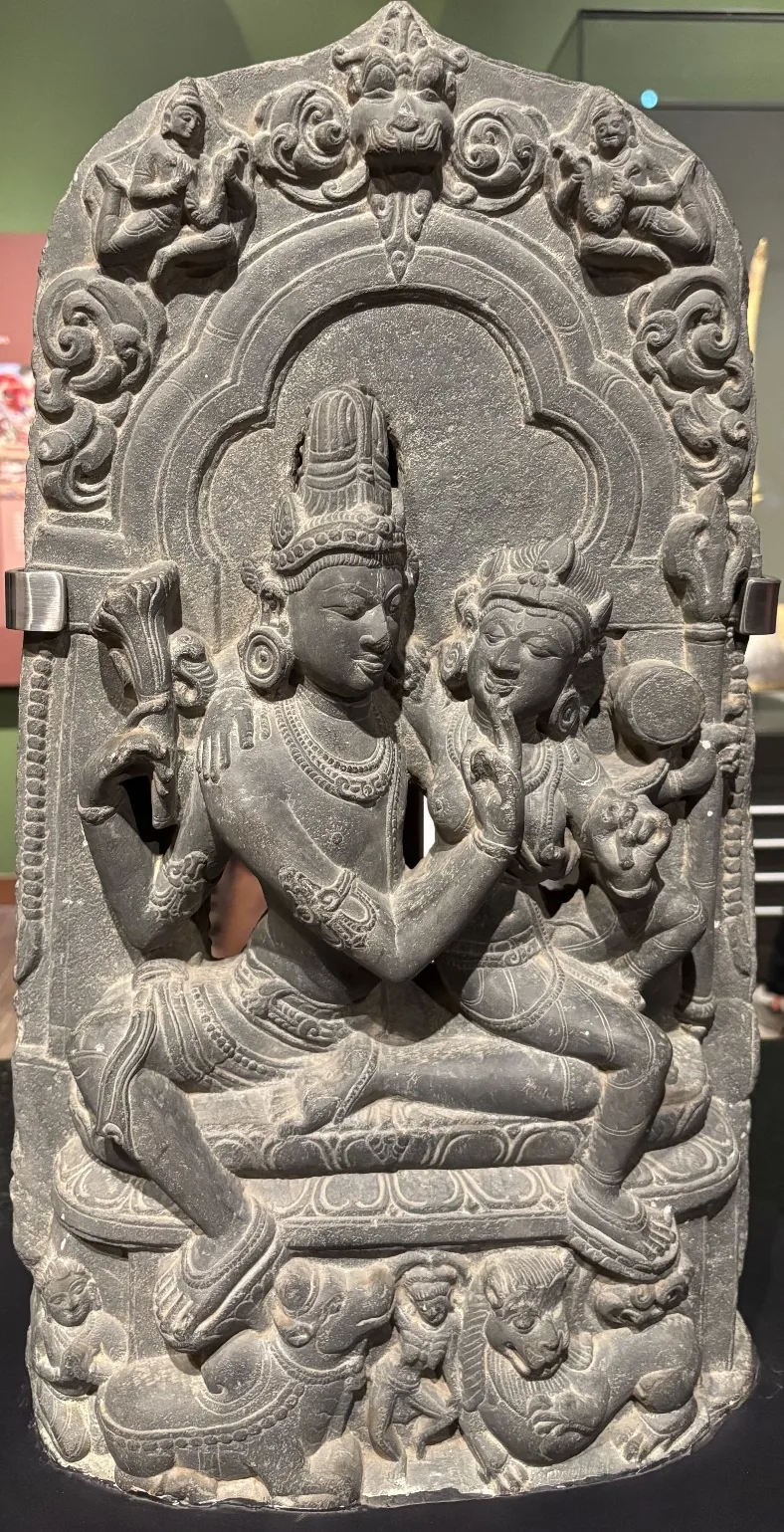
Shiva-Shakti, early Palas, 8th century CE
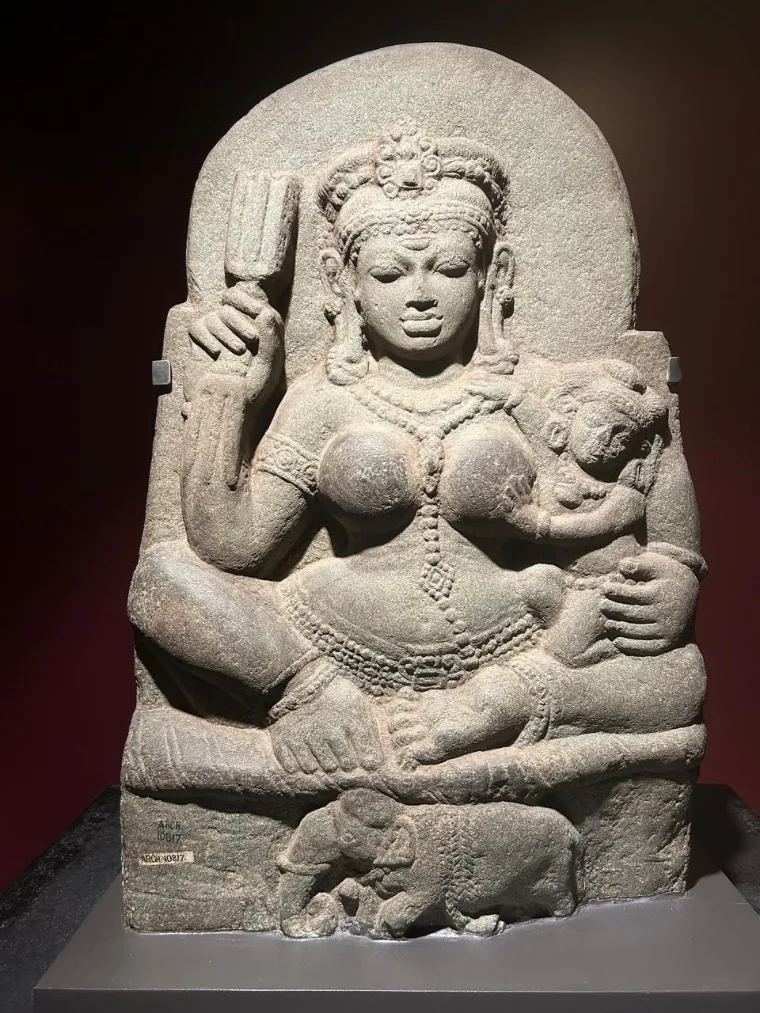
Indrani, Saptamatrika collection, Gupta period, 4th to 6th century CE.
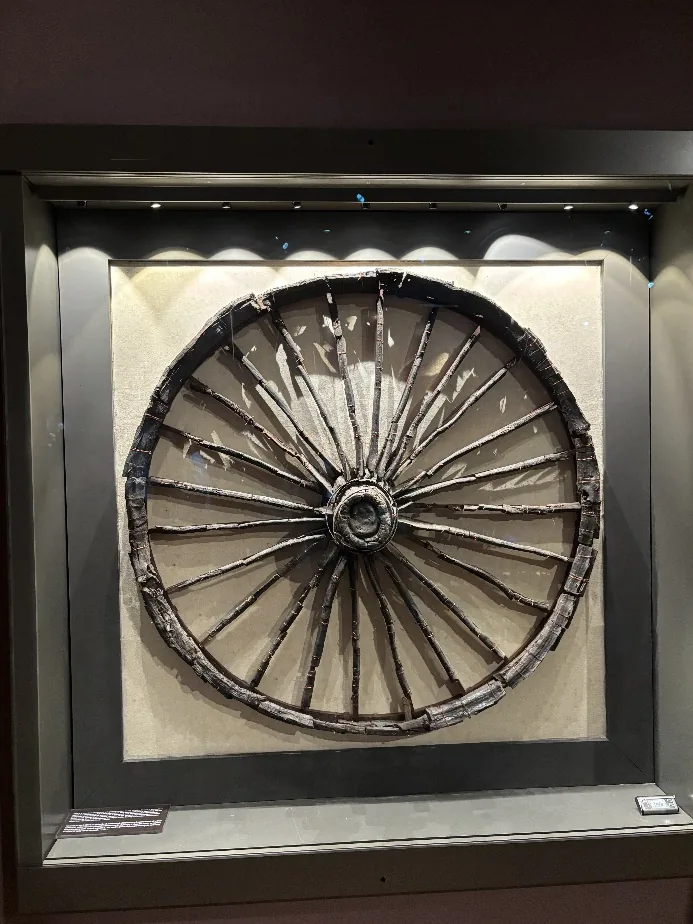
The Ashoka Chakra in wild grass, Mauryan period, 3rd century BCE.
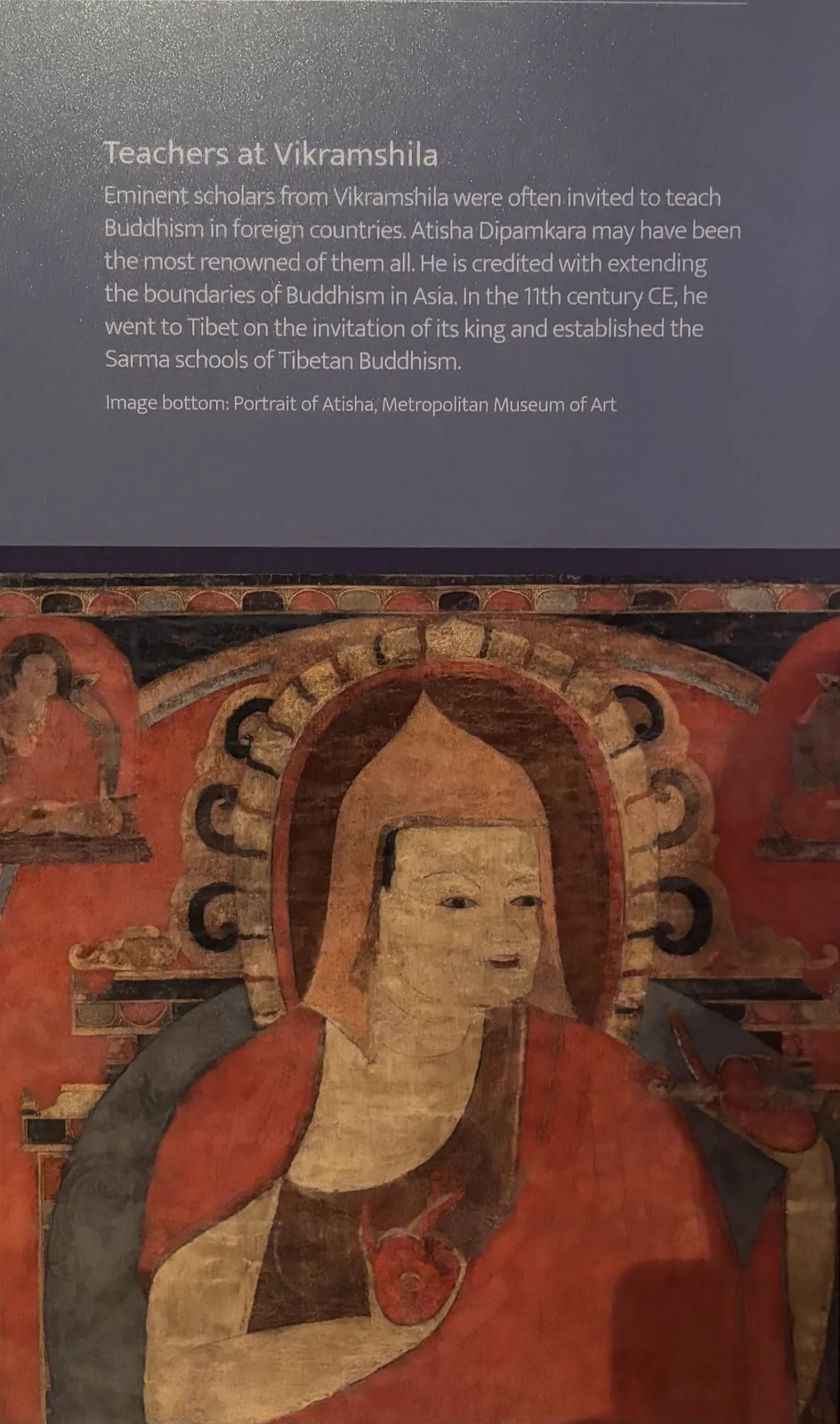
Large wall panels in the galleries: Vikramshila and Atisha Dipankara, 11th century CE.
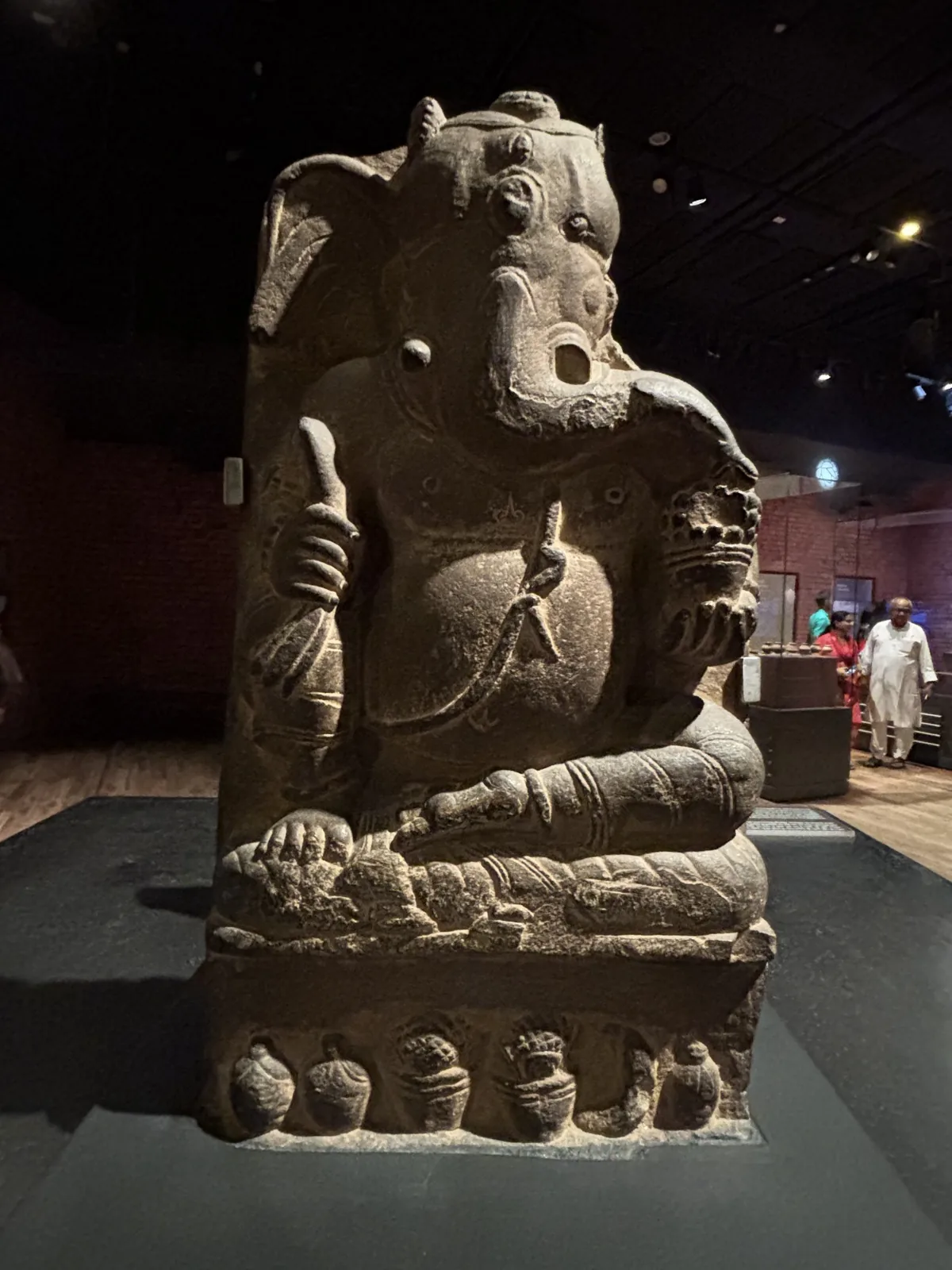
Large Ganesha, Guptas
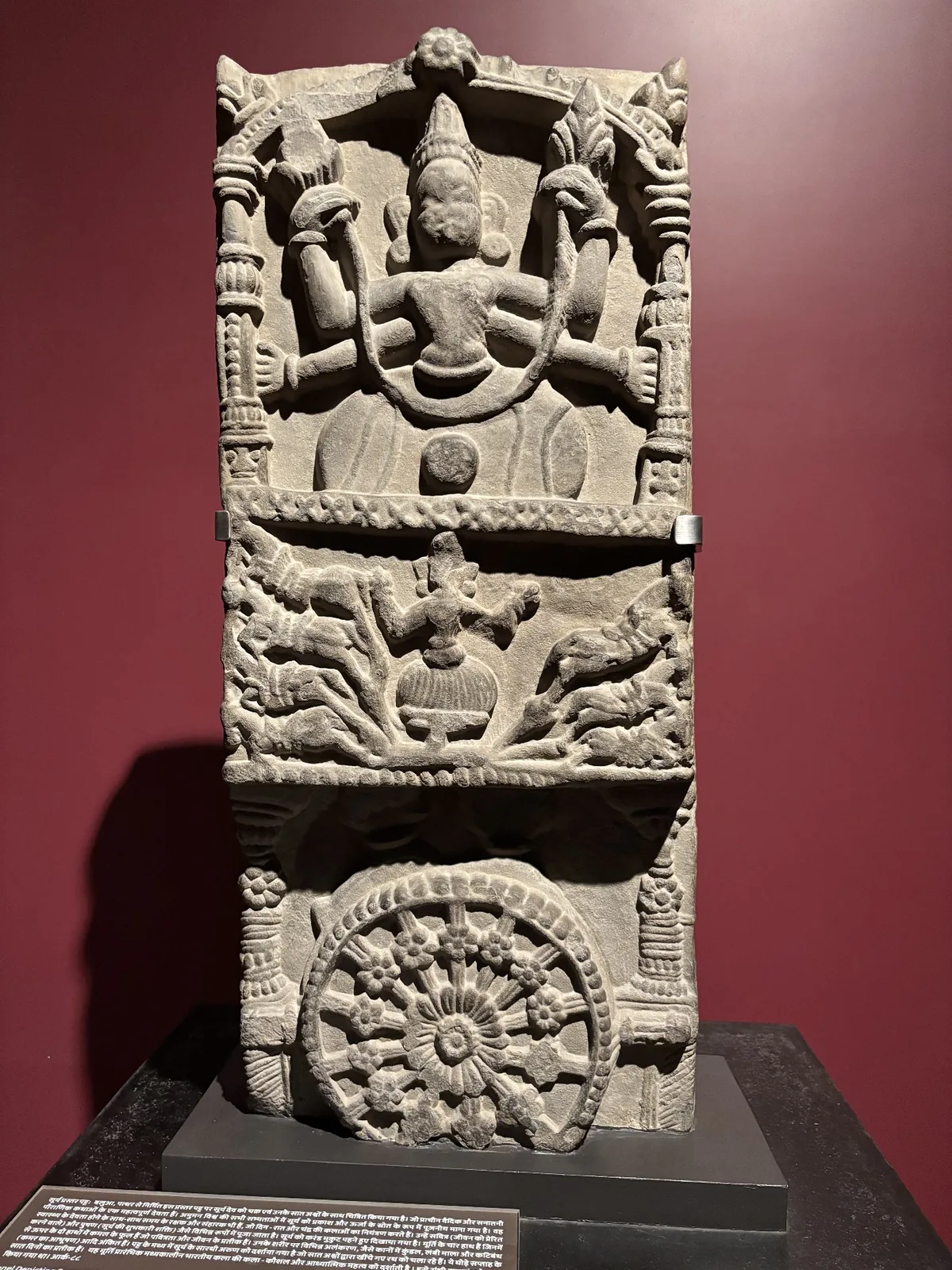
Suryadev with his seven-horse chariot, Gupta period, 4th to 6th century CE.
Highly artistic, polished basalt stone Buddha, Pala period.
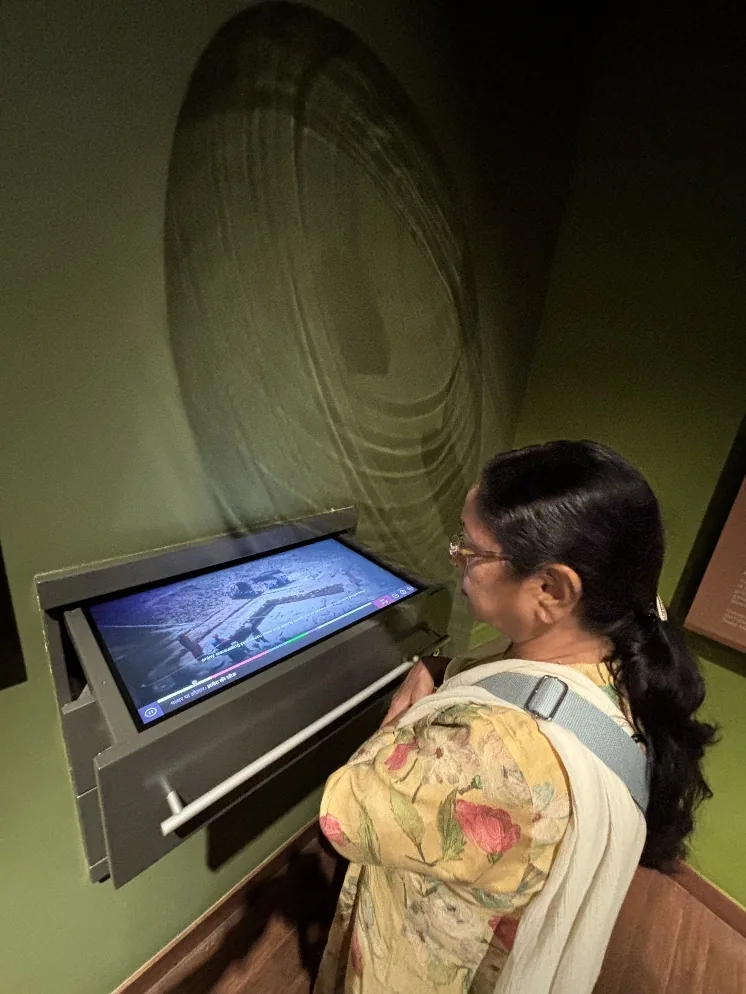
Interactive learning boards in galleries
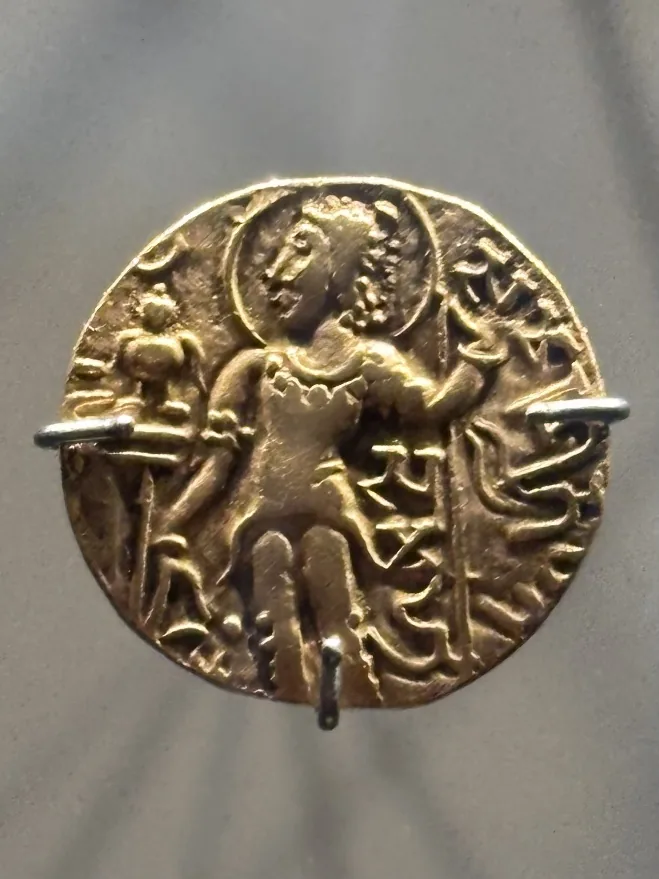
Coinage through the ages, well lit, well displayed
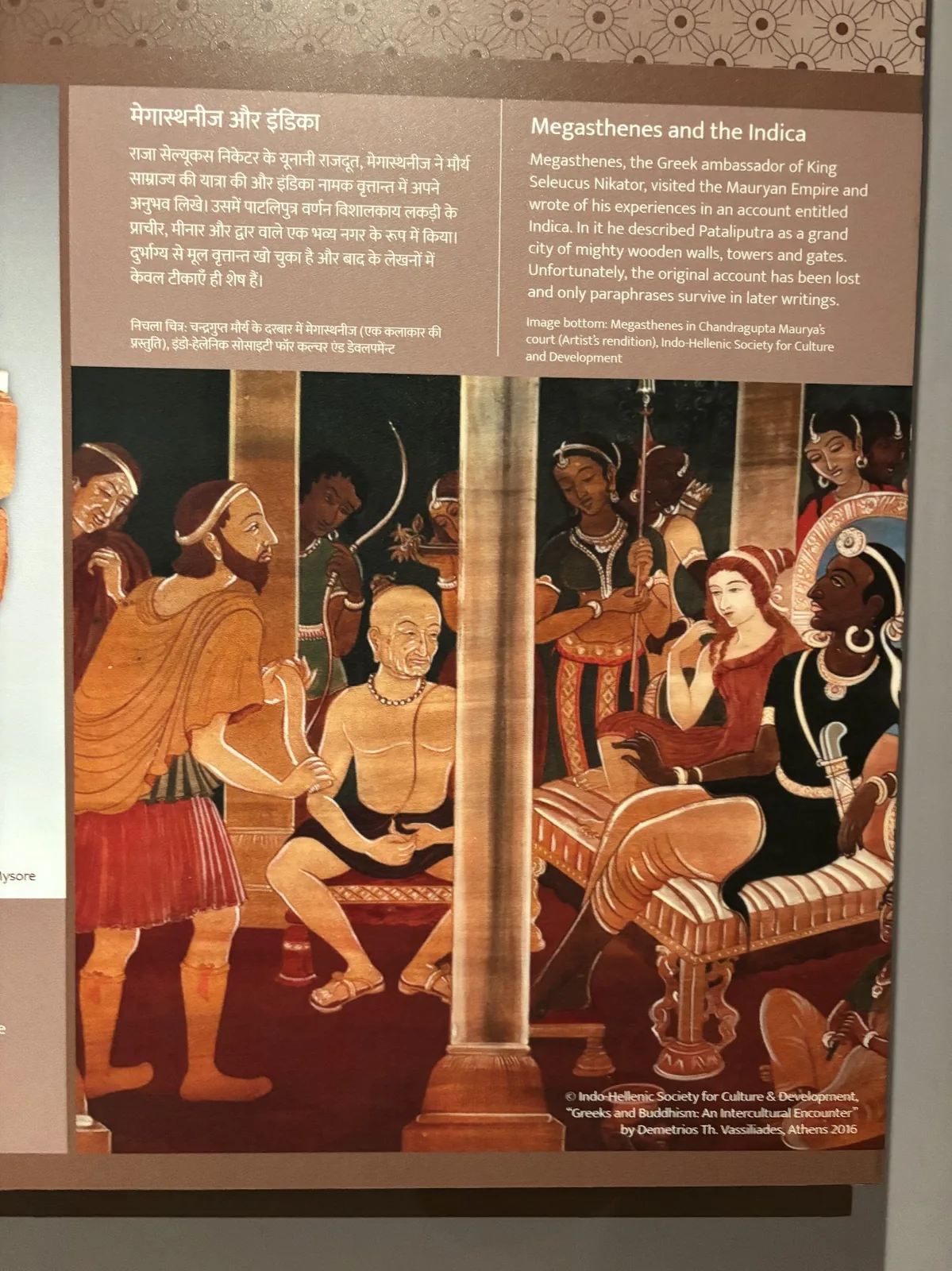
Large information displays and art in each gallery: Chandragupta, Megasthenes, Helena and Chanakya in court, Mauryan period, 3rd century BCE.
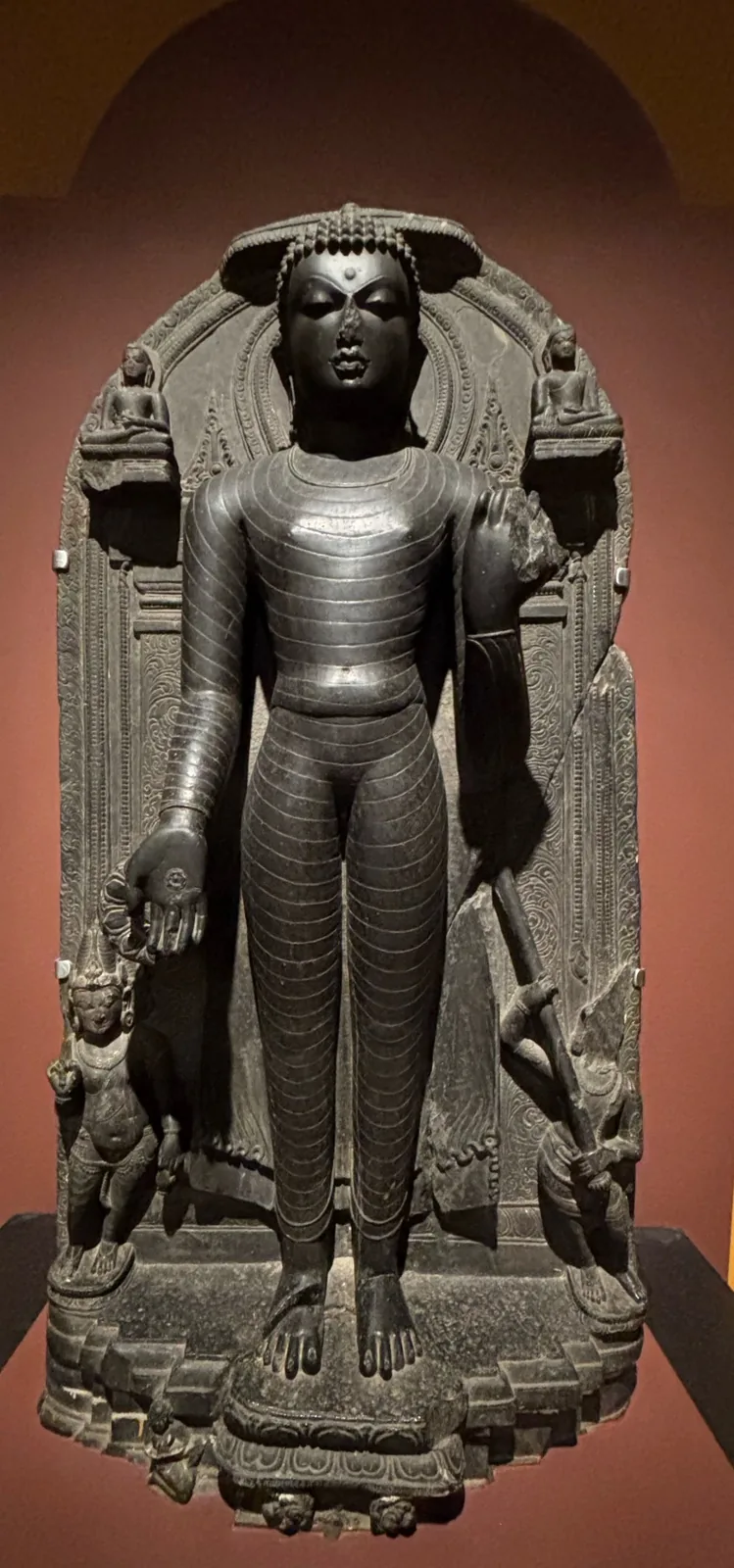
Representation of a grand heritage, Buddha in Varada mudra gesture, flanked on his right by Brahma and Indra to his left holding a parasol, Palas, 11th century CE.
A note on the ranking
The Bihar Museum is No. 9 in Worth a Journey's World's 100 Best Museums 2026. Worth a Journey is a travel guide based in Munich, Germany. The Metropolitan Museum of Art in New York is right behind it at No. 10, and the Louvre in Paris is No. 31. The Bihar Museum is the highest-ranked museum in Asia on the list and the only Indian museum in the top 100. Museo Nacional de Antropología in Mexico City is No. 1.
According to Worth a Journey, it ranks museums with an algorithm that analyses data from venues around the world. Shortlisted museums are then visited in person, and rankings are adjusted when what the visitors find differs from the data.
Sources:
- Bihar Museum, N° 9, The World's 100 Best Museums 2026, Worth a Journey
- Bihar Museum beats Met, Louvre on global top 10 list, The Indian Express
- Bihar Museum ranks ninth among world's 100 best museums, ahead of the MET and Louvre, Firstpost
About the Author
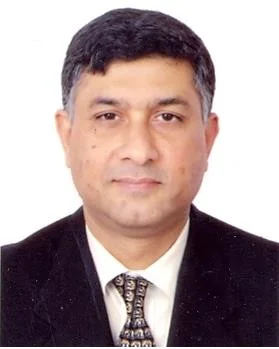
Sandip Mukherjee is a Kolkata-based hospitality consultant, academic and published author. He spent more than two decades with Taj Hotels, where he was Director of Operations and General Manager, and is now Director - Academics at the IIHM Group of Institutions. He and his wife travel often, looking for places in India they feel deserve more visitors.
Have a travel story to share? Write for us