Guide
Kashmir Great Lakes Trek: Closure Status, Route and Best Time
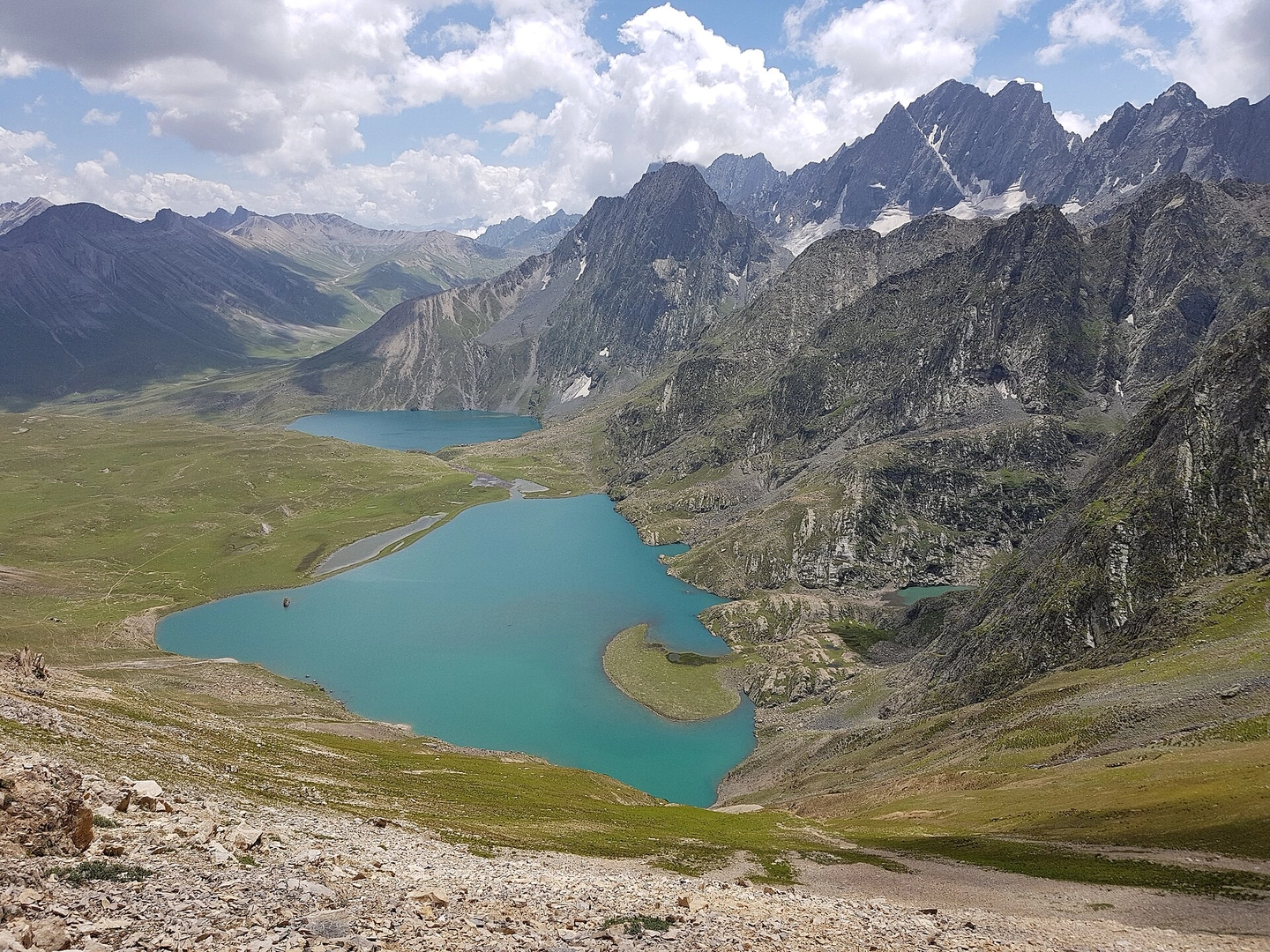
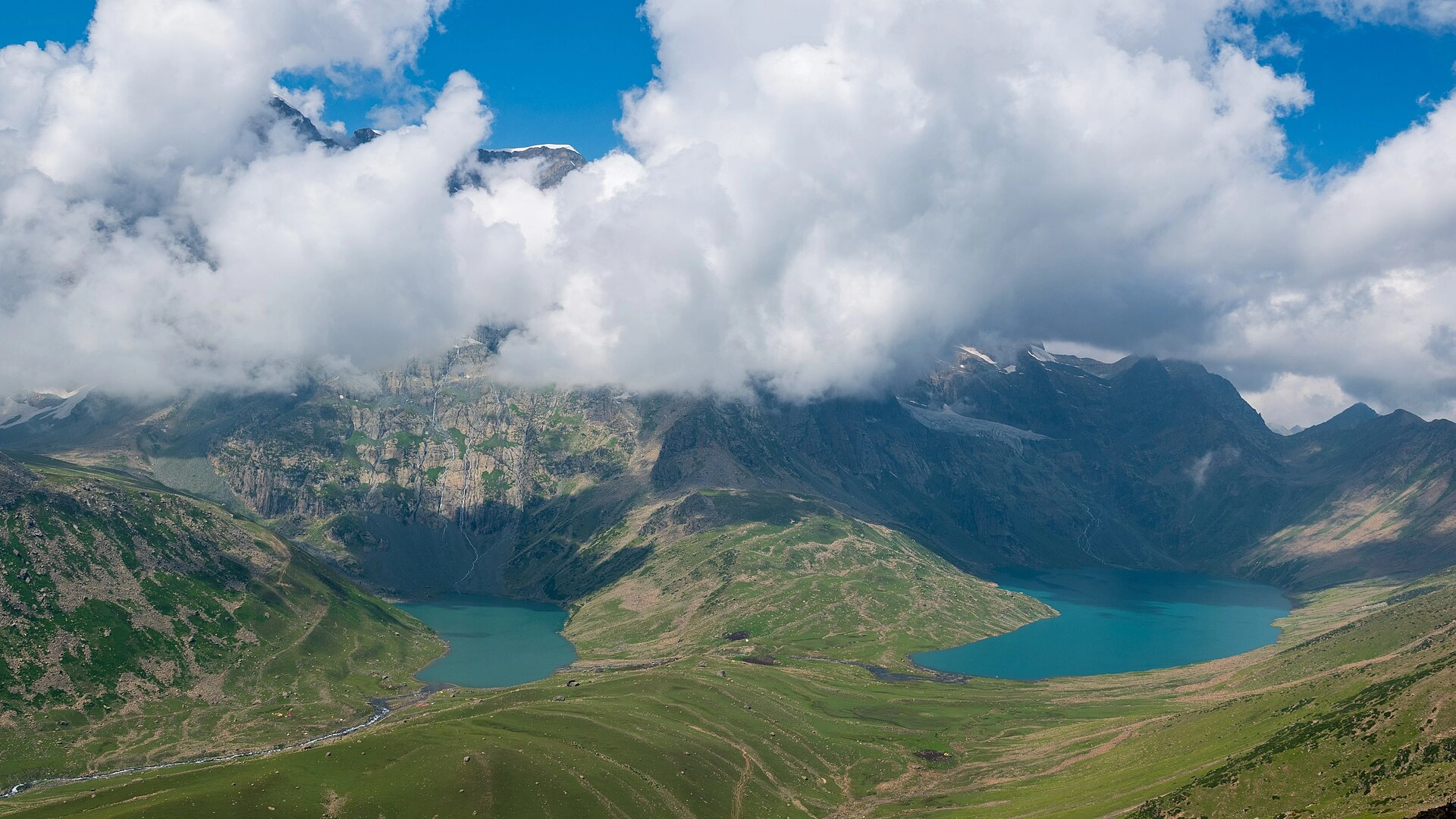
The Kashmir Great Lakes trek is a camping route of about 68 to 75 km that runs from the Sonamarg side to Naranag in Jammu and Kashmir. It passes a chain of alpine lakes including Vishansar, Krishansar, Gadsar, Satsar and Gangabal, crosses three passes and tops out at Gadsar Pass at about 13,750 ft. It is normally walked in July to September.
Season status (19 November 2026): the route is closed to trekkers. Trekking routes in Kashmir were shut for a security review after the April 2025 Pahalgam attack. On 22 October 2026 the Hindu BusinessLine listed the Great Lakes Trek among destinations that were still closed, and an official said the remaining trekking routes would reopen after a security review. I found no official notice of reopening. The normal season is over for 2026, and dates for 2027 depend on that review. Do not pay for a booking on the strength of an operator's enquiry form. Ask for written confirmation that permits have been issued for your exact batch.
Kashmir Great Lakes quick facts
| Start | Sonamarg or Shitkadi side, about 80 to 90 km from Srinagar |
| End | Naranag |
| Distance | 68 to 75 km depending on operator |
| Duration | 7 to 8 days |
| Highest point | Gadsar Pass, about 13,750 ft |
| Level | Moderate to difficult, no technical climbing |
| Normal season | July to September |
Route in eight days
- Srinagar to the Sonamarg base. About 3 hours by road.
- To Nichnai, about 11 km, a long climb from forest into meadow, camp near 11,500 ft.
- Nichnai to Vishansar over Nichnai Pass, about 12 km, with the pass at about 13,100 ft.
- Rest and acclimatisation near Vishansar and Krishansar. Some operators skip this day.
- Vishansar to Gadsar over Gadsar Pass, about 14 km. This is the longest and hardest day.
- Gadsar to Satsar, about 9 km.
- Satsar to Gangabal and Nundkol over Zaj Pass, about 11 km, with a boulder section.
Distances come from one operator's itinerary, so the day plan you are quoted may differ.
Best time
Operators run it from July to early September. July can still have snow patches on the passes, August has the greenest meadows and the most rain, and September has clear skies and cold nights. Fresh snow can close the passes from mid-October.
Permits and documents
Operators commonly ask for a government photo ID and a medical fitness certificate, and arrange trail and check-post permissions. The permit authority, fee and process for the next season have not been confirmed, so ask your operator to show the actual permission for your batch. A booking receipt is not a permit.
Cost
Advertised packages have sat around Rs 15,000 to Rs 22,000 per person, before travel to Srinagar and buffer nights. One major operator showed two different prices on its own pages, so get a written final quote that lists every inclusion. Ask whether rescue costs are covered.
Difficulty
There are no technical sections, but the days are long, the altitude gain is fast and the weather changes quickly. Do a shorter Himalayan trek first if you are new to altitude. See the Kedarkantha guide or the Hampta Pass guide.
Safety
- Mobile signal does not work on most of the route. Plan for a week offline.
- Check that your insurance covers trekking at about 13,750 ft and medical evacuation.
- Do not book a flight for the evening you finish. Keep a spare day.
FAQ
Is the Kashmir Great Lakes trek open in 2026?
No. It was still listed as closed on 22 October 2026.
Can I trek it without permission?
No. Do not try to reach the lakes by an unapproved route.
What are alternatives while it is closed?
Hampta Pass in Himachal and Kedarkantha in Uttarakhand are the closest comparable treks in this series.
Last checked: 19 November 2026.
Sources
- Kashmir's closed tourist spots leave vendors, guides struggling for a second season, News, The Hindu BusinessLine, 22 October 2026, closure status
- Kashmir Great Lakes Trek 2026: Route, Cost, Permit Status, Travel guide, Travel Coffee, 26 July 2026, route, distances, altitudes and price caveats
- Kashmir Great Lakes Trek: Complete Guide 2026, Travel guide, TrekYatra, 20 August 2026, route and season cross-check