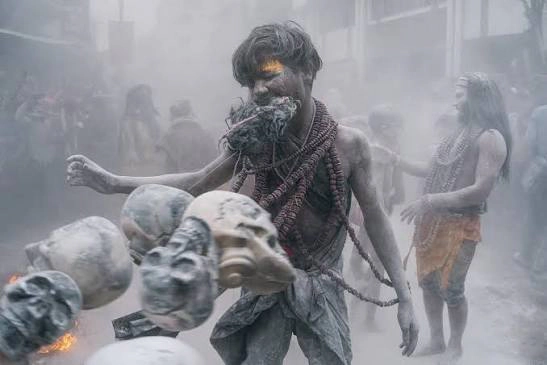
Masan Holi: The Sacred Ash Holi of Varanasi
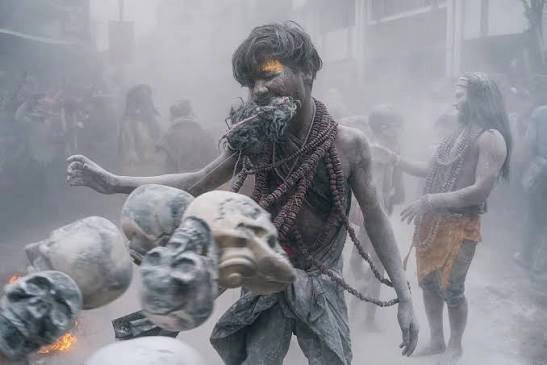
Discover Masan Holi in Varanasi—where sadhus play with sacred ashes at Manikarnika Ghat. A haunting, spiritual Holi experience unlike any other on February 28, 2026.
Varanasi, Uttar Pradesh — In the ancient city of Varanasi, where the sacred meets the mortal, exists one of India's most haunting and spiritual Holi celebrations. Masan Holi—literally 'Festival of Ashes'—offers travelers an experience unlike any other Holi celebration in the world.
What is Masan Holi?
Masan Holi (also spelled Massan ki Holi) is a unique celebration where sadhus (holy men) play with ashes at Manikarnika Ghat, one of the busiest cremation grounds in Varanasi. According to Kashi Official, 'Participate in Massan ki Holi, a unique celebration in Varanasi with symbolic ashes. Join devotees in commemorating Lord Shiva's presence amid the cremation ground.'
The Significance
Unlike the colorful celebrations seen across India, Masan Holi carries a profound spiritual meaning:
- Symbol of surrender: Ashes represent the ultimate surrender to the divine
- Lord Shiva's presence: The cremation ground is considered a sacred space where Shiva always resides
- Cyclical nature: It reminds devotees of life's transient nature and moksha (liberation)
When It Happens
According to Republic World, 'Rangbhari Ekadashi will be celebrated on February 27. Consequently, Masan Holi will be played on February 28, 2026.'
Masan Holi takes place on the night of Holika Dahan, starting late evening and often extending into the early hours of Rangwali Holi (March 3-4, 2026).
Where It Happens
Manikarnika Ghat
The main venue is Manikarnika Ghat—one of the oldest and most sacred ghats in Varanasi. This is where according to Hindu tradition, Lord Shiva keeps a permanent vigil over the dying and the dead.
The Atmosphere
- Hauntingly beautiful: The glow of funeral pyres creates an ethereal ambiance
- Spiritual intensity: Sadhus in various states of devotion
- Ancient rituals: Practices that have continued for centuries
What to Expect
The Experience
- Sadhu gatherings: Nath Gosain and other sectarian sadhus participate
- Ash playing: The application of symbolic ashes (bhasm) on devotees
- Chanting and kirtan: Devotional songs through the night
Visual Elements
As photographer Arun Saha describes, 'During Masan Holi, sadhus play with ashes at Manikarnika Ghat, creating haunting yet divine visuals—an experience few photographers ever witness.'
Masan Holi vs Regular Holi
| Aspect | Masan Holi | Regular Holi |
| Colors used | Ashes (bhasm) | Gulal, colored powders |
| Setting | Cremation ground | Open streets, parks |
| Mood | Spiritual, contemplative | Joyful, celebratory |
| Participants | Primarily sadhus | Everyone |
| Time | Night (Holika Dahan) | Daytime |
Travel Tips
Getting There
- Nearest airport: Lal Bahadur Shastri International Airport, Varanasi
- Railway: Varanasi Junction (manduadih)
Best Time to Visit
- Arrive by late afternoon on February 28, 2026
- Stay through Holika Dahan (evening of March 3, 2026)
What to Bring
- Simple white clothing (will get ashy)
- Camera with low-light capability
- Respectful attitude and open mind
Important Notes
- This is a deeply spiritual event—observe with respect
- Photography may be restricted—ask permission
- Not for those uncomfortable with death rituals
Beyond Masan Holi
Varanasi offers other Holi experiences:
- Rangbhari Ekadashi (Feb 27): When Holi celebrations begin in Varanasi
- Main Holi (March 3-4): Ganges ghats filled with colors
- Dawn celebrations: Sunrise at Assi Ghat with colors
A Transformative Experience
For travelers seeking authentic spiritual experiences, Masan Holi offers something no other festival can: a chance to witness the ancient Hindu philosophy of life, death, and liberation embodied in celebration.
To play with ashes at Manikarnika Ghat is to understand the words 'From dust to dust' in their most visceral form—and to find divine joy in the acceptance of mortality.
Sources:
Have a travel story to share? Write for us