Learning to See Udaipur
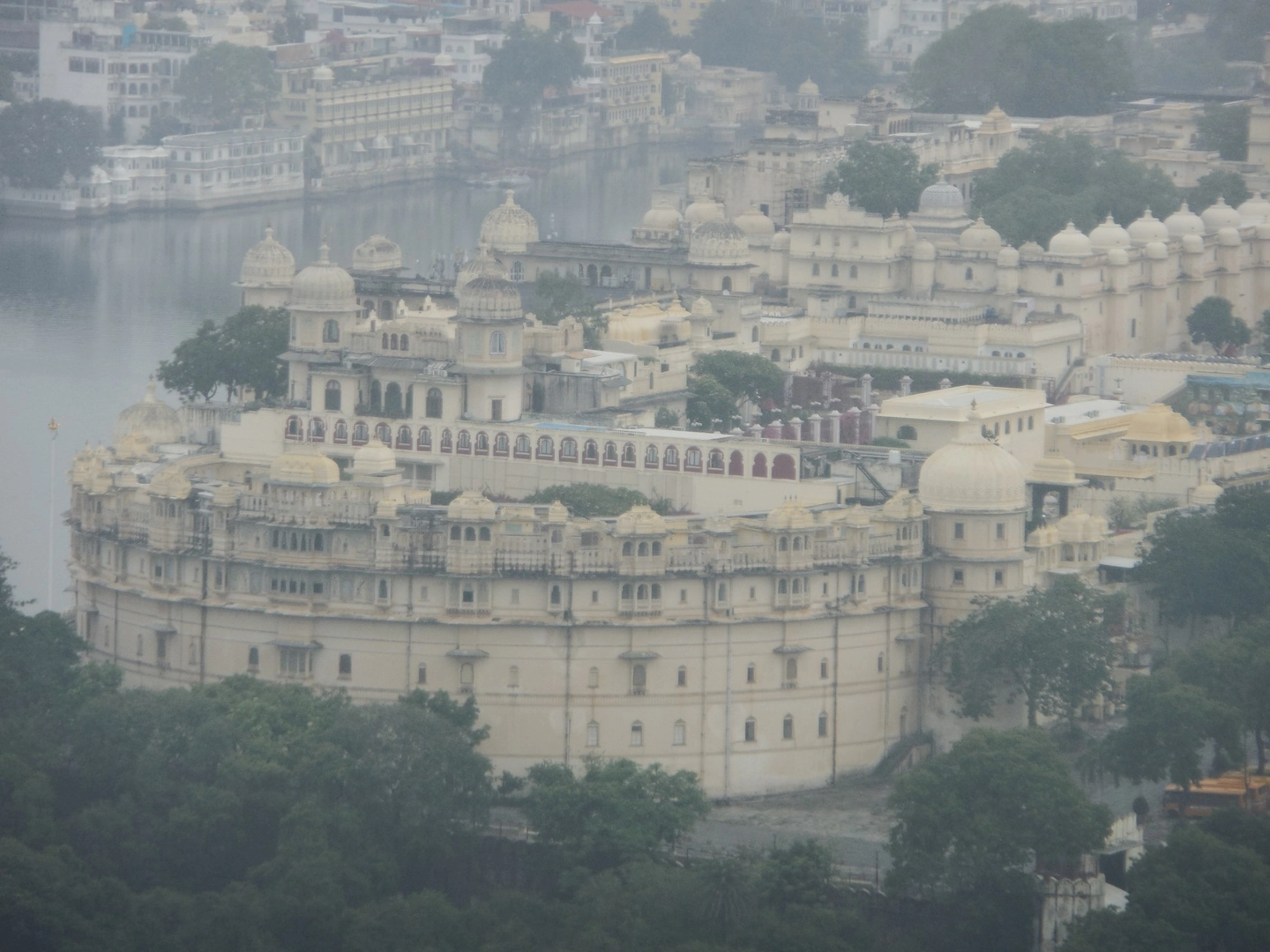
Photo: Jignesh Sharma. All rights reserved.
A personal account of returning to Udaipur more than six times, and of learning the city through mornings at Gangaur Ghat, the old markets, the Aravalli roads, and quiet hours after the tourist crowds have gone.
Perhaps you have to wait for morning to understand Udaipur.
Before the day begins, the city shows a different face at Gangaur Ghat. Some locals sit on the steps, someone is washing clothes, and someone has tea in hand. No scene has been staged in front of the lake. No one is in a hurry to take a picture. And yet, there is a kind of peace there that does not appear in Udaipur’s famous photographs.
The city is often identified by its palaces, lakes, and sunsets. But behind all of that, there is another Udaipur that lives its life in a very ordinary way—at the ghats, in the old markets, in front of small shops, in the surrounding villages, and on the roads leading toward the Aravallis.
Perhaps you do not need a map to reach this Udaipur. You simply need to spend a little more time in the city.
Udaipur at First Sight
Arriving in Udaipur for the first time around Diwali in November 2023 also meant going in search of the famous image I had heard about. I had heard a lot about the city: the City of Lakes, royal palaces, old ghats, mountains, and the beauty that draws people here from across the country and around the world.
On the first day, I visited the city’s most famous places—the City Palace, Monsoon Palace, and the ghats. But by evening, I did not feel the excitement I had expected.
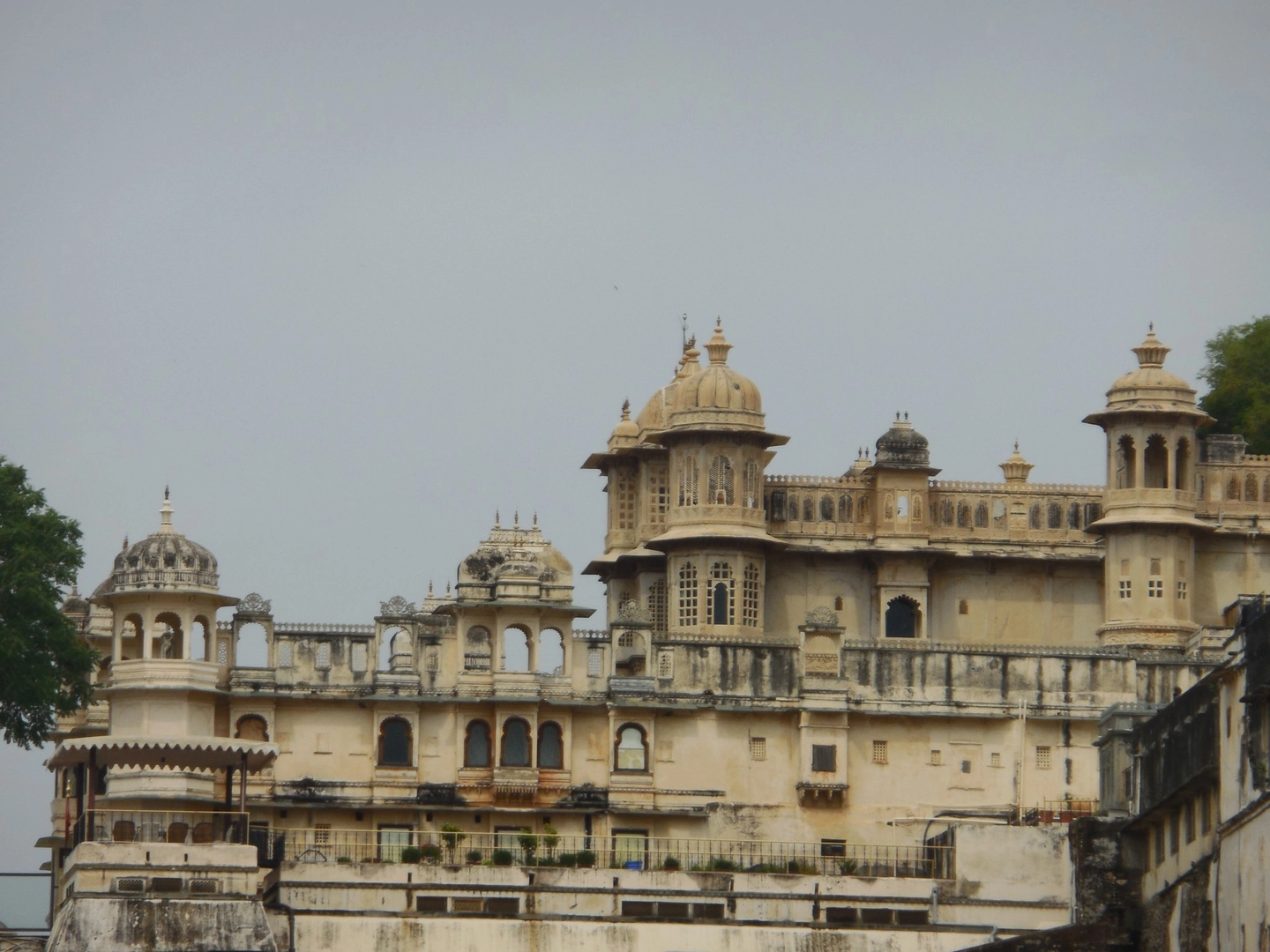
Udaipur looked somewhat like it did in the photographs, but it did not feel like those photographs. Perhaps this is what happens when we try to get to know a city through its most famous places. We arrive with an image already formed and then try to fit that image onto the real city.
The next morning, that approach shifted slightly.
I reached Gangaur Ghat early in the morning without any fixed plan. Very few people were there. Locals were busy with their everyday activities. Someone was washing clothes, someone was drinking tea, and someone was sitting quietly.
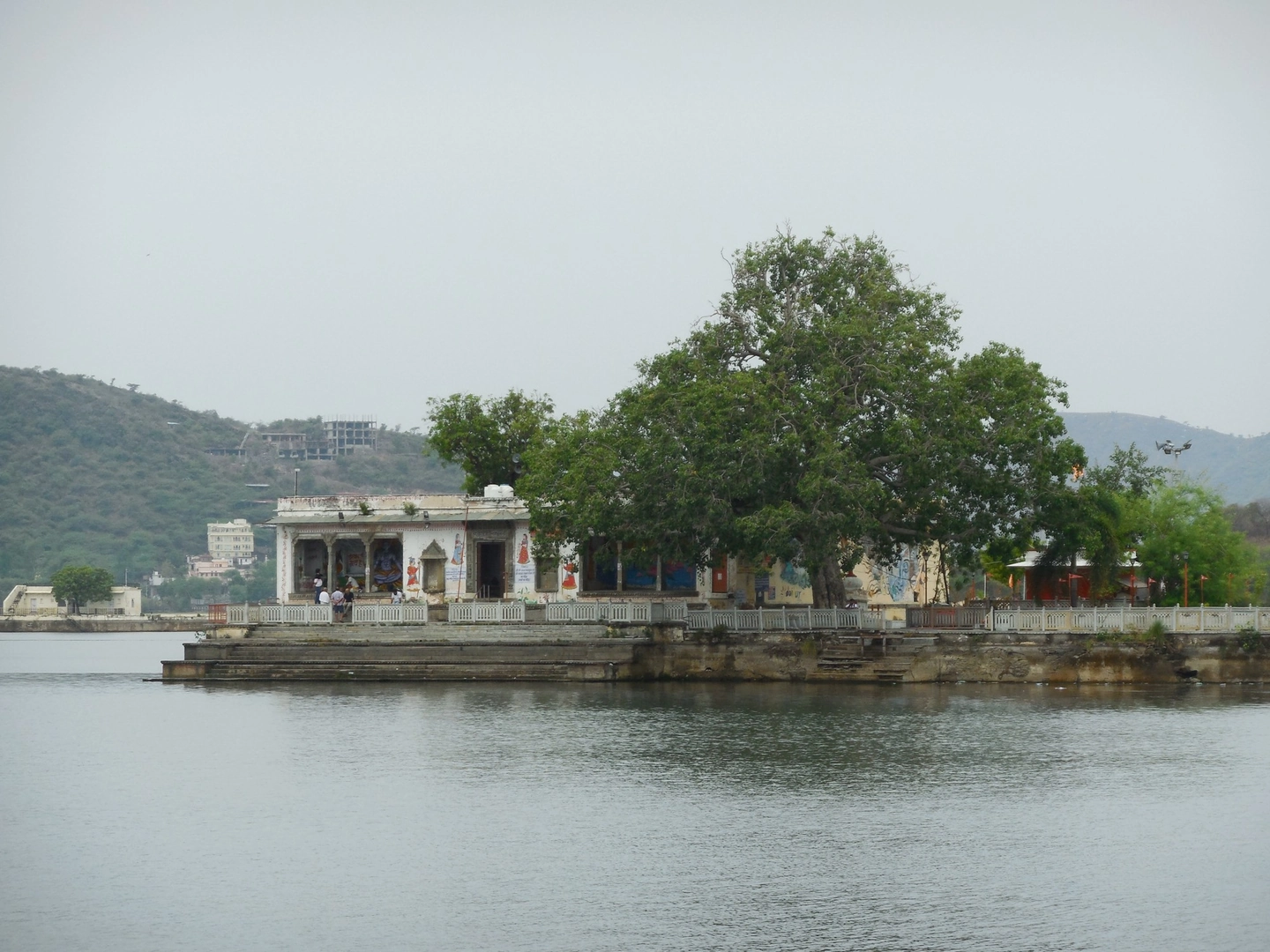
There was nothing extraordinary about the scene. And perhaps that was its beauty.
That morning, for the first time, Udaipur appeared not as a tourist attraction, but as a place where people live.
Between Seeing a City and Getting to Know It
After that one morning, my trips to Udaipur became more frequent. Over the next few years, I visited the city more than six times, and each trip lasted a week or more. Longer stays changed the way I saw the city.
On the first trip, the question was: What is there to see? On later trips, the question changed: Where should I sit today?
Gangaur Ghat and Ambrai Ghat gradually became places I could visit without any particular reason. An evening could be spent over coffee at a rooftop café. The night could be spent looking at the city from a hostel rooftop.
That is the difference that emerges between spending a few days in a city and getting to know it a little. A tourist remembers a city’s landmarks. Someone who returns again and again begins to remember its rhythms.
Which road is quieter in the evening. Which market is livelier in the morning. At which ghat there is more room to sit. At what turn, while heading toward the hills, the city begins to fall behind.
Udaipur gradually moved beyond being a list of places and became a city of habits.
The Simple Magic of Gangaur Ghat
The beauty of Udaipur’s ghats is often shown in photographs alongside the lake and the surrounding buildings. But the real story of the ghats is created by the people who use them every day.
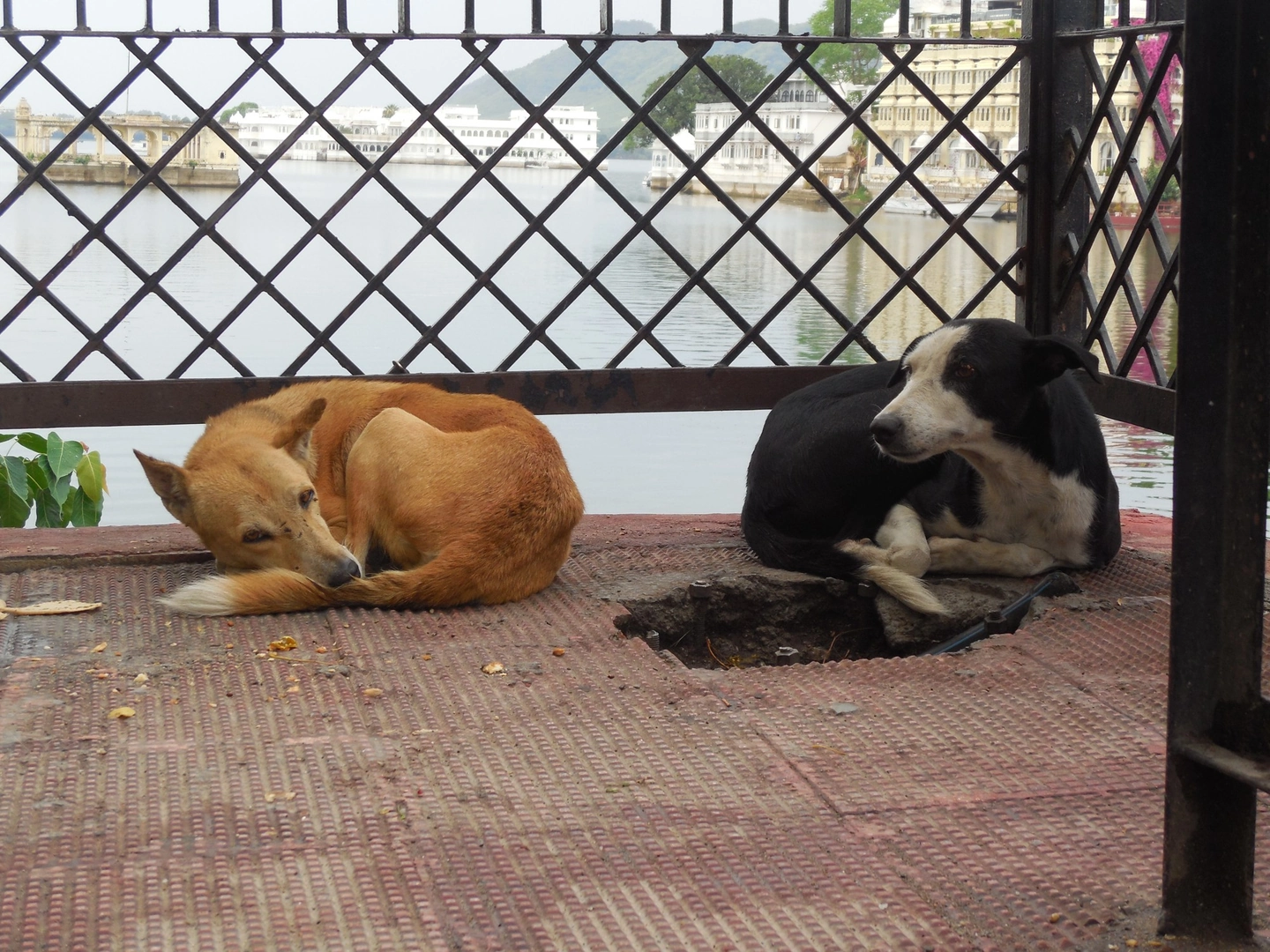
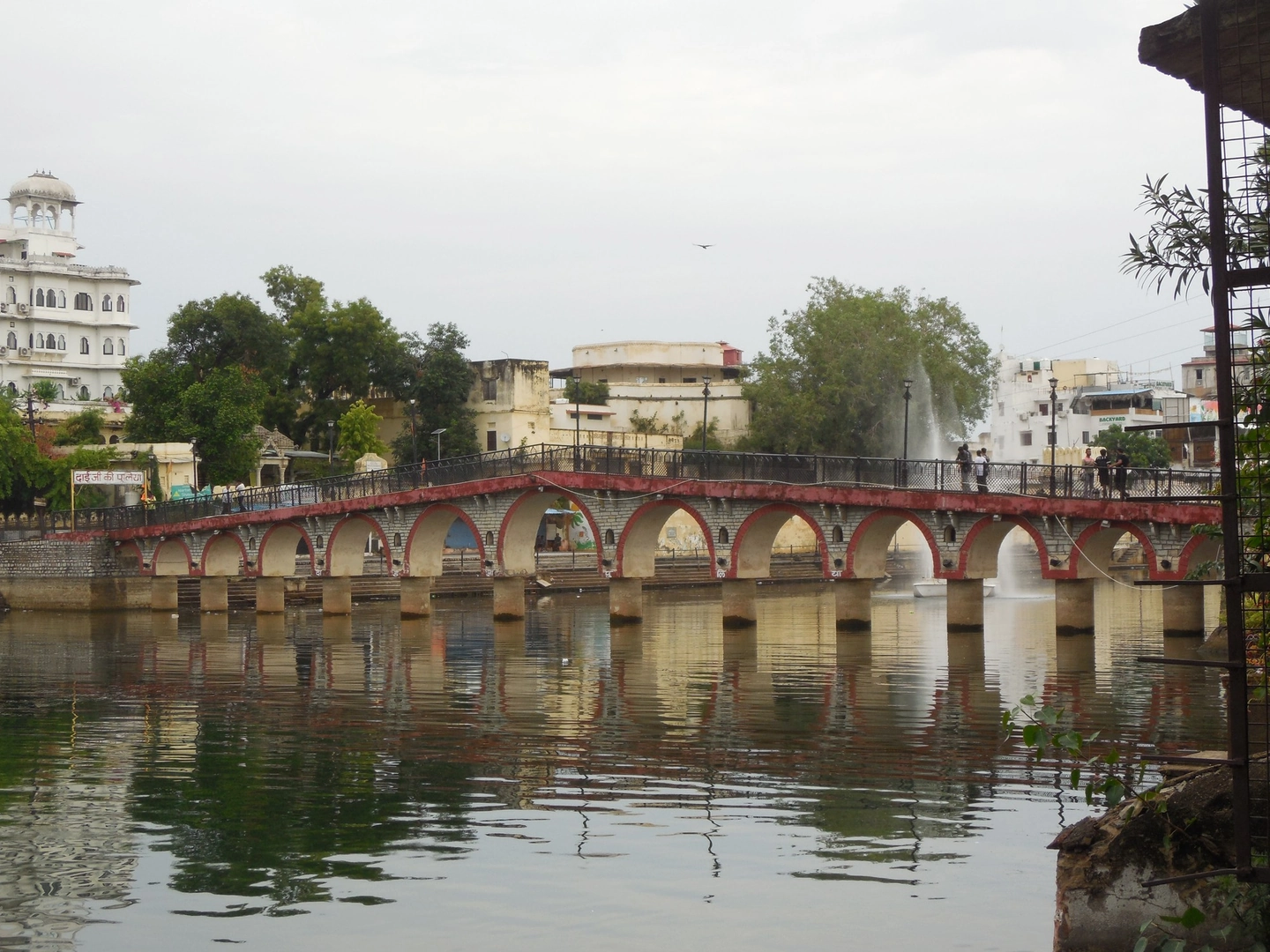
People washing clothes in the morning, locals sitting on the steps, a small tea stall, and life pausing briefly—these scenes do not appear on any sightseeing itinerary.
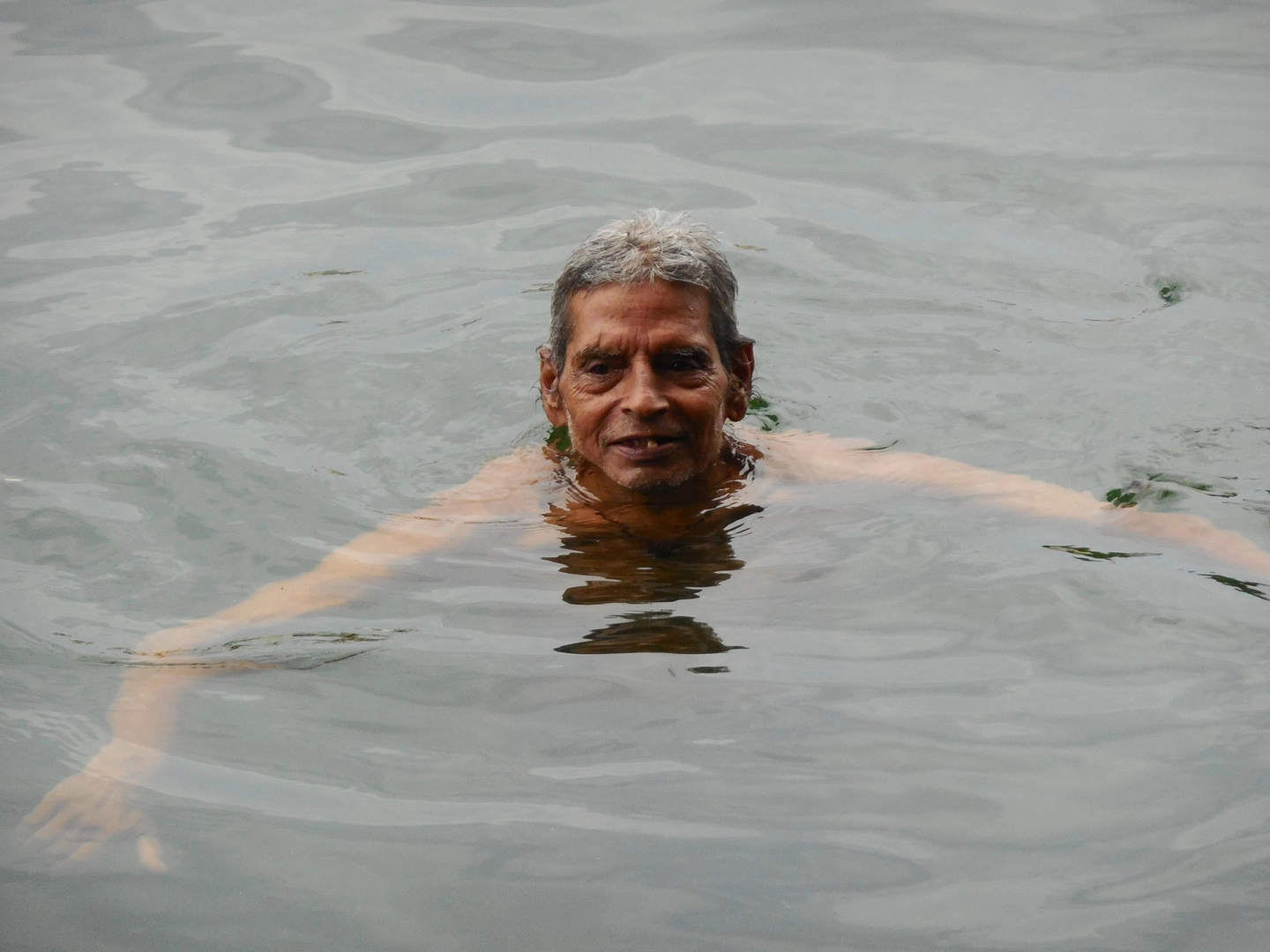
And yet, perhaps these are exactly what is needed to understand the city. Sitting at Gangaur Ghat makes you realize that a place’s identity is not formed only by its architecture. Places are also shaped by the voices of their people, their habits, and their everyday activities.
You do not need to know any history to sit there. All you need to do is stay for a little while.
And perhaps that is the biggest change that Udaipur brings about: the city can be felt more deeply than it can be seen.
The Flavor of the Old City
Another face of Udaipur can be found in its old markets.
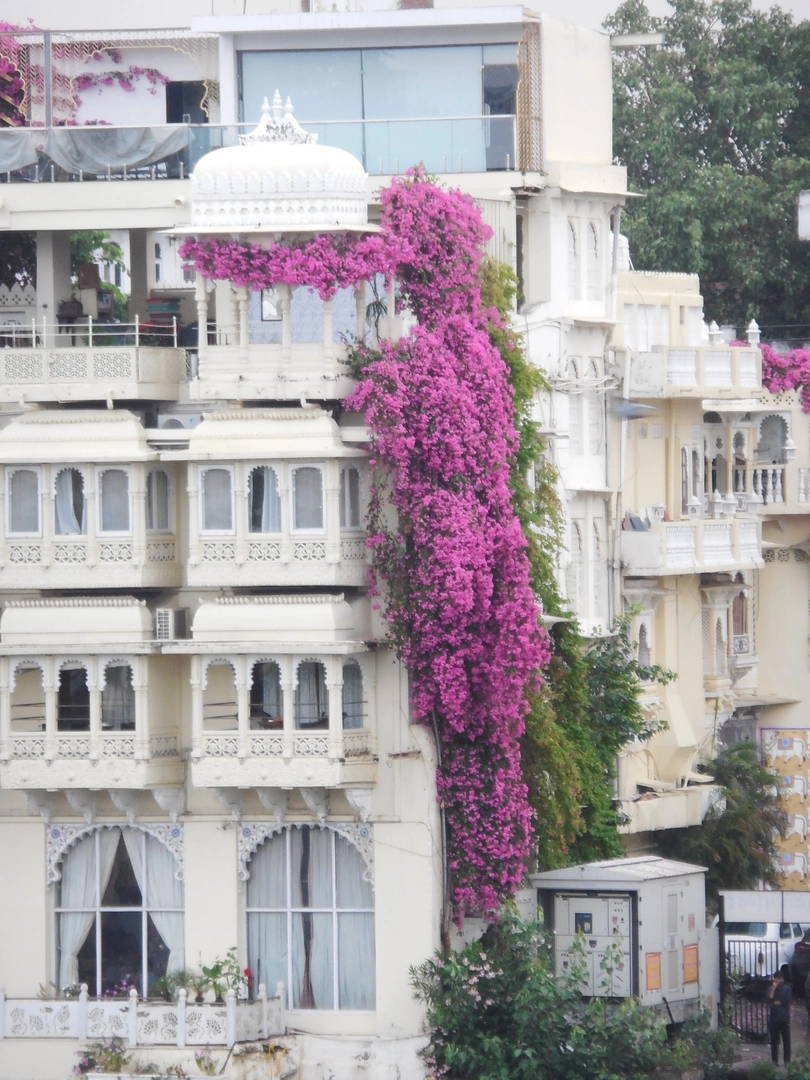
Here, the city does not look like a luxury destination. The shops are close together, the streets are busy, and every few steps, a new aroma stops you in your tracks. The smell of kachori is one of them.
You do not need an expensive restaurant to understand Udaipur. A hot kachori eaten in the old market can tell you as much about the city as a carefully designed dining experience cannot.
Food here is less a part of tourism and more a part of everyday life. That is why the memory of local food often lasts longer than that of a monument. Taste does not merely remind you of a place; it also makes it familiar.
While walking through the old market, brief conversations with local people also become part of this familiarity. There is an easy warmth in the people of Udaipur. Conversations often do not begin with any particular subject, and yet they still reveal something about the city.
A city’s culture is not always kept in a museum. Often, it exists in a shopkeeper’s conversation, in a glass of tea, or in the conversation between two people standing in the market.
Toward the Aravallis
To see Udaipur only through its lakes is to see only half of its geography. The Aravalli Hills create a different landscape around the city. Riding a motorcycle through them is another way to understand Udaipur.
As you head toward Raita Hills, the city gradually falls behind. The noise of the roads grows quieter, and the expanse of the hills ahead grows wider. You are not going there to see a famous monument.
The road itself becomes the experience.
The speed of the motorcycle, the open air, and the Aravallis stretching into the distance are completely different from the Udaipur usually seen in postcards and wedding photographs. Even while staying near a city, creating a little distance from it can sometimes be a way to see it more clearly.
These trips toward Raita show that Udaipur’s beauty is not only along the water. The landscape around it is just as important a part of the city’s identity.
The City at Three in the Morning
Udaipur’s night tells a different story from its day. Looking at the city from a hostel rooftop at around three in the morning is a strange experience. The entire city is visible below—small clusters of lights, roads receding into the distance, and sounds heard intermittently.
It is not a completely silent city. Rather, its beauty lies in the fact that silence and noise coexist. A sound coming from a distant road, an occasional passing vehicle, and the city’s remaining low hum keep the night from being completely empty.
A city that is full of tourists during the day retreats a little at night. And then a face appears that requires no ticket to see.
You only need to stay awake.
Udaipur Beyond Weddings
In recent years, another aspect of Udaipur’s identity has become very strong—as a major destination wedding city. Weddings held in palaces, luxury hotels built beside the lakes, and grand photographs appearing on social media have created a new image of the city. But a city’s popular image is never its entire story.
There are villages around Udaipur. There are old neighborhoods. There are local markets. There is everyday life at the ghats. There are people for whom these palaces and lakes are not a travel destination, but part of their city.
That difference changes the way a city is seen. A tourist might ask: What is worth seeing here? But after some time, perhaps the better question is: How do people live here?
Udaipur’s other face reveals itself through this question.
When a City Becomes Familiar
Attachment to cities is often not created by one major event. It is created by small things.
A ghat where you had tea in the morning. A market where you wandered without having anything to do. A road leading toward the hills. A rooftop where you had evening coffee again and again. A hostel rooftop from which you could see the entire city at night.
Over time, these places no longer remain tourist spots. They are no longer landmarks either. They simply become familiar places.
I went to see the City Palace on my first trip, but afterward I did not feel the need to see it again. Its walls, the old lanes, and the city around it, however, remained in their place.
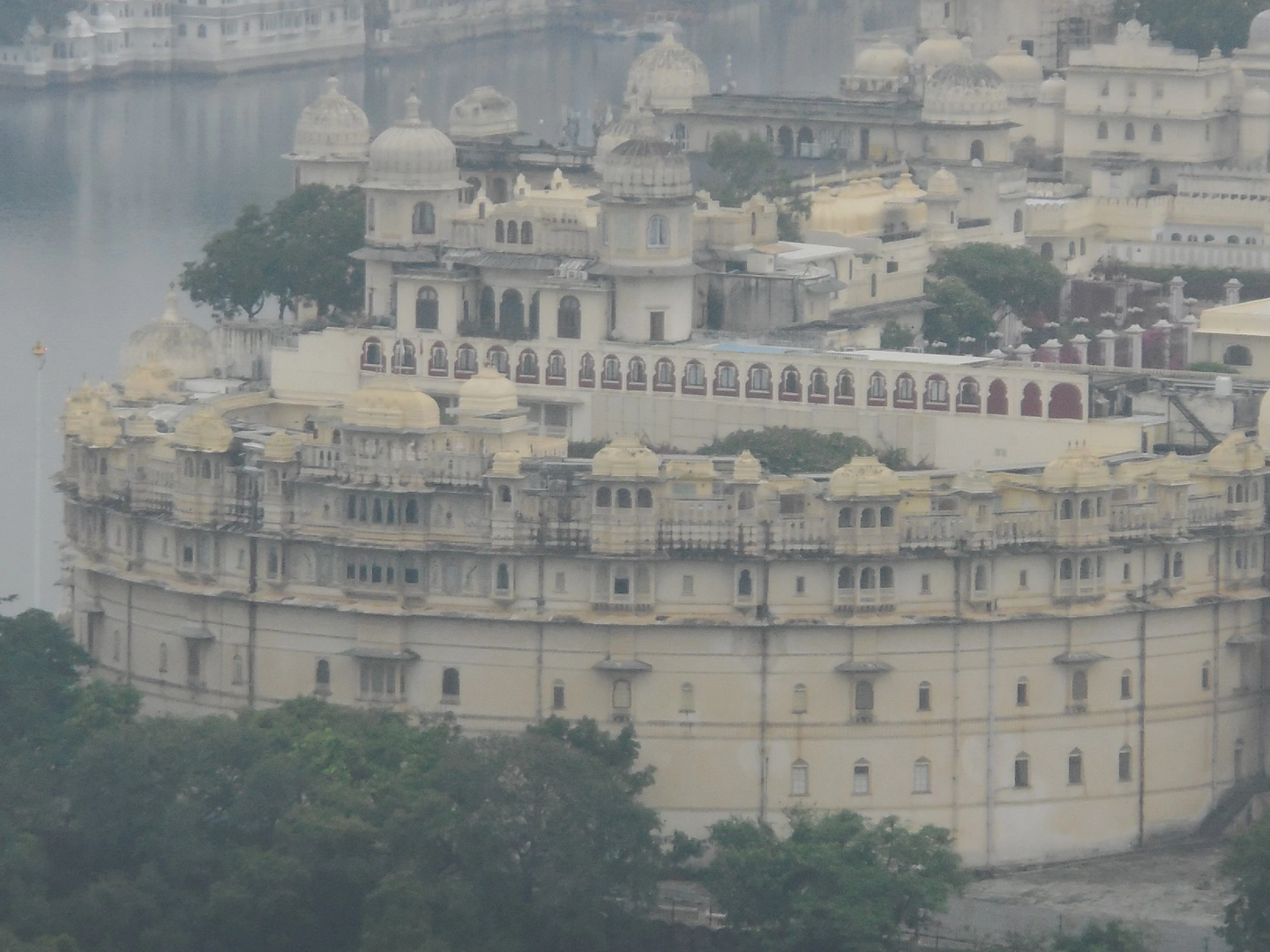
Perhaps connecting with a city does not mean seeing every famous place it has. Sometimes it simply means that some ordinary things in the city begin to feel like your own. That is what happened with Udaipur.
On the first trip, I was trying to see the city. On later trips, I was trying to get to know it. And the difference between the two was perhaps not only a matter of time. It was a matter of perspective.
You can begin to understand Udaipur with its palaces, reach its lakes, and end the day with a sunset. But if you give the city a little more time, another Udaipur eventually comes into view.
Sitting at the ghats. Amid the smell of hot kachori in the old market. On some road leading toward the Aravallis. Along the way to a village. Or among the lights visible from a rooftop at three in the morning, where the city is still awake.
Perhaps the best time to see a city is not when we set out for it. Rather, it is when we stop merely seeing it and begin spending time with it. That is when a place becomes familiar, moving beyond being a destination.
And perhaps Udaipur becomes something more than just a beautiful city in this way—a city that is understood not after seeing it, but after returning to it.
About the Author

Jignesh Sharma is an entrepreneur, artist, writer, filmmaker and full-time traveler. More of his writing is on Substack, and he is on LinkedIn. He has also written Seeing Lucknow Beyond the Nawabi City for Yatrigo.
Have a travel story to share? Write for us


