Holi in Nepal: Fagu Purnima in the Kathmandu Valley
Discover Fagu Purnima Holi in Nepal—celebrated on March 2-3, 2026 in Kathmandu. Experience the unique Chir tradition, Buddhist-Hindu celebrations, and Newari culture.
When spring arrives in the Himalayas, Kathmandu transforms into a canvas of colors—but with traditions you will not find anywhere else in the world.
The Festival That Tells Two Stories
Holi in Nepal, known as Fagu Purnima, is more than just a colorful celebration—it is a bridge between ancient Hindu mythology and the unique cultural tapestry of the Kathmandu Valley. While India celebrates Holi with equal enthusiasm, Nepal adds its own distinctive flavor to the festival of colors.
The festival marks two profound narratives: the eternal triumph of good over evil through the legend of Holika and Prahlad, and the divine love story of Radha and Krishna. But it is the local traditions that truly set Nepal celebration apart.
When to Celebrate Fagu Purnima 2026
Timing is everything in Nepal diverse geography. In 2026:
- Hilly Regions (Kathmandu, Pokhara): March 2, 2026
- Terai Region: March 3, 2026
This two-day celebration reflects Nepal geographical diversity—where the mountains and the plains mark the festival a day apart.
The Sacred Chir: Where It All Begins
Eight days before the main celebration, a remarkable tradition begins at Hanuman Dhoka Durbar Square in Kathmandu. A three-story Chir—a tall bamboo pole adorned with colorful cloth flags—is erected at precisely 8:33 AM.
This is not just any pole. The three layers of the Chir symbolize the three worlds: Paatal (underworld), Prithivi (earth), and Swarga (heaven). The bamboo is prepared using only traditional materials—real bamboo and twine—connecting the celebration to centuries of heritage.
The Chir stands as the visual heartbeat of the festival until Fagu Purnima, when it undergoes the ceremonial Chir Haran—a procession carrying the sacred pole to the river for immersion, accompanied by prayers and rituals that mark the spiritual conclusion of Holi.
The Heart of the Celebration: Basantapur Durbar Square
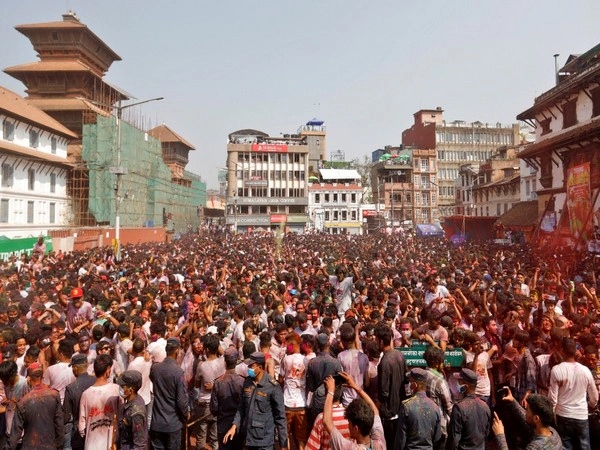
By mid-morning on Fagu Purnima, Basantapur Durbar Square becomes the epicenter of celebration. Thousands gather—locals and tourists alike—transforming the historic UNESCO World Heritage Site into a riot of colors.
The scene is mesmerizing: faces smeared with vermillion and vibrant powders, water balloons flying through the air, traditional drums (dhol) setting the rhythm for spontaneous dances. Children laugh as they douse strangers with colorful water, and strangers become friends in a blur of spectrum.
For those seeking a more modern revelry, Thamel—Kathmandu backpacker district—transforms into a street carnival with DJs, live music, and an electric atmosphere that blends tradition with contemporary celebration.
A Celebration That Transcends Religion
What makes Nepal Holi uniquely inclusive is participation from Buddhist communities—a tradition rarely seen elsewhere in the subcontinent. This cross-religious celebration reflects Nepal secular spirit and the deep interweaving of Hindu and Buddhist practices in everyday life.
Taste the Tradition: Newari Delights
No Nepali festival is complete without food, and Fagu Purnima offers the perfect excuse to indulge in Newari cuisine. After a day of colors, families gather at local cafes in Kathmandu to enjoy traditional Newari lunch—dal bhat, chatamari, and sel rotis—adding a culinary dimension to the celebration.
Tips for Travelers
If you are planning to experience Fagu Purnima in Kathmandu:
- Arrive early – The Square gets crowded by midday
- Wear white – It shows off the colors better (and expect it to never be white again)
- Protect electronics – Water balloons are part of the fun
- Use organic colors – Many synthetic powders contain harmful chemicals
- Join a local family – Hospitality is sacred during Fagu Purnima
Sources:
- Kathmandu Post - Holi in Nepal: Colours, crowds, and cultural traditions
- Nepal Hiking Team - Holi Festival in Nepal 2026
- Nepal Guide Info - Colorful Holi Festival In Nepal
- Nepal News - Holi officially begins after the Chir erected in Basantapur
- New Kerala - Nepal Ancient Chir Tradition Marks Holi Festival Arrival
- Advanced Adventures - How Holi Is Celebrated In Nepal
Have a travel story to share? Write for us