Guide
Nag Tibba Trek: Route, Cost and Best Time
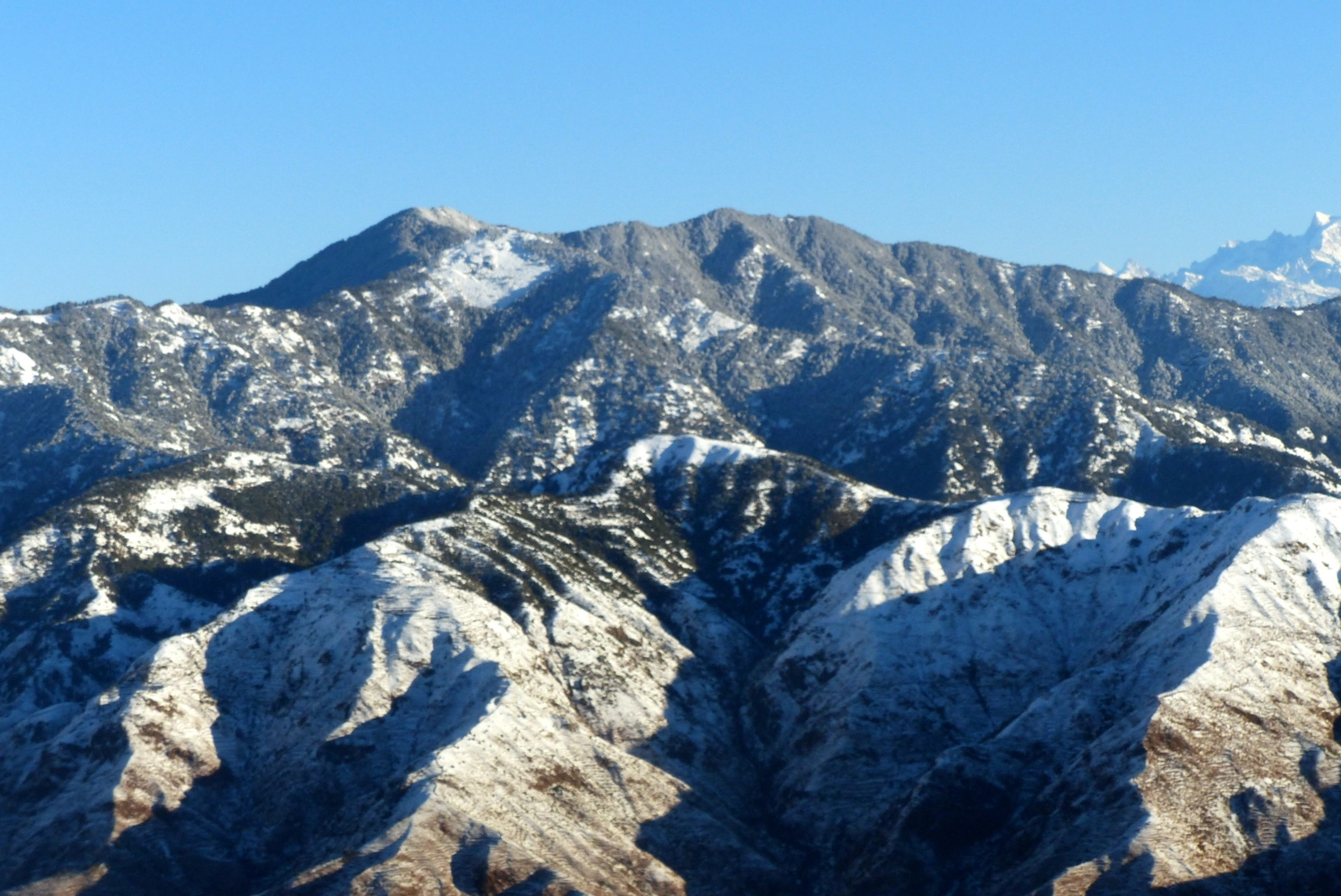
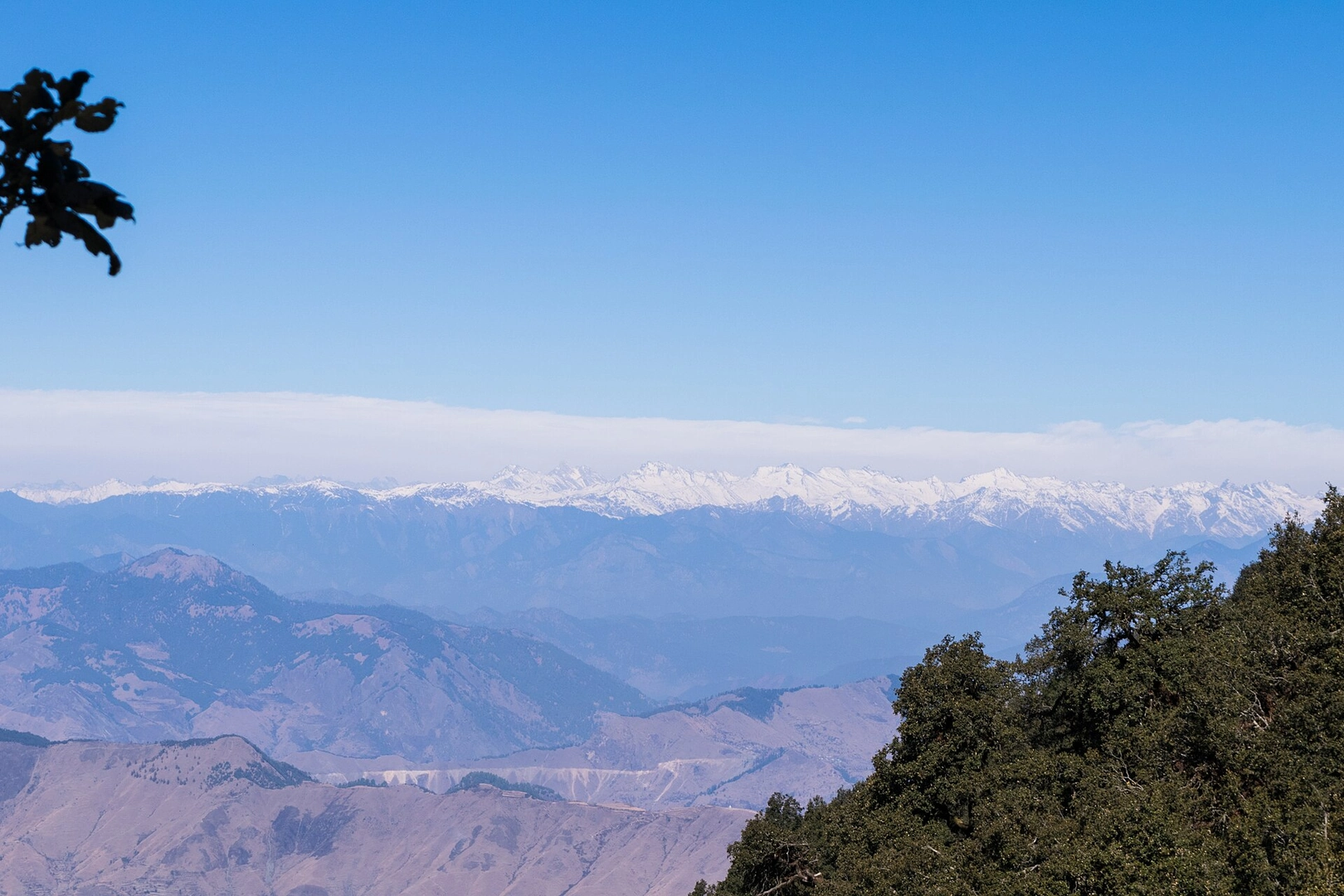
Nag Tibba is the standard weekend trek from Dehradun. It is a two-day round trip to a 9,915 ft summit, the highest point of the Lesser Himalayan range in Uttarakhand, with a night in camp at Khathiyan, also called Goat Village. The trail starts at the village of Pantwari in Tehri Garhwal, climbs through oak and rhododendron forest to the Nag Devta temple and ends on a ridge facing Swargarohini, Bandarpoonch and the Gangotri peaks.
Season status (19 November 2026): the trail stays open for most of the year. October and November give the clearest skies, and December to February brings snow to the ridge, when operators issue crampons and gaiters. Operators do not run it in July and August because the rocky sections get slippery and the views disappear behind cloud.
Nag Tibba quick facts
| Start | Pantwari, about 90 to 99 km from Dehradun via Mussoorie and Kempty Fall |
| Camp | Khathiyan (Goat Village) base camp, about 7,630 ft |
| Summit | About 9,915 ft (3,022 m) |
| Walking | About 16 to 20 km over two days |
| Level | Easy to moderate |
| Best months | October to June |
Nag Tibba itinerary
Day 1. Vehicles leave Dehradun around 6:30 AM for the 3 to 5 hour drive to Pantwari. The walk starts at the village gate beside a small Nag Devta shrine. A steep zig-zag climb of 4 to 7 km through rhododendron forest takes you to the base camp by late afternoon.
Day 2. Walk to the Nag Devta temple and the summit, then down to Pantwari. The day is about 12 to 13 km and 6 to 7 hours on foot, followed by the drive back to Dehradun.
Best time
October to November for clear views, December to February for snow, and March to June for green forest and rhododendron bloom. Skip July and August.
Nag Tibba trek cost
Two operators list the trek at Rs 3,450 and Rs 3,825 per person, both plus 5 percent GST. That covers the night in tents, meals, forest permits and the trek team. Transport from Dehradun is extra with one operator, paid to the driver and split among trekkers. Backpack offloading is about Rs 800 and a porter about Rs 1,000 for the full trek, paid at Pantwari with an 8 kg minimum bag. Foreign nationals pay about Rs 800 extra for the permit on one operator's page.
Permit and rules
Operators usually include the forest permit and entry fees for Indian nationals. Trekkers aged 50 and above need a medical certificate with one operator. Carry a government photo ID.
Difficulty
It is graded easy to moderate and is treated as a first Himalayan trek. Altitude sickness is rare at this height. The usual problems are twisted ankles on loose rock and dehydration, and the second day is long on the descent. Being able to walk 4 km in about 40 minutes is enough preparation.
What to pack
- A 30 to 40 litre backpack with a rain cover
- Trekking shoes with good grip, since the lower trail has loose rock
- Two litres of water capacity, a headlamp for the early start
- In winter, thermals, a fleece, a padded jacket, gloves and a woollen cap
- Sunscreen, lip balm and personal medicines
Mobile signal
Signal works in Pantwari and patchily on the lower trail, then drops above the forest gate. There is no ATM on the trail. Tell your family your plan before you start.
FAQ
How long is the Nag Tibba trek?
Two days and one night, about 16 to 20 km of walking depending on the operator.
Is Nag Tibba open in winter?
Yes. Snow usually covers the ridge from December to February.
Can I do Nag Tibba as a day trek?
Operators sell it as a two-day trek with a night at camp.
Last checked: 19 November 2026.
Sources
- Nag Tibba Trek 2026-27, Operator, PlanYourPackage, 2026, route, altitude, season, porter and permit notes
- Nag Tibba Trek Package and Cost 2026-27, Operator blog, Trekkaro, 31 October 2026, package price, add-ons, transport
- Nag Tibba Trek 2026, Operator, Trekup India, 13 November 2026, package price, distances