Guide
Har Ki Dun Trek: Itinerary, Permit and Best Time
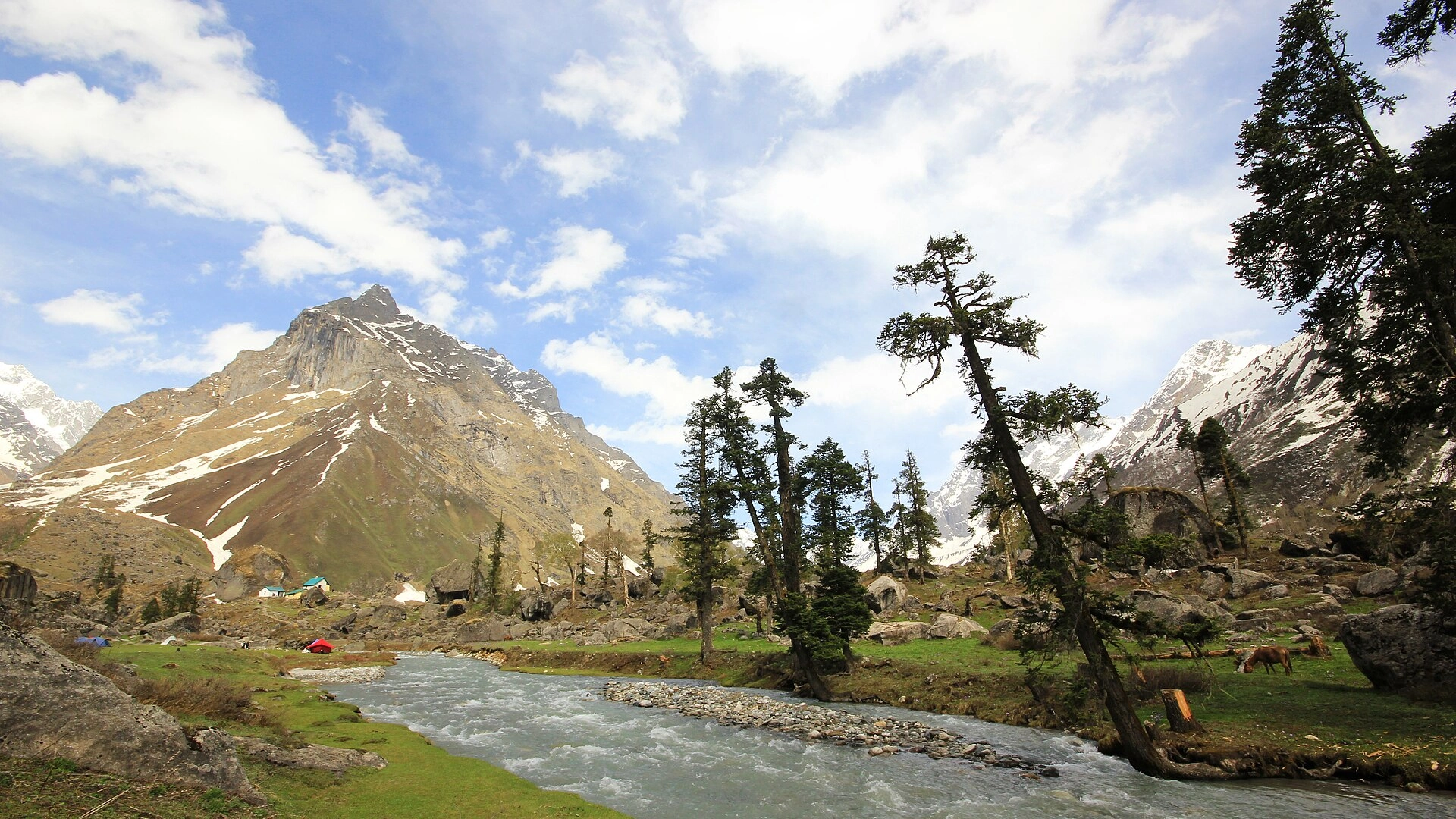
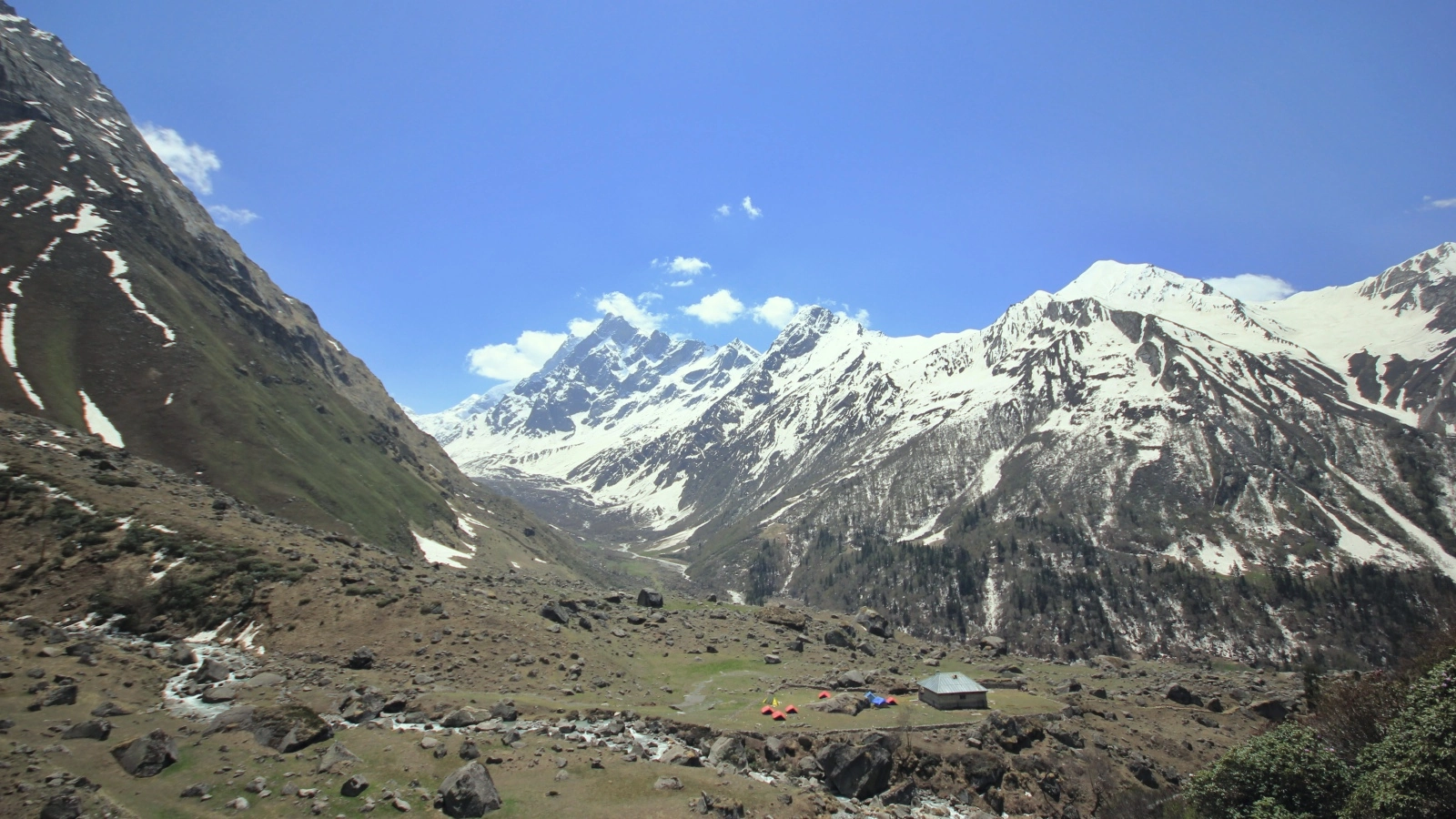
Har Ki Dun is a glacial valley at 3,566 m (11,700 ft) in the Govind Pashu Vihar area of Uttarkashi district, Uttarakhand. The trail follows the Supin river from Sankri through old wooden villages such as Osla and Gangad, past deodar and walnut forest, to a U-shaped valley below Swargarohini and Hata Peak. It is a longer valley walk than the nearby Kedarkantha, with gradual climbs rather than a steep summit.
Season status (19 November 2026): the trek runs in spring and autumn, and in winter it carries snow. Snow begins past Seema from about mid-December through late February, so late November to early December is cold with limited batches. Check the checkpost and your operator before you leave, because weather and permit rules change.
Har Ki Dun quick facts
| Base | Sankri (1,950 m), with a jeep to Taluka (2,180 m) |
| Highest camp | Har Ki Dun valley, 3,566 m (11,700 ft) |
| Distance | About 47 to 52 km round trip from Taluka |
| Duration | 6 to 7 days including the drive from Dehradun |
| Level | Easy to moderate, long walking days |
| Best months | April to June, September to November |
Har Ki Dun itinerary
- Dehradun to Sankri. About 210 km, 8 to 10 hours via Mussoorie, Purola and Mori.
- Sankri to Taluka by jeep (12 km), then walk to Puani Ghaat or Gangad, about 10 km along the river.
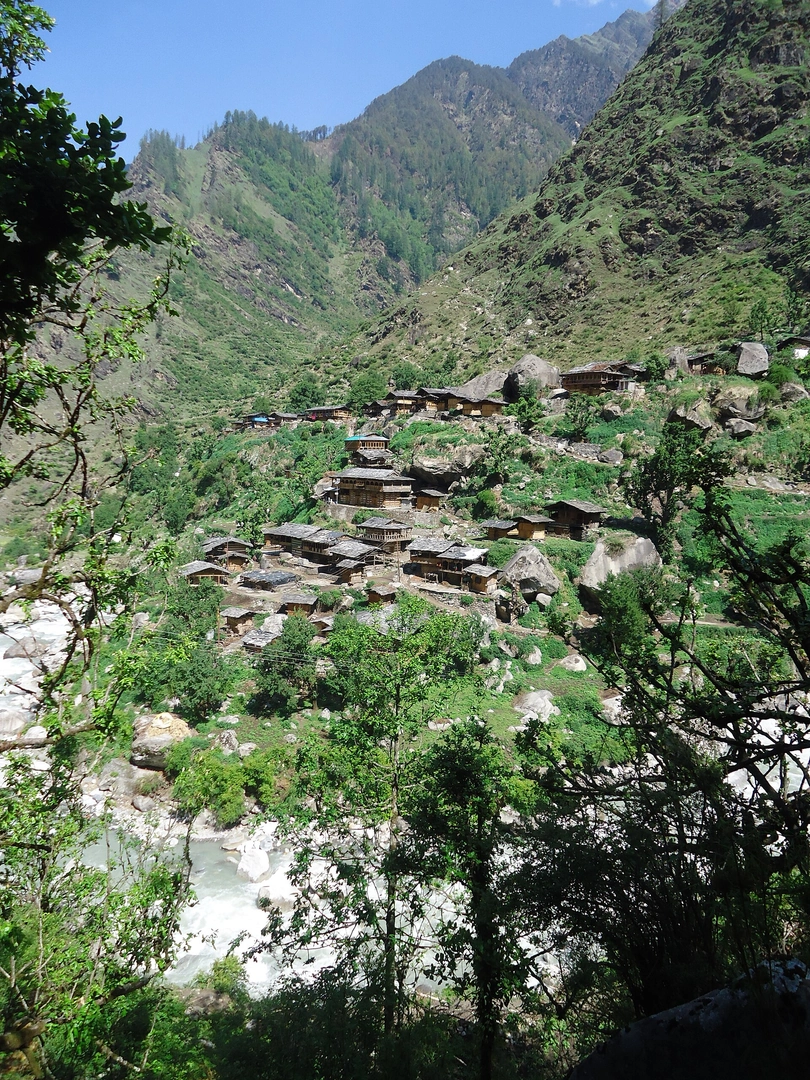
- Puani Ghaat to Kalkatiyadhar via Osla, about 11 km, past terraced fields and carved wooden houses.
Best time
April to June is green and clear. September to November has crisp air and good views. From mid-December to late February the upper trail has snow. July and August bring rain and landslides on the Sankri road.
Permit and forest fees
One 2026 guide reports the forest checkpost at Netwar charging Rs 150 for Indian nationals and Rs 600 for foreigners for the first three days, plus Rs 50 a day after that, and a camping fee of Rs 50 per tent per night. Carry an original photo ID and two passport photos. The Kedarkantha guide quotes the same fee, and a guide is required inside the park. Rules change, so confirm at Sankri.
How to reach Sankri
State and private buses leave Dehradun early in the morning, around 5:30 and 6:30 AM, and shared taxis fill up through the day. Both take 8 to 10 hours on a hill road. In monsoon the jeep road from Sankri to Taluka can close, which adds a 3-hour walk.
Har Ki Dun trek cost
Group packages from Sankri start around Rs 9,500 to Rs 15,000 per person. A package including transport from Dehradun runs higher. One estimate puts an all-in trip at Rs 16,500 to Rs 24,000 per person. Ask what is included.
What to expect on the trail
There is no mobile signal beyond Sankri and no electricity beyond it, so carry a power bank. Camps use dry toilet tents. Water comes from springs and streams, so treat it. Osla is known for a carved wooden temple to Someshwar. Ask before photographing people or shrines.
Har Ki Dun or Kedarkantha
Both start from Sankri. Kedarkantha is a short summit trek of about 20 km with snow in winter. Har Ki Dun is about 47 km over five days on foot, with villages and a river valley. Choose Har Ki Dun if you prefer culture and long valley walks to a steep summit.
What to pack
- Base layer, fleece and a down jacket rated around -5 degrees C
- Waterproof boots, rain shell and trekking poles
- Headlamp, sunglasses, power bank, first-aid kit
FAQ
Is Har Ki Dun good for first-timers?
Yes, if you are comfortable walking 10 to 14 km a day for five days. The climb is gradual.
What is the altitude?
The valley is at 3,566 m. The optional Maninda Tal viewpoint is higher, about 3,750 m.
Do I need a guide?
A registered local guide is required for park treks in the area, and operators arrange one.
Last checked: 19 November 2026.
Sources
- Har Ki Dun Trek Guide 2026, Travel guide, TrendyExplore, 20 August 2026, route, distances, fees and budget
- Har Ki Dun Trek Guide 2026, Operator blog, Kalandi Adventures, July 2026, package price range
- Where Is Har Ki Dun? Location and How to Reach, Operator blog, Trekkaro, 24 October 2026, package price