Amarnath Yatra: Registration, Dates and Health Certificate
Last updated
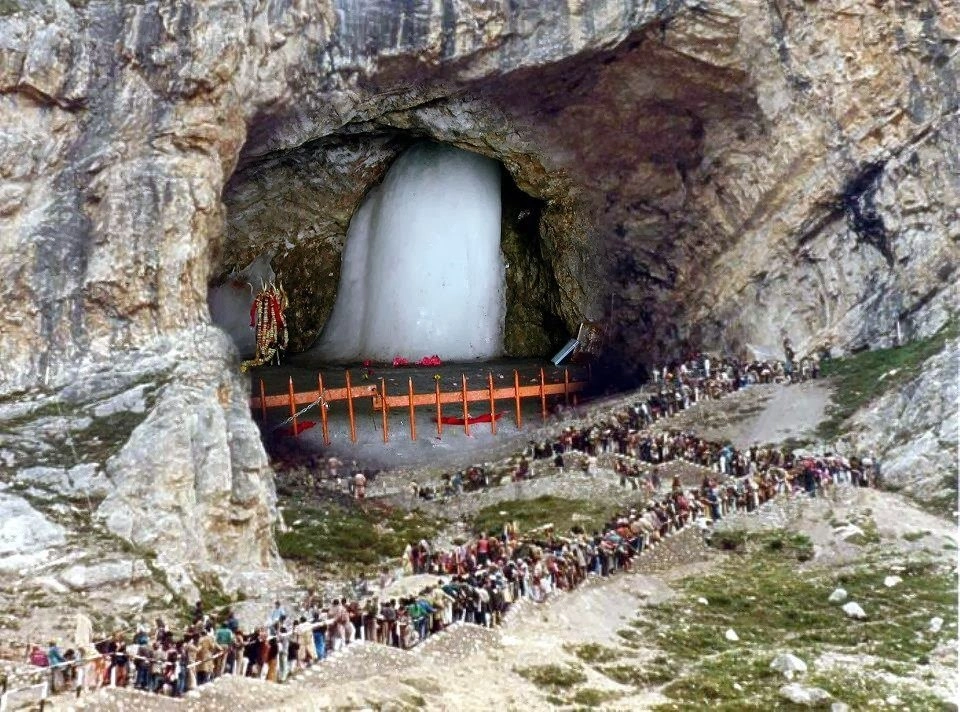
Amarnath is a seasonal high-altitude pilgrimage to the ice Shiva Lingam cave in the Kashmir Himalayas. It is managed by the Shri Amarnathji Shrine Board (SASB). You cannot treat it like a walk-in trek: every pilgrim needs a yatra permit for a fixed date and route, a Compulsory Health Certificate, and an RFID card collected in Jammu and Kashmir before starting.
Season status (19 November 2026): the 2026 yatra is over. It ran for 57 days from 3 July and ended on 28 August 2026, Shravan Purnima (Raksha Bandhan), when the Chhari Mubarak reached the cave. Rain and track damage forced a suspension of the general yatra from 9 August, and the Pahalgam axis stayed closed to regular pilgrims for the rest of the season. The 2027 dates are not announced yet. Check jksasb.nic.in before you plan.
The registration steps below are the 2026 rules. SASB revises them each year, so confirm every figure on the portal once the 2027 yatra is announced. Weather and route closures change fast.
Amarnath Yatra 2026 dates
| Item | Detail |
|---|---|
| Yatra start | 3 July 2026 |
| Yatra end | 28 August 2026 (Shravan Purnima / Raksha Bandhan) |
| Suspension | General yatra suspended on both routes from 9 August 2026 for rain and track repairs |
| Pahalgam axis | Closed to regular pilgrims for repairs, so most pilgrims used the Baltal route |
| Advance registration opened | 15 April 2026 |
| Pilgrims | More than 4.8 lakh had visited the cave by 8 August 2026 |
| 2027 yatra | Dates not announced yet |
| Official portal | jksasb.nic.in |
For earlier years, officials put the total at more than 4.14 lakh pilgrims in 2025 and more than 5.12 lakh in 2024.
In 2026, registration for a specific travel date closed about 7 days before that date. Arrive only for the date printed on your permit. Early arrival does not let you cross the gate sooner.
Registration, CHC, and RFID
Three separate steps. Missing any one stops you at the control gate.
1. Compulsory Health Certificate (CHC)
- Mandatory for every pilgrim
- Must be on the SASB format from an authorised doctor / medical institution (state-wise lists on the SASB site)
- For 2026, CHCs issued on or after 8 April 2026 were accepted for registration
- If your health changes after the CHC, consult a doctor again before you travel
2. Yatra permit
Register online via SASB / the official app, or at designated bank branches across India (first-come, fixed daily quota per route). Bank registration uses Aadhaar-based biometric eKYC where available.
- Age: 13 to 70 years only (even with a CHC, outside this band you are not registered)
- Women more than 6 weeks pregnant are not permitted
- Bank guidelines for 2026 listed a permit fee of Rs 150 per yatra permit (doctor fee for CHC is separate)
- The permit shows BALTAL or PAHALGAM and the date you may cross the access control gate:
- Baltal axis: Domel
- Pahalgam axis: Chandanwari
Use only SASB lists for banks and authorised doctors. Do not pay private agents for "special registration."
3. RFID card (mandatory)
A registered permit alone is not enough to start the hill climb.
- Collect your RFID card from designated locations in Jammu / Kashmir division before embarking
- Carry Aadhaar details for collection
- Wear the RFID tag on your neck during the yatra
- No RFID = no start at the control gate
J&K Police promoted the Pehchaan app for yatra safety tracking in 2026. Follow current Board / police instructions when you collect RFID.
Baltal route vs Pahalgam route
| Baltal | Pahalgam | |
|---|---|---|
| Distance (one way, typical) | about 14 km | about 46-48 km |
| Difficulty | Shorter, steeper | Longer, more gradual |
| Time | Often treated as a long day trek (pace varies) | Usually 3-5 days with camp stops |
| Key places | Baltal / Domel access | Chandanwari, Sheshnag, Panjtarni |
| Best for | Limited time, if fit for steep climbs | Traditional multi-day trek, if the axis is open |
In 2026 the Pahalgam axis was closed for track repairs for much of the season, and the Baltal route carried most pilgrims. Do not assume the axis on your permit is open. Check the current axis status on the SASB homepage and with local administration the week you travel.
Ponies, palkis, and porters are available on notified rates. Prefer pre-paid / Board-notified rates published for the season on jksasb.nic.in rather than roadside bargaining alone.
Do not stay overnight at the Holy Cave. SASB advisory: high altitude and harsh weather make overnight stay at the cave unsafe / not permitted.
Free langar food is usually available along the organised yatra area when camps are running.
The ice Shiva Lingam and when to go
The lingam forms naturally from ice and shrinks as the season goes on. In 2026 it lost more than 90 per cent of its form within the first week of the yatra, according to reports at the close of the season, and officials noted that most pilgrims prefer the first weeks, when the lingam is at its fullest. If the full lingam matters to you, plan for the opening days once SASB announces the 2027 dates, and expect larger crowds then.
Helicopter
Helicopter tickets are booked only through the official SASB portal (see Helicopter Service on jksasb.nic.in).
Common routes listed by SASB:
- Neelgrath ↔ Panjtarni (Baltal side)
- Pahalgam ↔ Panjtarni
- Srinagar ↔ Neelgrath
From Panjtarni you still need time on foot / local options to reach the cave and return. SASB heli instructions note a practical gap between onward and return slots (often several hours) because the Panjtarni-cave stretch takes substantial time.
Also required for heli pilgrims: original photo ID + valid CHC + yatra formalities as per current rules. Flights are weather-dependent and can be cancelled with short notice. Soft-check live fare and slot status on the portal; do not buy "heli tickets" from random agents.
How to reach the base camps
| Mode | Notes |
|---|---|
| Flight | Srinagar airport is the usual air gateway; then road toward Baltal or Pahalgam |
| Train | Jammu (Jammu Tawi area) is the main railhead for many groups, then long road north |
| Road | During yatra season, buses, taxis, and organised convoys run on designated patterns; check highway and convoy advisories |
Many groups rest and finish RFID formalities around Jammu or Srinagar before moving to Baltal / Nunwan / Pahalgam camps. Do not schedule a same-day arrival into the valley plus a full steep Baltal climb if the group includes less-fit pilgrims.
In 2026, pilgrim numbers fell sharply in late July because of disruptions on the Jammu-Srinagar highway (NH44) and bad weather. Build spare days into any plan that depends on that road.
SIM tip (SASB advisory): prepaid SIMs from other states often do not work in J&K / the yatra area. Buy a local pre-activated SIM at notified base-camp / Jammu points if needed.
Packing and altitude
The cave area is roughly 3,888 m. Weather can drop sharply (SASB warns temperatures can fall abruptly, including below about 5°C). Hypothermia and altitude illness are real risks.
Carry:
- Warm woollen layers and waterproof shell / poncho
- Trekking shoes with grip (no slippers)
- Printed + phone copies of permit, CHC, ID; RFID once issued
- Personal medicines, basic first aid; discuss altitude medicine with a doctor before the trip
- Dry snacks, water bottle, trekking pole
- Enough cash (limited banking beyond base camps)
- Emergency contact note for someone travelling the same date
SASB health advisory: start fitness walks weeks ahead, go slow on climbs, drink fluids, descend if altitude symptoms worsen. Do not ignore headache, nausea, unusual fatigue, or confusion.
Helplines listed on SASB advisory pages include Jammu 0191-2503399 / 0191-2555662, Srinagar 0194-2313146 / 0194-2313147-49, and toll-free numbers on the site. Prefer numbers printed on the current SASB page if any change.
Checklist
- Confirm the 2027 dates and that the yatra is open on your date; check Baltal vs Pahalgam live status
- CHC from authorised doctor (correct format / date rules for that year)
- Yatra permit for your route and date (jksasb.nic.in)
- RFID collected in J&K before starting
- Warm + waterproof gear and trekking shoes
- Local SIM plan if needed
- Buffer days for weather / highway / route closures
- Helicopter only if booked on the official portal (optional)
FAQ
What were the official 2026 dates?
3 July 2026 to 28 August 2026, a 57-day yatra. The general yatra was suspended on both routes from 9 August because of rain and track repairs.
When is the Amarnath Yatra 2027?
SASB has not announced the 2027 dates yet. Watch jksasb.nic.in for the schedule and the CHC and registration rules for that year.
Why was the 2026 yatra suspended in August?
Officials cited recent rain, the need to repair vulnerable stretches of the tracks (work carried out by the Border Roads Organisation), and the weather forecast. The Pahalgam axis stayed closed to regular pilgrims afterwards.
Is registration free?
No. Bank advance-registration guidelines for 2026 specified Rs 150 per yatra permit. The CHC medical exam is separate. Registration itself is through SASB / designated banks, not private agents.
What is the age limit?
13 to 70 years. Pregnant women beyond 6 weeks are not permitted.
Can I start without RFID if I have a permit?
No. SASB states no registered yatri shall embark without an RFID card collected from designated Jammu / Kashmir locations.
Which route should I choose?
If both axes are open: Baltal is shorter but steeper; Pahalgam is longer and usually more gradual. In 2026, Pahalgam was closed for repairs for much of the season while Baltal stayed open. Choose based on current official status and your fitness, not only what the permit label says.
Is helicopter available from Srinagar?
SASB lists a Srinagar-Neelgrath-Srinagar service in addition to Neelgrath / Pahalgam to Panjtarni. Book only on the official portal and confirm live operations for your dates.
Related guides and pages
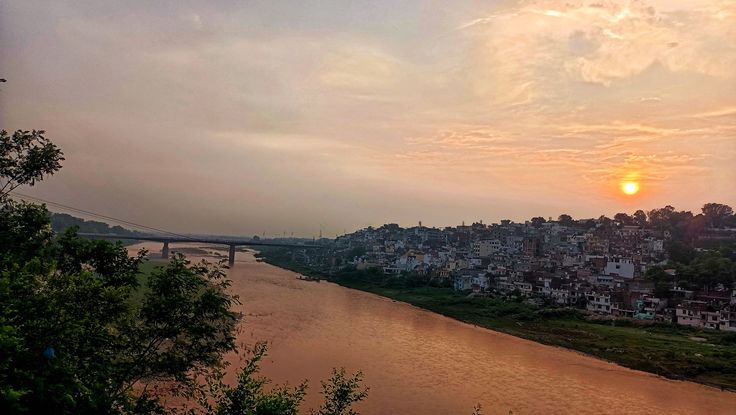
Place pages: Amarnath Temple · Pahalgam · Srinagar · Jammu
Sources
- Shri Amarnathji Shrine Board, Official, SASB, registration, CHC, RFID, helicopter service and advisories
- Amarnath Yatra Concludes With Sacred Cave Rituals Amid Weather Challenges, News, Deccan Chronicle, 28 August 2026
- Amarnath Yatra 2026 concludes, News, Rising Kashmir, 29 August 2026
- Amarnath Yatra Suspended From Today, News, Kashmir Observer, 8 August 2026
- Amarnath Yatra Crosses 4.67 Lakh Pilgrim Mark, News, Kashmir Observer, 4 August 2026