25 MAY 2026
Ganga Dussehra 2026
Jyeshtha Shukla Dashami 25 May 2026: Varanasi & Ganga-belt snan, ghats, Haridwar Prayagraj, heat and river-safety tips.
Ganga Dussehra (also called Gangavataran in many places) is one of the biggest river festivals of North India. Pilgrims pack the ghats before sunrise; priests perform aarti; families remember ancestors and give daan. If you are travelling for the first time, plan for crowds, heat, and river safety as much as for devotion.
On Jyeshtha Shukla Dashami, the tenth bright day of the Jyeshtha month, many Hindus honour Mother Ganga and the story of her descent to Earth. The heart of the day is snan (holy bath), prayer at the ghats, and charity.
Travel note from Yatrigo. For 2026, public panchangs widely list Monday, 25 May as Ganga Dussehra (Jyeshtha Shukla Dashami). The exact Dashami tithi window moves with longitude and rule-set, so a few communities may shift snan to the adjacent civil day. District police, municipal corps, and temple trusts publish crowd and ghat rules each year. This page is not an official notice.
Quick facts
| Main date | 25 May 2026. Monday on most pan-India lists; verify Dashami for your city |
| How to reach | Varanasi. Lal Bahadur Shastri airport (VNS); major trains to Varanasi, Banaras, or Mughal Sarai |
| Crowds | Very large. Ghats from Dashashwamedh to Assi fill early; book hotels well ahead |
| Why this date | Panchang. Cross-check Drik Panchang, Prokerala, or your local calendar |
What is Ganga Dussehra?
It marks the day the sacred river Ganga is believed to have come down from heaven through the penance of King Bhagiratha, a story of devotion and purification. Bathing in Mother Ganga on this Dashami is widely held to carry special merit; local priests and families will explain their own customs if you ask respectfully.
Do not confuse it with every other "Ganga" observance on the calendar: names and exact lunar tags differ by region. For travel, what matters is which civil date your destination uses for snan.
Major bathing cities
Any town on the Ganga can observe the day; these draw the largest pilgrim flows and therefore the strongest transport and hotel pressure.
| City | Notes |
|---|---|
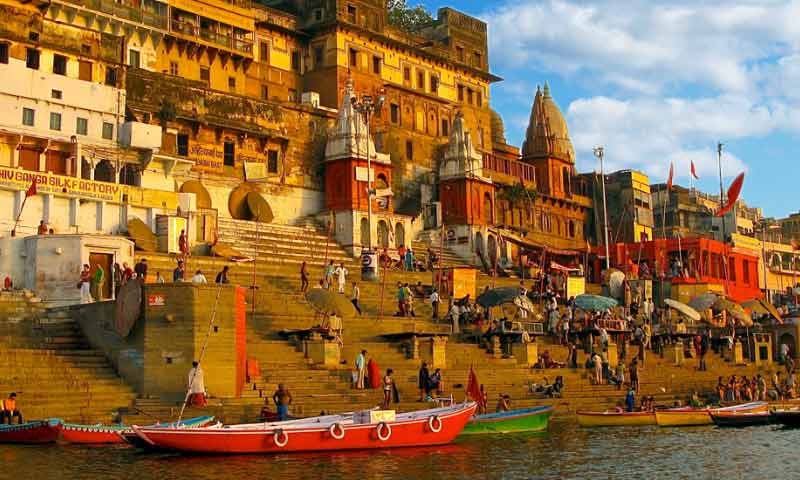
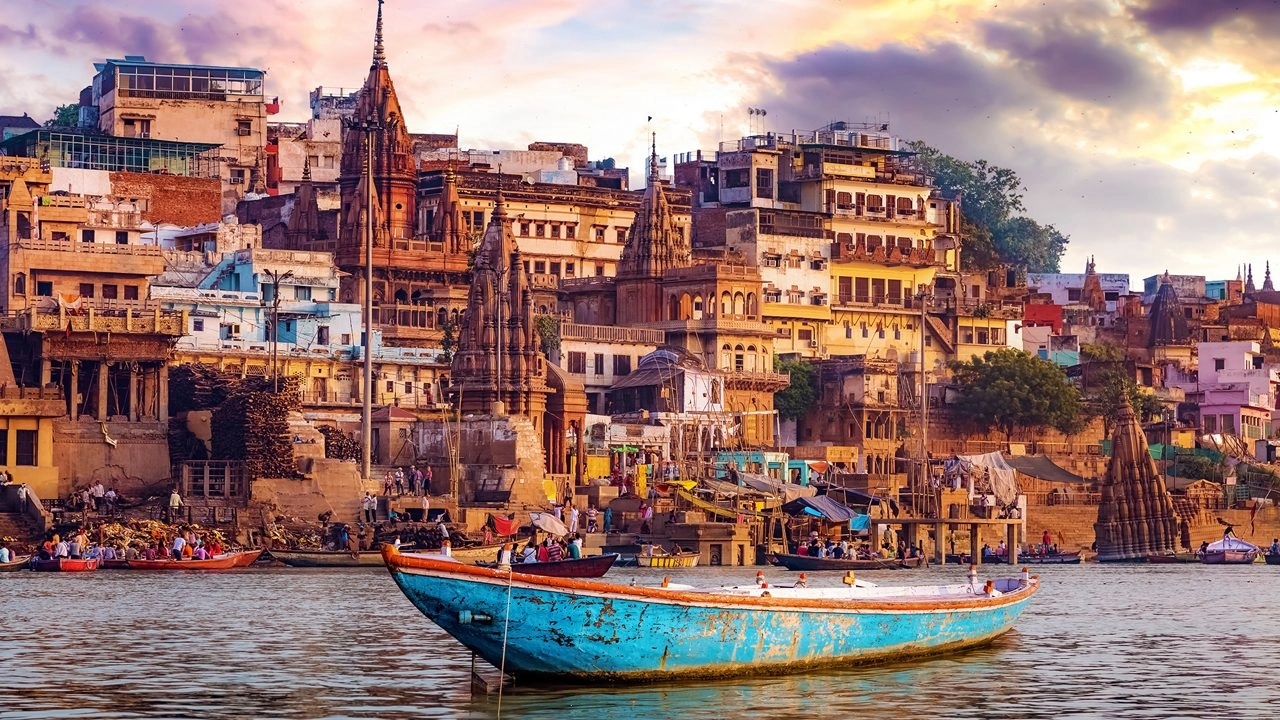
| Varanasi (Kashi) | Iconic ghats: Dashashwamedh, Manikarnika, Assi, and long stretches in between. Boat rides at dawn are popular; expect tight security screening at entry points. |
| Haridwar | Har ki Pauri and upstream ghats. Rail links from Delhi are heavy; arrive a day early if possible. |
| Prayagraj | Sangam confluence. Spiritually huge; ferries and pontoon bridges vary by season. |
| Rishikesh, Garhmukteshwar, Patna | River towns with serious bathing traffic. Quieter than Varanasi in some spots, but still plan for heat and steps. Ghats can be slippery. |
Local melas, fairs, and processions are announced in Hindi newspapers and district portals. Check a week before you travel.
Simple planning ideas
Late May on the Gangetic plain is already hot (often 40 °C class days). Carry water, electrolytes, cotton clothes, and sandals with grip. Prefer registered boats and life-jackets where the municipality mandates them. Keep phones and cash in a dry pouch if you wade in.
- Confirm the civil day. Match Dashami for your city on a trusted panchang; if in doubt, ask your hotel or priest the evening before.
- Book stay near the river. Walking beats cars on festival morning. Choose a legal guesthouse with clear fire exits. Old city lanes get packed.
- Reach the ghat before dawn. 4:30–5:30 a.m. is often the calmest window for bath and darshan; crowds thicken after sunrise.
- River safety first. Enter only where stairs are stable; avoid deep channels, hidden currents, and alcohol before swimming. Drowning risk rises on festival days.
Respectful visiting
- Do not litter. Use bins or carry waste back; plastic is banned on many ghats.
- Ask before filming close-ups of bathers or mourning families (pind daan rituals).
- Follow police one-way routes; stampedes are rare but real when barricades move.
- Women travellers may prefer main ghats with visible lighting and police booths at night.
Why we show 25 May 2026
Monday, 25 May 2026 is the civil date used by widely read festival calendars, for example Prokerala Hindu calendar — May 2026 and BhaktiBharat — Ganga Dussehra. For minute-level tithi start and end, use Drik Panchang — Ganga Dussehra 2026.
Ganga Dussehra (also called Gangavataran in many places) is one of the biggest river festivals of North India. Pilgrims pack the ghats before sunrise; priests perform aarti; families remember ancestors and give daan. If you are travelling for the first time, plan for crowds, heat, and river safety as much as for devotion.
On Jyeshtha Shukla Dashami, the tenth bright day of the Jyeshtha month, many Hindus honour Mother Ganga and the story of her descent to Earth. The heart of the day is snan (holy bath), prayer at the ghats, and charity.
Travel note from Yatrigo. For 2026, public panchangs widely list Monday, 25 May as Ganga Dussehra (Jyeshtha Shukla Dashami). The exact Dashami tithi window moves with longitude and rule-set, so a few communities may shift snan to the adjacent civil day. District police, municipal corps, and temple trusts publish crowd and ghat rules each year. This page is not an official notice.
Quick facts
| Main date | 25 May 2026. Monday on most pan-India lists; verify Dashami for your city |
| How to reach | Varanasi. Lal Bahadur Shastri airport (VNS); major trains to Varanasi, Banaras, or Mughal Sarai |
| Crowds | Very large. Ghats from Dashashwamedh to Assi fill early; book hotels well ahead |
| Why this date | Panchang. Cross-check Drik Panchang, Prokerala, or your local calendar |
What is Ganga Dussehra?
It marks the day the sacred river Ganga is believed to have come down from heaven through the penance of King Bhagiratha, a story of devotion and purification. Bathing in Mother Ganga on this Dashami is widely held to carry special merit; local priests and families will explain their own customs if you ask respectfully.
Do not confuse it with every other "Ganga" observance on the calendar: names and exact lunar tags differ by region. For travel, what matters is which civil date your destination uses for snan.
Major bathing cities
Any town on the Ganga can observe the day; these draw the largest pilgrim flows and therefore the strongest transport and hotel pressure.
| City | Notes |
|---|---|
| Varanasi (Kashi) | Iconic ghats: Dashashwamedh, Manikarnika, Assi, and long stretches in between. Boat rides at dawn are popular; expect tight security screening at entry points. |
| Haridwar | Har ki Pauri and upstream ghats. Rail links from Delhi are heavy; arrive a day early if possible. |
| Prayagraj | Sangam confluence. Spiritually huge; ferries and pontoon bridges vary by season. |
| Rishikesh, Garhmukteshwar, Patna | River towns with serious bathing traffic. Quieter than Varanasi in some spots, but still plan for heat and steps. Ghats can be slippery. |
Local melas, fairs, and processions are announced in Hindi newspapers and district portals. Check a week before you travel.
Simple planning ideas
Late May on the Gangetic plain is already hot (often 40 °C class days). Carry water, electrolytes, cotton clothes, and sandals with grip. Prefer registered boats and life-jackets where the municipality mandates them. Keep phones and cash in a dry pouch if you wade in.
- Confirm the civil day. Match Dashami for your city on a trusted panchang; if in doubt, ask your hotel or priest the evening before.
- Book stay near the river. Walking beats cars on festival morning. Choose a legal guesthouse with clear fire exits. Old city lanes get packed.
- Reach the ghat before dawn. 4:30–5:30 a.m. is often the calmest window for bath and darshan; crowds thicken after sunrise.
- River safety first. Enter only where stairs are stable; avoid deep channels, hidden currents, and alcohol before swimming. Drowning risk rises on festival days.
Respectful visiting
- Do not litter. Use bins or carry waste back; plastic is banned on many ghats.
- Ask before filming close-ups of bathers or mourning families (pind daan rituals).
- Follow police one-way routes; stampedes are rare but real when barricades move.
- Women travellers may prefer main ghats with visible lighting and police booths at night.
Why we show 25 May 2026
Monday, 25 May 2026 is the civil date used by widely read festival calendars, for example Prokerala Hindu calendar — May 2026 and BhaktiBharat — Ganga Dussehra. For minute-level tithi start and end, use Drik Panchang — Ganga Dussehra 2026.
Tags
Share a quick rating, tip, or photo so the next traveler knows what to expect.