14 APR 2026
Baisakhi (Vaisakhi) 2026
Punjab spring harvest, Khalsa day, Harmandir Sahib, nagar kirtan, and visitor tips.
Wheat stubble smoke, brass tassels on nagar kirtan flags, and the steady swell of the sangat: a spring threshold when Punjab remembers the harvest, the sun's return to Aries, and (for Sikhs) the birth of the Khalsa in 1699.
Walk the Heritage Street toward Harmandir Sahib on Vaisakhi week: the marble is cool underfoot, the air smells of ghee and brass polish, and every few steps someone presses a warm karah prasad into your palm without asking your name.
Editorial guide. Nagar kirtan routes, security cordons, and gurdwara programmes change every year. For Amritsar, follow official notices from SGPC / district administration and your gurdwara or hotel. This page is not religious legal advice for amrit or initiation.
One date, many meanings
In Punjabi speech you hear both Vaisakhi and Baisakhi; the "B" swap is old Doabi / Malwai habit, the same festival. Astronomically it sits near Mesha Sankranti, when the sun crosses into Aries; agronomically it marks the tail end of the rabi wheat harvest across Punjab and the northern plains.
For Sikhs worldwide, the same window centres on 1699 at Anandpur Sahib, when Guru Gobind Singh Ji initiated the Panj Pyare and inaugurated the Khalsa through amrit sanchar, a turning point remembered with kirtan, readings from Gurbani, and often fresh amrit ceremonies in gurdwaras. Encyclopaedic accounts also note the painful overlap with history: in 1919, British troops fired on a protest crowd in Amritsar on Baisakhi, remembered today at Jallianwala Bagh. Many families hold both celebration and remembrance in the same breath.
Words you will hear in the pandal and the parks
| Term | Meaning |
|---|---|
| Nagar kirtan (ਨਗਰ ਕੀਰਤਨ) | Neighbourhood procession with Guru Granth Sahib on a float, sangat walking, often gatka and dhol. |
| Langar (ਲੰਗਰ) | Free community kitchen: volunteers chop, roll rotis, and wash steel thalis in endless rotation. |
| Amrit sanchar | Initiation with prepared amrit; usually organised by panj piare at major gurdwaras on Vaisakhi. |
| Nishan Sahib | Saffron banner raised at gurdwaras; seva crews replace cloths and polish the shaft on festival days. |
| Bhangra / Giddha | Folk dance forms tied to harvest joy, today performed on stages, maidans, and college lawns alike. |
| Karah prasad | Wheat halwa sanctified in the presence of Guru Granth Sahib, offered with both hands, received with cupped palms. |
Roman spellings vary (Vaisakhi / Baisakhi / Visakhi). Follow the spelling your hosts, posters, and granthi use.
When is Baisakhi in 2026?
Nanakshahi listings and Indian civil calendars widely mark 14 April 2026 for major observances in 2026. Some villages still anchor panchang to 13 April for certain sankranti baths; always confirm with your local gurdwara or panchayat calendar.
| Civil date | 14 Apr 2026. Widely published; verify with SGPC / local hukamnama |
| Heartland | Amritsar. Harmandir Sahib, nagar kirtan, lakhs in sangat |
| Harvest | Rabi close. Kanak gathered; mustard yellows the horizon |
| Khalsa | 1699. Kesari nishan, panj kakar, collective courage |
Where the crowds converge
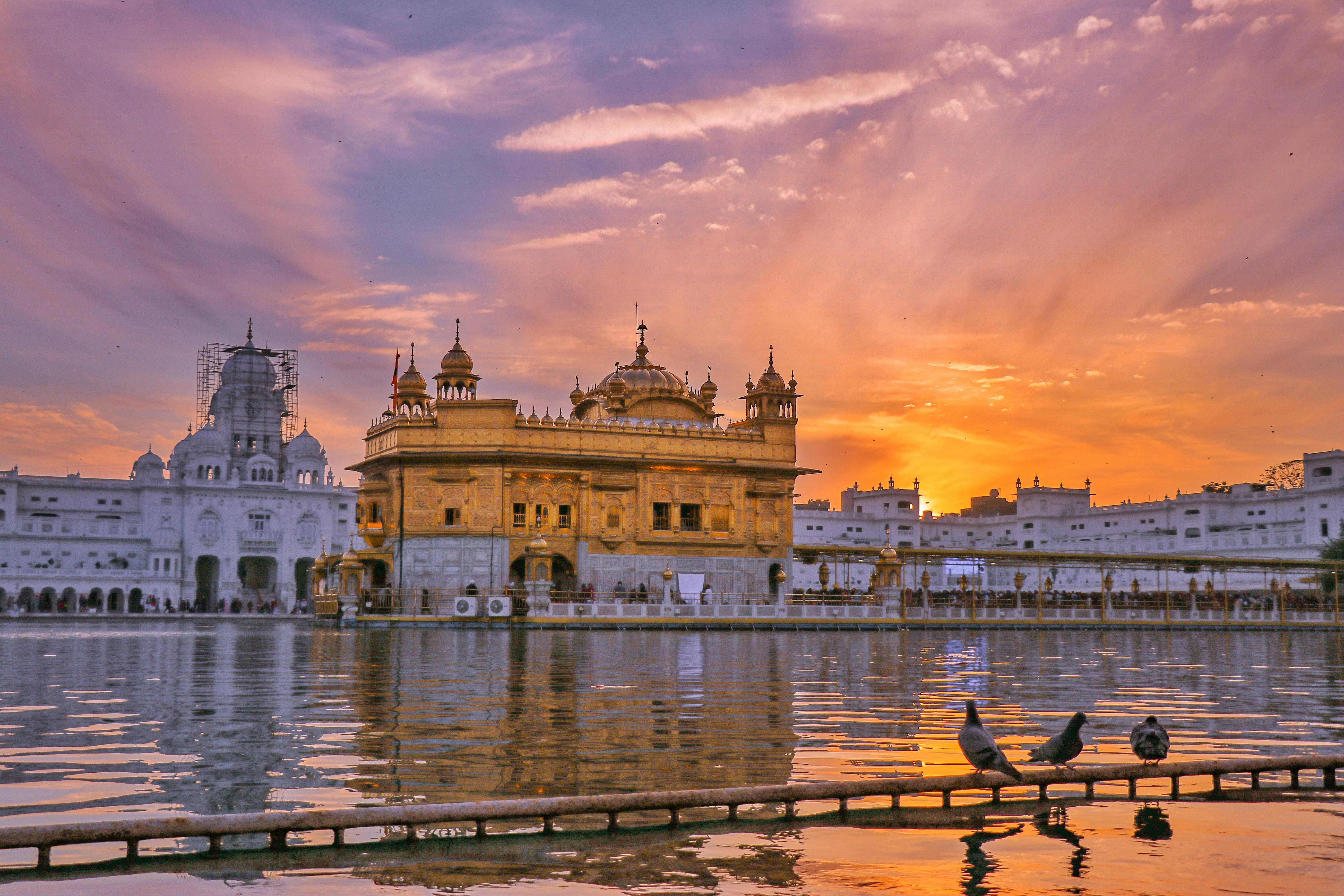
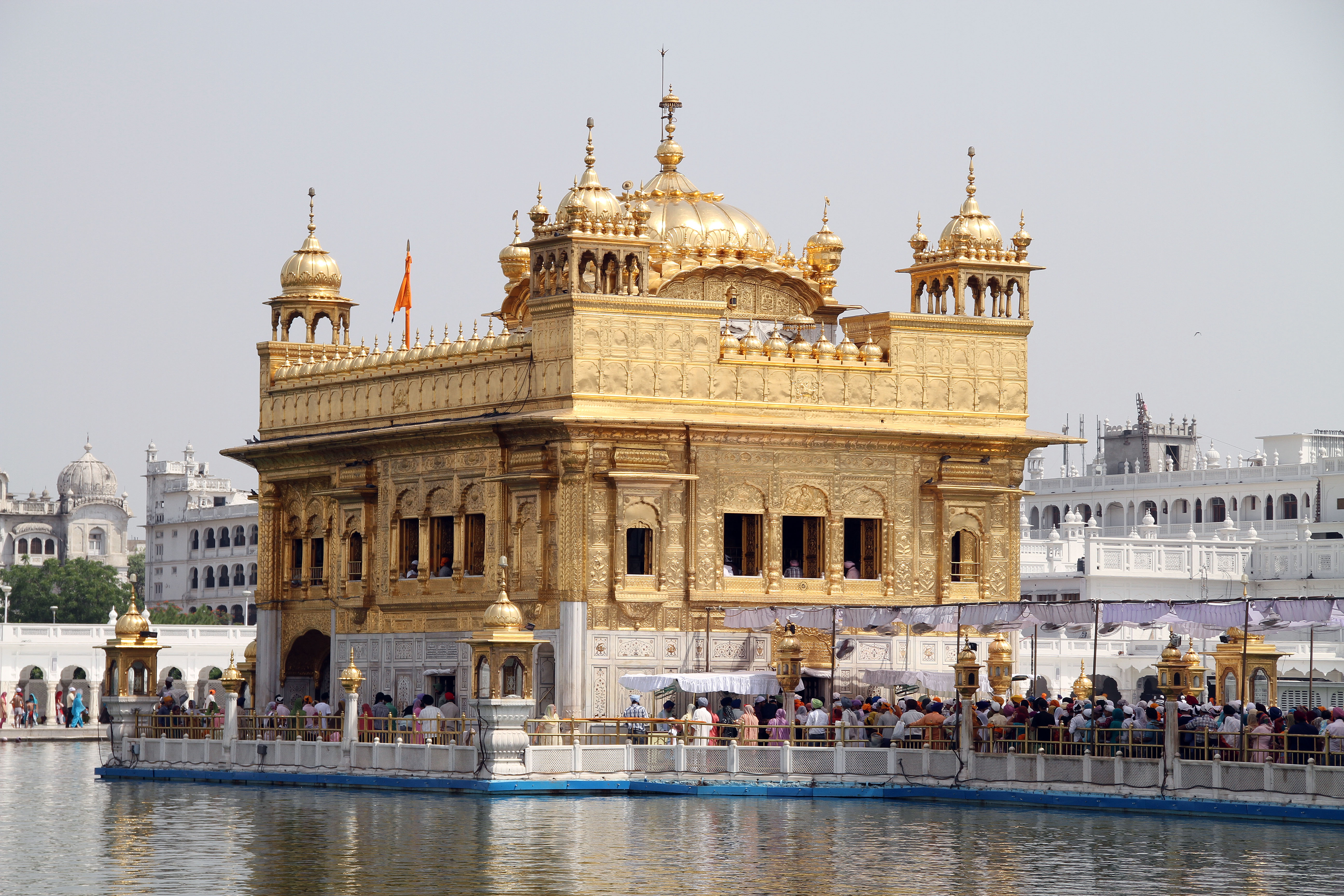
While every pind has its own nagar kirtan, Amritsar remains the emotional compass for many overseas Punjabis: the Harmandir Sahib sarovar at night, the brassy echo of the Akal Takht palki, and the pedestrian bustle of Heritage Street leading toward the gates. On Yatrigo, start from the Golden Temple (Harmandir Sahib) place page and branch outward to Amritsar city listings for stays and food.
Practical notes for sangat week
- Carry a headscarf; cover legs and shoulders inside the parkarma; marble heats fast by midday.
- Leave drones and selfie sticks if police orders say so; queues for entry can run an hour or more.
- Drink bottled water or refills from trusted community stalls; April sun in Punjab is sharper than it looks.
- If you photograph people at kirtan or langar seva, ask first; many families are fine, some are not.
- Try seasonal plates: sarson da saag with makki di roti, kanji from earthen pots, gur pinni from halwais.
Rail, road, and air
- By train. Amritsar Junction (ASR) is well linked to Delhi, Chandigarh, and Jammu. Book early for Vaisakhi week; tatkal fills within minutes.
- By air. Sri Guru Ram Dass Jee International Airport sits west of the city; prepaid taxis and ride apps serve Harmandir Sahib; expect festival surcharges.
- By road. Grand Trunk Road pilgrims often route via Ludhiana or Jalandhar. NH diversions happen around nagar kirtan; follow Punjab Police updates and highway signage.
Nanakshahi, Bikrami, and the April sky
Most Sikh gurpurabs now follow the Nanakshahi solar calendar, but a few observances, including Vaisakhi alongside some Bikrami reckonings, still spark friendly debate among granthis and astrologers. The Gregorian date of solar festivals slowly drifts across centuries. For travel planning, trust the printed hukamnama board at your gurdwara more than a random app screenshot.
"For Sikhs, in addition to its significance as the harvest festival… Vaisakhi observes major events in the history of Sikhism… Vaisakhi as a major Sikh festival marks the birth of the Khalsa order by Guru Gobind Singh."
Wheat stubble smoke, brass tassels on nagar kirtan flags, and the steady swell of the sangat: a spring threshold when Punjab remembers the harvest, the sun's return to Aries, and (for Sikhs) the birth of the Khalsa in 1699.
Walk the Heritage Street toward Harmandir Sahib on Vaisakhi week: the marble is cool underfoot, the air smells of ghee and brass polish, and every few steps someone presses a warm karah prasad into your palm without asking your name.
Editorial guide. Nagar kirtan routes, security cordons, and gurdwara programmes change every year. For Amritsar, follow official notices from SGPC / district administration and your gurdwara or hotel. This page is not religious legal advice for amrit or initiation.
One date, many meanings
In Punjabi speech you hear both Vaisakhi and Baisakhi; the "B" swap is old Doabi / Malwai habit, the same festival. Astronomically it sits near Mesha Sankranti, when the sun crosses into Aries; agronomically it marks the tail end of the rabi wheat harvest across Punjab and the northern plains.
For Sikhs worldwide, the same window centres on 1699 at Anandpur Sahib, when Guru Gobind Singh Ji initiated the Panj Pyare and inaugurated the Khalsa through amrit sanchar, a turning point remembered with kirtan, readings from Gurbani, and often fresh amrit ceremonies in gurdwaras. Encyclopaedic accounts also note the painful overlap with history: in 1919, British troops fired on a protest crowd in Amritsar on Baisakhi, remembered today at Jallianwala Bagh. Many families hold both celebration and remembrance in the same breath.
Words you will hear in the pandal and the parks
| Term | Meaning |
|---|---|
| Nagar kirtan (ਨਗਰ ਕੀਰਤਨ) | Neighbourhood procession with Guru Granth Sahib on a float, sangat walking, often gatka and dhol. |
| Langar (ਲੰਗਰ) | Free community kitchen: volunteers chop, roll rotis, and wash steel thalis in endless rotation. |
| Amrit sanchar | Initiation with prepared amrit; usually organised by panj piare at major gurdwaras on Vaisakhi. |
| Nishan Sahib | Saffron banner raised at gurdwaras; seva crews replace cloths and polish the shaft on festival days. |
| Bhangra / Giddha | Folk dance forms tied to harvest joy, today performed on stages, maidans, and college lawns alike. |
| Karah prasad | Wheat halwa sanctified in the presence of Guru Granth Sahib, offered with both hands, received with cupped palms. |
Roman spellings vary (Vaisakhi / Baisakhi / Visakhi). Follow the spelling your hosts, posters, and granthi use.
When is Baisakhi in 2026?
Nanakshahi listings and Indian civil calendars widely mark 14 April 2026 for major observances in 2026. Some villages still anchor panchang to 13 April for certain sankranti baths; always confirm with your local gurdwara or panchayat calendar.
| Civil date | 14 Apr 2026. Widely published; verify with SGPC / local hukamnama |
| Heartland | Amritsar. Harmandir Sahib, nagar kirtan, lakhs in sangat |
| Harvest | Rabi close. Kanak gathered; mustard yellows the horizon |
| Khalsa | 1699. Kesari nishan, panj kakar, collective courage |
Where the crowds converge
While every pind has its own nagar kirtan, Amritsar remains the emotional compass for many overseas Punjabis: the Harmandir Sahib sarovar at night, the brassy echo of the Akal Takht palki, and the pedestrian bustle of Heritage Street leading toward the gates. On Yatrigo, start from the Golden Temple (Harmandir Sahib) place page and branch outward to Amritsar city listings for stays and food.
Practical notes for sangat week
- Carry a headscarf; cover legs and shoulders inside the parkarma; marble heats fast by midday.
- Leave drones and selfie sticks if police orders say so; queues for entry can run an hour or more.
- Drink bottled water or refills from trusted community stalls; April sun in Punjab is sharper than it looks.
- If you photograph people at kirtan or langar seva, ask first; many families are fine, some are not.
- Try seasonal plates: sarson da saag with makki di roti, kanji from earthen pots, gur pinni from halwais.
Rail, road, and air
- By train. Amritsar Junction (ASR) is well linked to Delhi, Chandigarh, and Jammu. Book early for Vaisakhi week; tatkal fills within minutes.
- By air. Sri Guru Ram Dass Jee International Airport sits west of the city; prepaid taxis and ride apps serve Harmandir Sahib; expect festival surcharges.
- By road. Grand Trunk Road pilgrims often route via Ludhiana or Jalandhar. NH diversions happen around nagar kirtan; follow Punjab Police updates and highway signage.
Nanakshahi, Bikrami, and the April sky
Most Sikh gurpurabs now follow the Nanakshahi solar calendar, but a few observances, including Vaisakhi alongside some Bikrami reckonings, still spark friendly debate among granthis and astrologers. The Gregorian date of solar festivals slowly drifts across centuries. For travel planning, trust the printed hukamnama board at your gurdwara more than a random app screenshot.
"For Sikhs, in addition to its significance as the harvest festival… Vaisakhi observes major events in the history of Sikhism… Vaisakhi as a major Sikh festival marks the birth of the Khalsa order by Guru Gobind Singh."
Tags
Share a quick rating, tip, or photo so the next traveler knows what to expect.